Categories
Technology

Nvidia teams up with Microsoft on new PC chip

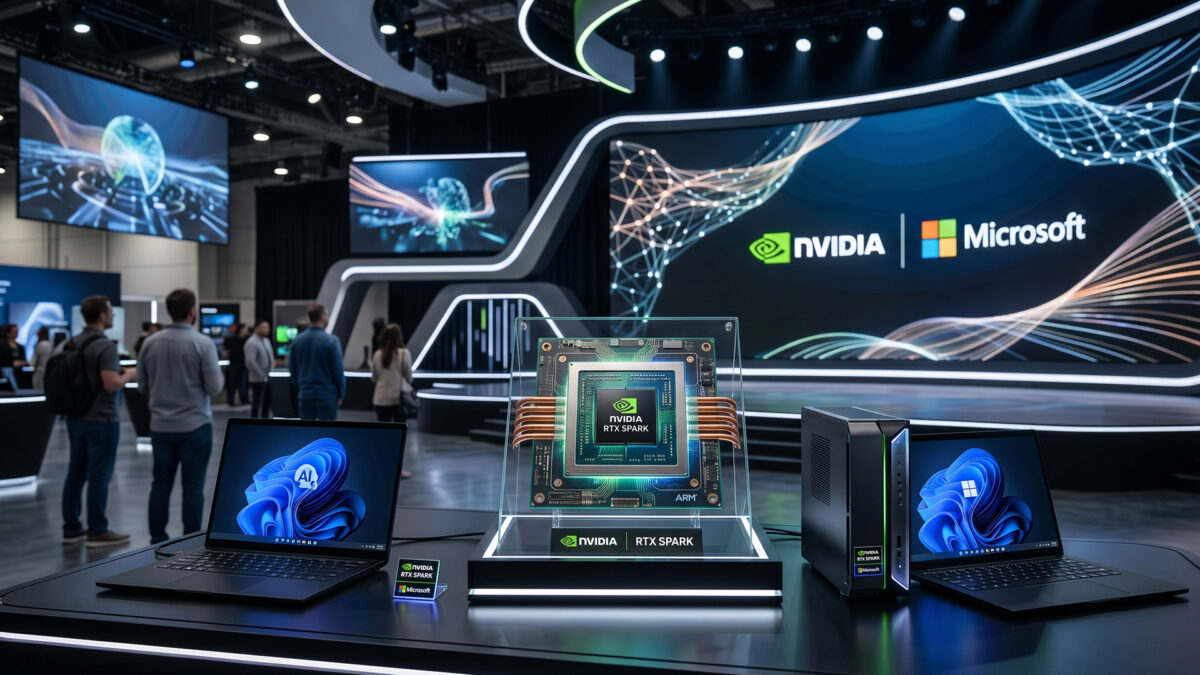
Nvidia has introduced a new processor for Windows laptops, deepening its presence in the rapidly expanding artificial intelligence PC market. The chip, developed in partnership with Microsoft, is expected to power a new line of AI-focused laptops from major manufacturers including Dell and HP.

The processor is designed to bring advanced AI capabilities directly to personal computers, enabling users to run complex AI applications without relying heavily on cloud services. The technology is expected to improve performance in areas such as content creation, productivity, language translation, virtual assistants and other AI-driven tasks.

The launch comes as technology companies increasingly focus on integrating artificial intelligence into consumer devices. Industry leaders believe AI-powered PCs could become the next major growth segment in the personal computing market, driving demand for more powerful and efficient processors.

Microsoft has been encouraging hardware partners to develop devices capable of supporting advanced AI features within the Windows ecosystem. Nvidia’s latest offering aligns with that strategy and expands the range of AI hardware available to PC makers.

Dell and HP are among the first companies expected to introduce laptops powered by the new processor. These devices are likely to feature enhanced AI performance, improved energy efficiency and faster processing for AI-related workloads.

The announcement also reflects Nvidia’s broader effort to diversify beyond its dominant position in data centre and graphics processing markets. The company has emerged as a leading player in artificial intelligence infrastructure, and the latest chip represents an attempt to bring that expertise to everyday consumer devices.

With the launch of its new Windows-focused processor, Nvidia is positioning itself at the centre of the evolving AI computing landscape. The company hopes the technology will help drive a new generation of personal computers built around artificial intelligence capabilities.

The move could intensify competition in the AI PC segment, where several chipmakers are seeking to establish an early advantage. As more software applications incorporate artificial intelligence features, demand for specialised processors is expected to rise.

Also Read: Wockhardt jumps 14% on USFDA nod for Zaynich

Categories
Technology

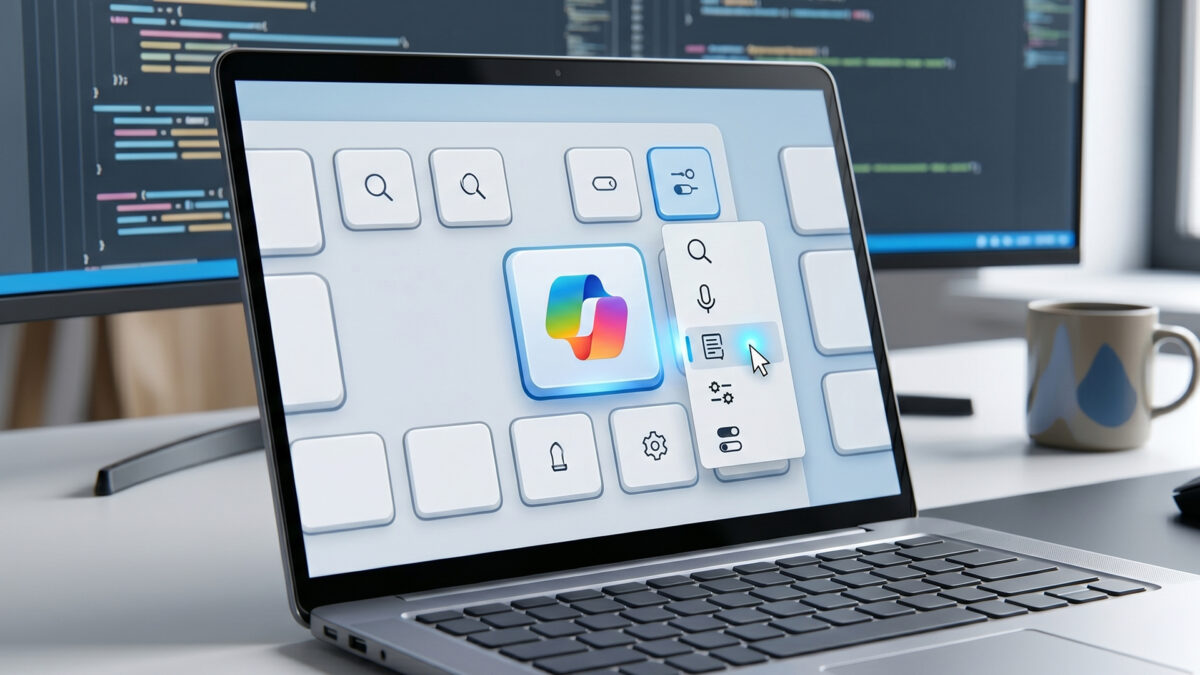
Copilot key on Windows can now be remapped

Microsoft is updating Windows 11 to give users more control over the Copilot key, allowing it to be reassigned instead of always opening the AI assistant.

Introduced in 2024, the Copilot key was meant to provide quick access to Microsoft’s AI tool. However, some users complained it replaced useful keyboard functions and changed familiar layouts.

The upcoming update will allow users to remap the key through system settings. It can be switched to functions like Right Ctrl or the Context Menu key, depending on user preference.

The change is part of Microsoft’s effort to refine its AI integration while keeping traditional keyboard usability intact. The feature will be available directly in Windows Settings in a future update.

Also Read: US clears India defence support deal

Categories
Corporate Uncategorized

Gates Foundation ends Microsoft era with $3.2 bn sale

The Gates Foundation has officially ended its long financial association with Microsoft by selling its remaining shares in the company, worth around $3.2 billion. The sale marks the end of a relationship that has lasted for more than two decades and is closely linked to the fortune created by Microsoft co-founder Bill Gates.

According to reports, the foundation sold its final 7.7 million Microsoft shares, completing a gradual reduction of its stake over the past few years. At one point, Microsoft had been among the foundation’s largest investments, with holdings worth billions of dollars.

The move, however, is not being viewed as a sign of reduced confidence in Microsoft or its business prospects. Instead, reports suggest that the sale is part of the foundation’s larger financial plan as it prepares to increase spending on global charitable work.

The Gates Foundation has been expanding its work in areas such as healthcare, education and poverty reduction. It reportedly plans to increase annual grant spending to around $9 billion, which requires greater cash availability for long-term projects and programmes.

The decision also carries symbolic importance because Microsoft played a central role in building Bill Gates’ wealth. Over the years, Gates gradually moved away from day-to-day involvement in the company and shifted much of his attention toward philanthropy and global development efforts.

Despite the foundation’s complete exit, Bill Gates personally still holds Microsoft shares. The sale therefore appears to be more about financial planning and supporting future philanthropic goals rather than any concerns about the company itself.

Also Read: Meta staff brace for May 20 layoffs

Categories
1 Minute-Read

LinkedIn to cut 5% of workforce in latest restructuring

LinkedIn, owned by Microsoft, is set to lay off about 5% of its global workforce as part of a new restructuring plan.

The cuts are expected to affect several hundred employees across different teams as the company reshapes its operations to focus on priority areas and future growth.

Even with the job reductions, LinkedIn has reported revenue growth in its recent performance, showing continued demand for its services.

The company said the decision is part of regular organisational changes and not solely driven by automation or artificial intelligence.

The decision comes amid ongoing job cuts across the global tech industry.

Categories
Corporate

OpenAI, Microsoft reset partnership terms

OpenAI and Microsoft have updated the terms of their high-profile partnership, signalling a new chapter in one of the most influential relationships in the artificial intelligence industry.

The revised agreement gives both companies greater flexibility at a time when the global AI race is accelerating and demand for computing power is rising sharply.

Microsoft will continue as a major cloud partner for OpenAI, but it will no longer be the exclusive provider of infrastructure. That means OpenAI can now work with other cloud companies when needed, helping it secure more capacity to train and run advanced AI systems.

For OpenAI, this is an important shift. Since the success of ChatGPT, the company has grown rapidly and needs huge amounts of computing resources to support users, developers and businesses around the world.

The new structure may help OpenAI expand faster while reducing dependence on a single partner.

For Microsoft, the reset allows it to maintain close ties with OpenAI while also creating more room to develop its own AI strategy.

Microsoft has already integrated OpenAI technology into products such as Copilot, Azure services and workplace software, making the partnership central to its recent AI push.

The companies have also reportedly adjusted financial arrangements and removed earlier clauses tied to future advanced AI scenarios, simplifying what had become a complex long-term relationship.

Also Read: Samsung launches EMI plans from ₹33 a day

Categories
1 Minute-Read

Meta, Microsoft cut jobs in AI shift

Meta and Microsoft have announced job cuts as they shift focus toward artificial intelligence and restructuring. Meta plans to reduce about 8,000 jobs, around 10% of its workforce, while also closing several unfilled roles to improve efficiency.

Microsoft is offering voluntary buyouts to nearly 7% of its US employees as part of internal restructuring, mainly targeting senior staff. Both companies are increasing spending on AI infrastructure, data centres and new technologies.

The decision reflects a wider trend in Big Tech, where firms are cutting costs while aggressively investing in AI development.

Categories
Technology

Windows 11 updates get user-friendly makeover

Microsoft is making Windows 11 updates less disruptive by giving users more control over when updates are installed and when their computers restart.

The changes come after years of complaints from users who said forced updates often interrupted work, meetings, gaming sessions and important tasks.

Under the new system, users will be able to pause updates for longer periods and extend those pauses when needed. This means people can choose a more convenient time to install updates instead of being pushed into immediate downloads.

Microsoft is also improving restart options. Even when updates are waiting, users will be able to shut down or restart their computers without being forced to install updates right away.

Another useful change is during the setup of a new PC. Users will now have the option to skip updates during the initial setup process and complete them later, helping them start using the device faster.

The company is also working on smarter update delivery so multiple updates can be combined, reducing the number of restarts required.

Microsoft said the changes are based on customer feedback and are designed to make Windows smoother to use while still keeping devices secure and up to date.

The features are currently being tested with Windows Insider users and are expected to roll out to more users in upcoming Windows 11 updates.

Tech experts said the move reflects a more user-friendly approach from Microsoft. Instead of forcing updates at inconvenient times, the company now appears focused on giving people flexibility while maintaining system security.

Also Read: Government pushes PSU Banks on wage revision

Categories
Corporate

Microsoft launches voluntary retirement scheme for US employees

Microsoft has introduced its first-ever voluntary retirement (buyout) programme in its 51-year history, offering eligible US employees an option to leave the company with a financial package. The move is expected to affect up to 7% of Microsoft’s US workforce, or roughly 8,000–8,750 employees.

According to internal communications, the programme is aimed at employees at the senior director level and below whose age and years of service combined equal 70 or more. For example, an employee aged 55 with 15 years at the company would qualify. Certain roles, including some sales positions, are excluded.

The company said the initiative is intended to give long-serving employees a voluntary and supported exit option, rather than relying on traditional layoffs. Eligible staff and managers will receive full details in early May.

The move comes at a time when Microsoft, like several other major tech firms, is undergoing structural changes driven by heavy investment in artificial intelligence and cloud infrastructure. The company has been spending billions to expand data centre capacity and AI capabilities, while also tightening operational costs elsewhere.

In recent years, Microsoft has already gone through multiple rounds of job cuts. This new buyout programme is seen as another step in reorganising its workforce to better align with long-term strategic priorities, especially AI-focused growth.

At the same time, Microsoft is also adjusting its compensation structure, including changes to how stock awards are distributed and giving managers more flexibility in rewarding performance.

Also Read: Warner Bros Discovery shareholders approve Paramount merger

Categories
Technology

Microsoft to end Outlook Lite app

Microsoft has decided to discontinue its Outlook Lite, with the service set to shut down on May 25, 2026, as part of its broader strategy to streamline products.

Outlook Lite was built as a low-resource alternative for emerging markets, offering essential email features with minimal data usage. Its discontinuation signals a shift toward a unified app ecosystem centred around the main Outlook Mobile platform.

Microsoft has been gradually phasing out the app, including halting new downloads and encouraging existing users to migrate. Post shutdown, the Lite app will no longer support any functionality.

The company says the transition will not affect user data, as all information remains cloud-based and accessible via the primary app. The move highlights Microsoft’s focus on enhancing performance, security, and feature integration through a single, standardised application.

Also Read: Travel platform data breach exposes user details

Categories
Leaders

Microsoft executive VP Rajesh Jha to retire in July

Microsoft has announced that senior executive Rajesh Jha will retire in July 2026, ending a long career of more than three decades at the technology company. His departure will also lead to several leadership changes within the organisation.

Jha currently serves as Executive Vice President of Microsoft’s Experiences and Devices division. The unit manages some of the company’s most widely used products, including the Windows operating system, Microsoft 365 applications such as Word, Excel and Teams, and the Surface range of devices.

According to the company, Jha will step down from his role on July 1. After retiring, he is expected to stay on for a short period in an advisory role to help ensure a smooth leadership transition.

Jha joined Microsoft over 30 years ago and worked his way up through different roles in engineering and product development. During his time at the company, he played an important role in building and expanding several key products. He helped lead the development of enterprise tools such as Exchange and SharePoint and later worked on transforming the Office software suite into the cloud-based Microsoft 365 platform used by millions of people worldwide.

In recent years, Jha also helped drive the integration of artificial intelligence features into Microsoft’s productivity products, which has become a major focus for the company.

Following his retirement announcement, Microsoft said it will reorganise parts of its leadership structure. Instead of appointing a direct replacement for Jha, some senior executives will report directly to CEO Satya Nadella.

These include leaders responsible for Windows, Surface devices, LinkedIn, Microsoft 365 and other key products. The company has also promoted several executives to new roles as part of the restructuring.

Nadella praised Jha’s contributions, saying he played a major role in shaping Microsoft’s products and helping the company grow over the years.

Also Read: Accenture names new leaders for reinvention services