
Categories
Technology

Windows users to see Copilot added automatically soon

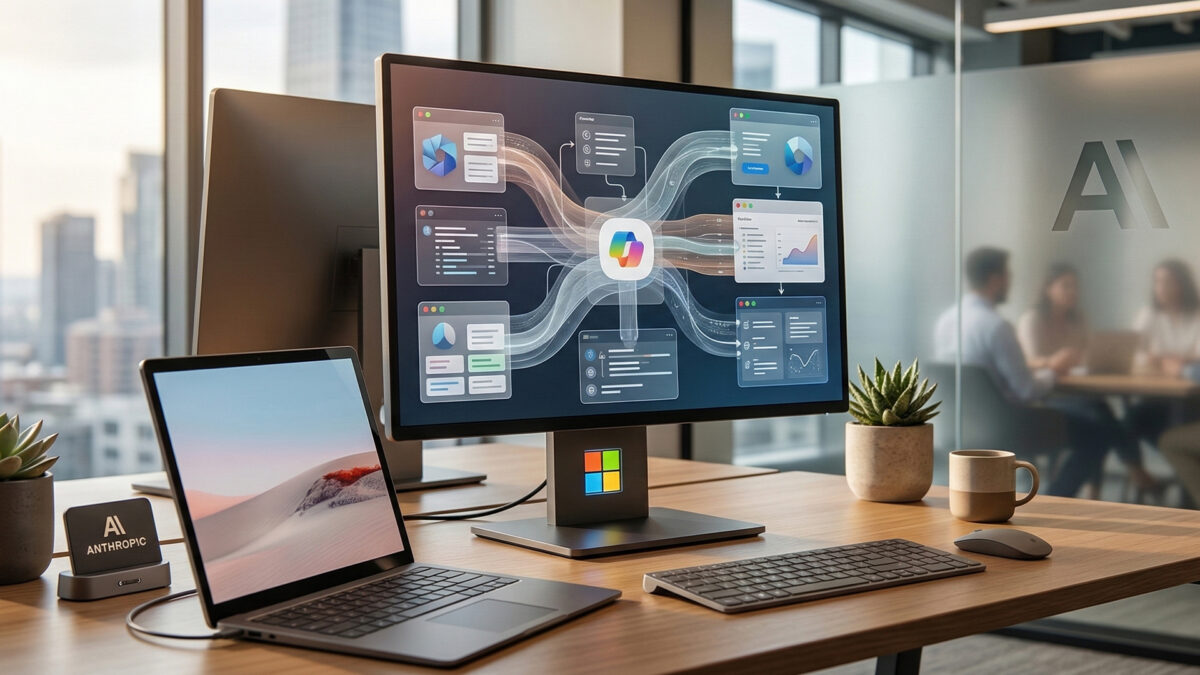
Microsoft is preparing to automatically roll out its Microsoft 365 Copilot app to eligible Windows devices, signalling a major step in the company’s efforts to bring artificial intelligence into everyday workplace operations.

The deployment, expected to begin over the next few weeks, will target business customers using Microsoft 365 applications on Windows systems. Users may find the Copilot app installed on their devices without manually downloading it, as Microsoft plans to make the rollout automatic by default. However, IT administrators will have the option to block or disable the installation if their organisations choose not to participate.

The move reflects Microsoft’s growing confidence in AI-powered productivity tools. The Microsoft 365 Copilot app acts as a central hub for AI features integrated across popular workplace applications, including Word, Excel, PowerPoint, Outlook and Teams. Through these tools, users can generate content, analyse data, summarise information and automate routine tasks.

For many businesses, the rollout could provide easier access to AI capabilities without requiring employees to install additional software. Microsoft believes this approach will encourage wider adoption of its AI ecosystem and help organisations improve efficiency in day-to-day operations.

At the same time, the decision has sparked discussion among IT professionals and enterprise customers. Some administrators have questioned the practice of automatically deploying software, arguing that organisations should have greater control over what appears on employee devices. Others have raised concerns about governance, security policies and the management of AI tools in regulated industries.

Microsoft has stressed that the rollout only installs the application and does not automatically activate premium Copilot services. Users and organisations will still need the required licences and subscriptions to access advanced AI features.

The development comes as competition among technology giants intensifies in the race to integrate artificial intelligence into mainstream software products. Companies are increasingly positioning AI assistants as essential workplace tools rather than optional add-ons.

Also Read: Tata Motors secures 3,400 EVs orders nationwide

Categories
Technology

Microsoft teams up with Anthropic to expand Copilot AI

Microsoft has partnered with artificial intelligence startup Anthropic to strengthen its workplace AI assistant Microsoft Copilot. The collaboration is part of Microsoft’s efforts to develop more advanced AI systems that can perform tasks independently for users.

Under the partnership, Microsoft will introduce a new feature called Copilot Cowork, which will use Anthropic’s AI technology to help automate everyday work activities. The tool is designed to handle tasks such as analysing data, organising documents, preparing presentations and managing spreadsheets.

The new system focuses on the development of AI agents, software tools that can complete tasks automatically instead of simply responding to questions. These AI agents are expected to assist employees in handling routine work and improving productivity.

Anthropic is known for developing advanced AI models such as Claude, which are capable of handling complex instructions and building applications. By integrating these models into Copilot, Microsoft aims to expand the capabilities of its workplace AI tools.

The feature will initially be tested with a limited group of users before being rolled out more widely. Microsoft said the service will run through its cloud systems and include strong security controls to protect enterprise data.

Also Read: Iran crisis affects LPG supply in major Indian cities

Categories
Technology

Microsoft sees Copilot AI boom, costs worry investors

Microsoft CEO Satya Nadella defended the company’s ambitious AI strategy during the latest earnings call, highlighting strong growth in its Copilot AI products even as some investors voiced caution over rising costs and slower cloud performance.

For the quarter ending December 2025, Microsoft reported revenue of $81.3 billion and a 21 % increase in net income, driven primarily by cloud sales. Despite these strong results, Microsoft shares fell, as Wall Street focused on the company’s massive capital expenditures for AI infrastructure and data centres, alongside slightly softer growth in Azure and Microsoft 365 revenues than expected.

Nadella emphasised that demand for AI far exceeds current capacity, framing heavy spending as an investment in future growth. He reported that daily usage of Copilot AI products has nearly tripled year-over-year. Microsoft 365 Copilot now boasts 15 million paid seats, while GitHub Copilot has 4.7 million paid subscribers, reflecting strong adoption across both corporate and developer environments.

Beyond office productivity tools, Nadella highlighted specialised AI applications, such as Dragon Copilot for healthcare, which has been used in millions of patient encounters. This demonstrates Microsoft’s strategy to expand AI adoption across multiple sectors, not just within its core software suite.

Despite these positive usage trends, some investors remain cautious. Analysts note that while AI adoption is strong, Azure’s growth pace has slowed slightly, and the cost of building AI infrastructure may pressure margins if adoption growth does not keep pace.

Also Read: Trump to nominate Kevin Warsh as Federal chair