Categories
Technology

Windows 11 updates get user-friendly makeover

Microsoft is making Windows 11 updates less disruptive by giving users more control over when updates are installed and when their computers restart.

The changes come after years of complaints from users who said forced updates often interrupted work, meetings, gaming sessions and important tasks.

Under the new system, users will be able to pause updates for longer periods and extend those pauses when needed. This means people can choose a more convenient time to install updates instead of being pushed into immediate downloads.

Microsoft is also improving restart options. Even when updates are waiting, users will be able to shut down or restart their computers without being forced to install updates right away.

Another useful change is during the setup of a new PC. Users will now have the option to skip updates during the initial setup process and complete them later, helping them start using the device faster.

The company is also working on smarter update delivery so multiple updates can be combined, reducing the number of restarts required.

Microsoft said the changes are based on customer feedback and are designed to make Windows smoother to use while still keeping devices secure and up to date.

The features are currently being tested with Windows Insider users and are expected to roll out to more users in upcoming Windows 11 updates.

Tech experts said the move reflects a more user-friendly approach from Microsoft. Instead of forcing updates at inconvenient times, the company now appears focused on giving people flexibility while maintaining system security.

Also Read: Government pushes PSU Banks on wage revision

Categories
Corporate

Microsoft launches voluntary retirement scheme for US employees

Microsoft has introduced its first-ever voluntary retirement (buyout) programme in its 51-year history, offering eligible US employees an option to leave the company with a financial package. The move is expected to affect up to 7% of Microsoft’s US workforce, or roughly 8,000–8,750 employees.

According to internal communications, the programme is aimed at employees at the senior director level and below whose age and years of service combined equal 70 or more. For example, an employee aged 55 with 15 years at the company would qualify. Certain roles, including some sales positions, are excluded.

The company said the initiative is intended to give long-serving employees a voluntary and supported exit option, rather than relying on traditional layoffs. Eligible staff and managers will receive full details in early May.

The move comes at a time when Microsoft, like several other major tech firms, is undergoing structural changes driven by heavy investment in artificial intelligence and cloud infrastructure. The company has been spending billions to expand data centre capacity and AI capabilities, while also tightening operational costs elsewhere.

In recent years, Microsoft has already gone through multiple rounds of job cuts. This new buyout programme is seen as another step in reorganising its workforce to better align with long-term strategic priorities, especially AI-focused growth.

At the same time, Microsoft is also adjusting its compensation structure, including changes to how stock awards are distributed and giving managers more flexibility in rewarding performance.

Also Read: Warner Bros Discovery shareholders approve Paramount merger

Categories
Technology

Microsoft to end Outlook Lite app

Microsoft has decided to discontinue its Outlook Lite, with the service set to shut down on May 25, 2026, as part of its broader strategy to streamline products.

Outlook Lite was built as a low-resource alternative for emerging markets, offering essential email features with minimal data usage. Its discontinuation signals a shift toward a unified app ecosystem centred around the main Outlook Mobile platform.

Microsoft has been gradually phasing out the app, including halting new downloads and encouraging existing users to migrate. Post shutdown, the Lite app will no longer support any functionality.

The company says the transition will not affect user data, as all information remains cloud-based and accessible via the primary app. The move highlights Microsoft’s focus on enhancing performance, security, and feature integration through a single, standardised application.

Also Read: Travel platform data breach exposes user details

Categories
Leaders

Microsoft executive VP Rajesh Jha to retire in July

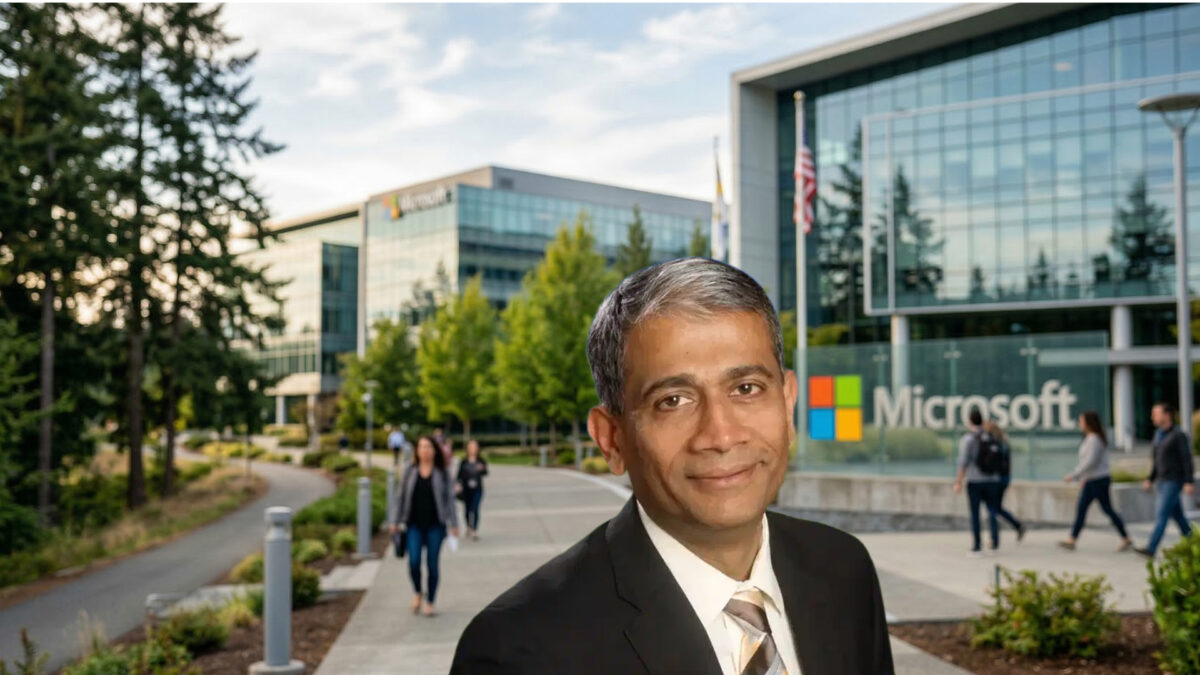
Microsoft has announced that senior executive Rajesh Jha will retire in July 2026, ending a long career of more than three decades at the technology company. His departure will also lead to several leadership changes within the organisation.

Jha currently serves as Executive Vice President of Microsoft’s Experiences and Devices division. The unit manages some of the company’s most widely used products, including the Windows operating system, Microsoft 365 applications such as Word, Excel and Teams, and the Surface range of devices.

According to the company, Jha will step down from his role on July 1. After retiring, he is expected to stay on for a short period in an advisory role to help ensure a smooth leadership transition.

Jha joined Microsoft over 30 years ago and worked his way up through different roles in engineering and product development. During his time at the company, he played an important role in building and expanding several key products. He helped lead the development of enterprise tools such as Exchange and SharePoint and later worked on transforming the Office software suite into the cloud-based Microsoft 365 platform used by millions of people worldwide.

In recent years, Jha also helped drive the integration of artificial intelligence features into Microsoft’s productivity products, which has become a major focus for the company.

Following his retirement announcement, Microsoft said it will reorganise parts of its leadership structure. Instead of appointing a direct replacement for Jha, some senior executives will report directly to CEO Satya Nadella.

These include leaders responsible for Windows, Surface devices, LinkedIn, Microsoft 365 and other key products. The company has also promoted several executives to new roles as part of the restructuring.

Nadella praised Jha’s contributions, saying he played a major role in shaping Microsoft’s products and helping the company grow over the years.

Also Read: Accenture names new leaders for reinvention services

Categories
Technology

Microsoft teams up with Anthropic to expand Copilot AI

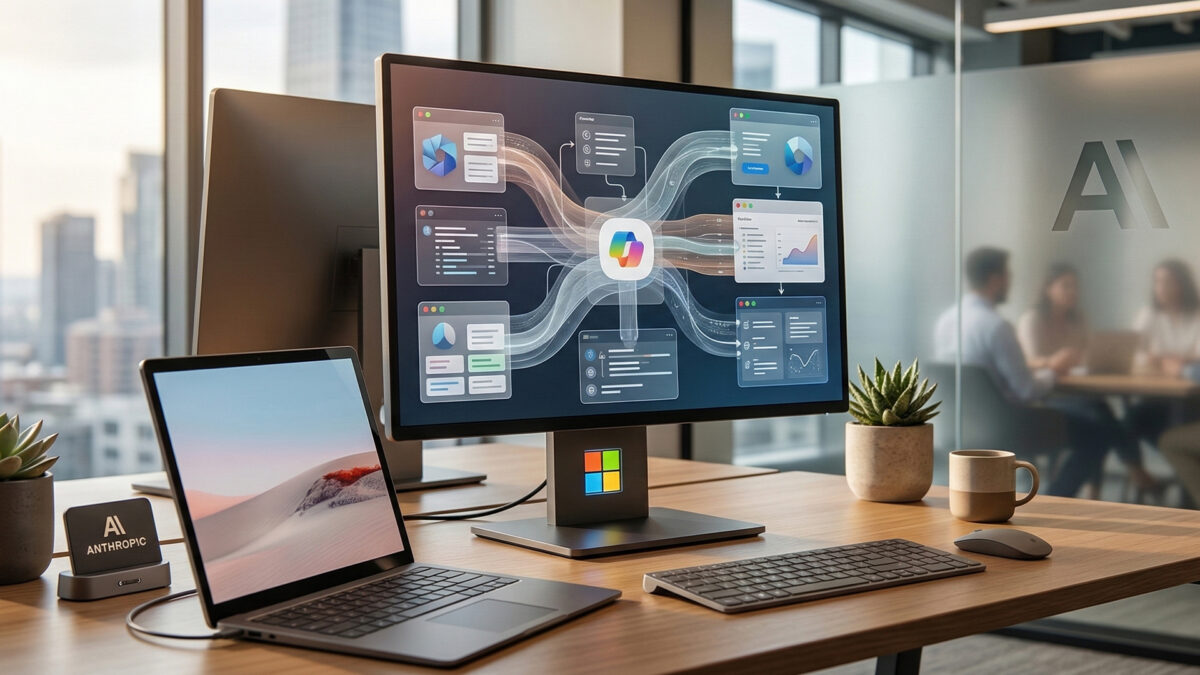
Microsoft has partnered with artificial intelligence startup Anthropic to strengthen its workplace AI assistant Microsoft Copilot. The collaboration is part of Microsoft’s efforts to develop more advanced AI systems that can perform tasks independently for users.

Under the partnership, Microsoft will introduce a new feature called Copilot Cowork, which will use Anthropic’s AI technology to help automate everyday work activities. The tool is designed to handle tasks such as analysing data, organising documents, preparing presentations and managing spreadsheets.

The new system focuses on the development of AI agents, software tools that can complete tasks automatically instead of simply responding to questions. These AI agents are expected to assist employees in handling routine work and improving productivity.

Anthropic is known for developing advanced AI models such as Claude, which are capable of handling complex instructions and building applications. By integrating these models into Copilot, Microsoft aims to expand the capabilities of its workplace AI tools.

The feature will initially be tested with a limited group of users before being rolled out more widely. Microsoft said the service will run through its cloud systems and include strong security controls to protect enterprise data.

Also Read: Iran crisis affects LPG supply in major Indian cities

Categories
Leaders

Asha Sharma appointed CEO of Microsoft Gaming

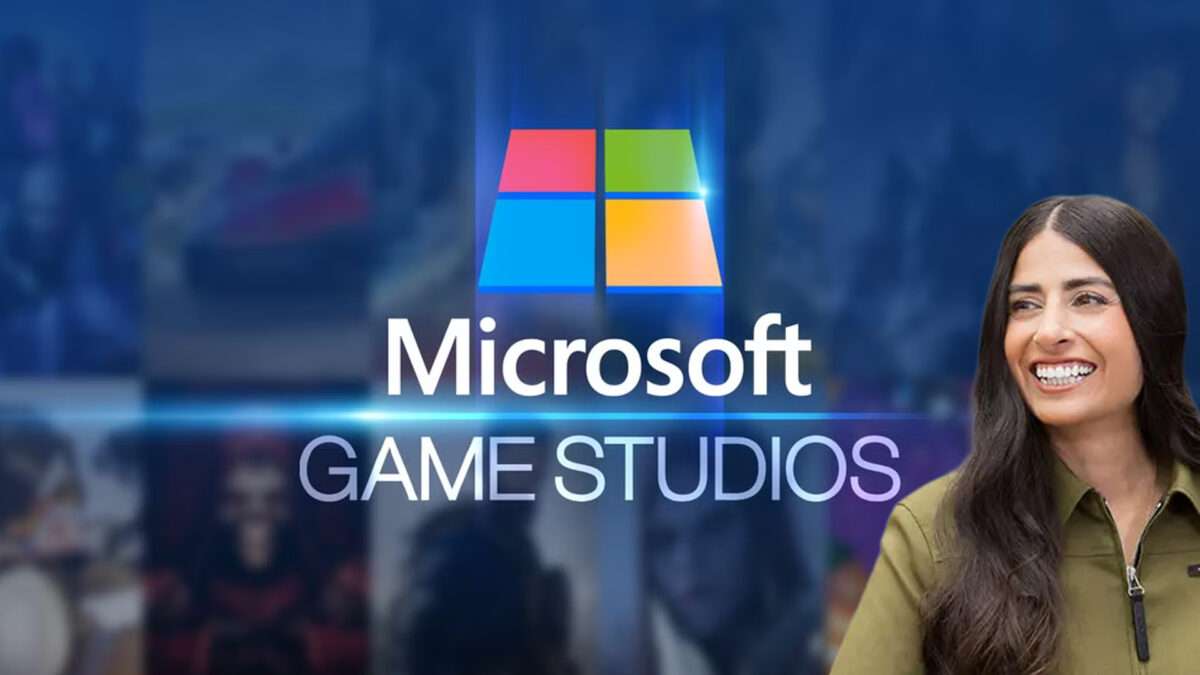
Asha Sharma has been appointed Executive Vice President and CEO of Microsoft Gaming, the company announced on February 20, 2026. Reporting directly to CEO Satya Nadella, Sharma will lead Xbox, Xbox Game Studios, Activision Blizzard, Bethesda, King and Microsoft’s wider gaming efforts. The move follows Phil Spencer’s decision to step back from day-to-day leadership; Spencer will remain in an advisory capacity through the summer to support the transition.

Sharma arrives with experience scaling consumer platforms and operations, including senior roles at Instacart and Meta. Microsoft highlighted her track record building large ecosystems and reaching broad audiences as a key reason for the hire, saying those skills will help grow the company’s platform, content and community across console, PC and mobile. The gaming organization she inherits includes nearly 40 internal studios and a portfolio of well-known franchises that reach hundreds of millions of players.

As part of the leadership reshuffle, Matt Booty has been promoted to Executive Vice President and Chief Content Officer and will report to Sharma. Booty will continue to oversee studio operations and creative strategy, focusing on content development, studio investment and the company’s long-term creative roadmap. Microsoft framed the changes as a planned succession designed to maintain momentum across hardware, cloud services and content while preparing for the next phase of growth in gaming.

In her first public statement as incoming CEO, Sharma set out three priorities: invest in great games, renew focus on Xbox and its core fans, and shape the future of play by supporting creative teams and building platforms and tools that let developers reach players across devices. She stressed the importance of protecting creative craft and cautioned against short-term monetization approaches that could erode player trust.

Microsoft thanked Phil Spencer for his decades of service and for guiding the business through major expansions and acquisitions that reshaped its gaming strategy. The company said the leadership change positions Microsoft to accelerate studio investment, expand content offerings and deepen engagement with players worldwide as gaming continues to evolve across devices and cloud services.

Also Read: Banks’ quarterly profit tops ₹1 lakh crore

Categories
Technology

Microsoft sees Copilot AI boom, costs worry investors

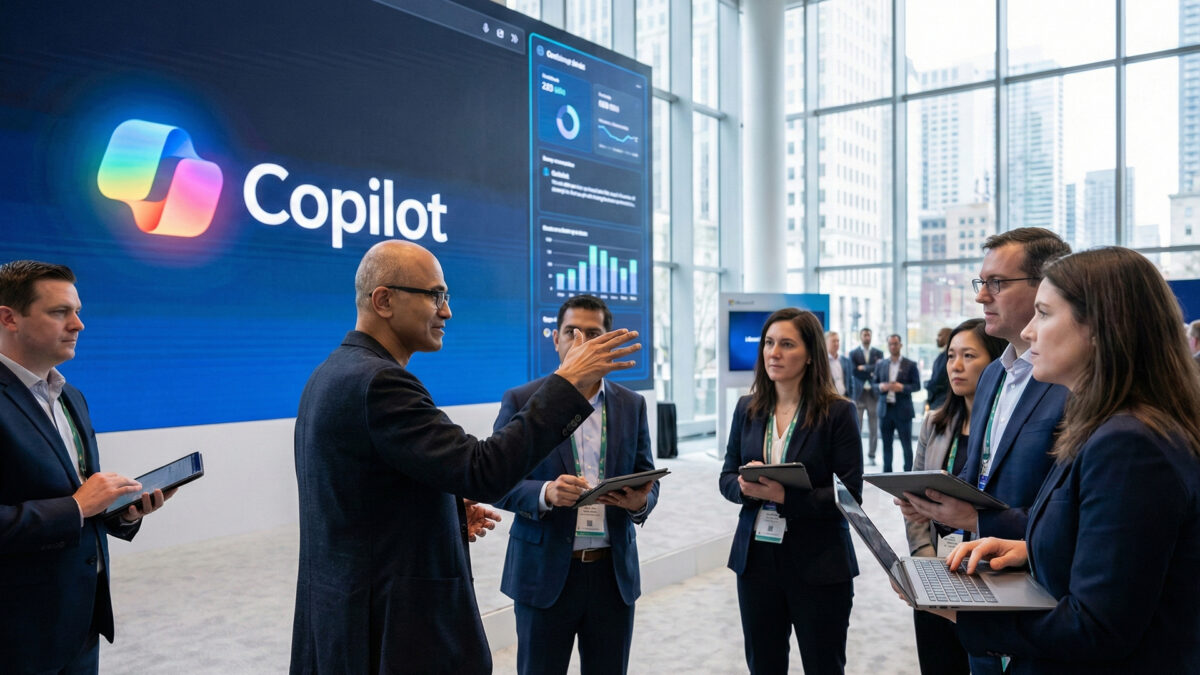
Microsoft CEO Satya Nadella defended the company’s ambitious AI strategy during the latest earnings call, highlighting strong growth in its Copilot AI products even as some investors voiced caution over rising costs and slower cloud performance.

For the quarter ending December 2025, Microsoft reported revenue of $81.3 billion and a 21 % increase in net income, driven primarily by cloud sales. Despite these strong results, Microsoft shares fell, as Wall Street focused on the company’s massive capital expenditures for AI infrastructure and data centres, alongside slightly softer growth in Azure and Microsoft 365 revenues than expected.

Nadella emphasised that demand for AI far exceeds current capacity, framing heavy spending as an investment in future growth. He reported that daily usage of Copilot AI products has nearly tripled year-over-year. Microsoft 365 Copilot now boasts 15 million paid seats, while GitHub Copilot has 4.7 million paid subscribers, reflecting strong adoption across both corporate and developer environments.

Beyond office productivity tools, Nadella highlighted specialised AI applications, such as Dragon Copilot for healthcare, which has been used in millions of patient encounters. This demonstrates Microsoft’s strategy to expand AI adoption across multiple sectors, not just within its core software suite.

Despite these positive usage trends, some investors remain cautious. Analysts note that while AI adoption is strong, Azure’s growth pace has slowed slightly, and the cost of building AI infrastructure may pressure margins if adoption growth does not keep pace.

Also Read: Trump to nominate Kevin Warsh as Federal chair

Categories
Beyond

Trump pushes Microsoft on data centre costs

US President Donald Trump has directed Microsoft to ensure its rapidly expanding artificial intelligence (AI) data centres do not raise electricity costs for Americans. Speaking on January 13, 2026, Trump emphasized that large technology companies must bear their own energy expenses instead of passing them onto residential households. He called on Microsoft to take “major steps” to prevent utility price hikes linked to its operations.

In response, Microsoft announced its “Community‑First AI Infrastructure” initiative, designed to address energy, environmental, and community concerns related to its data facilities. The initiative includes several commitments: the company will pay full electricity costs, ensure water usage is minimized and replenished, hire locally for construction and operational jobs, pay full property taxes without seeking incentives, and invest in community AI education and training through schools, colleges, and libraries.

The announcement comes amid growing public and political scrutiny. Residents in several states have criticized data centre projects for driving up utility bills, consuming large amounts of water, and putting pressure on local infrastructure. Some projects, including a planned Microsoft facility in Wisconsin, were paused after local opposition and activist campaigns.

Microsoft also said it will coordinate with utility companies and state regulators to fund necessary grid upgrades through commercial rates, ensuring that residential customers are not affected. Officials stressed that the program is designed to provide economic, educational, and environmental benefits to host communities while supporting the company’s AI expansion.

Analysts say the move reflects broader concerns about balancing AI innovation with community and environmental protection. As data centres grow to meet the increasing demand for AI services, tech companies are under closer scrutiny to ensure they do not negatively impact local residents or ecosystems.

Trump’s intervention marks a rare public instance of a U.S. president directly influencing corporate operations in the tech sector. The announcement is seen as a signal to other tech firms that they may face similar accountability demands, particularly as AI technology expands rapidly and its infrastructure footprint grows.

Also Read: Tata Elxsi Q3 profit falls 45% amid labour code charges

Categories
Technology

Microsoft speeds up Windows encryption

Microsoft has rolled out a major upgrade to BitLocker, its built-in drive encryption tool for Windows, promising faster performance and better efficiency for users. The new feature, called hardware-accelerated BitLocker, is being introduced with the latest Windows 11 updates and is designed to make encryption less demanding on the system.

Traditionally, BitLocker relied mainly on the computer’s central processing unit (CPU) to encrypt and decrypt data stored on a device. While secure, this software-based approach could slow down performance, especially on laptops or systems handling large amounts of data. With the new update, Microsoft is shifting much of this work to specialised cryptographic hardware built directly into modern processors.

By using dedicated hardware for encryption, Windows can now secure data more quickly and with far less strain on the CPU. According to Microsoft, this change can deliver significantly faster read and write speeds on encrypted drives, bringing performance closer to that of unencrypted storage. It also reduces overall power consumption, which can help improve battery life on portable devices.

The hardware-accelerated BitLocker feature will automatically turn on for devices that meet the required hardware standards. These include newer processors and system-on-chips (SoCs) that support built-in encryption engines. Systems without compatible hardware will continue using the existing software-based BitLocker, ensuring no loss of functionality or security.

Security remains a key focus of the update. By handling encryption keys at the hardware level, the new approach adds an extra layer of protection. This reduces the risk of certain attacks that target encryption keys stored in system memory, complementing existing safeguards such as the Trusted Platform Module (TPM).

The rollout has begun with Windows 11 Insider Preview builds, including upcoming versions like 24H2 and 25H2. Microsoft is expected to make the feature more widely available as part of future stable releases, with support gradually expanding across more devices and hardware platforms.

Also Read: Russia eyes moon nuclear power by 2036

Categories
Technology

Microsoft to invest $17.5 billion for India’s AI future

Microsoft has announced a massive $17.5 billion investment in India, aiming to make the country a global hub for artificial intelligence (AI) and cloud technology. Spread over 2026–2029, this is the company’s largest-ever investment in Asia and a clear signal of India’s growing importance in the global tech landscape.

This commitment comes on top of a $3 billion investment earlier this year, bringing Microsoft’s total funding in India to $20.5 billion. CEO Satya Nadella expressed gratitude to Prime Minister Narendra Modi, calling India a “land of immense AI opportunity.”

The investment will focus on several key areas. Microsoft plans to set up state-of-the-art hyperscale data-centres, including a new cloud region in Hyderabad, expected to go live by mid-2026. These will provide faster, reliable cloud access to businesses, startups, and government agencies across the country.

A significant part of the plan is the rollout of sovereign cloud services — secure, locally managed public and private clouds tailored to India’s compliance and security requirements.

Microsoft also aims to train 20 million Indians in AI and digital skills by 2030, partnering with governments and industry groups. AI will also be integrated into public platforms like e-Shram and the National Career Service, potentially benefiting over 310 million informal workers with job matching, skill forecasting, résumé-building, and multilingual support.

The investment has drawn praise from government officials. IT Minister Ashwini Vaishnaw said it reflects India’s growing stature as a trusted technology partner. Puneet Chandok, Microsoft President for India & South Asia, said the move will “build infrastructure, spark innovation, and empower a billion dreams.”

Experts say the funding could accelerate India’s digital transformation, create new jobs, and strengthen the country’s position as a hub for AI and cloud technology. By combining infrastructure, skills development, and public services, Microsoft’s plan could reshape India’s tech ecosystem and make AI accessible at a population scale.

Also Read: Swiggy raises ₹10,000 crore through fresh share sale