Categories
Corporate

Sensex drops over 1,000 points, Nifty slips below 22,500

The markets witnessed a sharp decline as it opened on Monday, with benchmark indices tumbling amid rising geopolitical tensions and a spike in crude oil prices. The Sensex plunged over 1,000 points, while the Nifty slipped below the 22,500 mark, reflecting broad-based selling across sectors.

The weak start was signaled earlier by GIFT Nifty, indicating negative investor sentiment. As trading progressed, losses deepened, driven by concerns over the escalating Iran conflict, which has pushed global oil prices close to $120 per barrel.

Among the worst-hit stocks were banking and IT heavyweights such as HDFC Bank, ICICI Bank, and Infosys. These stocks dragged the indices lower as investors worried about the impact of rising inflation and global uncertainty on earnings. Financial stocks faced pressure due to concerns over tighter liquidity, while IT companies saw selling amid fears of weaker global demand.

In contrast, oil and gas stocks emerged as key gainers. Shares of ONGC and Oil India rose as higher crude prices are expected to improve their profitability. Some metal stocks also showed resilience, supported by firm global commodity trends.

The surge in crude oil prices remains a major concern for India, given its heavy dependence on imports. Elevated prices could widen the current account deficit, fuel inflation, and weigh on corporate margins, particularly in sectors such as aviation, logistics, and manufacturing.

Global markets also reflected weak sentiment, with Asian indices trading lower and US futures pointing to continued volatility. The ongoing Iran conflict has heightened fears of supply disruptions and prolonged instability in the Middle East. Foreign institutional investors (FIIs) continued their selling spree, further pressuring domestic equities.

Categories
Leaders

HDFC Bank chairman had quit after CEO rift

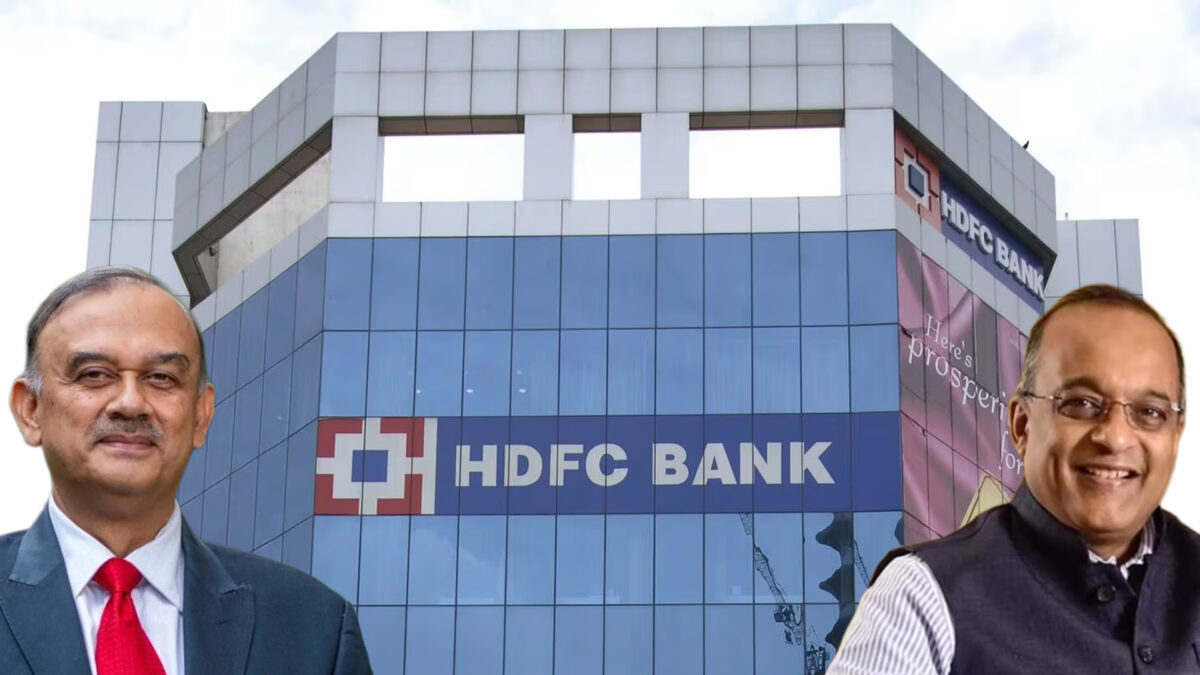
The resignation of Atanu Chakraborty as chairman of HDFC Bank has been linked to a reported leadership conflict with CEO Sashidhar Jagdishan, raising questions about internal dynamics at the country’s largest private lender.

According to reports, differences between Chakraborty and Jagdishan had been growing over key decisions at the top level. A major point of disagreement was said to be related to the extension of the CEO’s tenure. While Chakraborty reportedly opposed the move, most members of the board were in favour, leading to a divide in leadership.

The situation is believed to have escalated over time, eventually resulting in Chakraborty’s decision to step down. His sudden exit surprised investors and market observers, as he was expected to continue in the role until 2027 following his reappointment.

In response to the developments, HDFC Bank has initiated a review of the circumstances surrounding the resignation. External legal experts have been brought in to examine governance processes and assess any concerns raised during the episode. The move is aimed at ensuring transparency and maintaining confidence among stakeholders.

Despite the reports of a power struggle, the bank has sought to reassure investors. Officials have stated that differences of opinion are not uncommon in large organisations and insisted that there are no major governance lapses. The management has maintained that all decisions were taken within the framework of board discussions.

Chakraborty, a former senior bureaucrat, had been serving as part-time chairman since 2021. His departure marks a key leadership change, with the bank now focused on ensuring stability while addressing concerns around internal alignment and governance practices.

The episode has drawn attention due to HDFC Bank’s significant role in India’s financial system. Any signs of leadership instability at such a large institution can impact investor sentiment and market performance. Following the news, the bank’s shares saw some volatility, reflecting concerns among investors.

Also Read: Centre to borrow ₹8.2 lakh cr in 1st half of FY27

Categories
Corporate

Anthropic plans $60 billion IPO amid AI boom

Anthropic, the artificial intelligence firm behind the Claude chatbot, is preparing for a potential initial public offering (IPO) that could value the company at over $60 billion. The listing is reportedly being targeted for October 2026, though plans are still in the early stages.

Founded in 2021 by former researchers from OpenAI, Anthropic has quickly positioned itself as a major player in the rapidly expanding AI industry. Its flagship product, Claude, is widely used for a range of applications, from enterprise solutions to everyday digital tasks, helping the company gain strong traction in a competitive market.

The proposed IPO reflects growing investor interest in artificial intelligence companies, as demand for advanced AI systems continues to surge globally. Industry experts believe that Anthropic’s listing could become one of the most significant tech IPOs in recent years, highlighting the increasing value placed on AI-driven innovation.

Reports suggest the company has begun preliminary discussions with leading investment banks to manage the offering. While details are yet to be finalised, the funds raised through the IPO are expected to support large-scale investments in computing infrastructure, including data centres and high-performance hardware. These investments are essential for training and deploying more advanced AI models.

Anthropic is often seen as a key competitor to OpenAI, with both companies racing to develop more powerful and efficient AI technologies. The rivalry underscores the broader competition within the tech industry, where companies are investing heavily to gain an edge in generative AI.

Despite the strong interest, the IPO timeline and valuation remain subject to change depending on market conditions and regulatory approvals. However, the move signals confidence in the long-term growth of the AI sector.

Also Read: India approves ₹2.38 lakh cr defence boost

Categories
Beyond

India approves ₹2.38 lakh cr defence boost

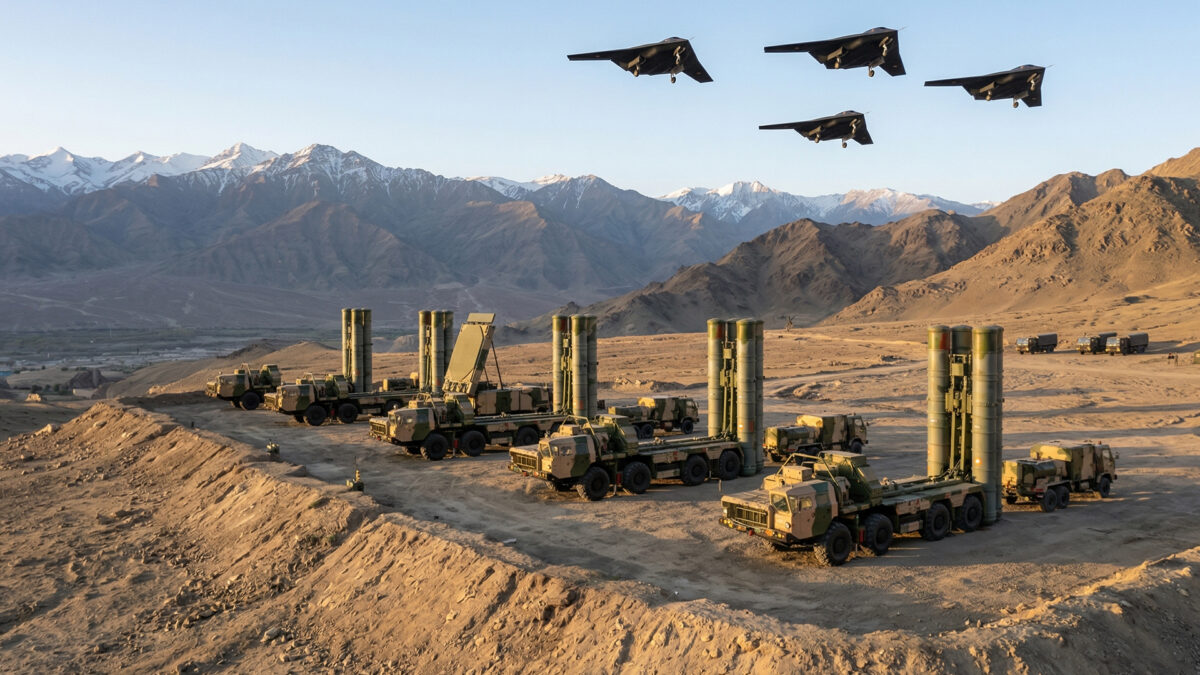
India has approved a massive defence upgrade worth about ₹2.38 lakh crore, in one of the biggest military modernisation moves in recent years. The decision was taken by the Defence Acquisition Council, led by Defence Minister Rajnath Singh, with a focus on strengthening the country’s preparedness across air, land and strategic operations.

A key highlight of the package is the approval to acquire five more S-400 missile systems from Russia. These long-range air defence systems are considered among the most advanced in the world, capable of detecting and destroying enemy aircraft, drones and missile threats from long distances. The addition is expected to significantly boost India’s air defence shield.

The plan also includes the purchase of strike drones, or unmanned combat aerial vehicles (UCAVs), which can carry out precision attacks without putting pilots at risk. These drones are becoming increasingly important in modern warfare, offering flexibility and quick response during operations.

Another major component is the procurement of medium transport aircraft for the Indian Air Force. These aircraft will gradually replace older fleets and improve the military’s ability to move troops, equipment and supplies quickly across the country, especially during emergencies or conflict situations.

Alongside foreign purchases, the government has also emphasised indigenous manufacturing. Approvals include artillery systems like the Dhanush gun and upgrades to existing platforms, supporting India’s push for self-reliance in defence production.

Also Read: Centre to borrow ₹8.2 lakh cr in 1st half of FY27


Categories
Technology

Apple to invest $400 million to boost US manufacturing

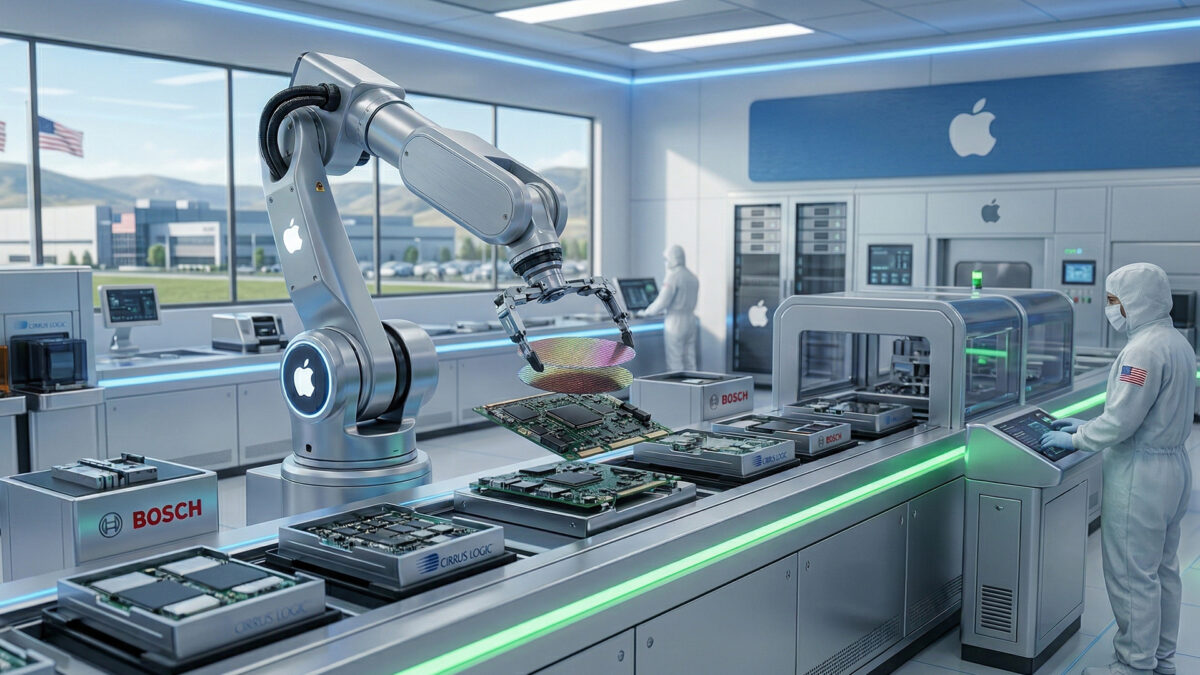
Apple has unveiled plans to invest $400 million to expand its manufacturing footprint in the United States, bringing in new partners such as Bosch, Cirrus Logic, TDK and Qnity Electronics under its American Manufacturing Program. The investment, which will be made over the next few years, is aimed at increasing local production of key components used in Apple devices.

The initiative is part of Apple’s broader effort to make its supply chain more resilient by reducing dependence on overseas manufacturing. With global uncertainties and supply disruptions continuing to impact industries, the company is focusing on building stronger domestic capabilities for producing critical technologies.

Under the expanded program, Apple will work with Bosch and other partners to manufacture sensing components within the US. Cirrus Logic will collaborate with semiconductor manufacturer GlobalFoundries to develop advanced chips that power features like Face ID. These efforts are expected to bring more high-tech production processes to the country.

In addition, Japan-based TDK plans to begin manufacturing sensors in the United States instead of relying entirely on overseas facilities. Qnity Electronics will contribute materials essential for semiconductor and artificial intelligence technologies, further supporting Apple’s growing ecosystem.

Apple said the investment will help improve supply chain stability while also contributing to job creation and technological development in the US. The move builds on the company’s earlier commitment to significantly increase its spending on American manufacturing and innovation.

Also Read: Health insurance platform Plum secures $20 million funding

Categories
Corporate

Nayara Energy hikes fuel prices by up to ₹5 per litre

Nayara Energy, one of India’s leading private fuel retailers, has increased the prices of petrol and diesel by up to ₹5 per litre. This marks the first price hike by the company following the recent rise in global crude oil prices triggered by tensions in the Middle East.

According to reports, petrol prices have been raised by about ₹5 to ₹5.30 per litre, while diesel has seen an increase of around ₹3 per litre. The revised prices have come into effect immediately across Nayara’s network of fuel stations. However, the exact increase may differ slightly from state to state due to varying local taxes.

The price hike comes at a time when international crude oil prices have surged sharply, nearing $119 per barrel. The increase is largely attributed to geopolitical instability in West Asia, which has disrupted supply expectations and pushed global energy prices upward. As India imports a large portion of its crude oil, any rise in global prices directly impacts domestic fuel rates.

Unlike public sector oil marketing companies, private players such as Nayara Energy do not receive financial support from the government to cushion the impact of rising crude costs. As a result, they are more exposed to market fluctuations and often pass on the increased costs to consumers. Industry sources suggest that the company had been under pressure due to rising input costs and could no longer sustain the earlier pricing levels.

Meanwhile, state-owned oil companies like Indian Oil, Bharat Petroleum and Hindustan Petroleum have not yet changed their retail fuel prices, continuing to absorb the higher costs for now. This has led to a noticeable gap between the pricing strategies of private and public sector retailers.

Also Read: Coca-Cola, Walmart CEOs exit amid AI shift

Categories
Corporate

Sensex plunges 1,700 points, Nifty slips below 22,850

Indian stock markets faced a sharp sell-off on Friday, with the BSE Sensex dropping nearly 1,700 points and the NSE Nifty 50 falling below 22,850. Investors grew cautious amid rising geopolitical tensions, soaring crude prices, and continued foreign fund outflows.

The day’s decline erased nearly ₹9 lakh crore of market wealth, highlighting the intensity of the session. While markets had started the week on a positive note, global uncertainties quickly reversed investor sentiment.

The sell-off was driven by escalating tensions in the Middle East, particularly involving the United States and Iran, which pushed crude oil prices above $100 per barrel. Rising oil prices raised concerns about inflation and higher fuel import costs for India, adding to market pressure. Meanwhile, the Indian rupee slipped to a record low against the US dollar, further weakening investor confidence.

Among sectors, banking, IT, and metals were the hardest hit. Key losers included HDFC Bank, ICICI Bank, Axis Bank, Infosys, TCS, Tata Steel, and JSW Steel, which faced heavy selling amid a risk-off mood among domestic and foreign investors.

Conversely, energy and oil-related stocks emerged as the main gainers, supported by rising crude prices. Reliance Industries, GAIL India, and ONGC managed to post modest gains, providing some relief amid the broader market decline.

Also Read: Coca-Cola, Walmart CEOs exit amid AI shift

Categories
Leaders

Coca-Cola, Walmart CEOs exit amid AI shift

The rapid rise of artificial intelligence (AI) is beginning to influence leadership changes at some of the world’s biggest companies. Recent exits of top executives at Coca-Cola and Walmart highlight how businesses are preparing for a new, technology-driven phase.

Both companies have indicated that AI is playing a key role in shaping their future strategies—and, in turn, the kind of leadership they need. As organisations move deeper into AI-led operations, there is a growing need for leaders who can guide this transformation.

At Coca-Cola, CEO James Quincey is stepping down after several years in the role. He has suggested that while the company has achieved strong growth, the next phase will require fresh leadership focused on AI and digital innovation. His successor is expected to take forward this shift as the company increases its use of technology in areas such as marketing and product development.

Similarly, Doug McMillon has stepped aside from his role at Walmart after more than a decade. The company is now sharpening its focus on AI-driven operations, including supply chain management, customer experience, and data-led decision-making.

Also Read: Jio financial services, Allianz start reinsurance JV

Categories
Corporate

Jio financial services, Allianz start reinsurance JV

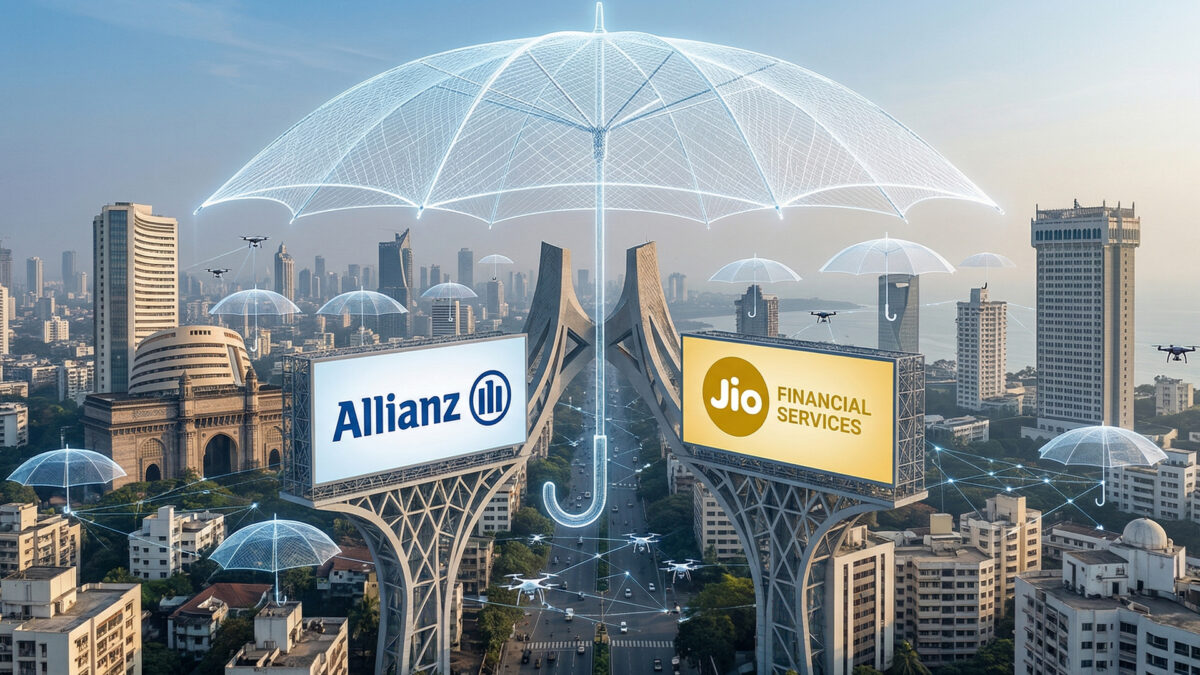
Jio Financial Services and Allianz have launched a joint venture in India to enter the reinsurance business, strengthening their presence in the country’s fast-growing insurance sector.

The new company, Allianz Jio Reinsurance Limited, is a 50:50 partnership between the two firms and has officially begun operations after receiving approval from the Insurance Regulatory and Development Authority of India (IRDAI). This marks a key milestone in their collaboration, which was first announced last year.

Reinsurance plays a crucial role in the insurance ecosystem. It allows insurance companies to share and manage risks by passing on a portion of their liabilities to another firm. This helps insurers stay financially stable, especially during large-scale events such as natural disasters or major health emergencies.

Through this partnership, Jio Financial Services brings its strong digital network and deep reach in the Indian market, while Allianz contributes its global experience in risk assessment and underwriting. Together, the companies aim to offer more efficient and flexible risk solutions to insurers operating in India.

The launch of this joint venture is expected to increase competition in India’s reinsurance space, which has traditionally been dominated by a limited number of players. Industry experts believe that more competition could improve pricing, innovation, and overall service quality in the sector.

The move also aligns with the broader growth of India’s insurance industry, where demand is rising due to increasing awareness, economic growth, and regulatory support. By improving the availability of reinsurance, the new venture could help insurers expand their coverage and take on larger risks.

Also Read: Health insurance platform Plum secures $20 million funding

Categories
Corporate

Health insurance platform Plum secures $20 million funding

Plum, a Bengaluru-based health insurance platform, has raised $20 million (around ₹193 crore) in a new funding round led by Peak XV Partners. The latest investment reflects growing confidence in digital health and insurance solutions in India.

The round also saw participation from existing investor Tanglin Venture Partners and new investor GMO Venture Partners. With this funding, Plum plans to scale its services and strengthen its technology platform.

Founded in 2019, Plum helps companies offer health insurance and wellness benefits to their employees through a simple digital interface. Today, it works with thousands of businesses across India, from startups to large firms, making it easier for employees to access healthcare services.

The company says a major part of the new funds will go into improving its technology, especially its claims process. By using artificial intelligence, Plum aims to make insurance claims faster and smoother, reducing waiting time and paperwork for users. The goal is to create a more hassle-free experience during what is often a stressful time for customers.

Beyond insurance, Plum is also expanding into a wider range of healthcare services. It plans to strengthen offerings in areas like preventive care, mental health support, primary care, and telehealth. This shift shows the company’s ambition to move beyond being just an insurance provider and become a more complete healthcare platform.

Plum has already started automating a large portion of its claims, helping improve efficiency and turnaround times. With additional investment, it hopes to build on this progress and further enhance customer experience.

The startup is also focusing on steady and sustainable growth. It has achieved operating profitability and now aims to expand while maintaining financial discipline.

Also Read: Samsung brings its browser to Windows PCs