Categories
Corporate

EPL and Indovida to merge in $2 bn packaging deal

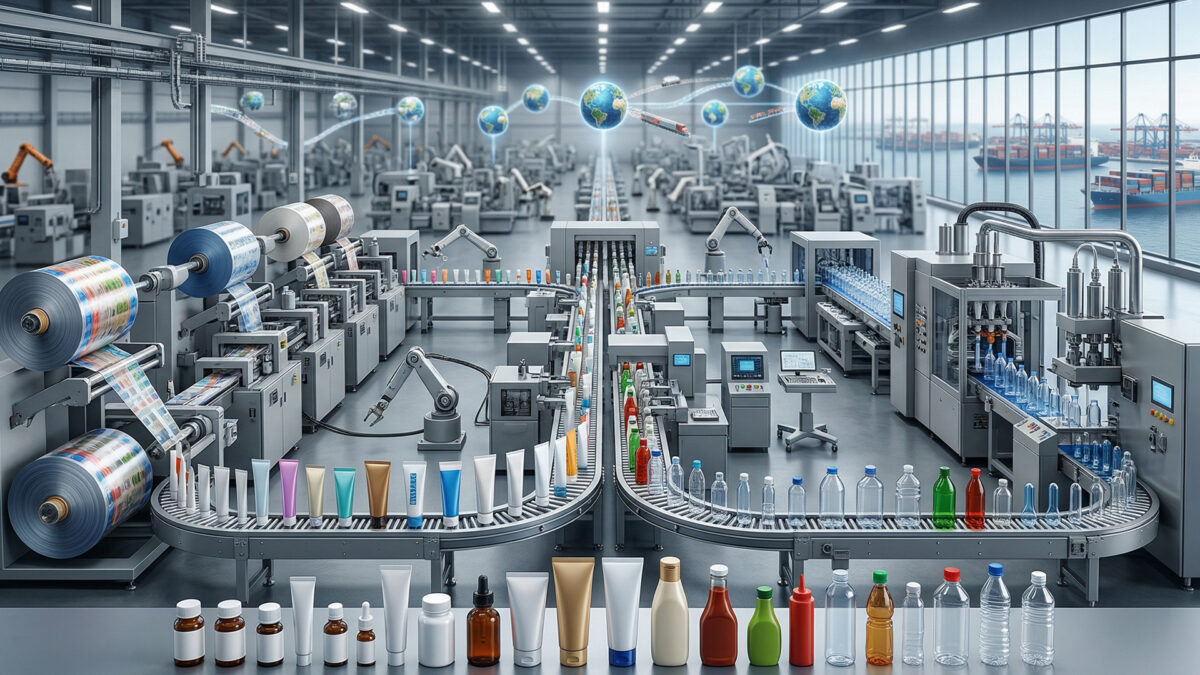
In a major move in the packaging industry, EPL Limited and Indovida India Private Limited announced a merger deal worth around $2 billion, aiming to create one of the largest consumer packaging companies serving emerging markets. The boards of both companies approved the transaction on March 29, 2026, though the deal still requires final regulatory and shareholder approvals.

The merger will combine EPL’s flexible packaging expertise, including laminated tubes, with Indovida’s strength in rigid PET (polyethylene terephthalate) packaging. The unified company is expected to generate roughly $1 billion in annual revenue, serving sectors such as food, consumer goods, pharmaceuticals, and personal care. The move will allow the combined firm to broaden its product portfolio and market reach, strengthening its position in India and other emerging markets.

Under the terms of the merger, EPL is valued at approximately $1.2 billion and Indovida at about $0.7 billion. Indorama Ventures, the Thailand-based parent company of Indovida, will hold a majority stake of around 51.8 %, while Blackstone, which currently holds the largest stake in EPL, will retain a significant minority share of 16–17 %. The share swap structure also gives EPL shareholders a 70 % premium over EPL’s pre-merger market value, reflecting investor confidence in the company’s growth and strategic fit.

Management of the merged company will see EPL’s Hemant Bakshi, Managing Director and Group CEO, leading the overall organization, while Indovida’s CEO, Sunil Marwah, will continue to run Indovida’s operations and report to Bakshi.

Executives from both companies emphasized that the merger will deliver operational efficiencies, product and technology synergies, and a stronger platform to compete against global packaging rivals.

Also Read: DeepSeek AI suffers longest outage

Categories
Technology

DeepSeek AI suffers longest outage
China’s popular AI chatbot DeepSeek experienced its most extended outage since going viral in early 2025, going offline from late March 29 until the morning of March 30, 2026. The company’s official status page indicated the service was unavailable for 7 hours and 13 minutes, before being fully restored at 10:33 a.m. local time.

DeepSeek, known for its R1 and V3 models, has become a widely used tool for research, content creation, and coding assistance. During the outage, users were unable to access the web or app interfaces, frequently encountering error messages such as “server busy” or network prompts to retry. The disruption triggered a wave of online reactions, with the phrase “DeepSeek崩了” (“DeepSeek has crashed”) trending across Chinese social media.

The company provided updates on the status page but did not reveal the cause of the downtime. Analysts suggest possible explanations include software bugs, server failures, or system overloads, though no official confirmation was given. Despite the disruption, the outage is reported as resolved without lasting technical damage.

Many users noted interruptions to work and study routines, with some losing unsaved content during the offline period. Key features, including AI-driven reasoning and coding tools, remained inaccessible throughout the outage, highlighting the heavy reliance on the platform in daily tasks.

Prior to this incident, DeepSeek’s web interface had rarely been offline for more than two hours at a stretch, while its API service had experienced longer interruptions during high-demand periods in January 2025. The recent downtime has prompted renewed discussions about the robustness and resilience of large-scale AI systems amid growing global adoption.

Also Read: 12 tonnes of KitKat stolen in Europe transit

Categories
Corporate

Sensex slumps by1636 points, Nifty at 22,331

The markets ended on Mondat sharply lower as global tensions, rising crude oil, and foreign selling hit investor sentiment. The BSE Sensex closed at 71,948, down 1,636 points (2.2%), while the NSE Nifty 50 fell 488 points (2.1%) to 22,331.

Selling was broad-based, with banking and financial stocks leading the decline. HDFC Bank, ICICI Bank, State Bank of India, and Axis Bank were among the top losers, dragged down by a weak rupee and tightening rules from the RBI on forex positions. Automobile and consumer goods stocks also recorded losses.

Some sectors saw gains as investors rotated toward safer bets. NTPC, NHPC, Power Grid, and select oil & gas stocks rose, benefiting from defensive demand amid market uncertainty.

Rising crude prices above $115 per barrel and a rupee near 95 per US dollar added to inflation concerns, further pressuring equities. Foreign investors continued pulling out funds, making the sell-off more pronounced.

Also Read: Airlines must give 60% seats free from April 20

Categories
Beyond

Airlines must give 60% seats free from April 20

In a big relief for air travellers, India’s aviation regulator, the Directorate General of Civil Aviation (DGCA), has ordered airlines to provide at least 60% of seats on every flight free of cost from April 20, 2026.

This means passengers will not have to pay extra to select many of the seats while booking tickets. Until now, airlines were offering only a small number of seats for free, and most passengers had to pay additional charges to choose seats like window or aisle.

The new rule aims to reduce these extra costs and make ticket pricing clearer for travellers. Many passengers had complained that airlines were adding high seat selection fees, making flights more expensive than expected.

Under the new guideline, more than half of the seats on a flight must be available without any extra charge. However, airlines can still charge for certain premium seats, such as those with extra legroom or special locations.

The DGCA has also asked airlines to make sure that passengers travelling on the same booking are seated together as much as possible. This will help families and groups avoid paying extra money just to sit next to each other.

Another important part of the rule is transparency. Airlines must clearly show all optional charges, including seat selection fees, during ticket booking. This will help passengers understand the total cost before making a payment.

Airlines, however, are not fully happy with this decision. They say that seat selection fees are an important source of income. With fewer paid seats, airlines may try to recover the loss by increasing basic ticket prices in the future.

Experts believe the move will benefit passengers immediately by lowering hidden costs. But they also warn that ticket prices could change depending on how airlines adjust to the new rule.

Also Read: RBI makes digital payments safer from April 1

Categories
Beyond

RBI makes digital payments safer from April 1

The Reserve Bank of India (RBI) is set to introduce new rules for digital payments from April 1, 2026, making online transactions more secure for users across the country.

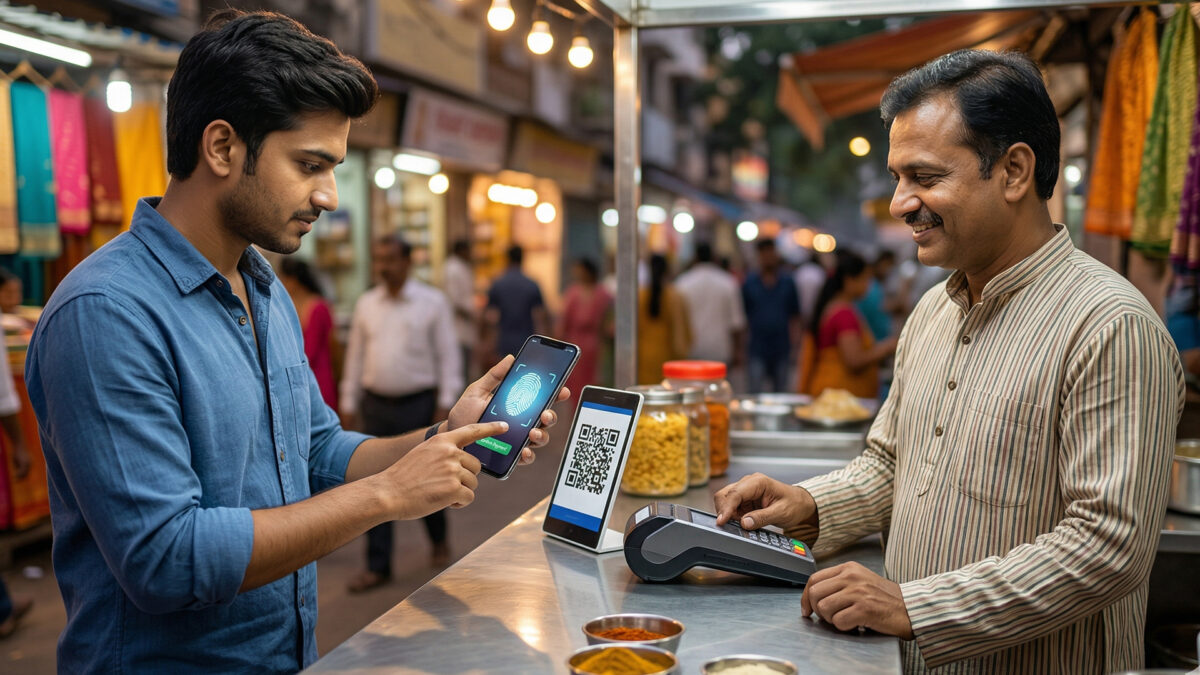
Under the updated guidelines, all digital payments, whether through UPI, debit cards, credit cards, or internet banking, will now require two-factor authentication (2FA). Simply entering a one-time password (OTP) will no longer be enough to complete a transaction. Users will need to verify payments using an additional step, such as a PIN, password, or biometric method like a fingerprint or face scan.

The idea behind this change is simple: add an extra layer of protection. With online fraud cases rising alongside the rapid growth of digital payments, the RBI wants to ensure that transactions are safer and harder for fraudsters to misuse.

The new system is designed to be both secure and user-friendly. For smaller or routine payments made from trusted devices, the process may remain quick and smooth. However, for larger or unusual transactions, users might be asked to complete extra verification steps. This risk-based approach aims to balance convenience with safety.

The changes will also affect recurring payments such as subscriptions and automatic bill payments. Users may be required to re-confirm these transactions from time to time to ensure they are still authorised.

Banks and digital payment platforms have already been instructed to upgrade their systems to meet the new requirements. Many are expected to introduce more advanced features like device-based authentication and biometric verification to make the process seamless.

Also Read: Airtel, Tata told to clear AGR dues

Categories
Leaders

Former Raymond Group chairman passes away at 87

Veteran industrialist Vijaypat Singhania, former chairman of the Raymond Group, passed away in Mumbai at the age of 87. His death marks the loss of a prominent figure who played a key role in shaping India’s modern textile industry.

Singhania led the Raymond Group for two decades, during which he transformed it into a globally recognized brand. Under his leadership, the company expanded beyond its traditional woollen business into diverse segments such as apparel, engineering, and international markets. His strategic vision helped Raymond emerge as a leading name in men’s fashion and textiles.

Apart from his achievements in business, Singhania was also known for his passion for aviation. He gained international attention for his record-breaking balloon flights and contributions to the field of flying. In recognition of his contributions to industry and aviation, he was awarded the Padma Bhushan in 2006.

Singhania also contributed to industrial development in smaller regions. His efforts to establish manufacturing facilities outside major cities helped create jobs and supported regional economic growth, especially in parts of central India.

In 2015, he stepped down from active leadership, handing over control of the Raymond Group to his son, Gautam Singhania. In later years, he remained in the public spotlight due to a family dispute over property and business matters.

Also Read: Vedanta plans major split into five firms

Categories
1 Minute-Read

India tightens CCTV rules, edges out Chinese firms

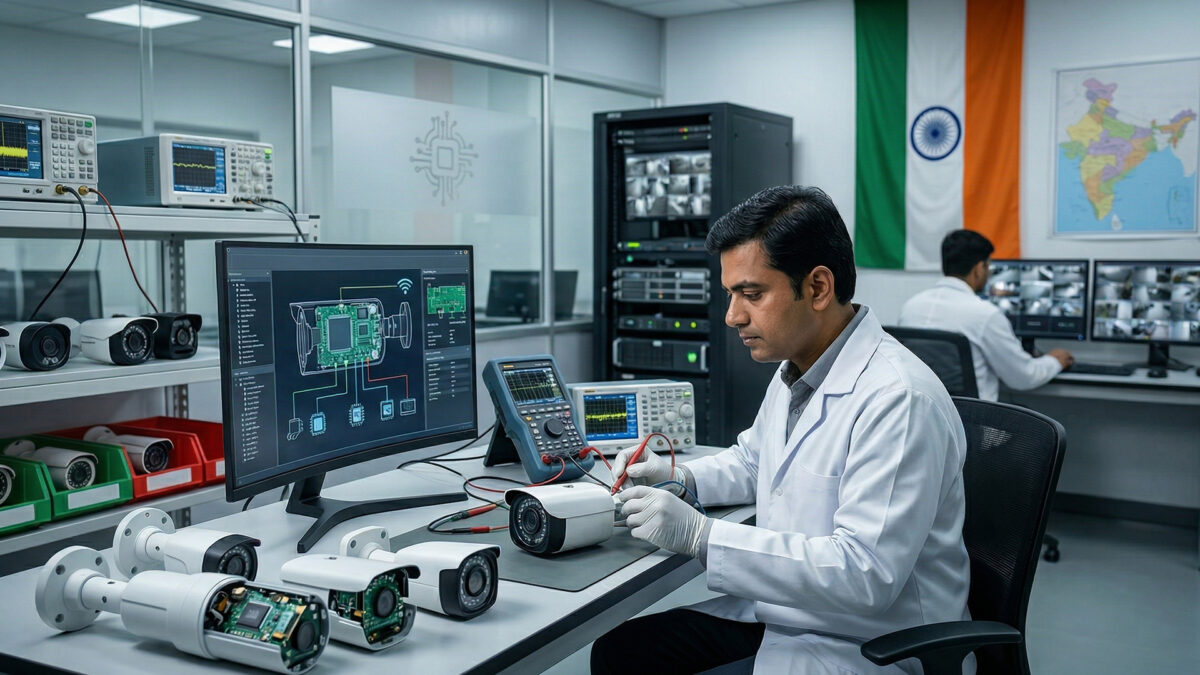
From April 1, India will restrict Chinese CCTV manufacturers from operating in its market under new security regulations. The government now mandates certification for all internet-connected cameras, including detailed checks on hardware and software components. This effectively sidelines major Chinese brands and even products built with Chinese parts. Authorities cite national security risks such as potential data breaches and remote access vulnerabilities.

Indian firms have already expanded rapidly and dominate the sector, and the policy is expected to accelerate this trend. While prices of surveillance equipment may rise in the near term, the move is likely to boost domestic production and reduce reliance on foreign technology.

Categories
1 Minute-Read

Air Canada CEO apologises over language row

Air Canada CEO Michael Rousseau has apologised after his English-only condolence message following a deadly crash at New York’s LaGuardia Airport sparked criticism. The accident claimed the lives of two pilots and left several injured.

In Canada, where both English and French are official languages, many found the absence of French in his message insensitive. Political leaders also voiced concern over the issue.

Responding to the backlash, Rousseau said he deeply regrets the situation and acknowledged that his language limitation took attention away from the victims and their families during a difficult time.

Categories
Leaders

Anil Agarwal flags Jaypee bid reversal

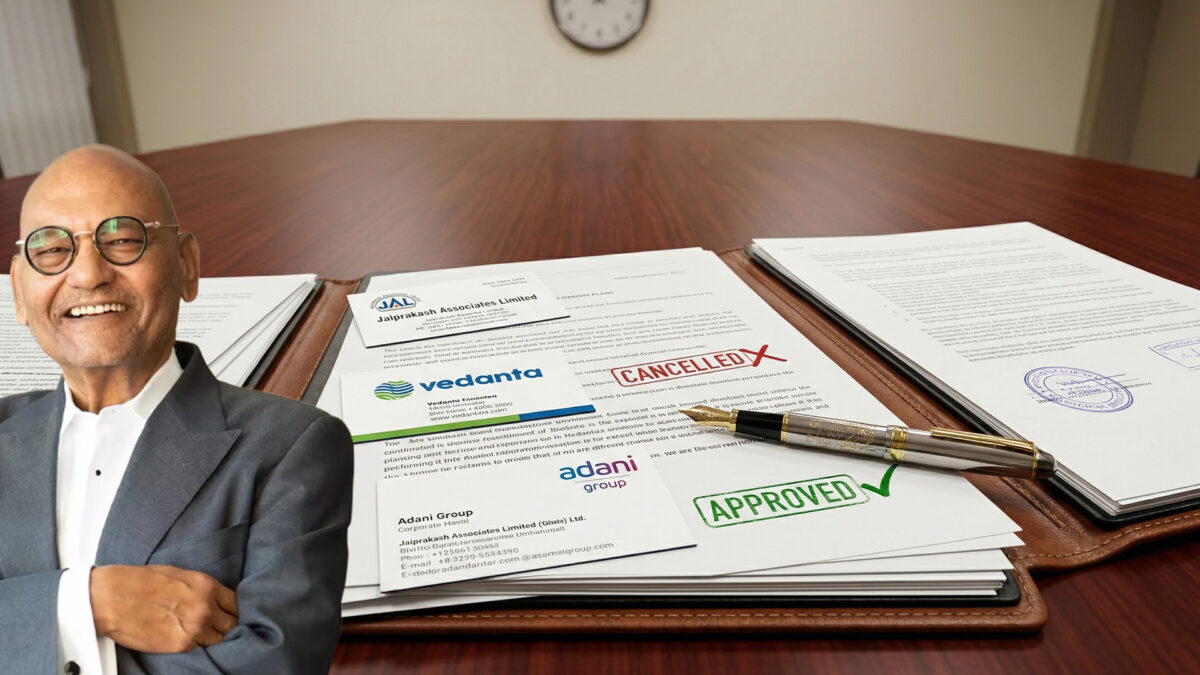
Anil Agarwal has raised concerns over the bidding process for Jaiprakash Associates, saying his company, Vedanta Limited, was initially declared the winner but later lost out after the decision was reversed.

Speaking about the insolvency process, Agarwal said Vedanta had emerged as the highest bidder during the lenders’ evaluation. According to him, the company was even given written confirmation after the price discovery stage, indicating it had secured the winning bid.

However, he said the situation changed unexpectedly soon after. The decision, he claimed, was revised without clear explanation, despite Vedanta having already been informed of its success. His remarks have brought fresh attention to the ongoing dispute over the high-profile asset.

The bid relates to the resolution of Jaiprakash Associates, the flagship firm of the Jaypee Group, which is undergoing insolvency proceedings. The process has attracted major corporate interest due to the scale and value of the assets involved.

Eventually, the resolution plan from the Adani Group received approval, prompting Vedanta to challenge the outcome through legal channels. The matter is currently being heard by appellate authorities, and the final decision remains pending.

Also Read: Gold falls to ₹1,48,080, Silver drops to ₹2,44,900

Categories
Beyond

Gold falls to ₹1,48,080, Silver drops to ₹2,44,900

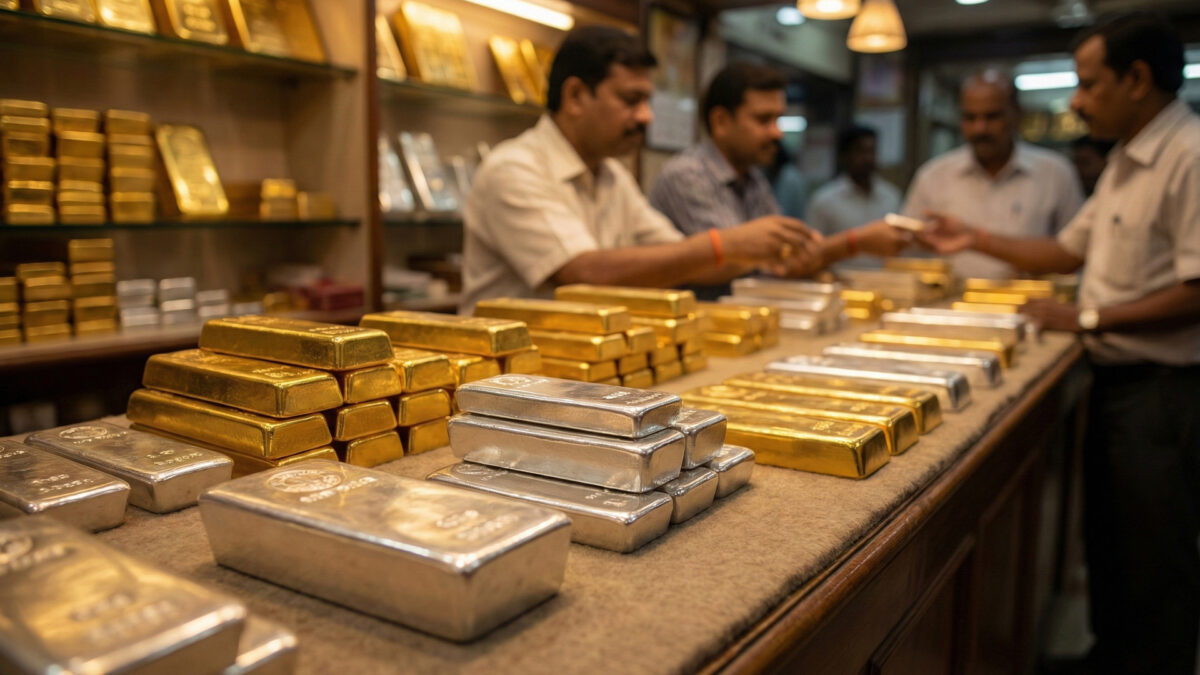
Prices of precious metals declined slightly in the domestic market on Monday. Gold prices fell by ₹10 to ₹1,48,080 per 10 grams in the national capital, continuing the recent trend of mild corrections. Meanwhile, silver prices dropped more sharply by ₹100 to ₹2,44,900 per kilogram, reflecting a broader weakness in the precious metals segment.

The decline in prices is largely attributed to softening international rates. In global markets, gold traded lower as the US dollar strengthened, making the metal less attractive for investors holding other currencies. Additionally, easing demand for safe-haven assets contributed to the downward pressure on prices.

Market analysts noted that recent volatility in global markets, including fluctuations in bond yields and currency movements, has impacted investor sentiment towards precious metals. While geopolitical tensions typically support gold prices, current trends indicate some profit booking by investors after earlier gains.

Silver, which often tracks both industrial demand and investment trends, also witnessed a dip. Weakness in industrial demand outlook, coupled with global uncertainty, weighed on the metal’s performance.

Despite the fall, experts suggest that prices remain at relatively elevated levels compared to historical averages. The recent correction is seen as part of a broader consolidation phase rather than a sharp downturn.

In the domestic market, jewellers reported moderate demand, with buyers remaining cautious amid price fluctuations. Seasonal demand has also been relatively muted, contributing to limited support for prices.

Looking ahead, market participants are expected to closely monitor global economic indicators, including inflation data and central bank policies, which could influence the direction of gold and silver prices. Currency movements, particularly the strength of the US dollar, will also play a crucial role.

Also Read: Sensex drops over 1,000 points, Nifty slips below 22,500