Categories
Beyond

Cabinet clears ₹10,000 cr ATF support fund

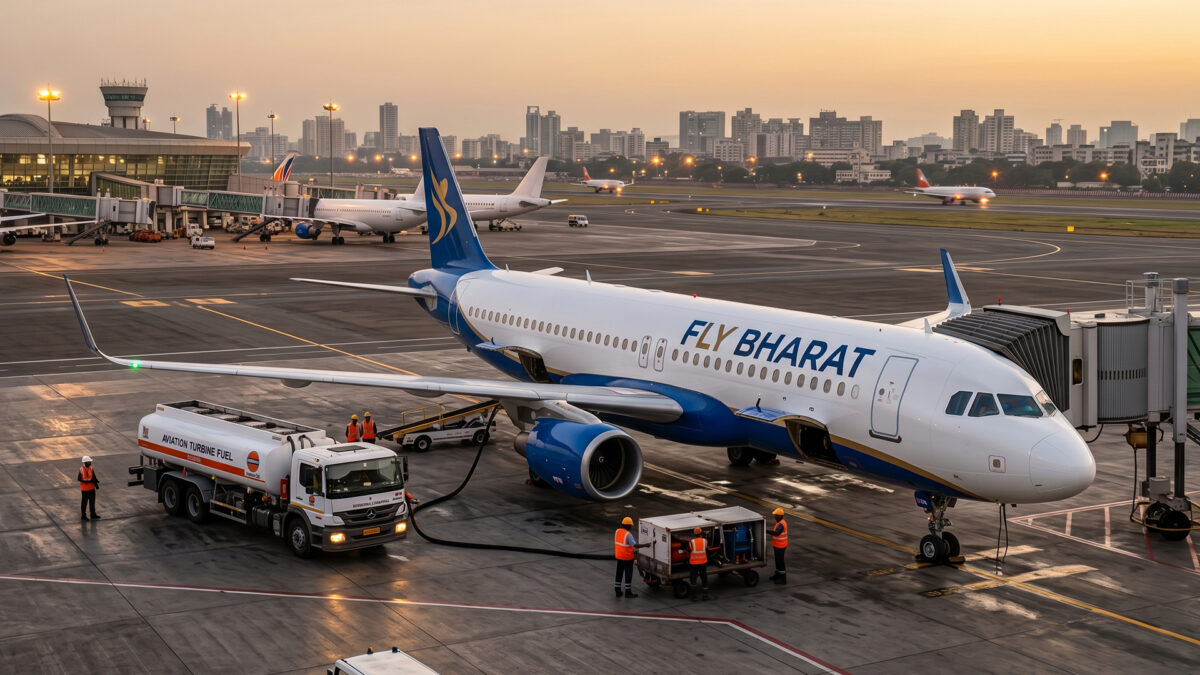
The Union Cabinet has approved a ₹10,000-crore Aviation Turbine Fuel (ATF) Price Stabilisation Fund to protect Indian airlines from sharp increases in jet fuel prices triggered by geopolitical tensions in West Asia.

The decision comes as airlines face rising operating costs due to volatility in global crude oil markets. Aviation fuel is one of the biggest expenses for carriers and typically accounts for 35-40% of their operating costs. Recent concerns over supply disruptions and escalating tensions in the Middle East have pushed energy prices higher, increasing pressure on airline finances.

Under the new mechanism, the government will provide temporary financial support when ATF prices rise sharply beyond a predetermined threshold. The fund is designed to reduce the impact of sudden fuel price spikes and help airlines maintain operations without passing the entire burden on to passengers.

Officials said the measure aims to ensure stability in the aviation sector, which has witnessed strong growth in passenger traffic over the past few years. The fund is expected to benefit both full-service and low-cost carriers by providing a buffer against external shocks.

The government believes the initiative will support the long-term growth of India’s aviation sector while safeguarding connectivity and passenger demand. The fund is expected to become operational after detailed implementation guidelines are finalised.

Also Read: SpaceX targets record $75 bn IPO

Categories
Beyond

Airlines must give 60% seats free from April 20

In a big relief for air travellers, India’s aviation regulator, the Directorate General of Civil Aviation (DGCA), has ordered airlines to provide at least 60% of seats on every flight free of cost from April 20, 2026.

This means passengers will not have to pay extra to select many of the seats while booking tickets. Until now, airlines were offering only a small number of seats for free, and most passengers had to pay additional charges to choose seats like window or aisle.

The new rule aims to reduce these extra costs and make ticket pricing clearer for travellers. Many passengers had complained that airlines were adding high seat selection fees, making flights more expensive than expected.

Under the new guideline, more than half of the seats on a flight must be available without any extra charge. However, airlines can still charge for certain premium seats, such as those with extra legroom or special locations.

The DGCA has also asked airlines to make sure that passengers travelling on the same booking are seated together as much as possible. This will help families and groups avoid paying extra money just to sit next to each other.

Another important part of the rule is transparency. Airlines must clearly show all optional charges, including seat selection fees, during ticket booking. This will help passengers understand the total cost before making a payment.

Airlines, however, are not fully happy with this decision. They say that seat selection fees are an important source of income. With fewer paid seats, airlines may try to recover the loss by increasing basic ticket prices in the future.

Experts believe the move will benefit passengers immediately by lowering hidden costs. But they also warn that ticket prices could change depending on how airlines adjust to the new rule.

Also Read: RBI makes digital payments safer from April 1

Categories
1 Minute-Read

Airlines cancel flights due to Middle East conflict

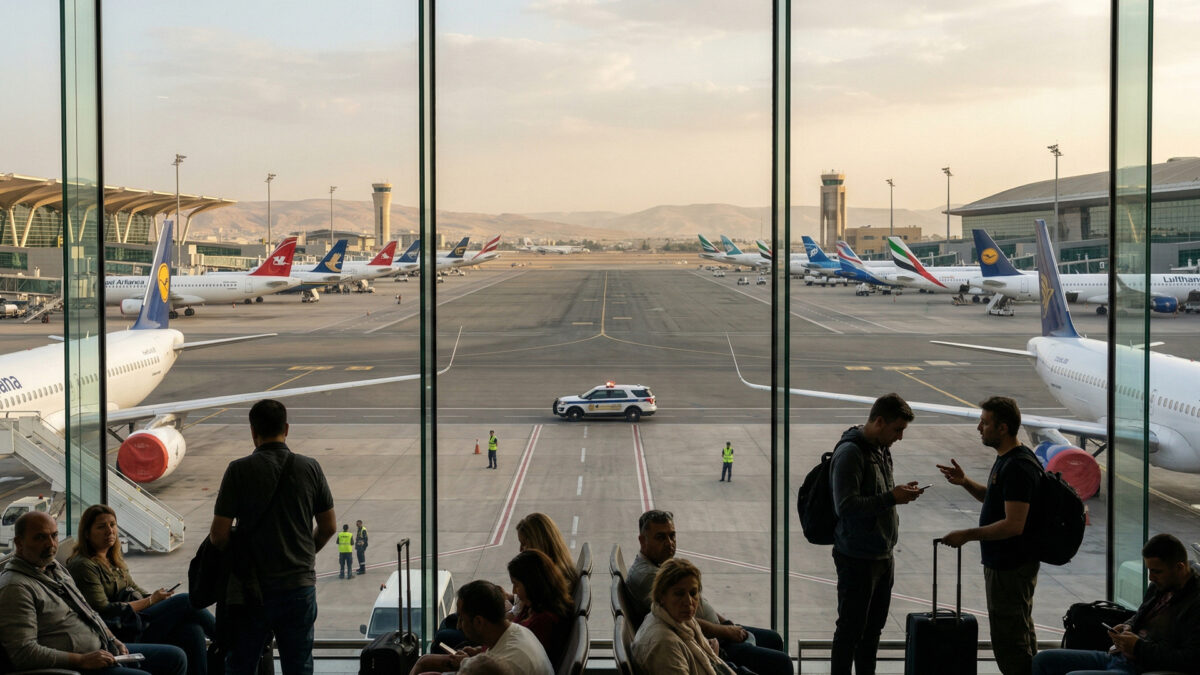
Escalating conflict in the Middle East has forced airlines worldwide to cancel or suspend flights to destinations including Dubai, Riyadh, Doha, Tel Aviv, and Beirut. Carriers such as Air France-KLM, Lufthansa, Cathay Pacific, Singapore Airlines, and Indian airlines have scaled back services or rerouted aircraft, citing safety and airspace restrictions.

Thousands of passengers face disruptions, prompting airlines to advise checking flight status before travel. Airspace closures linked to the Iran‑related conflict have complicated international travel and repatriation, with further cancellations possible as geopolitical tensions persist.

Categories
1 Minute-Read

Airlines add fuel surcharge as oil prices rise

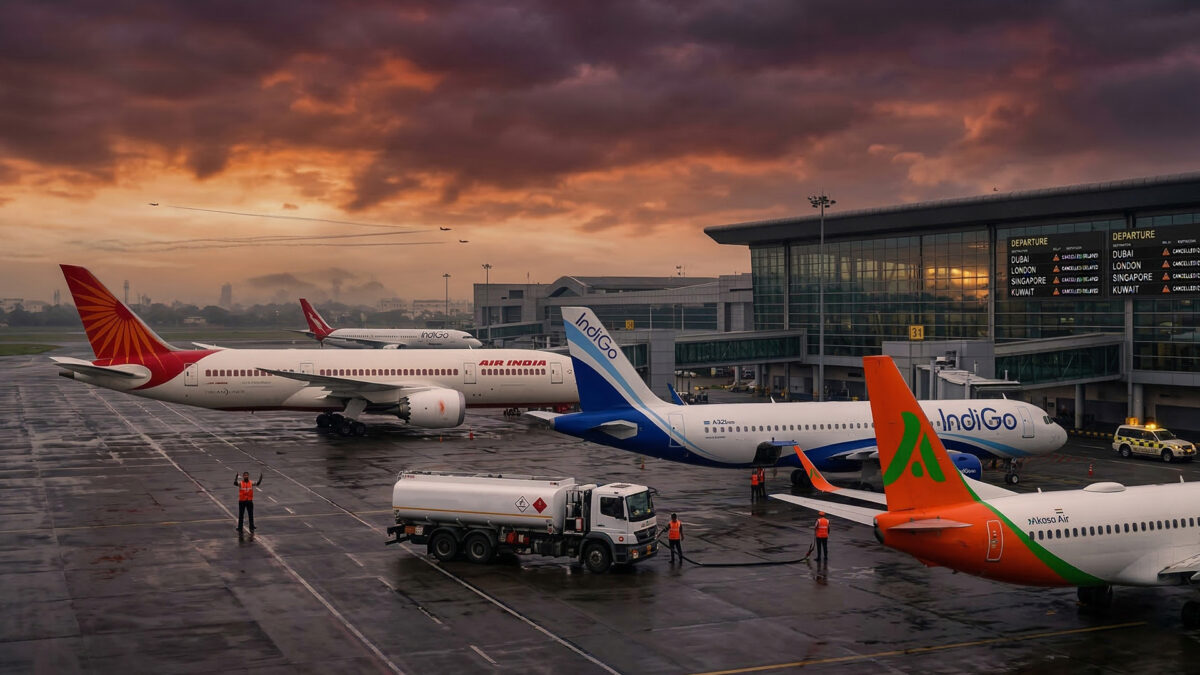
Indian airlines, including Air India, IndiGo and Akasa Air, have introduced a fuel surcharge on flight tickets following a rise in aviation fuel prices linked to tensions in West Asia involving Iran.

The surcharge will apply to both domestic and international flights and could range from around ₹199 to ₹1,300 depending on distance and route. Airlines said the move is aimed at offsetting higher aviation turbine fuel costs, which make up a large share of operating expenses.

Industry experts say fares may ease if global oil prices stabilise in the coming weeks.

Categories
Corporate

India clears 2 new airlines to boost competition

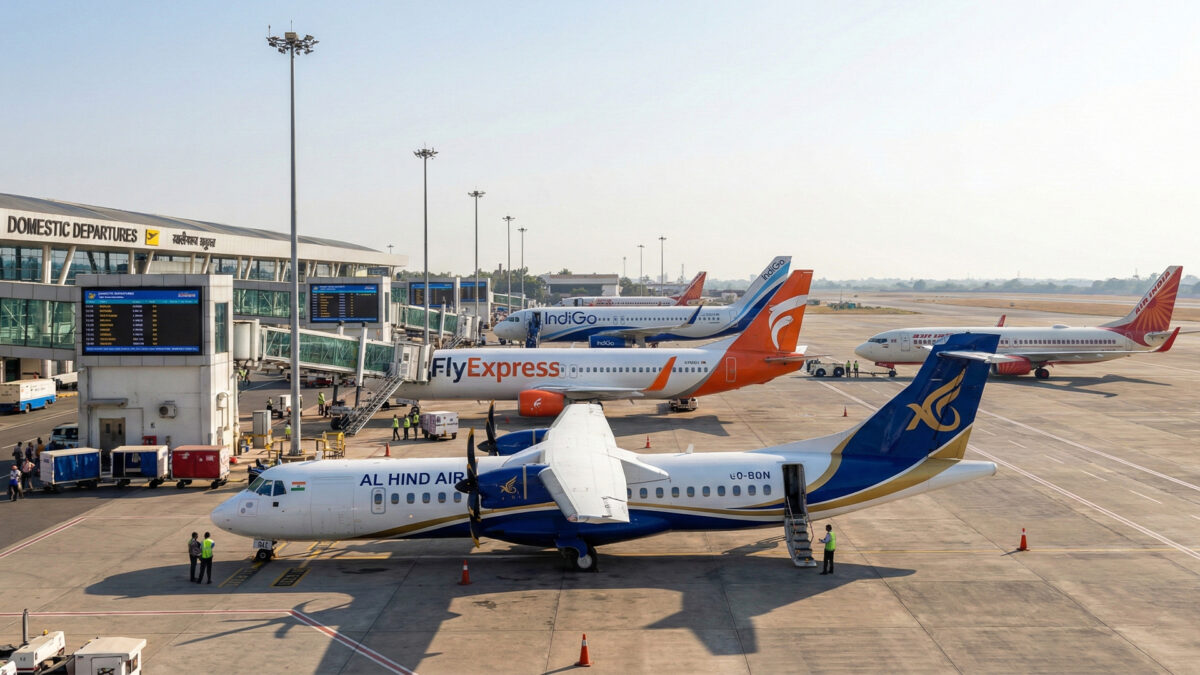
The Indian government has given initial approval to two new airlines, Al Hind Air and FlyExpress, allowing them to move closer to starting flight operations. The decision is aimed at increasing competition in the domestic aviation sector, which is currently dominated by a few large players.

The approvals were granted by the Ministry of Civil Aviation through the issuance of No Objection Certificates (NOCs). Civil Aviation Minister K. Rammohan Naidu said the move reflects the government’s effort to strengthen the aviation sector and offer passengers more choices.

The decision comes shortly after a major disruption at IndiGo earlier this month, when the airline cancelled thousands of flights due to staffing and operational issues. The incident affected a large number of passengers and highlighted the risks of depending heavily on one airline. At present, IndiGo controls about 65 per cent of India’s domestic air travel market, while the Air India Group accounts for around 27 per cent. Smaller airlines share the remaining portion.

Al Hind Air is promoted by the Kerala-based alhind Group. The airline plans to start operations with smaller aircraft and focus on regional routes, especially in southern India. Its aim is to improve connectivity between smaller cities and towns. The airline will now work on completing regulatory requirements, including getting an Air Operator Certificate.

FlyExpress, the second airline to receive approval, has indicated that it plans to begin operations soon. While detailed plans about its routes and fleet have not yet been shared publicly, the airline is expected to serve domestic passengers and add capacity to the market.

In addition, another airline, Shankh Air, has already received its NOC earlier and is expected to start flying in 2026.

The government believes that the entry of new airlines will improve services, reduce the impact of disruptions, and encourage competitive pricing. It also supports broader goals such as expanding regional air connectivity under existing aviation policies.

With passenger demand continuing to grow, the addition of new airlines is expected to make India’s aviation sector more balanced, competitive, and resilient.

Also Read: Satya Nadella skips managers to hear engineers on AI