Categories
Beyond

Households should switch to piped natural gas supply

The Ministry of Petroleum and Natural Gas has issued a clear directive: households in areas where piped natural gas (PNG) is available must transition from LPG cylinders within three months, or risk losing their LPG supply.

The move aims to optimize LPG distribution, freeing cylinders for regions without pipelines, while offering households a safer, hassle-free cooking option. PNG delivers gas directly to kitchens, removing the need for repeated refills and making cooking more convenient.

Exceptions are possible if a household cannot physically receive a pipeline connection, in which case authorities can issue a no-objection certificate (NOC) to continue LPG supply. The government is also speeding up pipeline approvals, easing land access, and expanding infrastructure to ensure the transition is smooth.

Officials emphasize that there is no shortage of LPG, petrol, or diesel, but the policy reflects a broader strategy to strengthen India’s energy security, particularly amid global supply disruptions linked to tensions in the Middle East.

Residents in pipeline-connected areas are urged to apply for PNG connections promptly or provide proof of technical infeasibility to avoid disruption. This step marks a significant push toward modernizing India’s gas network and building a more resilient, efficient energy system for the future.

Also Read: Oil prices drop on Iran negotiation talks

Categories
Beyond

Oil prices drop on Iran negotiation talks

Global oil prices declined after Donald Trump signalled possible progress in negotiation talks with Iran, raising hopes of easing tensions in West Asia.

Trump indicated that discussions were moving in a positive direction, leading markets to expect a potential reduction in risks to oil supply. The remarks triggered a drop in crude prices, which had recently surged due to fears of prolonged conflict in the region.

Key benchmarks such as Brent crude and US West Texas Intermediate fell following the comments. Prices had earlier climbed sharply amid concerns that tensions could disrupt shipments through critical routes like the Strait of Hormuz, a major artery for global oil transport.

The decline was further supported by indications that immediate military escalation may be avoided. Reports suggested that potential strikes on Iranian energy infrastructure were delayed, easing fears of sudden supply shocks. Oil markets, which are highly sensitive to geopolitical developments, responded quickly to these signals.

However, uncertainty continues to cloud the outlook. Iranian officials have denied that formal negotiations are underway, raising questions about the likelihood of a quick resolution. This has kept volatility high, with traders remaining cautious.

Recent trends highlight how rapidly oil prices can shift based on political developments. After reaching elevated levels due to supply concerns, prices have now retreated on hopes of diplomatic progress.

The fall in oil prices has also supported global financial markets, as lower energy costs help ease inflationary pressures and support economic growth.

Also Read: Rupee falls 20 paise to 93.76, nears 94

Categories
Beyond

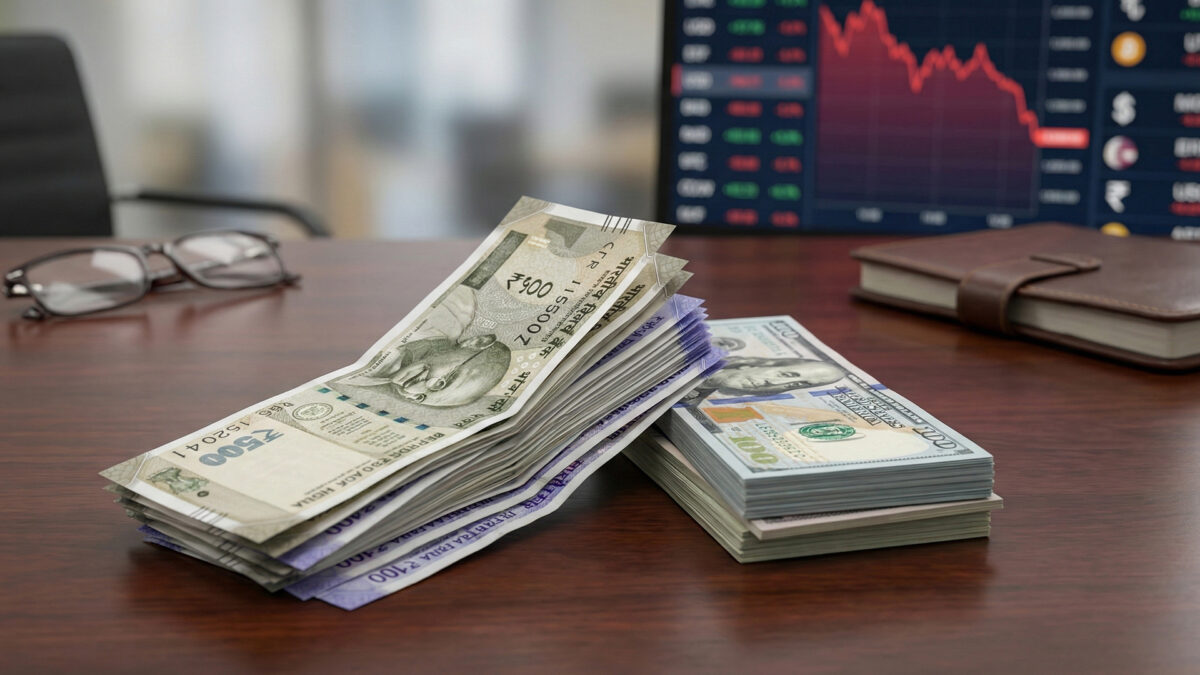
Rupee falls 20 paise to 93.76 against US dollar

The Indian rupee continued its decline on Wednesday, falling by around 18–20 paise in early trade to hover near the 93.94–93.96 level against the US dollar. The drop brings the currency closer to the key 94 mark, extending its recent downward trend.

The rupee had already hit a record low in the previous session, reflecting sustained weakness amid global economic uncertainties. Market participants remain cautious as external pressures continue to weigh heavily on emerging market currencies.

A major factor behind the rupee’s fall is the strengthening of the US dollar. Investors are increasingly moving towards safer assets, boosting demand for the dollar and weakening currencies like the rupee.

Rising crude oil prices have added to the pressure. As India relies heavily on oil imports, higher prices increase demand for dollars, widening the trade deficit and dragging the rupee lower.

Global uncertainties, including geopolitical tensions and volatile financial markets, have further dampened investor sentiment. This has led to capital outflows from emerging markets, adding to the currency’s weakness.

The Reserve Bank of India has been monitoring the situation and is expected to step in when necessary to manage volatility. However, analysts believe that while such interventions may offer short-term relief, they may not fully counter the impact of global factors.

Also Read: Gold dips to ₹1.42 lakh, silver climbs to ₹2.35 lakh

Categories
Beyond

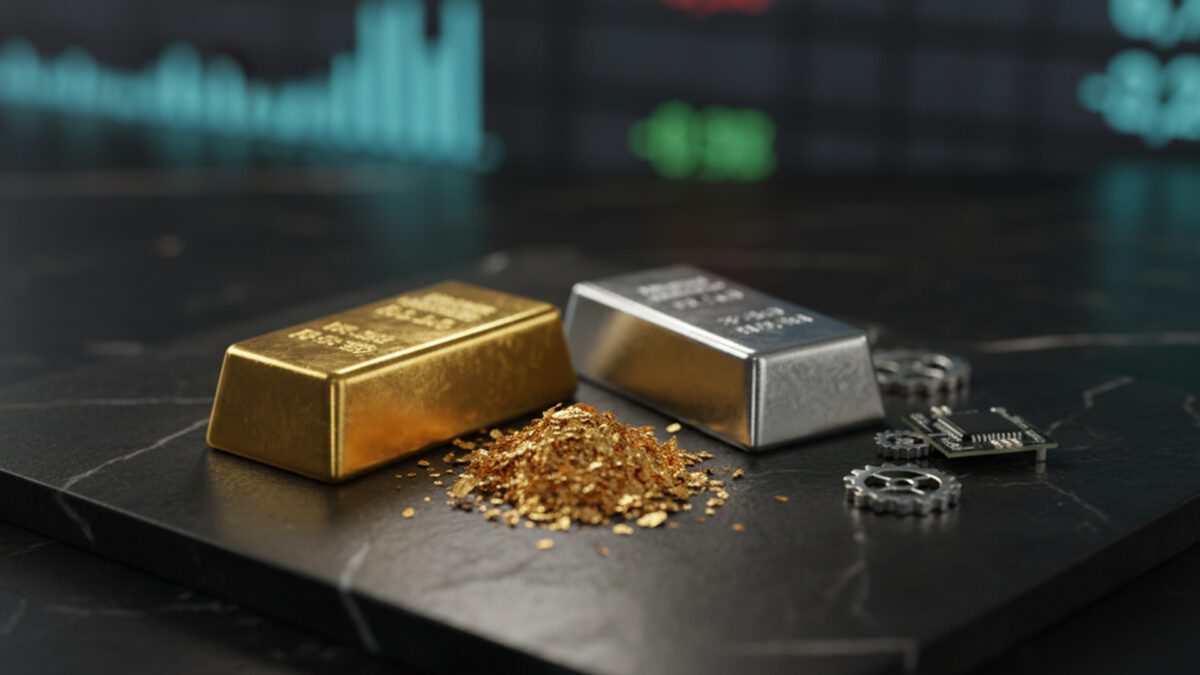
Gold dips to ₹1.42 lakh, silver climbs to ₹2.35 lakh

Gold prices slipped slightly while silver recorded modest gains on March 25, reflecting a mixed trend in the bullion market amid fluctuating global signals and domestic trading patterns.

On the Multi Commodity Exchange (MCX), gold futures fell by ₹10 to around ₹1,42,900 per 10 grams during early trade. The marginal decline indicates continued pressure on gold prices after recent fluctuations. In contrast, silver prices rose by ₹100 to trade near ₹2,35,100 per kilogram, supported by fresh buying and improved market sentiment.

The divergence between the two key precious metals highlights ongoing volatility in the commodities market. Gold has remained under pressure largely due to a firm US dollar and elevated bond yields, which tend to reduce the attractiveness of non-interest-bearing assets such as bullion.

However, silver showed relative strength, benefiting from its dual demand as both a precious and industrial metal. Market participants noted that short-covering and steady industrial demand contributed to the uptick in silver prices.

During the session, both metals also witnessed intraday swings. Gold saw limited recovery at higher levels, while silver extended gains briefly before stabilising. These movements underline the uncertainty currently influencing commodity markets.

Global factors continue to play a key role in determining price direction. Developments in international markets, including currency movements, interest rate expectations, and geopolitical conditions, have kept traders cautious. Any signals of easing global tensions or changes in monetary policy outlook are quickly reflected in bullion prices.

Across major Indian cities, gold and silver rates showed minor variations depending on local demand, taxes, and logistics. The overall trend, however, remained aligned with MCX movements.

Also Read: Sensex surges over 1,400 points, Nifty reclaims 23,300 levels

Categories
Beyond

Global LNG exports drop to 6 month low

Global liquefied natural gas (LNG) exports have fallen to their lowest level in six months as rising tensions involving Iran disrupt supply chains and key shipping routes. The decline underscores how geopolitical instability in West Asia is beginning to weigh heavily on global energy flows.

Recent data shows LNG shipments have dropped sharply, with average export volumes falling significantly compared to previous weeks. The slowdown is largely linked to disruptions in and around the Strait of Hormuz, a critical route for global energy trade. A substantial share of the world’s LNG passes through this narrow corridor, making it highly sensitive to conflict.

Ongoing security concerns have forced ships to delay or reroute journeys, leading to slower deliveries and reduced export volumes. In some cases, energy companies are taking extra precautions, adding to transit time and costs.

The situation has been further complicated by damage to energy infrastructure in the region. Qatar, one of the world’s largest LNG exporters, has seen part of its production capacity affected due to regional instability. This has tightened global supply at a time when demand remains strong, especially in Asia and Europe.

As a result, global gas prices have shown an upward trend, with buyers competing for limited cargoes. Countries that rely heavily on LNG imports are facing increased costs and potential supply shortages. The impact is particularly significant for energy-dependent economies that depend on steady imports to meet domestic demand.

Unlike crude oil, LNG is not easily redirected in the short term because it depends on specialised infrastructure such as liquefaction plants and receiving terminals. This makes the market more vulnerable to sudden disruptions and slower to recover.

 The current situation has also raised broader concerns about global energy security and the risks of overdependence on a few critical routes and suppliers.

Also Read: $580mn oil bet before Trump post raises questions

Categories
Beyond

$580mn oil bet before Trump post raises questions

A large $580 million bet in global oil markets placed shortly before a public statement by Donald Trump has raised concerns over possible insider trading and market fairness. The trades were executed minutes before Trump shared an update about easing tensions with Iran, triggering sharp movements across financial markets.

The bets were made in oil futures just 10–15 minutes before Trump posted on social media about “productive” talks with Iran and a pause in potential US military action. Soon after the announcement, crude oil prices dropped quickly, allowing those who placed bearish bets to make significant profits.

The timing has drawn attention because of the scale and precision of the trades. Market analysts say it is unusual for such large positions to be taken so close to a major geopolitical announcement without some level of prior expectation. While there is no confirmed evidence of wrongdoing, the sequence of events has prompted speculation about whether certain traders had advance information.

The announcement also had a wider impact on global markets. US stock futures rose as investors reacted positively to signs of reduced geopolitical risk, while oil prices saw a sharp decline due to expectations of stable supply. This quick shift highlights how sensitive markets are to developments in regions like the Middle East, where tensions directly influence energy prices.

It is said that geopolitical signals, especially those involving countries like Iran, often lead to sudden and large price swings. In such an environment, even small informational advantages can translate into massive financial gains.

The incident has renewed debate around transparency and regulation in global financial markets. Observers are calling for closer scrutiny of trading patterns around major political announcements to ensure a level playing field for all investors.

Although no official investigation has been announced so far, the scale and timing of the trades are likely to attract regulatory attention.

Also Read: IndiGo appoints ex-Air India Express head as CSO

Categories
Beyond

Rupee at 93.71 against dollar

The Indian rupee remained weak in early trading, falling by 18 paise to 93.71 against the US dollar. Earlier this week, the rupee had even crossed the 94 mark, showing strong pressure on the currency.

The recent fall is mainly due to global uncertainty, especially tensions in the Middle East. When such conflicts rise, investors usually move their money to safer assets like the US dollar. This increases demand for the dollar and puts pressure on currencies like the rupee.

Another major reason for the rupee’s weakness is rising crude oil prices. India imports a large amount of oil, so when oil prices go up, the country needs more dollars to pay for imports. This increases demand for the dollar and weakens the rupee further.

However, there was some relief for the rupee as oil prices slightly dropped. This came after signals from former US President Donald Trump about possible talks with Iran. Lower oil prices can help the rupee because they reduce India’s import costs. But the situation remains uncertain after Iran denied any such talks, which has kept markets cautious.

Foreign investors have also been pulling money out of Indian markets in recent weeks. This has added to the pressure on the rupee. When foreign investors sell Indian assets, they convert rupees into dollars, increasing demand for the dollar and weakening the rupee.

At the same time, the US dollar remains strong globally, making it harder for the rupee to recover. Investors are preferring the dollar due to global risks and better returns in the US market.

Also Read: Gold at ₹1.35 lakh, Silver at ₹2.29 lakh

Categories
Beyond

Gold at ₹1.35 lakh, Silver at ₹2.29 lakh

Gold and silver prices witnessed a sharp decline in both global and Indian markets, dropping by more than 3% amid signs of easing geopolitical tensions in the Middle East. The cooling of conflict has reduced the appeal of precious metals, which are typically seen as safe-haven investments during periods of uncertainty.

In India, gold prices slipped to around ₹1.35 lakh per 10 grams, while silver fell to approximately ₹2.29 lakh per kilogram. The fall reflects a broader global trend, where bullion prices came under pressure as investor sentiment shifted away from defensive assets.

The primary reason behind the decline is the reduced demand for safe-haven assets. During times of geopolitical instability, investors tend to move toward gold and silver to protect their wealth. However, as tensions show signs of de-escalation, this demand has weakened, leading to a correction in prices.

A stronger US dollar has also contributed to the fall. Since gold and silver are priced in dollars internationally, a rise in the currency makes these metals more expensive for buyers in other countries, thereby reducing demand. Additionally, higher US bond yields have made interest-bearing assets more attractive compared to non-yielding metals like gold.

Interest rate expectations have further weighed on prices. Ongoing inflation concerns have lowered the chances of immediate rate cuts by central banks. Higher interest rates typically reduce the attractiveness of gold and silver, as they do not offer regular returns like bonds or fixed-income instruments.

Market analysts believe that precious metal prices will remain volatile in the near term. Any further developments in the Middle East, along with signals from global central banks, are likely to influence price movements.

Despite the current decline, the long-term outlook for gold remains supported by global economic uncertainties and continued central bank buying.

Also Read: Sensex surges 1,100 points, Nifty crosses 22,800

Categories
Beyond

Sebi to review FPI rules, settlement changes

Securities and Exchange Board of India (Sebi) is set to discuss key reforms aimed at making trading easier for foreign investors and improving overall market efficiency.

At its upcoming board meeting, Sebi will consider a proposal to simplify settlement rules for foreign portfolio investors (FPIs). At present, FPIs must settle each transaction separately, even if they buy and sell shares on the same day. This often requires them to arrange large amounts of funds for multiple trades.

The proposed change would allow a “net settlement” system, where investors can offset their buy and sell positions within the same trading cycle. This means they would only need to pay or receive the net difference, reducing the need for excess funds and lowering transaction costs.

Experts say this move could ease liquidity pressure on foreign investors, especially during periods of high trading activity such as index rebalancing. It may also help cut foreign exchange costs that arise due to timing differences between inflows and outflows.

Alongside this, Sebi will also review rules related to market intermediaries, including brokers and other financial entities. The board is expected to examine governance norms and eligibility criteria, often referred to as “fit and proper” rules, to ensure stronger oversight and accountability.

These proposals are part of Sebi’s ongoing efforts to make India’s capital markets more investor-friendly while maintaining safeguards for transparency and risk management. Simplifying processes for FPIs is seen as an important step in attracting more global investment into Indian markets.

Also Read: OpenAI plans to double workforce to 8,000

Categories
Beyond

Rupee falls to record low of ₹93.9/$

Rupee weakened sharply on monday, falling to an all-time low of ₹93.9 against the US dollar. The decline comes amid growing global uncertainty, particularly due to escalating tensions in the Middle East and a surge in crude oil prices.

The ongoing geopolitical situation has raised concerns about disruptions in oil supply, pushing crude prices higher. As India relies heavily on oil imports, rising prices increase demand for dollars, putting additional pressure on the rupee.

At the same time, a stronger US dollar has made emerging market currencies, including the rupee, less attractive to investors. Foreign investors have been pulling money out of Indian markets, adding to the downward pressure on the currency. Weak sentiment in equity markets has further reflected this cautious approach among investors.

While the currency market remained under stress, precious metals showed a different trend. Gold prices edged lower, slipping slightly in domestic markets, while silver prices also declined during the day. The fall in gold and silver prices is mainly linked to the strengthening dollar, which typically reduces the appeal of these safe-haven assets.

Market experts note that although geopolitical tensions usually support gold prices, the current rise in the dollar and bond yields has limited any gains, leading to a mild correction instead.

Also Read: Gold falls ₹10 ₹1,45,960, Silver drops ₹2,44,900