Categories
Beyond

India’s GST crosses ₹2 lakh cr in March

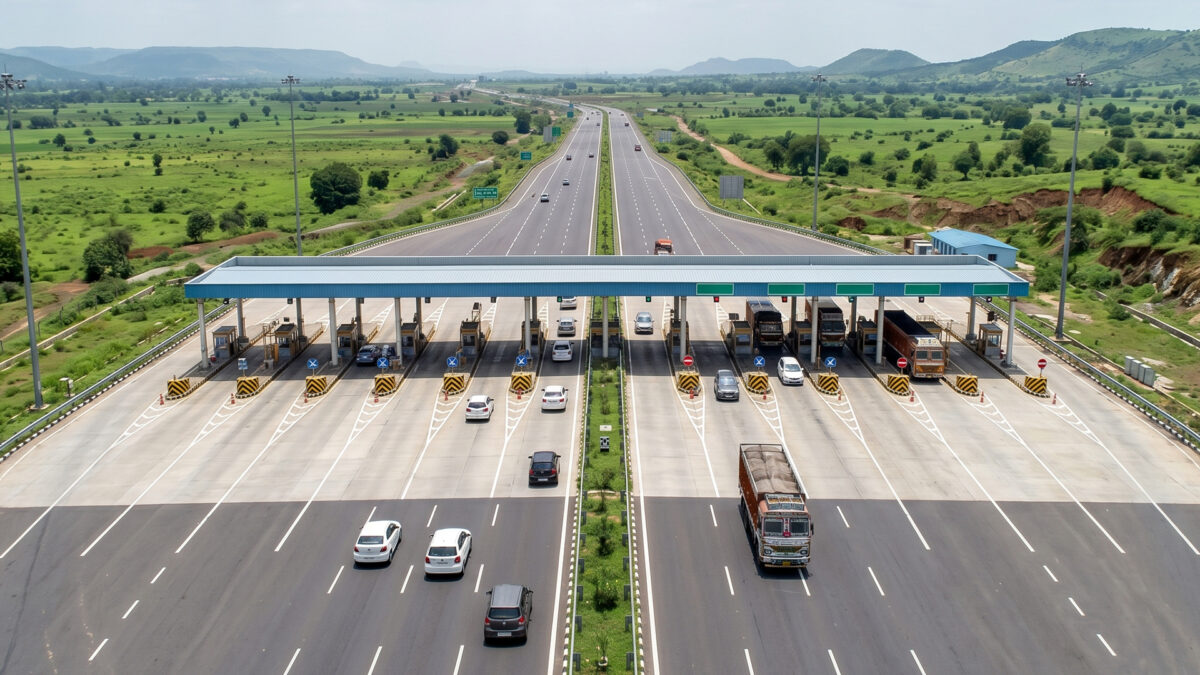
India’s Goods and Services Tax (GST) collections reached ₹2,00,064 crore in March 2026, marking one of the highest monthly revenue figures in recent years. This represents an 8.8% increase compared with March last year, signaling continued economic activity as the country closes the financial year.

The growth comes from both domestic sales and imports. Domestic GST rose by about 5.9%, while GST from imports jumped 17.8%, reflecting higher trade volumes. Net collections, which is the revenue retained by the government after refunds, stood at ₹1.78 lakh crore, up 8.2% year-on-year. Total GST refunds paid in March increased by nearly 14%, slightly reducing net receipts but supporting businesses.

For the full 2025‑26 fiscal year, gross GST collections reached around ₹22.27 lakh crore, up 8.3% from the previous year. Officials say this steady growth shows better tax compliance, robust consumer demand, and strong business activity across sectors.

Economists noted that the sharp rise in import-related GST indicates expanding trade, while the rise in domestic collections points to healthy consumer spending. The performance also comes after recent adjustments in GST rates under reform efforts, which could have affected monthly collections earlier in the year.

Also Read: Oil rises 4% on Trump’s Iran strike warning

Categories
Beyond

Oil rises 4% on Trump’s Iran strike warning

Global oil prices rose sharply after Donald Trump said the United States would continue its military actions against Iran, increasing concerns about a wider conflict in the region.

Benchmark crude prices climbed more than 4%, with Brent crude crossing key levels as traders reacted to the possibility of prolonged instability. The price jump reflects growing fears that the conflict could disrupt global oil supplies and key shipping routes.

In his address, Trump indicated that US attacks would not stop immediately and could continue until strategic objectives are met. While he hinted that the situation might stabilise eventually, the lack of clear timelines has added uncertainty to global markets.

Market analysts say the rise in oil prices is driven by both actual supply risks and market sentiment. Even the possibility of attacks on oil infrastructure or transport routes can lead to immediate price spikes, as traders anticipate shortages.

The surge in crude prices has also affected broader financial markets. Investors are becoming cautious due to concerns that higher energy costs could lead to inflation and slow down economic growth. Stock markets in several regions showed signs of volatility following the developments.

A major concern is the safety of the Strait of Hormuz, a narrow waterway through which a large portion of the world’s oil supply passes. Any disruption in this route can quickly affect global supply and drive prices higher. Reports suggest that tensions in the area have already slowed some shipping activity.

Also Read: Rupee jumps to 93.53 after RBI action

Categories
Beyond

Amazon Cloud facility damaged in Bahrain strike

Amazon’s cloud services infrastructure in Bahrain has reportedly suffered damage following a suspected strike linked to Iran, signalling how geopolitical conflicts are increasingly affecting critical technology systems.

The incident is believed to have impacted facilities run by Amazon Web Services (AWS), a major global provider of cloud computing services. While the full extent of the damage has not been officially disclosed, sources indicate that the disruption could affect services relying on AWS’s Bahrain region.

Authorities in Bahrain confirmed that emergency teams were deployed to handle a fire at a company facility. Officials attributed the incident to external aggression but stopped short of directly naming Amazon in their initial statements.

This development comes amid heightened tensions between Iran and Western allies, with reports suggesting that infrastructure linked to U.S. companies has become a potential target. Analysts believe such actions may be intended not only to cause disruption but also to send a strategic message about the vulnerability of foreign investments in the region.

AWS plays a crucial role in supporting digital operations for businesses, governments, and online platforms worldwide. Any disruption to its infrastructure can have ripple effects across sectors, including banking, e-commerce, and communication services that depend on stable cloud access.

This is not the first time Amazon’s Bahrain operations have faced challenges in recent weeks, indicating a pattern of instability tied to the broader conflict. Experts warn that as modern warfare evolves, non-military targets such as data centres are increasingly at risk.

Also Read: SpaceX moves toward historic IPO

Categories
Beyond

Rupee jumps to 93.53 after RBI action

The Indian rupee saw a sharp rebound on April 2, rising 1.3% to 93.53 against the US dollar, after the Reserve Bank of India (RBI) introduced new measures to tighten control over the forex market.

The central bank’s latest steps focus on reducing speculative trading that had been putting pressure on the rupee. By restricting non-deliverable forward (NDF) trades and preventing companies from rebooking cancelled derivative contracts, the RBI effectively limited opportunities for traders to bet against the currency.

This triggered a rapid unwinding of existing dollar positions. As traders rushed to exit these bets, dollar supply increased while demand for the rupee improved, leading to the sharp appreciation.

The move comes after a period of weakness for the rupee, driven by rising oil prices, global uncertainty, and continued outflows by foreign investors. These factors had pushed the currency to record lows in recent sessions.

Also Read: OpenAI raises $122 billion for AI expansion


Categories
Beyond

India waives import duty on 40+ petrochemicals

In a bid to shield domestic industries from rising costs and supply disruptions, the Indian government has temporarily removed customs duty on several key petrochemical products. The exemption will remain in effect until June 30, 2026.

The decision comes at a time when global supply chains are under stress due to ongoing tensions in West Asia, particularly involving Iran. These disruptions have led to higher shipping costs and increased prices of essential raw materials, impacting multiple industries in India.

The duty waiver covers more than 40 petrochemical products, many of which are critical inputs for sectors such as plastics, textiles, pharmaceuticals, packaging, and automobiles. By removing import duties, the government aims to ensure steady supply and reduce the cost burden on manufacturers who rely heavily on these materials.

Some of the key chemicals included in the exemption list are methanol, styrene, vinyl chloride monomer (VCM), monoethylene glycol (MEG), phenol, and toluene. These are widely used in producing everyday goods ranging from plastic products to synthetic fibres and industrial components.

Officials say the move is intended as a short-term measure to stabilise the domestic market. Lower import costs are expected to help companies manage rising input prices and avoid passing on the full burden to consumers. This could also help keep inflation in check in sectors dependent on petrochemical products.

The decision follows a series of steps taken by the government to manage the impact of global disruptions. India, which relies significantly on imports for petrochemical needs, has been particularly vulnerable to price fluctuations and supply shortages triggered by geopolitical developments.

Industry experts have welcomed the move, saying it will provide immediate relief and support production across key sectors. However, they also note that the situation remains uncertain, and much will depend on how global tensions evolve in the coming weeks.

Also Read: Gold jumps to ₹1.52 lakh, Silver rises to ₹2.55 lakh

Categories
Beyond

Gold jumps to ₹1.52 lakh, Silver rises to ₹2.55 lakh

Gold prices in India moved sharply higher on April 1, reflecting strong demand as investors turned cautious amid global uncertainties. Silver prices also edged up, although the trend remained less stable compared to gold.

In the domestic market, 24-carat gold prices climbed to around ₹1.52 lakh per 10 grams, marking a noticeable jump during the day. Similarly, 22-carat gold rose to nearly ₹1.38 lakh per 10 grams across major cities like Delhi and Mumbai. The increase was driven largely by global factors, including a softer US dollar and continued geopolitical tensions, which typically push investors towards safer assets like gold.

The rise in gold prices was not sudden but part of a broader upward trend. Over the past few days, bullion has seen steady gains, supported by expectations that global interest rates may remain stable and that economic uncertainties could persist. This has kept investor interest in gold strong, both globally and in India.

Silver, on the other hand, showed a mixed performance. In the physical market, prices rose slightly by about ₹100, taking the rate to around ₹2.55 lakh per kilogram. However, unlike gold, silver saw some fluctuations during the day, especially in futures trading, where prices moved up and down due to profit booking and changing global cues.

Market experts say that both gold and silver are currently being influenced by global developments, especially geopolitical tensions and movements in crude oil prices. While gold is benefiting more clearly from its safe-haven appeal, silver is reacting to both industrial demand and investment trends, making its movement less predictable.

Also Read: Sensex falls 1,500 points, Nifty slips below 22,250

Categories
Beyond

India boosts chip manufacturing with Gujarat

India has taken another step toward strengthening its semiconductor ecosystem with the inauguration of a new chip facility in Gujarat by Prime Minister Narendra Modi.

The unit, developed by Kaynes Technology in Sanand, will focus on assembling and testing semiconductor chips. This segment is critical in the chip value chain and helps prepare semiconductors for commercial use.

The project, valued at ₹3,300 crore, reflects the government’s broader plan to build local capacity in a sector that has traditionally relied heavily on imports.

India’s semiconductor demand is rising rapidly, driven by growth in consumer electronics, electric vehicles, and digital infrastructure. By investing in such facilities, the country aims to secure supply chains and reduce risks linked to global disruptions.

The inauguration also coincided with the launch of multiple infrastructure projects worth around ₹20,000 crore, underlining Gujarat’s growing importance as a manufacturing hub.

Also Read: UAE fuel prices surge sharply, diesel jumps over 70%

Categories
Beyond

India limits Chinese CCTV sales

India has introduced new rules from April 1 that limit the sale of many Chinese-made CCTV cameras. The decision is part of the government’s effort to improve cybersecurity and reduce reliance on foreign technology.

Under the new rules, all CCTV cameras that connect to the internet must get government approval before being sold. Companies whose products do not meet these standards will not be allowed to sell in India. Many Chinese brands are affected, as their devices have not received the required certification.

The main reason behind this move is concern over data safety. Officials worry that some imported cameras could have security risks, such as hidden access points that may allow outsiders to view or steal data.

For people who already have Chinese CCTV cameras installed at home or in offices, there is no need to worry immediately. These existing devices will continue to work as usual. The rules apply only to new sales and imports, not to cameras that are already in use.

However, there may be some problems in the future. As these companies reduce their presence in India, users might find it harder to get software updates, security fixes, or customer support. This could make the cameras less secure over time.

The new policy is expected to benefit Indian manufacturers, as it encourages the use of locally made products. Many domestic companies are likely to gain a larger share of the market as a result.

At the same time, experts say that fewer options in the market could lead to higher prices in the short term.

Also Read: Unilever–McCormick $65 billion food deal

Categories
Beyond

Premium petrol climbs to ₹160/litre

Fuel prices in India have seen a noticeable spike, with premium petrol now costing as much as ₹160 per litre in Delhi. The increase comes at a time when global oil markets are under pressure due to rising tensions in West Asia, affecting supply and pushing prices higher.

Indian Oil Corporation recently raised the price of its high-performance XP100 petrol by ₹11 per litre, taking it from ₹149 to ₹160. This type of fuel is mainly used in luxury cars and high-end motorcycles, so the impact will be felt most by niche consumers rather than the general public.

At the same time, jet fuel prices have seen an even sharper rise. Aviation turbine fuel (ATF), which airlines rely on heavily, briefly crossed ₹2 lakh per kilolitre, a record high. Although prices were later adjusted to around ₹1.04 lakh per kilolitre for domestic carriers, the cost remains significantly elevated.

This surge is closely tied to global crude oil prices, which have risen amid fears of supply disruptions. Key oil-producing regions and important shipping routes are under strain due to ongoing geopolitical conflicts, making fuel more expensive worldwide.

For airlines, this is a major concern. Fuel typically makes up a large share of their operating costs, sometimes as much as 40–45%. With such a sharp increase in ATF prices, airlines may have little choice but to raise ticket prices or cut back on certain routes to manage expenses.

Also Read: Commercial LPG gets costlier by ₹195.5


Categories
Beyond

₹195.5 hike in commercial LPG prices

Commercial LPG cylinder prices have been increased by ₹195.50 from April 1, bringing fresh cost pressures for businesses across India. The hike mainly impacts commercial users such as restaurants, hotels, and small-scale industries that depend on LPG for daily operations. In several cities, the price of a 19-kg cylinder has now gone beyond ₹2,000.

In contrast, domestic LPG cylinder prices have been left unchanged, offering relief to households. The move is seen as an effort to protect consumers from rising expenses and keep cooking fuel affordable amid broader inflation concerns.

The latest increase in commercial LPG rates comes against the backdrop of rising global energy prices. Ongoing geopolitical tensions, especially in the Middle East, have disrupted supply chains and pushed up fuel costs worldwide. As India relies heavily on LPG imports, these international developments have a direct impact on domestic pricing.

To ensure that supply remains steady, the government has increased the allocation of commercial LPG to 70%. This step is aimed at supporting key sectors and preventing disruptions in essential services and industrial activities.

Meanwhile, the Andhra Pradesh government has reassured citizens that there is no shortage of fuel in the state. Civil Supplies Minister Nadendla Manohar stated that adequate stocks of LPG, petrol, and diesel are available. He also urged the public to avoid panic buying or hoarding, emphasizing that the situation is under control.

Authorities have said strict monitoring is in place to prevent black marketing and ensure fair distribution of fuel.

Also Read: Gold tops ₹1.50 lakh, Silver slips below ₹2.50 lakh