Categories
Beyond

Gold tops ₹1.50 lakh, Silver slips below ₹2.50 lakh

Gold prices strengthened on April 1, 2026, climbing past the ₹1.50 lakh per 10 grams mark in the domestic market, while silver prices edged lower, highlighting a mixed trend in bullion.

On the MCX, gold futures traded in the range of ₹1.50–₹1.51 lakh per 10 grams, supported by a weaker US dollar and improving global sentiment. In the international market, prices remained firm near $4,700 per ounce, keeping the overall trend positive.

The rise in gold prices comes after recent volatility, as investors once again turned to the metal for safety. Expectations that geopolitical tensions in the Middle East may ease also helped stabilise sentiment, reducing fears of sharp inflation spikes and supporting bullion demand.

Silver, however, did not follow gold’s upward momentum. Prices on the MCX slipped to around ₹2.39 lakh to ₹2.45 lakh per kilogram, staying below the ₹2.50 lakh level. The decline is largely due to profit booking and concerns over industrial demand, which plays a significant role in silver pricing.

Market experts point out that gold and silver often move differently because of their distinct roles. Gold is primarily a store of value and safe-haven asset, benefiting during times of uncertainty. Silver, on the other hand, has a strong link to industrial activity, making it more sensitive to economic growth expectations.

The divergence seen in today’s trade reflects this contrast—investors are favouring gold for safety, while remaining cautious on silver due to demand concerns.

Looking ahead, analysts believe bullion prices may remain volatile. Factors such as global economic trends, currency movements, and geopolitical developments will continue to influence price direction in the coming sessions.

Also Read: Sensex rockets 1,800 points, Nifty at 22,750

Categories
Beyond

ONGC starts gas output from $1 bn Daman project

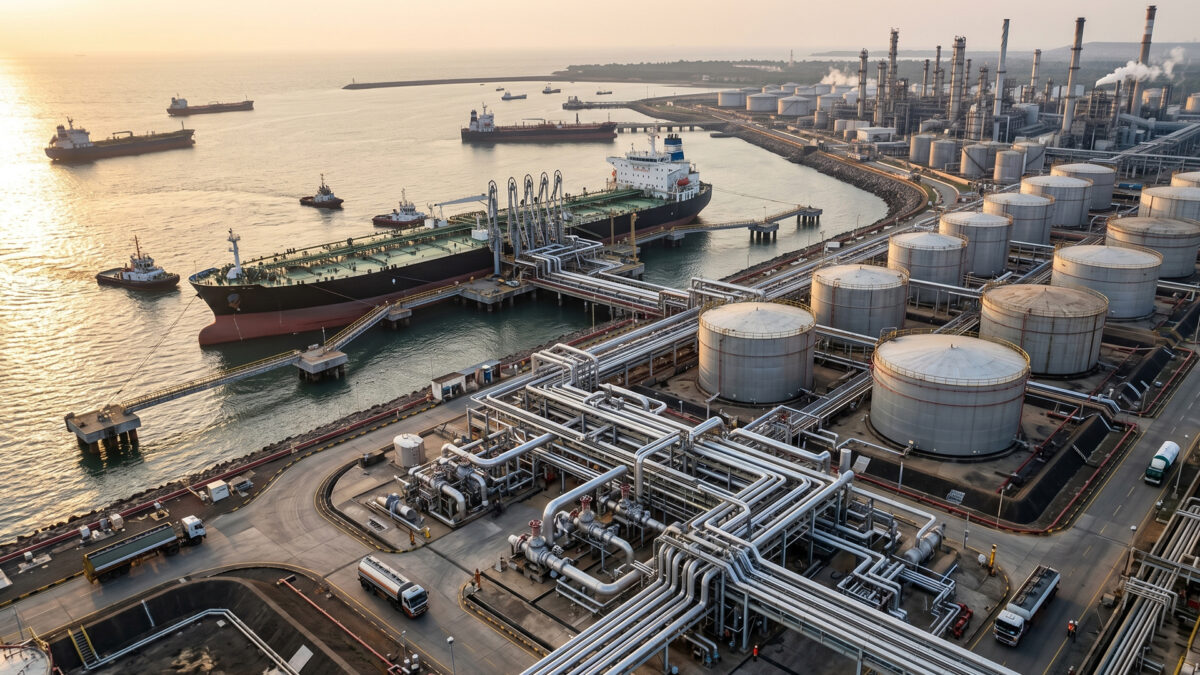
Oil and Natural Gas Corporation (ONGC) has started gas monetisation from its Daman Upside Development Project, marking a significant step in increasing India’s domestic natural gas production.

The company commenced gas flow from the offshore B-12-24P platform on March 29. The extracted gas is being transported to the Hazira plant in Gujarat, where it will be processed before being supplied to consumers.

Located in the Arabian Sea, the Daman project lies about 180 km off the Mumbai coast. It is part of ONGC’s broader strategy to enhance output from its western offshore assets and reduce reliance on energy imports.

Developed at an estimated cost of around $1 billion, the project has been completed in a relatively short time frame of under two years. ONGC attributed this to improved drilling methods and efficient project execution, including the use of advanced techniques to speed up development.

The start of gas monetisation signals the beginning of commercial production from the field. Output is expected to increase gradually as additional wells are brought into operation in phases over the coming months.

At peak levels, the project is expected to produce around 5 million standard cubic metres of gas per day. Overall, it is estimated to contribute significantly to India’s gas output over its lifecycle.

The development comes at a time when India is focusing on boosting domestic energy production to meet rising demand and reduce dependence on imports. Natural gas is seen as a key transition fuel in the country’s energy mix, supporting cleaner energy goals.

Also Read: Airtel raises $1 bn for Nxtra

Categories
Beyond

New tax rules from April 1

Starting April 1, 2026, new income tax rules will come into force, bringing several changes that directly impact salaried employees. The updated provisions aim to modernise the tax system, revise employee benefits and improve transparency in tax reporting.

One of the key changes relates to House Rent Allowance (HRA). The government has expanded the list of cities eligible for higher HRA exemption. Employees living in cities such as Bengaluru, Hyderabad, Pune and Ahmedabad can now claim up to 50% of their salary as exempt under HRA, compared to 40% for other locations. However, this benefit remains applicable only under the old tax regime, meaning those opting for the new regime will not be able to claim it.

Meal-related benefits have also been revised. Salaried individuals receiving meal vouchers, cards or coupons can continue to enjoy tax exemptions on these perks, with a standard limit of ₹200 per meal. A significant change is that this benefit will now also be allowed under the new tax regime, making it more attractive for employees who previously missed out on such exemptions.

The rules further update how perquisites, or employee benefits, are valued. This includes employer-provided facilities such as company cars, concessional loans and other allowances. The revised valuation method is designed to better reflect current market conditions, ensuring a more accurate calculation of taxable income.

Additionally, the new framework introduces stricter disclosure requirements. For example, employees claiming HRA may need to provide details about their landlord, including whether there is any relationship. This step is intended to reduce misuse of exemptions and improve compliance.

Also Read: Spire Global sends 10 satellites into orbit

Categories
Beyond

Aluminium stocks rises 5% on Middle East tensions

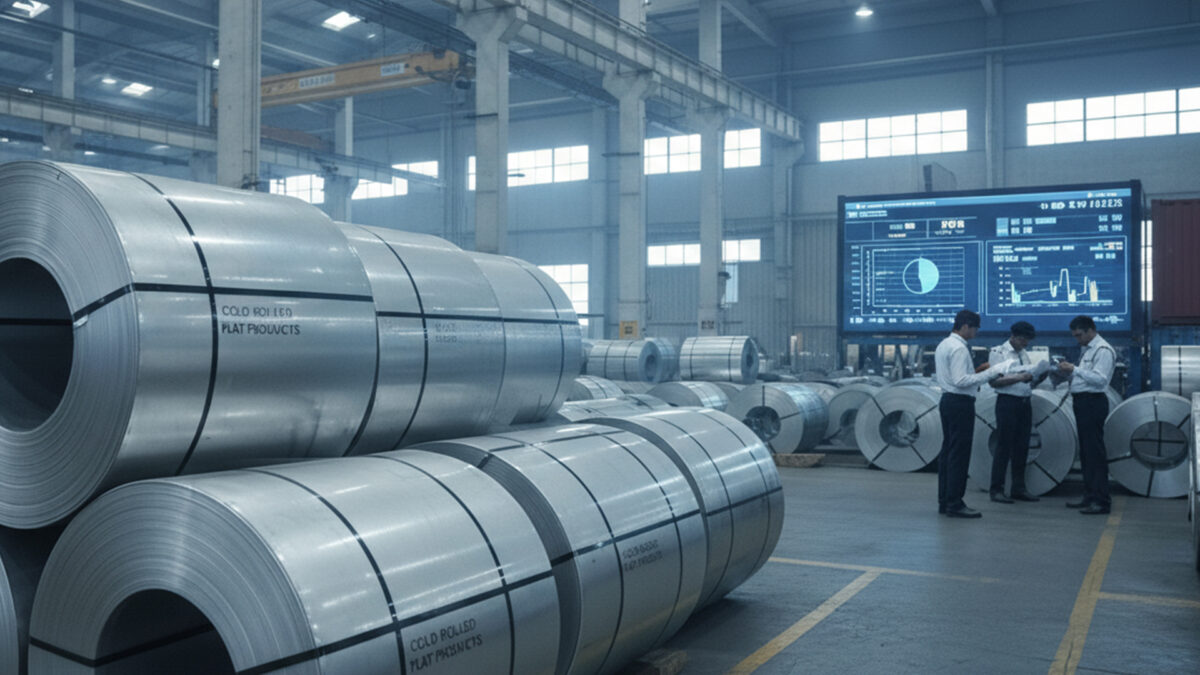
Aluminium stocks in India climbed up to 5% in the latest trading session, supported by a sharp rise in global metal prices amid escalating tensions in the Middle East.

Shares of key players such as Hindalco Industries, National Aluminium Company, and Vedanta Ltd posted strong gains. The rally came even as the broader stock market showed weakness, highlighting sector-specific momentum in metal stocks.

The primary trigger for the surge was a significant jump in aluminium prices in global markets. Prices rose nearly 6%, nearing multi-year highs, as concerns grew over potential supply disruptions.

The spike follows reports of attacks affecting key aluminium production facilities in the Middle East. The region accounts for a notable share of global aluminium output, and any disruption to production has a direct impact on international prices.

Additionally, concerns over the safety of major shipping routes, including the Strait of Hormuz, have added to market uncertainty. This route is crucial for global commodity trade, and any disruption could further strain supply chains.

In India, the rise in aluminium stocks stood out against a subdued broader market. The metal sector showed resilience as investors reacted to improving global price trends and expectations of better earnings for producers.

Higher aluminium prices generally support margins for companies, particularly those with strong export businesses. As a result, Indian producers are seen as potential beneficiaries of the current global situation.

Also Read: Eli Lilly inks $2 bn AI drug development deal

Categories
Beyond

Gold rises to ₹1,48,270, silver falls to ₹2,44,900

Gold prices in India witnessed a marginal rise on March 31, while silver prices declined slightly, indicating a mixed trend in the domestic bullion market amid ongoing volatility.

According to market data, the price of 24-carat gold increased by ₹10, taking it to around ₹1,48,270 per 10 grams. Meanwhile, silver prices slipped by ₹100, with the metal trading near ₹2,44,900 per kilogram.

The movement reflects a cautious market environment, where prices are showing only minor fluctuations after a period of sharp swings earlier in March. Analysts note that such small changes suggest a phase of consolidation, as investors remain uncertain about the direction of global economic indicators and interest rates.

Across major cities, gold rates continue to vary slightly depending on local taxes and demand. Prices for both 22-carat and 24-carat gold remain broadly aligned across metropolitan centres like Delhi and Mumbai, with only marginal differences.

The recent trend follows a turbulent month for precious metals. Gold and silver have experienced significant corrections in March, with both metals witnessing notable declines before attempting a mild recovery.

Market experts attribute the volatility to multiple global factors, including shifting expectations around interest rates, geopolitical tensions, and fluctuations in the US dollar. Higher interest rates typically reduce the appeal of non-yielding assets like gold, while geopolitical uncertainty tends to support safe-haven demand.

Despite the recent dip, demand for gold in India remains steady, particularly from retail buyers and jewellers. Seasonal factors such as the upcoming wedding period and expectations of future price increases continue to support buying interest.

Also Read: Rupee breaches 95 against dollar

Categories
Beyond

Rupee breaches 95 against dollar

Rupee came under fresh pressure on March 30, 2026, slipping past the 95-per-dollar mark for the first time as rising tensions in West Asia rattled global markets and pushed up crude oil prices.

The sharp fall reflects growing nervousness among investors as the conflict in the Middle East shows no signs of easing. Higher crude prices have added to the strain, with India, one of the world’s largest oil importers, facing increased demand for dollars to pay for energy imports. This has put the rupee on the back foot.

The currency, however, recovered slightly later in the day, aided by intervention measures and market adjustments. Still, traders say volatility remains high and sentiment fragile.

Another factor weighing on the rupee is the steady outflow of foreign funds from Indian equities. As global investors turn cautious, capital has been moving out of emerging markets like India, further weakening the local currency.

The Reserve Bank of India has stepped in with measures to stabilise the forex market, including tightening rules around banks’ currency positions. While these steps offered temporary relief, their impact has been limited as global pressures continue to dominate.

Amid the turbulence, Finance Minister Nirmala Sitharaman sought to calm concerns, saying the Indian economy is on a “firm footing.” She noted that the rupee’s movement is in line with global trends and that it has held up better than several other Asian currencies facing similar challenges.

Also Read: Airlines must give 60% seats free from April 20

Categories
Beyond

Anil Ambani sues Arnab Goswami, Republic TV

Industrialist Anil Ambani has filed a defamation case against journalist Arnab Goswami and his news channel Republic TV in the Bombay High Court, claiming that certain broadcasts harmed his personal reputation and business interests. Ambani is seeking ₹10,000 crore in damages, making it one of the largest defamation suits in recent years.

The suit alleges that Republic TV aired multiple reports portraying Ambani and his companies in a negative light, suggesting financial instability and wrongdoing without proper verification. Ambani’s legal team says the coverage went beyond legitimate journalism and caused significant harm to his public image.

The lawsuit names both Arnab Goswami and Republic TV as defendants. Ambani claims the allegedly defamatory content was repeatedly broadcast and reached a wide audience, amplifying its damaging effects. The petition also requests that the court issue orders preventing Republic TV from airing further material deemed defamatory until the matter is resolved.

Ambani’s lawyers contend that the channel violated journalistic standards and ethics by presenting unverified claims as facts. They argue that such reporting amounts to irresponsible media behaviour and undermines the credibility of both the media and the individuals targeted.

Republic TV has not yet filed a formal response in court. Legal experts note that the channel may defend its coverage as fair comment on matters of public interest. Defamation cases involving public figures often balance freedom of the press with the protection of individual reputation, and this case is expected to explore those issues in detail.

In India, courts require plaintiffs in defamation cases to show that statements were false, caused harm, and were made with negligence or malice. Ambani’s substantial claim reflects both alleged financial losses and the importance he places on restoring his public image.

The Bombay High Court will now review the petition and consider interim reliefs, which could limit Republic TV’s reporting on Ambani while the case proceeds. Both sides are expected to debate the limits of media freedom versus individual reputation rights.

Also Read: 12 tonnes of KitKat stolen in Europe transit

Categories
Beyond

12 tonnes of KitKat stolen in Europe transit

In an unusual theft, about 12 tonnes of KitKat chocolate bars were stolen in Europe while being transported from Italy to Poland. The shipment, owned by Nestlé, contained nearly 4.13 lakh chocolate bars and is still missing.

The incident happened when a truck carrying the chocolates left a factory in Italy for delivery. During the journey, the truck disappeared, and both the vehicle and its cargo have not been traced so far. Authorities are investigating the case to find out what happened and recover the stolen goods.

The stolen chocolates were part of a special range of KitKat bars, including limited-edition products. This has made the loss more significant for the company.

Nestlé responded to the incident with a mix of humour and concern. In a light-hearted remark, the company said it “appreciates the criminals’ exceptional taste.” At the same time, it raised a serious issue, pointing out that cargo theft is becoming more common and better organised across transport networks.

Despite the theft, Nestlé has assured customers that there is no risk to consumer safety. The company also said that the overall supply of KitKat chocolates in the market will not be affected by this incident.

To prevent misuse of the stolen products, Nestlé warned that the chocolates could appear in unofficial or illegal markets. Each KitKat bar has a unique batch code, which can help identify whether it belongs to the stolen shipment. The company has advised retailers and consumers to stay alert and report any suspicious products.

Nestlé is working closely with police and supply chain partners to investigate the theft and recover the missing chocolates.

Also Read: Vedanta plans major split into five firms

Categories
Beyond

Airlines must give 60% seats free from April 20

In a big relief for air travellers, India’s aviation regulator, the Directorate General of Civil Aviation (DGCA), has ordered airlines to provide at least 60% of seats on every flight free of cost from April 20, 2026.

This means passengers will not have to pay extra to select many of the seats while booking tickets. Until now, airlines were offering only a small number of seats for free, and most passengers had to pay additional charges to choose seats like window or aisle.

The new rule aims to reduce these extra costs and make ticket pricing clearer for travellers. Many passengers had complained that airlines were adding high seat selection fees, making flights more expensive than expected.

Under the new guideline, more than half of the seats on a flight must be available without any extra charge. However, airlines can still charge for certain premium seats, such as those with extra legroom or special locations.

The DGCA has also asked airlines to make sure that passengers travelling on the same booking are seated together as much as possible. This will help families and groups avoid paying extra money just to sit next to each other.

Another important part of the rule is transparency. Airlines must clearly show all optional charges, including seat selection fees, during ticket booking. This will help passengers understand the total cost before making a payment.

Airlines, however, are not fully happy with this decision. They say that seat selection fees are an important source of income. With fewer paid seats, airlines may try to recover the loss by increasing basic ticket prices in the future.

Experts believe the move will benefit passengers immediately by lowering hidden costs. But they also warn that ticket prices could change depending on how airlines adjust to the new rule.

Also Read: RBI makes digital payments safer from April 1

Categories
Beyond

RBI makes digital payments safer from April 1

The Reserve Bank of India (RBI) is set to introduce new rules for digital payments from April 1, 2026, making online transactions more secure for users across the country.

Under the updated guidelines, all digital payments, whether through UPI, debit cards, credit cards, or internet banking, will now require two-factor authentication (2FA). Simply entering a one-time password (OTP) will no longer be enough to complete a transaction. Users will need to verify payments using an additional step, such as a PIN, password, or biometric method like a fingerprint or face scan.

The idea behind this change is simple: add an extra layer of protection. With online fraud cases rising alongside the rapid growth of digital payments, the RBI wants to ensure that transactions are safer and harder for fraudsters to misuse.

The new system is designed to be both secure and user-friendly. For smaller or routine payments made from trusted devices, the process may remain quick and smooth. However, for larger or unusual transactions, users might be asked to complete extra verification steps. This risk-based approach aims to balance convenience with safety.

The changes will also affect recurring payments such as subscriptions and automatic bill payments. Users may be required to re-confirm these transactions from time to time to ensure they are still authorised.

Banks and digital payment platforms have already been instructed to upgrade their systems to meet the new requirements. Many are expected to introduce more advanced features like device-based authentication and biometric verification to make the process seamless.

Also Read: Airtel, Tata told to clear AGR dues