Categories
Corporate

Sensex up over 100 points, Nifty above 24,800

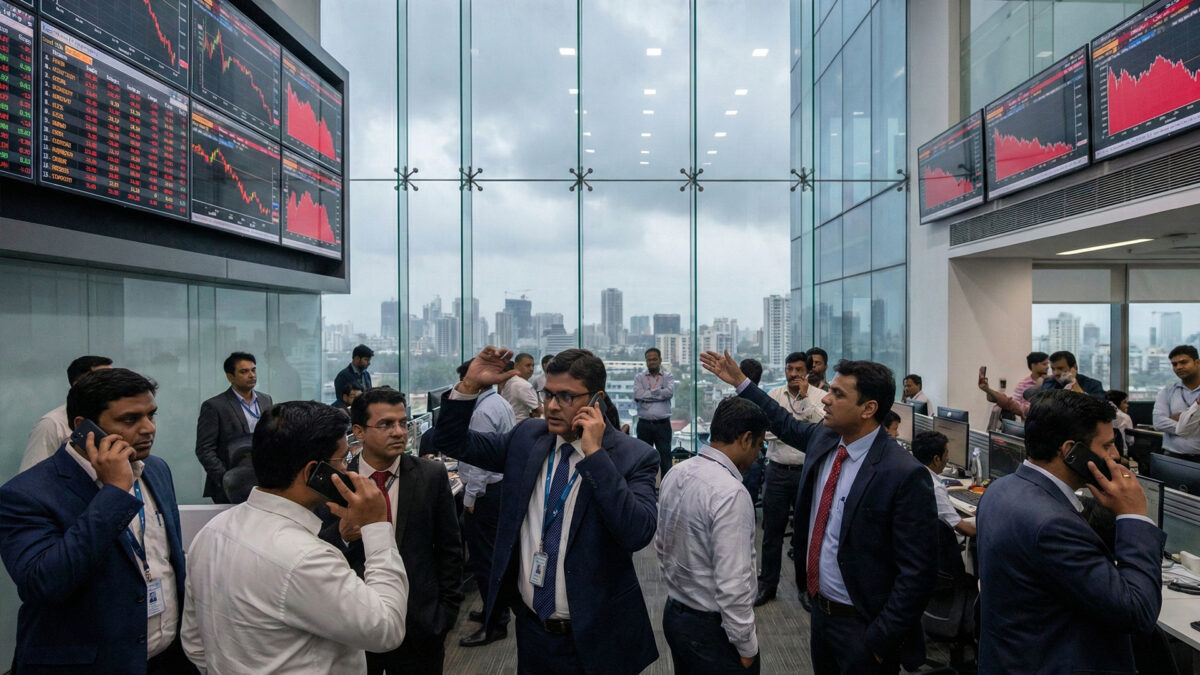
The markets traded cautiously on Monday investors continued to digest the sharp sell-off triggered by the Union Budget 2026–27. Benchmark indices Sensex and Nifty 50 struggled to regain momentum after recording heavy losses during Sunday’s special budget trading session.

In the previous session, the Sensex had dropped over 1,500 points, while the Nifty declined by nearly 500 points, marking one of the steepest Budget-day corrections in recent years. Volatility remained high on Monday, with markets moving between marginal gains and losses as investor confidence stayed fragile.

The sell-off was largely driven by the government’s decision to raise the Securities Transaction Tax (STT) on futures and options, which increased trading costs and dampened appetite for high-volume derivative trades. Market participants said the move came as a surprise and led to broad-based selling across sectors.

Some pockets of the market, however, showed resilience. IT majors such as TCS and Wipro traded higher, supported by defensive buying, while select healthcare stocks also saw limited gains amid uncertainty.

On the downside, heavyweights continued to face pressure. Larsen & Toubro (L&T) slipped as capital goods stocks saw profit-taking, while Adani group companies remained among the key drags on the indices. PSU banks, metal stocks and defence shares, including Bharat Electronics (BEL), also traded lower, reflecting caution over valuations and policy impact.

Global cues remained mixed, with Asian markets subdued and commodity prices easing.
Categories
Leaders

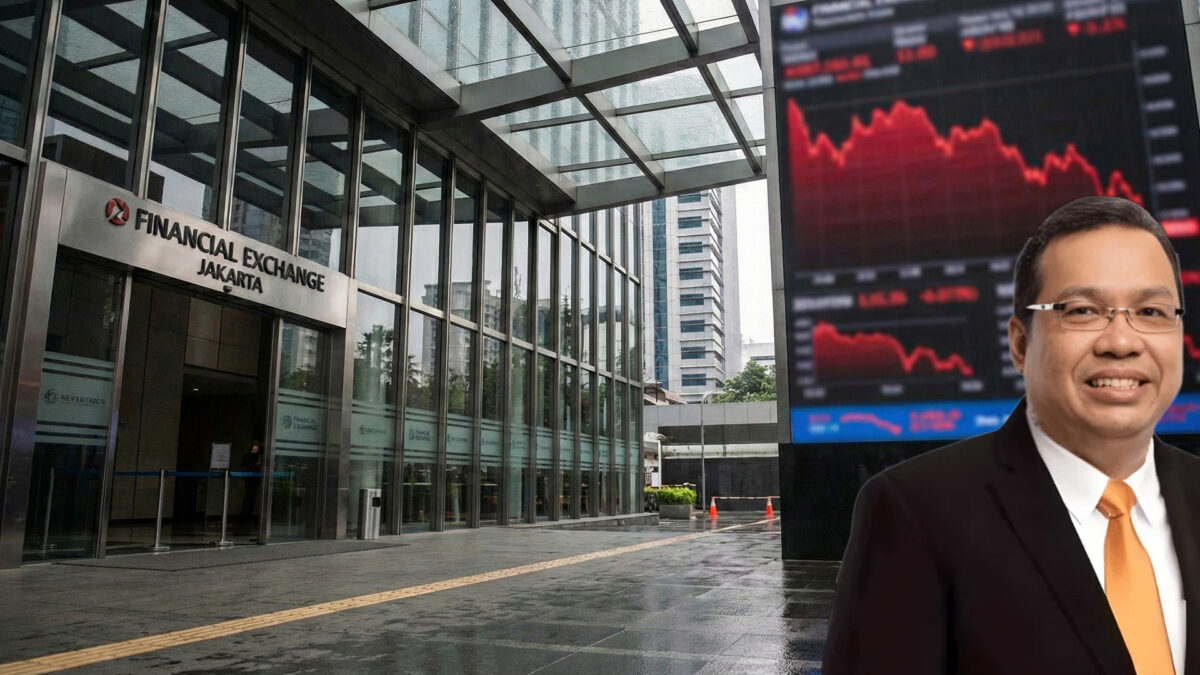
Indonesia Stock Exchange CEO steps down after market crash

The President Director of the Indonesia Stock Exchange (IDX), Iman Rachman, resigned on Thursday, following a sudden market collapse that erased over US$84 billion from the country’s stock market in just two days. His resignation comes amid growing concerns about market governance and transparency, and is seen as an attempt to stabilize investor confidence.

Speaking to reporters, Rachman said he was taking responsibility for the turmoil and hoped his resignation would help pave the way for reforms. “This decision is about accountability and giving the market a chance to recover,” he said. Analysts believe the move may help restore investor trust in Indonesia’s financial system.

The shake-up extends beyond the stock exchange. The Financial Services Authority (OJK) also saw resignations from key officials, including its chairman, who cited similar accountability for the market downturn.

Finance Minister Purbaya Yudhi Sadewa welcomed Rachman’s resignation, describing it as a “strong signal of responsibility and commitment to market stability.” The government has promised a series of reforms to improve transparency, increase share liquidity, and attract more institutional investors.

The sharp decline was triggered after MSCI, a global index compiler, warned that Indonesia’s stock market risked being downgraded from an emerging market to a frontier market. This warning sparked panic selling, with the Jakarta Composite Index (IHSG) losing more than 8% over two sessions. Some trading was temporarily halted as authorities tried to curb the sell-off.

Also Read: Samsung India creates Guinness-winning photo mosaic

Categories
Technology

Samsung India creates Guinness World Record

Samsung India has turned everyday moments into a world record. Its India #WithGalaxy photography campaign, which invited people across the country to click and share pictures using Galaxy S smartphones, has earned two Guinness World Records. What began as a fun challenge quickly became a nationwide celebration of India’s people, places, and stories.

Running from 30 December 2025 to 26 January 2026, the campaign received 31,331 photo submissions, making it one of the largest smartphone photography contests ever. Participants of all ages. from students and professionals to hobbyist photographers. shared glimpses of their daily lives, family moments, local festivals, and scenic landscapes.

Acclaimed filmmaker Kabir Khan and more than 30 regional photographers guided participants, helping them bring local culture, traditions, and personal stories to life. The photos reflected different aspects of India, from vibrant festivals and historic landmarks to the everyday smiles and struggles of ordinary people. Themes like “Faces of India” and “Colours of India” allowed participants to share their unique perspective while connecting with the larger story of the nation.

The campaign set records for the largest smartphone photography contest and the most contributions to an online photo mosaic, which combined all the submitted pictures into a single, massive digital artwork. The mosaic, now a visual celebration of India’s diversity, brings together the country’s stories in one collective frame.

Raju Pullan, Senior Vice President of MX Business at Samsung India, said the campaign was more than a contest. “It showed how people across India can connect and express themselves through photography,” he said. The records were officially certified at a ceremony attended by Samsung executives and a Guinness World Records adjudicator.

The campaign not only highlighted Samsung Galaxy devices as tools for creativity but also celebrated the shared human experience. By turning personal moments into a national mosaic, Samsung encouraged people to see the beauty in the ordinary and the extraordinary in the everyday.

Also Read: US offers Venezuelan oil as India cuts Russia

Categories
Corporate

Peloton announces 11% job cuts as cost-saving push

Peloton Interactive Inc. has announced that it is laying off about 11% of its global workforce as part of a renewed effort to cut costs and streamline operations. The decision, made public on January 30, affects nearly 300 employees and is one of the most significant steps taken by the company under its new leadership.

The layoffs will have a notable impact on engineering teams, particularly those working on long-term technology and internal development projects. Peloton said the move is aimed at improving efficiency and ensuring resources are focused on areas that directly support customers and revenue growth.

In an internal message to employees, CEO Peter Stern said the company needs to operate with greater discipline as it works through a challenging business environment. He acknowledged the difficulty of the decision and thanked departing employees for their contributions, adding that Peloton will provide support during their transition.

The job cuts are part of a broader plan to reduce at least $100 million in annual expenses. Along with workforce reductions, Peloton has been reviewing its real estate footprint and internal processes to lower fixed costs. The company said these changes are necessary to create a more sustainable operating model.

Peloton’s announcement comes just days before it is due to report its latest quarterly earnings, a period that has kept investors cautious. Demand for connected fitness equipment has remained uneven after the pandemic boom, and newer products — including AI-enabled features and redesigned hardware — have yet to deliver a strong turnaround in sales.

The company has also raised prices for some of its bikes, treadmills and subscription services in recent months, a move aimed at improving margins but one that has drawn mixed reactions from consumers.

Peloton has gone through several rounds of restructuring in recent years as it adjusts to changing consumer behaviour and tougher competition in the fitness and technology space. The latest layoffs highlight the ongoing pressure on consumer tech companies to balance innovation with profitability.

Also Read: Google India profit ₹1,437 cr as revenue falls 3.2%

Categories
Corporate

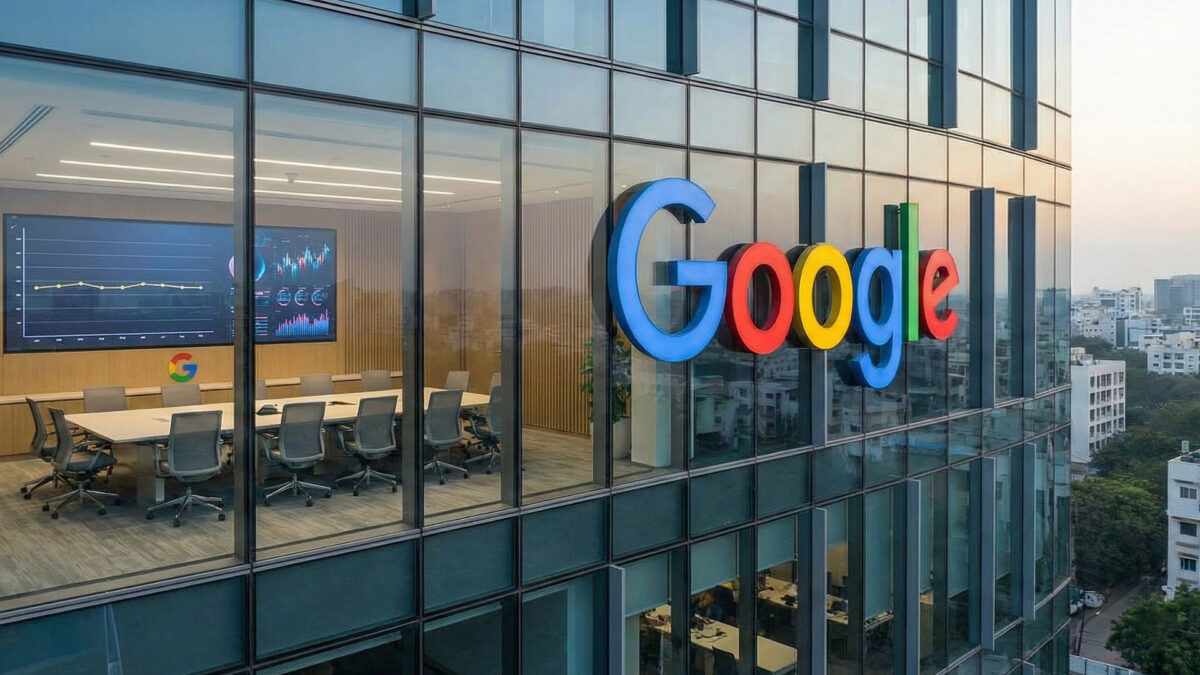
Google India profit ₹1,437 cr as revenue falls 3.2%

Google India reported a nearly flat net profit of ₹1,437 crore for the financial year ending March 31, 2025, staying close to the ₹1,425 crore recorded in FY24. The company’s revenue from core operations fell 3.2% to ₹5,340 crore, primarily due to softer advertising income, which kept overall profit growth in check.

Despite this, total revenue rose slightly to ₹6,116 crore, helped by “other income” of ₹776 crore. However, the net profit margin slipped to 23.5% from 24.1%, reflecting the impact of lower operational earnings combined with rising expenses.

On the cost side, total expenditure reached ₹4,136 crore. Employee benefits increased by 7.8% to ₹2,146 crore, while tax expenses rose sharply by 22.6% to ₹543 crore, both putting pressure on profitability.

A spokesperson for Google India noted that FY25 results are not directly comparable to FY24, as the previous year included earnings from the company’s IT division, which was spun off into Google IT Services, and adjustments from an earlier Bilateral Advance Pricing Agreement (BAPA) with the tax authorities. These factors had boosted FY24 numbers.

The slight revenue decline comes amid shifts in digital advertising trends and market conditions, prompting the company to manage costs carefully. Analysts say the numbers indicate that while Google India’s bottom line remains stable, operational growth faces headwinds, and margins are under pressure from rising expenses.

Also Read: Rupee up 9 paise after record low ₹92

Categories
Corporate

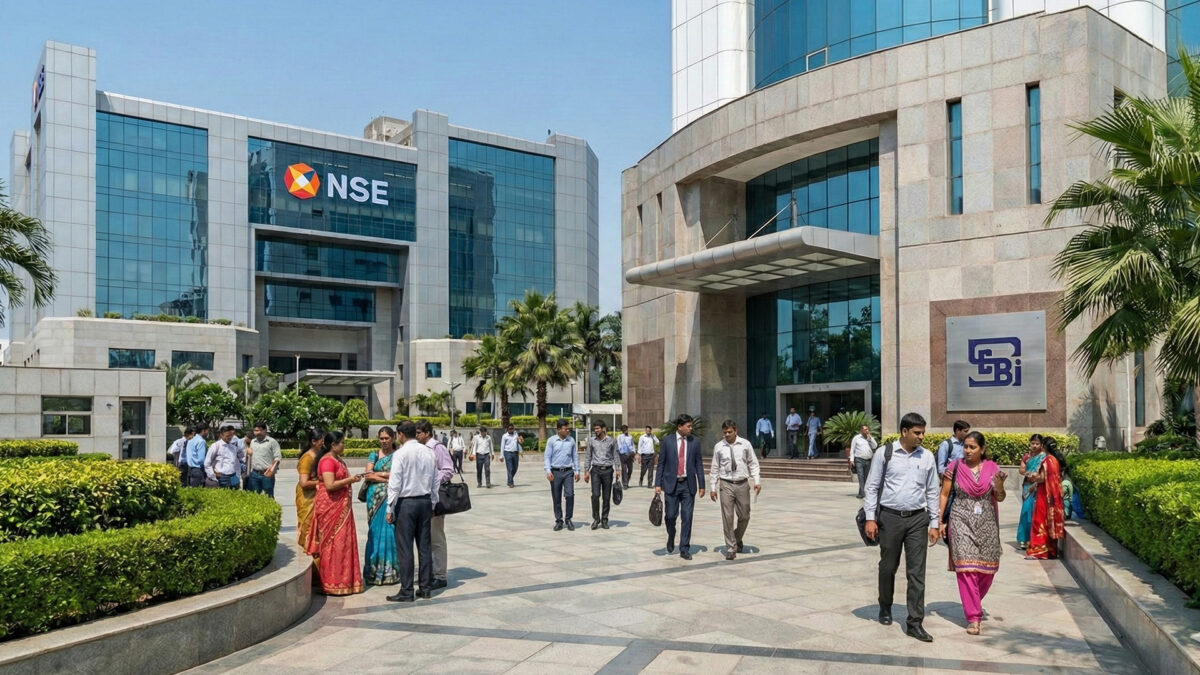
NSE receives SEBI approval for IPO launch

The National Stock Exchange of India (NSE) has finally received approval from the Securities and Exchange Board of India (SEBI) to proceed with its initial public offering (IPO), ending almost ten years of delays. This clearance allows the exchange to submit its draft prospectus and move toward listing, a significant milestone for India’s capital markets.

NSE first filed for an IPO in 2016, but its plans were stalled amid regulatory scrutiny and legal challenges. The exchange faced allegations regarding co-location facilities and dark fibre services, which reportedly gave select brokers faster access to trading data. Over the years, these issues delayed NSE’s path to listing, even as other Indian exchanges, like BSE, successfully went public.

The recent SEBI approval follows settlement applications submitted by NSE to resolve these long-standing cases. Officials from the regulator had indicated that the NOC would likely be granted after these matters were addressed. With the nod now in hand, NSE is expected to submit the IPO draft prospectus by end of March 2026, with the listing process projected to take six to eight months, potentially making NSE a publicly listed company by late 2026.

Unlike conventional IPOs, NSE’s offering is expected to be an offer-for-sale (OFS). Existing shareholders, including LIC, SBI, and other financial institutions, will sell part of their holdings to the public, meaning the exchange itself will not raise fresh capital from the IPO. This approach allows existing investors to realize part of their gains while introducing NSE shares to retail and institutional investors.

NSE chairperson Srinivas Injeti described SEBI’s approval as “a significant milestone in our growth journey,” highlighting the exchange’s commitment to transparency and market development. Market experts say the IPO will not only enhance NSE’s public profile but also boost investor confidence in India’s capital markets.

Also Read: Dixon Technologies rallies 5% after Q3 profit jump

Categories
1 Minute-Read

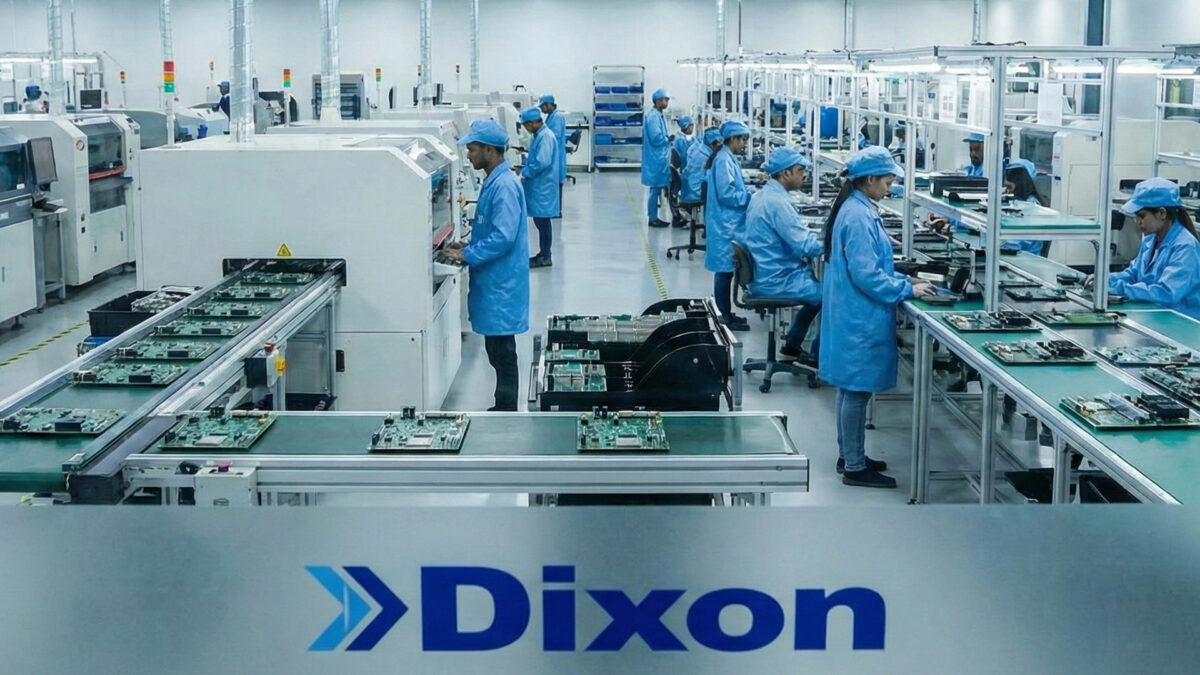
Dixon Technologies rallies 5% after Q3 profit jump

Shares of Dixon Technologies surged nearly 5% after the electronics manufacturer posted a strong set of results for the December quarter.

The company reported a sharp 67% year-on-year rise in net profit to ₹287 crore, helped by a one-time gain from the sale of its lighting business stake. Revenue remained robust, driven mainly by its mobile phone and electronics manufacturing segments, though smartphone volumes were impacted by inventory adjustments and higher component costs. Brokerage views remain mixed.

While some analysts see long-term growth potential, others caution that near-term volume pressure and margin risks could weigh on the stock.

Categories
Corporate

Sensex drops 296 points at close, Nifty breaches 25,350

The equity benchmarks closed lower on Friday as BSE Sensex fell 296 points, while the Nifty 50 settled below the 25,350 level, snapping a brief recovery seen earlier in the session.

Selling pressure was seen across banking, auto and metal stocks, while selective buying supported FMCG and pharmaceutical shares. Weak global cues and a sharp fall in the rupee also weighed on market sentiment.

Among Sensex gainers, ITC, Sun Pharma, Nestlé India, HUL, and Power Grid ended higher, supported by defensive buying and stock-specific interest. FMCG stocks gained as investors moved towards safer pockets of the market.

On the losers’ side, Bajaj Auto, Tata Motors, JSW Steel, IndusInd Bank, and L&T declined, dragging the benchmarks lower. Auto and metal stocks faced selling pressure due to concerns over demand and global growth.

The broader market also remained weak, with midcap and smallcap indices closing in the red, reflecting cautious investor positioning. Sectorally, banking, auto and metals underperformed, while FMCG and pharma showed relative resilience.

The rupee slipped to a record closing low against the US dollar, adding to pressure on equities, especially import-dependent sectors. Market participants remained cautious ahead of upcoming economic data and policy developments.

Also Read: Sensex slides 350 points, Nifty slips below 25,300

Categories
Beyond

Venezuela opens oil sector to foreign firms

Venezuela’s government has approved a major overhaul of its oil sector, aiming to attract foreign investment and revive the country’s struggling energy industry. The law, signed by acting President Delcy Rodríguez, represents a significant shift from decades of strict state control under Petróleos de Venezuela (PDVSA).

Under the new framework, private and foreign companies can operate oil projects at their own cost and risk, while the state retains ownership of crude reserves. The law also allows independent arbitration for disputes, reducing legal uncertainties that have historically deterred foreign investors. Companies will now have greater operational autonomy, including decisions on production levels and investments, signaling a major policy pivot from the nationalisation policies introduced by Hugo Chávez in 2007.

Financial incentives have also been introduced to make Venezuela more competitive. The law caps royalties at 30% but allows authorities to set rates on a project-by-project basis. This flexibility is intended to attract large-scale international operators and encourage investment in technologically advanced extraction projects.

The legislative reform coincides with a partial easing of U.S. sanctions on Venezuela’s oil sector. Washington issued a general license permitting certain U.S. companies to engage in trade and transport of Venezuelan crude, providing a potential boost to foreign capital inflows. Analysts say the dual move, domestic reform and international sanction relief — is designed to restore investor confidence and reverse years of declining production.

Venezuela’s oil output has fallen sharply in recent years due to mismanagement, underinvestment, and economic sanctions, despite the country holding the world’s largest proven oil reserves. Industry experts believe the new law could jump-start production, create jobs, and increase government revenue, although political instability and past economic mismanagement remain key risks for investors.

Also Read: Microsoft sees Copilot AI boom, costs worry investors

Categories
Technology

Microsoft sees Copilot AI boom, costs worry investors

Microsoft CEO Satya Nadella defended the company’s ambitious AI strategy during the latest earnings call, highlighting strong growth in its Copilot AI products even as some investors voiced caution over rising costs and slower cloud performance.

For the quarter ending December 2025, Microsoft reported revenue of $81.3 billion and a 21 % increase in net income, driven primarily by cloud sales. Despite these strong results, Microsoft shares fell, as Wall Street focused on the company’s massive capital expenditures for AI infrastructure and data centres, alongside slightly softer growth in Azure and Microsoft 365 revenues than expected.

Nadella emphasised that demand for AI far exceeds current capacity, framing heavy spending as an investment in future growth. He reported that daily usage of Copilot AI products has nearly tripled year-over-year. Microsoft 365 Copilot now boasts 15 million paid seats, while GitHub Copilot has 4.7 million paid subscribers, reflecting strong adoption across both corporate and developer environments.

Beyond office productivity tools, Nadella highlighted specialised AI applications, such as Dragon Copilot for healthcare, which has been used in millions of patient encounters. This demonstrates Microsoft’s strategy to expand AI adoption across multiple sectors, not just within its core software suite.

Despite these positive usage trends, some investors remain cautious. Analysts note that while AI adoption is strong, Azure’s growth pace has slowed slightly, and the cost of building AI infrastructure may pressure margins if adoption growth does not keep pace.

Also Read: Trump to nominate Kevin Warsh as Federal chair