Categories
Corporate

SEBI clears PhonePe IPO plan

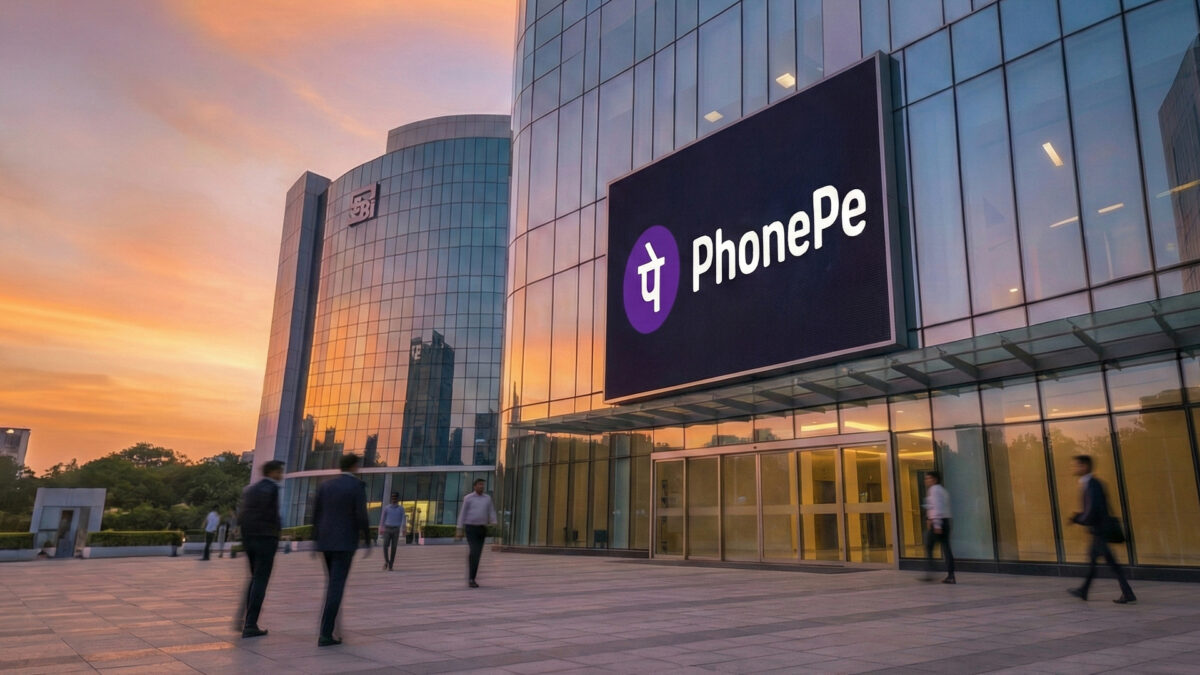
Digital payments major PhonePe has taken a key step towards going public after receiving approval from the Securities and Exchange Board of India (SEBI) for its proposed initial public offering (IPO). The regulatory clearance clears the way for the Walmart-backed company to file an updated Draft Red Herring Prospectus (DRHP) in the coming weeks.

PhonePe had earlier submitted its IPO papers to SEBI through the confidential filing route, which allows companies to fine-tune their plans away from public scrutiny. With SEBI’s go-ahead now in place, the company is preparing to move to the next stage of the listing process.

According to people familiar with the matter, PhonePe’s IPO is expected to be structured largely as an Offer For Sale (OFS). This means existing shareholders, including its parent company Walmart and other early investors, are likely to sell part of their holdings. The proceeds from the issue would primarily go to these shareholders rather than into the company’s balance sheet.

Market estimates suggest the IPO could raise around ₹12,000 crore, potentially valuing PhonePe at close to $15 billion, higher than its previous private funding valuation. The final size and timing of the issue, however, will depend on market conditions and investor appetite.

The SEBI approval comes at a time when investor interest in profitable and large-scale digital businesses is gradually returning. A successful PhonePe listing could become one of the biggest fintech IPOs in India and may encourage other consumer internet companies to tap the public markets.

Founded in 2015, PhonePe has grown into one of India’s most widely used digital payments platforms. It is a market leader in UPI transactions, accounting for a large share of daily digital payments across the country. Beyond payments, the company has expanded into insurance distribution, mutual funds, lending, and wealth management, positioning itself as a broad financial services platform.

While no official listing date has been announced, industry watchers expect PhonePe to target a market debut later this year, subject to regulatory filings and stable market conditions.

Also Read: JioHotstar introduces monthly plans from Rs. 79

Categories
Beyond

India-EU on the verge of a game-changing deal

Negotiations between India and the European Union are moving steadily toward a landmark free trade agreement. Ursula von der Leyen, European Commission President, described the prospective pact as historic, with wide-reaching benefits for businesses, workers, and consumers in both regions.

The agreement would connect nearly 2 billion people and cover about a quarter of the world’s GDP. It is expected to make it easier for Indian companies to enter European markets while giving European businesses greater access to India’s growing economy. Key areas include clean technologies, digital services, healthcare, and sustainable manufacturing.

Von der Leyen is expected to visit New Delhi later this month to finalise talks ahead of the India-EU summit, where progress toward signing the deal is likely to be formally announced. Leaders emphasised that political momentum is strong, although challenges such as tariffs, regulatory differences, and sensitive sectors remain to be resolved.

The India-EU trade talks, which began in 2007 and were revived in 2022, aim to deepen economic cooperation and remove barriers in goods, services, and investment. Observers say a successful agreement would be a major boost for Indian exporters and European investors alike, strengthening the long-term partnership between the two regions.

Also Read: China’s economy grows 5% in 2025

Categories
Corporate

IKEA to invest $2.2 billion more in India

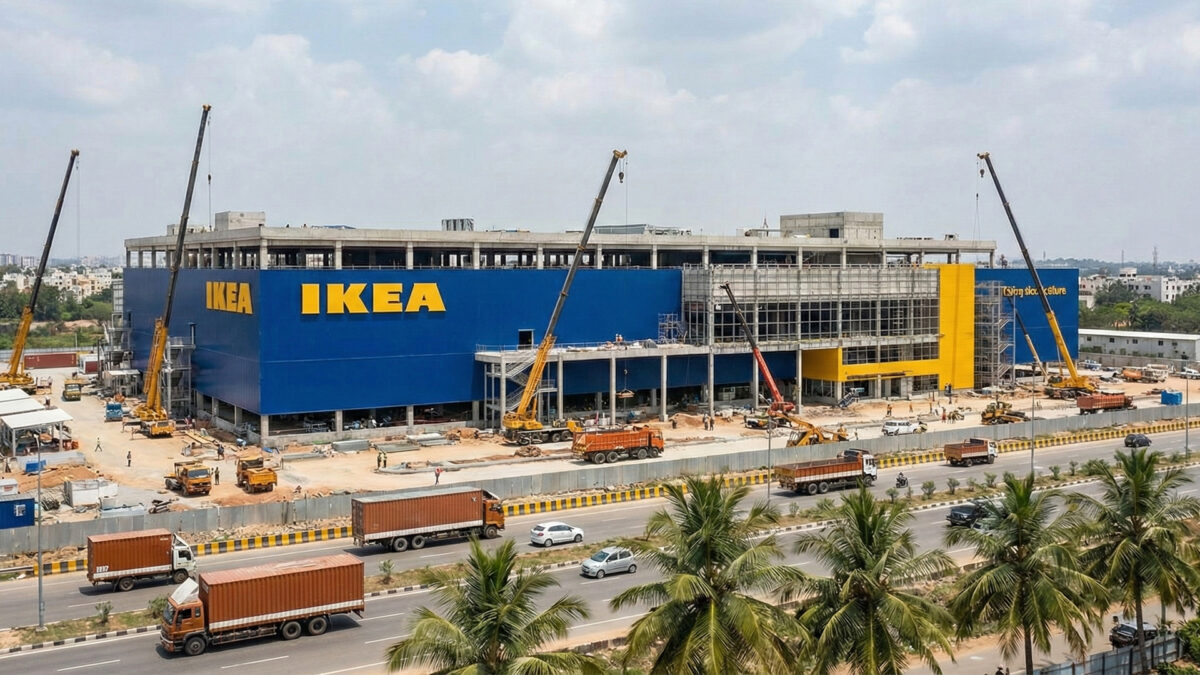
Swedish home furnishings major IKEA has announced plans to more than double its investment in India, committing around $2.2 billion (₹20,000 crore) over the next five years as it sharpens its focus on one of its fastest-growing markets.

The company, which entered India in 2018 with its first store in Hyderabad, currently operates six stores across cities such as Mumbai, Bengaluru and Hyderabad. As part of its expansion strategy, IKEA plans to open up to 30 stores in the country in the coming years, significantly increasing its physical retail presence.

IKEA India CEO Patrik Antoni said India is expected to become a key growth driver for the group globally. While India still contributes a small share to IKEA’s overall revenues, rising urbanisation, a growing middle class and increasing demand for affordable home solutions make the market attractive in the long term.

Alongside store expansion, IKEA is placing strong emphasis on e-commerce. In a first for the company globally, IKEA plans to launch online sales in some Indian cities before opening physical stores. This approach will allow the brand to reach customers in cities where it does not yet have stores, including places like Chennai and Coimbatore.

IKEA’s India sales grew by about 6 per cent in the year ended August 2025, touching nearly ₹1,861 crore. The company aims to quadruple its India revenues as investments in stores, logistics and digital platforms begin to show results.

The new investment will also support IKEA’s sourcing operations. India is already an important supplier for the group, and IKEA plans to increase its exports from India to around €800 million in the coming years. This move will strengthen India’s role as a global manufacturing and sourcing hub for the company.

IKEA’s expansion plans reflect a broader trend of multinational companies deepening their presence in India by combining physical retail, digital platforms and local manufacturing. For IKEA, the renewed investment underlines its long-term confidence in the Indian consumer and the country’s growth story.

Also Read: Adani Power’s Vidarbha takeover gets final nod

Categories
1 Minute-Read

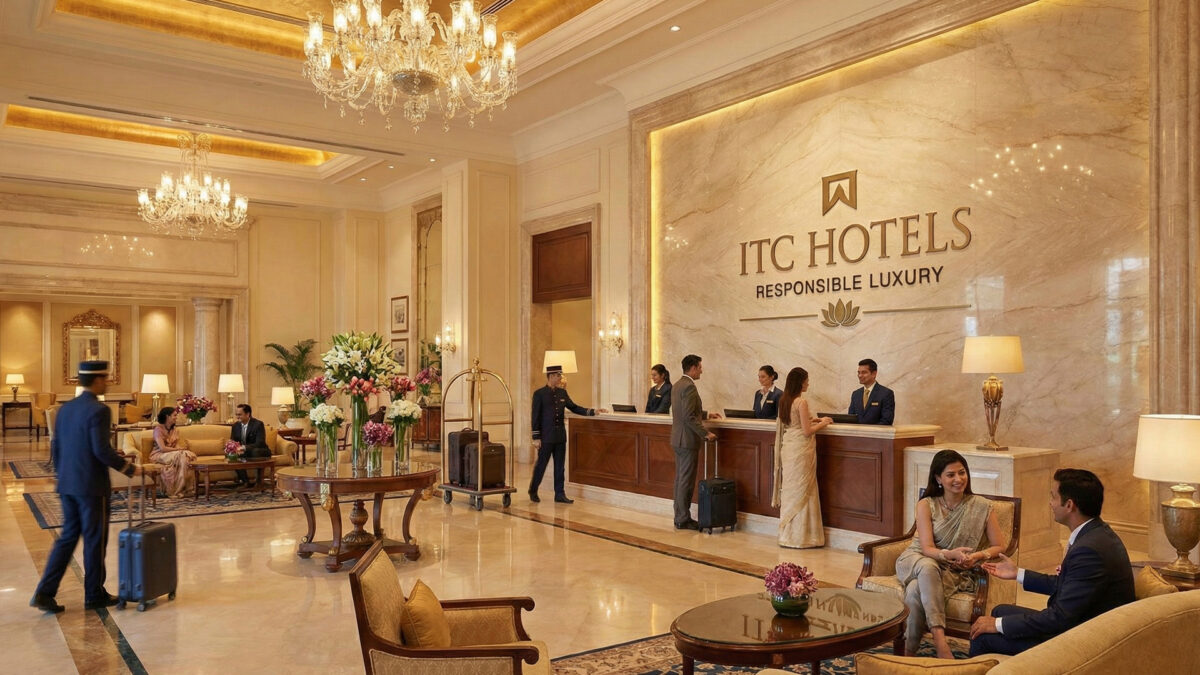
ITC Hotels Q3 profit rises 9.4%

ITC Hotels reported a 9.4 percent rise in consolidated net profit to ₹235 crore for the third quarter ended December, compared with ₹215 crore a year ago.

Revenue from operations grew sharply by 21 percent to about ₹1,230 crore, driven by higher room occupancy, better average room rates and strong demand from weddings, conferences and corporate travel.

The company also saw improved performance in its food and beverage segment. Operating margins expanded due to better cost control and higher scale. The results reflect continued recovery and steady growth in India’s hospitality sector following ITC Hotels’ recent demerger.

Categories
Corporate

Adani Power’s Vidarbha takeover gets final nod

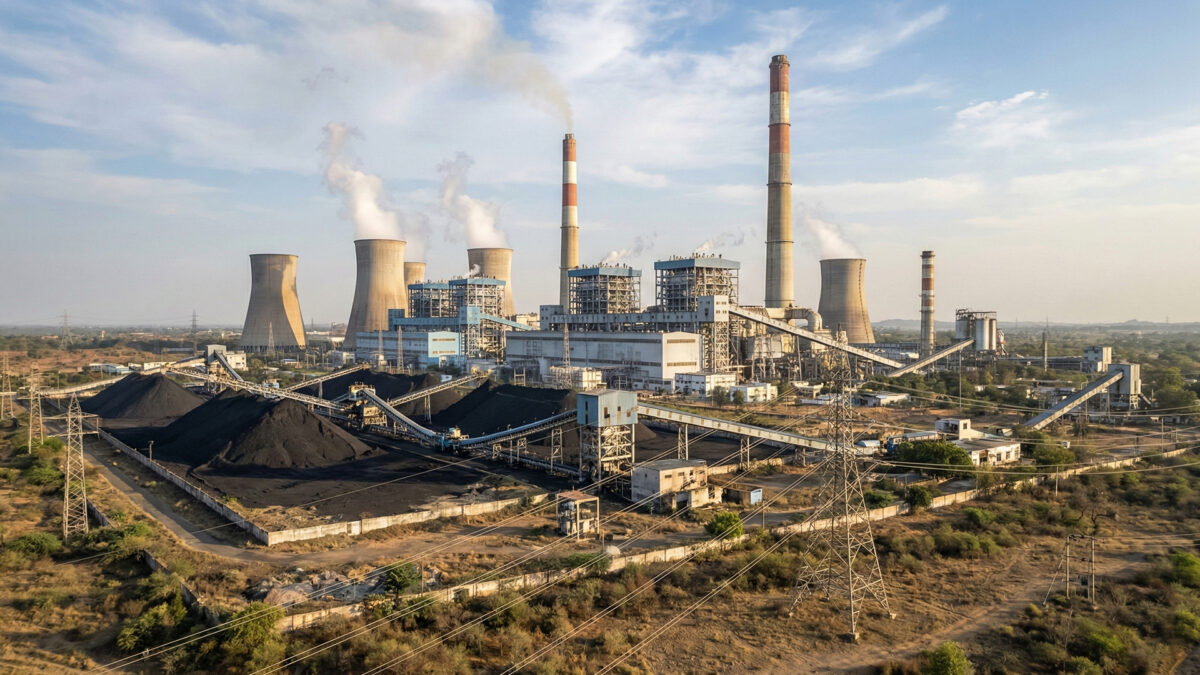
Adani Power has overcome a significant legal challenge in its bid to acquire Vidarbha Industries Power Ltd (VIPL) for ₹4,000 crore. The National Company Law Appellate Tribunal (NCLAT) has upheld the company’s resolution plan under the Insolvency and Bankruptcy Code (IBC), dismissing appeals from Western Coalfields Ltd., a key coal supplier and a group of employees. This decision affirms the earlier approval by the National Company Law Tribunal (NCLT), providing final clarity to the long-pending takeover of the 600 MW Vidarbha power project.

The disputes centered on creditor treatment and procedural compliance. Western Coalfields, an operational creditor claiming around ₹500 crore, argued that Adani Power’s plan violated IBC timelines for debt resolution. Meanwhile, employees raised concerns over inadequate payouts, receiving only ₹1 crore collectively against claims exceeding ₹550 crore. They contended that the plan unfairly prioritized secured creditors, leaving operational dues undervalued.

NCLAT rejected these claims, ruling that the Committee of Creditors (CoC) had approved the plan well within legal deadlines. The tribunal noted that Adani Power’s subsequent modifications to operational debt handling were permissible, as they neither reduced creditor recoveries nor prejudiced any party. On employee dues, NCLAT clarified that asset values could not fully cover all claims post-secured creditor payments, a common outcome in insolvency cases. Crucially, statutory obligations like provident fund and gratuity contributions remain fully protected and must be disbursed in full, safeguarding worker interests.

This ruling marks a pivotal moment for Adani Power’s expansion strategy in the power sector. The acquisition bolsters its capacity amid India’s growing energy demands, aligning with the group’s aggressive growth in renewables and thermal assets. Market analysts view the verdict as a strong endorsement of the IBC framework, which has resolved over stressed assets since 2016. By balancing swift corporate rescues with creditor rights and employee protections, it signals judicial confidence in India’s bankruptcy regime.

For the broader economy, the decision underscores the maturing insolvency ecosystem. It demonstrates how tribunals can navigate complex stakeholder conflicts, encouraging more strategic investments in turnaround opportunities. Adani Power shares rose marginally post-ruling, reflecting investor optimism. As the company integrates VIPL, focus shifts to operational synergies and long-term value creation in a competitive power landscape.

Also Read: S4Capital chief praises India at WEF 2026, Davos

Categories
Corporate

Sensex tumbles 1,065 points, Nifty slips under 25,250

Indian stock markets fell sharply on Tuesday, 20 January 2026, with major indices hitting their lowest levels in over two months. The BSE Sensex dropped 1,065.7 points to 82,180.47, while the Nifty 50 slipped 353 points to 25,232.50, reflecting broad-based selling across sectors.

While defensive and some large-cap stocks like ITC and Tata Capital managed gains, several heavyweights suffered steep losses. Sun Pharma and Eternal shares fell around 3–4%, dragging the indices lower. Mid-cap and small-cap stocks also saw widespread declines, and only a few counters provided support.

Foreign investors continued to withdraw funds, adding to the pressure. The Indian rupee weakened against the dollar, raising concerns about currency risk. Technical levels for Nifty were breached, signaling market vulnerability and prompting investors to reduce exposure.

Global cues also weighed on sentiment. European markets retreated, and U.S. futures, including the S&P 500 and Nasdaq, were down, reflecting risk-averse investor behavior worldwide.

Analysts note that the combination of foreign outflows, weak corporate results, and global volatility drove Tuesday’s market slide. Investors are now closely watching upcoming earnings and macroeconomic data for signals on market direction.

Also Read: S4Capital chief praises India at WEF 2026, Davos

Categories
Leaders

S4Capital chief praises India at WEF 2026, Davos

At the World Economic Forum (WEF) 2026 in Davos, global advertising veteran Sir Martin Sorrell offered strong praise for India’s economic performance and political leadership, describing the country as a rare “pocket of growth” in an otherwise uncertain global environment.

Speaking on the sidelines of the annual summit, the S4Capital chairman said Prime Minister Narendra Modi is “on fire”, crediting his leadership for sustaining India’s growth momentum at a time when several major economies are struggling to expand. Sorrell pointed out that India is expected to grow at around 6 percent, significantly higher than the global average, which remains below 3 percent.

Comparing India with other major economies, Sorrell noted that growth in the United States is likely to remain in the range of 2.6 to 2.8 percent, while China is projected to grow at about 5 percent. Against this backdrop, India stands out as one of the fastest-growing large economies, strengthening its appeal to global investors and businesses looking for stability and scale.

Sorrell said India’s strong economic fundamentals, combined with its demographic advantage and expanding digital ecosystem, make it an attractive alternative within Asia. He described the country as a “beacon of growth” and a natural destination for companies seeking long-term opportunities amid geopolitical and economic uncertainty.

The S4Capital chief also highlighted the growing visibility of Indian corporate leaders at Davos, noting that executives from leading Indian groups are increasingly confident, outward-looking, and active on the global stage. According to him, this rising presence reflects India’s growing influence in global business and policy discussions.

On the diplomatic front, Sorrell praised Modi’s handling of international relationships, particularly with the United States, saying the prime minister has managed global expectations effectively while strengthening India’s brand abroad. Drawing from his background in branding and communications, Sorrell said India’s current global positioning is strong and largely positive.

Also Read: Sun Pharma linked to possible $10 bn Organon buyout

Categories
1 Minute-Read

Tata Capital posts 17% jump in Q3 profit

Tata Capital delivered a strong performance in the October–December quarter, reporting a 17 per cent rise in net profit to ₹1,257 crore, compared with ₹1,076 crore in the same period last year.

The Tata Group’s financial services arm saw its revenue from operations grow by around 12 per cent, supported by higher interest income. Its assets under management increased 26 per cent year-on-year to ₹2.34 lakh crore, indicating healthy expansion in its loan portfolio.

The company’s motor finance segment also achieved breakeven during the quarter. The robust results were welcomed by investors, leading to a positive reaction in the market.

Categories
Beyond

IMF raises India’s FY26 growth forecast to 7.3%

India’s economy is showing renewed strength, prompting the International Monetary Fund (IMF) to raise its growth forecast for the 2025–26 financial year to 7.3 per cent, up from its earlier estimate of 6.6 per cent. The upgrade reflects stronger-than-expected performance in recent quarters and growing confidence in India’s economic momentum.

In its latest assessment, the IMF noted that India’s economy has benefited from resilient domestic demand, improved corporate performance and steady activity across key sectors such as manufacturing, services and infrastructure. A better third-quarter showing and continued momentum into the final months of the fiscal year played a significant role in the revised outlook.

This positive view broadly aligns with official Indian estimates. The National Statistical Office has projected GDP growth of 7.4 per cent for the year ending March 2026, indicating that the economy is holding up well despite global uncertainties.

However, the IMF also offered a note of caution. While near-term prospects remain strong, growth is expected to slow to around 6.4 per cent in FY27 and FY28. According to the Fund, some of the factors supporting current growth, such as post-pandemic recovery effects and supportive fiscal measures, are likely to fade over time, leading to a more moderate but stable growth trajectory.

Even with this expected moderation, India is projected to remain one of the fastest-growing major economies globally, outperforming many advanced and emerging peers. The IMF also pointed to easing inflation pressures, with price levels expected to move closer to the Reserve Bank of India’s target range, helped by lower food inflation and better supply conditions.

In essence, the IMF’s revised forecast paints a balanced picture: confidence in India’s current growth story, coupled with a reminder that sustaining high growth over the long term will require continued reforms, investment and policy discipline.

Also Read: JioHotstar introduces monthly plans from Rs. 79

Categories
Corporate

Sun Pharma linked to possible $10 bn Organon buyout

Sun Pharmaceutical Industries, India’s largest drugmaker, is reportedly exploring a possible $10 billion acquisition of US-based pharmaceutical company Organon & Co, according to media reports. If the deal goes through, it would be one of the biggest overseas acquisitions ever made by an Indian pharmaceutical company and could significantly boost Sun Pharma’s presence in the United States.

Organon is a global pharmaceutical firm that focuses mainly on women’s health medicines, including treatments for fertility, contraception, and menopause. It also has a growing business in biosimilars, which are lower-cost versions of complex biological drugs. The company was created in 2021 after being separated from Merck (MSD) and carries a large debt of around $9.5 billion.

Reports suggest Sun Pharma has appointed a European financial advisor to study the deal and assess its feasibility. The estimated value of $10 billion includes Organon’s existing debt. Industry observers say Organon’s product portfolio and strong presence in the US market could fit well with Sun Pharma’s long-term growth plans, especially in specialty medicines and biosimilars.

If completed, the acquisition would be larger than Sun Pharma’s 2014 purchase of Ranbaxy Laboratories and could help the company expand faster in the highly competitive US pharmaceutical market. Analysts believe the deal could give Sun Pharma access to new therapies, a wider customer base, and a stronger global footprint.

However, Sun Pharma has clarified that the reports are “speculative in nature.” In a statement to stock exchanges, the company said there is no material information to disclose at this stage and that it follows strict regulatory guidelines. It added that any confirmed development will be shared with investors as required by law.

Organon has not made any public comment on the reported talks.

Also Read: Ola Electric CFO quits, Deepak Rastogi takes over