Categories
Corporate

Micron’s Gujarat chip plant to start operations next month

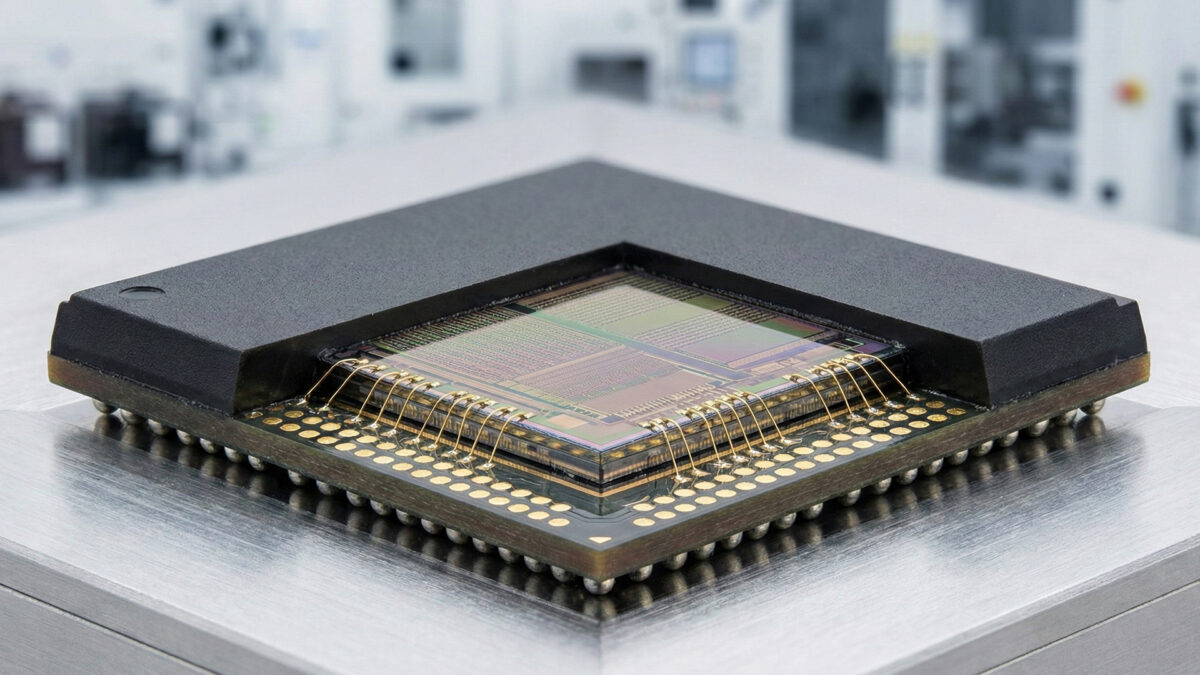
Micron Technology’s semiconductor assembly and testing plant in Sanand, Gujarat, is scheduled to begin commercial production next month, marking a key development in India’s semiconductor manufacturing programme. The facility is part of Micron’s $2.75 billion investment in India and is the first major project to come onstream under the government’s semiconductor incentive scheme.

Union Minister for Electronics and Information Technology Ashwini Vaishnaw said the plant has completed its pilot production phase and is ready to transition to full-scale commercial operations. The project focuses on assembly, testing, marking and packaging (ATMP) of memory chips, which are used in mobile phones, data centres, automobiles, consumer electronics and industrial equipment.

The Sanand facility is being developed with financial support from the Centre and the Gujarat government. Under the incentive framework, the central government is providing up to 50% of the project cost, while the state is offering additional subsidies, infrastructure support and policy incentives.

According to the government, the Micron plant will manufacture high-value memory products and handle complex chip packaging processes. While the facility does not involve wafer fabrication, it is seen as a critical first step in building a domestic semiconductor manufacturing ecosystem. Officials have stated that advanced packaging and testing capabilities are essential for India to integrate into global semiconductor supply chains.

The project is expected to generate several thousand direct and indirect jobs and support the development of a local supplier base for materials, equipment and logistics. It is also expected to encourage global and domestic firms to invest in related segments of the semiconductor value chain.

India currently has a strong presence in semiconductor design but relies heavily on imports for chip manufacturing. With Micron’s plant coming online, the government expects a gradual shift towards local production, reducing import dependence and improving supply chain resilience.

The government is also working with international partners, including the US, Japan, South Korea and the European Union, to secure access to critical materials and technologies required for semiconductor manufacturing.

Also Read: US natural gas trading hits all-time high

Categories
Corporate

Trump sues JPMorgan for $5bn over account closure

US President Donald Trump has filed a lawsuit seeking $5 billion in damages against JPMorgan Chase and its chief executive Jamie Dimon, accusing the bank of unfairly closing his accounts after the January 6, 2021 Capitol riot. The case was filed in a Florida state court and centres on what Trump describes as politically motivated “debanking”.

According to the lawsuit, JPMorgan shut down several accounts linked to Trump, his family and Trump Organisation businesses in early 2021. The bank reportedly gave a 60-day notice but did not provide a clear reason for the closures. Trump’s legal team argues that the decision caused serious disruption to his business operations and damaged his reputation, forcing him to urgently find alternative banking arrangements.

Trump alleges that the account closures were not based on financial or legal risks, but on his political views and public profile following the Capitol violence. The lawsuit claims JPMorgan acted in bad faith and unfairly discriminated against him. It also accuses the bank of breaching state consumer protection laws and harming Trump’s business interests by allegedly discouraging other banks from working with him.

The case names both JPMorgan and its CEO Jamie Dimon, pointing to Dimon’s past public criticism of Trump and his policies. Trump’s lawyers argue that large financial institutions should not have the power to deny basic banking services based on political beliefs.

However, JPMorgan has strongly denied the allegations. In a statement, the bank said the lawsuit is without merit and insisted that it does not close accounts for political reasons. JPMorgan stated that decisions to exit client relationships are based on regulatory, legal and risk considerations, especially in situations that could expose the bank to scrutiny or compliance issues.

The lawsuit adds to a wider debate in the US over claims of “debanking”, where individuals or organisations argue they have been denied financial services because of their political or ideological positions. Trump has repeatedly raised this issue, calling for stronger protections to prevent banks from excluding customers on non-financial grounds.

Also Read: Snapchat introduces smarter family safety tools

Categories
Corporate

Sensex rises 398 points, Nifty crosses 25,300

Markets ended Thursday on a strong note, with the Sensex rising 398 points to 85,764 and the Nifty climbing above 25,300. The gains were led by robust domestic earnings and buying in banking and auto sectors.

Major gainers included Bajaj Consumer Care, Hero Motocorp, Samvardhana Motherson, Ashok Leyland, and Exide Industries, reflecting renewed investor interest in cyclical and consumer stocks. PSU banks also contributed to the rally, supported by healthy quarterly results.

On the other hand, stocks like Tata Steel, JSW Steel, KEI Industries, and select IT names faced profit booking, which kept overall market breadth slightly positive but cautious.

Corporate earnings played a key role in sentiment. Bajaj Consumer Care posted an 83% jump in quarterly profit, while Jindal Stainless reported a 26% rise in earnings compared with the year‑ago period. KEI Industries saw strong revenue growth but traded lower, reflecting mixed investor reactions.

In broader markets, Biocon gained after acquiring the remaining stake in Biocon Biologics, while Bank of India shares rose on better asset quality and profit growth.

Sectorally, the auto, banking, and PSU indices were the top performers, each gaining around 1–2%, while metal and IT indices lagged due to profit booking and global cues.

Also Read: Rupee slides 1% to 91.6 per dollar

Categories
1 Minute-Read

Wipro CEO sees AI boosting IT demand

Wipro CEO Srinivas “Srini” Pallia said Indian IT services are seeing higher demand as companies move from small AI experiments to large-scale implementations, speaking at the World Economic Forum in Davos.

Wipro is bidding for both major and minor AI projects as clients adopt technology at different paces. Despite some pricing pressures due to faster deliveries with smaller teams, Pallia expects AI-driven cost savings to encourage more projects.

While overall tech budgets may remain stable, spending is increasingly focused on AI and efficient IT services. Wipro has invested $1 billion to enhance its AI offerings.

Categories
Beyond

Rupee slides 1% to 91.6 per dollar

The Indian rupee fell sharply to a record low of 91.74 against the US dollar, before recovering slightly to 91.62 on January 22, 2026, highlighting ongoing volatility in the currency market. This marks a roughly 1% decline in a single session, underscoring sustained pressure on India’s external sector.

The fall is driven by strong demand for dollars, elevated crude oil prices, and continued foreign fund outflows from Indian equities. Geopolitical tensions and global trade uncertainties have also added to investor caution, weakening risk appetite for emerging markets like India. While a partial recovery occurred after positive international cues, analysts warn that the rupee remains vulnerable to renewed external shocks.

A depreciating rupee has immediate economic consequences. Importers face higher costs for crude oil, electronic goods, and other essential commodities, which could feed into inflation. Industries relying on imported raw materials will see rising input costs, potentially reducing margins or raising prices for consumers. Dollar-denominated payments, including overseas education, travel, and debt servicing, also become more expensive, squeezing household and corporate budgets.

The Reserve Bank of India may need to consider intervention strategies if the rupee’s slide persists, as prolonged weakness could impact foreign investment inflows, inflation targets, and broader economic growth. Businesses and consumers alike are expected to feel the impact as import costs rise and pricing pressures intensify across sectors.

Despite the slight intra-day recovery, market watchers caution that the rupee could remain under stress due to structural trade deficits and persistent capital outflows. The current scenario reinforces the interconnectedness of global and domestic economic factors, emphasizing the need for prudent fiscal and monetary management.

Also Read: India weighs joining Trump’s Gaza peace board

Categories
1 Minute-Read

Kalyan Jewellers shares fall 25%

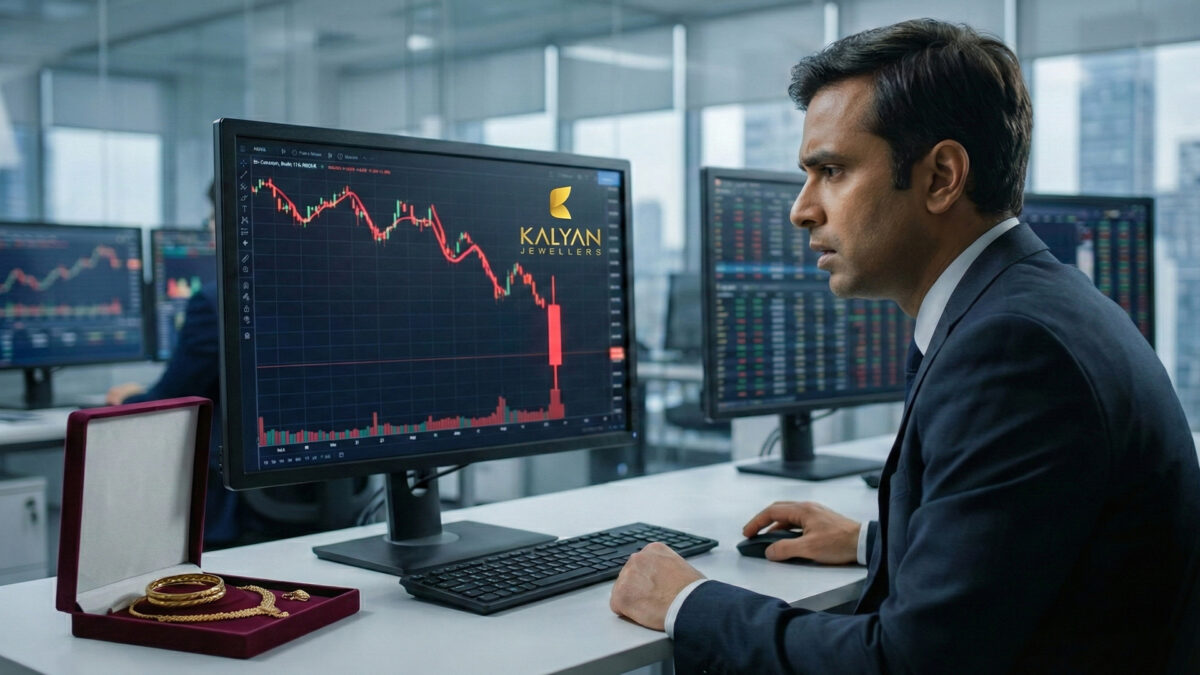
Kalyan Jewellers’ shares have plunged around 25% over the past nine trading sessions, hitting a 52-week low of about ₹390 on January 21 after a nearly 14% fall.

The sharp decline comes amid heavy selling pressure and market weakness, with no major change in the company’s fundamentals. Fluctuating gold prices are also adding to investor caution.

Analysts say the upcoming December quarter results, due on February 6, will be closely watched. While short-term trading looks weak, brokers see potential for long-term recovery if market conditions stabilize.

Categories
Corporate

Sensex jumps 300 points, Nifty reclaims 25,250

Indian equity markets staged a strong rebound on Thursday, where BSE Sensex advanced more than 300 points, while the Nifty 50 moved above the 25,250 level, offering relief to investors after recent volatility.

The recovery was driven by improved global sentiment following signs of easing geopolitical tensions and a pullback in trade-related concerns. Asian markets traded higher, tracking overnight gains on Wall Street, which helped lift risk appetite across emerging markets, including India.

On the domestic front, buying interest was seen across sectors, supported by selective corporate earnings and stock-specific triggers. Eternal emerged as one of the top gainers, rising sharply after reporting strong quarterly results. Mahindra & Mahindra and Adani Ports also traded higher, gaining around 2 per cent each on firm demand and positive sector outlook. Energy and aviation stocks, including Waaree Energies and InterGlobe Aviation (IndiGo), also attracted investor interest.

However, gains were capped by weakness in select banking and consumer stocks. ICICI Bank slipped amid profit-booking after recent gains, while retail-focused stock Trent also traded lower. Other defensive names saw mixed movement as investors remained cautious despite the broader rebound.

Market participants described the session as a relief rally following sharp losses earlier in the week, noting that investors continued to remain selective. Analysts said the sustainability of the rebound would depend on continued stability in global markets, progress on corporate earnings and upcoming macroeconomic cues.

Also Read: Deepinder Goyal steps down as Eternal CEO

Categories
Leaders

Deepinder Goyal steps down as Eternal CEO

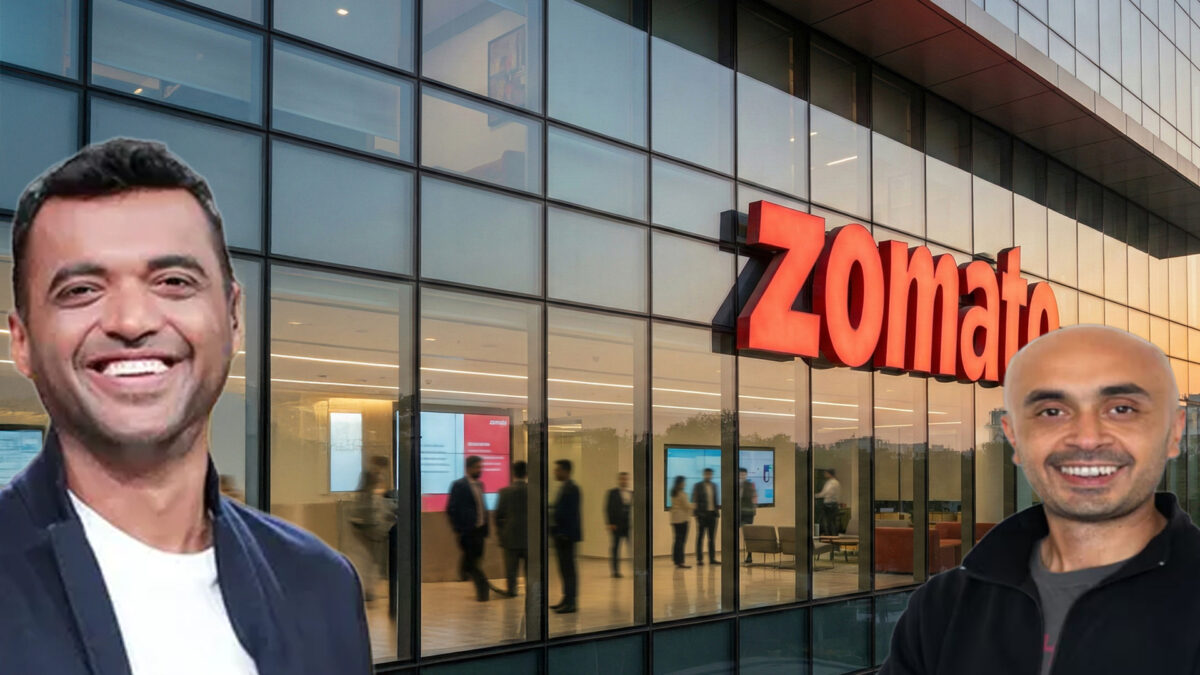
Deepinder Goyal, founder and Chief Executive Officer of Eternal Limited, has announced his decision to step down as CEO with effect from February 1, 2026. The company’s board has approved the appointment of Albinder Dhindsa, currently CEO of quick-commerce platform Blinkit, as his successor.

Goyal will continue to remain associated with Eternal in a strategic capacity and is set to take on the role of Vice Chairman and Director, subject to shareholder approval. In this role, he will focus on long-term vision, governance and new initiatives, while moving away from daily operational responsibilities.

In his communication to stakeholders, Goyal said the decision was driven by his desire to explore new ideas and undertake higher-risk experimentation that is difficult to pursue while running a large, listed company. He added that separating operational leadership from strategic oversight would help Eternal maintain sharper execution as it scales its businesses.

Eternal is the parent company of Zomato and Blinkit and has been expanding its footprint across food delivery and quick commerce. The leadership change comes at a time when the company has reported strong financial performance, with steady growth in revenues and profitability in recent quarters, supported by improved efficiencies and rising demand across its platforms.

Albinder Dhindsa’s elevation is seen as a move towards leadership continuity. Since joining the group, Dhindsa has played a key role in building Blinkit into a major quick-commerce player following its acquisition. As Group CEO, he will oversee day-to-day operations, execution of business strategies, and coordination across Eternal’s various verticals.

Also Read: Adani Group unveils $66 billion Maharashtra plan at WEF

Categories
Corporate

Adani Group unveils $66 billion Maharashtra plan at WEF

The Adani Group has announced a USD 66 billion investment pipeline for Maharashtra, underscoring its long-term bet on India’s infrastructure-led growth and energy transition. The plan was presented at the 56th World Economic Forum (WEF) annual meeting in Davos, positioning the conglomerate as a strategic partner in the state’s next phase of economic expansion.

The proposed investments, to be deployed over the next seven to ten years, span aviation, urban infrastructure, clean energy, digital platforms and advanced manufacturing. The Group said the portfolio reflects a shift from standalone asset creation to building integrated, future-ready ecosystems aligned with national priorities such as manufacturing self-reliance, sustainability and ease of doing business.

Urban transformation projects form a significant part of the plan. A flagship initiative is the redevelopment of Dharavi, one of India’s most complex urban renewal exercises. The project aims to convert Asia’s largest informal settlement into a planned, economically productive urban district, with modern housing, infrastructure and commercial activity.

Another key growth driver is Navi Mumbai, anchored by the Navi Mumbai International Airport (NMIA). One of India’s largest greenfield airport projects, NMIA commenced operations on December 25 and is expected to significantly expand aviation capacity in the Mumbai metropolitan region. The airport is also seen as a catalyst for allied sectors such as logistics, hospitality, real estate and commercial development.

Beyond transport and urban infrastructure, the investment roadmap includes green, integrated data centre parks with a combined capacity of 3,000 MW, an integrated arena district near the airport, coal gasification facilities, and pumped-storage hydropower projects totalling 8,700 MW. The Group has also proposed semiconductor and display fabrication units, in line with the government’s evolving framework to attract private investment into high-tech manufacturing.

Maharashtra Chief Minister Devendra Fadnavis said the state welcomes all investors who contribute to job creation and economic growth. Pranav Adani, Director of Adani Enterprises, highlighted the scale and sectoral diversity of the planned investments, noting the Group’s increasing focus on scale, integration and sustainability.

Also Read: Amazon launches new Echo Show 11, Echo Show 8

Categories
Corporate

Sensex drops 271 points, Nifty slips below 25,200

Indian equity markets closed in the red on Wednesday as cautious investor sentiment and sustained selling pressure weighed on benchmark indices. The BSE Sensex declined by 271 points, while the NSE Nifty50 slipped below the 25,200 level, reflecting weak momentum across large parts of the market.

Trading was volatile throughout the session. The benchmarks opened sharply lower, with the Sensex plunging over 1,000 points at one stage and the Nifty briefly falling below the 25,000 mark. Some recovery was seen later in the day as bargain hunting emerged at lower levels, helping indices pare losses, but the rebound lacked strength and markets eventually ended lower.

Despite the overall weakness, a few stocks managed to buck the trend. Eternal Ltd, InterGlobe Aviation, and UltraTech Cement were among the top gainers, supported by stock-specific buying and defensive interest. Power Grid Corporation and HDFC Life Insurance also closed higher, offering limited support to the benchmarks amid widespread selling.

On the flip side, heavyweights dragged the indices down. ICICI Bank emerged as a key loser, reflecting pressure in banking stocks. Trent Ltd and Bharat Electronics Ltd also declined, contributing to losses in the consumer and defence segments. Broader selling was visible across financials, industrials, and select technology stocks, keeping market sentiment subdued.

Global cues remained weak, adding to domestic concerns. Persistent foreign institutional investor (FII) outflows continued to weigh on equities, while a weaker rupee against the US dollar further dampened sentiment. Asian markets also traded lower, reinforcing the cautious tone on Dalal Street.

Sectorally, most indices ended in negative territory, with banking and capital goods underperforming. Defensive and infrastructure-linked stocks showed relative resilience, but this was not enough to offset broader losses. Mid-cap and small-cap stocks also faced pressure, underlining risk aversion among investors.

Market experts said volatility is likely to continue in the near term amid global uncertainties and ongoing earnings-related developments. Investors are advised to remain cautious, focus on fundamentally strong stocks, and avoid aggressive positions until clearer signals emerge.

Also Read: India exports first guided Pinaka rockets abroad