Categories
Beyond

India to cut EU car import duties

India is likely to sharply reduce import duties on cars coming from the European Union as part of a comprehensive free trade agreement that is close to being finalised, sources said. The proposed move would bring down tariffs from the current levels of up to 110 per cent to around 40 per cent, marking a significant shift in India’s long-standing protectionist policy for the automobile sector.

The tariff cut is expected to play a crucial role in concluding the India-EU free trade agreement, negotiations for which have been ongoing for nearly 20 years. Officials familiar with the discussions indicate that both sides are keen to seal the deal, with an announcement possible during an upcoming India-EU summit.

Initially, the lower tariffs are likely to apply to a limited number of imported cars, particularly higher-priced models. Over time, duties could be reduced further through a phased approach. European auto majors such as BMW, Mercedes-Benz and Volkswagen are expected to benefit, as high import taxes have so far restricted their sales volumes in the Indian market.

India’s government has traditionally used steep import duties to protect domestic carmakers and encourage manufacturing within the country. To balance domestic interests, the proposed agreement is expected to include safeguards, including delayed tariff cuts for electric vehicles, allowing Indian EV manufacturers time to strengthen their production base.

India is one of the world’s fastest-growing car markets, but imported vehicles make up only a small share due to high costs. A reduction in tariffs could make premium European cars more accessible to Indian consumers while increasing competition in the sector.

Also Read: Qure.ai wins $8 million grant from Gates foundation
Categories
Corporate

Adani Green Q3 profit down 99%

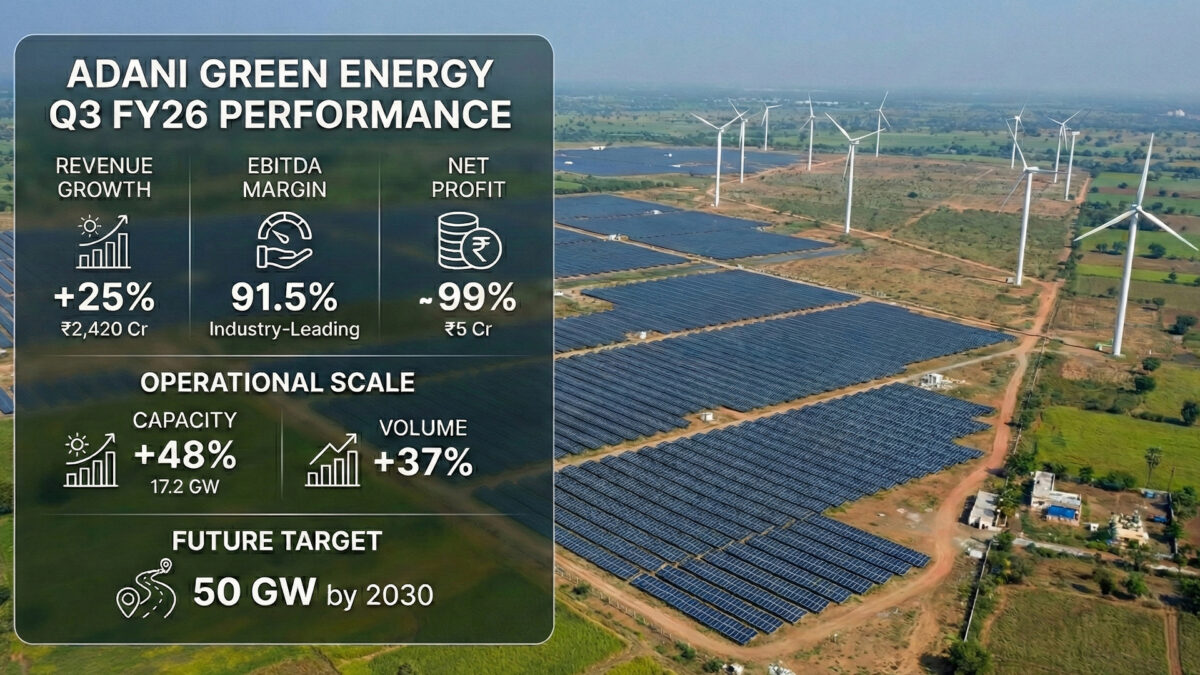
Adani Green Energy Ltd reported a mixed set of results for the third quarter of FY26, marked by strong revenue growth and operational expansion but a sharp decline in net profit due to rising costs.

During the December quarter, revenue from power supply grew 25 percent year-on-year to ₹2,420 crore, driven by a significant increase in generation. Energy sales volumes surged 37 percent compared to the same period last year, reflecting the commissioning of new renewable assets and improved utilisation. Consolidated revenue from operations rose about 12 percent year-on-year to ₹2,618 crore.

Operating performance remained robust. EBITDA from the power supply segment increased 23 percent year-on-year to ₹2,269 crore, underlining strong cash generation from core operations. The EBITDA margin stood at an industry-leading 91.5 percent, although it was marginally lower than the 92 percent recorded in the year-ago quarter, indicating some pressure from rising operating costs.

However, this strong top-line and operating performance did not translate into bottom-line growth. Consolidated net profit attributable to owners plunged by nearly 99 percent year-on-year to ₹5 crore. The sharp fall was primarily due to higher depreciation and interest expenses following aggressive capacity additions, along with the impact of one-off exceptional items during the quarter.

On the operational front, Adani Green continued to scale up rapidly. Its total operational renewable energy capacity expanded 48 percent year-on-year to 17.2 GW. A significant portion of the additions came from the Khavda renewable energy park in Gujarat, which is progressing as the world’s largest renewable energy installation and remains a key growth driver for the company.

Despite near-term pressure on profitability, the company reiterated confidence in its long-term growth strategy. Adani Green said it remains on track to achieve its target of 50 GW of renewable capacity by 2030, supported by a strong project pipeline and India’s accelerating transition towards clean energy.

Also Read: Adani Group fully acquires IANS

Categories
Corporate

Qure.ai wins $8 million grant from Gates foundation

Health-tech company Qure.ai has received an $8 million grant from the Bill & Melinda Gates Foundation, bringing fresh momentum to the fight against tuberculosis and pneumonia, two diseases that still claim millions of lives every year, largely due to late diagnosis.

The funding will help Qure.ai develop AI-powered point-of-care ultrasound tools designed for use by frontline health workers. These tools aim to make early diagnosis possible in places where access to specialist doctors and advanced imaging facilities is limited, such as rural clinics and community health centres.

Founder and CEO Prashant Warier said the grant reflects a shared belief that technology should serve people where the need is greatest. He noted that ultrasound, when paired with AI, has the potential to become a simple, affordable, and reliable diagnostic option at the point of care.

For many patients, especially in underserved regions, reaching a hospital with a trained radiologist can take days or even weeks. Qure.ai’s technology seeks to bridge this gap by combining portable ultrasound devices with artificial intelligence that can quickly analyse images and flag signs of lung disease. This can help healthcare workers make faster decisions and start treatment sooner.

A key part of the project is the creation of a large, open medical database made up of anonymised chest X-rays, ultrasound images, CT scans, lung sound recordings, and lab data. By making this data available to researchers around the world, Qure.ai hopes to encourage collaboration and speed up innovation in lung disease diagnosis.

Also Read: Arijit Basu named part‑time chairman of IndusInd Bank

Categories
Beyond

India-EU trade mega deal inches closer

India and the European Union are close to concluding a comprehensive free trade agreement (FTA), marking a major milestone in bilateral economic relations after years of negotiations. The deal is expected to be announced around the upcoming India-EU Summit on January 27, 2026, subject to formal approvals on both sides, including ratification by the European Parliament.

The proposed pact is among the most ambitious trade agreements pursued by India, covering goods, services, investment, and regulatory cooperation. Bilateral trade between India and the EU stood at an estimated $136–$190 billion in 2024–25, and the agreement is expected to provide a significant boost by lowering tariffs and easing market access for businesses on both sides.

India has taken a cautious approach during the talks, drawing clear red lines around sensitive sectors such as agriculture and dairy to protect domestic producers and rural livelihoods. It has also sought gradual tariff reductions in manufacturing to prevent sudden pressure on local industries, while aiming to attract European investment and strengthen India’s role in global supply chains.

The EU has pushed for wider access for its industrial goods, including automobiles and auto components, as well as greater opportunities in services. Climate-related trade measures have emerged as a key area of negotiation, particularly the EU’s Carbon Border Adjustment Mechanism (CBAM) and sustainability standards linked to its Green Deal. India has raised concerns that these measures could function as non-tariff barriers for energy-intensive exports, while the EU maintains they are essential to ensure fair competition and meet climate goals.

If finalised, the agreement is expected to improve export prospects for Indian sectors such as textiles, apparel, leather, engineering goods, and services, while offering European firms a larger and more predictable market in India. The deal also carries strategic weight, coming at a time when global trade is increasingly fragmented and economies are looking to diversify partnerships.

Also Read: Infosys to recruit 20,000 freshers in FY27

Categories
Corporate

JSW Steel Q3 net profit rises 2.4x to Rs 2,410 cr

JSW Steel Ltd reported a strong increase in its consolidated net profit for the third quarter of the 2025–26 fiscal year, surpassing market expectations. The company posted a net profit of Rs 2,410 crore for the quarter ending December 31, 2025, more than double the Rs 719 crore recorded in the same period last year. The growth was driven by higher steel sales volumes and the recognition of one-time tax benefits.

Revenue from operations rose to approximately Rs 45,200–45,990 crore, up around 10–11 percent year‑on‑year. Saleable steel sales increased roughly 14 percent to 7.64 million tonnes, while crude steel production grew about 6–7 percent. Strong domestic demand from construction, automotive, and other sectors supported this growth.

The profit surge was further aided by the recognition of deferred tax assets of about Rs 1,439 crore, linked to unabsorbed depreciation in Bhushan Power and Steel Ltd. This accounting adjustment significantly boosted reported earnings for the quarter.

On the operational side, consolidated EBITDA rose about 20 percent year‑on‑year to Rs 6,496 crore. Despite the increase, margins narrowed slightly compared with the previous quarter, reflecting pressure on steel prices and rising input costs.

Looking ahead, JSW Steel plans continued investment in capacity expansion, including a major greenfield project in Odisha and potential growth at its Dolvi plant in Maharashtra.

Also Read: Adani Group fully acquires IANS

Categories
Corporate

Infosys to recruit 20,000 freshers in FY27

Bengaluru-based IT major Infosys is gearing up for one of its largest campus recruitment drives, planning to hire 20,000 fresh graduates in the financial year 2027 (FY27). CEO Salil Parekh announced the initiative during the World Economic Forum (WEF) in Davos, emphasizing the growing demand for talent in artificial intelligence (AI)–driven services and digital transformation projects.

The company’s recruitment drive, covering April 2026 to March 2027, comes amid global tech layoffs and uncertainty in the IT sector. Despite this, Infosys has maintained strong hiring momentum, with around 18,000 freshers onboarded in the first nine months of FY26. The total fresher intake for the current fiscal is expected to reach 20,000.

Parekh explained that the surge in AI adoption by clients is creating new work opportunities, even as some traditional IT services face pressure. Companies are increasingly deploying AI agents and foundation models at scale, particularly in financial services, where Infosys is emerging as a preferred partner. “We are working on real, scalable AI projects with 15 of our 25 largest financial services clients,” Parekh noted.

He added that pricing models for AI-driven projects are still evolving, as clients balance human and AI resources. However, clearer frameworks are expected as adoption grows. Economic signals, especially from the US, are also encouraging cautious optimism for tech spending.

Infosys’s planned FY27 hiring reflects its strategy to align workforce expansion with AI-led demand, ensuring it remains competitive despite global headcount reductions in the IT industry. This move underscores the company’s focus on modernizing services and capturing opportunities in emerging technology areas.

The recruitment drive also signals confidence in India’s talent pool, with the company aiming to equip fresh graduates with AI skills and integrate them into projects that support digital transformation across sectors.

Also Read: Arijit Basu named part‑time chairman of IndusInd Bank

Categories
Corporate

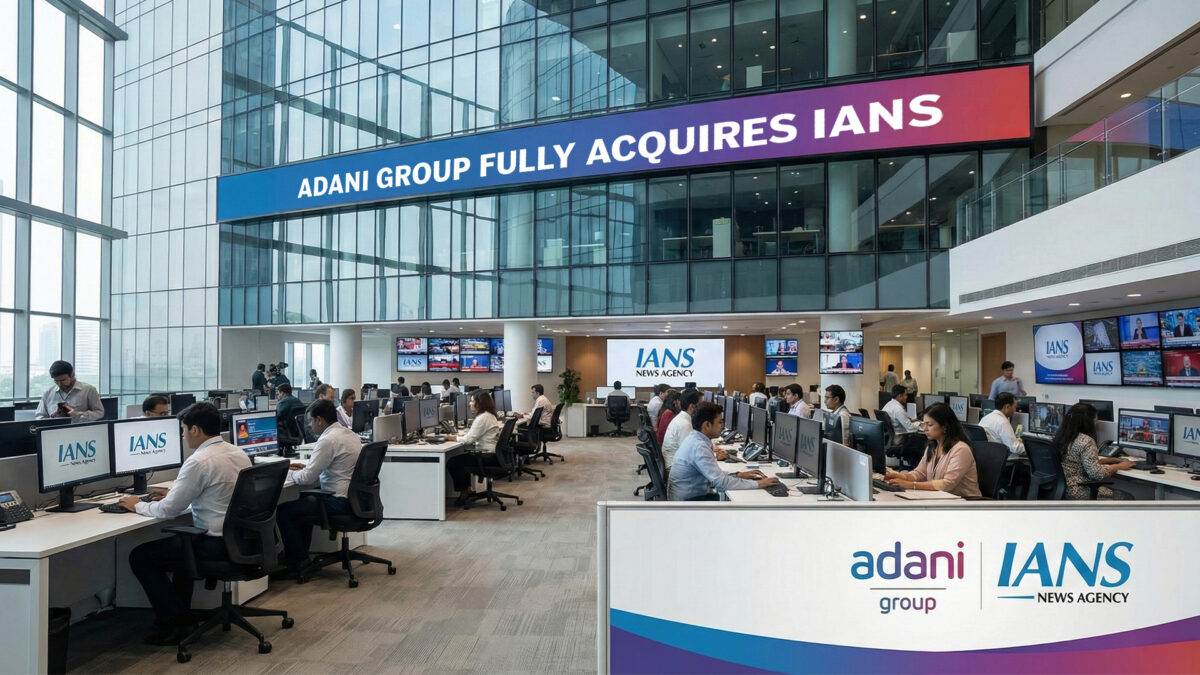
Adani Group fully acquires IANS

The Adani Group has completed the full acquisition of Indo-Asian News Service (IANS) after purchasing the remaining 24 per cent stake, making the news agency a wholly owned subsidiary of the conglomerate’s media arm.

The transaction was carried out through AMG Media Networks Ltd (AMNL), a subsidiary of Adani Enterprises Ltd, on January 21, 2026. While the group confirmed the completion of the takeover through regulatory disclosures, the financial details of the deal were not made public. With this move, IANS India Private Limited has become a step-down subsidiary of Adani Enterprises.

Adani’s association with IANS began in December 2023, when AMG Media Networks acquired a 50.50 per cent controlling stake, marking the group’s entry into the news agency space. In January 2024, AMNL further increased its holding to 76 per cent of voting shares, along with an overwhelming majority of non-voting shares. The latest acquisition involved the purchase of the entire remaining shareholding, completing the full takeover.

Founded in 1986, IANS is among India’s well-established news agencies, providing content to print, television and digital media platforms across the country. It offers news and features in multiple languages and serves a broad client base that includes newspapers, television channels, websites and mobile platforms.

The full acquisition of IANS fits into the Adani Group’s larger strategy to expand its presence in the media and information sector, a diversification drive that began in 2022. AMG Media Networks was set up as the group’s dedicated media investment arm to build a strong footprint across news, digital publishing and broadcasting.

Over the past few years, the Adani Group has steadily expanded its media portfolio. It acquired a controlling stake in NDTV, invested in Quintillion Business Media, which operates the business news platform BQ Prime, and strengthened its digital and broadcast capabilities. The complete ownership of IANS adds a traditional newswire to this portfolio, giving the group access to a key source of syndicated news content.

Industry observers say that owning a news agency such as IANS allows the group to strengthen its position across the content creation and distribution ecosystem, complementing its existing media assets while reinforcing its long-term diversification plans.

Also Read: TikTok strikes US deal to stay online

Categories
Leaders

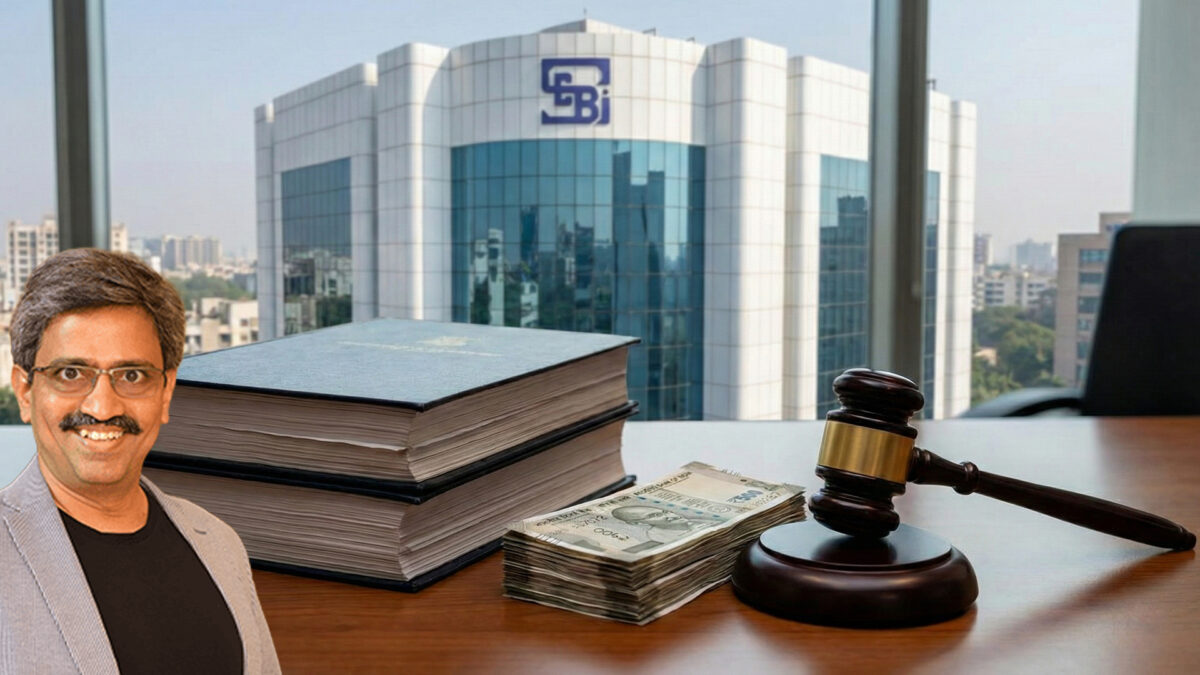
SAT orders ₹100 cr deposit for Avadhut Sathe

The Securities Appellate Tribunal (SAT) has granted partial relief to trading educator Avadhut Sathe and his Avadhut Sathe Trading Academy (ASTA) in an ongoing case with market regulator SEBI, directing them to deposit ₹100 crore while allowing the regulator’s probe to continue.

SEBI had passed an interim order in December alleging that Sathe and his academy were providing unregistered investment advisory and research analyst services in the guise of trading education. According to SEBI, the academy collected nearly ₹601 crore from more than 3.3 lakh participants through various courses and programmes. The regulator barred Sathe and ASTA from accessing the securities market, froze bank and demat accounts, and ordered the impounding of about ₹546 crore, which it termed unlawful gains.

Challenging the order before SAT, Sathe argued that his academy only offered educational services and did not provide stock tips or investment advice. He also contended that SEBI’s action was excessive and was taken without giving him a proper hearing.

In its ruling, the SAT bench acknowledged that SEBI had made out a prima facie case warranting further investigation. However, it said the full amount sought by SEBI need not be secured at this interim stage. The tribunal noted that significant sums had already been paid by the academy in the form of income tax and GST, and that the group also owned fixed assets of substantial value.

Balancing these factors, SAT directed Sathe and ASTA to deposit ₹100 crore in a fixed deposit, with a lien marked in SEBI’s favour. The tribunal also restrained them from selling or creating third-party rights over their fixed assets during the pendency of the proceedings.

The order provides conditional relief: once the ₹100-crore deposit is made and a compliance affidavit is filed, restrictions on bank accounts and certain market-related prohibitions will be eased. However, the tribunal did not quash SEBI’s interim order or its findings, making it clear that the investigation and adjudication process will continue.

SAT also granted the academy time to submit its reply to SEBI’s show-cause notice. The regulator will proceed with further action based on the outcome of the ongoing inquiry, keeping investor protection at the centre of the case.

Also Read: TikTok strikes US deal to stay online

Categories
1 Minute-Read

SEC seeks email notice for Adanis

The US Securities and Exchange Commission (SEC) has sought court approval to serve summons via email to Gautam Adani and his nephew Sagar Adani.

India’s Ministry of Law and Justice twice refused to deliver the legal notices under the Hague Convention. The summons relate to civil charges alleging investor deception and a bribery scheme linked to a bond offering by Adani Green Energy.

The SEC’s request comes after more than a year of stalled attempts to serve the notices through official diplomatic channels.

Categories
Technology

TikTok strikes US deal to stay online

TikTok has reached an agreement that allows it to continue operating in the United States, avoiding a potential nationwide ban. ByteDance, the Chinese parent company, will retain a minority stake in a newly formed US entity, while American and international investors hold the majority share.

The new company, TikTok USDS Joint Venture LLC, will oversee the platform’s U.S. operations for over 200 million users. About 80 percent of the venture is owned by U.S. and global investors, while ByteDance retains 19.9 percent. Key stakeholders include Oracle, Silver Lake, Abu Dhabi’s MGX, and Michael Dell’s investment firm.

Leadership changes include Adam Presser as CEO of the US operations, with Will Farrell as chief security officer. TikTok’s global CEO, Shou Chew, will join the board.

The deal introduces stricter data and security measures. US user data will be stored on domestic servers, and the recommendation algorithm will be retrained using US data, addressing long-standing concerns over Chinese access.

This arrangement satisfies US legal requirements set in 2024, which demanded TikTok divest from ByteDance or face a ban. Both US and Chinese regulators have approved the plan, bringing an end to years of uncertainty over TikTok’s future in America.

The agreement ensures the popular short-video app can continue serving its US audience while meeting security and privacy standards demanded by lawmakers.

Also Read: Micron’s Gujarat chip plant to start operations next month