Categories
Beyond

ONGC gets US nod for Venezuela operations

State-run Oil and Natural Gas Corporation (ONGC) has received a licence from the US Treasury Department’s Office of Foreign Assets Control (OFAC) that allows its overseas arm, ONGC Videsh Ltd (OVL), to resume full operations in Venezuela.

The approval removes a major sanctions-related hurdle that had restricted ONGC’s activities in the South American country for years. The company can now look at increasing oil production, making fresh investments, negotiating new agreements and potentially taking over the operatorship of some projects currently managed by Venezuela’s state-run oil company PDVSA.

The development is important for ONGC’s overseas strategy as the company looks to increase production from its international assets and diversify its sources of crude oil. The OFAC licence also creates a path for the company to recover hundreds of millions of dollars in dividends that have remained stuck because of restrictions on financial transactions involving Venezuela.

ONGC Finance Director Anupam Agarwal said the US approval gives the company greater freedom to operate its Venezuelan projects. Earlier, ONGC had deliberately limited activities because of the risks associated with US sanctions. With the licence now in place, the company can examine ways to increase production and improve returns from its investments.

ONGC Videsh has interests in two major Venezuelan oil projects. It holds a 40% stake in the San Cristobal project and an 11% interest in the Carabobo project. The assets are located in the oil-rich Orinoco region and form an important part of ONGC’s overseas portfolio.

Production from these projects is currently estimated at around 12,000 to 15,000 barrels per day. ONGC is targeting an increase to about 30,000 barrels per day within a year, although achieving that goal will depend on operational decisions, investment and discussions with Venezuelan authorities and partners.

One of the biggest opportunities is the possibility of gaining operatorship. At present, Venezuela’s state oil company PDVSA plays a key role in operating the projects. ONGC wants to explore whether greater operational control can help improve production and efficiency.

Taking operatorship would give ONGC greater control over field development, production planning and investment decisions. However, the move would require negotiations with Venezuelan authorities and other stakeholders, meaning the licence does not automatically transfer operational control to the Indian company.

The other major issue is money owed to ONGC. Its Venezuelan investments have generated dividends that could not be repatriated because of sanctions and restrictions on financial transactions. The outstanding amount is estimated at around $600 million, while other reports put the figure at more than $500 million.

Data cited by Sahi showed that the outstanding dividend receivable of an ONGC Videsh subsidiary from Venezuelan associate PIVSA stood at ₹4,818.47 crore as of December 31, 2025, up from ₹4,758.44 crore three months earlier. The new US licence could allow ONGC to begin discussions aimed at recovering these funds.

For ONGC, recovering the money would provide a significant financial boost. However, the process may not be immediate. The company will need to work with its Venezuelan partners and navigate local procedures before the pending dividends can be converted into cash and transferred out of the country.

The US decision also reflects a broader change in the operating environment for Venezuela’s oil industry. US sanctions have historically restricted international companies from freely conducting business with Venezuelan entities. Recent policy changes have gradually opened the door for selected international energy companies to return or expand their presence in the country.

That shift is creating opportunities for international oil companies while also increasing competition for Venezuela’s energy assets. ONGC will therefore need to balance the potential returns from its Venezuelan investments against geopolitical and operational risks.

The company’s latest move comes as it works to strengthen production across its domestic and international portfolio. ONGC has been investing heavily in exploration and production while also seeking partnerships to improve output from mature fields.

Its overseas arm, OVL, remains an important part of this strategy. The company has interests in projects across several countries, including Russia, Mozambique and Venezuela. ONGC has previously indicated that international assets can provide additional production and help diversify its energy portfolio.

The Venezuela opportunity is particularly significant because of the country’s vast crude reserves. Increased production from ONGC’s existing assets could strengthen its international oil output at a time when India remains heavily dependent on imports to meet domestic energy requirements. The development also comes as global energy markets and economic developments remain closely influenced by sanctions, geopolitics and changes in crude oil supply.

For India, the development could also support the broader objective of energy security. Having stakes in overseas oilfields gives Indian companies access to additional sources of crude and reduces dependence on any single geographical region.

At the same time, Venezuela remains a challenging market. Political developments, regulatory changes, infrastructure constraints and the condition of oilfields could affect ONGC’s plans. The company will also need to invest in production and infrastructure if it wants to achieve its target of doubling output.

Investors are likely to closely track three developments: the recovery of the pending dividends, progress towards operatorship and the pace at which oil production increases. A successful execution of these plans could improve the financial contribution from ONGC Videsh’s Venezuelan assets.

The OFAC licence therefore marks more than a regulatory clearance for ONGC. It gives the Indian oil major an opportunity to revive assets that had remained constrained by sanctions, recover money that had been locked up and seek greater control over production.
Categories
Beyond

Reliance gets US permit to import Venezuelan oil

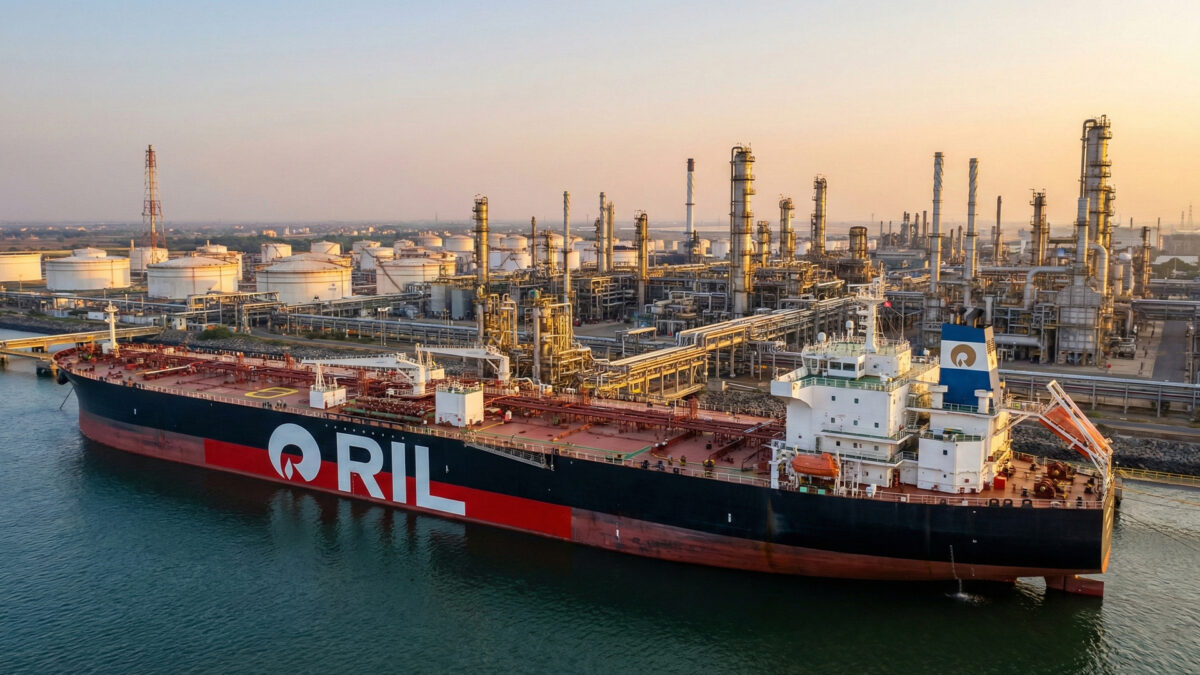
Reliance Industries has received permission from the United States to import oil from Venezuela. This is a significant change because strict US sanctions had previously made it very hard for companies to trade with Venezuela’s oil industry.

The licence was issued by the US Treasury Department’s Office of Foreign Assets Control (OFAC). It gives Reliance the legal right to buy, bring into India, and sell Venezuelan crude oil without breaking US rules. This approval comes after the US government relaxed some of its sanctions on Venezuelan oil exports following political changes in that country.

Reliance had stopped buying Venezuelan oil in 2025 because of the sanctions. Now, with this new permit, it can resume these imports. Venezuelan crude is known for being heavy and usually cheaper than many other types of oil. Buying it at a lower price could help Reliance reduce its fuel costs and improve profits at its large refineries, especially the massive Jamnagar complex in western India.

The move is also part of a broader shift in US policy. Washington has eased restrictions on Venezuela’s energy sector, allowing not just Reliance but also major global oil companies to operate more freely there. Firms such as Chevron, BP, and Shell are expected to expand their involvement in Venezuela after the sanctions were loosened.

Besides helping Reliance, the licence may benefit Venezuela by boosting its oil exports and revenues. For the United States, allowing more companies to trade with Venezuela could strengthen economic ties with countries that purchase Venezuelan oil.

Also Read: IndiGo to hire over 1,000 pilots

Categories
Beyond

Venezuela opens oil sector to foreign firms

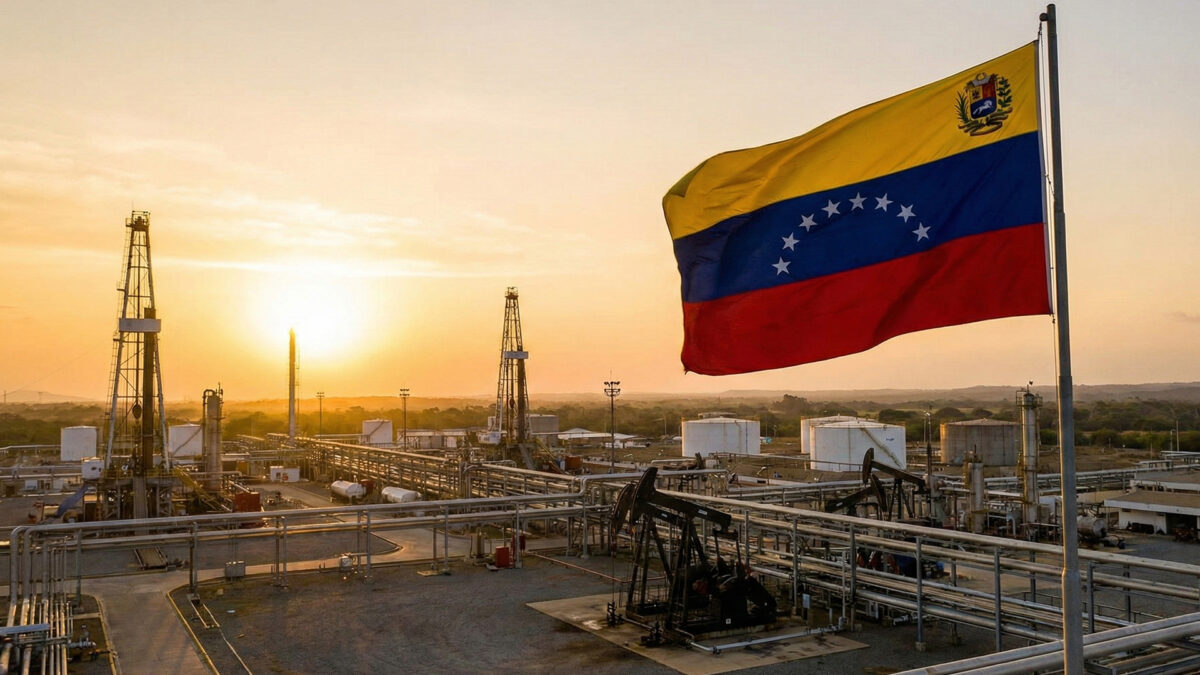
Venezuela’s government has approved a major overhaul of its oil sector, aiming to attract foreign investment and revive the country’s struggling energy industry. The law, signed by acting President Delcy Rodríguez, represents a significant shift from decades of strict state control under Petróleos de Venezuela (PDVSA).

Under the new framework, private and foreign companies can operate oil projects at their own cost and risk, while the state retains ownership of crude reserves. The law also allows independent arbitration for disputes, reducing legal uncertainties that have historically deterred foreign investors. Companies will now have greater operational autonomy, including decisions on production levels and investments, signaling a major policy pivot from the nationalisation policies introduced by Hugo Chávez in 2007.

Financial incentives have also been introduced to make Venezuela more competitive. The law caps royalties at 30% but allows authorities to set rates on a project-by-project basis. This flexibility is intended to attract large-scale international operators and encourage investment in technologically advanced extraction projects.

The legislative reform coincides with a partial easing of U.S. sanctions on Venezuela’s oil sector. Washington issued a general license permitting certain U.S. companies to engage in trade and transport of Venezuelan crude, providing a potential boost to foreign capital inflows. Analysts say the dual move, domestic reform and international sanction relief — is designed to restore investor confidence and reverse years of declining production.

Venezuela’s oil output has fallen sharply in recent years due to mismanagement, underinvestment, and economic sanctions, despite the country holding the world’s largest proven oil reserves. Industry experts believe the new law could jump-start production, create jobs, and increase government revenue, although political instability and past economic mismanagement remain key risks for investors.

Also Read: Microsoft sees Copilot AI boom, costs worry investors

Categories
Beyond

US lets India buy Venezuelan oil

The United States has signaled that India can resume buying crude oil from Venezuela, a source that was largely blocked due to US sanctions. US officials said Indian companies may import Venezuelan oil, but all sales and payments will be controlled and monitored by Washington. The detailed rules and approvals are still being finalized.

India was a regular buyer of Venezuelan crude before sanctions halted trade. With Indian refiners reducing Russian oil imports due to US pressure, Venezuelan oil offers a politically acceptable alternative. Reliance Industries, India’s largest refining company, said it would consider importing Venezuelan oil again once US regulatory approval is clear. Other refiners, including Indian Oil Corporation and Hindustan Petroleum, have also expressed interest.

Earlier, Reliance received permits to import about 63,000 barrels per day of Venezuelan oil in early 2025. Imports stopped in May 2025 after tighter sanctions. Venezuelan crude is heavy and requires special processing, so Indian refiners are expected to start gradually once approvals are in place.

Experts say resuming Venezuelan oil imports could help India reduce dependence on Russian crude while staying within US rules. However, all shipments will remain under Washington’s oversight, meaning India cannot freely trade or sell the oil.

The move reflects a significant shift in US policy. By allowing India to buy Venezuelan oil under strict control, Washington maintains strategic oversight while opening an old trade route. For India, this could ease supply challenges, give refiners access to discounted heavy crude, and reduce reliance on other countries.

While promising, the process will take time. Indian refiners will wait for clear regulatory guidance and permits. The actual volumes and timeline for imports will depend on US approvals and Venezuela’s ability to supply the crude under international scrutiny.

Categories
Beyond

Venezuela to send 30–50 mn barrels of oil to US

In a move that could reshape global energy flows, President Donald Trump announced that Venezuela will hand over 30 to 50 million barrels of crude oil to the US. Speaking on his Truth Social platform, Trump said the oil would be sold at market prices, and the proceeds would be under US control, a step he described as benefiting both Americans and Venezuelans.

The transfer comes after recent political turmoil in Caracas, including a US operation that led to the capture of Venezuelan President Nicolás Maduro. The announcement marks a rare moment of direct cooperation with Venezuela’s interim authorities, who confirmed the handover but criticized foreign involvement, insisting their sovereignty must be respected.

Trump directed Energy Secretary Chris Wright to begin the process immediately. The plan is to move oil from Venezuelan storage ships directly to US ports, ensuring a smooth flow of high-quality crude. Experts say this injection of oil into the US supply chain could slightly ease prices at a time when energy markets remain volatile. At current rates, the transferred oil could be valued at around $2.8 billion, though final figures will depend on market conditions.

Beyond the numbers, the deal carries broader geopolitical implications. Analysts note that oil previously headed to other countries, including China, may now be redirected to the US, signaling a potential shift in global energy alliances. Trump framed the move as part of a strategy to stabilize markets and assert US influence in Venezuela’s energy sector.

As the first shipments prepare to leave Venezuelan ports, both nations are watching closely, aware that this deal could set the tone for future energy, trade, and diplomatic relations in the region.

It reflects a rare moment where political maneuvering and energy policy intersect in a tangible way, promising both economic impact and a test of how international agreements are executed in a tense, rapidly changing landscape.

Also Read: Reliance shares slide over 4%

Categories
Beyond

Trump team to meet oil firms on Venezuela plans

The Trump administration is holding meetings with leading US oil companies to discuss re‑entry into Venezuela’s oil sector following the capture of President Nicolás Maduro Officials aim to explore how American energy firms could help revive and expand Venezuelan crude production, which has declined sharply over the past two decades.

Executives from Exxon Mobil, Chevron and ConocoPhillips say they have not yet been approached, contradicting President Trump’s earlier claim that consultations were already complete The upcoming talks are seen as the first serious discussions between the administration and industry regarding Venezuela.

Venezuela has some of the world’s largest proven oil reserves and its heavy crude matches US refinery requirements However infrastructure is degraded and legal and political uncertainties make investment risky Chevron is currently the only US oil major operating under a special licence while Exxon and Conoco pursue restitution claims.

Analysts warn that even if US firms return, boosting production will take years and require massive investment The administration is reportedly aiming to fast-track discussions and provide incentives to encourage participation.

It is unclear which executives will attend or whether companies will negotiate collectively or individually Antitrust concerns may limit joint discussions Market observers say the move could eventually increase Venezuelan output but immediate impact on global oil prices is likely limited.

The meetings reflect a strategic push by the Trump administration to align US energy interests with foreign policy objectives leveraging private investment to stabilize and expand Venezuela’s oil sector Analysts say progress will depend on legal clarity, infrastructure repair and political stability.

Also Read: Rupee gains 18 paise to 90.12 as dollar eases

Categories
Corporate

ONGC may get $500 million from Venezuela

State-run Oil and Natural Gas Corporation (ONGC) could receive around $500 million (about ₹4,100 crore) in long-pending dividends from its investments in Venezuela if the United States eases sanctions on Venezuelan oil, according to market analysts.

The unpaid amount is linked to ONGC’s overseas arm, ONGC Videsh Ltd (OVL), which holds a 40 per cent stake in the San Cristobal oil project in Venezuela. Although the oilfield has generated profits in the past, US sanctions imposed on Venezuela prevented the transfer of dividends to foreign partners, including ONGC.

Brokerage firm Jefferies said that a possible U.S.-led restructuring of Venezuela’s oil sector, along with changes in sanctions policy, could allow these blocked funds to be released. If this happens, ONGC would be able to recover the long-stuck dividends, improving its cash position.

Apart from San Cristobal, ONGC Videsh also owns an 11 per cent stake in the Carabobo oil block in Venezuela. This project has remained largely stalled due to funding issues, sanctions, and operational challenges. Any easing of restrictions could revive investment activity in this asset as well.

Analysts say the potential dividend recovery is not yet factored into ONGC’s stock price, making it an upside trigger for investors. However, they caution that the outcome depends heavily on geopolitical developments and US policy decisions, which remain uncertain.

ONGC has maintained strong financial performance in recent quarters, supported by steady crude oil production and stable energy prices. The possible recovery of Venezuelan dues would add further strength to its balance sheet.

While Venezuela’s oil output is currently limited, even a partial easing of sanctions could benefit global energy companies with legacy investments in the country. For ONGC, unlocking these funds would mark a significant recovery of long-delayed overseas earnings.

Also Read: Bharat Coking Coal IPO price set at ₹21–₹23

Categories
1 Minute-Read

Oil prices edge up after US intercepts Venezuelan tanker

Oil prices rose on Monday following the US interception of an oil tanker near Venezuela over the weekend, raising fears of potential supply disruptions.

Brent crude climbed about 0.7–0.9 percent to roughly $61 per barrel, while West Texas Intermediate also gained. The US Coast Guard is reportedly pursuing another tanker, reflecting increased enforcement of sanctions on Venezuelan oil. Analysts said geopolitical tensions, including these actions and broader global uncertainties, outweighed oversupply concerns, supporting the market.

Traders remain cautious as Washington maintains a firm stance on Venezuela’s energy exports.

Categories
Beyond

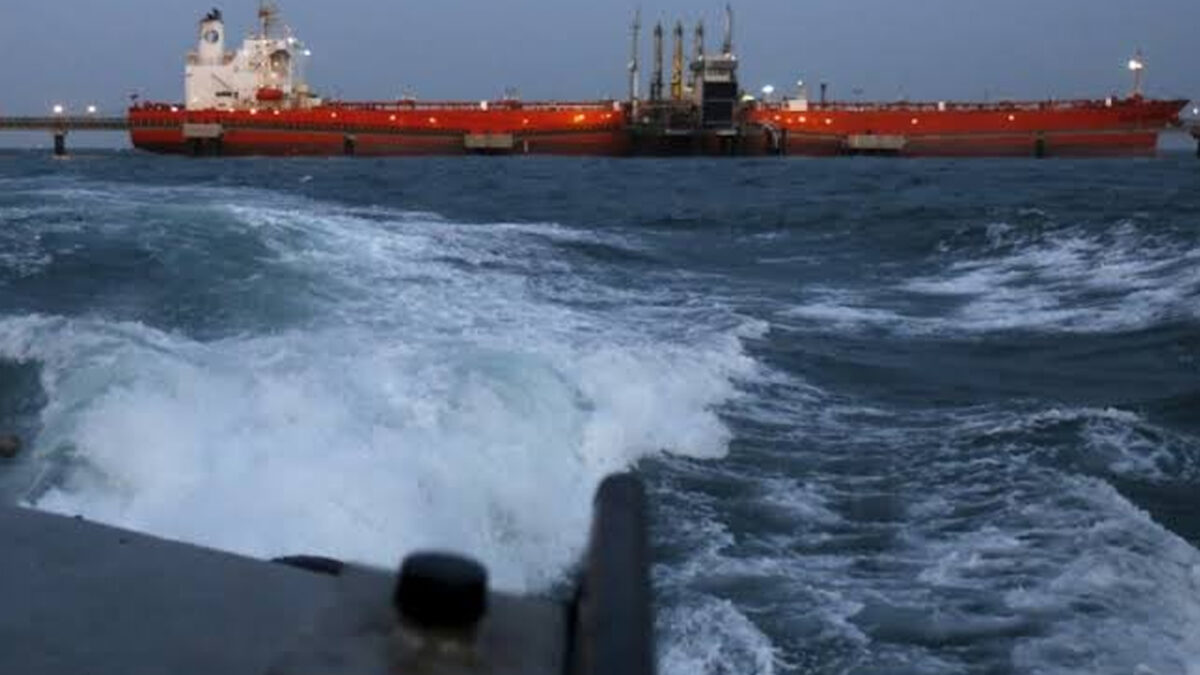
US chases third Venezuelan oil tanker

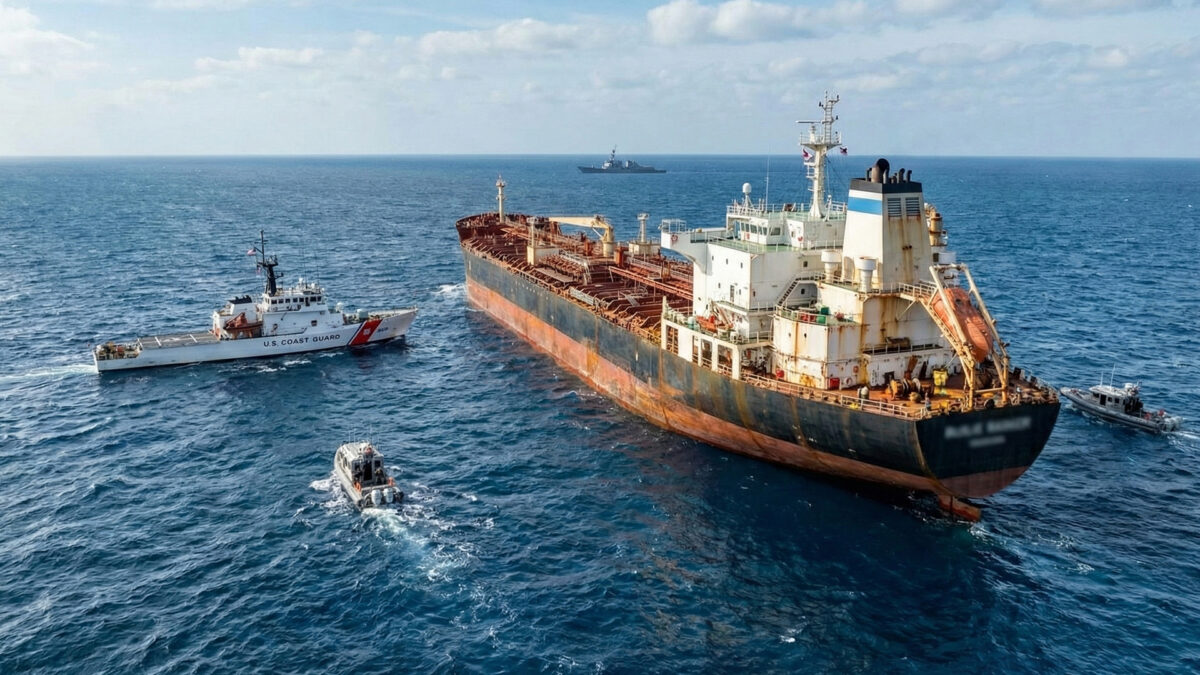
The US Coast Guard is actively pursuing an oil tanker in international waters near Venezuela, marking the third such interception attempt in less than two weeks, officials said. The vessel,  identified by maritime trackers as the Bella 1,  is part of what Washington calls Venezuela’s “dark fleet” of ships accused of helping the South American nation evade sanctions. The tanker is reportedly flying a false flag and is under a US judicial seizure order, though it had not been boarded at the time of reporting.

The pursuit follows recent seizures of other tankers believed to be involved in transporting Venezuelan crude in defiance of sanctions. On December 10, the Coast Guard seized the large tanker Skipper, sanctioned for its alleged involvement in sanctions‑evasion networks. A second vessel, the Centuries, was intercepted and boarded by US forces just days ago.

These operations form part of a blockade ordered by the US president on all sanctioned oil tankers entering or leaving Venezuelan waters. The administration has positioned the crackdown as an effort to enforce sanctions on the Venezuelan government and cut off revenue it claims supports illicit activities, including narcotics trafficking and terrorism.

Officials argue that targeting these tankers is necessary to prevent sanctions evasion and deny revenue to Venezuelan President Nicolás Maduro’s government. They also assert that the actions are unlikely to significantly affect domestic oil prices, though global crude benchmarks rose modestly in early Asian trading amid the tensions.

The intensified maritime operations are occurring alongside a broader military presence in the Caribbean, including air and naval assets deployed under what officials describe as efforts against drug trafficking and sanctions runners. Critics,  including some lawmakers and international commentators, warn that the blockade and interceptions could increase geopolitical risks and strain diplomatic relations.

Venezuela’s government has condemned these actions as illegal and tantamount to piracy, promising to challenge the moves through international bodies such as the United Nations. Maduro has reiterated that Venezuela will continue its oil trade in the face of pressure.

Also Read: AI’s next leap will be memory, not reasoning, says Sam Altman

Categories
Beyond

Venezuela oil exports drop after US tanker seizure

Venezuela’s oil exports have fallen sharply after the United States seized an oil tanker carrying Venezuelan crude, triggering fresh tensions between the two countries.

The tanker, named Skipper, was taken over by US authorities earlier this week in what Washington described as an enforcement action linked to sanctions on Venezuela. Following the seizure, several ships waiting to load or transport Venezuelan oil have either halted operations or remained anchored, fearing similar action.

As a result, millions of barrels of crude and fuel are now stuck at sea, and daily oil exports from Venezuela have dropped significantly. At present, only shipments handled by U.S. energy major Chevron—operating under a special licence from Washington—are continuing normally.

Venezuela’s government strongly criticised the move, calling it illegal and accusing the US of “stealing” its oil. Officials said they would raise the issue with international bodies and warned that the action would worsen already strained relations between the two nations.

The seizure comes amid tighter US pressure on President Nicolás Maduro’s government, including new sanctions on shipping companies and vessels linked to Venezuelan oil trade. The United States has said the measures are meant to push for democratic reforms in Venezuela.

Political tensions have also intensified after opposition leader Maria Corina Machado travelled abroad to receive a Nobel Peace Prize. From overseas, she renewed calls for political change in Venezuela, while the Maduro government accused foreign powers of backing efforts to destabilise the country.

Together, the tanker seizure and diplomatic fallout have dealt a fresh blow to Venezuela’s oil-dependent economy and deepened its standoff with Washington.

Also Read: OpenAI introduces GPT‑5.2 to stay ahead of AI rivals