Categories
Corporate

Sensex advances 100 points, Nifty edges above 25,800

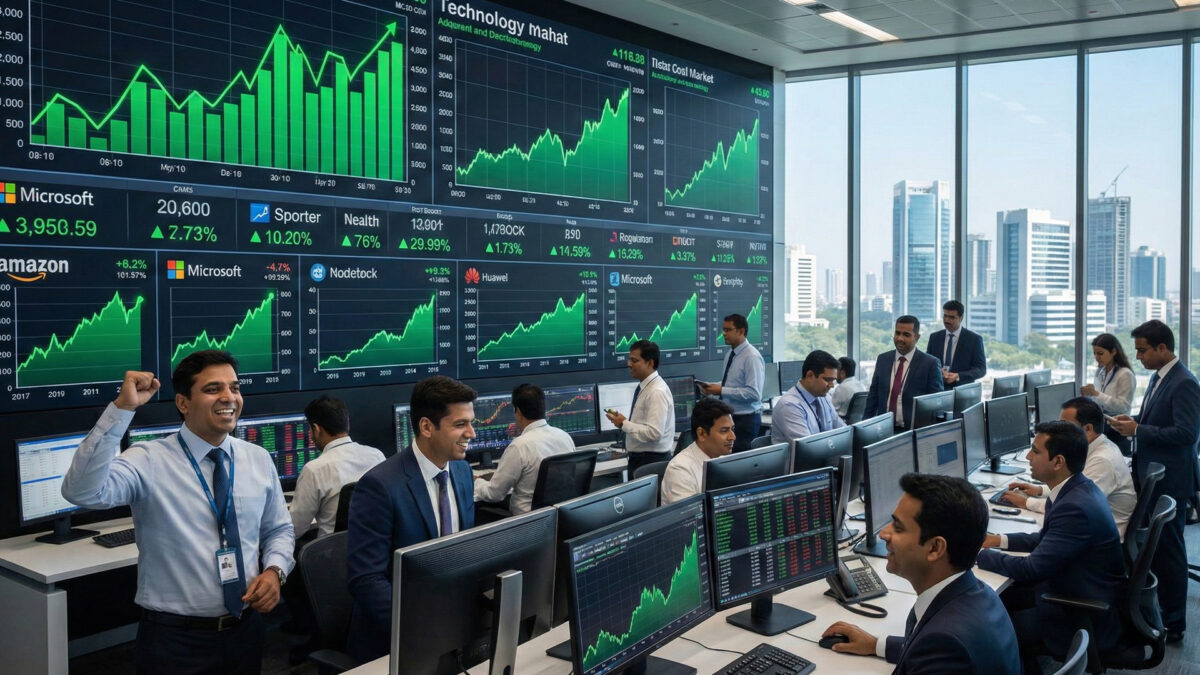
The equities opened higher on Thursday, where the Sensex rose over 100 points in early trade, while the Nifty moved nearly 40 points higher to stay above the 25,800 mark. It tracked the positive global sentiment after the US Federal Reserve cut interest rates by 25 basis points. Buying was visible across metals, auto, banking, IT and real estate stocks, with traders noting that the market, though cautious at the open, strengthened as expectations of improved global liquidity took hold.

Metals led the early advance, supported by firm global commodity prices. Among the key gainers at 9:30 AM were DCM Shriram, which climbed 5.70 percent, JSW Holdings, BSE, Kaynes Technology India and ACME Solar Holdings, all rising between 2 and 3 percent.

On the other hand, pressure persisted in select counters. Tata Teleservices (Maharashtra) fell 4.08 percent at 9:34 AM, followed by declines in Godfrey Phillips India, Transformers & Rectifiers (India), Balrampur Chini Mills and Go Digit General Insurance.

Profit-booking in consumer-focused and midcap stocks capped the market’s overall upside. IndiGo also slipped more than 2 percent after the airline lowered its quarterly capacity and revenue guidance.

Analysts said volatility is likely to continue through the session, with global cues remaining the key driver. They added that while the Fed’s rate cut offers short-term relief, domestic triggers will be essential to sustain further gains in the broader market.

Also Read: Sensex slips 275 points, Nifty closes near 25,750

Categories
Corporate

Sensex slips 275 points, Nifty closes near 25,750

Indian stock markets closed lower on Wednesday wherein the BSE Sensex fell by about 275 points, while the Nifty 50 ended below 25,800. Mid-cap and small-cap stocks also slipped, showing weakness in the broader market.

Among the Nifty 50 stocks, Eicher Motors, Hindalco, Tata Steel, HDFC Life, and Adani Ports emerged as the top gainers. Metal stocks outperformed the broader market on the back of firm global commodity prices and bargain buying.

On the losing side, InterGlobe Aviation (IndiGo) saw strong selling pressure and ended among the top losers. Zomato (Eternal), Trent, Bharti Airtel, and Apollo Hospitals also declined, dragging the benchmark indices lower.

Sector-wise, IT, banking, realty, capital goods and consumer durables stocks recorded losses of 0.5–1%. The metal sector bucked the trend and ended higher, while oil and gas and pharma stocks closed with modest gains.

Analysts said market sentiment remains fragile amid uncertainty over global interest rate trends and foreign fund flows. Investors are expected to stay cautious in the near term, tracking global cues, currency movement and upcoming central bank decisions.

Also Read: Sensex jumps 250 points, Nifty crosses 25,900

Categories
Technology

Microsoft to invest $17.5 billion for India’s AI future

Microsoft has announced a massive $17.5 billion investment in India, aiming to make the country a global hub for artificial intelligence (AI) and cloud technology. Spread over 2026–2029, this is the company’s largest-ever investment in Asia and a clear signal of India’s growing importance in the global tech landscape.

This commitment comes on top of a $3 billion investment earlier this year, bringing Microsoft’s total funding in India to $20.5 billion. CEO Satya Nadella expressed gratitude to Prime Minister Narendra Modi, calling India a “land of immense AI opportunity.”

The investment will focus on several key areas. Microsoft plans to set up state-of-the-art hyperscale data-centres, including a new cloud region in Hyderabad, expected to go live by mid-2026. These will provide faster, reliable cloud access to businesses, startups, and government agencies across the country.

A significant part of the plan is the rollout of sovereign cloud services — secure, locally managed public and private clouds tailored to India’s compliance and security requirements.

Microsoft also aims to train 20 million Indians in AI and digital skills by 2030, partnering with governments and industry groups. AI will also be integrated into public platforms like e-Shram and the National Career Service, potentially benefiting over 310 million informal workers with job matching, skill forecasting, résumé-building, and multilingual support.

The investment has drawn praise from government officials. IT Minister Ashwini Vaishnaw said it reflects India’s growing stature as a trusted technology partner. Puneet Chandok, Microsoft President for India & South Asia, said the move will “build infrastructure, spark innovation, and empower a billion dreams.”

Experts say the funding could accelerate India’s digital transformation, create new jobs, and strengthen the country’s position as a hub for AI and cloud technology. By combining infrastructure, skills development, and public services, Microsoft’s plan could reshape India’s tech ecosystem and make AI accessible at a population scale.

Also Read: Swiggy raises ₹10,000 crore through fresh share sale

Categories
Corporate

Swiggy raises ₹10,000 crore through fresh share sale
Swiggy, India’s leading food and grocery delivery platform, has kicked off a ₹10,000 crore Qualified Institutional Placement (QIP) to raise funds from institutional investors. The floor price for the shares is set at ₹390.51, and reports indicate that investor demand is already strong, with the subscription book fully covered.

The company is offering 269.5 million new shares, roughly 10.8% of its pre‑issue equity base. This is Swiggy’s first major capital-raising effort since its IPO in November 2024, which raised around ₹11,327 crore. Analysts say the fresh capital gives the company the firepower to scale operations and strengthen its foothold in India’s competitive food-tech market.

Swiggy plans to channel the funds into expanding its delivery network, upgrading technology systems, and boosting its quick-commerce services, including groceries and essentials. The company has already been investing in warehouses and dark stores nationwide to ensure faster, more reliable deliveries. The QIP also gives Swiggy financial flexibility for strategic initiatives, including potential acquisitions.

The strong response from domestic and international institutional investors signals confidence in Swiggy’s growth strategy. Industry experts see the move as a vote of trust in the company’s ability to capture a larger share of India’s booming online food and grocery delivery market.

Facing competition from rivals like Zomato and Dunzo, Swiggy’s diversified services and quick-commerce focus provide a clear edge. With this infusion, the company aims to improve efficiency, expand coverage, and innovate further in the digital delivery space.

This QIP marks a key milestone, reinforcing Swiggy’s position as a market leader and preparing it to meet the rising demand for online food and grocery deliveries across India.

Also Read: Hinge CEO steps down to lead new AI dating app

Categories
Leaders

Hinge CEO steps down to lead new AI dating app

Justin McLeod, founder and Chief Executive Officer of Hinge, has stepped down from his role to lead a new artificial intelligence-powered dating startup. The move marks a major leadership transition at one of the most recognised relationship-focused dating platforms and signals the growing influence of AI in the online dating industry.

McLeod, who founded Hinge in 2011, will now head a new company called Overtone. The upcoming app is designed to move beyond traditional swipe-based dating by focusing on voice, personality and compatibility rather than just photos. It aims to help users form more meaningful connections through AI-driven matching and voice-first interactions.

Overtone has been in development for more than a year and has received early-stage funding from Match Group, the parent company of Hinge. While Match Group has backed the venture and plans to participate in future funding rounds, Overtone will operate independently. Match Group will retain a significant ownership stake in the new company.

Leadership at Hinge will now pass to Jackie Jantos, who previously served as President and Chief Marketing Officer. She joined Hinge in 2019 and has played a key role in expanding the platform’s global presence and strengthening its appeal among younger users. McLeod will continue to advise the company during a transition period to ensure operational continuity.

Hinge gained popularity with its positioning as “the dating app designed to be deleted,” promoting long-term relationships instead of casual matches. McLeod intends to carry this philosophy forward with Overtone, using AI and voice technology to make digital dating more human and authentic.

Industry observers view this shift as part of a wider trend in the sector, with dating platforms increasingly investing in artificial intelligence to improve matchmaking quality and user experience. The launch of Overtone reflects changing user preferences and growing demand for more meaningful digital interactions.

This leadership change represents a strategic pivot for Hinge and highlights the evolving future of AI-driven dating platforms.

Also Read: Blinkit CEO warns fast-delivery boom faces reality check

Categories
Beyond

Trump signals potential tariffs on Indian rice

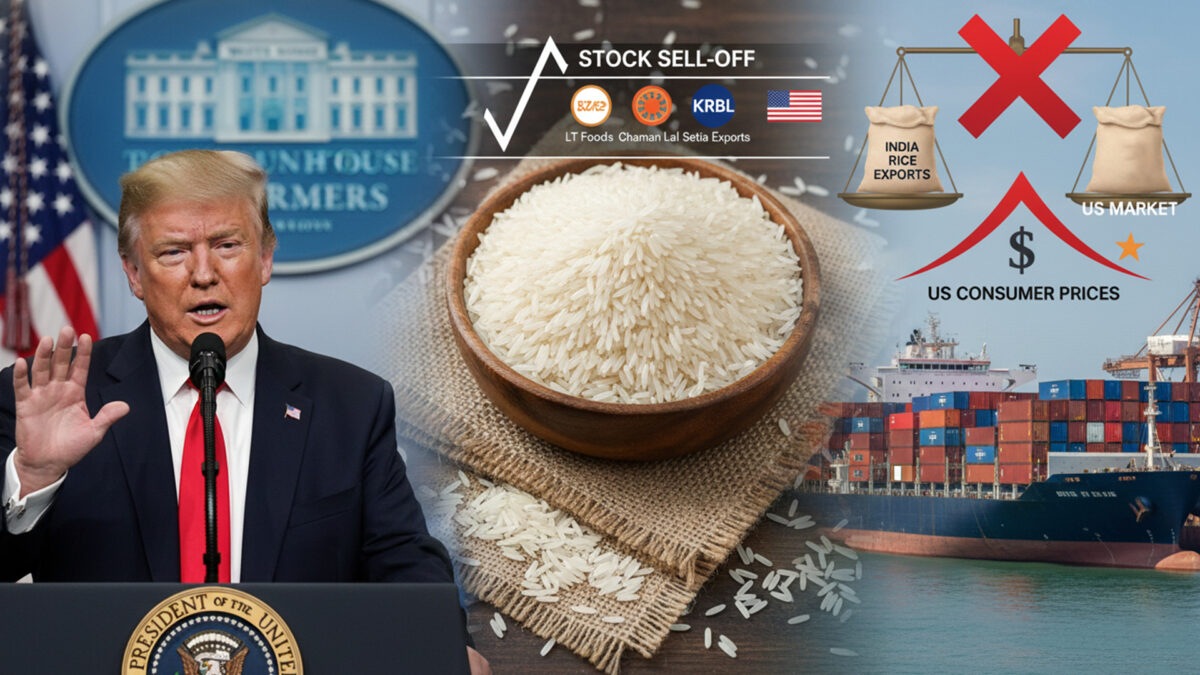
US President Donald Trump has suggested that the United States may impose additional tariffs on rice imports from India, citing concerns that Indian rice is being “dumped” at low prices. Speaking at a White House roundtable with US agricultural representatives, he questioned why India is allowed to export rice to the US and indicated that new duties could address the issue.

India already faces some of the highest tariffs globally on rice exports. Despite this, Indian rice—especially premium basmati—remains strong in the US market. According to the Indian Rice Exporters Federation (IREF), India exported around 274,213 metric tonnes of basmati rice, valued at US $337 million, and 61,341 metric tonnes of non-basmati rice, worth US $54.6 million, to the US in 2024–25.

IREF notes that Indian rice appeals to ethnic communities in the US, who prefer its aroma, texture, and cooking quality—qualities that US-grown rice often cannot match. Analysts say any new tariffs would likely have minimal impact on Indian exporters but could increase prices for US consumers. Many experts view Trump’s remarks as politically motivated, aimed at domestic farm interests ahead of upcoming elections rather than as a major shift in trade policy.

Market observers highlight that Indian rice exporters have diversified global markets, ensuring resilience against potential US trade restrictions. While US producers may gain politically from tariff discussions, the economic burden is expected to fall more on consumers than on Indian exporters.

This development underscores the complexity of global trade, where political moves, domestic industry pressures, and international demand intersect. Despite the uncertainty, Indian rice exporters remain confident in sustaining growth, supported by strong overseas demand, premium positioning, and established supply chains.

Also Read: CCI likely to probe IndiGo after flight chaos

Categories
Beyond

CCI likely to probe IndiGo after flight chaos

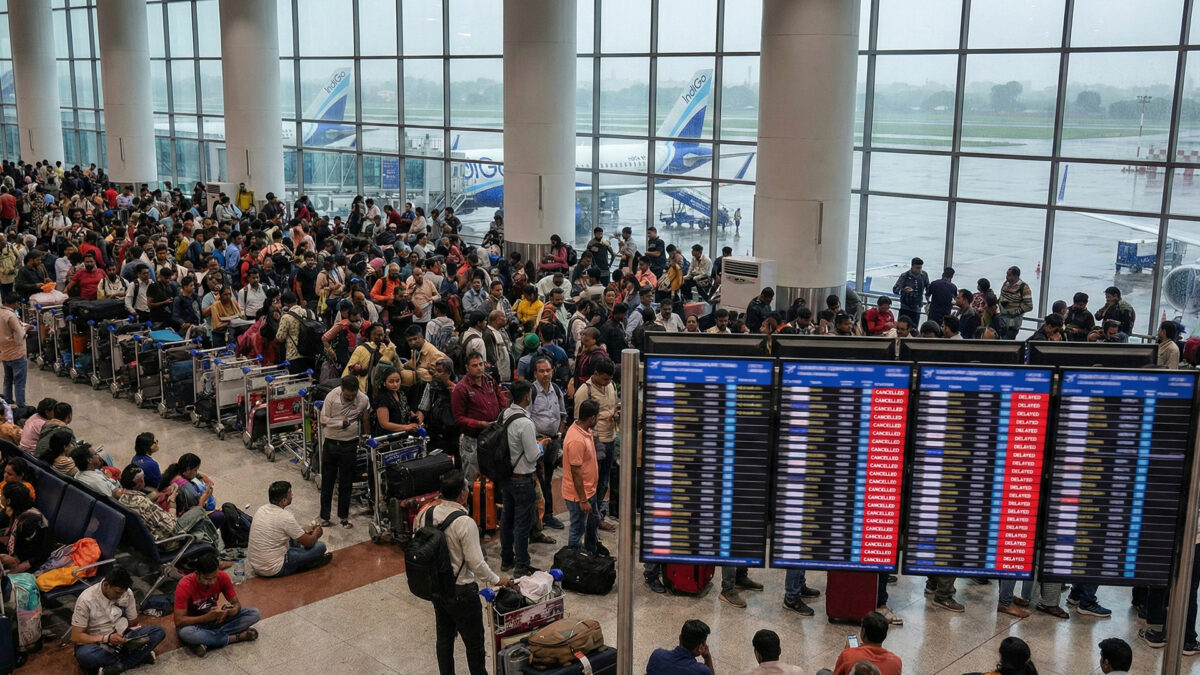
IndiGo is facing fresh regulatory and legal trouble as the Competition Commission of India (CCI) is likely to launch a formal inquiry into the airline’s business practices. The move comes after IndiGo cancelled more than 5,000 flights in recent weeks due to severe crew shortages and operational disruptions.

The CCI is examining whether IndiGo, which holds nearly 65% of India’s domestic aviation market, may have misused its dominant market position and caused inconvenience to passengers by limiting services or imposing unfair conditions. If the regulator finds a prima facie case, a detailed antitrust investigation could follow.

At the same time, the Directorate General of Civil Aviation (DGCA) has intensified its scrutiny of the airline. The aviation regulator issued a show-cause notice to senior management after repeated flight disruptions linked to the implementation of new pilot duty and rest norms.

Adding to pressure, the Indian government has ordered airlines, including IndiGo, to cut flight operations by 5–10% to stabilise schedules and reduce passenger inconvenience. This has brought IndiGo’s stock into sharp focus in the markets.

If the CCI proceeds with a full probe and finds violations, IndiGo could face financial penalties, operational restrictions, and tighter regulatory oversight. The situation has raised wider concerns about India’s dependence on a single dominant airline and the need for stronger competition in the aviation sector.

Also Read: Neochem Bio shares spike 10% on market debut

Categories
Beyond

Gold at ₹1,29,430, silver climbs to ₹1,90,900

Gold prices edged lower slightly in early trade on Wednesday. The price of 24-carat gold fell by ₹10 and was trading at ₹1,29,430 per 10 grams. At the same time, silver prices moved in the opposite direction, rising by ₹100 to trade at ₹1,90,900 per kilogram.

The price of 22-carat gold also slipped by ₹10 and was quoted at ₹1,18,640 per 10 grams.

Gold rates differed across major cities. In Delhi, 24-carat gold was priced at ₹1,29,580 per 10 grams. In Mumbai and Kolkata, it was available at ₹1,29,430 per 10 grams. In Chennai, the price was slightly higher at ₹1,30,090 per 10 grams.

Market experts say the small fall in gold prices is due to mixed global trends and cautious buying by investors. International factors such as movements in the US dollar and expectations around interest rates are influencing gold prices.

Silver, however, showed some strength and moved up as demand remained steady, especially from industrial sectors.

Overall, the bullion market remained stable, with only minor changes in prices. Buyers and investors are closely watching global market signals and currency movements to understand the future trend in gold and silver prices.

Also Read: Sensex jumps 250 points, Nifty crosses 25,900

Categories
1 Minute-Read

Neochem Bio shares spike 10% on market debut

Neochem Bio Solutions made a strong start on the stock market on Tuesday. Its shares opened at ₹108 each, marking a 10.2% premium over the IPO price of ₹98. The stock later rose to ₹111.20, giving early investors quick gains.

The company raised ₹44.97 crore through its IPO, issuing 45.88 lakh new shares. Funds from the IPO will be used for working capital, repaying borrowings, and general corporate purposes.

The IPO was highly subscribed, with overall demand 15.5 times the issue size. Qualified institutional buyers applied for 21.97 times, non-institutional investors for 21.15 times, and retail investors for 9.42 times of the shares offered.

Neochem Bio Solutions produces specialty performance chemicals for industries like textiles, home and personal care, water treatment, paints, construction, and more, with a portfolio of over 350 chemical formulations.

Categories
Leaders

Blinkit CEO warns fast-delivery boom faces reality check

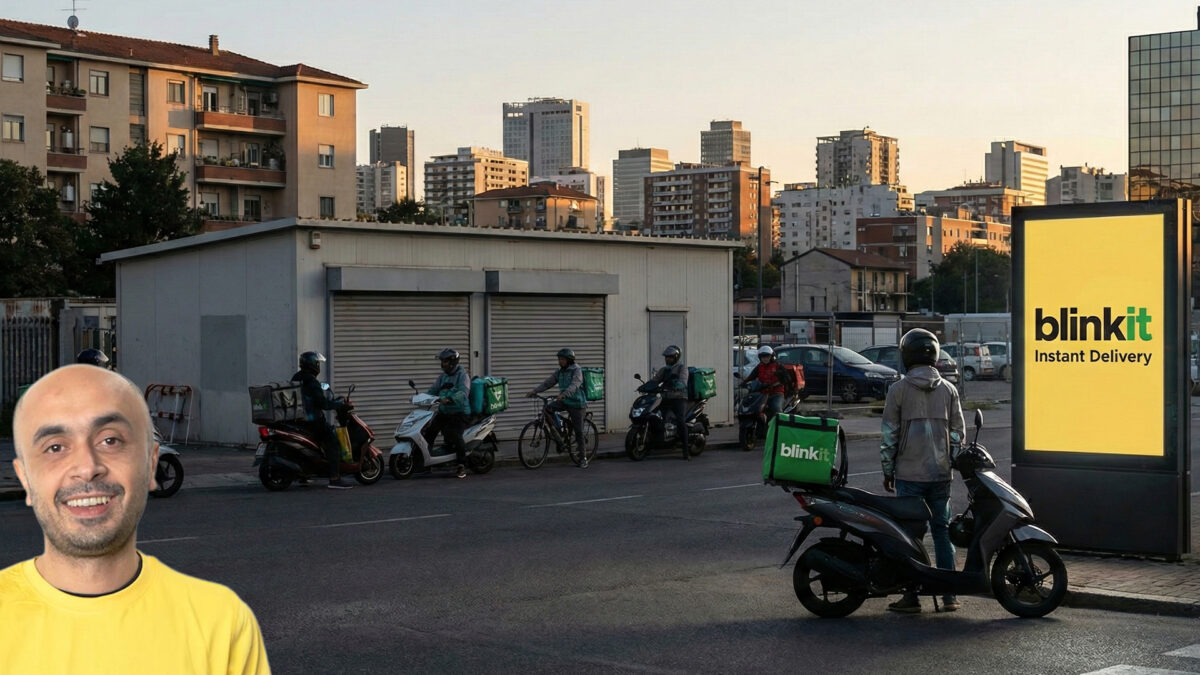
Blinkit CEO Albinder Dhindsa has sounded a clear warning to the fast-growing quick-commerce sector, saying a major correction is on the way as the industry struggles with high costs and relentless competition.

Speaking about the current state of India’s instant-delivery market, Dhindsa said the business has been driven too long by aggressive discounting and heavy cash burn, creating an unhealthy race for growth. He believes this model is not sustainable and that the sector will soon be forced to reset.

“We are at a point where realism has to come in,” he indicated, stressing that companies must focus on strong fundamentals instead of chasing headlines and unrealistic delivery promises.

Dhindsa pointed out that running dark stores, managing high-speed logistics and meeting 10–20 minute delivery promises come at a steep cost. As investors become more cautious and funding becomes tighter, weaker players may struggle to survive.

From a leadership perspective, Dhindsa’s message is about responsibility and long-term thinking. He emphasised that growth should not come at the cost of financial discipline. Blinkit, he said, is working on building a more sustainable model by strengthening local sourcing, improving supply chain efficiency and supporting small suppliers.

Industry observers believe this warning from one of the sector’s leading voices signals a possible consolidation phase, where weaker firms may either shut down or be absorbed by stronger companies.

For consumers, this may eventually mean fewer deep discounts, but more reliable services and realistic pricing,  creating a healthier ecosystem for everyone involved.

Also Read: Telangana Global Summit sees ₹2.5 lakh cr investments