Categories
Corporate

Sensex tumbles 436 points, Nifty slips below 25,850

The equity markets fell sharply on Tuesday, with the BSE Sensex losing 436 points to close at 84,666, while the Nifty 50 dropped 120 points to end at 25,839. Investor caution ahead of the U.S. Federal Reserve’s policy decision, foreign fund outflows, and a weakening rupee weighed on sentiment.

Among the top losers, Asian Paints Ltd. slumped nearly 4.5%, Tech Mahindra Ltd. fell about 1.8%, and InterGlobe Aviation Ltd. dropped 1.8%. Information technology and auto stocks led the broader decline.

On the upside, buying interest was seen in public-sector banks and select realty and consumer-durables stocks. Titan Company Ltd. rallied 2.4%, Adani Enterprises Ltd. rose 1.5%, and Shriram Finance Ltd. gained 1.3%.

Traders also cited volatility ahead of the Nifty futures expiry as a factor behind cautious trading. Analysts expect markets to remain range-bound until clarity emerges on global cues, currency trends, and domestic fund flows.

In corporate news, the ICICI Prudential Asset Management Company IPO is set to open on December 12, with a price band of ₹2,061–₹2,165, which may attract investor attention in the coming sessions.
Categories
Beyond

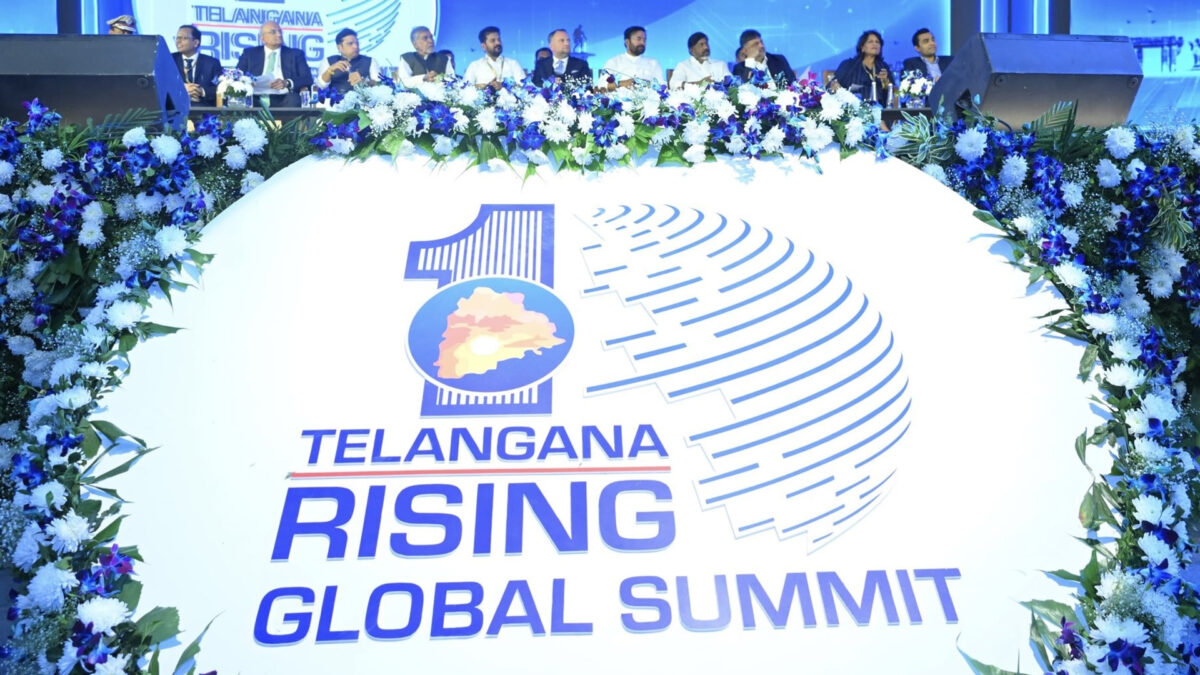
Telangana Global Summit sees ₹2.5 lakh cr investments

The first day of the Telangana Rising Global Summit saw investment commitments of around ₹2.43–2.5 lakh crore, drawing global investors, industry leaders, and policymakers to explore opportunities across deep technology, renewable energy, aerospace, infrastructure, and urban development.

A standout announcement came from Trump Media & Technology Group, which pledged ₹1 lakh crore (about US $10 billion) for the development of Bharat Future City, a net-zero smart urban hub in South Hyderabad. The project highlights the summit’s focus on sustainable urbanization and advanced infrastructure.

Other major commitments included ₹1.04 lakh crore in deep tech and infrastructure led by Brookfield–Axis Ventures, ₹39,700 crore in renewable energy, including ₹31,500 crore from Evren‑Axis Energy for solar and wind projects, and ₹8,000 crore from MEIL Group for solar, pumped storage, and EV-linked infrastructure. GMR Group pledged ₹15,000 crore for aviation, cargo, and logistics as part of the ₹19,350 crore investment in aerospace, defence, and logistics, while advanced manufacturing and core industries attracted ₹13,500 crore focused on electronics, specialized components, and hydrogen technologies.

Over 35 Memorandums of Understanding (MoUs) were signed, reflecting strong interest in Telangana’s industrial and urban growth. Officials said the investments align with Vision 2047, aimed at transforming the state into a major economic and innovation hub with balanced growth across urban, peri-urban, and rural areas, while promoting employment, sustainable development, and technology adoption.

Industry experts noted that the summit highlights Telangana’s rising profile as a preferred destination for global investment, particularly in green energy, high-tech industries, and urban infrastructure. The announced projects are expected to boost industrial output, create jobs, and advance sustainable urban development.

Also Read: Paramount’s $108 billion bid sparks WBD takeover battle

Categories
Corporate

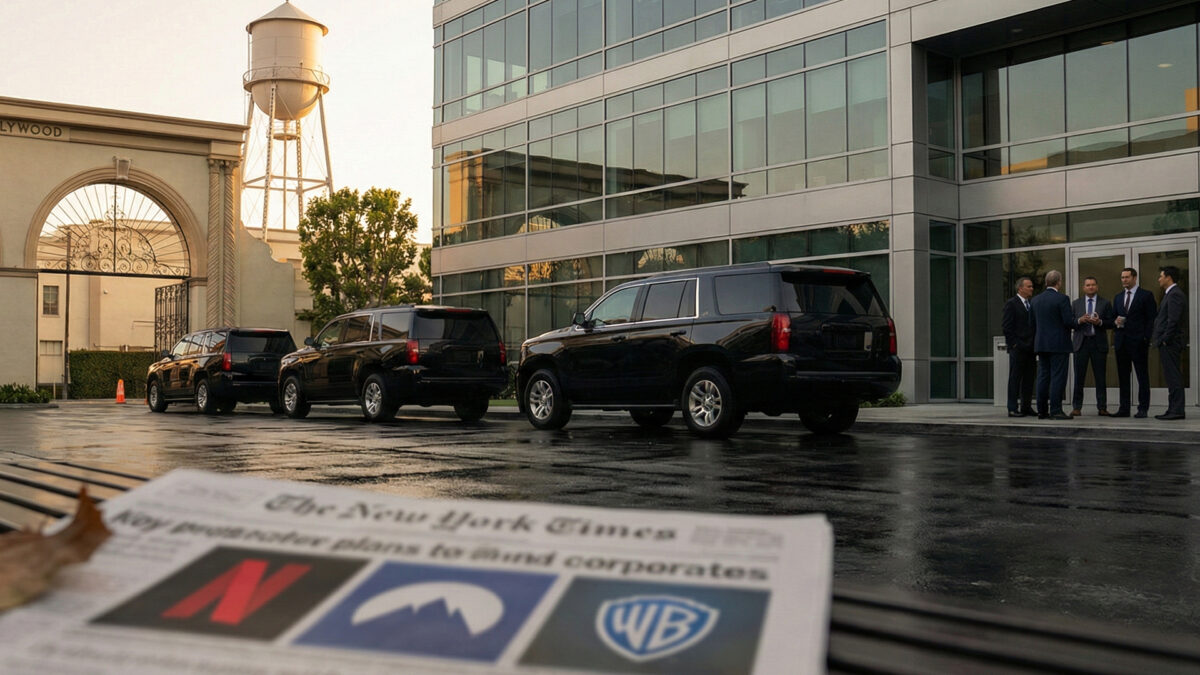
Paramount’s $108 billion bid sparks WBD takeover battle

In a step that has taken Hollywood by surprise, Paramount Global has launched a bold $108.4 billion hostile takeover bid for Warner Bros. Discovery (WBD), turning an already tense media landscape into a high-stakes corporate drama.

Paramount has offered $30 per share in all cash directly to WBD shareholders, bypassing the company’s management. This aggressive move comes just days after WBD agreed to a proposed merger with Netflix, a deal valued at around $83 billion. Paramount says its offer is “clearly superior” because it delivers higher value and guarantees immediate cash for investors.

For shareholders, the pitch is simple: more money, less uncertainty. Paramount argues that its proposal avoids the risks linked to stock-based mergers and complicated restructuring plans, while keeping WBD’s entire business, movies, TV studios, cable networks and international channels, under one roof.

The bid has intensified the power struggle among global media giants, who are fighting to survive and dominate in a world rapidly shifting from traditional television to streaming. With audience habits changing and competition increasing, companies are looking for size, scale and strong content libraries to stay relevant.

However, the road ahead could be difficult. Such a large merger is likely to attract serious regulatory and antitrust scrutiny, especially in the US, where authorities closely watch media consolidation. Critics warn that combining two major studios could reduce competition and limit consumer choice.

WBD has confirmed it has received Paramount’s offer and is reviewing it. For now, the company continues to back its existing agreement with Netflix. The final outcome will depend on shareholders, regulators and how intense this bidding battle becomes in the coming weeks.

Also Read: Mahindra & Mahindra shares rise on 18% production jump

Categories
Corporate

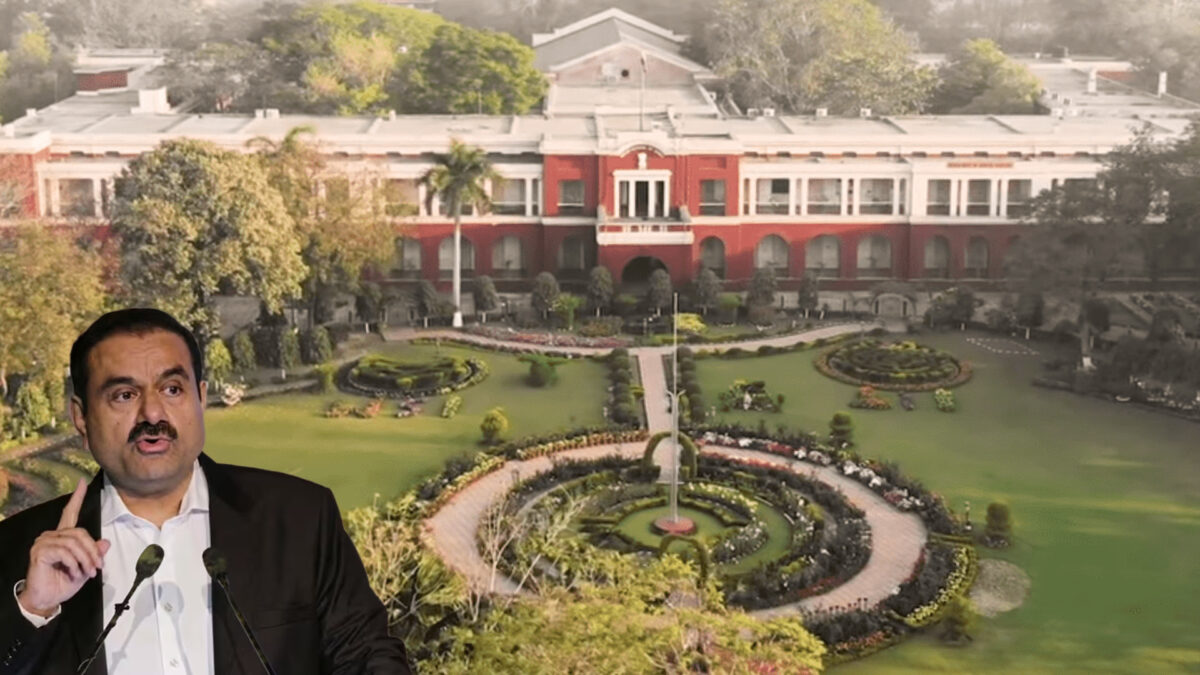
IIT Dhanbad hosts Adani’s USD 75 billion clean energy vision

At the 100th anniversary of IIT (ISM) Dhanbad on December 9, Gautam Adani, chairman of the Adani Group, laid out a bold vision for India’s clean-energy future. He announced that his group plans to invest over USD 75 billion in the next five years to accelerate the country’s energy transition, making India a global leader in renewable power.

Adani revealed that the first 10 gigawatts of renewable energy under this programme have already been commissioned. He outlined plans to build the world’s largest renewable energy park at Khavda, Gujarat, covering 520 square kilometres. Once fully operational by 2030, the park is expected to generate 30 GW of green energy, enough to power over 60 million Indian homes annually.

He described this as a push for “the world’s lowest-cost green electron,” aiming to set a global benchmark in energy transition. Adani urged students and young engineers to recognize the historic opportunity: as industries worldwide move toward decarbonisation, sectors like steel, hydrogen, manufacturing, and digital infrastructure will increasingly rely on clean energy.

Beyond energy, Adani announced two major initiatives for IIT Dhanbad students. The Adani Annual Internship Programme will provide 50 paid internships every year to third-year students, with at least 25% likely to receive pre-placement offers. This gives students a direct pathway into one of India’s largest business groups.

In addition, the Adani 3S Mining Excellence Centre, in collaboration with TEXMiN, will offer a hi-tech ecosystem for research and training in responsible mining. Students will gain hands-on experience with drones, seismic sensing, metaverse labs, and precision blasting technologies, bridging classroom learning with real-world applications.

Adani concluded by urging students to understand the “language of the earth,” use natural resources wisely, and contribute to India’s rise through innovation and sustainable energy. With these initiatives, IIT Dhanbad students will be at the forefront of India’s green revolution while gaining valuable industry experience.

Also Read: Starlink India launches ₹8,600/month residential plan

Categories
Corporate

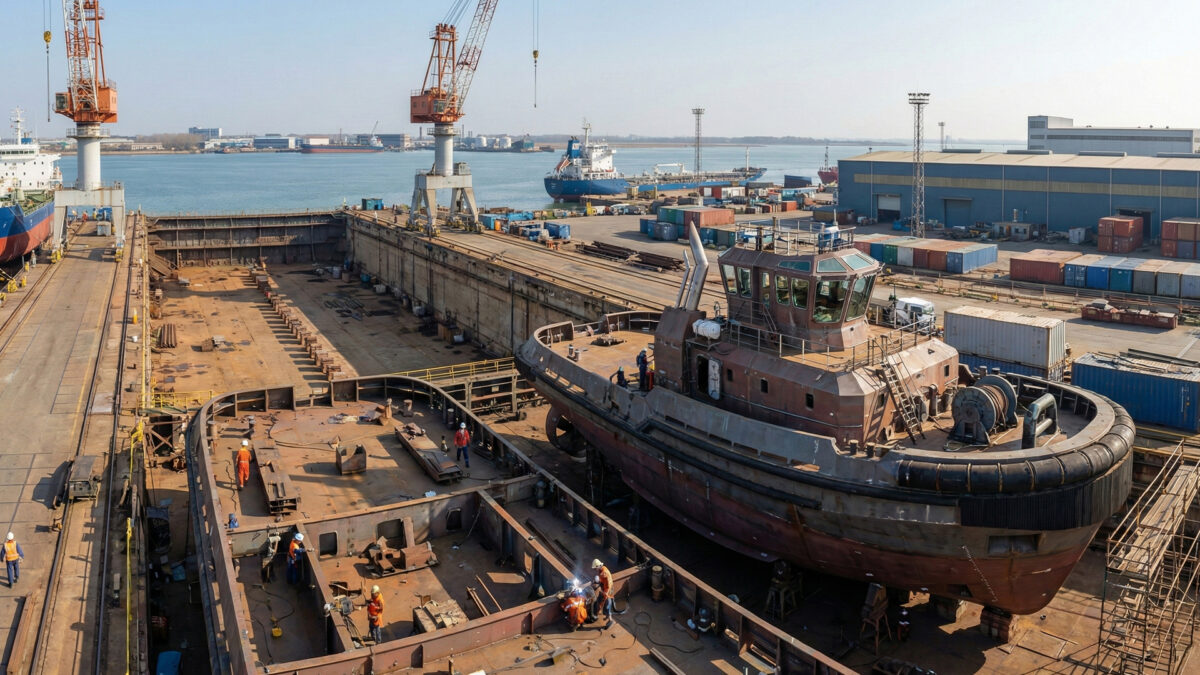
Cochin Shipyard gets electric tug order from Denmark’s Svitzer

Cochin Shipyard Ltd has secured an international contract to build four battery-electric tugboats for Denmark-based maritime services company Svitzer, marking a major milestone for India’s shipbuilding industry.

The electric tugboats will be constructed at Cochin Shipyard’s Kochi facility and are designed to support port operations by assisting large ships during docking and undocking. Unlike conventional diesel-powered vessels, these tugs will run fully on battery power, helping reduce carbon emissions, fuel consumption, and noise pollution in busy harbour areas.

This is one of the first major export orders for electric tugboats from India, highlighting the country’s growing expertise in building advanced and environmentally friendly vessels. The order strengthens Cochin Shipyard’s position as a key player in the global maritime manufacturing space.

The project also includes an option for Svitzer to place additional orders for more tugboats in the future, depending on operational requirements. Once completed, the vessels are expected to be deployed at international ports where Svitzer operates, supporting cleaner and more efficient port services.

Industry experts say the deal reflects increasing global trust in India’s engineering quality and production capabilities. It also aligns with India’s broader push to promote sustainable manufacturing and green technologies to modernise the maritime sector.

The contract is expected to create job opportunities and enhance skill development at the Kochi shipyard, while also supporting local suppliers and ancillary industries. With this order, Cochin Shipyard continues to expand its global footprint and strengthens India’s reputation as a reliable destination for high-tech shipbuilding and export-driven manufacturing.

Also Read: Starlink India launches ₹8,600/month residential plan

Categories
1 Minute-Read

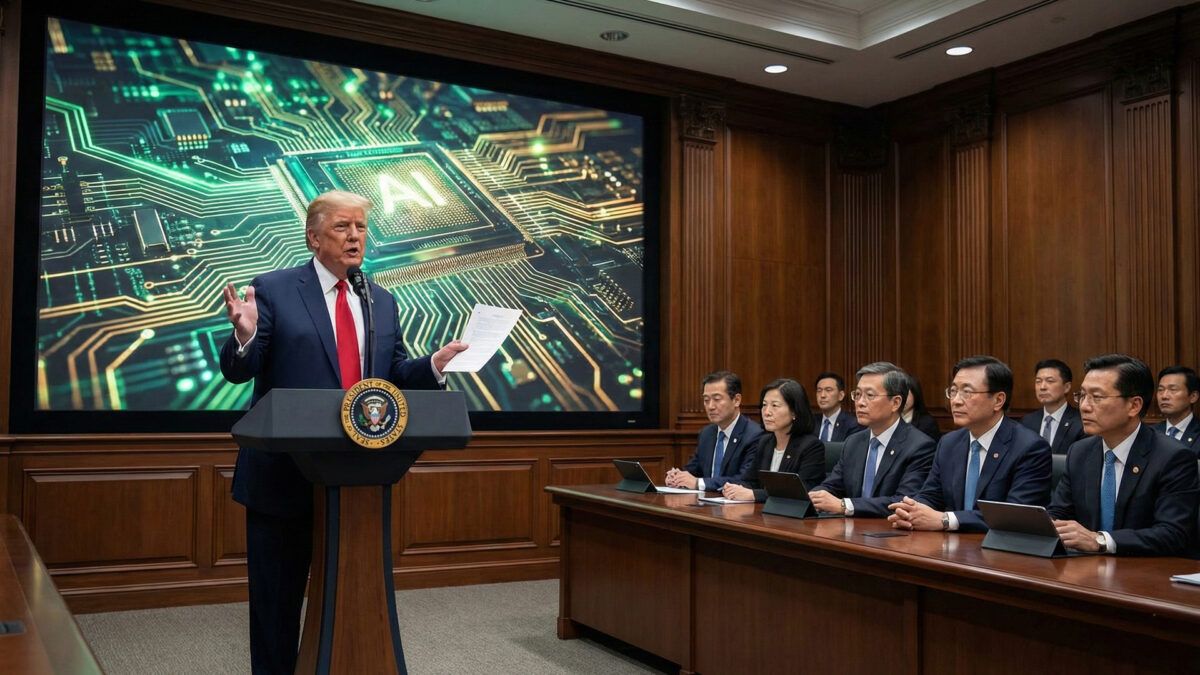
Trump approves Nvidia H200 AI chip sales to China

The US government, under former President Donald Trump, has cleared Nvidia to sell its powerful H200 AI chips to selected customers in China. These chips, designed for artificial intelligence and large-scale computing, were previously restricted from export due to security concerns.

As part of the approval, the US will receive 25% of the sales revenue. Nvidia welcomed the decision, saying it supports American manufacturing and jobs while maintaining safeguards. Investors responded positively, and experts note the move could accelerate Chinese AI development while benefiting the US economically.

Categories
Technology

Starlink India pricing leak sparks debate

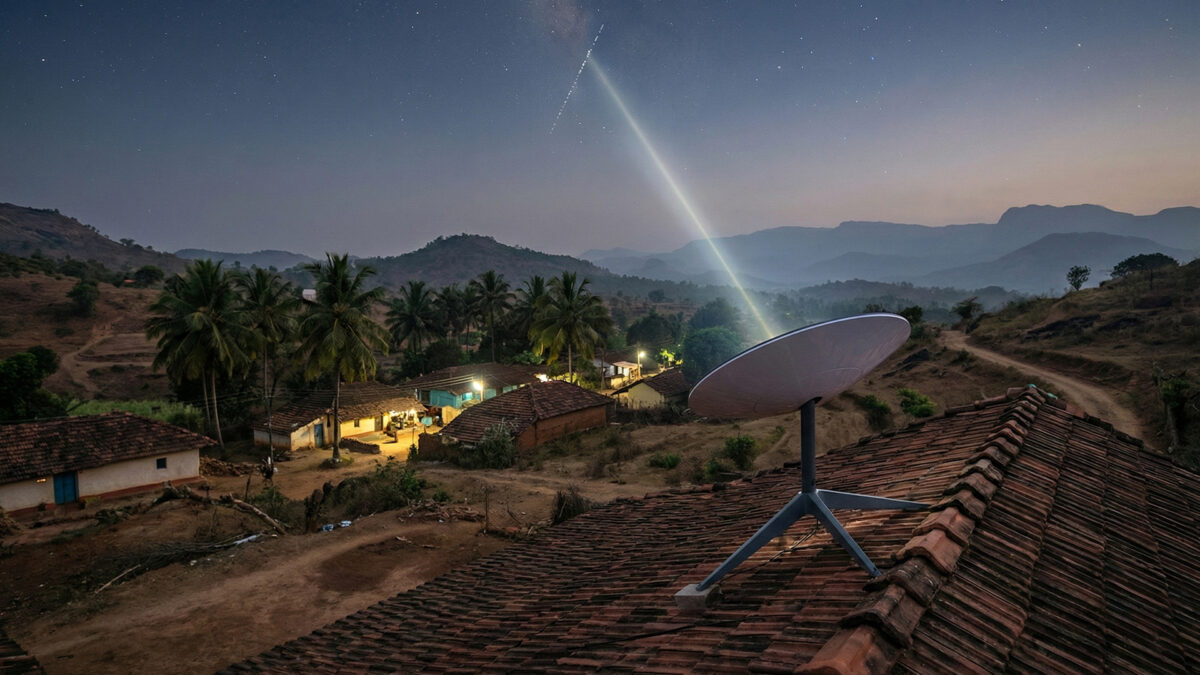
SpaceX-owned Starlink has briefly displayed pricing details for its residential satellite internet service in India, giving users their first official-looking glimpse of what the service could cost once launched. The prices appeared on Starlink’s website before being taken down, with the company later clarifying that these were not final and were shown due to a technical configuration issue.

According to the website listing, the residential plan was shown at a monthly subscription fee of around ₹8,600, along with a one-time hardware cost of about ₹34,000 for the Starlink kit, which includes the satellite dish, router and mounting equipment. The plan was shown as offering unlimited data and high-speed internet access, targeted especially at remote and rural areas where traditional broadband infrastructure is weak or unavailable .

The service promises low-latency, high-speed internet delivered via a network of low-earth orbit satellites, which can provide connectivity in difficult terrains such as hills, forests and isolated villages. The setup process is designed to be simple, with a “plug-and-play” installation that allows users to go online quickly after setting up the device at home.

However, Starlink clarified that the pricing shown on the website was not an official announcement. The company said the numbers appeared due to a configuration glitch and that the service is yet to receive full regulatory approvals in India. This means customers in India cannot yet place orders or subscribe to the service, and the final pricing could change when the commercial launch actually takes place .

Industry experts say that if these prices are close to the final rates, Starlink may primarily attract users in remote and underserved regions, government projects, emergency connectivity services, and businesses operating in difficult-to-reach locations. For urban users, the service may remain a premium alternative to fibre broadband and 5G.

For now, the pricing leak has sparked wide interest and debate about the future of satellite broadband in India, but customers will have to wait for official government clearances and a formal launch announcement before the service becomes available.

Also Read: IndiGo shares fall 7%, government reallocates slots

Categories
Corporate

IndiGo shares fall 7%, government reallocates slots

Shares of InterGlobe Aviation, the parent company of IndiGo, dropped nearly 7% on Monday, marking a seventh consecutive session of losses as investors reacted to ongoing operational turmoil and government intervention. The sell-off has wiped out over ₹30,000 crore in market capitalization, highlighting investor concerns over the airline’s ability to manage its operations and regulatory compliance.

The government has directed IndiGo to reduce about 5% of its daily flights, around 110 flights. amid widespread cancellations and delays. These freed slots are set to be reassigned to other carriers to ease passenger inconvenience during the busy winter season. Between December 1 and 8, IndiGo canceled more than 7.3 lakh bookings, issuing refunds totaling nearly ₹745 crore.

Civil Aviation Minister K Ram Mohan Naidu confirmed the curtailment, noting that the measure aims to prevent over-reliance on a single airline, which currently operates about 2,200 flights daily. The Directorate General of Civil Aviation (DGCA) has warned that further cuts may follow if operations remain inconsistent, and top executives, including the CEO and COO, may be summoned to explain operational lapses.

Analysts say the combination of operational disruptions, regulatory scrutiny, and potential penalties has significantly undermined investor confidence. Brokerages have revised price targets downward, while some caution that further volatility is likely until IndiGo stabilizes operations and restores passenger trust. Despite its dominant market share, the airline’s stock performance underscores the risks of operational and regulatory shocks in India’s aviation sector.

Also Read: Rupee slips, hovers around ₹90 against US dollar

Categories
Beyond

Rupee slips, hovers around ₹90 against US dollar

The Indian rupee remained under pressure on Tuesday, opening at ₹90.15 per US dollar before recovering slightly to around ₹89.99 in early trade. The local currency has been struggling to hold gains as multiple factors continue to weigh on investor sentiment.

A major reason for the rupee’s weakness is the strong demand for dollars from importers. India’s heavy import requirements, particularly in oil and machinery, keep pushing up the demand for foreign currency. At the same time, foreign investors are pulling funds out of Indian equities, creating additional pressure on the rupee. Uncertainty surrounding India–US trade negotiations has also made investors cautious, further affecting the currency’s performance.

Rising crude oil prices are another factor contributing to the rupee’s decline. Higher oil prices increase India’s import bill, adding stress to the currency. Analysts say that unless global crude prices stabilize, the rupee may continue to face downward pressure in the near term.

The weak rupee has also impacted the stock markets. At the opening, the BSE Sensex fell over 600 points (about 0.7%), while the NSE Nifty 50 declined nearly 0.9%, reflecting investor concerns over currency volatility and its effect on corporate earnings.

Market participants are closely watching developments in global trade, crude oil prices, and foreign capital flows for clues on the rupee’s direction. Experts advise businesses and investors to stay alert and adopt hedging strategies where possible, given the current volatility in the currency market.

With multiple domestic and global factors influencing the rupee, the currency is expected to remain volatile in the coming days. Investors will keep a close eye on government policies, trade developments, and international market trends to gauge the rupee’s movement.

Also Read: Gold rises to ₹1,30,430, Silver falls to ₹1,88,900

Categories
Beyond

Gold rises to ₹1,30,430, Silver falls to ₹1,88,900

On Tuesday, December 9, 2025, gold prices in India saw a modest rise, while silver experienced a small decline. Ten grams of 24-carat gold increased by ₹10, trading at ₹1,30,430. The 22-carat variant also rose by ₹10, reaching ₹1,19,560 per 10 grams. City-wise rates showed minor variations: in Delhi, 24-carat gold was priced at ₹1,30,580, while in Chennai it stood at ₹1,31,340. Similarly, 22-carat gold in Delhi was ₹1,19,710, and in Chennai ₹1,20,390. Other major cities like Mumbai, Kolkata, Bengaluru, and Hyderabad recorded 22-carat gold at ₹1,19,560.

In contrast, silver prices fell slightly. One kilogram of silver traded at ₹1,88,900 in Delhi, Mumbai, and Kolkata, while Chennai reported a higher rate of ₹1,97,900.

Globally, US gold prices also edged higher, reflecting cautious sentiment among investors. Spot gold increased by 0.1% to $4,194.83 per ounce, while US gold futures for December delivery rose 0.2% to $4,223.60 per ounce. Meanwhile, silver slipped 0.1% to $58.05 per ounce. Other precious metals saw gains, with platinum up 0.4% to $1,649.46 and palladium rising 0.6% to $1,473.32.

The movements in precious metal prices are often influenced by global economic conditions, currency fluctuations, and investor sentiment. In particular, traders are closely watching the US Federal Reserve’s upcoming policy meeting, where cautious signals on interest rates and monetary easing may affect gold and silver markets.

Overall, the early Tuesday session showed stability in gold with minor gains, while silver experienced a slight correction, reflecting a mixed but steady start for precious metals in India and abroad.

Also Read: Sensex falls 500 points, Nifty below 26,000