Categories
Beyond

India removes small-car relief in new fuel emission rules

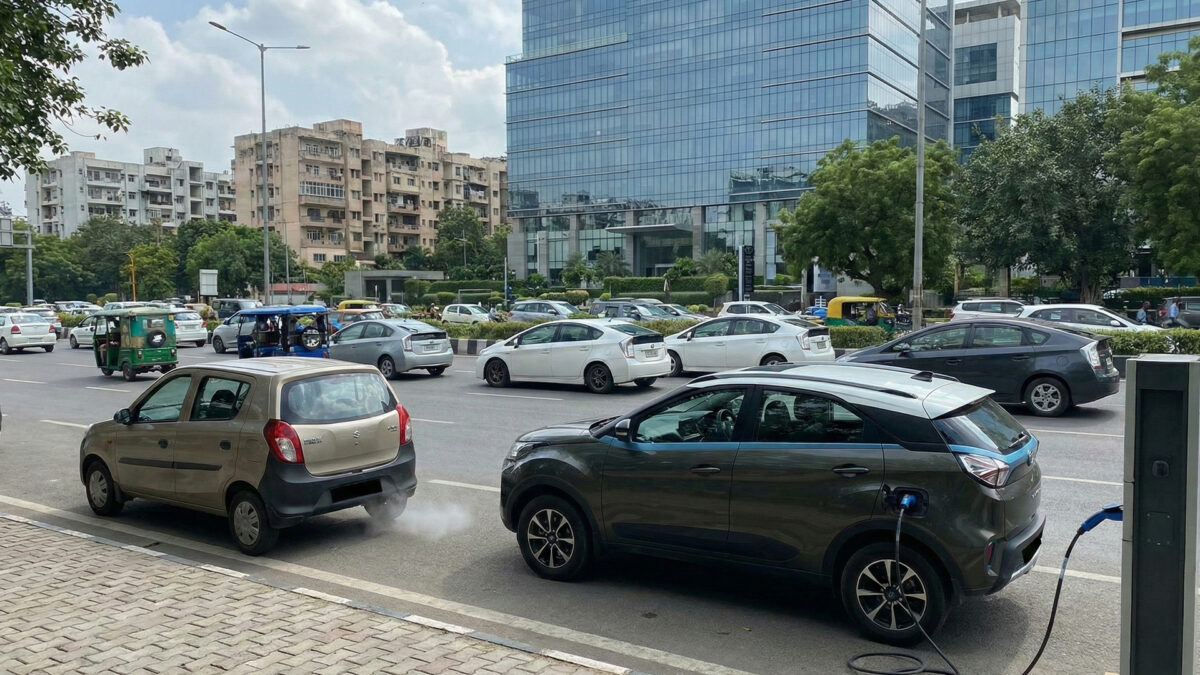
India has decided to drop the proposed special concession for small petrol cars in its upcoming fuel-efficiency and emission norms, following objections from several domestic automakers. The move is part of a revised draft of the Corporate Average Fuel Efficiency (CAFE) regulations, which will come into force from April 2027 and remain valid for five years.

Earlier, the draft rules had offered relaxed emission targets for petrol cars weighing 909 kg or less. This provision was strongly opposed by companies such as Tata Motors and Mahindra & Mahindra, which argued that it would unfairly favour one manufacturer that dominates the small-car segment. Industry executives said the concession would distort competition rather than promote genuine fuel-efficiency improvements.

After reviewing the feedback, the government removed the small-car exemption and introduced a more uniform framework. The revised draft tightens emission targets across the passenger vehicle segment and reduces the scope for weight-based advantages. All passenger vehicles with a gross weight of up to 3,500 kg will now be assessed under the same broad efficiency principles.

Under the new proposal, average fleet carbon dioxide emissions must fall steadily, reaching about 100 grams per kilometre by 2032, compared to roughly 114 g/km currently. The targets could become even stricter if electric vehicles gain a higher share of overall car sales.

To support the shift towards cleaner mobility, the draft rules provide incentives for electric vehicles and plug-in hybrids through a credit-based system. Automakers that exceed targets can earn credits, while those falling short will need to buy credits or face penalties. Companies may also pool compliance performance with other manufacturers to meet the norms more efficiently.

Penalties for non-compliance could go up to around $550 per vehicle, making adherence financially critical for automakers.

Transport accounts for about 12% of India’s total energy consumption and is a major contributor to carbon emissions and fuel imports. Passenger vehicles form the bulk of these emissions.

Also Read: MRF Q3 profit jumps 119% to ₹692 cr


Categories
Corporate

MRF Q3 profit jumps 119% to ₹692 cr
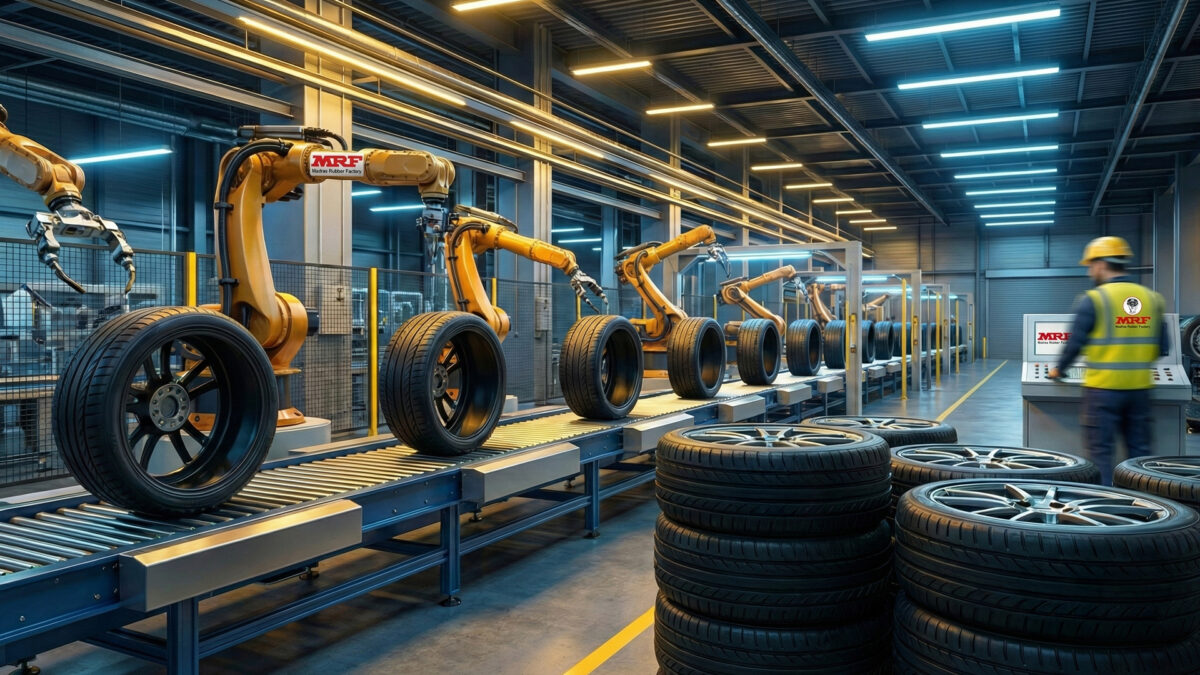
MRF Ltd posted a strong financial performance in the December quarter, with its consolidated net profit surging 119 per cent year-on-year to ₹692 crore, compared with ₹315 crore in the same quarter last year.

Revenue from operations grew by about 15 per cent to ₹8,050 crore, supported by steady demand across both original equipment manufacturers and the replacement tyre market. Better pricing and improved operating efficiencies helped the company deliver higher profitability during the quarter.

Operating earnings showed a sharp improvement, with EBITDA rising nearly 68 per cent to around ₹1,399 crore. This led to a significant expansion in operating margins to 17.4 per cent, up from 11.9 per cent a year ago, reflecting effective cost management and favourable input cost trends.

Total expenditure increased moderately to about ₹7,180 crore, in line with higher production volumes. The company also recorded an exceptional expense of ₹77.2 crore, arising from a one-time increase in gratuity and leave-related liabilities following changes in legislation.

In addition to the strong earnings, MRF’s board approved a second interim dividend of ₹3 per equity share for FY26. The company has fixed February 13, 2026, as the record date for determining eligible shareholders. The dividend will be paid on or after February 27, 2026.

MRF shares reacted positively to the announcements, climbing as much as 9 per cent in intraday trade, as investors welcomed the sharp profit growth and improved margin profile.

Also Read: RBI keeps repo rate at 5.25%, stance neutral

Categories
Beyond

RBI keeps repo rate at 5.25%, stance neutral

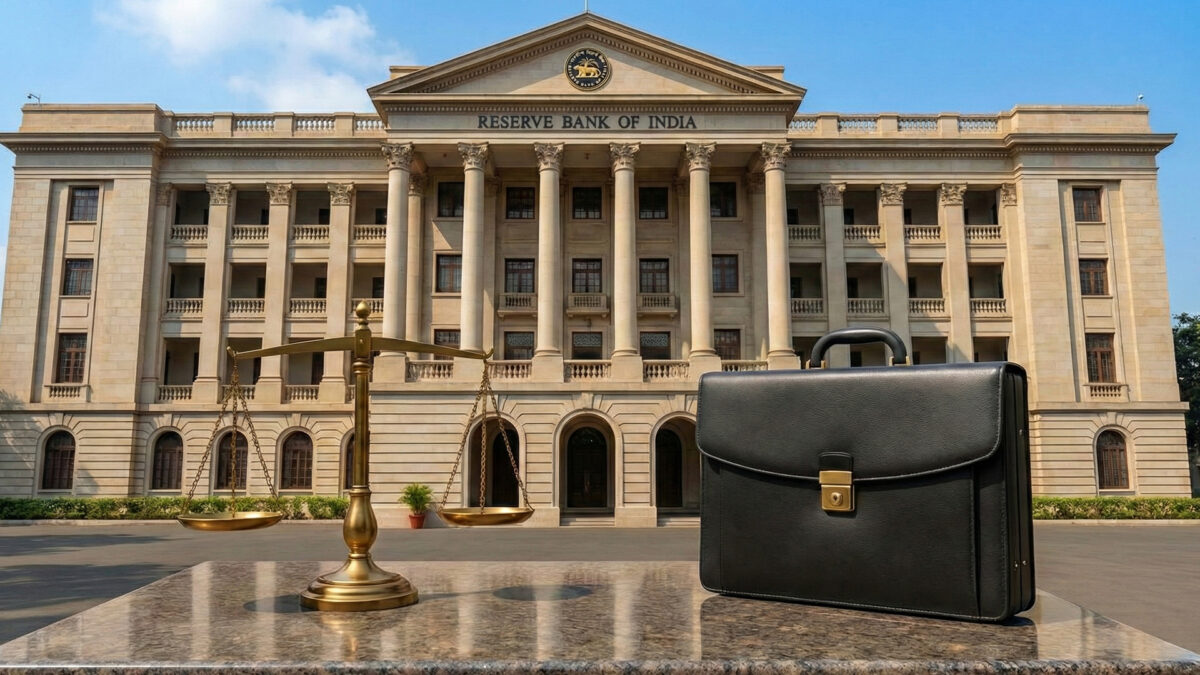
The Reserve Bank of India (RBI) on February 6, 2026, decided to keep the key policy repo rate unchanged at 5.25%, maintaining a cautious approach as inflation remains under control and economic growth stays steady. The decision was taken by the Monetary Policy Committee (MPC) at the end of its bi-monthly review meeting.

Along with the rate pause, the MPC also chose to retain its ‘neutral’ policy stance, signalling that future interest rate decisions will be guided by incoming economic data rather than a fixed bias towards tightening or easing. This means the RBI is keeping its options open amid both domestic stability and global uncertainties.

RBI Governor Sanjay Malhotra said inflation has eased significantly from earlier highs and is now comfortably within the central bank’s target range. Lower food prices, improved supply conditions, and softer global commodity prices have helped contain price pressures. However, the RBI cautioned that risks from unpredictable weather, global energy prices, and geopolitical tensions still remain.

On the growth front, the central bank expressed confidence in India’s economic momentum. It noted that domestic demand remains strong, supported by healthy consumption, rising investment activity, and robust performance in the services sector. Manufacturing activity has also shown signs of improvement, aided by government capital expenditure and stable financial conditions.

The RBI slightly upgraded its growth outlook, reflecting optimism about India’s medium-term prospects, even as global economic conditions remain uneven. At the same time, the MPC stressed the need for vigilance, especially as global financial markets continue to react to policy signals from major central banks.

Also Read: US drops 25% tariff on Indian goods

Categories
Beyond

US drops 25% tariff on Indian goods

In a major relief for Indian exporters, the United States has lifted the extra 25% tariff on Indian goods that was imposed last year over India’s purchases of Russian oil. The tariff rollback, effective February 7, 2026, comes after India pledged to stop both direct and indirect imports of Russian crude, addressing a key US concern.

The decision is part of a new interim trade framework aimed at improving economic ties between the two countries. Under this agreement, the US will reduce general tariffs on Indian products to about 18%, while India will expand purchases of US goods, including energy, aircraft parts, and technology, worth up to $500 billion over the next five years.

Officials say the framework also sets the stage for closer cooperation in defence and supply chains, while easing barriers that had made it harder for Indian exports in sectors like textiles, pharmaceuticals, and machinery to compete in the US market.

This is seen as a boost for Indian businesses, as the removal of the extra levy will make exports more competitive and strengthen long-term trade relations. Both governments described the deal as a step toward a larger bilateral trade agreement, marking a new phase of economic and strategic partnership between the two nations.

Also Read: Reliance returns to Venezuelan oil, buys 2 mn barrels

Categories
Uncategorized

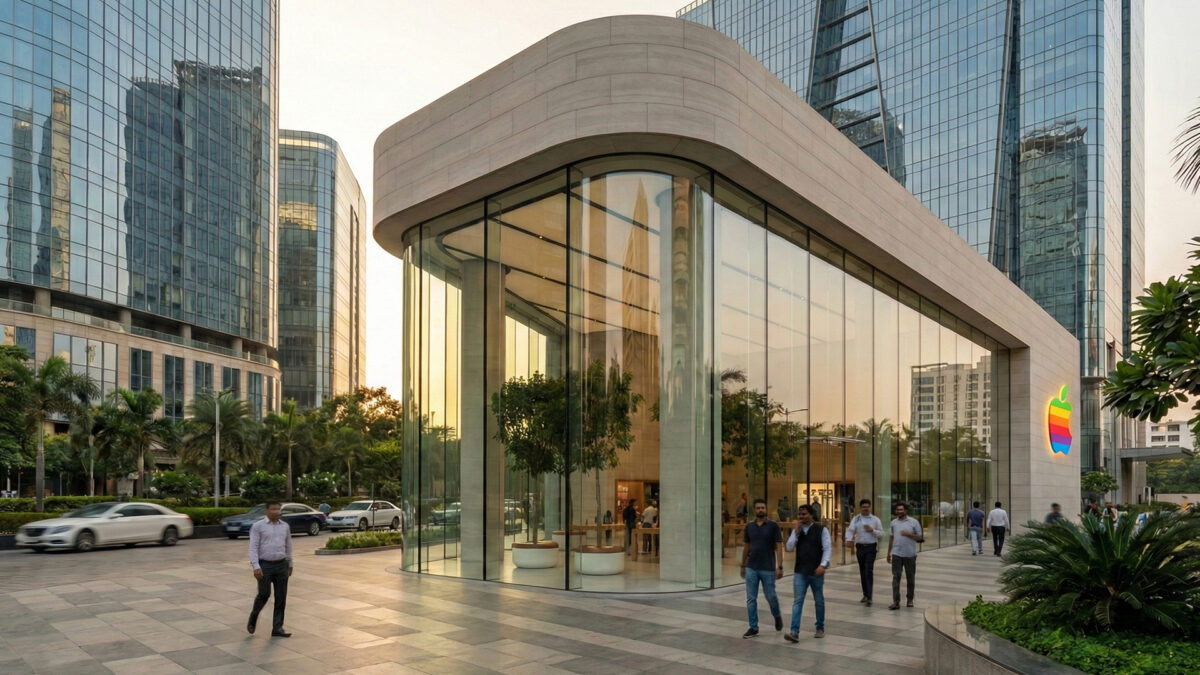
Apple to launch new store in Hyderabad

Apple is expanding its retail presence in India with a new store in Hyderabad, as seen from job postings for roles like Store Leader and Genius on its careers portal.

The recruitment suggests the store could open in early 2027. This follows its Noida store launch in December 2025 and plans for a Mumbai outlet.

Apple’s India expansion reflects its growing market share, where it ranks among the top five smartphone brands by volume.

Categories
Technology

AI tools set to transform software jobs

The rapid evolution of AI-driven development tools is poised to transform the software industry, changing how applications are created and challenging traditional coding roles. Generative AI models, such as Anthropic’s Claude, are now capable of handling tasks that once required experienced programmers, from writing code to building entire software systems.

A striking example comes from a recent app development scenario: a non-technical investor, using AI tools, built a fully functional iOS app on the Bhagavad Gita without writing a single line of code. The app, 10 Minute Gita, includes daily readings, translations, searchable content, and customization — all generated through AI prompts. This highlights the growing ability of AI to automate complex software engineering tasks.

Advanced models like Claude have even achieved technical milestones such as creating a complete C compiler, demonstrating that AI can now handle core programming functions traditionally reserved for trained engineers. These capabilities signal a shift in the software landscape, where productivity and application development are increasingly augmented or even replaced by AI.

Industry experts warn that this could have profound implications for IT professionals. Developers who have relied on coding as a primary career skill may find traditional roles shrinking as AI takes over routine and even advanced tasks. While this shift poses challenges, it also opens avenues for human creativity, innovation, and oversight in AI-driven workflows.

The broader tech community is observing these trends closely, as generative AI continues to influence IT strategies, investment decisions, and employment patterns globally. Companies are exploring ways to integrate AI tools into their development pipelines, emphasizing efficiency and faster product delivery, which could redefine career expectations for software engineers.

In this changing environment, the message is clear: IT professionals must adapt and diversify their skill sets to remain relevant. Embracing AI as a collaborator rather than a competitor, learning AI integration, and focusing on creative or managerial roles could help coders navigate the future of work.

Also Read: Tim Cook talks succession, denies retirement plans

Categories
1 Minute-Read

Cognizant Q4 profit rises 18% to $648 mn

Cognizant Technology Solutions reported an 18% jump in net profit to $648 million for the fourth quarter, with revenue rising 4.9% to $5.3 billion compared to last year.

On a constant currency basis, revenue increased 3.8%. Growth was driven mainly by financial services, while other sectors and regions showed steady performance.

The company added employees and continued investing in strategic areas, including AI-driven services. For the first quarter of 2026, Cognizant expects revenue growth between 4.8% and 6.3%, with full-year revenue projected at $22.14–$22.66 billion, signaling confidence in continued expansion.


Categories
Corporate

RBI approves Blackstone’s 9.99% stake in Federal bank

The Reserve Bank of India (RBI) has approved global private equity major Blackstone to acquire up to a 9.99% stake in Federal Bank, paving the way for one of the largest foreign investments in an Indian mid-sized private bank.

Blackstone will invest around ₹6,196 crore through its Singapore-based arm, Asia II Topco XIII Pte Ltd. The investment will be made through a preferential allotment of convertible warrants, subject to shareholder approval and other statutory clearances.

As part of the transaction, Federal Bank will issue up to 27.29 crore warrants to Blackstone at an issue price of ₹227 per share, which includes a premium over the market price. Each warrant can be converted into one fully paid equity share. Once fully converted, Blackstone’s holding will stand just under the 10% regulatory threshold for promoter classification.

The deal had earlier received clearance from the Competition Commission of India (CCI), removing a key regulatory hurdle before the RBI’s final approval.

Under the agreement, Blackstone will also have the right to nominate one non-executive director to Federal Bank’s board, provided its shareholding remains at 5% or more. This gives the investor a limited but meaningful role in the bank’s governance while maintaining its status as a minority shareholder.

Federal Bank is a professionally managed private lender with no single promoter, and its shareholding is widely dispersed among institutional and public investors. Analysts say Blackstone’s entry highlights growing global confidence in India’s banking sector, especially in lenders with strong retail and digital growth potential.

The fresh capital is expected to strengthen Federal Bank’s balance sheet, support future expansion plans, and improve its ability to grow its loan book across retail, MSME, and digital banking segments.

Also Read: Walmart raises pharmacy pay, top roles hit $42 an hour

Categories
Corporate

Walmart raises pharmacy pay, top roles hit $42 an hour

Walmart has announced a significant pay hike for employees working in its pharmacy operations across the United States, offering a welcome boost to thousands of frontline healthcare workers. The move reflects the retail giant’s growing focus on strengthening in-store healthcare services and supporting staff who play a critical role in patient care.

As part of the new structure, around 3,000 pharmacy technician roles have been upgraded to pharmacy operations team lead positions. These roles now earn an average of $28 an hour, with top pay going as high as $42 an hour, depending on location, experience, and performance. For many workers, this marks a major step up in both responsibility and income.

Walmart has also expanded pay ranges for pharmacy technicians, who can now earn up to $40.50 an hour, compared with earlier average wages of about $22 an hour. Importantly, many of these roles do not require a college degree, making them accessible to workers seeking stable, well-paying jobs without formal higher education.

The company says the wage increase is part of a broader effort to attract, retain, and motivate skilled pharmacy staff at a time when healthcare workers across the US are facing heavier workloads and rising costs of living. Walmart also continues to invest in employee growth by covering certification expenses for pharmacy technicians. Since 2016, the retailer has helped more than 22,000 employees gain professional pharmacy certifications.

For workers on the ground, the changes translate into more than just higher pay. The new roles offer clearer career pathways, leadership opportunities, and a sense of recognition for the work they do daily, filling prescriptions, assisting patients, and supporting pharmacists in busy community settings.

Walmart’s pharmacy employees also receive benefits such as health insurance, paid time off, and retirement plans with company matching, adding to the overall value of the compensation package.

Also Read: ElevenLabs raises $500 mn, valuation jumps to $11 bn

Categories
Corporate

Airtel Q3 profit falls 55% to ₹6,631 cr

Bharti Airtel reported a mixed set of results for the third quarter, with strong growth in revenue and operating performance, even as net profit dropped sharply compared with last year.

For the quarter ended December, the telecom major’s consolidated net profit fell 55% year-on-year to ₹6,631 crore, down from a high base in the same period last year. The decline was mainly due to one-time gains recorded in Q3 last year, including benefits from the Indus Towers consolidation, and a one-off provision related to labour law compliance during the current quarter.

Despite the fall in profit, Airtel’s core business showed solid momentum. Consolidated revenue rose nearly 20% year-on-year to ₹53,982 crore, driven by steady growth in India operations and continued expansion in Africa. Higher data usage, premium plans, and postpaid customer additions supported the topline.

A key highlight of the quarter was the improvement in Average Revenue Per User (ARPU), which increased to ₹259, up from ₹245 a year ago. The rise in ARPU reflects better customer monetisation, tariff discipline, and higher adoption of data-heavy plans. Airtel continues to maintain one of the highest ARPUs in the Indian telecom sector.

Operating profitability also strengthened. EBITDA grew over 25% year-on-year to around ₹31,144 crore, with margins improving to nearly 58%, indicating better cost control and operating leverage. Sequentially, both revenue and EBITDA showed growth, underlining stable quarter-on-quarter performance.

During the quarter, Airtel continued to invest in its network, expanding 4G and 5G coverage, adding new towers, and strengthening its fibre footprint. The company also added more smartphone and postpaid users, supporting long-term revenue visibility.

Management said the underlying business remains strong, with improving cash flows and a healthier balance sheet, even though headline profit numbers were impacted by exceptional items and accounting factors.

Also Read: RBI says most ₹2,000 notes returned, still legal tender