Categories
Beyond

India pledges $175 mn economic support for Seychelles

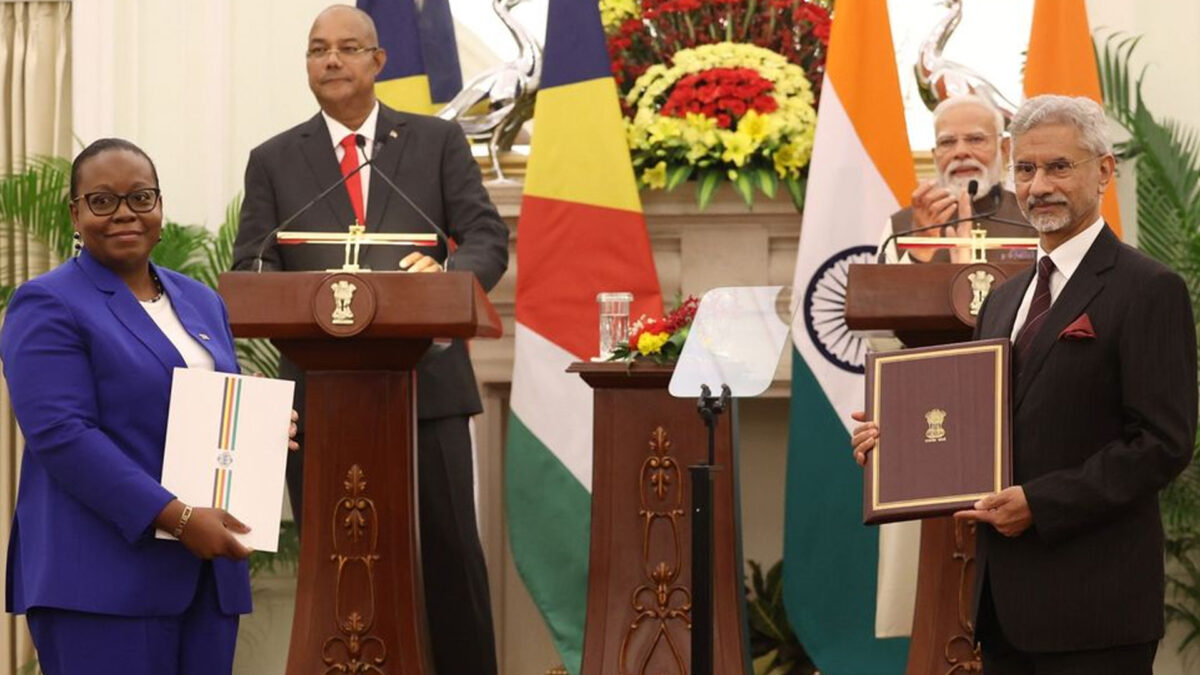
In a significant move reflecting India’s commitment to regional development, Prime Minister Narendra Modi announced a $175 million special economic package for Seychelles, aimed at supporting the island nation’s key development priorities. The announcement came during a joint press briefing with Seychelles President Patrick Herminie in New Delhi, marking a milestone in the two countries’ long-standing diplomatic and economic partnership.

The package is designed to finance projects that will have a tangible impact on the daily lives of Seychellois citizens. Social housing projects will be a major focus, addressing the pressing need for affordable homes, while investments in electric mobility and vocational training aim to create new employment opportunities, particularly for young professionals. Health infrastructure and maritime security initiatives are also included, reflecting India’s holistic approach to development support.

“This package is about more than funds; it’s about empowering communities and strengthening Seychelles’ capacity for sustainable growth,” Modi said. Analysts note that such initiatives often generate long-term economic benefits, as improved housing, transport, and training contribute to workforce productivity and regional stability.

President Herminie, on his first state visit to India, expressed appreciation for the package, highlighting the strong historical ties and strategic partnership between the nations. He noted that India’s support demonstrates trust and a shared vision for economic resilience and regional stability in the Indian Ocean.

For businesses, this package signals a growing scope for Indian companies to participate in development projects in Seychelles, particularly in infrastructure, technology, and renewable energy sectors.

The agreement also includes capacity-building programs, including training Seychellois civil servants in India, and enhanced digital and trade cooperation, facilitating smoother economic and technological integration. Both governments emphasized that the package aligns with priorities identified by Seychelles and will support projects that directly impact citizens’ livelihoods.

Also Read: India clarifies $500bn US import figure
Categories
Technology

Sarvam AI beats global rivals in India tests

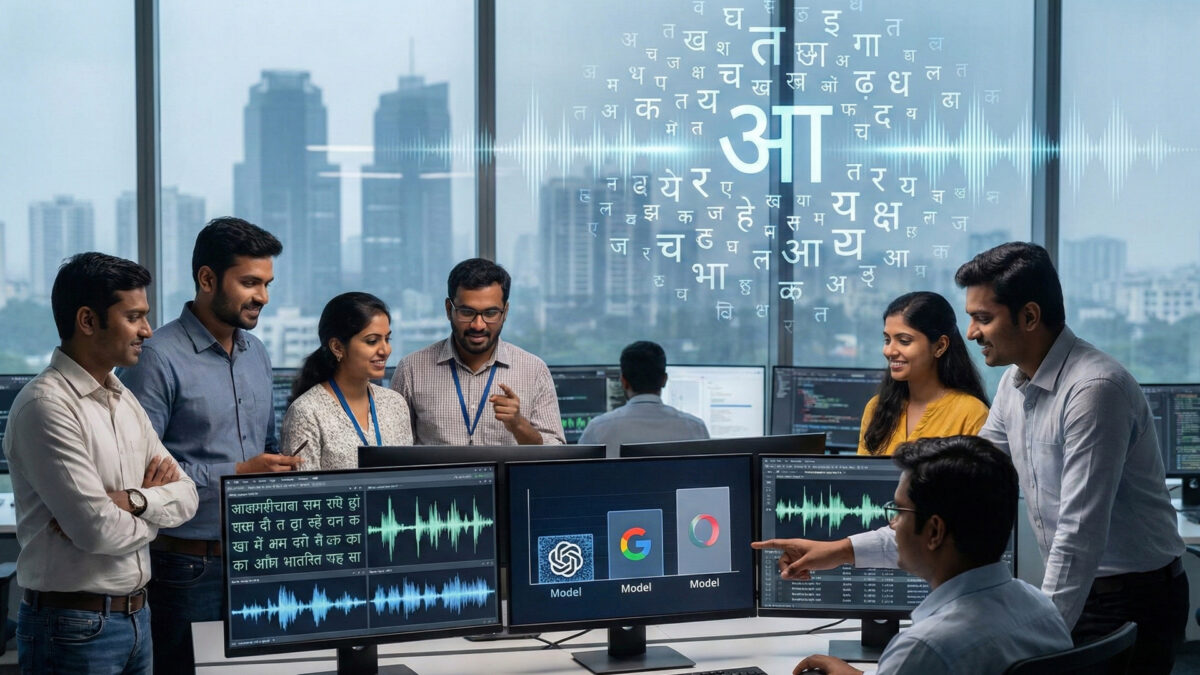
India’s artificial intelligence ecosystem has received a major boost as Sarvam AI, a Bengaluru-based startup, has outperformed global AI models such as Google Gemini and OpenAI’s ChatGPT in several benchmarks designed around India-specific use cases. The achievement has attracted international attention and highlighted the growing strength of indigenous AI innovation.

Sarvam AI’s success comes from its focus on challenges unique to India, including multilingual content, diverse scripts, and complex document formats. While many global AI models are designed for broad, international applications, they often struggle with regional languages and locally used documents. Sarvam has addressed this gap by building models specifically trained for Indian conditions.

One of its key products, Sarvam Vision, is an advanced optical character recognition (OCR) system capable of reading and understanding complex documents. These include scanned government records, handwritten text, tables, and pages containing multiple Indian languages in a single layout. In recent benchmark tests, Sarvam Vision scored higher than competing systems from major global players, demonstrating superior accuracy and reliability.

Another major highlight is Bulbul V3, Sarvam’s text-to-speech model. Bulbul V3 has been developed to generate natural-sounding voices in Indian languages and accents. The system currently supports more than 35 voices and is designed to eventually cover all 22 official Indian languages. In listening and performance tests, Bulbul V3 delivered clearer pronunciation and more natural speech than several international alternatives, particularly for Indian language outputs.

Experts say Sarvam’s performance shows the importance of building AI systems that are locally trained rather than globally generic. Its models are seen as especially useful for sectors such as government services, banking, education, healthcare and customer support, where Indian languages and document formats are widely used.

The achievement has also strengthened the idea of “sovereign AI”  technology developed within the country to meet national needs and reduce dependence on foreign platforms.

Also Read: Over a billion Android phones at risk

Categories
Corporate

Adani Energy wins Japanese funding for 6,000 MW link

Adani Energy Solutions Ltd has taken a major step in strengthening India’s clean energy backbone by securing long-term funding from Japanese banks for a 6,000 megawatt green energy transmission corridor. The project will help move renewable electricity from areas where it is generated in large quantities to regions where demand is high, making clean power more accessible and reliable for millions of people.

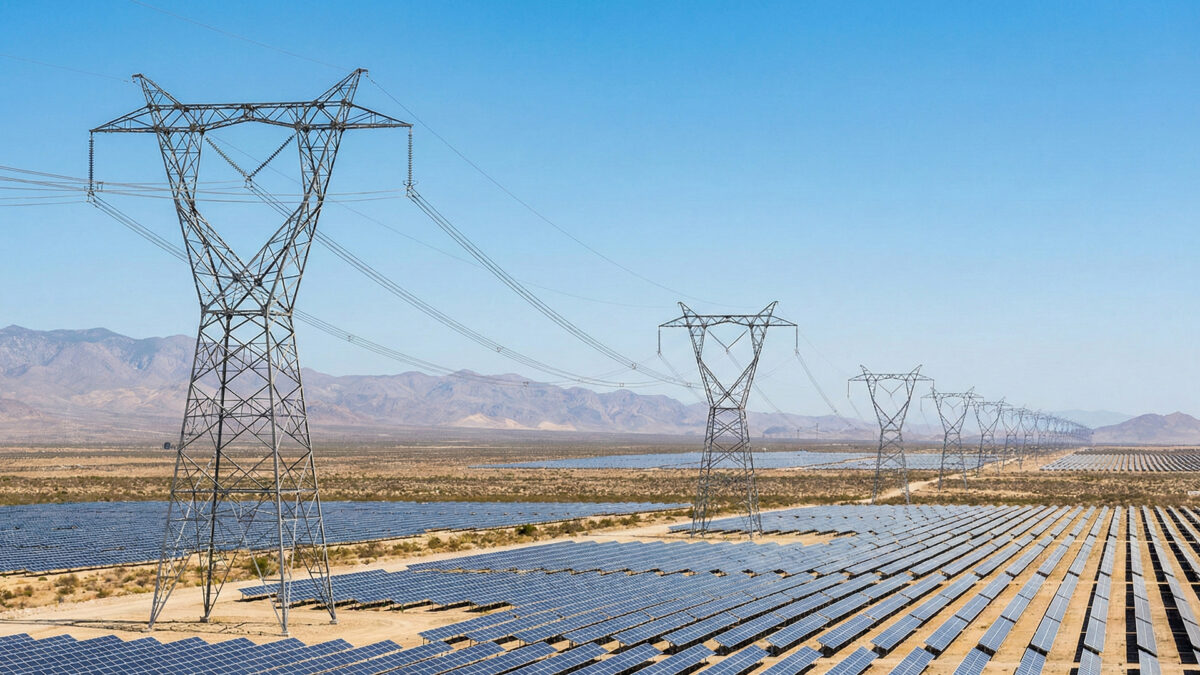
The corridor will run for nearly 950 kilometres, connecting Bhadla in Rajasthan, one of the country’s biggest solar power hubs, to Fatehpur in Uttar Pradesh. Once completed, it will carry electricity generated from solar and other renewable sources across northern India. The project is expected to be operational by 2029.

The financing has come from a group of well-known Japanese financial institutions, led by MUFG Bank and Sumitomo Mitsui Banking Corporation. Their participation reflects growing global confidence in India’s renewable energy plans and in Adani Energy Solutions’ ability to deliver large infrastructure projects. The funding has been structured as a green loan, meaning it meets international environmental and sustainability standards.

What makes this corridor special is the technology being used. The project will use advanced high-voltage direct current (HVDC) systems, which allow electricity to travel long distances with minimal loss. The equipment will be supplied by Hitachi Energy, while Bharat Heavy Electricals Limited (BHEL) will handle key execution work, supporting India’s push for local manufacturing under the “Make in India” programme.

For Adani Energy Solutions, the project is more than just a transmission line. It is part of a larger effort to build a strong, future-ready power network that can support India’s rapid shift to renewable energy. As more solar and wind power is added to the grid, efficient transmission systems like this corridor become critical.

Experts are of the opinion that the project will help stabilise the power grid, reduce dependence on fossil fuels, and ensure that clean energy generated in remote regions reaches homes, factories, and cities without interruption. It also strengthens economic and strategic ties between India and Japan in the clean energy space.

Also Read: Jeff D’Onofrio steps in as Washington Post Chief

Categories
Leaders

Jeff D’Onofrio steps in as Washington Post Chief

The Washington Post is navigating one of the most difficult phases in its recent history, marked by deep job cuts and a sudden change at the top. Jeff D’Onofrio has been appointed acting publisher and chief executive after Will Lewis stepped down, just days after the newspaper announced mass layoffs that affected more than 300 employees.

Lewis, who took charge in early 2024 after being appointed by owner Jeff Bezos, was brought in to stabilise the Post’s finances at a time when advertising revenues were falling and digital subscriptions were under pressure. He argued that the restructuring was essential to ensure the paper’s long-term survival in a rapidly changing media landscape.

However, the layoffs,  estimated to impact nearly a third of the newsroom, sparked shock, anger, and fear among staff. Several well-known desks and teams were cut or sharply reduced, raising concerns about how the paper would maintain its journalistic depth and global coverage. Tensions escalated further when Lewis did not attend the internal meeting where the layoffs were announced, a move many employees viewed as distancing himself from the human cost of the decision.

In a message to staff announcing his departure, Lewis said it was the “right time to step aside” and defended the cuts as painful but necessary. His resignation was widely seen as a response to mounting internal backlash and public criticism over both the scale of the layoffs and how they were handled.

Stepping into the role on an interim basis, Jeff D’Onofrio, previously the Post’s chief financial officer, now faces the challenge of restoring confidence while keeping the organisation financially stable. D’Onofrio brings a strong business and digital background, with earlier roles at companies such as Google, Yahoo News, and Tumblr. In his first communication to staff, he acknowledged the distress caused by the layoffs and said rebuilding trust would be a priority.

Jeff Bezos thanked Lewis for his service and expressed confidence in D’Onofrio’s leadership. Yet, inside the newsroom, uncertainty remains high. Journalists and staff representatives are urging the management to protect editorial independence and invest in quality reporting, even as financial pressures persist.

The leadership transition showcases the broader struggle of legacy media organisations worldwide, as they try to balance economic survival with the core mission of journalism. For the Washington Post, the coming months under Jeff D’Onofrio’s interim leadership will be critical in shaping what the paper becomes next.

Also Read: India-US interim trade deal cheers stock markets


Categories
Beyond

India-US interim trade deal cheers stock markets

Indian stock markets are seeing fresh optimism after India and the United States agreed on an interim trade deal framework, a move that has eased concerns around tariffs and trade barriers. Though not a full free-trade agreement, the interim pact offers near-term clarity for businesses and exporters, lifting overall market sentiment.

Early signals indicate that Sensex and Nifty 50 are likely to trade higher, supported by strong global cues and hopes of improved India-US trade relations. Market experts say the agreement reduces uncertainty for Indian companies that depend heavily on the US market, especially exporters.

According to market analysts and brokerage reports, export-focused sectors are expected to benefit the most. Stocks that have come into focus include:

In pharmaceuticals, companies such as Sun Pharma, Dr Reddy’s Laboratories, Lupin, Aurobindo Pharma and Divi’s Laboratories are seen gaining due to their strong US exposure.

In IT services, firms like Infosys, HCL Tech, Wipro and LTI Mindtree are expected to benefit as US demand remains steady.
The textiles and apparel sector has also drawn attention, with stocks such as Gokaldas Exports, KPR Mill, Welspun Living, Indo Count Industries and Kitex Garments seen as potential gainers.
In manufacturing and engineering, analysts have highlighted Dixon Technologies, Syrma SGS Technology, Bharat Forge, Sona BLW, Samvardhana Motherson, Sansera Engineering and Avalon Technologies.

Some traders are also tracking Torrent Power, Jindal Steel, ITC, Bharti Airtel and Kotak Mahindra Bank for short-term opportunities, as overall sentiment remains positive.

Despite the upbeat mood, experts caution that the trade deal alone may not drive a long-lasting rally.

Also Read: Sensex up 300 points, Nifty near 25,800

Categories
Beyond

Gold at ₹1,56,590, Silver slips to ₹2,84,900

Gold and silver prices slipped slightly in early trade on Monday, reflecting cautious sentiment in the bullion market. Ten grams of 24-carat gold fell by ₹10 to ₹1,56,590 in major cities such as Mumbai and Kolkata. Prices were marginally higher in Chennai, while Delhi saw rates close to the national average. 22-carat gold also eased by ₹10, trading at around ₹1,43,540 per ten grams.


Categories
1 Minute-Read

Financial bids received for IDBI Bank privatisation

The government has received financial bids for the strategic privatisation of IDBI Bank, marking a key step in the disinvestment process, the Department of Investment and Public Asset Management (DIPAM) said.

The bids, including from Kotak Mahindra Bank, Fairfax India Holdings, and Emirates NBD, cover the 60.72% stake held by the Centre and LIC. These offers will now be evaluated as per procedure to select a preferred bidder, followed by regulatory approvals.

The move aligns with the government’s broader plan to reduce its stake in non-core sectors and raise revenue.

Categories
Corporate

Mahindra to invest ₹15,000 cr in Maharashtra plant

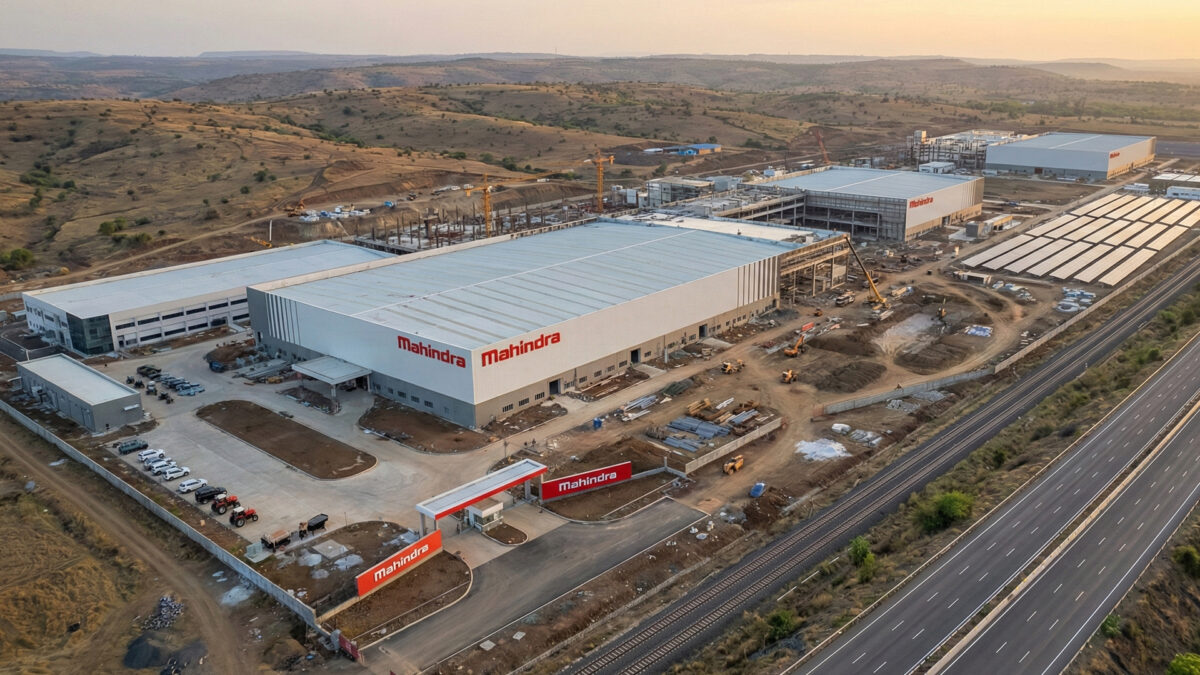
Mahindra & Mahindra (M&M) is set to invest ₹15,000 crore to establish India’s largest integrated automobile and tractor manufacturing facility in Nagpur, Maharashtra. The announcement came at the Advantage Vidarbha investment summit, underlining the region’s growing importance as a hub for industrial development.

The new facility will span 1,500 acres, complemented by a 150‑acre supplier park in Chhatrapati Sambhajinagar (Aurangabad). The park will supply parts to the Nagpur plant and other Mahindra factories in Chakan and Nashik, boosting local supply chains and production efficiency.

Production at the Nagpur plant is expected to begin in 2028. Once operational, it will have the capacity to manufacture more than 5 lakh vehicles and 1 lakh tractors every year, making it the largest such integrated plant in the country.

The plant will be equipped to handle internal combustion engines, electric vehicles, and future mobility technologies, supporting Mahindra’s NU_IQ platform and other next-generation vehicle architectures.

In addition, Mahindra is acquiring over 2,000 acres across three locations in Maharashtra, including land in the Igatpuri-Nashik region, to expand engine production and other advanced manufacturing capabilities.

Officials highlight that the Nagpur location offers strong logistical advantages, with access to the Samruddhi Expressway and major rail links, facilitating the movement of vehicles and components across India and overseas markets.

The project is expected to generate substantial employment opportunities and contribute to the economic development of Vidarbha and nearby areas. Maharashtra’s government has welcomed the investment, describing it as a significant boost to the state’s industrial ecosystem.

This ₹15,000 crore investment is a major step in Mahindra’s long-term manufacturing strategy, reinforcing its commitment to India’s “Make in India for the World” initiative while positioning the company for growth in both domestic and international markets.

Also Read: Tata Steel Q3 profit soars to ₹2,700 cr on Dutch boost

Categories
Leaders

Tablesh Pandey to lead NSE IPO committee plan

The National Stock Exchange of India (NSE) has taken a major step toward going public, as its board approved plans for an initial public offering (IPO) and formed a special IPO committee to oversee the process.

The IPO will be conducted via an offer-for-sale (OFS) route, in which existing shareholders sell their stake rather than the exchange issuing new shares. This approach helps determine NSE’s market valuation while retaining its overall ownership structure.

Former LIC Managing Director Tablesh Pandey has been appointed chairman of the IPO committee, bringing decades of experience in financial management, corporate governance, and regulatory compliance. Pandey is widely respected for his leadership at LIC, India’s largest insurance company, where he successfully steered growth, improved operational efficiency, and strengthened investor trust.

The IPO committee will include NSE’s Managing Director & CEO and public interest directors, ensuring strategic oversight of key steps such as finalizing the issue size, appointing merchant bankers, and preparing the Draft Red Herring Prospectus (DRHP).

A significant milestone for the exchange was the no-objection certificate (NOC) from SEBI, which clears a major regulatory hurdle for the listing. NSE aims to file the DRHP by end of March or early April, subject to audited financial statements and regulatory approvals.

The IPO is expected to unlock shareholder value and increase participation in India’s premier stock exchange. Analysts believe that with Pandey leading the committee, the process will benefit from strong governance, credibility, and smooth execution.

Pandey’s appointment is seen as a signal of the NSE’s commitment to transparency and regulatory compliance, given his proven track record in managing large public-sector financial institutions. Experts expect the IPO to be closely watched by both retail and institutional investors in India.

With the IPO committee now in place under Pandey’s guidance, NSE is on track to achieve a long-awaited listing, marking a major development in India’s capital markets.

Also Read: AI stethoscopes boost early health screening

Categories
Technology

AI stethoscopes boost early health screening

AI-powered digital stethoscopes are emerging as powerful tools that could change how diseases are detected during basic health screenings, according to recent research. By combining traditional auscultation with artificial intelligence, these devices help clinicians identify warning signs that might otherwise go unnoticed.

The technology works by capturing detailed heart and lung sounds and analysing them through AI algorithms trained to recognise disease-specific patterns. This approach has shown strong results in detecting heart valve disorders and respiratory conditions, even in early or mild stages.

One of the key advantages of AI-enabled stethoscopes is their potential to address screening shortfalls in resource-limited settings. Many regions lack access to imaging tests and specialist doctors, leading to delayed or missed diagnoses. Portable digital stethoscopes can be used in community clinics and outreach programmes, bringing advanced screening closer to patients.

Researchers say the tools could be particularly useful in identifying lung infections such as tuberculosis, which continues to affect millions worldwide. AI systems can detect abnormal lung sounds linked to infection, helping health workers decide who needs further testing.

The devices also support digital storage and remote sharing of recordings, making them suitable for telehealth services. This allows doctors to review patient data from afar and advise on next steps.

Also Read: Alphabet breaks $400 bn revenue barrier in 2025