Categories
Beyond

US lets India buy Venezuelan oil

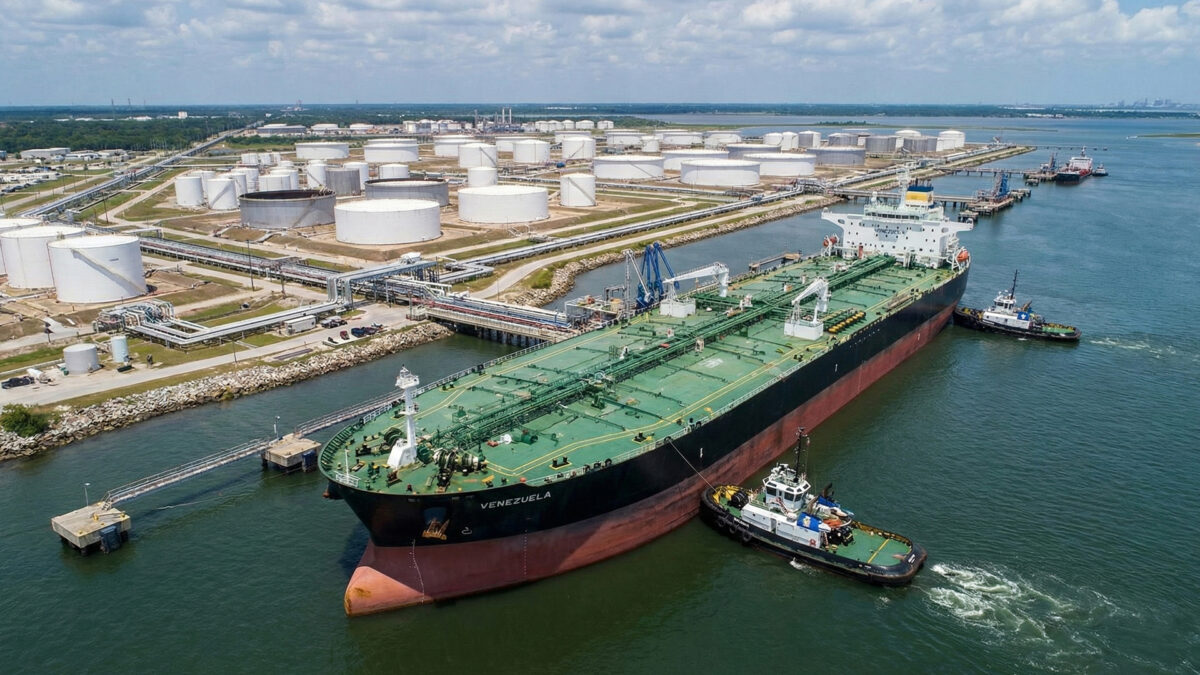
The United States has signaled that India can resume buying crude oil from Venezuela, a source that was largely blocked due to US sanctions. US officials said Indian companies may import Venezuelan oil, but all sales and payments will be controlled and monitored by Washington. The detailed rules and approvals are still being finalized.

India was a regular buyer of Venezuelan crude before sanctions halted trade. With Indian refiners reducing Russian oil imports due to US pressure, Venezuelan oil offers a politically acceptable alternative. Reliance Industries, India’s largest refining company, said it would consider importing Venezuelan oil again once US regulatory approval is clear. Other refiners, including Indian Oil Corporation and Hindustan Petroleum, have also expressed interest.

Earlier, Reliance received permits to import about 63,000 barrels per day of Venezuelan oil in early 2025. Imports stopped in May 2025 after tighter sanctions. Venezuelan crude is heavy and requires special processing, so Indian refiners are expected to start gradually once approvals are in place.

Experts say resuming Venezuelan oil imports could help India reduce dependence on Russian crude while staying within US rules. However, all shipments will remain under Washington’s oversight, meaning India cannot freely trade or sell the oil.

The move reflects a significant shift in US policy. By allowing India to buy Venezuelan oil under strict control, Washington maintains strategic oversight while opening an old trade route. For India, this could ease supply challenges, give refiners access to discounted heavy crude, and reduce reliance on other countries.

While promising, the process will take time. Indian refiners will wait for clear regulatory guidance and permits. The actual volumes and timeline for imports will depend on US approvals and Venezuela’s ability to supply the crude under international scrutiny.

Categories
Beyond

Trump orders $200bn mortgage bonds to cut rates

US President Donald Trump has announced a plan for Fannie Mae and Freddie Mac to purchase $200 billion in mortgage‑backed securities (MBS) to help lower mortgage rates and make housing more affordable. The announcement was made on his social media platform, Truth Social.

The plan aims to reduce monthly mortgage payments for homebuyers by increasing demand for mortgage bonds, which could push interest rates slightly lower. Trump said the government‑sponsored agencies have enough funds to carry out the purchases without using extra federal money. The Federal Housing Finance Agency (FHFA) confirmed that Fannie Mae and Freddie Mac will implement the plan, though details on timing and methods were not shared.

This move comes amid ongoing concerns about housing affordability. Mortgage rates, while slightly lower than last year, remain high, with the average 30‑year rate around 6.2%. Rising rates and a limited housing supply have made buying a home more difficult for many Americans.

Analysts have given mixed reactions. Some believe the plan could lower mortgage rates slightly, but others say $200 billion is a small part of the $11 trillion U.S. mortgage bond market and may have limited effect on overall housing costs. Questions have also been raised about the accuracy of Trump’s claims regarding the GSEs’ cash reserves.

The announcement follows other housing-related measures from the Trump administration, including proposals to limit institutional investors from buying single-family homes. Officials say this initiative is designed to help middle-class Americans afford homes and provide relief to the housing market ahead of economic challenges.

Also Read: RVNL wins Rs 201 cr East Coast railway project

Categories
Beyond

US withdraws from 66 global bodies under Trump

The United States has announced its withdrawal from 66 international organisations, including several United Nations bodies and the India- and France-backed International Solar Alliance (ISA), marking a major shift in its approach to global cooperation. The decision follows a presidential directive issued by US President Donald Trump, citing the need to protect national interests, sovereignty and taxpayer money.

According to official statements, the list includes 31 UN-linked organisations and 35 non-UN bodies. These cover a wide range of areas such as climate change, renewable energy, social development, labour standards, peacebuilding and scientific cooperation. Among the prominent exits are climate-related platforms like the UN Framework Convention on Climate Change and the Intergovernmental Panel on Climate Change, along with the International Solar Alliance, which focuses on promoting solar energy in tropical countries.

The US administration has argued that many of these organisations are inefficient, overlap in their work, or promote policies that do not align with American priorities. Federal agencies have been instructed to end participation and funding in these bodies, subject to legal procedures, and to reassess international commitments going forward.

Supporters of the move say it allows the US to focus resources at home and avoid obligations they believe offer limited returns. However, the decision has triggered concern among diplomats, climate experts and global institutions. Critics warn that stepping away from multilateral platforms could weaken international efforts on climate action, public health, labour rights and conflict resolution.

There are also geopolitical implications. Analysts note that the US withdrawal may leave a leadership gap in several global forums, potentially allowing countries such as China to expand their influence by increasing funding and engagement. This concern has been highlighted particularly in the context of UN agencies and climate-related institutions.

India-led initiatives, including the International Solar Alliance, are expected to continue their work despite the US exit, but experts say reduced American participation could slow progress and funding momentum.

The move continues a broader trend seen under the Trump administration, which has previously questioned or withdrawn from major international agreements. As the withdrawals take effect, global partners are assessing how the absence of the US will impact international cooperation and whether existing institutions can adapt to a changing geopolitical landscape.

Also Read: UK may ban Elon Musk’s X over AI Deepfakes

Categories
Beyond

Venezuela to send 30–50 mn barrels of oil to US

In a move that could reshape global energy flows, President Donald Trump announced that Venezuela will hand over 30 to 50 million barrels of crude oil to the US. Speaking on his Truth Social platform, Trump said the oil would be sold at market prices, and the proceeds would be under US control, a step he described as benefiting both Americans and Venezuelans.

The transfer comes after recent political turmoil in Caracas, including a US operation that led to the capture of Venezuelan President Nicolás Maduro. The announcement marks a rare moment of direct cooperation with Venezuela’s interim authorities, who confirmed the handover but criticized foreign involvement, insisting their sovereignty must be respected.

Trump directed Energy Secretary Chris Wright to begin the process immediately. The plan is to move oil from Venezuelan storage ships directly to US ports, ensuring a smooth flow of high-quality crude. Experts say this injection of oil into the US supply chain could slightly ease prices at a time when energy markets remain volatile. At current rates, the transferred oil could be valued at around $2.8 billion, though final figures will depend on market conditions.

Beyond the numbers, the deal carries broader geopolitical implications. Analysts note that oil previously headed to other countries, including China, may now be redirected to the US, signaling a potential shift in global energy alliances. Trump framed the move as part of a strategy to stabilize markets and assert US influence in Venezuela’s energy sector.

As the first shipments prepare to leave Venezuelan ports, both nations are watching closely, aware that this deal could set the tone for future energy, trade, and diplomatic relations in the region.

It reflects a rare moment where political maneuvering and energy policy intersect in a tangible way, promising both economic impact and a test of how international agreements are executed in a tense, rapidly changing landscape.

Also Read: Reliance shares slide over 4%

Categories
Corporate

Novo Nordisk introduces cheaper Wegovy pill In US

Novo Nordisk has introduced the first oral version of its weight‑loss drug Wegovy in the United States, starting January 5, 2026, offering patients a convenient alternative to injectable treatments. The launch comes at a time of rising demand for obesity therapies and is priced significantly lower than existing injectables, triggering a price war in the U.S. market.

The oral pill is available in 1.5 mg and 4 mg doses at $149 per month, with insurance coverage potentially reducing out-of-pocket costs to $25 monthly. Higher doses, including 9 mg and 25 mg, are priced at $299 per month, while the 4 mg dose will increase to $199 in April. This pricing undercuts both Novo Nordisk’s own injectable Wegovy, which can cost over $1,000 per month, and rival products from Eli Lilly, including the injectable Zepbound and the oral candidate orforglipron, expected at roughly $346 per month.

Clinical trials indicate that patients taking the oral Wegovy experienced an average 17% reduction in body weight over 64 weeks, similar to results achieved with injectables. Novo Nordisk hopes the oral form will appeal to patients reluctant to use injections while expanding its share of the growing U.S. obesity treatment market.

The launch boosted Novo Nordisk’s shares, reflecting investor confidence that the lower-cost pill could strengthen the company’s market position. Analysts expect the new option to prompt further price competition and improve patient access, potentially reshaping the landscape of obesity drug pricing in the United States.

With this launch, Novo Nordisk is set to redefine the U.S. weight-loss drug market, offering a more convenient and affordable option to patients and intensifying competition in a sector increasingly focused on accessibility, effectiveness, and affordability.

Regulatory reviews in other countries, including the United Kingdom, are underway, and the pill may become available internationally later in 2026. Experts note that the oral Wegovy could accelerate the adoption of GLP-1 treatments, making effective obesity therapies more widely accessible while encouraging innovation among pharmaceutical competitors.

Also Read: Trump team to meet oil firms on Venezuela plans

Categories
Beyond

Trump flags tariff risk over India’s Russian oil imports

US President Donald Trump has warned India that continuing to import oil from Russia could prompt the United States to raise tariffs on Indian goods. Speaking to reporters on Air Force One, Trump said the US could act “very quickly” if New Delhi does not address Washington’s concerns, signaling potential economic implications for bilateral trade.

Trump also praised Prime Minister Narendra Modi, calling him “a very good man” who had “tried to make me happy” regarding India’s Russian oil purchases. Despite the compliment, he stressed that the tariff threat remains a real possibility if India does not align more closely with US policy.

For businesses, the warning could affect Indian exporters, particularly in sectors sensitive to US tariffs. Any increase could raise costs and disrupt trade flows, potentially impacting markets that rely heavily on Indian products. Analysts note that industries such as textiles, pharmaceuticals, and IT services could face heightened risks if tariffs are applied.

The US‑India trade tension comes amid India’s reliance on Russian crude, purchased at discounted rates due to Western sanctions on Russia. While this helps Indian refiners manage energy costs, it has drawn criticism from the US, which sees these imports as undermining its geopolitical strategy. India maintains that its energy decisions are market-driven and focused on domestic energy security.

To address concerns, India has instructed refiners to submit weekly data on oil imports, aiming to maintain transparency and support ongoing trade negotiations. Experts say that how India balances energy needs with trade relations will be closely watched by investors and global markets.

Trump’s warning underscores the complex interplay between geopolitics and business. Companies in India and abroad are monitoring developments closely, as any tariff escalation could have ripple effects on trade, supply chains, and economic growth.

Also Read: Adani Enterprises buys 49% stake in road firm

Categories
Beyond

US bans new foreign drone imports

The US Federal Communications Commission (FCC) has barred imports and sales of new foreign‑made drones and critical components, including models from China’s DJI and Autel Robotics, citing national security concerns. The FCC added all foreign drones and related parts to its national security “Covered List,” preventing future models from receiving the authorizations required for sale in the US.

Officials said the move targets potential risks from foreign drones, including unauthorized surveillance and data breaches. The ban follows a 2024 defence review of foreign drone technology, conducted by a White House interagency task force. Certain drones or components could still be cleared if they are deemed safe by the Department of Defense or the Department of Homeland Security.

Drones already approved in the US are not affected. Current owners and agencies can continue using their equipment, and retailers may sell models that received prior authorization.

DJI, a global market leader, expressed disappointment and criticized the decision as lacking transparency. The company said that existing products will continue to operate and reaffirmed its support for a competitive market. Autel and other affected manufacturers have also questioned the security rationale behind the ban.

China condemned the ban, calling it discriminatory and urging US authorities to reverse the decision. The Chinese government described the measure as unfair to foreign businesses.

Industry groups, including the Association for Uncrewed Vehicle Systems International, welcomed the move as a step toward reducing dependence on foreign technology and strengthening domestic drone production. However, US commercial operators warned that the ban could disrupt businesses that rely on advanced foreign drones, highlighting the gap in domestic alternatives.

The FCC said the measure aligns with broader US efforts to safeguard technology and national security ahead of major international events, including the 2026 FIFA World Cup and the 2028 Olympics, when drone use is expected to rise.

The ban marks a significant shift in US drone policy. It signals stricter oversight of foreign technology while promoting domestic innovation in unmanned aerial systems.

Also Read: Reliance tops India’s wealth creation in 2025

Categories
Beyond

US changes H‑1B rules, prioritises top-paid talent

The US government is overhauling the H‑1B visa programme, replacing the decades-old lottery with a wage- and skill-based selection system. The change, effective February 27, 2026, is aimed at prioritising highly skilled and higher-paid foreign workers while reducing reliance on lower-wage hiring.

Under the new model, the annual 65,000 visa cap, and 20,000 for holders of US advanced degrees, remains, but applications will no longer be randomly selected. Employers offering higher salaries and advanced skills will have better odds, while lower-paid positions will face reduced chances of approval.

Officials say the move is designed to protect domestic wages and prevent misuse of the lottery system, which some companies exploited to fill entry-level roles cheaply. The reform comes alongside higher H‑1B filing fees and stricter enforcement in other visa categories.

Business groups have voiced concerns that the changes could limit access to critical foreign talent, particularly in tech, healthcare, and engineering sectors. Advocates, however, argue that prioritising high-skill, high-pay workers aligns with the programme’s original intent and strengthens the US workforce.

The reform represents one of the most significant H‑1B policy shifts in decades, signalling a tighter focus on economic value and workforce protection.

Also Read: OYO Parent Prism clears ₹6,650 cr IPO plan

Categories
1 Minute-Read

Oil prices edge up after US intercepts Venezuelan tanker

Oil prices rose on Monday following the US interception of an oil tanker near Venezuela over the weekend, raising fears of potential supply disruptions.

Brent crude climbed about 0.7–0.9 percent to roughly $61 per barrel, while West Texas Intermediate also gained. The US Coast Guard is reportedly pursuing another tanker, reflecting increased enforcement of sanctions on Venezuelan oil. Analysts said geopolitical tensions, including these actions and broader global uncertainties, outweighed oversupply concerns, supporting the market.

Traders remain cautious as Washington maintains a firm stance on Venezuela’s energy exports.

Categories
Beyond

US chases third Venezuelan oil tanker

The US Coast Guard is actively pursuing an oil tanker in international waters near Venezuela, marking the third such interception attempt in less than two weeks, officials said. The vessel,  identified by maritime trackers as the Bella 1,  is part of what Washington calls Venezuela’s “dark fleet” of ships accused of helping the South American nation evade sanctions. The tanker is reportedly flying a false flag and is under a US judicial seizure order, though it had not been boarded at the time of reporting.

The pursuit follows recent seizures of other tankers believed to be involved in transporting Venezuelan crude in defiance of sanctions. On December 10, the Coast Guard seized the large tanker Skipper, sanctioned for its alleged involvement in sanctions‑evasion networks. A second vessel, the Centuries, was intercepted and boarded by US forces just days ago.

These operations form part of a blockade ordered by the US president on all sanctioned oil tankers entering or leaving Venezuelan waters. The administration has positioned the crackdown as an effort to enforce sanctions on the Venezuelan government and cut off revenue it claims supports illicit activities, including narcotics trafficking and terrorism.

Officials argue that targeting these tankers is necessary to prevent sanctions evasion and deny revenue to Venezuelan President Nicolás Maduro’s government. They also assert that the actions are unlikely to significantly affect domestic oil prices, though global crude benchmarks rose modestly in early Asian trading amid the tensions.

The intensified maritime operations are occurring alongside a broader military presence in the Caribbean, including air and naval assets deployed under what officials describe as efforts against drug trafficking and sanctions runners. Critics,  including some lawmakers and international commentators, warn that the blockade and interceptions could increase geopolitical risks and strain diplomatic relations.

Venezuela’s government has condemned these actions as illegal and tantamount to piracy, promising to challenge the moves through international bodies such as the United Nations. Maduro has reiterated that Venezuela will continue its oil trade in the face of pressure.

Also Read: AI’s next leap will be memory, not reasoning, says Sam Altman