Categories
1 Minute-Read

US imposes 123% duty on Indian Solar imports

The United States has imposed a preliminary anti-dumping duty of up to 123% on solar cells and modules imported from India, citing unfair pricing concerns. The measure also applies to exporters from Indonesia and Laos.

The decision could make Indian solar products significantly costlier in the US market, affecting demand. The duty is still provisional, with final rates to be decided after further review, keeping the trade outlook uncertain for India’s solar industry.

However, industry players say the impact may be limited as exporters are diversifying to other regions.

Categories
Corporate

KPMG to cut 10% of US audit partners

KPMG is set to reduce its US audit partner ranks by about 10%, in a restructuring move that comes after years of unsuccessful efforts to encourage voluntary early retirements.

The decision will affect roughly 100 partners in the firm’s US audit division. According to reports, some partners had already opted for voluntary exit schemes, but the numbers fell short of what the firm needed to rebalance its leadership structure.

KPMG said the cuts are not linked to individual performance. Instead, the firm is focusing on aligning the size of its audit partnership with the actual needs of its business. The goal is to better match staffing levels with client demand and improve overall efficiency in the audit practice.

Partners impacted by the decision are expected to receive financial exit packages along with support to transition into other roles or opportunities outside the firm. Managing directors within the audit division will not be affected by this round of reductions.

The move is part of a broader restructuring trend within the Big Four accounting firms, which have been adjusting their workforce after pandemic-era hiring increases and slower-than-expected staff turnover. Many firms have faced challenges in balancing workforce size with changing market conditions.

Also Read: India’s forex reserves rise above $703 bn


Categories
1 Minute-Read

UAE seeks US financial lifeline

The United Arab Emirates has reportedly approached the United States for financial support as the Iran war continues with no clear end. Officials are said to have discussed emergency options, including access to US dollar funding through a possible currency swap arrangement.

The move reflects concern over the growing economic impact of the conflict, including market volatility, rising oil prices and pressure on regional trade.

While the UAE has not faced major damage so far, authorities appear to be preparing for a prolonged crisis as uncertainty grows and diplomatic efforts to end the war remain stalled.

Categories
Beyond

US extends waiver on Russian oil shipments

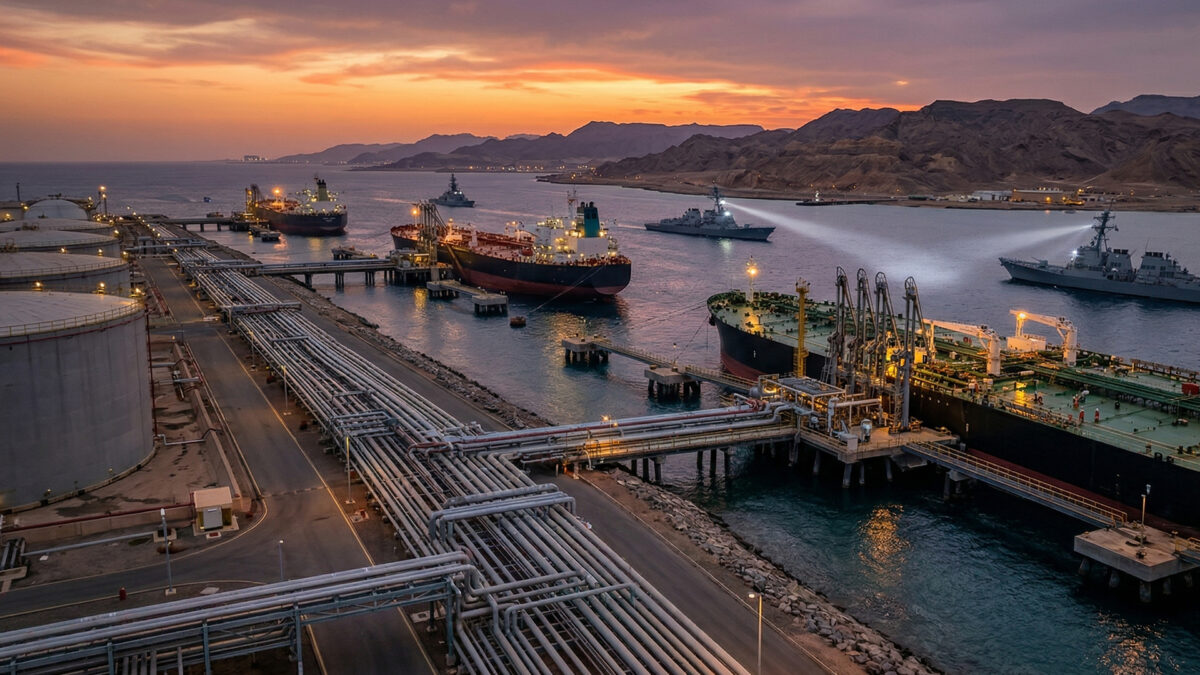
The United States has extended a short-term sanctions waiver allowing countries to continue purchasing Russian oil that was already loaded onto ships before the cutoff date, a move aimed at preventing disruption in global energy markets.

According to officials, the waiver applies only to crude oil and petroleum products that were already in transit as of April 17, 2026. These shipments will now be allowed to be delivered and completed under a temporary authorisation that runs until May 16.

The decision effectively replaces an earlier waiver that had expired earlier this month. It comes after a period of uncertainty in global oil trade, with governments and refiners closely watching how sanctions on Russia could impact supply chains and fuel prices.

US authorities clarified that the exemption is narrowly defined and does not permit new transactions or fresh purchases of Russian oil. It is limited strictly to cargoes already loaded and moving through international waters.

The waiver is also designed to avoid sudden shocks in the oil market. Officials argue that blocking shipments already in transit could disrupt contracts, create logistical bottlenecks, and further tighten global supply at a sensitive time for energy markets.

The move follows broader fluctuations in global oil prices driven by geopolitical tensions and supply concerns. Recent volatility has already led to temporary measures aimed at stabilising energy flows and preventing sharp price spikes.

At the same time, the decision has drawn criticism from some quarters, with opponents arguing that it may indirectly ease pressure on Russia’s export revenues. However, US officials maintain that the measure does not significantly benefit Russia, as it applies only to oil that has already been extracted, sold, and shipped.

Countries that rely heavily on imported crude, including several major Asian economies, are expected to benefit from the continued arrival of these shipments, ensuring short-term supply stability.

Also Read: Apple boosts recycled material use

Categories
Beyond

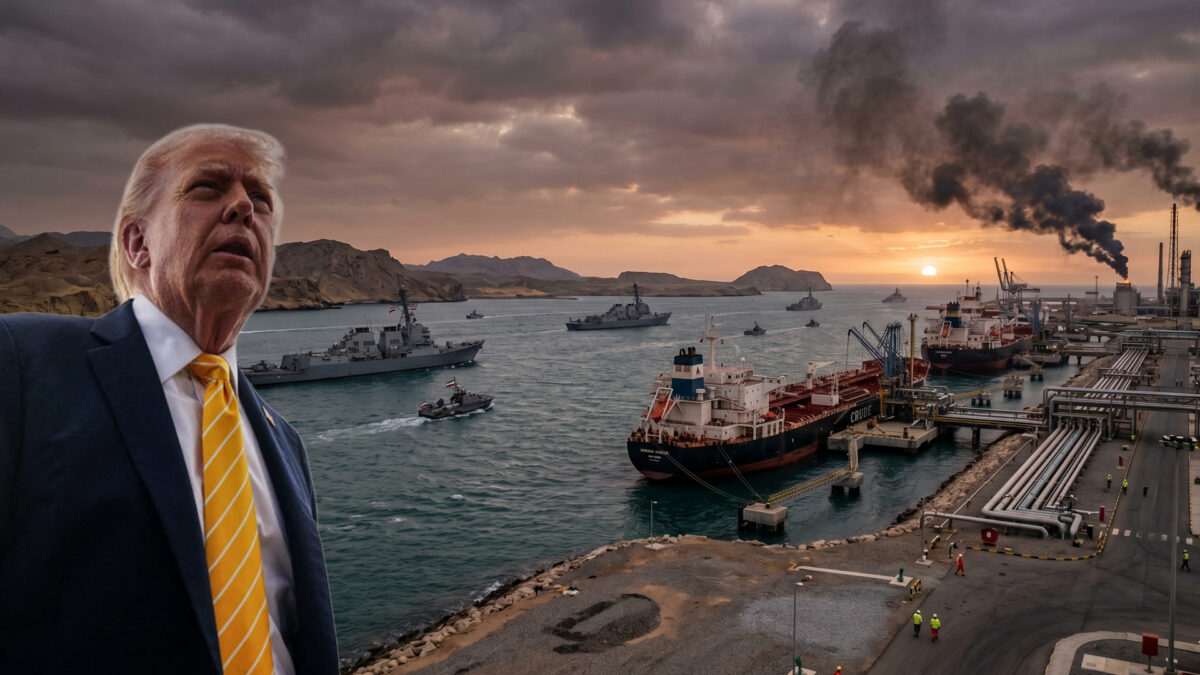
Oil prices cross $100 after US Iran blockade

Global oil prices have jumped sharply, crossing the $100 mark, after the United States announced a naval blockade targeting Iran. The move has raised fresh concerns about tensions in the Middle East and their impact on global energy supplies.

The focus of the crisis is the Strait of Hormuz, a narrow but crucial waterway through which a large portion of the world’s oil is transported. Any disruption in this region can quickly affect global markets, and the latest developments have already caused prices to rise significantly.

The US decision comes soon after peace talks with Iran failed to produce any agreement. With diplomacy stalled, the situation has become more uncertain, and markets are reacting to the possibility of supply disruptions. Analysts say even the fear of limited oil flow through the strait is enough to push prices higher.

Following the announcement, oil prices rose by around 7–8%, reflecting concerns that exports from the region could be affected. Higher oil prices could eventually lead to increased fuel costs for consumers and add to inflation pressures worldwide.

The impact is not limited to energy markets. Global stock markets have also shown signs of nervousness, as investors worry about the wider economic effects of rising tensions. At the same time, shares of energy companies have seen gains due to expectations of higher profits.

Iran has responded cautiously but warned that any blockade could lead to further escalation. This has added to fears that the situation could worsen, potentially affecting not just oil supplies but also overall stability in the region.

Also Read: TCS Nashik case sparks outrage over harassment claims

Categories
Beyond

US proposes $1.5 trillion defence budget

The White House has asked Congress to approve a $1.5 trillion defence budget for the US fiscal year 2027. This is one of the largest proposed increases in US military spending ever and comes while the country is involved in war with Iran and handling other global security issues.

If approved, the new budget would be more than 40% higher than last year’s defence spending. The administration says the increase is needed to support ongoing military operations, rebuild weapons stockpiles, and strengthen the country’s armed forces.

The proposed plan includes expanding the navy, producing more ammunition, and improving missile defence systems. Some of the spending would be included as “supplemental” funds that can be passed through separate congressional procedures.

To balance part of the increased defence costs, the White House plans to cut about $73 billion from non-defence programs, around 10% of domestic spending. These cuts would affect areas like education, climate initiatives, housing, and other federal services. Officials say these reductions are necessary to prioritize wartime needs.

The plan still needs Congress’s approval. Lawmakers are expected to debate the budget, make changes, and decide the final amount. Republicans generally support higher defence spending but may argue over how much, while Democrats have raised concerns about cuts to domestic programs.

Experts also warn that such a large defence budget could increase the federal debt, which is already over $39 trillion. Supporters argue, however, that the increase is important to ensure US national security and support allies during a time of global instability.

Also Read: Emami to take over Axiom Ayurveda in ₹200 cr deal

Categories
Beyond

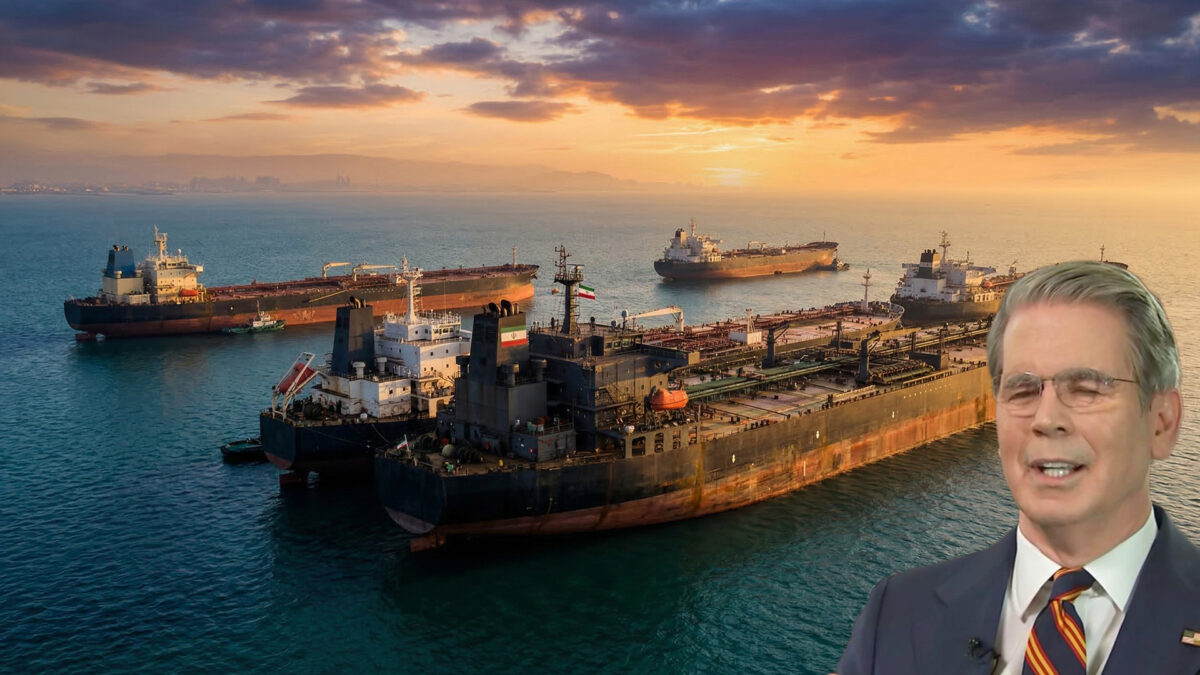
US may ease sanctions on Iranian oil

The United States is considering temporarily lifting sanctions on about 140 million barrels of Iranian oil stranded on tankers, aiming to ease sharply rising global energy prices. Treasury Secretary Scott Bessent said the plan could allow the oil to enter international markets for a limited period, providing a short-term supply boost.

The move comes after Iran disrupted shipping in the Strait of Hormuz, a critical route for global oil exports, contributing to surging crude prices. Analysts said releasing Iranian oil could help reduce Brent crude prices, which have remained above $100 per barrel, while attacks on regional infrastructure continue to strain markets.

The proposal would follow a precedent set with stranded Russian crude, allowing temporary sales without altering long-term sanctions policy. Alongside this, the US is considering additional releases from its Strategic Petroleum Reserve to stabilize supplies and manage market pressures.

Critics warn that easing sanctions, even temporarily, could inadvertently support Iran’s military programs. There are also concerns over how US allies, including Japan and other Asian nations, would respond, especially as some fuel exports, such as Chinese jet fuel, have already been halted, tightening regional supply further.

US officials emphasized that any release of Iranian oil would be tightly controlled and temporary, solely aimed at addressing urgent supply disruptions.

Also Read: L’Oréal plans to buy majority stake in Innovist

Categories
Beyond

US offers ₹2.4 lakh, free flights for voluntary exit

The United States government has started a new programme to encourage illegal immigrants to leave the country on their own. Under this plan, people who agree to return to their home country will get a free flight and $2,600 (about ₹2.4 lakh) as financial support.

The programme is being run by the Department of Homeland Security (DHS). It is aimed at reducing the need for forced deportations, which are expensive and take more time. Officials believe that offering money and travel support will make more people choose to leave voluntarily.

Migrants who join the scheme will not be arrested or detained. Instead, they can leave the country peacefully. To apply, they need to use the CBP Home mobile app, where they can register and request help for travel and payment.

As part of the campaign, the US government shared advertisements showing famous landmarks from different countries. One of the most talked-about images featured India’s Taj Mahal, encouraging Indian migrants to return home. The message highlighted the benefits of a “fresh start” with financial help and free travel.

The campaign has received mixed reactions. Some people support the idea, saying it is a more humane and cost-effective way to manage immigration. Others have criticised it, especially the use of cultural symbols like the Taj Mahal in promotional material.

According to officials, the programme is much cheaper than forced deportation. Deporting one person can cost over $18,000, while helping someone leave voluntarily costs much less.

The amount offered has also changed over time. It started at $1,000, later increased, and is now fixed at $2,600.

Also Read: Reliance Jio picks 17 banks for IPO, no fresh funds

Categories
Corporate

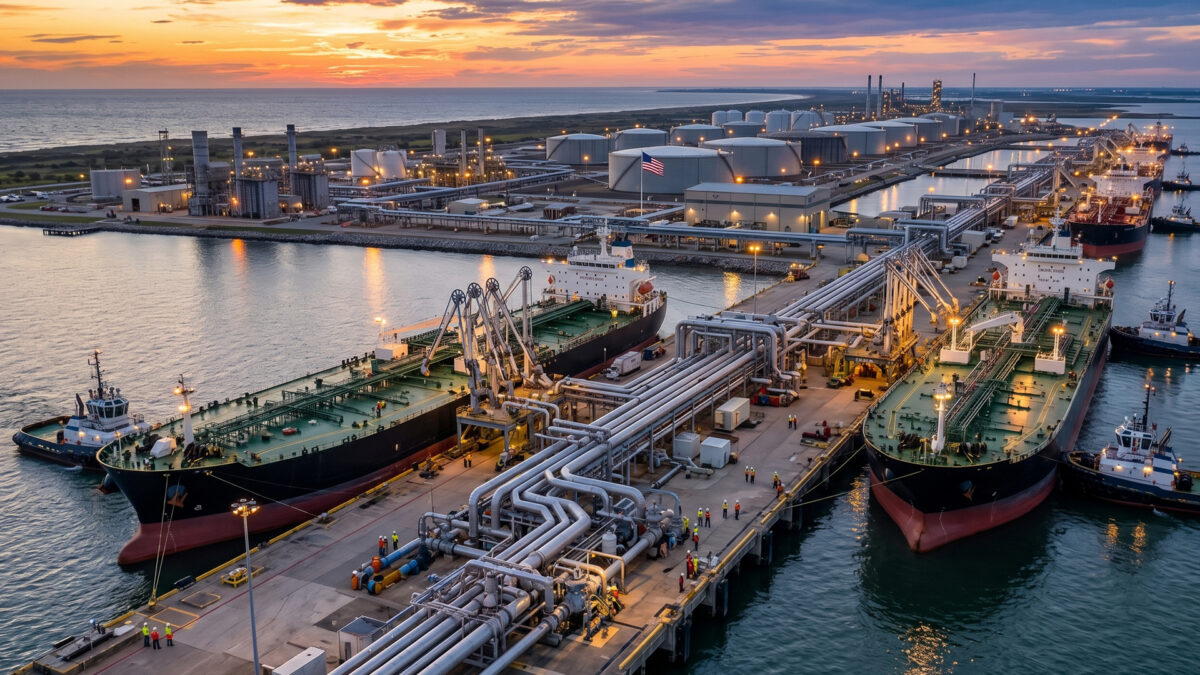
Reliance backs first new US oil refinery in 50 years

US President Donald Trump has announced plans to build a new oil refinery in Texas with investment support from Reliance Industries. The refinery, planned at the Port of Brownsville, could be the first new oil refinery built in the United States in nearly 50 years.

The project is expected to have a long-term economic impact of about $300 billion. It will be developed by a company called America First Refining, with financial backing from Reliance, India’s largest private sector company.

According to Trump, the refinery will strengthen the country’s energy sector and increase domestic fuel production. He also thanked India and Reliance for their participation in the project, describing it as a major step in boosting energy cooperation between the two countries.

The facility will mainly process US shale oil and is expected to increase the country’s refining capacity. Once operational, it could help meet domestic fuel demand and also support exports.

Officials say the project could create thousands of jobs during construction and operation while also bringing economic growth to South Texas.

The announcement comes at a time when global energy markets are facing uncertainty due to geopolitical tensions and supply concerns. Expanding refining capacity is seen as an important step toward strengthening energy security.

If completed, the refinery would mark a major development for the US energy industry and highlight growing business ties between American companies and Indian firms such as Reliance Industries.

Also Read: Reliance steps up LPG output to support domestic supply

Categories
Beyond

US grants India 30-day Russian crude oil import

The United States has granted India a 30-day waiver to continue importing Russian crude oil that is currently stranded at sea, providing crucial short-term relief for Indian refiners. The waiver, effective until early April 2026, allows India to legally receive shipments already loaded onto vessels, helping to maintain uninterrupted fuel supplies amid rising global uncertainty.

The move comes against the backdrop of tensions in the Middle East, particularly around the Strait of Hormuz, a key route for international oil shipments. Disruptions in this region have created anxiety in global energy markets, with the potential to affect oil availability and pricing worldwide. By temporarily permitting these imports, the waiver gives Indian refiners time to adjust supply chains and manage domestic fuel demand.

US officials emphasized that the waiver is strictly short-term and limited to oil already in transit. It does not signal a broader relaxation of sanctions on Russian energy exports. At the same time, the waiver shows India’s role as a significant partner in global energy trade and highlights the delicate balance between meeting immediate domestic needs and navigating international regulations.

The decision also reflects India’s careful approach to energy security, ensuring that nearly 40% of its crude imports, which typically pass through the Hormuz route, are not disrupted. By securing a short-term supply while exploring alternative options, India is able to maintain stability in its domestic energy markets even amid geopolitical volatility.

Indian refiners have reportedly already begun arranging delivery of millions of barrels of Russian crude that had been awaiting clearance, ensuring that domestic fuel production remains unaffected. Analysts say the waiver provides logistical relief but does not change India’s longer-term energy strategy, which continues to focus on diversification of oil sources, including increasing imports from the United States.

Also Read: US to raise global tariff to 15%, says Scott Bessent