Categories
Uncategorized

US set to drop fraud case against Gautam Adani

US authorities are moving to end long-running fraud proceedings against billionaire industrialist Gautam Adani, in what could mark a major legal breakthrough for the Adani Group.

According to reports, the US Department of Justice (DoJ) is preparing to drop criminal fraud charges linked to allegations of a large bribery scheme tied to solar power contracts in India. At the same time, the US Securities and Exchange Commission (SEC) is moving toward settling a parallel civil case filed in November 2024.

The SEC settlement is expected to involve a monetary penalty, though without admission of wrongdoing. The exact terms are yet to be finalised and remain subject to court approval.

The case had alleged that Adani and associates were involved in a scheme involving over $250 million in alleged bribes to secure energy contracts, while misleading investors during fundraising in US markets. The Adani Group has consistently denied all allegations.

If the cases are formally closed, it would remove a major legal overhang for one of India’s largest conglomerates, which operates across sectors including ports, energy, infrastructure, and logistics. It would also improve the group’s ability to access international capital markets and pursue expansion plans.

Reports suggest the DoJ may announce withdrawal of charges soon, while the SEC settlement could be concluded with a fine. The developments come after months of legal proceedings, negotiations, and filings in US courts.

Also Read: HCLTech anchors ₹2,800 cr bet on Sarvam AI

Categories
Beyond

US pumps 53 mn barrels from oil reserves

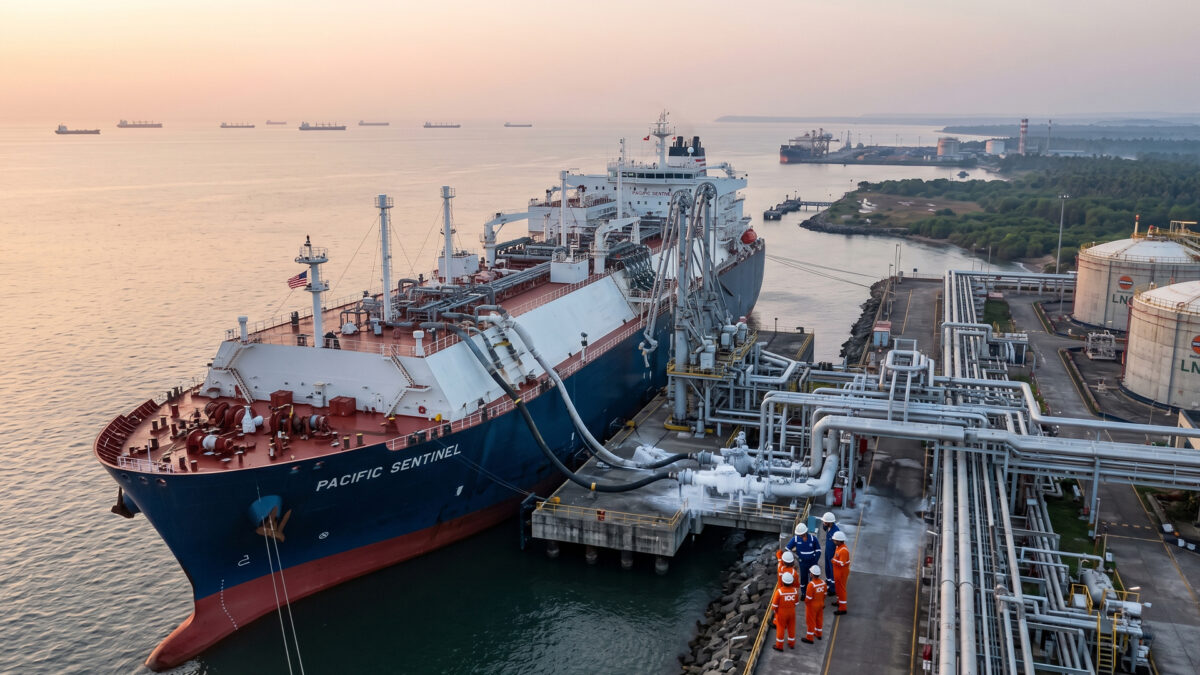
The United States has released about 53 million barrels of crude oil from its strategic petroleum reserves in a move coordinated with International Energy Agency (IEA) member countries to support global energy stability.

The decision comes as fuel prices remain under pressure due to global supply uncertainty and geopolitical tensions affecting oil trade routes. The additional supply is intended to help prevent sharp spikes in petrol and diesel prices.

Officials said the release is part of an emergency response mechanism under the IEA framework, which allows member nations to tap into strategic stockpiles during supply disruptions or market stress. The US plays a key role in such coordinated interventions due to its large reserve capacity.

The oil is being released from the Strategic Petroleum Reserve (SPR), the world’s largest emergency crude stockpile. It is designed to be used only in extraordinary situations when global supply is tight or disrupted.

Authorities said the immediate goal is to increase availability in the market and provide short-term relief to consumers facing higher fuel costs. Energy markets have remained volatile in recent weeks amid concerns over supply stability.

While such releases can help cool prices temporarily, they do not resolve underlying global supply-demand imbalances. Oil prices are expected to continue reacting to geopolitical developments and production decisions by major exporting nations.

Also Read: BofA pays ₹58.5 lakh to close SEBI case

Categories
Beyond

Oil surges after Trump rejects Iran terms

Global crude oil prices jumped sharply on Monday after US President Donald Trump dismissed Iran’s latest ceasefire proposal, deepening concerns over a prolonged conflict in West Asia and possible disruptions to global oil supplies.

Brent crude crossed the $105-per-barrel mark, while US crude prices moved closer to $100 as traders reacted to rising geopolitical uncertainty. Market fears intensified over the continued disruption in the Strait of Hormuz, a critical shipping route through which a major portion of the world’s oil supply passes.

Iran’s response to the US-backed peace proposal included demands for sanctions relief, compensation for damages caused during the conflict, and broader guarantees regarding regional security. Trump reportedly rejected the terms, calling them unacceptable and indicating that negotiations remained far from a breakthrough.

The developments have reduced hopes of an immediate ceasefire and triggered fresh worries about stability in the Gulf region. Reports of continued drone attacks and military activity across parts of West Asia further added to market anxiety.

Energy markets responded quickly to the uncertainty. Analysts said fears of reduced oil movement through the Strait of Hormuz could tighten global supplies and push fuel prices even higher in the coming weeks. Countries heavily dependent on oil imports, including India, are expected to feel the pressure more sharply if prices continue rising.

The surge in crude prices has also renewed inflation concerns globally. Higher fuel costs could increase transportation and manufacturing expenses, potentially affecting consumer prices and slowing economic growth.

Financial markets across the world remained cautious following the developments. Investors moved towards safer assets such as gold and the US dollar, while equity markets witnessed volatility amid concerns over rising energy costs.

Also Read: Gold at ₹1.52 lakh, silver at ₹2.74 lakh

Categories
1 Minute-Read

US imposes 123% duty on Indian Solar imports

The United States has imposed a preliminary anti-dumping duty of up to 123% on solar cells and modules imported from India, citing unfair pricing concerns. The measure also applies to exporters from Indonesia and Laos.

The decision could make Indian solar products significantly costlier in the US market, affecting demand. The duty is still provisional, with final rates to be decided after further review, keeping the trade outlook uncertain for India’s solar industry.

However, industry players say the impact may be limited as exporters are diversifying to other regions.

Categories
Corporate

KPMG to cut 10% of US audit partners

KPMG is set to reduce its US audit partner ranks by about 10%, in a restructuring move that comes after years of unsuccessful efforts to encourage voluntary early retirements.

The decision will affect roughly 100 partners in the firm’s US audit division. According to reports, some partners had already opted for voluntary exit schemes, but the numbers fell short of what the firm needed to rebalance its leadership structure.

KPMG said the cuts are not linked to individual performance. Instead, the firm is focusing on aligning the size of its audit partnership with the actual needs of its business. The goal is to better match staffing levels with client demand and improve overall efficiency in the audit practice.

Partners impacted by the decision are expected to receive financial exit packages along with support to transition into other roles or opportunities outside the firm. Managing directors within the audit division will not be affected by this round of reductions.

The move is part of a broader restructuring trend within the Big Four accounting firms, which have been adjusting their workforce after pandemic-era hiring increases and slower-than-expected staff turnover. Many firms have faced challenges in balancing workforce size with changing market conditions.

Also Read: India’s forex reserves rise above $703 bn


Categories
1 Minute-Read

UAE seeks US financial lifeline

The United Arab Emirates has reportedly approached the United States for financial support as the Iran war continues with no clear end. Officials are said to have discussed emergency options, including access to US dollar funding through a possible currency swap arrangement.

The move reflects concern over the growing economic impact of the conflict, including market volatility, rising oil prices and pressure on regional trade.

While the UAE has not faced major damage so far, authorities appear to be preparing for a prolonged crisis as uncertainty grows and diplomatic efforts to end the war remain stalled.

Categories
Beyond

US extends waiver on Russian oil shipments

The United States has extended a short-term sanctions waiver allowing countries to continue purchasing Russian oil that was already loaded onto ships before the cutoff date, a move aimed at preventing disruption in global energy markets.

According to officials, the waiver applies only to crude oil and petroleum products that were already in transit as of April 17, 2026. These shipments will now be allowed to be delivered and completed under a temporary authorisation that runs until May 16.

The decision effectively replaces an earlier waiver that had expired earlier this month. It comes after a period of uncertainty in global oil trade, with governments and refiners closely watching how sanctions on Russia could impact supply chains and fuel prices.

US authorities clarified that the exemption is narrowly defined and does not permit new transactions or fresh purchases of Russian oil. It is limited strictly to cargoes already loaded and moving through international waters.

The waiver is also designed to avoid sudden shocks in the oil market. Officials argue that blocking shipments already in transit could disrupt contracts, create logistical bottlenecks, and further tighten global supply at a sensitive time for energy markets.

The move follows broader fluctuations in global oil prices driven by geopolitical tensions and supply concerns. Recent volatility has already led to temporary measures aimed at stabilising energy flows and preventing sharp price spikes.

At the same time, the decision has drawn criticism from some quarters, with opponents arguing that it may indirectly ease pressure on Russia’s export revenues. However, US officials maintain that the measure does not significantly benefit Russia, as it applies only to oil that has already been extracted, sold, and shipped.

Countries that rely heavily on imported crude, including several major Asian economies, are expected to benefit from the continued arrival of these shipments, ensuring short-term supply stability.

Also Read: Apple boosts recycled material use

Categories
Beyond

Oil prices cross $100 after US Iran blockade

Global oil prices have jumped sharply, crossing the $100 mark, after the United States announced a naval blockade targeting Iran. The move has raised fresh concerns about tensions in the Middle East and their impact on global energy supplies.

The focus of the crisis is the Strait of Hormuz, a narrow but crucial waterway through which a large portion of the world’s oil is transported. Any disruption in this region can quickly affect global markets, and the latest developments have already caused prices to rise significantly.

The US decision comes soon after peace talks with Iran failed to produce any agreement. With diplomacy stalled, the situation has become more uncertain, and markets are reacting to the possibility of supply disruptions. Analysts say even the fear of limited oil flow through the strait is enough to push prices higher.

Following the announcement, oil prices rose by around 7–8%, reflecting concerns that exports from the region could be affected. Higher oil prices could eventually lead to increased fuel costs for consumers and add to inflation pressures worldwide.

The impact is not limited to energy markets. Global stock markets have also shown signs of nervousness, as investors worry about the wider economic effects of rising tensions. At the same time, shares of energy companies have seen gains due to expectations of higher profits.

Iran has responded cautiously but warned that any blockade could lead to further escalation. This has added to fears that the situation could worsen, potentially affecting not just oil supplies but also overall stability in the region.

Also Read: TCS Nashik case sparks outrage over harassment claims

Categories
Beyond

US proposes $1.5 trillion defence budget

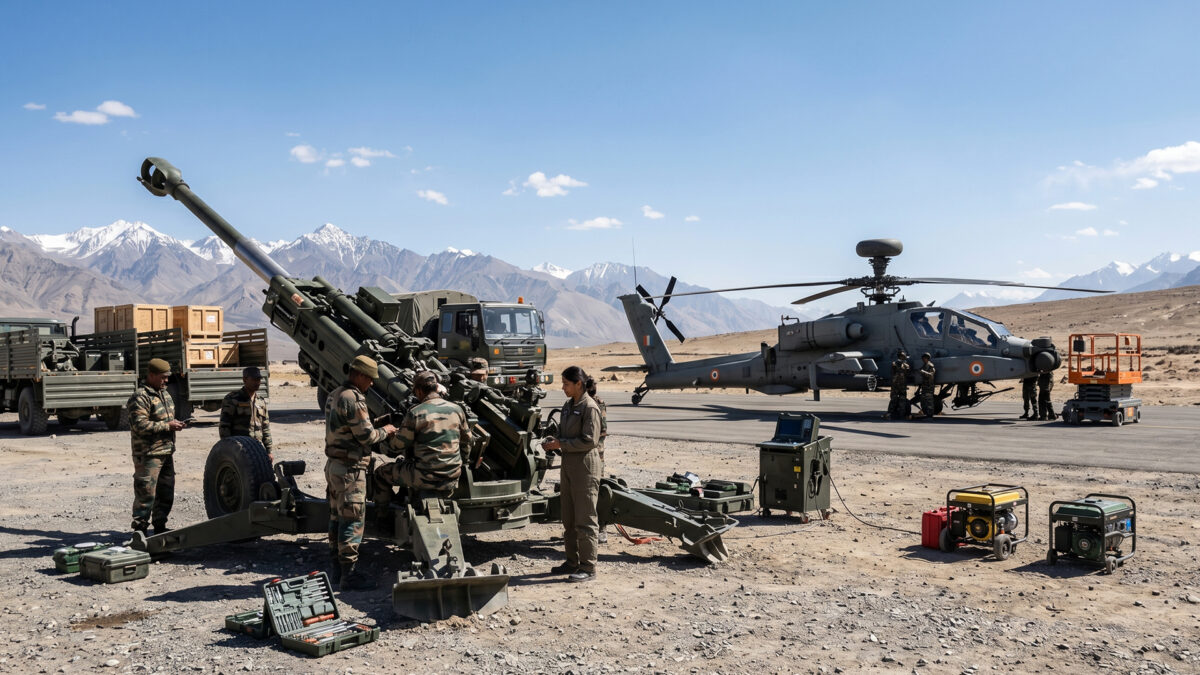
The White House has asked Congress to approve a $1.5 trillion defence budget for the US fiscal year 2027. This is one of the largest proposed increases in US military spending ever and comes while the country is involved in war with Iran and handling other global security issues.

If approved, the new budget would be more than 40% higher than last year’s defence spending. The administration says the increase is needed to support ongoing military operations, rebuild weapons stockpiles, and strengthen the country’s armed forces.

The proposed plan includes expanding the navy, producing more ammunition, and improving missile defence systems. Some of the spending would be included as “supplemental” funds that can be passed through separate congressional procedures.

To balance part of the increased defence costs, the White House plans to cut about $73 billion from non-defence programs, around 10% of domestic spending. These cuts would affect areas like education, climate initiatives, housing, and other federal services. Officials say these reductions are necessary to prioritize wartime needs.

The plan still needs Congress’s approval. Lawmakers are expected to debate the budget, make changes, and decide the final amount. Republicans generally support higher defence spending but may argue over how much, while Democrats have raised concerns about cuts to domestic programs.

Experts also warn that such a large defence budget could increase the federal debt, which is already over $39 trillion. Supporters argue, however, that the increase is important to ensure US national security and support allies during a time of global instability.

Also Read: Emami to take over Axiom Ayurveda in ₹200 cr deal

Categories
Beyond

US may ease sanctions on Iranian oil

The United States is considering temporarily lifting sanctions on about 140 million barrels of Iranian oil stranded on tankers, aiming to ease sharply rising global energy prices. Treasury Secretary Scott Bessent said the plan could allow the oil to enter international markets for a limited period, providing a short-term supply boost.

The move comes after Iran disrupted shipping in the Strait of Hormuz, a critical route for global oil exports, contributing to surging crude prices. Analysts said releasing Iranian oil could help reduce Brent crude prices, which have remained above $100 per barrel, while attacks on regional infrastructure continue to strain markets.

The proposal would follow a precedent set with stranded Russian crude, allowing temporary sales without altering long-term sanctions policy. Alongside this, the US is considering additional releases from its Strategic Petroleum Reserve to stabilize supplies and manage market pressures.

Critics warn that easing sanctions, even temporarily, could inadvertently support Iran’s military programs. There are also concerns over how US allies, including Japan and other Asian nations, would respond, especially as some fuel exports, such as Chinese jet fuel, have already been halted, tightening regional supply further.

US officials emphasized that any release of Iranian oil would be tightly controlled and temporary, solely aimed at addressing urgent supply disruptions.

Also Read: L’Oréal plans to buy majority stake in Innovist