Categories
Corporate

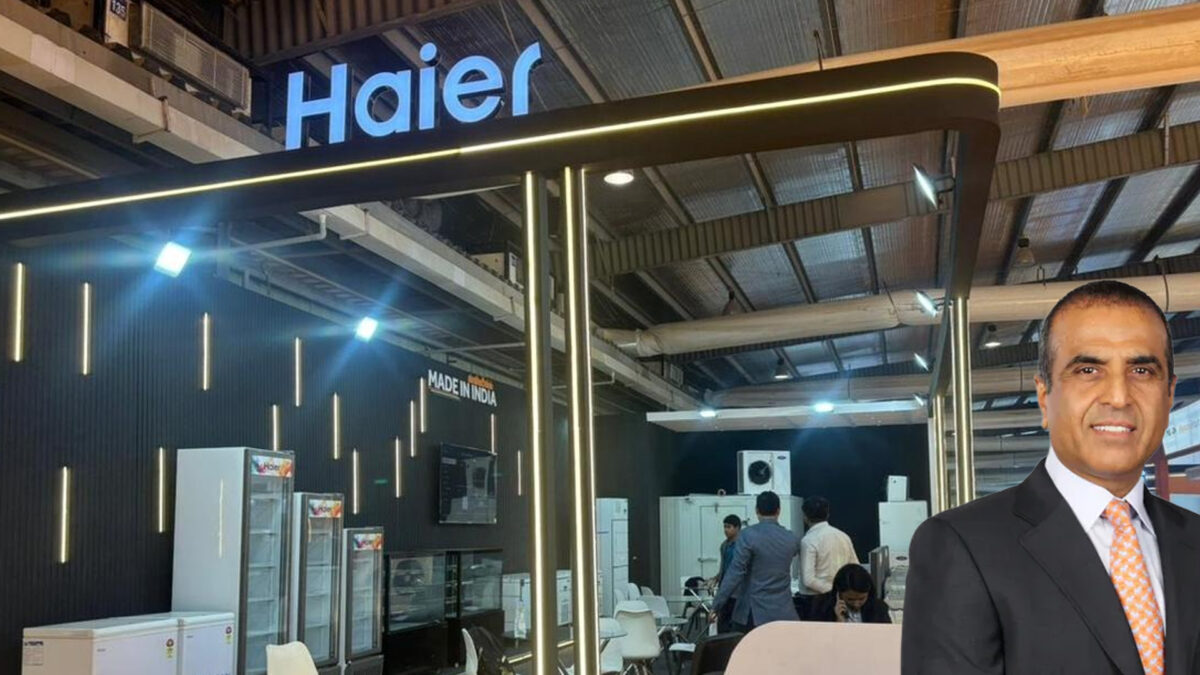
Bharti, Warburg Pincus take 49% in Haier India

Sunil Mittal‑led Bharti Enterprises and US-based private equity firm Warburg Pincus have agreed to buy a 49 percent stake in Haier India, a leading home appliances company. The deal, announced on December 24, 2025, is a strategic move to strengthen Haier India’s presence in the growing consumer electronics and appliance market.

Under the agreement, Bharti and Warburg Pincus will jointly hold 49 percent, the Haier Group will retain 49 percent, and the remaining 2 percent will stay with Haier India’s management. The financial details have not been officially shared, but industry experts estimate Haier India’s value at around ₹15,000 crore (roughly $1.8–2 billion).

Haier India makes products like air conditioners, refrigerators, TVs, washing machines, and kitchen appliances. It has manufacturing units in Pune (Maharashtra) and Greater Noida (Uttar Pradesh). In recent years, the company has grown steadily, with annual growth rates around 25 percent, showing strong demand for appliances across India.

The new partnership aims to expand local manufacturing and sourcing while bringing in new products and technologies. Bharti Enterprises’ extensive domestic network and Warburg Pincus’s expertise in scaling businesses are expected to help Haier India reach more customers and innovate faster.

Experts see this move as a sign of confidence in India’s consumer appliance market, which is growing due to higher incomes, changing lifestyles, and increasing use of home appliances. The collaboration also highlights cross-border partnerships, as an Indian company and a foreign investor back the local arm of a major Chinese brand.

With this deal, Haier India is set to strengthen its position against competitors like Samsung and LG. The combined support of Bharti, Warburg Pincus, and Haier Group is expected to help the company expand faster and serve more customers across India in the coming years.

Also Read: Navi Mumbai Airport opens with first flights
Categories
Corporate

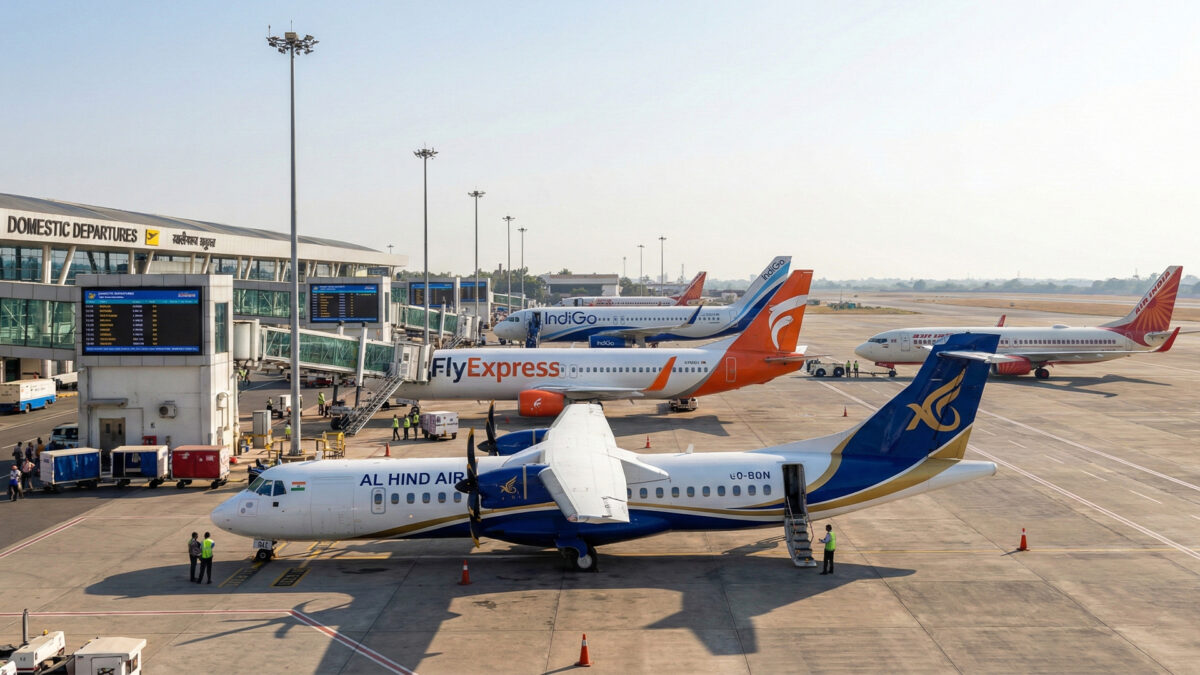
India clears 2 new airlines to boost competition

The Indian government has given initial approval to two new airlines, Al Hind Air and FlyExpress, allowing them to move closer to starting flight operations. The decision is aimed at increasing competition in the domestic aviation sector, which is currently dominated by a few large players.

The approvals were granted by the Ministry of Civil Aviation through the issuance of No Objection Certificates (NOCs). Civil Aviation Minister K. Rammohan Naidu said the move reflects the government’s effort to strengthen the aviation sector and offer passengers more choices.

The decision comes shortly after a major disruption at IndiGo earlier this month, when the airline cancelled thousands of flights due to staffing and operational issues. The incident affected a large number of passengers and highlighted the risks of depending heavily on one airline. At present, IndiGo controls about 65 per cent of India’s domestic air travel market, while the Air India Group accounts for around 27 per cent. Smaller airlines share the remaining portion.

Al Hind Air is promoted by the Kerala-based alhind Group. The airline plans to start operations with smaller aircraft and focus on regional routes, especially in southern India. Its aim is to improve connectivity between smaller cities and towns. The airline will now work on completing regulatory requirements, including getting an Air Operator Certificate.

FlyExpress, the second airline to receive approval, has indicated that it plans to begin operations soon. While detailed plans about its routes and fleet have not yet been shared publicly, the airline is expected to serve domestic passengers and add capacity to the market.

In addition, another airline, Shankh Air, has already received its NOC earlier and is expected to start flying in 2026.

The government believes that the entry of new airlines will improve services, reduce the impact of disruptions, and encourage competitive pricing. It also supports broader goals such as expanding regional air connectivity under existing aviation policies.

With passenger demand continuing to grow, the addition of new airlines is expected to make India’s aviation sector more balanced, competitive, and resilient.

Also Read: Satya Nadella skips managers to hear engineers on AI

Categories
Corporate

Sensex slips 116 points, Nifty ends below 26,150

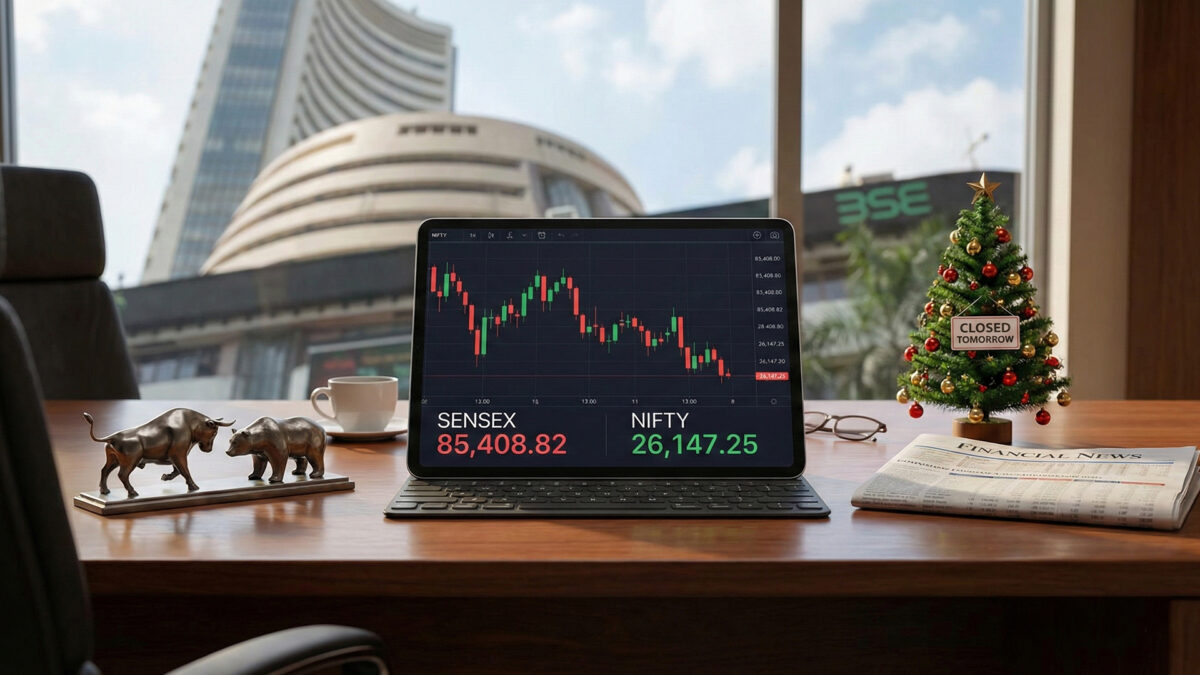
On wednesday, the BSE Sensex fell 116 points to close at 85,409, while the Nifty 50 slipped 35 points to settle at 26,142. Markets traded in a narrow range throughout the session, reflecting consolidation after recent gains.

Early signals were positive, with GIFT Nifty indicating a firm start, supported by gains in US and Asian markets. However, the upbeat global cues failed to translate into sustained buying interest on Dalal Street. Traders preferred to stay on the sidelines ahead of the year-end holidays, leading to subdued activity.

Sector-wise, performance was mixed. Media and metal stocks posted modest gains, while selling pressure was seen in IT, pharma, oil and gas, and PSU banking stocks. The IT sector was among the key drags due to weakness in select large-cap names. Broader markets underperformed the benchmarks, with the midcap index falling about 0.4 percent, while smallcap stocks ended largely flat.

Among individual stocks, Trent, Shriram Finance, Apollo Hospitals, UltraTech Cement and Adani Ports were the top gainers, supported by stock-specific buying. On the losing side, Wipro, Sun Pharma, Dr Reddy’s Laboratories, InterGlobe Aviation (IndiGo) and Tata Motors Passenger Vehicles weighed on the indices.

Market experts said the session reflected a pause in momentum, with investors adopting a selective approach rather than aggressive buying. Technical analysts noted that both Sensex and Nifty are consolidating near record-high levels, with key support and resistance zones likely to guide near-term movement.

In the currency market, the Indian rupee weakened and closed at 89.78 against the US dollar, adding to cautious sentiment.

Also Read: US bans new foreign drone imports including DJI

Categories
Corporate

Coal India plans IPOs for two subsidiaries

Coal India Ltd (CIL), India’s state-owned coal producer, is set to list two of its major subsidiaries , Mahanadi Coalfields Limited (MCL) and South Eastern Coalfields Limited (SECL), on stock exchanges, aiming to broaden the pipeline of public sector unit (PSU) initial public offerings (IPOs). The board has given in-principle approval, with final clearance pending regulatory and government approvals.

The move follows growing market interest in PSU IPOs, particularly after the buzz surrounding Bharat Coking Coal Ltd (BCCL), which is preparing for an IPO of around ₹1,300 crore. Analysts see Coal India’s plan as part of a broader government push to deepen capital markets, increase transparency, and unlock the intrinsic value of public enterprises.

Both MCL and SECL are among Coal India’s most productive subsidiaries. MCL, based in Odisha, is a significant contributor to national coal output, while SECL, headquartered in Chhattisgarh, operates extensive mining projects across central India. Both subsidiaries have delivered strong revenues and profits, making them attractive for public investment.

The board approval was passed via a circular resolution and will now be submitted to the Ministry of Coal and the Department of Investment and Public Asset Management (DIPAM) for final approvals. Market reaction has been positive, with Coal India shares rising in trading after the announcement.

Experts believe listing these subsidiaries could enhance shareholder returns by providing clearer valuations for the high-performing units. The move is also expected to energize the primary market for 2026, offering investors more opportunities to participate in government-linked offerings.

This development signals a strategic push by Coal India and the government to leverage market mechanisms for growth, while also giving investors a chance to own stakes in profitable PSU companies. As BCCL’s IPO proceeds, MCL and SECL listings could follow, reinforcing investor confidence in public sector offerings.

Also Read: US bans new foreign drone imports including DJI

Categories
Corporate

Reliance tops India’s wealth creation in 2025

Reliance Industries Ltd (RIL) emerged as India’s largest wealth creator in 2025, leading corporate value gains amid a strong year for equities driven by banking, financial services and automobile stocks. The Mukesh Ambani-led conglomerate delivered the highest addition to investor wealth, reinforcing its dominant position in India’s corporate landscape.

RIL’s shares rose close to 30 per cent during the year, adding about ₹4.6 lakh crore to investor wealth. This pushed the combined market capitalisation of the Reliance Group to around ₹23.44 lakh crore, making it the single biggest contributor to wealth creation among Indian companies. Analysts attributed the strong performance to steady earnings growth, improving margins and positive expectations around the group’s digital, retail and new energy businesses.

The broader wealth creation story in 2025 was shaped by strong performances in autos, banks and financial services. Companies such as Bharti Airtel, Bajaj Finance, State Bank of India (SBI), Maruti Suzuki and HDFC Bank each added more than ₹1.5 lakh crore to their market value. These stocks benefited from healthy demand, stable asset quality, improving profitability and sustained investor confidence in India’s economic growth.

Overall, the top seven business groups — Reliance, Bharti, HDFC, Bajaj, Adani, ICICI and Tata — together added nearly ₹10 lakh crore in market capitalisation during the year. Their combined value now stands at about ₹122 lakh crore, accounting for nearly 60 per cent of the total market capitalisation of the Nifty 50 index. Reliance alone contributed almost half of this wealth creation, followed by the Bharti Group.

In contrast, the Tata Group emerged as an outlier in 2025, lagging behind its peers. Its flagship company, Tata Consultancy Services (TCS), saw its market capitalisation fall by nearly ₹3 lakh crore. Investor concerns over slower revenue growth, margin pressures and delayed benefits from emerging technologies such as artificial intelligence and cloud services weighed on the stock. Several other Tata companies, including Tata Elxsi, Trent, Voltas and Tata Technologies, also faced sharp corrections.

Market experts expect wealth creation trends to remain selective, with investors continuing to favour companies and sectors that demonstrate strong earnings visibility, balance sheet strength and long-term growth potential. Reliance, banks and auto majors are seen as well positioned to benefit from these themes in the coming years.

Also Read:  BP close to $10 bn sale of Castrol stake

Categories
Corporate

BP close to $10 bn sale of Castrol stake

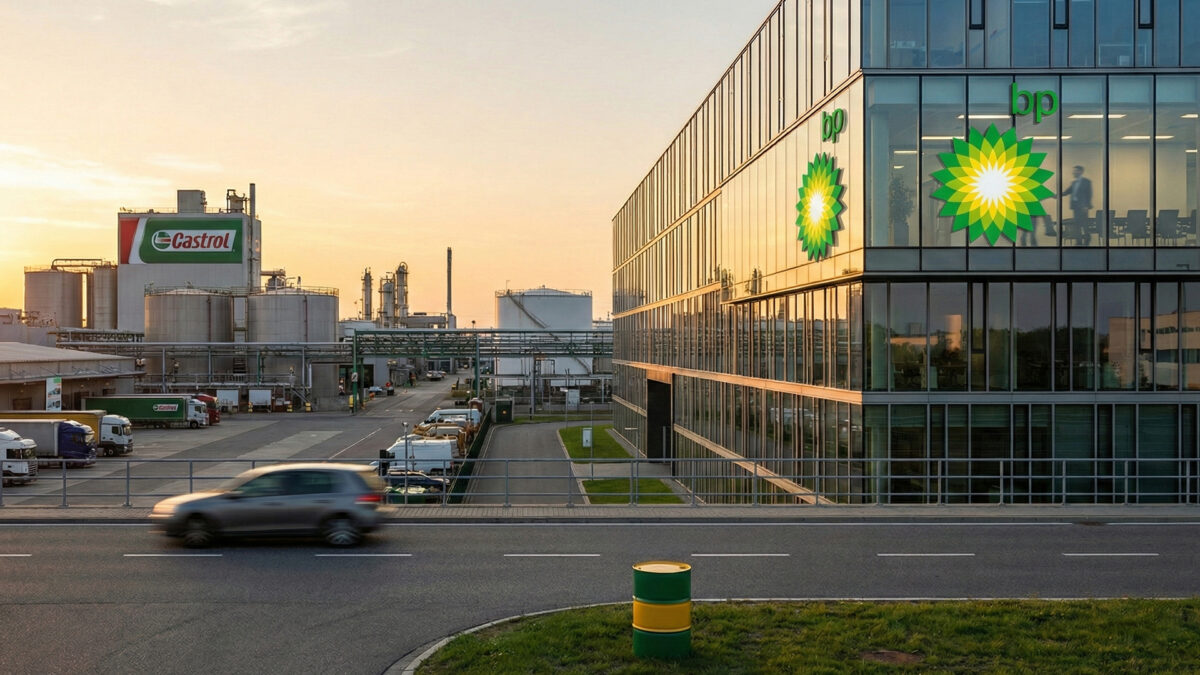
British Petroleum (BP) is nearing an agreement to sell a majority stake in its Castrol lubricants business to US investment firm Stonepeak in a deal valuing Castrol at about $10 billion. The transaction is part of BP’s wider effort to simplify its business and strengthen its balance sheet.

As per the proposed structure, BP will sell around 65 percent of Castrol and retain a 35 percent stake through a joint venture. The sale is expected to generate nearly $6 billion in cash for BP. Stonepeak will take management control, while BP will continue to benefit from Castrol’s performance through its minority holding.

Castrol is one of BP’s most recognisable brands, with a strong presence in automotive and industrial lubricants across global markets. While it is a steady and profitable business, BP has been under investor pressure to focus capital on higher-return areas and reduce debt as it balances oil and gas operations with its energy transition plans.

Reports indicate that a Canadian pension fund may also invest alongside Stonepeak. BP could consider selling its remaining stake in Castrol in the future, depending on market conditions and strategic priorities.

The deal is still subject to final negotiations and regulatory approvals. If completed, it would rank among the largest transactions in the global lubricants sector and is expected to close by the end of 2026. For BP, the move offers financial flexibility, while for Stonepeak, it provides access to a well-established global brand with stable cash flows.

Also Read: Adani Ports completes Australia NQXT deal

Categories
Corporate

Adani Ports completes Australia NQXT deal

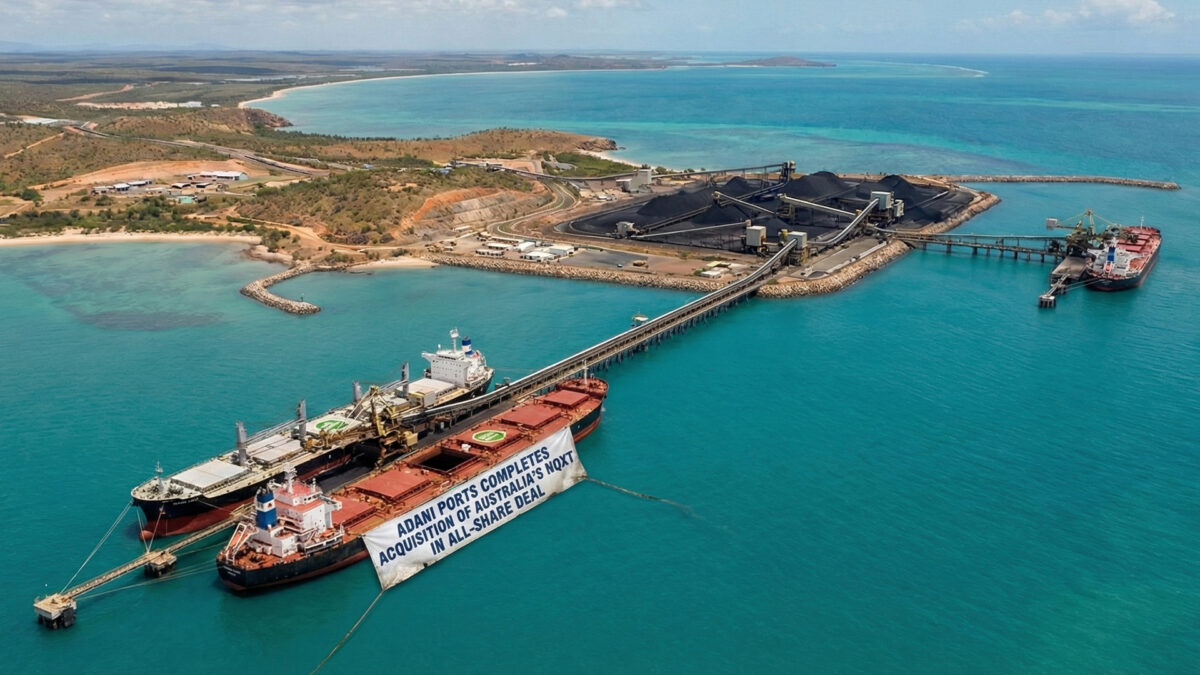
Adani Ports and Special Economic Zone Ltd (APSEZ) has completed the acquisition of North Queensland Export Terminal (NQXT) in Australia, strengthening its global ports portfolio and expanding its presence in the Asia-Pacific region.

The deal was executed as an all-share transaction, under which APSEZ acquired 100 per cent ownership of Abbot Point Port Holdings, the company that owns and operates NQXT. In return, APSEZ issued over 14.38 crore equity shares to Carmichael Rail and Port Singapore Holdings. The acquisition received all required regulatory and shareholder approvals in India and Australia.

NQXT is a deep-water, multi-user export terminal located at Abbot Point in Queensland. It currently has a handling capacity of 50 million tonnes per year and primarily supports bulk exports. A large part of its volumes is secured under long-term take-or-pay contracts, ensuring steady and predictable revenue. For FY25, the terminal reported strong operating performance with healthy earnings.

With this acquisition, APSEZ gains a strategically located asset close to key Asian trade routes. The company expects NQXT to play an important role in its long-term growth plans, including its goal of handling one billion tonnes of cargo annually by 2030. APSEZ also sees scope to expand the terminal’s capacity over time, supported by contract renewals and operational improvements.

Following the completion of the transaction, APSEZ has upgraded its financial guidance. The company now expects higher cargo volumes and improved earnings for the coming financial year, reflecting the addition of NQXT to its portfolio. The Australian terminal also brings foreign currency earnings, adding stability and diversification to APSEZ’s revenue base.

Company management described the acquisition as a key milestone in APSEZ’s international expansion strategy. They highlighted NQXT’s strong fundamentals, long asset life and potential for future growth, along with its location in a stable and developed market.

The NQXT deal adds to APSEZ’s growing list of overseas assets, which includes ports and terminals in Israel, Sri Lanka and Africa. With this move, Adani Ports continues to position itself as a global port and logistics player, focused on scale, long-term contracts and steady cash flows.

Also Read: Cholamandalam shares up 8% after rejecting claims

Categories
Corporate

FDA clears Wegovy pill, Novo Nordisk shares up 10%

The FDA has approved a pill version of the weight‑loss drug Wegovy, offering a simpler alternative to injections and sending shares of Danish pharmaceutical company Novo Nordisk higher. The approval was announced on December 23, 2025.

Novo Nordisk’s stock rose sharply, gaining nearly 10% in Frankfurt trading as investors welcomed the new treatment. US-listed shares also jumped in early trading.

The oral Wegovy contains semaglutide, the same active ingredient as the injectable version. Taken once daily, it provides a convenient option for patients who prefer pills over weekly injections. This makes it the first FDA-approved GLP-1 weight-loss pill.

The company plans to launch the pill in the US early January 2026 at around $149 per month for the starting dose and is pursuing approvals in Europe and other markets. Novo Nordisk says it is well-prepared for supply, avoiding shortages that affected the injectable version’s launch.

Analysts believe the pill could expand access to obesity treatment, especially among adults hesitant about injections. However, competitors like Eli Lilly’s oral drug orforglipron, expected to launch in 2026, could narrow Novo Nordisk’s advantage.

Also Read: Pulitzer winner Carreyrou, 5 authors sue AI giants over copyright

Categories
Corporate

Sensex advances 150 points, Nifty holds above 26,200

Equity markets opened higher on Wednesday, tracking firm global cues and early buying in select financial and energy stocks. The BSE Sensex gained around 150 points in opening trade, while the NSE Nifty moved above the 26,200 level, signalling a positive start to the session.

Buying interest was seen in energy and finance counters. Coal India rose in early trade, leading gains on the Nifty. Bajaj Finance and Shriram Finance also opened higher, supported by demand for lending stocks. NTPC advanced as power sector stocks traded firm, while Jio Financial Services saw modest gains.

In contrast, information technology stocks opened weak. Tech Mahindra and HCL Technologies slipped in early trade, reflecting cautious sentiment around the IT sector. Tata Consumer Products also traded lower, while Tata Motors passenger vehicle arm faced mild selling pressure. Dr Reddy’s Laboratories opened in the red amid mixed action in pharma stocks.

Broader markets were marginally positive, with mid-cap and small-cap indices showing slight gains at the open. Market participants remain cautious due to thin year-end volumes, though positive global trends provided early support.

Investors will continue to track global cues, currency movement and sector-specific developments through the day, with stock-specific action expected to dominate.

Also Read: Sensex and Nifty ends flat during cautious trade

Categories
Corporate

Sensex and Nifty ends flat during cautious trade

On Tuesday, while supportive global cues offered some early optimism, a lack of strong domestic triggers and selling pressure in IT stocks kept the Sensex and Nifty 50 confined to a narrow range throughout the day.

The BSE Sensex closed marginally lower, while the Nifty 50 settled almost unchanged near the 26,177 mark. Markets opened on a firm note, supported by gains in US and Asian markets, but failed to sustain momentum as investors remained selective in their approach.

IT stocks such as Infosys, TCS and Wipro came under pressure, dragging the benchmarks. On the other hand, buying interest in energy, metal and cement stocks helped limit losses. Stocks like Coal India, Shriram Finance and UltraTech Cement were among the notable gainers of the session.

Broader markets also mirrored the cautious mood. Mid-cap and small-cap stocks traded largely in line with benchmark indices, with no major sector witnessing sharp gains or losses. Trading volumes remained subdued, reflecting low risk appetite during the holiday-shortened week.

On the global front, GIFT Nifty indicated a firm start for Indian markets, tracking overnight gains on Wall Street. US markets closed higher, while major Asian indices also traded in the green, supported by optimism around global economic stability.

Despite positive global cues, analysts said Indian markets lacked strong domestic triggers to drive a decisive move. Mixed foreign investor activity and year-end profit booking further contributed to the sideways trend.

Also Read: Sensex trades sideways, Nifty slips below 26,200