Categories
Beyond

Blinkit food licence suspended in Mumbai

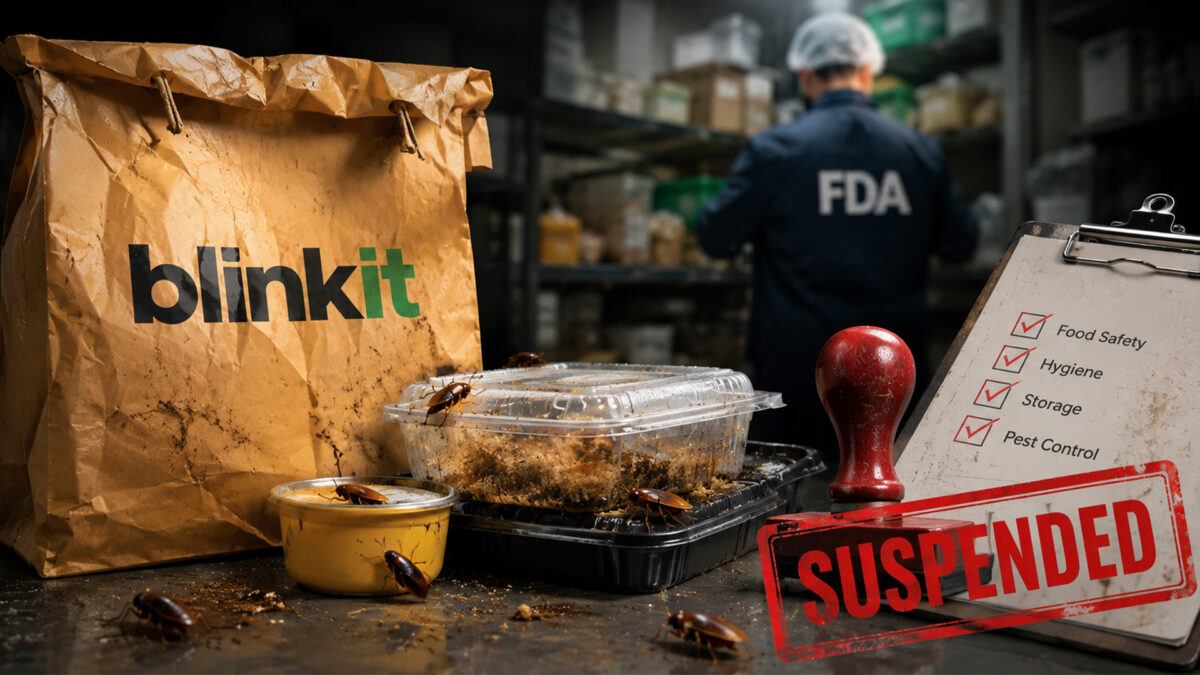
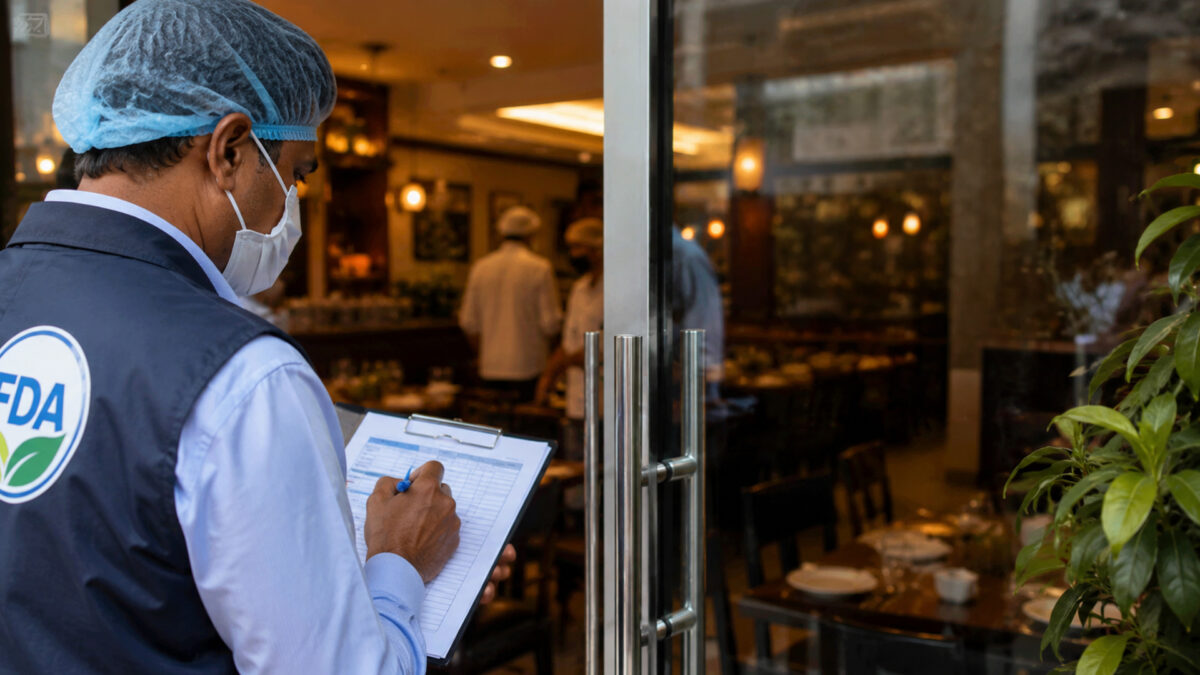
The Maharashtra Food and Drug Administration (FDA) has suspended the food licence of a Blinkit facility in Malad West, Mumbai, after an inspection found serious food safety and hygiene violations, including a large cockroach infestation, expired products and improper storage conditions.

Food safety officers inspected the Blink Commerce Pvt Ltd facility at Sarvodaya Bhuvan on Ramchandra Lane, Malad West, on August 7. The inspection found conditions that the regulator considered severely unhygienic, prompting immediate action against the facility.

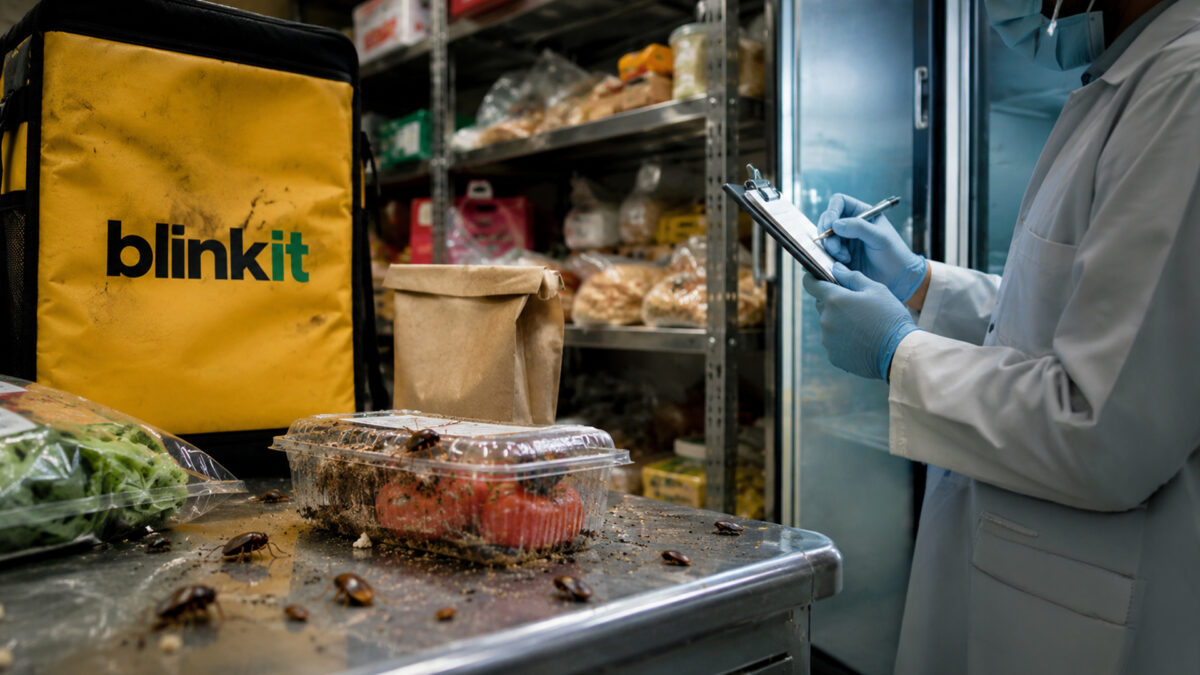
Among the most serious findings was a cockroach infestation in areas where fruits and vegetables were stored. Inspectors also found food products kept improperly, including items placed on the floor and stock stored on rusted racks. Such conditions can increase the risk of contamination and raise concerns about the safety of food being supplied to consumers.

The inspection also uncovered expired, damaged and tampered packaged food products. These items were reportedly being stored alongside other stock instead of being properly segregated and removed from circulation.

Proper inventory management is particularly important for quick-commerce warehouses, where thousands of products move through compact storage facilities every day. The FDA found that the facility was not adequately following the required First-In, First-Out (FIFO) and First-Expired, First-Out (FEFO) systems. These practices are designed to ensure older and soon-to-expire products are dispatched first and expired products do not remain in active inventory.

Pest control was another major concern. The facility did not meet the required standards for controlling pests and rodents, while waste management and general cleanliness were also found to be inadequate.

Officials also flagged shortcomings related to employees handling food. Required medical examination and health records for food handlers were not properly maintained. Inspectors further found gaps in personal hygiene and the use of protective equipment by workers.

The FDA has suspended the facility’s food business licence under Section 32(3) of the Food Safety and Standards Act, 2006. The suspension remains effective until further orders, preventing the facility from conducting food-related business during the period of suspension.

The action comes amid a wider food safety enforcement drive by the Maharashtra FDA. The regulator has been conducting inspections of food businesses, warehouses, retailers and other establishments across the state, with particular attention to hygiene, storage, pest control and compliance with food safety regulations.

The action against Blinkit also highlights the growing scrutiny of quick-commerce companies and their dark-store networks. Platforms such as Blinkit have expanded rapidly by operating neighbourhood warehouses that allow groceries and other products to reach customers within minutes.

The convenience comes with a significant operational responsibility. Unlike conventional supermarkets, dark stores process orders at high speed and handle a large variety of products in limited spaces. Maintaining proper refrigeration, stock rotation, pest control and hygiene is therefore essential to prevent food safety problems.

For consumers, the episode raises a basic but important question about the standards maintained behind the convenience of rapid grocery delivery. Food ordered through an app must meet the same safety and quality requirements as products purchased from a physical store.

The incident is also significant because food safety problems at a storage facility can affect multiple categories of products. Fresh produce, packaged food, dairy products and other perishables require different storage conditions, and lapses in temperature control, cleanliness or stock management can affect their quality.

A weaker system of expiry monitoring can be particularly risky. Products approaching or past their expiry dates need to be identified and removed promptly. If inventory systems fail, there is a possibility that unsuitable products could remain available for sale.

The FDA‘s action sends a clear message to businesses operating food warehouses that speed of delivery cannot come at the expense of hygiene and regulatory compliance. As quick commerce becomes a larger part of India’s grocery market, regulators are increasingly focusing on the conditions inside the facilities that customers rarely see.

The development also comes after food safety authorities took action against other establishments in Maharashtra over hygiene and storage violations. The wider enforcement activity indicates that regulators are paying closer attention to how food is stored, handled and sold across both traditional and digital retail channels.

For Blinkit, the immediate priority will be to address the deficiencies identified during the inspection and meet the regulator’s requirements before the facility can resume normal food-related operations.

The incident could also increase pressure on quick-commerce platforms to strengthen internal checks across their dark-store networks. Regular pest-control inspections, automated expiry monitoring, proper stock segregation, employee hygiene checks and clean storage areas are critical to maintaining consumer confidence.

For customers, the case is a reminder that convenience should not replace basic food safety. The expectation is simple: groceries delivered within minutes should be stored, handled and supplied under conditions that protect their quality and safety.

As India’s quick-commerce sector continues to expand, maintaining those standards will become increasingly important. The Malad action shows that regulators are prepared to intervene when facilities fail to meet the required food safety norms.

Categories
1 Minute-Read

Blinkit facility faces FDA action over hygiene

The Maharashtra Food and Drug Administration has suspended the food licence of a Blinkit facility in Malad West, Mumbai, after an inspection found serious hygiene violations.

Officials reported a cockroach infestation near fruits and vegetables, expired and damaged food products, improper storage and inadequate pest control. The facility also failed to properly follow FIFO and FEFO stock rotation systems.

Gaps were found in worker hygiene, medical records and protective equipment. The licence has been suspended under the Food Safety and Standards Act. The action comes amid a wider Maharashtra FDA crackdown on food safety violations.

Categories
Corporate

Johnson & Johnson enters robotic surgery with Ottava system

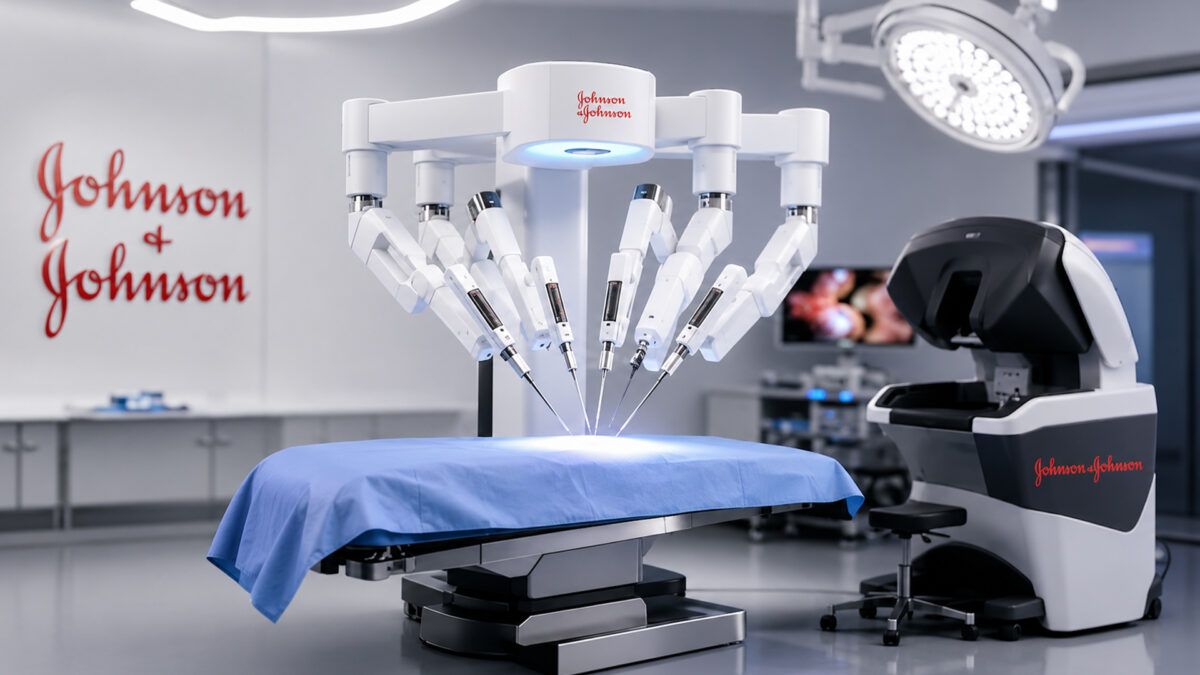
Johnson & Johnson has taken a major step into the rapidly growing robotic surgery market after its Ottava Robotic Surgical System received marketing authorisation from the US Food and Drug Administration (FDA). The approval opens the door for the healthcare giant to compete with established players in robot-assisted surgery, marking one of its biggest medical technology launches in recent years.

The company plans to introduce the system gradually across selected hospitals in the United States before expanding availability. This phased rollout will allow surgeons, nurses and healthcare teams to become familiar with the new technology while ensuring a smooth transition into routine clinical practice.

For patients, the arrival of another robotic surgery platform could eventually mean greater access to minimally invasive procedures. Robot-assisted surgery allows surgeons to perform complex operations with enhanced precision using robotic arms that are fully controlled by the surgeon. The technology often results in smaller incisions, less pain, reduced blood loss, fewer complications, shorter hospital stays and faster recovery compared to traditional open surgery.

The FDA has cleared the Ottava system for several upper abdominal general surgery procedures. These include gallbladder removal, appendix surgery, gastric bypass, sleeve gastrectomy, gastrectomy and hiatal hernia repair. Johnson & Johnson said it plans to expand the robot’s approved uses through additional clinical studies and future regulatory approvals.

A key feature that sets Ottava apart is its innovative design. Unlike conventional robotic surgery systems that require large robotic arms positioned around the patient, Ottava’s robotic arms are integrated into the operating table. This compact setup reduces the system’s footprint by around 30% to 50%, making it easier for hospitals with smaller operating rooms to adopt robotic-assisted surgery without major infrastructure changes.

The streamlined design also gives surgical teams more space to move around patients during procedures, improving workflow inside operating theatres. Hospitals that previously found robotic systems difficult to accommodate because of space limitations may now have a more practical option. The system has also been designed to allow easier positioning of patients and smoother movement of robotic arms during surgery, helping improve efficiency in the operating room.

Johnson & Johnson believes the robotic surgery market has enormous growth potential. Company executives estimate that only about 8% of surgeries worldwide are currently performed using robotic systems, leaving significant room for expansion as hospitals continue investing in advanced healthcare technologies.

The global medical robotics market has been expanding rapidly as healthcare providers seek technologies that improve surgical precision and patient outcomes. Increasing demand for minimally invasive surgery, rising healthcare investments and growing acceptance of digital healthcare solutions are expected to drive further adoption of robotic-assisted procedures over the coming years.

The company is also looking beyond the US market. It plans to seek regulatory approvals in regions including Japan and Western Europe, signalling its ambition to establish Ottava as a global robotic surgery platform. International expansion is expected to play a key role in the company’s long-term growth strategy.

Even with FDA approval, Johnson & Johnson faces strong competition. The robotic surgery market has long been dominated by Intuitive Surgical’s da Vinci system, while Medtronic has also strengthened its presence with its Hugo robotic-assisted surgery platform. Both companies already have a large installed base in hospitals, extensive surgeon training programmes and years of clinical experience.

However, Johnson & Johnson enters the market with decades of expertise in surgical devices, medical technology and hospital partnerships. Analysts believe the company’s strong global presence, broad product portfolio and established relationships with healthcare providers could help it gradually gain market share.

Industry experts also point out that hospitals increasingly prefer having multiple technology providers rather than relying on a single company. More competition in the robotic surgery space could encourage innovation, improve product features and eventually reduce costs, making advanced surgical technologies more accessible to hospitals and patients alike.

The company is already planning additional clinical trials, including studies for hernia repair and other procedures, to broaden Ottava’s surgical applications. More approved procedures would increase the robot’s versatility and make it a more attractive investment for hospitals looking to expand their robotic surgery programmes.

For surgeons, the new platform represents another option to perform complex operations with greater control and flexibility. For patients, it promises the possibility of safer surgeries, quicker recovery and improved overall surgical outcomes.

The FDA clearance represents a significant milestone for Johnson & Johnson as it enters one of healthcare’s fastest-growing segments. As demand for robotic surgery, minimally invasive surgery, medical robotics, advanced surgical technology and digital healthcare continues to rise, Ottava is expected to play an important role in shaping the future of modern surgery while intensifying competition in the global robotic surgery market.

Also Read: Caliber IPO allotment out, GMP signals 17% gains

Categories
Beyond

FDA suspends licences of 3 iconic Mumbai eateries

Maharashtra Food and Drug Administration (FDA) has suspended the food business licences of three well-known Mumbai eateries after inspections found serious violations of food safety and hygiene regulations.

The action was taken against Shalimar Restaurant, Noor Mohammadi Hotel and Rehmania Restaurant, all popular dining destinations with long-standing reputations in the city. The inspections were carried out as part of the FDA’s ongoing drive to improve food safety standards and ensure that restaurants comply with the Food Safety and Standards Act.

According to the FDA, officials discovered multiple lapses during inspections, including poor hygiene practices, inadequate sanitation, improper food storage and conditions that could pose health risks to customers. The violations were considered serious enough to warrant the immediate suspension of the establishments’ food business licences.

The restaurants have been directed to stop food operations until they address the shortcomings identified by the authorities. They will be allowed to resume business only after implementing the required corrective measures and obtaining approval from the FDA following a fresh inspection.

The latest enforcement comes as the Maharashtra FDA intensifies checks on food establishments across the state. Officials have been carrying out surprise inspections at restaurants, hotels and food outlets to ensure compliance with food safety norms and protect public health.

The action has drawn attention because the three restaurants are among Mumbai’s most recognisable eateries, attracting both local residents and tourists. Their temporary closure highlights the regulator’s stricter approach towards food safety, regardless of an establishment’s popularity or legacy.

FDA officials said maintaining hygienic kitchens, proper food handling practices and safe storage conditions is essential to prevent contamination and food-borne illnesses. They urged food business operators to strictly follow prescribed standards and conduct regular internal checks to ensure compliance.

Also Read: India, UK seal CETA

Categories
Uncategorized

FDA shuts K Rustom ice cream in Mumbai

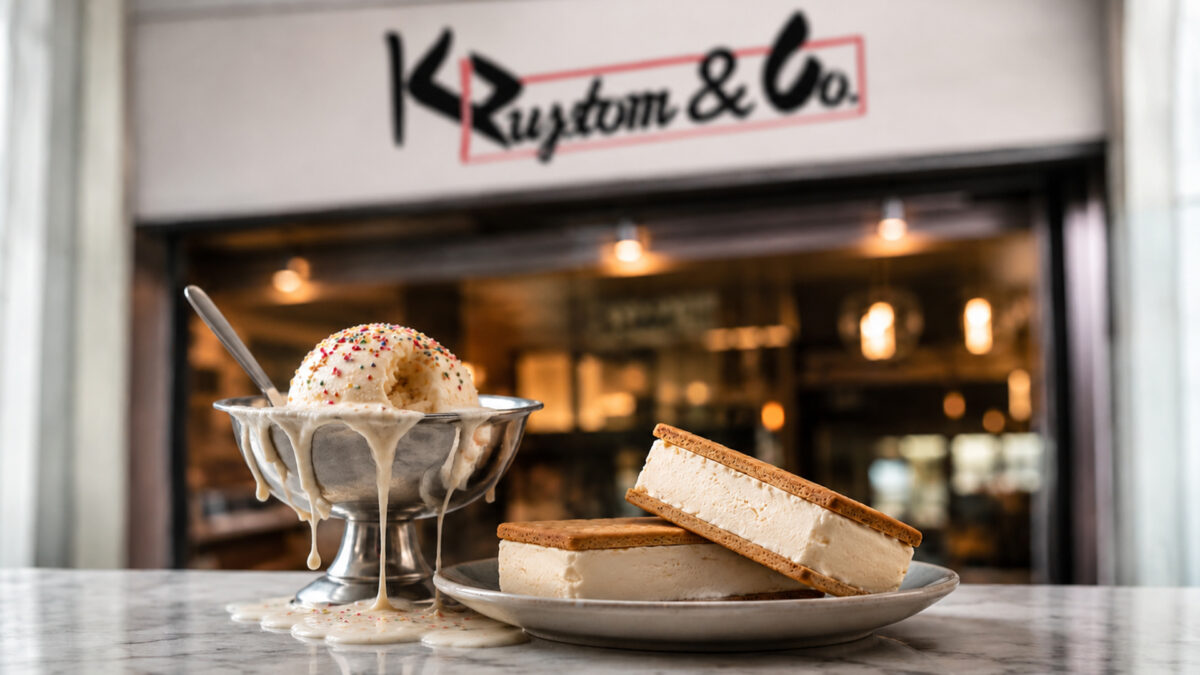
Mumbai’s iconic K Rustom Ice Cream, a favourite among generations of residents and tourists for over seven decades, has been ordered to shut temporarily after the Maharashtra Food and Drug Administration (FDA) found serious hygiene violations during an inspection.

The FDA suspended the licence of the popular Churchgate ice cream parlour after officials discovered rats, flies and poor sanitary conditions inside the premises. The inspection was carried out as part of an ongoing drive to check food safety standards at restaurants and eateries across Mumbai.

According to the FDA, inspectors found evidence of rodent activity, flies in food preparation areas and several lapses in cleanliness. Officials said these conditions posed a potential health risk to customers and violated food safety regulations.

Following the inspection, the authorities immediately suspended the outlet’s licence and directed the management to stop operations until all deficiencies are addressed. The parlour will be allowed to reopen only after it complies with hygiene standards and receives fresh approval from the FDA.

K Rustom Ice Cream has been one of Mumbai’s best-known dessert destinations since the early 1950s. Located near Churchgate railway station, the parlour is especially famous for its handmade ice cream sandwiches, attracting students, office-goers, tourists and families alike. News of its temporary closure has disappointed many loyal customers, with several expressing surprise on social media.

FDA officials said food businesses have a responsibility to maintain proper hygiene and ensure safe conditions for customers. They added that inspections across the city will continue and strict action will be taken against establishments that fail to meet prescribed standards.

The action against K Rustom comes amid increased monitoring of food outlets following recent complaints about hygiene and food safety. Authorities have urged restaurant owners to follow sanitation rules, maintain clean kitchens and adopt proper pest-control measures to protect public health.

Also Read: Sensex surpasses 230 points, Nifty reclaims 23,950

Categories
1 Minute-Read

FDA clears new daily weight-loss pill ‘Foundayo’

The US Food and Drug Administration has approved ‘Foundayo’ (orforglipron), a new daily oral weight-loss pill by Eli Lilly for adults struggling with obesity or related health conditions.

Unlike many existing treatments, Foundayo can be taken any time of day without food restrictions. Clinical trials showed significant weight loss compared to a placebo, though some users experienced nausea and digestive side effects.

The pill will start shipping on April 6, giving patients a simpler alternative to injectable therapies, with insurance coverage varying by provider.

Categories
Corporate

FDA clears Wegovy pill, Novo Nordisk shares up 10%

The FDA has approved a pill version of the weight‑loss drug Wegovy, offering a simpler alternative to injections and sending shares of Danish pharmaceutical company Novo Nordisk higher. The approval was announced on December 23, 2025.

Novo Nordisk’s stock rose sharply, gaining nearly 10% in Frankfurt trading as investors welcomed the new treatment. US-listed shares also jumped in early trading.

The oral Wegovy contains semaglutide, the same active ingredient as the injectable version. Taken once daily, it provides a convenient option for patients who prefer pills over weekly injections. This makes it the first FDA-approved GLP-1 weight-loss pill.

The company plans to launch the pill in the US early January 2026 at around $149 per month for the starting dose and is pursuing approvals in Europe and other markets. Novo Nordisk says it is well-prepared for supply, avoiding shortages that affected the injectable version’s launch.

Analysts believe the pill could expand access to obesity treatment, especially among adults hesitant about injections. However, competitors like Eli Lilly’s oral drug orforglipron, expected to launch in 2026, could narrow Novo Nordisk’s advantage.

Also Read: Pulitzer winner Carreyrou, 5 authors sue AI giants over copyright