Categories
Beyond

Oil tops $83, European gas jumps over 40%

Global energy prices have risen sharply after fresh tensions in the Middle East disrupted oil and gas supplies. Fighting involving Iran and its rivals has raised concerns about shipments from the Gulf region, which is one of the world’s most important energy hubs.

Oil prices climbed strongly, with Brent crude moving above $83 per barrel. Traders fear that if the conflict spreads or key shipping routes are blocked, supplies could fall further. A major concern is the Strait of Hormuz, a narrow sea route through which a large share of the world’s oil and liquefied natural gas (LNG) passes every day.

Natural gas prices have risen even more sharply, especially in Europe. Reports said gas prices surged by 30% to over 40% after Qatar temporarily halted LNG production at some facilities due to security concerns. Qatar is one of the world’s biggest LNG exporters, and any disruption there quickly affects global markets.

Europe depends heavily on LNG imports, particularly after cutting pipeline gas supplies from Russia in recent years. With storage levels not very high, even small supply shocks can cause big price swings.

The rise in energy prices is also affecting other sectors. Higher fuel costs increase shipping and transport expenses, which can push up prices of food, fertilisers and other goods. Economists warn that continued energy volatility could add to inflation pressures in many countries.

Governments and energy companies are closely watching the situation. Some countries may use strategic reserves or look for alternative suppliers if the disruption continues.

Also Read: CCPA fines baby food brand ₹8 lakh

Categories
Beyond

CCPA fines baby food brand ₹8 lakh

India’s consumer watchdog has imposed a ₹8 lakh fine on a baby food company for making misleading claims that infants can start crawling as early as three months old. The penalty was issued by the Central Consumer Protection Authority (CCPA) under rules aimed at stopping deceptive advertising that could mislead caregivers.

The CCPA found that promotional materials from the brand suggested that babies would begin crawling at three months if they consumed its product. This claim was judged to be unrealistic and not supported by scientific evidence. Experts agree that infants typically begin crawling between 6 and 10 months, and presenting an earlier age as a guaranteed outcome could mislead parents and set unhealthy expectations.

In its ruling, the CCPA noted that such claims not only misrepresent child development milestones but also exploit parental concerns about early growth and progress. The regulator said the advertisement content falls under unfair trade practices, which are prohibited under India’s consumer protection laws.

The fine of ₹8 lakh reflects the seriousness with which the regulator viewed the issue, both because it targeted a vulnerable group, infants, and because it could influence purchasing decisions of parents and caregivers. The CCPA has increasingly focused on advertisements that make unsubstantiated health and development claims about children’s products, emphasizing the need for accuracy and responsibility in marketing.

Officials from the CCPA said companies must ensure that all claims about health, growth, and development are backed by credible scientific studies and expert consensus before they are included in marketing. They warned that similar penalties could follow for other companies that make exaggerated or unverified claims in their advertising.

Consumer advocates welcomed the decision, saying it sends a strong message to firms to avoid sensational or exaggerated marketing tactics. They pointed out that parents rely heavily on product information when making decisions about infant nutrition and care, and misleading claims can lead to confusion or poor choices.

The CCPA’s action is part of a broader regulatory push to protect consumers, especially vulnerable groups like children, from deceptive advertising.

Also Read: Dynamatic Technologies joins Hutchinson to boost India’s aerospace manufacturing

Categories
Beyond

Rupee slumps to record low of ₹92.18 against dollar

Rupee fell sharply on Wednesday, 4 March 2026, hitting an all-time low of ₹92.18 against the US dollar in early trade. The currency dropped 69 paise from its previous close, breaching the ₹92 level for the first time.

The sharp fall comes because of the rising geopolitical tensions in the Middle East, which have pushed global crude oil prices higher. Brent crude crossed $82 per barrel, raising concerns over India’s import bill and inflation. As India imports more than 80% of its crude oil, higher prices directly impact the rupee.

The weakening currency also followed a sell-off in domestic equity markets, with foreign investors pulling out funds amid global uncertainty. A stronger US dollar and increased demand for safe-haven assets further added pressure on emerging market currencies, including the rupee.

Market experts said the combination of rising oil prices, global risk aversion, and foreign capital outflows is weighing heavily on the currency. They added that volatility may continue if crude prices remain elevated.

The Reserve Bank of India is closely monitoring the situation and may intervene to curb excessive fluctuations.

Also Read: Gold at ₹1.67 lakh, Silver near ₹2.95 lakh

Categories
Beyond

Gold at ₹1.67 lakh, Silver near ₹2.95 lakh

Gold and silver prices in India remains elevated on Wednesday, 4 March 2026, as investors sought safe-haven assets amid geopolitical uncertainty and ongoing volatility in global markets.

24‑carat gold was quoted around ₹1.67 Lakh per 10 grams, while 22‑carat gold stood at approximately ₹1.53 Lakh per 10 grams in major cities. City-level variations were observed due to local taxes and logistics, with Delhi seeing 24K gold at ₹1,67,770 per 10 grams and 22K at ₹1,53,790 per 10 grams. Similar rates were reported in Mumbai, Bangalore, Hyderabad, and Chennai.

On the international front, gold slightly eased from recent highs, trading near $5,118 per ounce, as profit‑taking and a firmer U.S. dollar moderated gains. However, persistent geopolitical tensions, particularly in the Middle East, continued to support bullion prices.

Silver also rebounded, trading near ₹2,94,900 per kilogram in Delhi, slightly below recent peaks around ₹3.15 Lakh per kg. Prices were influenced by global market sentiment, currency fluctuations, and short-term profit-booking by traders.

Analysts noted that bullion demand remained strong as investors continue to hedge against uncertainty. Yet, intermittent profit-booking and the stronger dollar have led to periodic corrections. Market watchers are closely monitoring geopolitical developments, crude oil movements, and currency trends, as they heavily influence domestic bullion prices.

In local physical markets, gold and silver demand was supported by cultural festivities, which kept retail activity active despite moderate intraday corrections. Traders advised buyers to keep an eye on both global and domestic factors before making purchase decisions.

Also Read: Sensex falls 1,650 and Nifty 470 points, Indian markets drop 2%

Categories
Beyond

India secures Russian oil than Hormuz supply

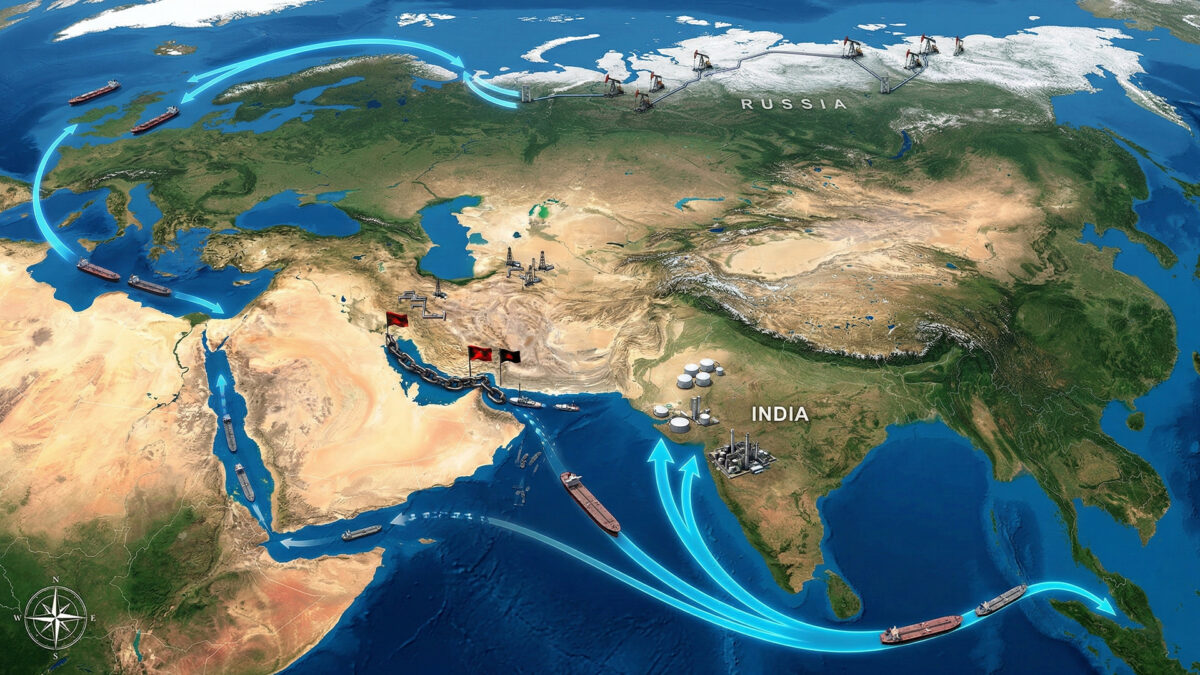
With the escalating conflict in the Middle East, India has increased crude imports from Russia to reduce reliance on shipments through the Strait of Hormuz, a key oil chokepoint threatened by tensions involving Iran, the US, and Israel.

Global oil prices have surged due to fears of disruptions, prompting India to seek safer alternative routes. Russian crude, transported via non-Hormuz paths, provides a more secure and predictable supply.

Officials say the shift also helps India manage potential economic impacts, such as higher import bills and inflation. Additional measures, including using strategic reserves and fuel conservation, are being considered.

While challenges like shipping logistics and sanctions exist, Indian refiners continue to diversify supplies to maintain fuel availability and safeguard the economy.

Also Read: Polymarket bets on Iran strike hit $529mn, raise insider fears

Categories
Corporate

Polymarket bets on Iran strike hit $529mn, raise insider fears

The prediction market platform Polymarket has witnessed an extraordinary surge in trading related to the timing of US military action against Iran, with a total of $529 million exchanged on contracts predicting whether airstrikes would occur by specific dates. The spike in activity comes amid rising geopolitical tensions in the Middle East, as traders speculated on potential military developments and their outcomes.

Analysts monitoring blockchain data noticed that six newly created accounts placed unusually large bets predicting a strike by February 28. These accounts reportedly earned a combined $1–$1.2 million just hours before the attacks occurred. The precision and timing of these trades have raised suspicions that the traders may have had access to non-public information regarding military plans, sparking concerns about possible insider trading in a market typically designed for speculative betting.

Experts have highlighted that while prediction markets are meant to aggregate public expectations and provide insights into likely outcomes, incidents like this expose potential ethical and regulatory gaps. The extraordinary profits made by new accounts raise questions about fairness and market integrity, especially in markets connected to real-world events with geopolitical sensitivity.

Supporters of such markets argue that they can provide valuable signals about public sentiment and expectations. Meanwhile, Polymarket, which operates in a largely decentralized and unregulated environment, has come under scrutiny for its role in facilitating high-value bets that appear closely linked to sensitive developments.

US officials are reportedly reviewing the situation to determine whether confidential intelligence may have influenced trading activity.

Also Read: Dollar rises as Iran conflict pushes oil prices

Categories
Beyond

Dollar rises as Iran conflict pushes oil prices

The US dollar strengthened sharply against major currencies, while the euro and Japanese yen weakened, as ongoing Middle East tensions involving Iran, the US, and Israel sent shockwaves through global markets. Investors flocked to safe-haven assets like the dollar and Swiss franc, fearing a prolonged conflict could disrupt trade and supply chains.

Crude oil prices rose significantly, with Brent crude climbing over $90 per barrel, due to concerns that Iranian airstrikes and retaliatory actions could affect shipments through the Strait of Hormuz, a key route for global oil exports. Higher energy prices are expected to add inflationary pressure on Europe, Japan, and other energy-importing countries.

The euro dropped to multi-week lows against the dollar, while the yen weakened amid Japan’s heavy reliance on imported energy. The Swiss franc gained as investors sought safety in stable currencies. Rising oil costs also pressured European stock markets, which saw declines as traders assessed the economic impact of higher energy bills and geopolitical risk.

Analysts said the market reaction reflects the combined impact of geopolitical uncertainty and energy price volatility. If the Middle East conflict escalates, energy prices could remain elevated, sustaining global inflation and boosting demand for safe-haven currencies. Economies dependent on imported fuels are particularly exposed to higher costs, while energy-exporting countries like the US may benefit from rising crude prices.

Experts also noted that central banks could face added challenges.

Also Read: Amazon India cuts seller referral fees to boost growth

Categories
Leaders

Sunil Bharti Mittal wins GSMA lifetime award

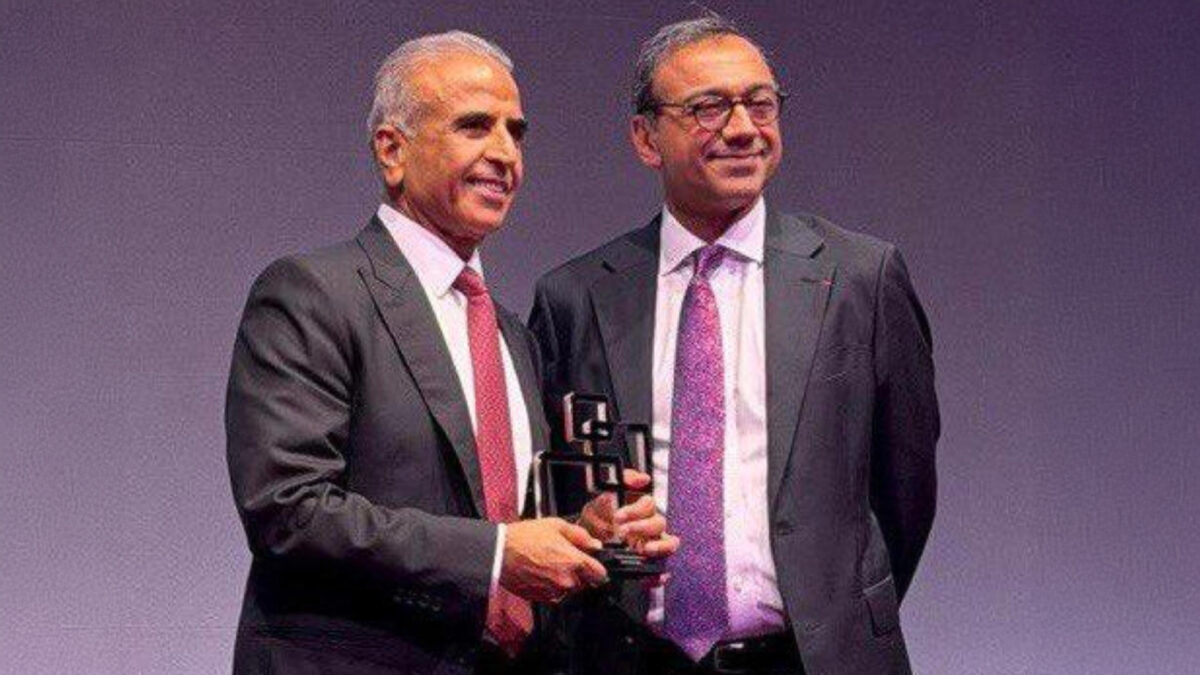
Telecom leader Sunil Bharti Mittal has been awarded the Lifetime Achievement Award by the GSMA for his outstanding contribution to the telecommunications industry. The award was presented at the Mobile World Congress and recognises his role in transforming mobile connectivity both in India and globally.

Mittal, founder and chairman of Bharti Enterprises, has been a key figure in India’s telecom revolution. Through Bharti Airtel, he expanded mobile services across the country, making phones and internet affordable for millions. Under his leadership, Airtel also grew into a major global telecom player.

Speaking at the ceremony, Mittal highlighted the importance of innovation, investment in networks, and collaboration between governments and the industry. He said mobile technology has transformed daily life, improving communication, education, business and financial inclusion, especially in remote areas.

The GSMA Lifetime Achievement Award is a top honour in the telecom sector, given to leaders who have made a lasting impact. Industry experts praised Mittal for his vision, noting how he helped expand networks, set industry standards, and promote innovation that benefits millions of people.

The award celebrates Mittal’s role not just in India, but also his influence on international telecom policies and connectivity projects. It also underlines how strong leadership in telecom can create opportunities, drive economic growth, and improve quality of life.

Also Read: Tata Trusts stand firm on Chandrasekaran’s leadership

Categories
Corporate

Shree Ram Twistex shares slump up to 35% on debut

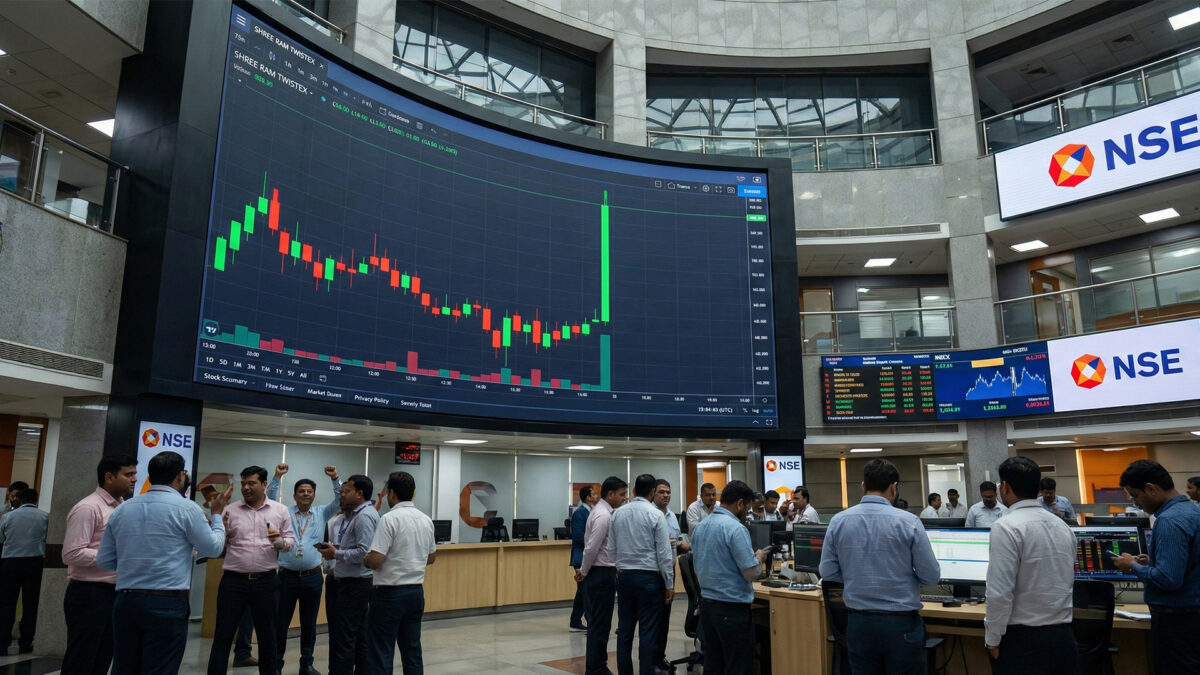
Shares of Shree Ram Twistex made a poor debut on the stock market, falling sharply on their first day of trading. The stock listed at a steep discount of nearly 35 per cent compared to its IPO price, leaving many investors disappointed.

The company had fixed its IPO price at ₹104 per share. However, when the shares began trading on the National Stock Exchange (NSE), they opened at around ₹68. On the Bombay Stock Exchange (BSE), the stock listed close to ₹70. This means investors who bought shares in the IPO immediately saw a sharp drop in the value of their investment.

What surprised many was that the IPO had received strong demand. The issue was subscribed more than 43 times during the bidding period, with healthy participation from retail investors as well as institutional buyers. Usually, such strong interest leads to a good listing, but that did not happen in this case.

Market experts say that listing performance depends not only on subscription numbers but also on overall market conditions and investor sentiment on the day of trading. Broader market weakness and cautious investor mood may have affected the stock’s debut.

Shree Ram Twistex manufactures cotton yarn used in products such as denim, garments, towels and home textiles. The company raised around ₹110 crore through the IPO. It plans to use the funds for business expansion, setting up renewable energy capacity and meeting working capital needs.

Also Read: AWS cloud outage hits UAE and Bahrain after Iranian strikes

Categories
Corporate

Fino Payments Bank denies GST evasion after CEO’s arrest

Fino Payments Bank has clarified that it has not evaded Goods and Services Tax (GST) following the arrest of its Managing Director and Chief Executive Officer, Rishi Gupta, by the Directorate General of GST Intelligence (DGGI).

The arrest is linked to an ongoing investigation into alleged irregular money flows and GST-related issues involving certain third-party programme managers and payment intermediaries. However, the bank has strongly denied any wrongdoing, stating that the case does not concern its own GST filings or compliance record.

In an official statement, Fino Payments Bank said it has consistently followed all regulatory and tax requirements. The lender also rejected reports linking it to betting or online gaming activities, clarifying that it does not promote or facilitate such businesses.

Following Gupta’s arrest, the bank appointed its Chief Financial Officer as interim head and assured customers and investors that daily operations continue as normal. It said there has been no disruption to account services, transactions or business volumes.

The development initially triggered sharp volatility in the bank’s share price, though the stock recovered partially after the company issued clarifications.

Industry bodies, including the Payments Council of India, have raised concerns about the implications of enforcement action against senior executives of regulated financial institutions. Meanwhile, Union Finance Minister Nirmala Sitharaman has indicated that the matter will be reviewed.

Despite the controversy, the bank maintained that its compliance framework remains strong and that the investigation pertains to external entities rather than the institution itself.

Also Read: AWS cloud outage hits UAE and Bahrain after Iranian strikes