Categories
Leaders

Jio Platforms CEO bets on AI tokens for telecom’s future

Jio Platforms is positioning itself for a new phase in the telecom industry, where artificial intelligence rather than basic connectivity will drive growth. Speaking at Mobile World Congress 2026 in Barcelona, Group CEO Mathew Oommen said the technology landscape is undergoing a major transformation as AI becomes central to digital services.

Oommen said the telecom industry is moving beyond simply connecting people and devices. Instead, networks will increasingly function as intelligent digital infrastructure capable of powering AI applications across sectors. According to him, this shift represents a structural change in how technology platforms operate and generate value.

To prepare for this transition, Jio is working on what it describes as an “Intelligence Grid.” The idea is to combine connectivity, computing power and artificial intelligence into a single ecosystem that can support large-scale AI services. This infrastructure, the company believes, will help businesses, developers and consumers access AI capabilities more easily.

A key concept in Jio’s strategy is the use of “AI tokens.” These tokens represent the units used by AI systems to process data and generate responses. Oommen explained that in the emerging AI economy, tokens could function much like voice minutes and mobile data once did in telecom, as a way to measure and price usage.

Jio plans to make AI tokens significantly cheaper, following a strategy similar to the one it used when it disrupted India’s telecom market by drastically lowering the cost of mobile data. By reducing the cost of AI computing, the company hopes to accelerate adoption of AI technologies across industries.

Also Read: Intel reconsiders strategy for 18A chip technology
Categories
Technology

Intel reconsiders strategy for 18A chip technology

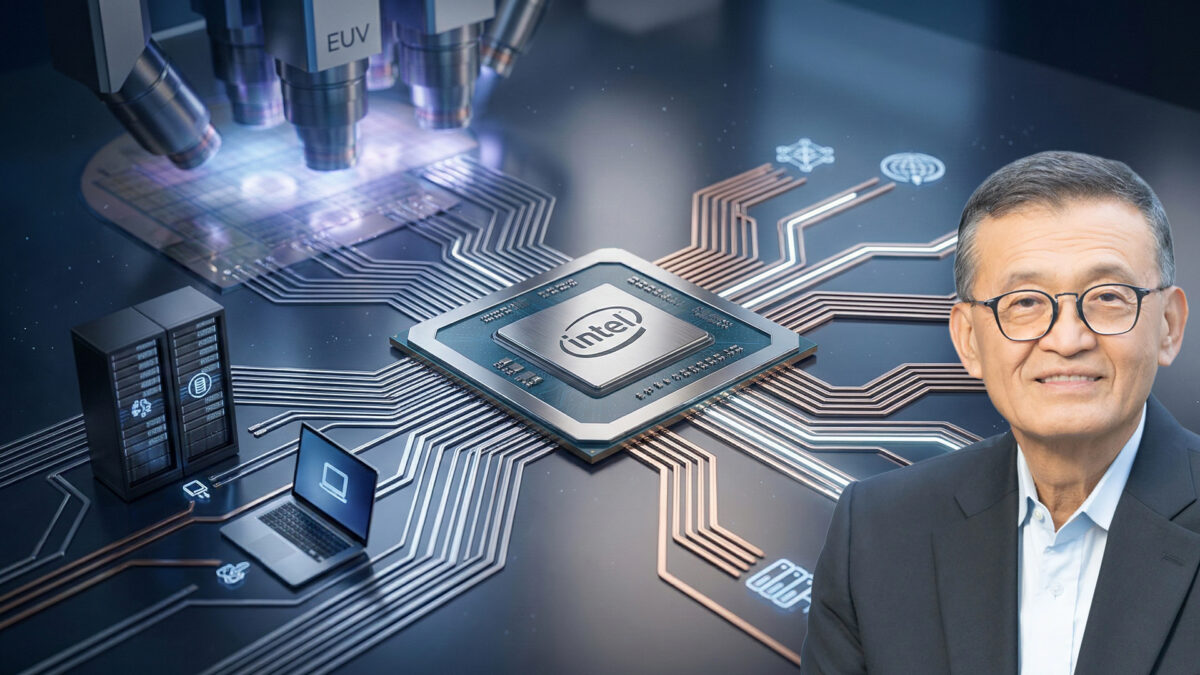
Intel is reconsidering the future of its 18A chip manufacturing technology, one of the company’s most advanced semiconductor processes, as it reviews how the technology should be deployed.

CEO Lip-Bu Tan is leading the reassessment, which could result in the company opening the process to external clients rather than keeping it mainly for its own chip designs.

Intel Chief Financial Officer David Zinsner said the company is revisiting earlier plans that limited the use of the 18A technology largely to internal production.

The potential shift could support Intel’s growing foundry business, which focuses on manufacturing chips for other companies. Intel has been investing heavily in this segment as it seeks to compete with global contract chipmakers such as Taiwan Semiconductor Manufacturing Company and Samsung Electronics.

The 18A process is expected to deliver major improvements in chip performance and power efficiency. It represents a key step in Intel’s roadmap to regain a leading position in semiconductor manufacturing.

According to Zinsner, the company has recently achieved better production yields for the 18A process, although the technology is still in the early stages of scaling up for larger manufacturing volumes.

At the same time, Intel is promoting its next-generation 14A process technology to potential customers as part of its efforts to expand contract chip manufacturing services.

Since becoming CEO in 2025, Tan has been working to restructure the company and strengthen its position in advanced semiconductor production and artificial intelligence technologies.

Intel’s strategic review of the 18A process highlights the company’s effort to balance internal chip development with its ambitions to build a competitive foundry business that serves external customers.

Also Read: Qatar LNG halt raises gas supply concerns


Categories
Beyond

India VIX surges 50% In two days

India’s market volatility indicator, India VIX, has jumped more than 50% in the last two trading sessions, signalling growing nervousness among investors.

The volatility index rose to around 21, its highest level in nearly ten months. The sharp rise comes as global markets react to increasing tensions in the Middle East, particularly the conflict involving the United States and Iran.

Often referred to as the market’s “fear gauge”, India VIX reflects how much volatility traders expect in the Nifty 50 over the next 30 days. When the index rises sharply, it usually means investors expect bigger swings in stock prices and are becoming more cautious.

The latest spike came as geopolitical tensions pushed global oil prices higher and created uncertainty in financial markets. Concerns about a possible disruption in crude oil supply have made investors more careful about placing bets in equities.

As a result, Indian stock markets have seen increased fluctuations in recent days. Market participants say investors are closely watching global developments before making major investment decisions.

Experts note that sudden rises in the volatility index often happen during periods of uncertainty, especially when geopolitical tensions or economic risks increase. Similar spikes were seen during the COVID-19 pandemic and other major global events.

The current surge in India VIX suggests that investors expect markets to remain volatile in the near term. Many traders are reducing risk and shifting some investments to safer assets such as gold.

Analysts say the future direction of the market will largely depend on how the geopolitical situation unfolds. If tensions ease and global markets stabilise, volatility may decline.

However, if the conflict intensifies or oil prices continue to rise sharply, stock markets could experience further ups and downs.

Also Read: Morgan Stanley to cut 2,500 jobs globally


Categories
Beyond

Rupee rebounds, trades between ₹91.08–₹91.57

Indian rupee recovered in early trade on Thursday after hitting a record low in the previous session. Rupee traded in a range of ₹91.08 (high) and ₹91.57 (low) against the US dollar in the interbank foreign exchange market. During the session, the rupee strengthened by around 50–55 paise to about ₹91.54–₹91.57 per dollar, reversing part of the sharp losses seen a day earlier.

The rebound follows a steep fall in the previous trading session when the rupee slipped to an all-time low of above ₹92 per US dollar. The decline was mainly driven by rising global crude oil prices and geopolitical tensions in the Middle East involving the United States, Israel and Iran.

Market participants said the RBI likely intervened in the currency market by selling US dollars through state-run banks to curb the sharp depreciation. Such intervention helped stabilise the rupee and restore some confidence among traders.

A modest recovery in domestic equity markets and improved sentiment across Asian currencies also provided support to the rupee during the session. However, analysts said the recovery remains fragile due to ongoing global uncertainties.

One of the major concerns for the rupee is the surge in crude oil prices. India imports a large portion of its oil requirements, and higher crude prices increase the country’s import bill and demand for dollars, putting pressure on the local currency.

In addition, foreign fund outflows and global risk aversion have contributed to volatility in the forex market. During periods of geopolitical tension, investors typically shift funds into the US dollar, which is considered a safe-haven asset.

Also Read: Gold hits ₹1.63 lakh, silver touches ₹2.74 lakh

Categories
Beyond

Gold hits ₹1.63 lakh, silver touches ₹2.74 lakh

Gold and silver prices surged in early trade on Thursday as rising geopolitical tensions in the Middle East boosted demand for safe-haven assets. Investors turned to precious metals amid uncertainty surrounding the conflict involving the United States, Israel and Iran, which has heightened volatility in global financial markets.

On the Multi Commodity Exchange (MCX), gold futures for April delivery traded between a low of ₹1,61,525 and a high of ₹1,63,142 per 10 grams during the session. The metal opened higher at around ₹1,62,750 per 10 grams, extending gains from the previous trading day.

Silver prices also saw strong buying interest. MCX silver futures for May delivery moved between ₹2,65,466 and ₹2,74,251 per kilogram in early trade, reflecting a sharp rally as investors increased their exposure to bullion.

Analysts said the rise in gold and silver prices was largely driven by safe-haven demand amid escalating geopolitical tensions and uncertainty in global markets. A softer US dollar and volatility in equity markets also supported the upward momentum in precious metals.

In the physical market, gold prices across major Indian cities remained elevated. 24-carat gold traded around ₹1.66-₹1.67 lakh per 10 grams, while 22-carat gold hovered above ₹1.53 lakh per 10 grams, depending on city-wise taxes and jewellers’ margins.

Also Read: Sensex up 500+ points, Nifty above 24,650

Categories
Corporate

Sensex up 500+ points, Nifty above 24,650

Indian benchmark indices opened on a positive note on Thursday, supported by encouraging global cues and a strong indication from GIFT Nifty ahead of the session.

The BSE Sensex rose in early trade while the NSE Nifty50 also moved higher, signalling a recovery after recent losses triggered by geopolitical tensions and rising crude oil prices.

Market sentiment improved after GIFT Nifty traded higher in pre-market deals, suggesting a firm opening for domestic equities. Investors remained cautious, however, as global markets continue to react to developments in the Middle East and fluctuations in oil prices.

Several stocks remained in focus during the session. Shares of MRF, Shriram Finance and Glenmark Pharma attracted attention following recent corporate developments and investor interest.

Sector-wise, buying was seen in metal, realty and oil & gas stocks, while some pressure was visible in defensive sectors. Analysts noted that volatility could persist as investors closely monitor geopolitical developments and global commodity prices.

Also Read: Sensex rises 620 points, Nifty up at 19,845 as oil retreat

Categories
Corporate

Sensex rises 620 points, Nifty up at 19,845 as oil retreat

Equity markets recovered on Wednesday as investor sentiment improved following a pullback in crude oil prices and stabilising global markets. The BSE Sensex jumped 620 points to close near 65,980, while the NSE Nifty50 added 185 points, ending the day at 19,845.

After two days of sharp declines linked to heightened geopolitical tensions in the Middle East, markets opened in positive territory and maintained momentum throughout the session. Analysts said easing fears of supply disruption in the Gulf, combined with softer crude oil prices, helped boost risk appetite among both domestic and foreign investors.

Heavyweight energy stocks led the gains, with Reliance Industries Ltd climbing over 3% and ONGC rising nearly 2.5% as lower oil prices reduced cost pressures and improved profit expectations. Infrastructure stocks, including JSW Infrastructure and Larsen & Toubro, also saw strong buying on optimism about government spending and upcoming project awards.

Banking shares contributed to the rally, with HDFC Bank and ICICI Bank gaining as traders anticipated stable credit growth and robust asset quality. Mid‑cap and small‑cap indices outperformed the broader market, indicating broad-based participation in the rebound.

On the downside, IT heavyweights like HCL Technologies, Infosys, and TCS slipped 1–1.5% amid profit-taking after recent rallies, and defensive sectors saw muted buying. Investors rotated funds from defensive to cyclical sectors, reflecting improved risk sentiment.

Globally, U.S. and European markets showed early gains, and Asian indices traded higher after a volatile start, boosting investor confidence in India. Analysts said that while volatility may continue depending on geopolitical developments, domestic macroeconomic fundamentals and corporate earnings remain supportive for equities.

Trading volumes were healthy, with strong participation from both retail and institutional investors. Market participants advised caution, noting that while the rebound is encouraging, any sudden escalation in Middle East tensions could trigger renewed volatility.

Also Read: South Korean stocks fall 12% in historic sell‑off

Categories
Technology

‘X’ launches paid partnership label for creators

Social media platform X has introduced a built-in “Paid Partnership” label to help creators clearly disclose sponsored posts. The new feature allows users to tag branded content directly through a tool, instead of adding hashtags like #ad or #sponsored in captions.

The label will appear on posts that involve a commercial relationship between a creator and a brand. It can be added while publishing the post or even after it goes live. The move aims to improve transparency and help creators comply with advertising disclosure rules.

X said the feature will make it easier for followers to understand when content is promotional. The update also aligns the platform with industry standards and advertising guidelines that require influencers to clearly disclose paid collaborations.

Also Read: HDFC bank to charge for some UPI ATM cash withdrawals

Categories
1 Minute-Read

HDFC bank to charge for some UPI ATM cash withdrawals

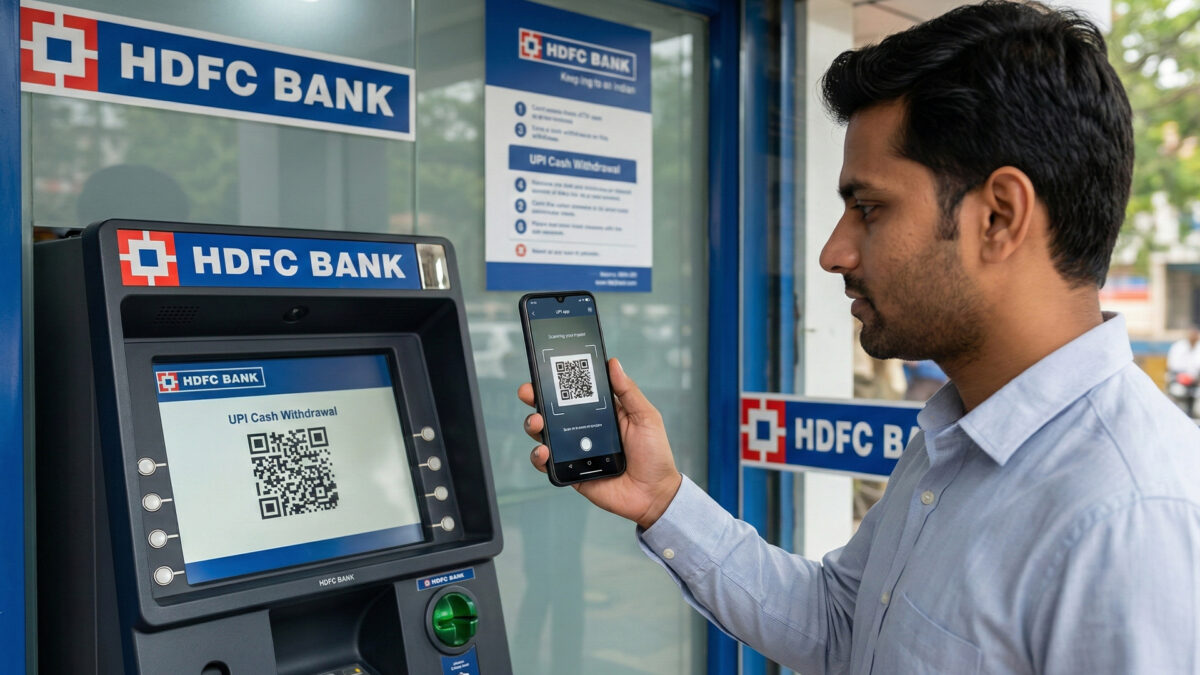
HDFC Bank will start charging customers for certain cash withdrawals from ATMs using UPI from 1 April 2026.

Until now, UPI ATM withdrawals were generally free, but the bank said fees will apply in specific situations, especially for withdrawals beyond free limits set for savings accounts.

The move affects customers who frequently take out cash using UPI at ATMs. HDFC said this step aligns with industry practices as banks adjust services and costs. Customers are advised to check their account’s free withdrawal limits to avoid unexpected charges.


Categories
Leaders

Sam Altman revises Pentagon AI deal after backlash

OpenAI CEO Sam Altman has moved to calm growing concerns over the company’s deal with the US Department of Defense, saying the agreement will be revised to clearly prevent the misuse of its artificial intelligence tools.

The original partnership sparked criticism from privacy advocates and some users, who feared that OpenAI’s technology could be used for domestic surveillance or to track American citizens using personal data. The backlash intensified online, with critics questioning whether AI companies should be working so closely with military and intelligence agencies.

Responding to the concerns, Altman admitted that the initial announcement of the deal was not handled well. He said the communication around the agreement was “rushed” and lacked clarity, which led to confusion about how the technology could be used.

To address this, OpenAI is updating the contract to explicitly ban the use of its AI systems for domestic spying. The revised terms will make clear that the tools cannot be used to monitor US citizens or analyse commercially collected personal data for surveillance purposes. Additional safeguards are also being added to ensure intelligence agencies cannot access or use the models without proper approvals.

Altman stressed that OpenAI remains committed to protecting civil liberties while also supporting national security efforts. He said the company wants to strike a balance between helping governments with responsible AI solutions and ensuring strong privacy protections are in place.

The controversy highlights the growing debate around the role of artificial intelligence in defence and security. As AI becomes more powerful and widely used, tech companies are facing tougher questions about ethics, transparency and accountability.

While the amended deal is expected to reassure some critics, discussions around AI’s role in military operations are likely to continue.

Also Read: Oil tops $83, European gas jumps over 40%