Categories
1 Minute-Read

Reliance shares jump 3% on oil rally

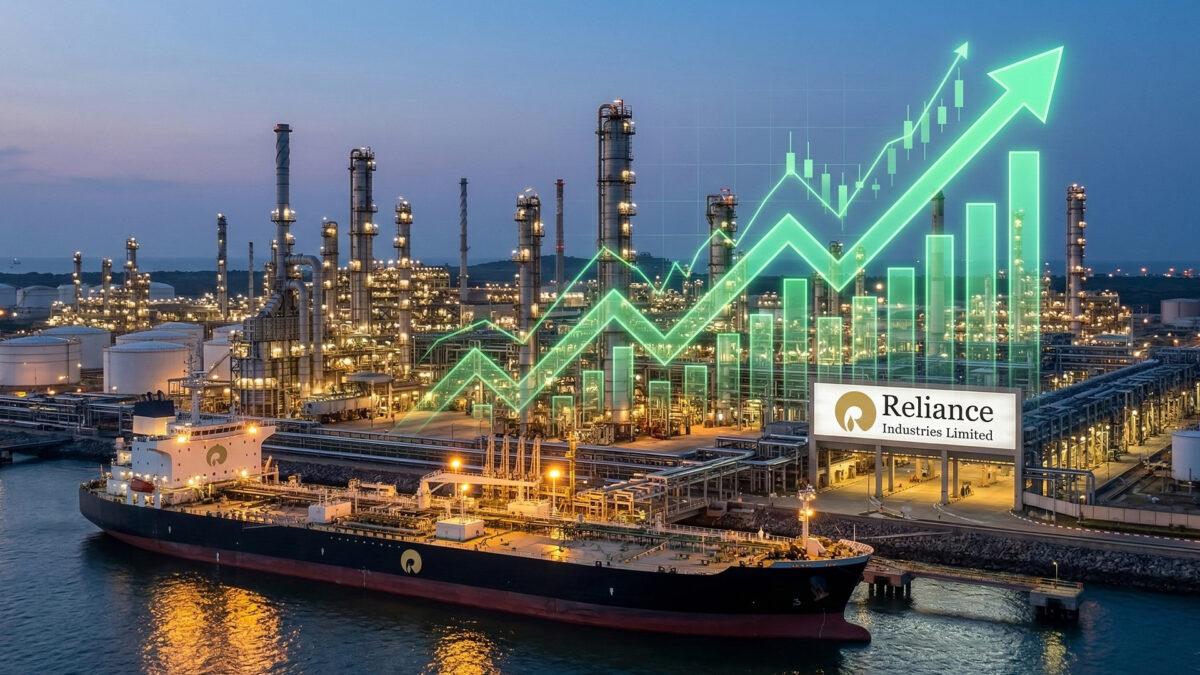
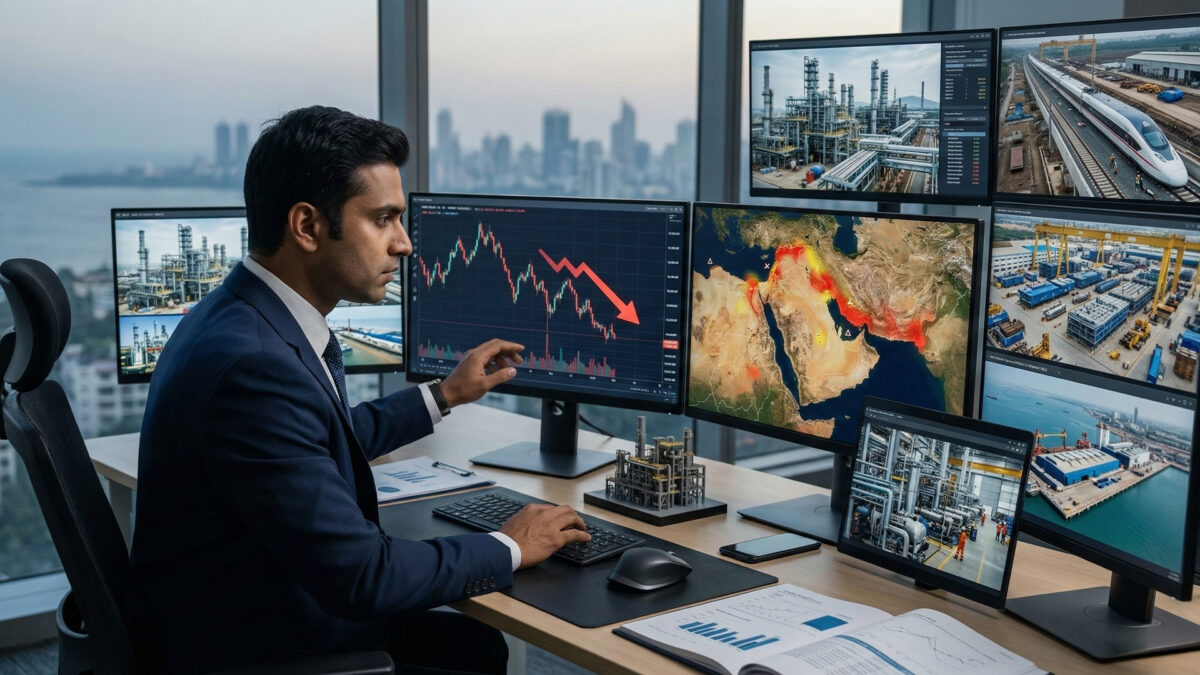
Shares of Reliance Industries rose nearly 3% as global crude oil prices increased following tensions in West Asia. Higher oil prices are expected to improve refining margins for the company, which runs one of the world’s largest refining complexes at Jamnagar in Gujarat.

It is cited vy experts that stronger fuel prices, especially for diesel and other refined products, could support the company’s oil-to-chemicals business. Supply concerns linked to the Iran conflict have pushed crude prices higher, improving sentiment for refinery companies. As a result, investors showed increased interest in Reliance stock, expecting stronger earnings if oil prices remain elevated.

Categories
Corporate

Oracle plans major layoffs as AI costs rise

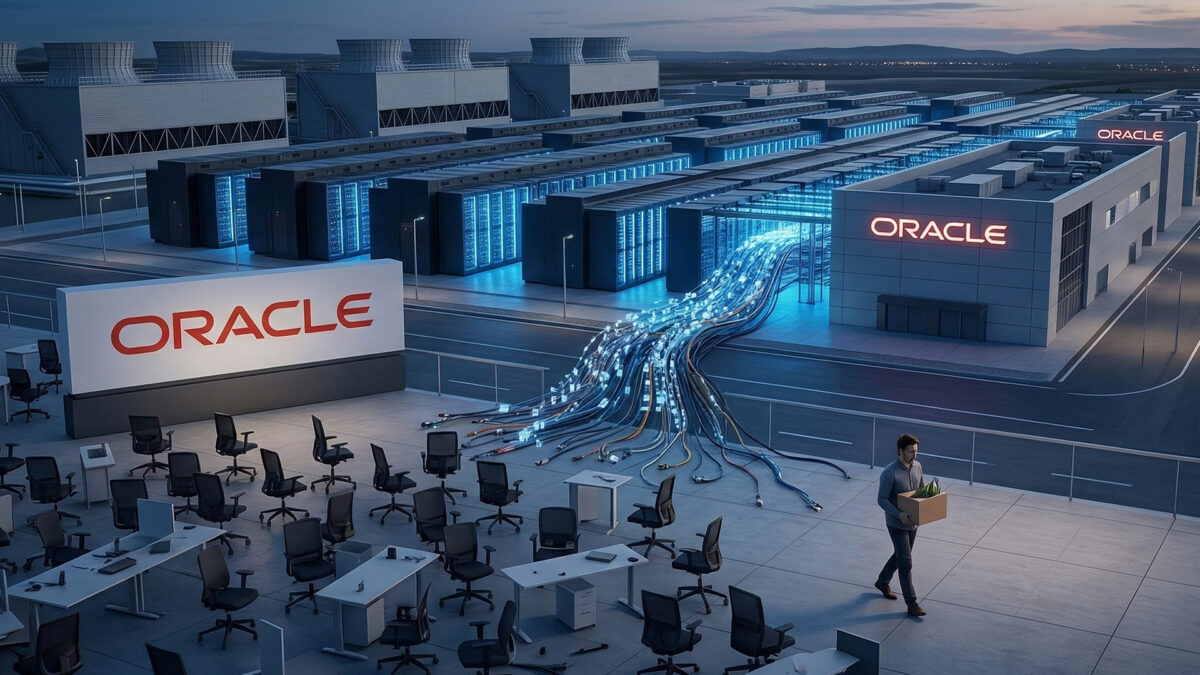
US technology giant Oracle Corporation is reportedly planning large-scale layoffs as it faces rising costs linked to artificial intelligence infrastructure and expanding data-centre operations.

According to multiple reports, the company may cut between 20,000 and 30,000 jobs worldwide, which could affect around 10% of its global workforce. If the plan goes ahead, it would mark one of the biggest job cuts in Oracle’s history.

The expected layoffs come as the company ramps up investments in data centres to support advanced artificial intelligence services. Building and running these facilities requires expensive hardware, including specialised chips and powerful servers needed to train and run AI systems.

A major factor behind the rising spending is Oracle’s partnership with OpenAI, the AI company led by Sam Altman. Oracle has committed significant resources to providing cloud infrastructure that supports OpenAI’s AI models and tools.

Analysts say Oracle may need to invest billions of dollars in new data-centre capacity in the coming years as demand for AI computing continues to grow. Reports suggest that the company is looking at layoffs as a way to free up $8 billion to $10 billion to support these investments.

The company is also facing financial pressure because funding large-scale data-centre projects has become more challenging. Some US banks have reportedly grown cautious about lending money for massive AI infrastructure projects, which has made financing more expensive.

To manage these rising costs, Oracle is reviewing several options. These include cutting operational expenses, asking some customers to make higher upfront payments for cloud services, and possibly selling certain assets to raise funds.

Also Read: US to raise global tariff to 15%, says Scott Bessent

Categories
Leaders

US to raise global tariff to 15%, says Scott Bessent

The United States plans to increase a global tariff on imports to 15% starting this week, as the government looks for ways to maintain its trade policy while dealing with legal challenges.

US Treasury Secretary Scott Bessent said the higher tariff will be introduced as a temporary step after a court decision blocked parts of the tariff programme earlier introduced by former president Donald Trump.

Earlier, the US had imposed a 10% tariff on imports from many countries after the court ruling created uncertainty around the previous tariff structure. The new 15% rate will replace that temporary level while the government works on restoring its earlier trade measures.

Bessent said the administration is using a trade law that allows the US president to impose tariffs of up to 15% for a limited period without full congressional approval. This provision can be used for up to 150 days. According to him, the government expects the higher tariff to remain in place for about five months.

During this period, the administration will work on bringing back the earlier tariff system through other legal mechanisms. Bessent said the goal is to ensure that the US can continue applying trade pressure where needed while also complying with legal requirements.

The tariff move is part of broader efforts by the US to reshape global trade relations and encourage domestic manufacturing. Tariffs are often used by governments to make imported goods more expensive, which can help protect local industries.

Bessent indicated that the administration expects the tariff situation to stabilise later this year once the earlier trade measures are reinstated through the proper legal process.

For now, the temporary 15% tariff is expected to remain in place while the government works to restore its broader trade policy framework.

Also Read: China raises defence budget to $275 bn

Categories
Corporate

Rapido launches ‘Ownly’ food delivery app in Bengaluru

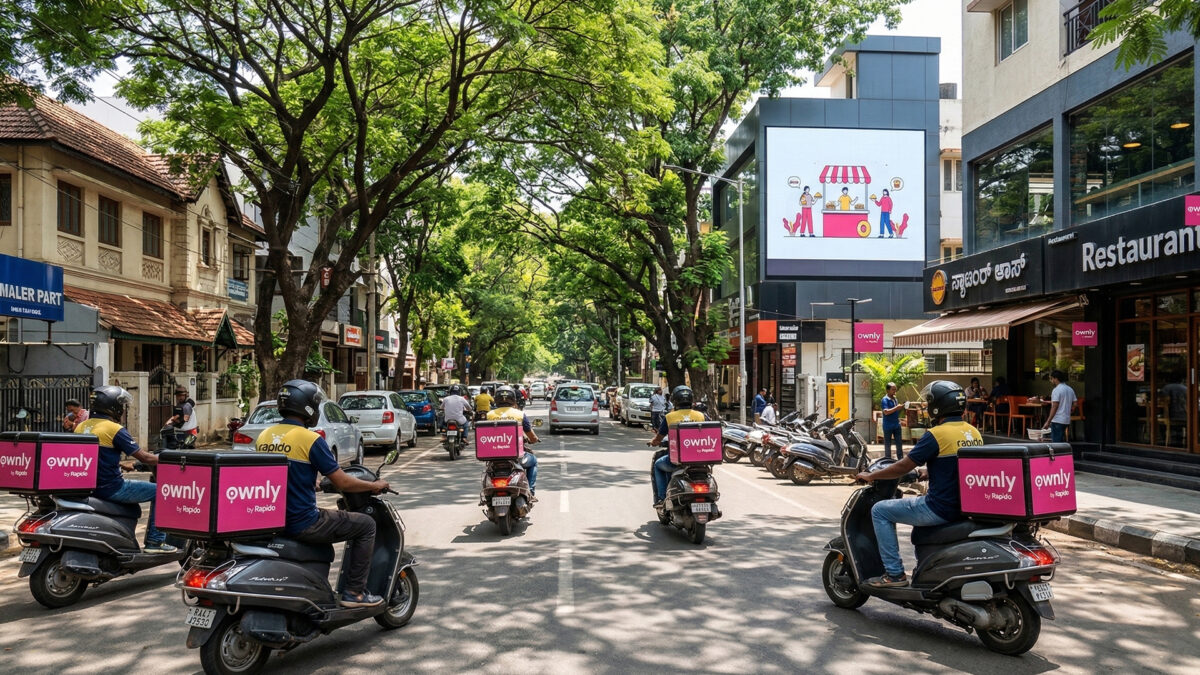
Ride-hailing company Rapido has entered the food delivery space with the launch of Ownly, a new platform that operates on a zero-commission model for restaurants. The service has been rolled out in Bengaluru as the company’s first market, with plans to expand if the model proves successful.

Unlike traditional food delivery platforms that charge restaurants commissions ranging from 15% to 30%, Ownly allows restaurants to list their menus and receive orders without paying any commission. Rapido said the initiative aims to create a more sustainable and profitable system for restaurant partners while keeping food prices affordable for customers.

Under the new model, restaurants handle food preparation and pricing independently, while Rapido manages delivery logistics through its existing network of bike taxi riders. The company believes this structure will help reduce costs for restaurants and encourage more eateries, particularly small and mid-sized outlets, to join the platform.

The launch comes at a time when many restaurant owners have expressed concerns over the high commissions charged by major food delivery aggregators. By removing these charges, Rapido hopes to offer restaurants greater control over pricing and customer relationships.

For customers, the company claims the zero-commission structure could lead to more competitive pricing, as restaurants will not need to inflate menu prices to offset aggregator fees. Orders placed through the Ownly app will be delivered using Rapido’s extensive rider network, which already supports its ride-hailing and logistics services.

Rapido also said the platform will focus on a curated selection of restaurant partners rather than a large marketplace. This approach is intended to maintain quality, ensure faster deliveries and provide better service for users.

Currently available only in Bengaluru, the company will closely monitor the platform’s performance before considering expansion to other cities across India.

Also Read: Adani partners UNESCO for Engineering Day 2026

Categories
Corporate

L&T shares rises 2%, brokerages see upside to ₹4,500

Shares of Larsen & Toubro rose more than 2% in trading after falling sharply in the previous sessions. The recovery came as investors bought the stock following its recent decline.

The stock had dropped earlier this week amid rising geopolitical tensions in West Asia. The conflict involving Iran, Israel and the United States raised concerns among investors, as L&T has a large share of its projects in the region.

During the trading session, L&T shares climbed close to ₹3,990 after the correction seen in recent days. The stock had fallen around 9–12% over the past few sessions and was down nearly 13% from its record high of about ₹4,440 reached in February.

Despite the recent volatility, several brokerage firms continue to remain positive about the company’s long-term outlook. Firms such as Jefferies and Motilal Oswal Financial Services have maintained their “buy” rating on the stock.

However, both brokerages have slightly lowered their target prices because of uncertainty linked to the situation in West Asia. Jefferies reduced its target price for L&T to around ₹4,500 from ₹4,715 earlier, while Motilal Oswal cut its target to about ₹4,400.

Analysts said the revisions reflect short-term risks linked to the company’s exposure to the Middle East market. Nearly 40% of L&T’s order book is connected to projects in West Asia, with Saudi Arabia accounting for a major share of those contracts.

Because of this exposure, delays or disruptions in the region could affect project execution and earnings in the near term. Analysts estimate that if projects are halted for about a month, the company’s earnings per share for FY26 could decline by around 6–8%.

Also Read: Rozana raises ₹290 cr to expand rural network

Categories
Technology

Netflix buys Ben Affleck’s AI startup

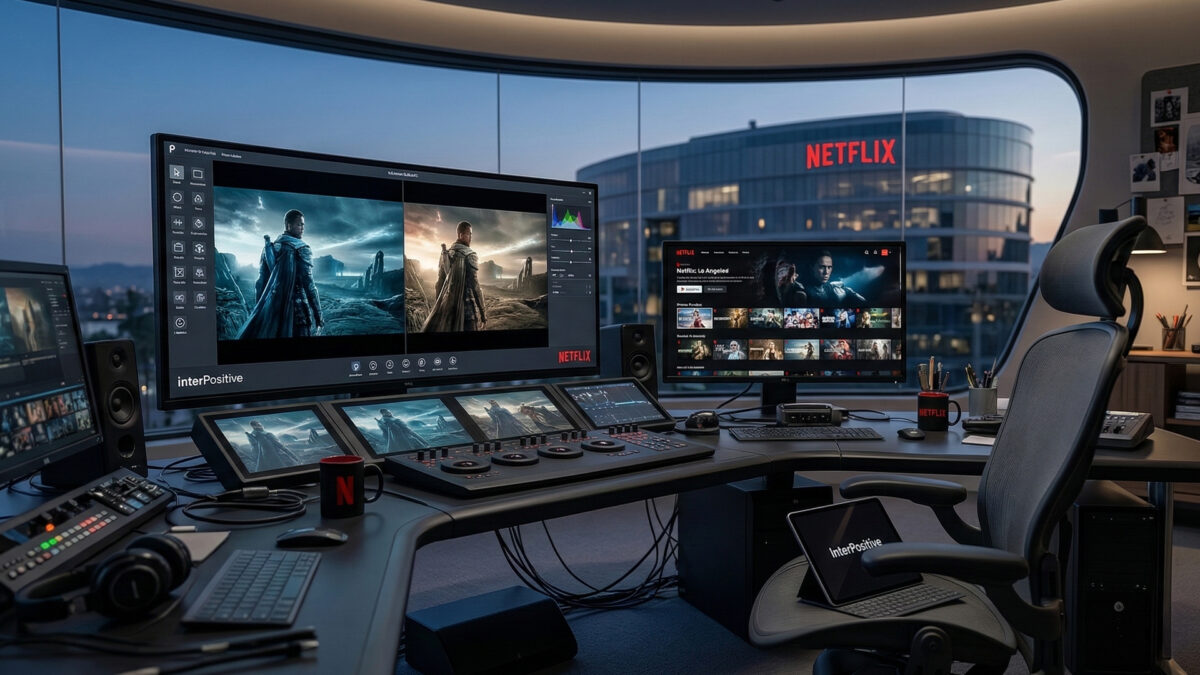
Netflix has acquired InterPositive, an artificial intelligence startup founded by Hollywood actor and filmmaker Ben Affleck, as the streaming giant looks to expand the use of advanced technology in film and television production.

The company confirmed that the team behind InterPositive will now work with Netflix to develop AI tools aimed at helping filmmakers during different stages of production. Financial details of the deal have not been made public.

InterPositive was launched in 2022 by Affleck with the goal of creating AI systems that assist filmmakers in solving common technical challenges. The startup focuses on tools that can help fix missing shots, adjust lighting or backgrounds, and improve visual continuity in scenes while keeping the director’s creative vision intact.

Following the acquisition, Affleck will join Netflix as a senior adviser. In this role, he will work with the company to explore how artificial intelligence can be used responsibly in filmmaking without replacing human creativity.

Netflix said the technology developed by InterPositive is designed to support artists rather than take control away from them. The company believes AI can help filmmakers save time on technical work, allowing them to focus more on storytelling and creative decisions.

Affleck said the idea behind InterPositive came from his years of experience in the film industry. He noticed that while artificial intelligence was advancing quickly, many of the tools were not designed with filmmakers’ real needs in mind. His goal was to build technology that understands how movies are made and helps improve the process without changing the artistic intent.

The deal comes at a time when the entertainment industry is debating the role of artificial intelligence in film and television. Many actors, writers and filmmakers have expressed concerns about AI replacing jobs or using creative material without proper credit.

Also Read: Rupee gains 55 paise to close at 91.6 per dollar

Categories
Beyond

Rupee gains 55 paise to close at 91.6 per dollar

Rupee strengthened against the US dollar on Thursday, recovering from recent record lows after likely intervention by the Reserve Bank of India (RBI). The domestic currency appreciated by 55 paise to close at 91.6 per dollar, supported by dollar sales in the foreign exchange market.

During the trading session, the rupee touched an intraday high of around 91.41, as improved market sentiment and central bank action helped stabilize the currency. The rupee had earlier come under pressure after falling to a record low earlier this week amid global uncertainty and rising crude oil prices.

Currency traders said state-run banks were seen selling dollars in the market, a move widely believed to be on behalf of the RBI. Such intervention typically aims to reduce volatility and prevent excessive weakening of the domestic currency.

The rupee had weakened significantly in recent days due to global risk-off sentiment and escalating geopolitical tensions in the Middle East. These developments pushed investors toward safe-haven assets and strengthened the US dollar, putting pressure on emerging market currencies including the rupee.

Another key factor weighing on the currency has been the rise in crude oil prices. India is one of the world’s largest oil importers, and higher crude prices increase the country’s demand for dollars to pay for energy imports, which can weaken the rupee.

Forex analysts said the sustainability of the rupee’s recovery will largely depend on how global oil prices move in the coming days. If crude prices remain high, the currency could face renewed depreciation pressure despite RBI intervention.

The central bank’s support, however, helped restore some stability to the currency market and limited sharp fluctuations during the session. Improved sentiment in domestic financial markets also contributed to the rupee’s rebound.

Also Read: Gold falls ₹10 to ₹1,62,870, Silver slips to ₹2,84,900

Categories
Corporate

Sensex drops over 450 points, Nifty slips below 24,650

Stock markets opened sharply lower on Friday, mirroring a heavy sell-off in global markets and growing concerns over geopolitical tensions in West Asia. The BSE Sensex dropped over 450 points, while the Nifty50 fell below 24,650 in early trade, reflecting widespread risk-off sentiment among investors.

Banking and engineering stocks were among the hardest hit. ICICI Bank fell from ₹970 to ₹945, Larsen & Toubro (L&T) dropped from ₹3,520 to ₹3,450, and IndiGo declined from ₹2,320 to ₹2,260. In contrast, IT and defensive stocks managed modest gains, providing some support to the broader market.

Global cues were negative, with the Dow Jones Industrial Average witnessing a steep fall overnight. Analysts said that escalating tensions in West Asia, combined with rising crude prices. Brent crude crossed $85 per barrel, added to market nervousness. Precious metals, including gold, strengthened as investors sought safe-haven assets, while the rupee weakened slightly against the US dollar.

Sector-wise, energy and financials were major draggers, whereas select IT and FMCG stocks helped cushion losses. Experts noted that the market’s short-term trajectory will remain sensitive to oil price movements, developments in West Asia, and global equity trends.

Despite the sharp decline, analysts suggested that investors monitor intraday swings closely, as bargain hunting in fundamentally strong stocks could provide opportunities.

Categories
Corporate

Broadcom sees AI chip sales topping $100 billion

Broadcom expects the growing demand for artificial intelligence infrastructure to significantly boost its business in the coming years. The semiconductor company believes its AI chip sales could exceed $100 billion by 2027 as technology firms continue investing heavily in AI systems.

Speaking after the company’s latest earnings announcement, CEO Hock Tan said Broadcom is seeing strong demand for custom-designed chips used in large-scale AI data centres. According to Tan, the company now has clear visibility into how the AI market is expanding and expects its chip business to benefit from this trend.

A key factor behind this growth is the increasing need for specialised processors that can train and run complex AI models. Major technology companies are rapidly building AI infrastructure to support generative AI tools, cloud services and advanced data processing.

Broadcom has carved out a strong position in this market by working closely with large technology firms to develop custom AI chips tailored to their specific requirements. These chips are designed to handle heavy computing workloads required by modern AI systems.

Companies such as Alphabet, Microsoft, Amazon and Meta Platforms are investing billions of dollars to expand their AI capabilities. Their spending on AI-related infrastructure, including chips, servers and networking equipment, is expected to reach hundreds of billions of dollars in the coming years.

This surge in investment is already reflected in Broadcom’s financial performance. The company reported revenue of about $19.3 billion in its latest quarter, representing strong growth compared with the previous year. Revenue from AI-related products alone more than doubled during the period.

The company forecast revenue of about $22 billion for the next quarter, with AI chips expected to account for a significant share of that total.

Also Read: Jio Platforms CEO bets on AI tokens for telecom’s future

Categories
Corporate

Sensex jumps 900 points, Nifty above 24,750

Indian stock markets rebounded sharply on Thursday, March 5, 2026, after several days of volatility triggered by geopolitical tensions in the Middle East. The BSE Sensex climbed around 900 points, while the Nifty 50 rose 285 points and stood above 24,750, erasing part of the losses seen earlier in the week.

Investors found some relief as global markets stabilised and fears of a prolonged conflict involving the US, Israel, and Iran showed signs of easing. This improved sentiment helped domestic benchmarks recover from earlier dips.

Key gainers included Tata Motors, Reliance Industries and HDFC, which led the upside in the indices. On the other hand, ITC, Nestle India and Titan Company faced selling pressure, slightly weighing down the overall market.

Earlier in the week, Indian equities fell sharply due to rising crude oil prices and heightened geopolitical uncertainty. A spike in oil prices raised concerns about inflation, a higher import bill, and potential pressure on the Indian rupee. On March 4, the Sensex had tumbled over 1,100 points, while the Nifty fell below the 24,500 mark, hitting multi-month lows.

Thursday’s recovery was broad-based, with gains seen across major sectors including technology, metals, and consumer goods. Global markets also provided support, as Wall Street and Asian indices posted gains amid hopes of diplomatic engagement and easing tensions in West Asia.

The Indian rupee also strengthened slightly, recovering from recent lows against the US dollar, reflecting improved risk sentiment among investors.

Markets are likely to continue reacting to geopolitical developments and fluctuations in crude oil prices, which remain key factors influencing investor sentiment.

Also Read: Intel reconsiders strategy for 18A chip technology