Categories
Corporate

Pakistan rejects JPMorgan bid for Roosevelt Hotel

The government of Pakistan has decided not to sell the historic Roosevelt Hotel after receiving interest from JPMorgan Chase. Instead, officials plan to redevelop the property in the future while keeping a stake in it.

Located in the heart of New York City, the Roosevelt Hotel is one of Pakistan’s most valuable overseas assets. The building is owned by Pakistan through Pakistan International Airlines (PIA), the country’s national airline.

JPMorgan had reportedly shown interest in buying the hotel property as part of its plans to expand its real estate presence in Manhattan. However, Pakistan’s cabinet decided not to approve the sale after reviewing the proposal.

Officials believe the land where the hotel stands is extremely valuable because of its prime location in Midtown Manhattan. Instead of selling it now, the government thinks the property could bring greater returns if it is redeveloped into a modern building or a large commercial project in the future.

The Roosevelt Hotel has been closed since 2020 and requires major repairs or redevelopment. Over the past few years, Pakistan has been exploring different ways to use the property more effectively as the country looks for ways to strengthen its finances.

According to reports, Pakistan may look for international partners to help redevelop the site. Under such a plan, foreign investors could fund the project while Pakistan keeps partial ownership of the property.

The government believes this approach could help generate more income in the long term compared with selling the hotel outright.

The Roosevelt Hotel has a long history and has been considered a landmark building in New York. Because of its location and size, experts say the site could be developed into a large residential, commercial or mixed-use project.

Pakistan is now expected to appoint financial advisers and begin discussions with potential investors to plan the future of the property.

Also Read: Qatar flags risk to global oil, gas supplies

 

Categories
Beyond

Qatar flags risk to global oil, gas supplies
Qatar has warned that energy exports from the Gulf region could be disrupted within weeks if tensions between the United States and Iran continue to rise.

Speaking about the growing conflict in the Middle East, Qatar’s Energy Minister Saad al-Kaabi said the situation could threaten the movement of oil and natural gas from the region to the rest of the world. If the conflict escalates further, shipping routes and energy facilities may become unsafe, forcing Gulf countries to temporarily stop exports.

The Gulf region plays a crucial role in the global energy market. A large share of the world’s oil and liquefied natural gas (LNG) passes through the Strait of Hormuz, a narrow but extremely important shipping route. Any disruption in this area can quickly affect global energy supplies and prices.

Qatar is one of the world’s largest exporters of LNG and supplies natural gas to several countries across Asia and Europe. Officials say the ongoing conflict has already created uncertainty for energy shipments in the region.

Energy experts warn that if the situation worsens, it could lead to serious disruptions in global oil and gas markets. A long conflict could push fuel prices higher and affect transportation, electricity costs and industrial production in many countries.

Countries that depend heavily on imported fuel could feel the impact the most. Higher energy prices could also increase inflation and make daily living costs more expensive for people around the world.

The warning from Qatar comes at a time when tensions in the Middle East remain high due to military actions and threats of further attacks. Governments and global markets are closely watching developments in the region.

Also Read: ₹4,080 bet turns ₹55 cr in Sedemac IPO


Categories
1 Minute-Read

Karnataka to remove liquor price control

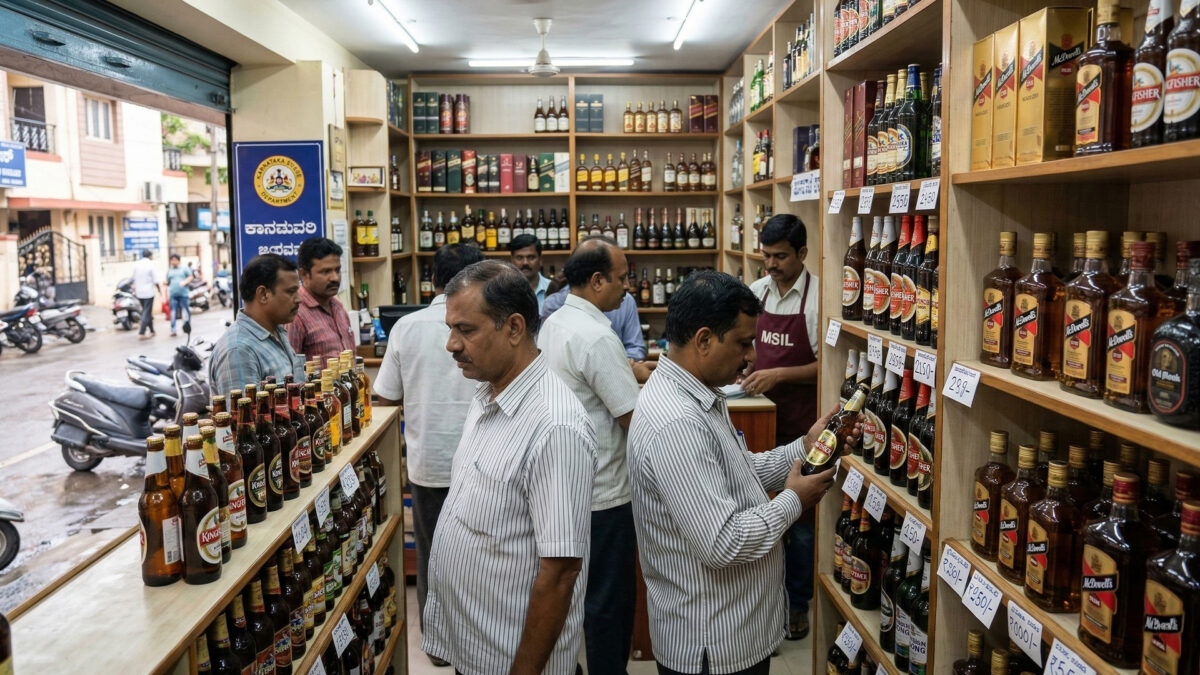
The government of Karnataka will remove its control over liquor prices from April 2026 under a new excise policy. Chief Minister Siddaramaiah announced that alcohol companies will be allowed to decide the prices of their products instead of the government fixing them.

The state will introduce a new tax system based on the alcohol content in beverages and reduce price categories from 16 to eight to simplify the process. Officials say the reform will make the system more transparent and encourage competition among brands. Karnataka, with cities like Bengaluru, is one of India’s largest liquor markets.


Categories
Corporate

₹4,080 bet turns ₹55 cr in Sedemac IPO

A small investment made years ago by a startup incubator at Indian Institute of Technology Bombay has turned into a massive financial gain after the public listing of Sedemac Mechatronics, an automotive technology company based in Pune.

The institute’s startup incubator, Society for Innovation and Entrepreneurship (SINE), had invested just ₹4,080 in the company when it was still a young startup. With Sedemac launching its Initial Public Offering (IPO), the value of that early investment has now grown to nearly ₹55 crore.

SINE invested in Sedemac many years ago by buying shares at a very low price, reportedly around one paisa per share. At the time, the company was in its early stage and was developing technology solutions for the automotive industry.

Over the years, Sedemac expanded its operations and built a strong presence in the automotive electronics sector. The company designs and manufactures electronic control systems used in vehicles and machines. Its products are commonly used in two-wheelers, three-wheelers, electric vehicles and small engines.

Today, SINE holds about 4.08 lakh shares in the company, representing a small but valuable stake. With the IPO price band set between ₹1,287 and ₹1,352 per share, the total value of this stake is estimated to be around ₹55 crore.

Sedemac’s IPO opened for subscription in early March and attracted strong interest from investors. The public offering is structured as an offer-for-sale, meaning existing shareholders are selling part of their stake rather than the company issuing new shares.

Also Read: Domestic LPG up ₹60, commercial cylinders now ₹115

Categories
Technology

Amazon starts AI platform for healthcare administration

Amazon has introduced a new artificial intelligence-powered platform designed to help healthcare providers automate routine administrative work and improve efficiency in hospitals and clinics. The tool has been launched by Amazon Web Services (AWS), the company’s cloud computing division.

The new platform is built to handle several time-consuming administrative processes that healthcare workers typically manage manually. These include tasks such as appointment scheduling, verifying patient details, reviewing medical histories, preparing clinical notes and generating billing codes.

Administrative work is a major challenge for many healthcare systems around the world. Doctors and nurses often spend significant time on paperwork and data entry, which can reduce the time available for patient care. With the new AI platform, Amazon aims to streamline these processes so that healthcare professionals can focus more on treating patients.

The system can interact with patients through voice or digital communication channels to help book appointments and answer routine queries. It can also access and organise patient information, making it easier for medical staff to review records and prepare documentation during consultations.

According to the company, the platform is designed to integrate with existing electronic health record systems used by hospitals and clinics. This allows healthcare organisations to adopt the technology without replacing their current infrastructure.

The AI tool is also capable of assisting with tasks after a patient visit. It can automatically generate summaries of consultations, prepare documentation and create billing codes required for insurance claims and payments.

Amazon says the system can operate continuously, helping hospitals manage patient requests at any time of the day. In cases where the AI cannot resolve a request, the issue can be transferred to human staff for further assistance.

Also Read: Domestic LPG up ₹60, commercial cylinders now ₹115

Categories
Beyond

Domestic LPG up ₹60, commercial cylinders now ₹115

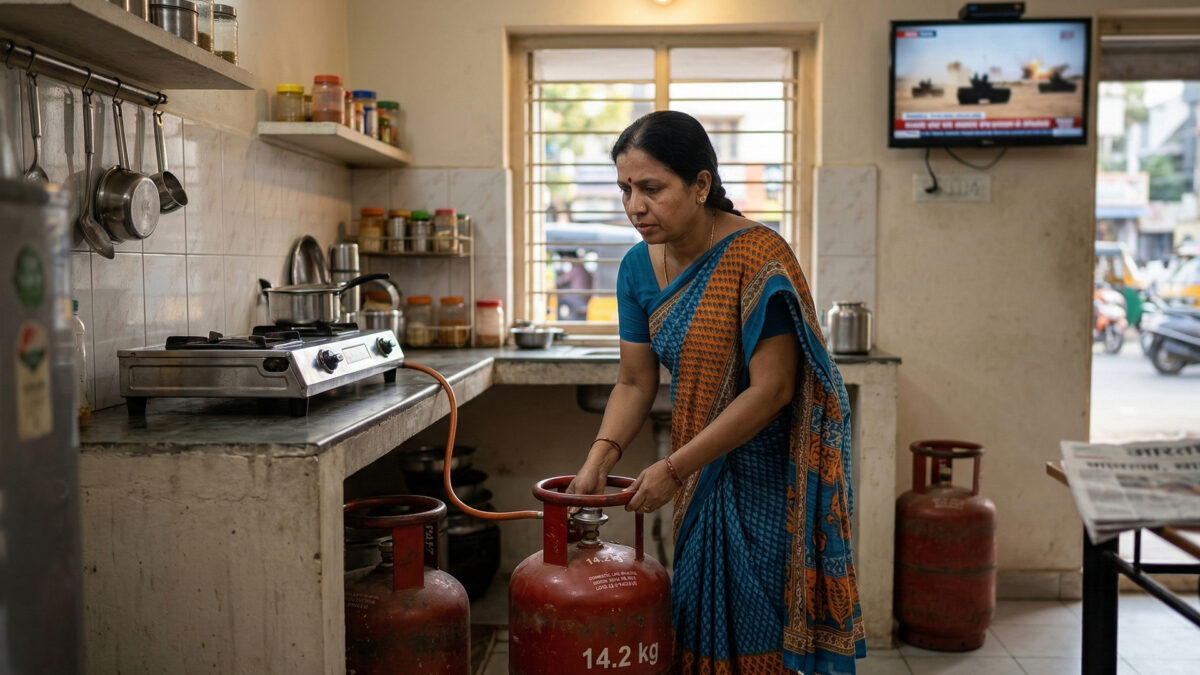
Cooking gas prices in India have increased after oil marketing companies raised the rates of domestic and commercial LPG cylinders. The price of a 14.2-kg domestic LPG cylinder has been increased by ₹60, while the cost of a 19-kg commercial cylinder has gone up by ₹115. The revised prices came into effect on March 7.

With the latest hike, the price of a domestic LPG cylinder in Delhi has risen to around ₹913 from ₹853 earlier. Similar increases have been reported in other major cities. In Mumbai, the price has gone up to about ₹912.50, while in Kolkata it has increased to around ₹939. In Chennai, a domestic LPG cylinder now costs roughly ₹928.50.

Commercial LPG cylinders, widely used by hotels, restaurants and small businesses, have also become costlier by ₹115. The increase is expected to push up operating costs for the hospitality sector and other businesses that depend heavily on LPG.

The price revision comes amid rising global energy costs linked to tensions in West Asia. Ongoing geopolitical developments in the region have disrupted energy supply chains and pushed up international fuel prices. As India imports a significant portion of its energy needs, global price movements often influence domestic fuel prices.

This is the first major LPG price revision in several months. Cooking gas prices were last revised in April last year, when domestic LPG cylinders were increased by ₹50. Since then, prices had remained largely stable.

India has more than 33 crore LPG consumers, making cooking gas one of the most widely used household fuels in the country. As a result, any change in LPG prices directly affects household budgets as well as the cost structure of several businesses.

While the latest hike may add to the financial burden on consumers, officials say supply of LPG across the country remains stable and there are no immediate concerns about shortages. The government and oil companies are closely monitoring the global situation to ensure adequate availability of cooking gas in the domestic market.

Also Read: US grants India 30-day Russian crude oil import

Categories
Corporate

Estée Lauder fully acquires Forest Essentials

The Estée Lauder Companies, the US luxury beauty conglomerate, has announced plans to acquire the remaining stake in Forest Essentials, one of India’s leading Ayurvedic skincare brands, bringing it under full ownership. The deal, subject to regulatory approvals, is expected to close in the second half of 2026.

Forest Essentials, founded in 2000 by Mira Kulkarni, has established itself as a premium brand combining traditional Ayurvedic principles with modern skincare technology. The company has nearly 200 standalone stores across India and has grown steadily in the luxury segment. Under the acquisition agreement, the brand’s headquarters will remain in New Delhi, and Kulkarni, along with her son Samrath Bedi, who serves as Executive Director, will continue to lead operations.

This acquisition marks the next stage in an 18-year partnership between the two companies. Estée Lauder first invested in Forest Essentials in 2008 as a minority shareholder and later increased its stake to 49% in 2020. The current deal will allow Estée Lauder to acquire the remaining 51% ownership, giving it complete control over the brand

Stéphane de La Faverie, President and CEO of The Estée Lauder Companies, described the move as a “new chapter” in a long-standing relationship, highlighting India as a key growth market for prestige beauty. Mira Kulkarni welcomed the acquisition, noting that the partnership ensures the brand’s operational foundation and authenticity in India remain intact.

Both companies have emphasized that the acquisition will not affect Forest Essentials’ identity, product range, or Ayurvedic ethos. The brand name, pricing, and strategic direction will remain unchanged. Estée Lauder aims to use its global distribution network and marketing expertise to help Forest Essentials expand internationally, while preserving its cultural heritage and premium positioning in India.

Also Read: Fractal makes ₹100 cr profit in first quarter post-listing

Categories
Corporate

Fractal makes ₹100 cr profit in first quarter post-listing

Fractal Analytics Ltd, a newly listed Indian AI and analytics company, reported a profit after tax (PAT) of ₹100 crore in its first quarterly results since its stock market debut on February 16, 2026. The results cover the third quarter of FY 2026 (October–December 2025) and mark a strong start for the company as a publicly traded firm.

The company’s revenue rose 21% year‑on‑year to ₹854.4 crore, driven by growing demand from clients in healthcare, life sciences, and banking and financial services (BFSI) sectors. Healthcare alone contributed significantly, with revenue rising nearly 78%, as Fractal’s AI solutions for diagnostics, drug research, and patient analytics gained traction globally. The BFSI sector also increased adoption of predictive analytics and data-driven decision-making tools.

Fractal improved profitability metrics, with adjusted EBITDA up 24% year‑on‑year and gross margins exceeding 47%, indicating efficient operations and strong cost management. The company’s net revenue retention stood at 114%, showing that existing clients increased their usage of Fractal’s products over time.

Fractal’s AI offerings have gained recognition internationally. Its Vaidya.ai 2.0 model scored above 50 on OpenAI’s HealthBench (Hard) benchmark for clinical reasoning, while its PiEvolve engine outperformed several global AI models in independent evaluations. These products have strengthened the company’s position in the competitive enterprise AI market.

With over 5,000 employees worldwide, Fractal is expanding its services across sectors including healthcare, BFSI, consumer goods, and technology. The strong quarterly performance highlights robust revenue growth, expanding margins, and increasing client engagement, setting the stage for continued growth and solidifying investor confidence in the company’s future.

Investors welcomed the results, and trading activity in Fractal’s shares increased following the quarterly announcement.

Also Read: Mazagon Dock shares jump on ₹99,000 cr defence contract hopes

Categories
Corporate

Mazagon Dock shares jump on ₹99,000 cr defence contract hopes

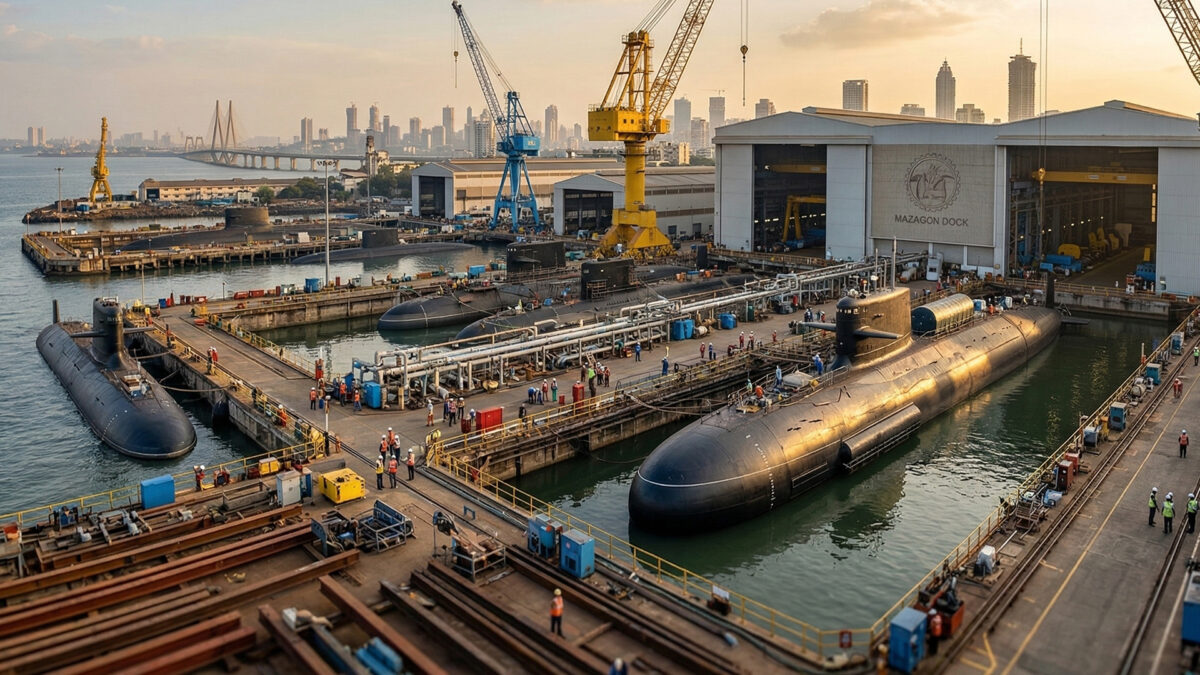
Shares of Mazagon Dock Shipbuilders Ltd surged sharply this week, rising around 15%, driven by investor optimism over a major defence contract and growing interest in the defence sector. The stock’s rally included a near 9% gain in a single session, making it one of the top-performing industrial stocks in recent trading.

The jump comes on the back of progress in a potential ₹99,000‑crore contract with the Indian Navy under the Project‑75I submarine programme. The company has completed discussions with the Contract Negotiation Committee (CNC), and the proposal has been sent to higher authorities for final approval. If awarded, this contract would significantly boost Mazagon Dock’s order book and revenue visibility.

Analysts say the stock is attracting attention not only because of the potential submarine deal but also due to heightened geopolitical tensions, including conflicts in the Middle East, which have lifted interest in defence-related stocks. Investors are increasingly seeing companies like Mazagon Dock as strategic plays in India’s naval expansion and defence preparedness.

The broader defence and shipbuilding sector has also seen gains, with other companies experiencing positive trading activity. Market watchers note that large-scale naval projects, increased government spending on defence, and long-term order pipelines make these stocks appealing to investors looking for growth and stability.

Brokerages maintain positive views on Mazagon Dock, expecting that final approval and execution of the submarine contract will drive revenue growth in the coming years.

Also Read: Adani Total Gas raises industrial gas to ₹119

Categories
Corporate

Sensex tumbles 1,000 points, Nifty drops below 24,500

Indian equity markets ended the day sharply lower on Friday where the BSE Sensex closed down 1,097 points, while the Nifty50 slipped below 24,500, marking a day of broad-based selling across key sectors.

Markets opened on a cautious note after losses on Wall Street, with the Dow Jones Industrial Average declining overnight. Early indicators from the GIFT Nifty futures had already signaled a lower start for the domestic market. Analysts said that investor sentiment was further hit by rising crude prices and ongoing geopolitical risks in the Middle East.

Crude oil surged past $80–85 per barrel, driving concerns over higher energy costs and inflationary pressures. Foreign institutional investors also remained net sellers, adding to the downward momentum.

Among sectors, banking and financial stocks bore the brunt of the decline. Major lenders like ICICI Bank and HDFC Bank fell around 2–3%, reflecting cautious sentiment among domestic and overseas investors. Industrial stocks and airlines were also among the top losers, with Interglobe (IndiGo) dropping 2.5% after an analyst target cut.

On the positive side, some defense and public sector companies outperformed. GRSE, Cochin Shipyard, and Mazagon Dock saw gains of up to 18% over two days, supported by government defense orders. Reliance Industries rose over 2% after the U.S. allowed temporary imports of Russian crude, easing supply concerns.

In commodities, silver gained as investors sought safe-haven assets amid the volatility. The Indian rupee weakened slightly against the US dollar, reflecting global market pressures.

Also Read: Reliance shares jump 3% on oil rally