Categories
1 Minute-Read

Ajit Pawar killed in plane crash

Maharashtra Deputy Chief Minister Ajit Pawar died today morning, after a chartered aircraft carrying him crashed while attempting to land at Baramati airport in Pune district, officials said.

The plane, which had taken off from Mumbai, reportedly ran into trouble during its final approach and crash-landed near the runway, bursting into flames on impact.

Five people were on board the aircraft, including Ajit Pawar, two pilots and two other staff members. All occupants were killed, authorities confirmed. Emergency services rushed to the spot, but there were no survivors. The DGCA has launched an investigation to determine the cause of the crash.

Categories
Beyond

India LNG buyers put long-term deals on hold

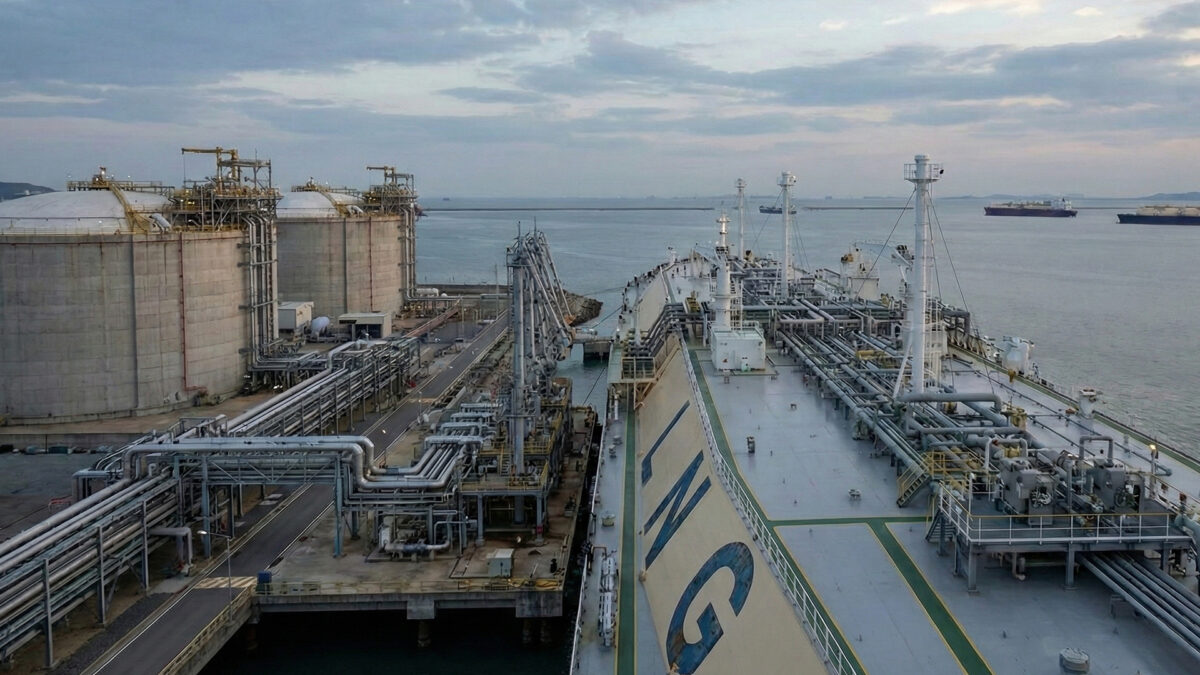
India’s liquefied natural gas (LNG) importers are deliberately slowing down long-term purchase agreements as they anticipate a sharp rise in global gas supply over the next few years. Key buyers, including state-run companies such as GAIL India and Bharat Petroleum, believe that waiting could help them secure better prices and more flexible contract terms once new LNG projects come online worldwide.

According to industry observers, global LNG supply is expected to expand significantly toward the end of this decade, driven by large projects in the United States, Qatar, and other major gas-producing regions. This surge could increase global capacity by nearly 50% by around 2030, potentially easing prices that have remained volatile since the energy shock triggered by the Russia-Ukraine conflict.

Indian buyers have been in discussions with LNG suppliers for more than a year but have avoided finalising long-term commitments. Instead, they are focusing on short-term and spot market purchases while keeping future options open. Many importers are reportedly looking at contracts that would begin closer to 2028, when the expected supply wave is likely to peak.

The cautious approach also reflects India’s struggle to raise the share of natural gas in its overall energy mix. Despite a government target of increasing gas usage to 15% by 2030, consumption has remained largely flat since 2020. High LNG prices have made gas less attractive compared to coal and other fuels, particularly for power generation and industrial use.

If LNG prices ease as expected, demand could pick up across city gas distribution networks, refineries, and petrochemical plants, helping India gradually expand gas usage. Until then, importers appear content to wait, betting that patience will strengthen their negotiating position in a rapidly changing global gas market.

In the near term, Indian companies are relatively comfortable, having secured enough LNG through contracts signed in 2024 and 2025 to meet immediate demand. This has reduced the urgency to lock in fresh long-term supply at current price levels.

Also Read: India-EU FTA sealed after 20 years

Categories
Leaders

FTA to lift luxury cars, says BMW CEO

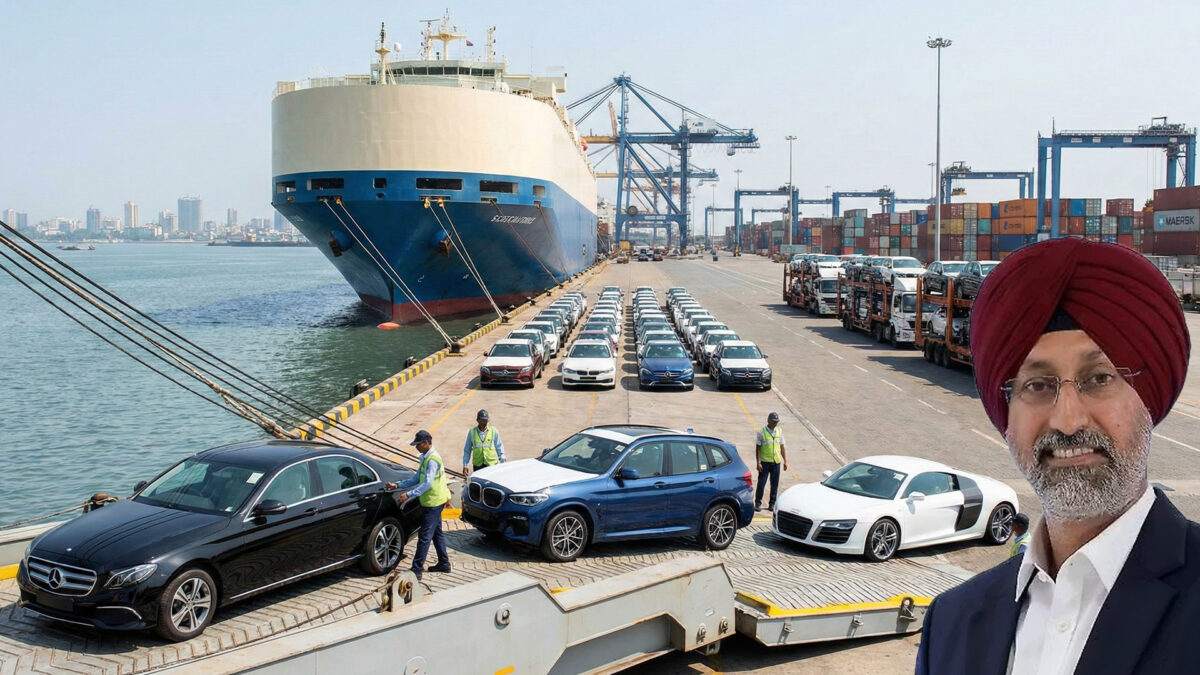
BMW Group India CEO Hardeep Singh Brar has said the proposed India–European Union Free Trade Agreement (FTA) could help grow India’s small luxury car market by making imported premium vehicles more accessible. He noted that lower import duties would allow global automakers to introduce a wider range of models and gradually expand the segment, which currently accounts for barely one per cent of India’s total passenger vehicle sales.

According to Brar, reduced tariffs on completely built units (CBUs) could help brands test new products and respond better to evolving consumer preferences. However, he cautioned that growth would be steady rather than sudden, as India remains a highly price-sensitive market.

The comments come as India and the EU move closer to finalising a long-pending trade pact that is expected to sharply cut import duties on European cars. At present, imported vehicles attract customs duties ranging from 70 per cent to over 100 per cent, significantly pushing up prices and limiting volumes. Under the FTA, tariffs are likely to be reduced in phases, with duties potentially dropping to as low as 10 per cent for a fixed annual quota of imported vehicles.

Industry experts say the proposed changes could benefit European brands such as BMW, Mercedes-Benz, Audi and Volkswagen, which have struggled to scale up sales in India due to high costs. Lower duties could make some luxury models more competitively priced and broaden customer choice, particularly in the premium end of the market.

However, analysts also warn that the impact of the FTA may be limited largely to the luxury segment. Mass-market cars are mostly manufactured locally and remain extremely price sensitive. Even with tariff cuts, imported vehicles may still face challenges such as high logistics costs, regulatory compliance requirements and currency volatility.

The agreement is expected to include safeguards like import quotas to prevent a sudden surge of foreign vehicles and protect domestic manufacturers. This balance is seen as critical, given India’s strong focus on local manufacturing and employment generation.

Beyond pricing, auto industry leaders believe the India-EU FTA could encourage deeper collaboration in areas such as advanced automotive technology, electric mobility and safety standards. While the deal may not immediately transform the market, it is widely viewed as a long-term opportunity to strengthen India’s integration with global auto supply chains.

Also Read: Adani shares jump 6% after legal clarity

Categories
1 Minute-Read

Nvidia backs CoreWeave with $2bn investment

Nvidia is investing $2 billion in CoreWeave, buying around 23 million shares and becoming its second-largest shareholder. The funding comes with an expanded partnership to accelerate AI-focused data centre development.

CoreWeave, once a crypto miner, now provides high-performance computing to tech firms using Nvidia chips. The investment will help CoreWeave secure land, power, and infrastructure to build over 5 gigawatts of AI compute capacity by 2030, meeting growing demand for AI services.

The announcement lifted CoreWeave shares, while Nvidia stock showed mixed reactions.

Categories
Corporate

Sensex climbs 320 points, Nifty tops 25,150

Markets rebounded strongly on Tuesday, 27 January 2026, the BSE Sensex ended over 320 points higher, while the Nifty 50 climbed above 25,150, boosted by upbeat domestic earnings and positive global cues. Investors drew confidence from the landmark India–European Union free trade agreement (FTA), expected to enhance exports across sectors like pharmaceuticals, textiles, and chemicals.

Gainers led the rally, with Axis Bank surging nearly 5%, supported by renewed buying interest in banking stocks. Tata Consumer Products impressed with a 38% year-on-year jump in quarterly profit and 15% revenue growth, attracting strong investor sentiment. Other financials and select FMCG names also added to the market’s momentum.

In contrast, losers moderated the overall gains. Asian Paints fell after reporting a slowdown in quarterly profits, raising caution among investors. Telecom stocks, particularly Vodafone Idea, remained under pressure despite a mixed earnings season. Some defensive and cyclical sectors saw muted participation as traders focused on high-growth and export-sensitive companies.

Global markets also influenced trading. Wall Street posted gains following expectations of steady corporate earnings and a cautious U.S. Federal Reserve stance on interest rates. Asian equities traded mixed, reflecting ongoing macro uncertainties and trade-related concerns.

Commodity markets reflected selective strength. Copper and zinc futures edged higher on improved demand expectations, though broader investor sentiment remained cautious ahead of major domestic earnings announcements.

Market participants said the coming sessions will likely remain sensitive to corporate results from BSE-listed companies and any new developments in international trade and monetary policies. Analysts believe sustained gains will depend on continued investor optimism around the India-EU FTA and domestic economic stability.

Also Read: Sensex slides over 250 points, Nifty breaches 25,000

Categories
Beyond

India-EU FTA sealed after 20 years

India and the European Union have finally signed a Free Trade Agreement (FTA) on January 27, 2026, ending nearly 20 years of negotiations. The agreement was announced at the India-EU Summit in New Delhi by Prime Minister Narendra Modi and European Commission President Ursula von der Leyen, and is being seen as a major step forward in strengthening ties between the two sides.

The deal brings together two huge markets, India and the EU together account for about 2 billion people, nearly a quarter of the world’s economy, and around one-third of global trade. At a time when global trade is facing uncertainty and higher tariffs in many countries, the agreement is expected to create new opportunities for businesses and workers on both sides.

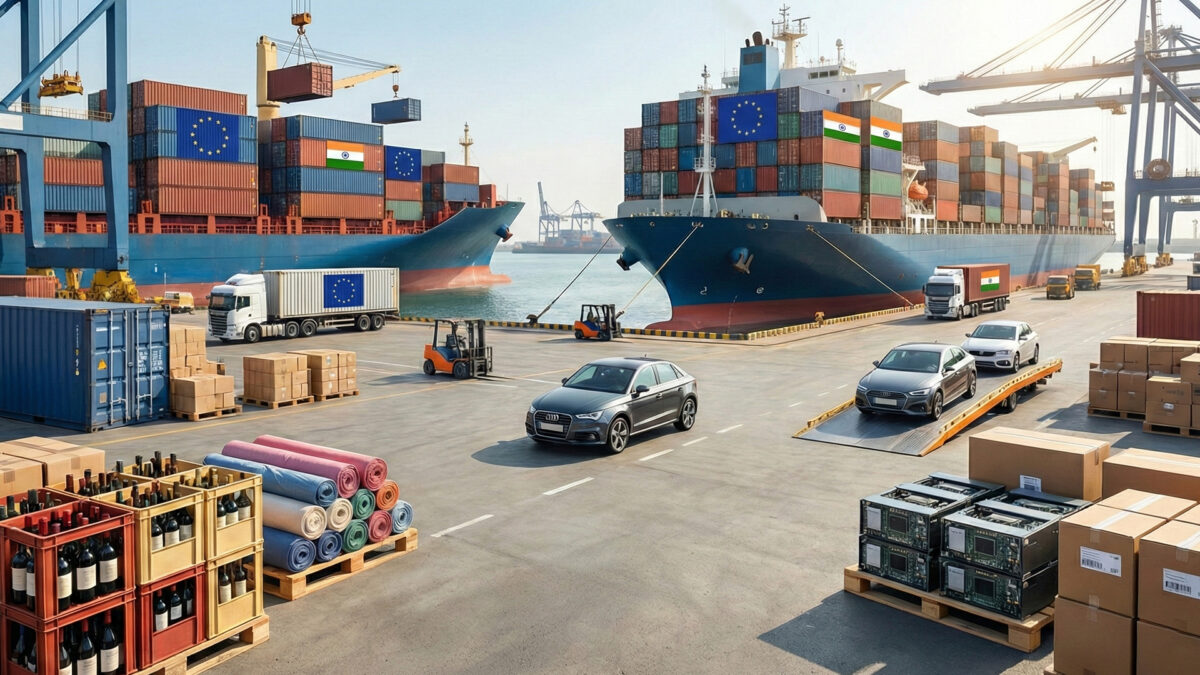
Under the FTA, import duties will be removed or sharply reduced on about 96–97% of goods traded between India and the EU over the coming years. This is expected to help Indian exporters, especially in sectors such as textiles, leather, gems and jewellery, chemicals, engineering goods, and marine products, by making it easier and cheaper to sell their products in Europe.

European companies will also benefit. The EU is expected to save around €4 billion every year as tariffs come down. One of the most talked-about decisions is India’s agreement to cut car import duties from as high as 110% to about 10%, in phases and within a fixed annual limit. Taxes on wines and spirits from Europe will also be reduced gradually.

At the same time, both sides have been careful to protect sensitive areas. Dairy products, cereals, and small cars have been kept out of full tariff cuts to protect local producers, especially in India.

Beyond goods, the agreement opens the door to closer cooperation in services, investment, supply chains, standards, and regulations. It also allows room for future discussions on professional mobility and people-to-people exchanges, which could benefit students, professionals, and businesses.

The agreement now needs to go through legal checks and approvals in India and the EU. Once cleared, it is expected to take effect in late 2026 or early 2027, setting the stage for closer economic cooperation and stronger trade ties between India and the European Union.

Also Read: China’s Anta Sports invests in Puma for $1.8 bn

Categories
Corporate

China’s Anta Sports invests in Puma for $1.8 bn

China’s leading sportswear company Anta Sports Products has taken a significant step onto the global stage by agreeing to buy a 29.1% stake in German sports brand Puma in a deal worth around $1.8 billion (€1.5 billion). The shares are being acquired from Artemis, the investment firm of the Pinault family, which has been a long-time major shareholder in Puma.

The deal will make Anta Puma’s largest shareholder, though the Chinese company has clarified that it does not plan a full takeover at this stage. Anta will pay €35 per share in cash, offering a substantial premium over Puma’s recent market price,  a sign of strong belief in the brand’s long-term value.

For Anta, the investment is part of a broader strategy to expand its international presence. The company already manages several well-known global brands, including Fila in China, outdoor label Jack Wolfskin, and sports names such as Salomon and Wilson through its stake in Amer Sports. Adding Puma to this portfolio strengthens Anta’s position as a major global player in the sporting goods industry.

For Puma, the move comes at a crucial time. The German brand has been facing slower sales growth and stiff competition from rivals like Nike and Adidas. While Puma has been working on a turnaround under new leadership, recent performance pressures have weighed on its market confidence. The entry of Anta as a strategic shareholder could provide both stability and new growth opportunities, especially in Asian markets.

The transaction is still subject to regulatory and antitrust approvals and is expected to be completed by the end of 2026. If cleared, the partnership could reshape the competitive landscape of the global sportswear industry, blending European brand heritage with Chinese market strength.

Industry observers say Anta’s strong distribution network and deep understanding of the Chinese consumer could help Puma regain momentum in the world’s largest sportswear market. At the same time, Puma’s global brand strength offers Anta greater international visibility.

Also Read: Public sector banks disrupted by nationwide strike

Categories
1 Minute-Read

Amazon to cut 16,000 jobs on Jan 27, Indian teams mostly

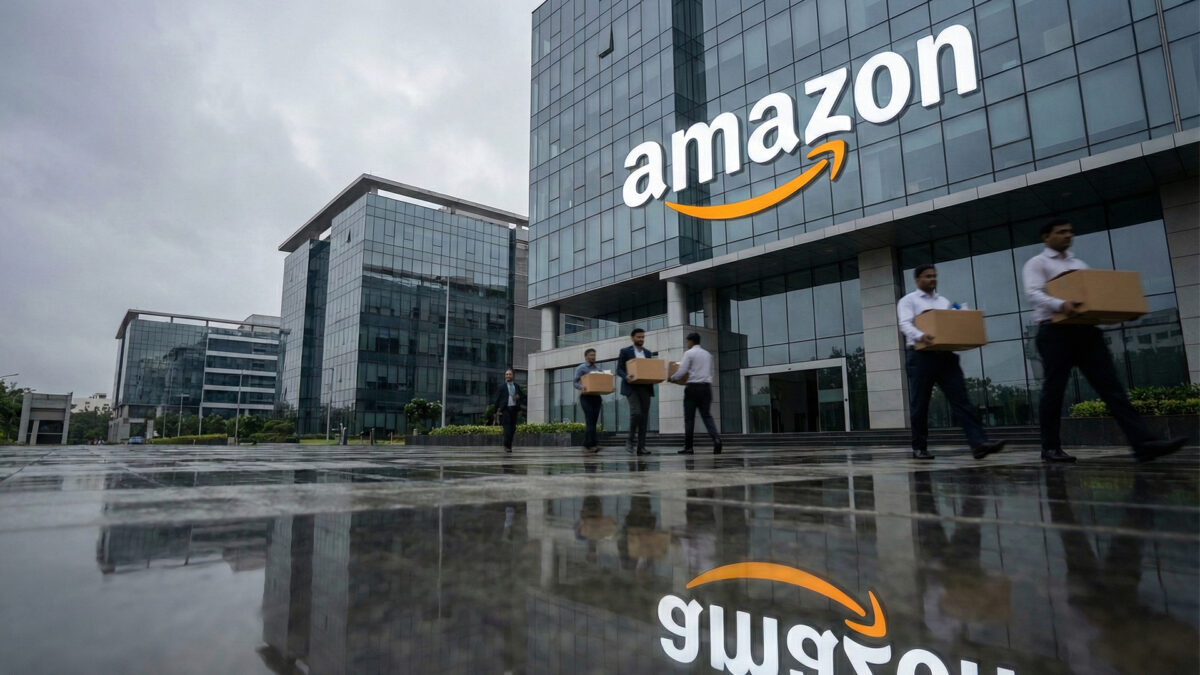
Amazon is set to begin a new round of layoffs on January 27, 2026, affecting around 16,000 employees worldwide. This move is part of the company’s ongoing restructuring, which may see nearly 30,000 corporate roles cut by mid-2026.

India teams, particularly in Bengaluru, Hyderabad, and Chennai, are expected to face the largest impact. Cuts will span key divisions including Amazon Web Services (AWS), Prime Video, retail operations, and HR.

Internal discussions and reports suggest notices may already be circulating, though Amazon has not officially confirmed the details.

Categories
Beyond

Gold at ₹1,61,960, silver rises to ₹3,60,100

Gold prices in India moved marginally higher on Tuesday, continuing their firm trend in the domestic bullion market. According to market data, the price of 24-carat gold increased by ₹10, taking the rate to ₹1,61,960 per 10 grams. Silver also registered a small gain, rising ₹100 to trade at ₹3,60,100 per kilogram.

The price movement reflects steady buying interest and supportive global cues, even as daily fluctuations remain limited. In major cities such as Mumbai, Delhi, and Kolkata, 24-carat gold was largely priced at similar levels, while 22-carat gold rose to around ₹1,48,460 per 10 grams. Minor variations were seen across regions, with cities like Chennai quoting slightly higher rates.

Silver continued to trade near elevated levels, supported by both industrial demand and investment interest. In some southern markets, including Chennai, silver prices were higher than the national average, reflecting regional demand patterns.

Market experts say precious metals remain strong due to ongoing global economic uncertainty. Gold, in particular, continues to attract investors as a safe-haven asset amid concerns around inflation, interest rates, and geopolitical developments. International gold and silver prices have also been trading close to recent highs, providing support to domestic prices.

For consumers, elevated prices mean higher jewellery costs, especially during the wedding and festive season. However, traders note that small daily price changes, such as Tuesday’s increase, are part of a broader trend rather than sudden volatility.

Investors are closely watching global cues, including movements in the US dollar, interest rate signals from major central banks, and global economic data, all of which influence precious metal prices. Any sharp changes in these factors could impact gold and silver prices in the days ahead.

Also Read: Sensex slides over 250 points, Nifty breaches 25,000

Categories
Corporate

Sensex slides over 250 points, Nifty breaches 25,000

Indian equity markets reopened post the Republic Day holiday, wherein the BSE Sensex and NSE Nifty 50 opened on a positive note, tracking supportive signals from global markets. The Sensex slipped over 250 points, while the Nifty briefly fell below the 25,000 mark, reflecting cautious investor sentiment.

Buying interest was seen in select heavyweight stocks. Axis Bank shares moved higher, lending some support to the banking pack, while Adani Enterprises gained around 3 per cent, emerging as one of the top performers on the benchmark indices.

On the downside, Kotak Mahindra Bank declined sharply following its quarterly results, adding pressure on the financial sector. Mahindra & Mahindra fell nearly 4 per cent, dragging auto stocks lower, while Wipro and other IT stocks also traded weak amid broader selling.

Market participants remained cautious amid mixed global macro cues, including tariff-related concerns and currency volatility, which kept risk appetite in check. Traders also monitored upcoming corporate earnings and macroeconomic triggers for clues on near-term direction.

Also Read: Adanis seek talks with SEC on summons