Categories
Beyond

Rupee slips to all-time low of 96.90

The Indian rupee slid to its weakest-ever level on Wednesday, hitting around 96.90 against the US dollar and extending a steady decline that has now lasted several sessions. The fall reflects growing pressure from global uncertainty rather than any single domestic trigger.

At the heart of the weakness is a simple imbalance: more demand for dollars, less supply. Importers, especially oil companies, rushed to buy dollars as crude oil prices stayed high in international markets. With India relying heavily on oil imports, every rise in crude pushes up dollar demand at home.

Geopolitical tensions in the Middle East, particularly the ongoing Iran-related conflict, have kept oil markets tense and prices elevated. That has made currency markets nervous, with traders expecting more pressure on emerging market currencies like the rupee.

Foreign investors have also been steadily reducing exposure to Indian stocks and bonds. This continuous outflow has added fuel to the rupee’s decline. At the same time, the US dollar has remained strong globally, supported by higher interest rates and bond yields in the United States.

The result has been a steady weakening trend for the rupee, which has now hit multiple record lows in recent weeks. Traders say sentiment is fragile, with every rise in oil or global uncertainty quickly reflecting in currency movement.

For India, a weaker rupee brings mixed effects. While it can benefit exporters, it also makes imports costlier, especially fuel, electronics, and other dollar-linked goods. That raises concerns about inflation sticking at higher levels for longer.

Also Read: Gold climbs to ₹1.58 lakh, Silver trades near ₹2.85 lakh
Categories
Beyond

Gold climbs to ₹1.58 lakh, Silver trades near ₹2.85 lakh

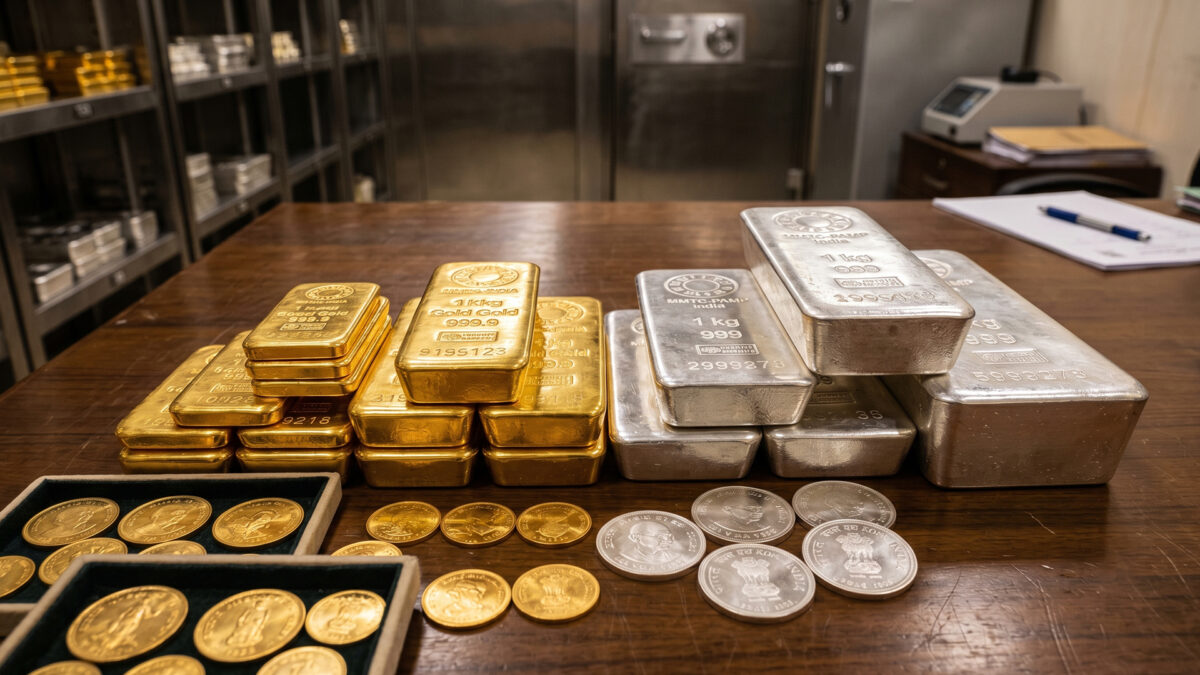
Gold prices stayed firm on Wednesday as investors continued to move towards safer assets amid growing geopolitical tensions and uncertainty in global financial markets. In the domestic bullion market, 24-carat gold was trading close to ₹1.58 lakh per 10 grams, while silver prices hovered around ₹2.85 lakh per kilogram.

The recent rise in gold prices has largely been driven by concerns surrounding the Iran conflict and fears that the situation could affect global oil supplies. Rising crude oil prices and weak global equity markets have increased investor anxiety, pushing many towards gold, which is traditionally seen as a safe investment during uncertain times.

Across major Indian cities such as Delhi, Mumbai, Chennai, Kolkata, and Bengaluru, gold rates remained elevated throughout the day. Jewellers said customers are becoming more cautious due to the sharp jump in prices, especially for jewellery purchases. However, demand for gold as an investment — including coins, bars, and digital gold — continues to remain strong.

Silver prices saw slight fluctuations during the session after witnessing a strong rally in recent weeks. Traders said some investors opted for profit booking, leading to mild corrections in the metal. Despite this, the overall sentiment in the precious metals market remained positive.

In the futures market, gold contracts on the Multi Commodity Exchange (MCX) traded with gains as investors continued to bet on higher prices. Silver futures, however, remained volatile because of mixed global signals and concerns about industrial demand.

Also Read: Sensex crashes 620 points, Nifty slips below 23,450

Categories
Corporate

Sensex crashes 620 points, Nifty slips below 23,450

Indian stock markets opened sharply lower on Wednesday as escalating tensions in the Middle East and fears of disruptions in global oil supply triggered widespread selling across Dalal Street. The BSE Sensex plunged nearly 620 points in early trade, while the NSE Nifty slipped below the crucial 23,450 level, reflecting weak investor sentiment amid rising geopolitical uncertainty.

The selloff came after Brent crude oil prices surged above $110 per barrel due to growing concerns over the Iran conflict. Analysts warned that sustained high crude prices could worsen inflation, increase India’s import bill, and put additional pressure on the economy. Weak global cues and losses across Asian markets further dented sentiment.

The Indian rupee also weakened significantly, touching a fresh record low of around 96.96 against the US dollar. Market experts attributed the decline to foreign fund outflows, higher global bond yields, and concerns over rising energy costs.

Auto, banking, and metal stocks witnessed heavy selling pressure during the session. Shares of oil marketing companies, including BPCL, declined as investors worried about pressure on fuel marketing margins amid rising crude prices. Broader market weakness was also visible in midcap and smallcap stocks.

Among the major losers, several auto and metal counters traded deep in the red as investors shifted towards safer assets. Analysts said sectors dependent on fuel and raw material costs are likely to remain volatile if crude prices continue to rise.

Despite the weak market mood, a few stocks managed to post gains. Hindalco Industries advanced after positive business commentary from Novelis, its overseas subsidiary, boosted investor confidence. BLS International also gained strongly following better-than-expected quarterly earnings and positive growth outlook.

However, shares of PI Industries and BPCL remained under pressure even after announcing their financial results, indicating cautious market sentiment amid global uncertainty.

Also Read: Reliance talks with CATL on battery parts

Categories
Corporate Uncategorized

Reliance talks with CATL on battery parts

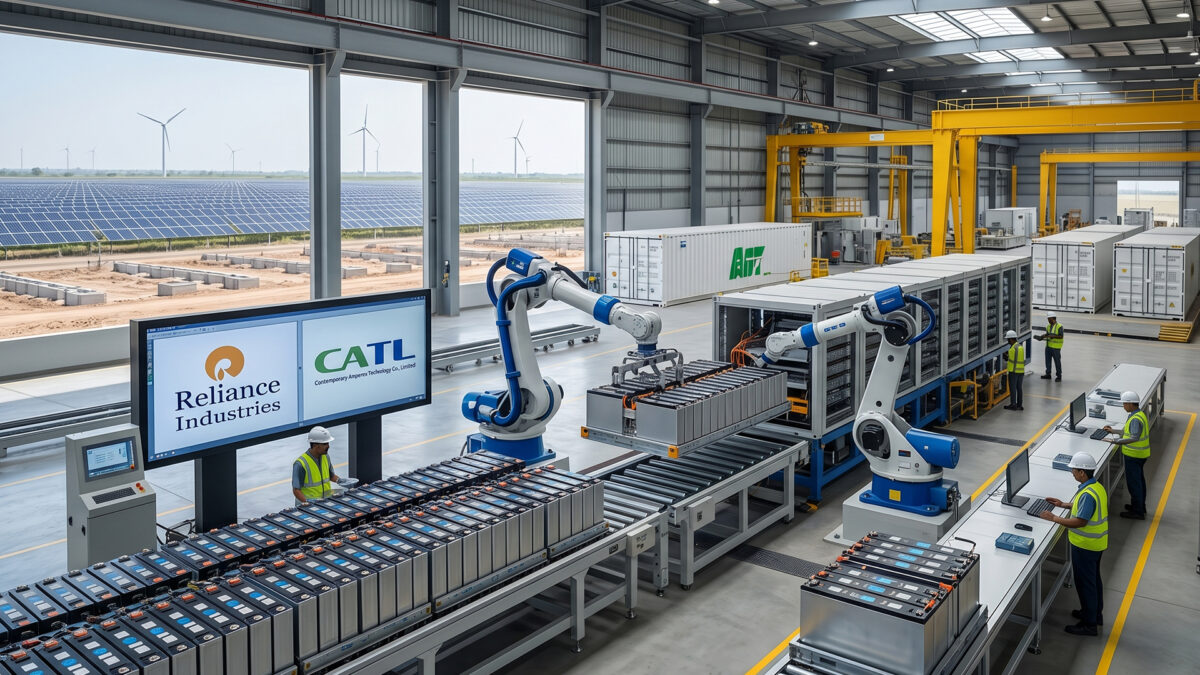
Reliance Industries is in discussions with Chinese battery giant Contemporary Amperex Technology Co. Limited (CATL) and other global suppliers to source key components for its battery energy storage systems (BESS), according to people familiar with the matter.

The talks are part of Reliance’s broader push to expand its clean energy business, particularly its large-scale battery storage plans linked to its Jamnagar energy ecosystem. The company is looking to build out capacity for grid-scale storage systems that can support renewable energy integration.

However, the negotiations come at a time when China’s tightening restrictions on battery technology exports have made it more difficult for global companies to access advanced cell manufacturing know-how. Earlier attempts by Reliance to secure technology transfer agreements reportedly faced hurdles due to these curbs, pushing the group to focus more on assembling systems using imported components.

If the discussions with CATL and other suppliers progress, Reliance is expected to concentrate on procuring pre-made cells and components rather than fully localising advanced battery cell production in the near term. This would allow the company to move ahead with deployment of energy storage infrastructure while longer-term manufacturing capabilities are developed separately.

The move reflects a broader trend in the global clean energy sector, where companies are racing to secure battery supply chains amid rising demand for electric mobility, renewable integration, and grid stability solutions.

Reliance has been investing heavily in its new energy ambitions, including solar, hydrogen, and battery storage, as part of its transition beyond traditional oil and petrochemicals. The Jamnagar project is expected to be a key hub in this strategy.

Also Read: State Banks, insurers told to slash costs, go EV

Categories
Beyond

State Banks, insurers told to slash costs, go EV

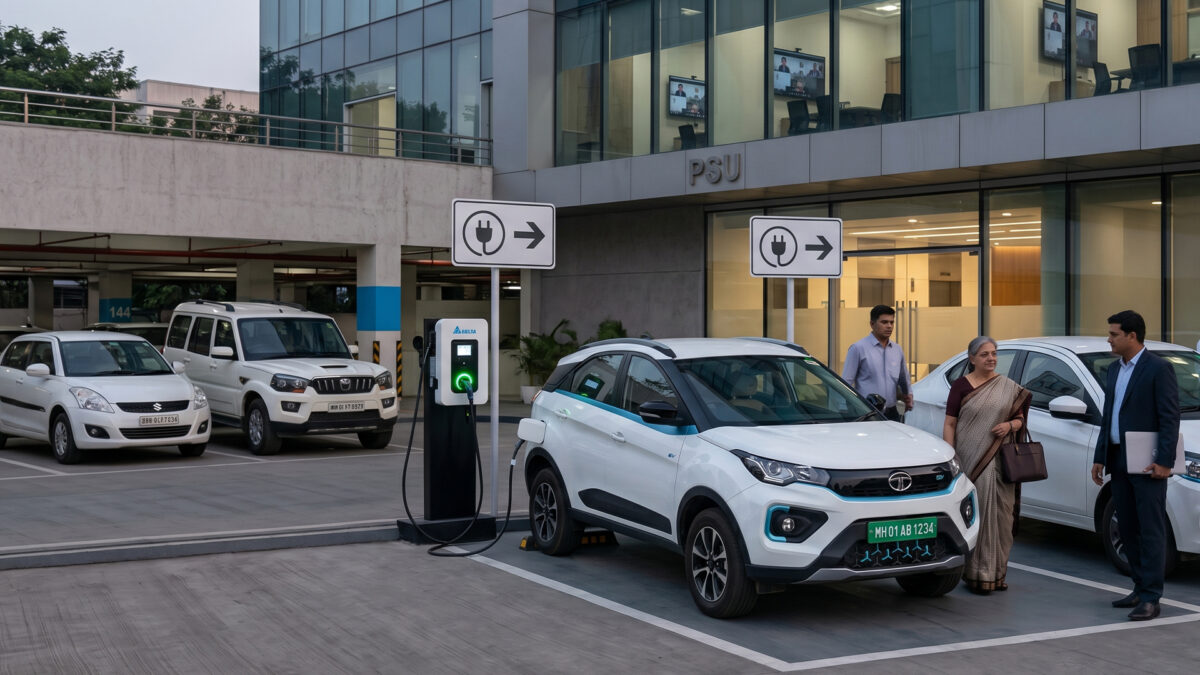
The Indian government has directed state-run banks, insurance companies, and other financial institutions to cut operational costs and accelerate the shift toward electric vehicles (EVs) as part of a broader austerity and sustainability drive.

According to the Finance Ministry, institutions such as State Bank of India (SBI), Bank of Baroda, and Life Insurance Corporation (LIC) have been asked to reduce non-essential expenditure, especially on travel and logistics.

The directive requires organisations to limit physical meetings and use video conferencing wherever possible. Foreign travel by senior executives is also expected to be reduced, with a preference for virtual participation in international engagements.

In addition to cost-cutting measures, the government has instructed these institutions to begin replacing petrol and diesel vehicles used in offices and branches with electric vehicles wherever feasible. The move is aimed at reducing fuel expenses and supporting India’s broader clean energy transition.

Officials said the instructions are part of a wider effort to improve efficiency in public sector institutions while aligning them with environmental goals. The push for EV adoption also reflects the government’s focus on lowering carbon emissions across state-run organisations.

The directive covers a wide network of financial institutions across the country, impacting thousands of employees and large-scale administrative operations. Banks and insurers are expected to gradually implement the changes over time, depending on operational feasibility.

While the immediate focus is on expenditure control and transport changes, the long-term aim is to make public financial institutions more cost-efficient and environmentally sustainable.

Also Read: NSE launches Electronic Gold Receipts trading

Categories
Corporate

NSE launches Electronic Gold Receipts trading

The National Stock Exchange (NSE) has officially launched trading in Electronic Gold Receipts (EGRs), marking a new step in India’s efforts to modernise gold investing and bring more transparency to the bullion market.

EGRs are digital instruments that represent ownership of physical gold stored securely in SEBI-approved vaults. Investors can buy, sell, and hold them on the exchange in the same way they trade shares, without needing to physically store gold.

The new system aims to make gold investment more transparent, regulated, and accessible. Each EGR is backed by a fixed quantity of gold that meets strict purity standards, helping ensure quality and reducing concerns related to fake or unverified gold.

Trading takes place on the NSE platform during market hours, with prices determined by market demand and supply. Investors also get the option to convert their digital holdings into physical gold, subject to exchange rules.

According to exchange details, EGRs are held in demat form and offer benefits such as easier trading, better price discovery, and reduced storage and security risks compared to physical gold. The system is designed to bring uniform pricing across the country and integrate gold more closely with financial markets.

The launch is part of a broader effort to formalise India’s large but fragmented gold market. India is one of the world’s biggest consumers of gold, but a significant portion of trading still happens through physical and unorganised channels.

Market participants, including retail investors, jewellers, bullion traders and refineries, are expected to take part in the new segment. While the product offers improved transparency and convenience, experts note that liquidity and adoption will take time to build as investors become more familiar with the instrument.

The NSE’s move is seen as an important step toward making gold trading more structured and aligned with modern financial systems, similar to equities and exchange-traded funds.

Also Read: Google, Blackstone launch $5 bn AI cloud venture

Categories
Technology

Google, Blackstone launch $5 bn AI cloud venture

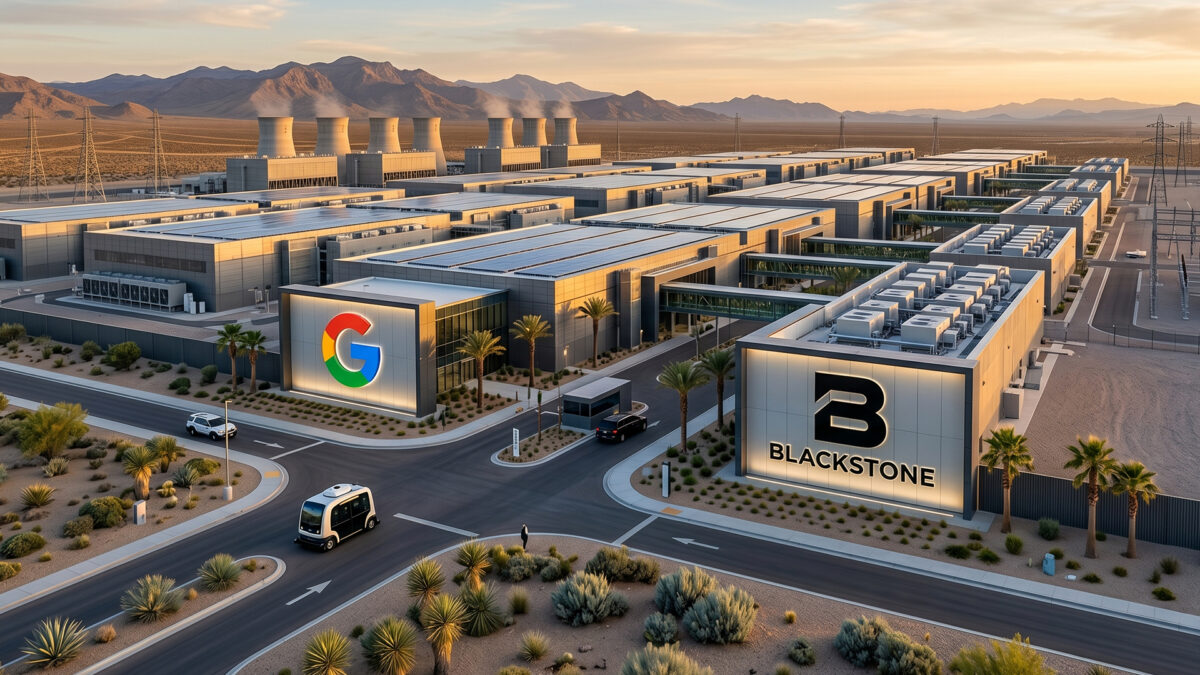
Google and Blackstone have announced a joint venture to create a new artificial intelligence-focused cloud company, backed by an initial $5 billion investment from Blackstone. The move is aimed at meeting the rapidly growing global demand for AI computing infrastructure.

The new US-based company will focus on building large-scale data centre capacity and offering access to Google’s custom-built AI chips, known as Tensor Processing Units (TPUs), through a cloud service model. These chips are widely used for training and running advanced AI systems.

Under the plan, Blackstone will take a majority stake in the venture while providing the initial equity funding. Google will supply hardware, software, and technical expertise to power the platform.

The project is designed to bring around 500 megawatts of computing capacity online by 2027, with scope for further expansion as demand increases. The total investment could eventually reach as much as $25 billion, including additional financing over time.

The venture will be led by long-time Google executive Benjamin Treynor Sloss, reflecting Google’s deep involvement in the project despite it being structured as a separate company.

The partnership comes at a time when global demand for AI infrastructure is surging, driven by the rapid growth of generative AI tools and large-scale machine learning systems. Companies across industries are competing for access to high-performance computing power, particularly specialised chips that can handle AI workloads efficiently.

The initiative also positions Google more directly in competition with other cloud and chip players by allowing external customers to access its proprietary TPU technology outside its core Google Cloud platform.

Also Read: Copilot key on Windows can now be remapped

Categories
1 Minute-Read

Standard Chartered to cut 7,000 jobs in AI push

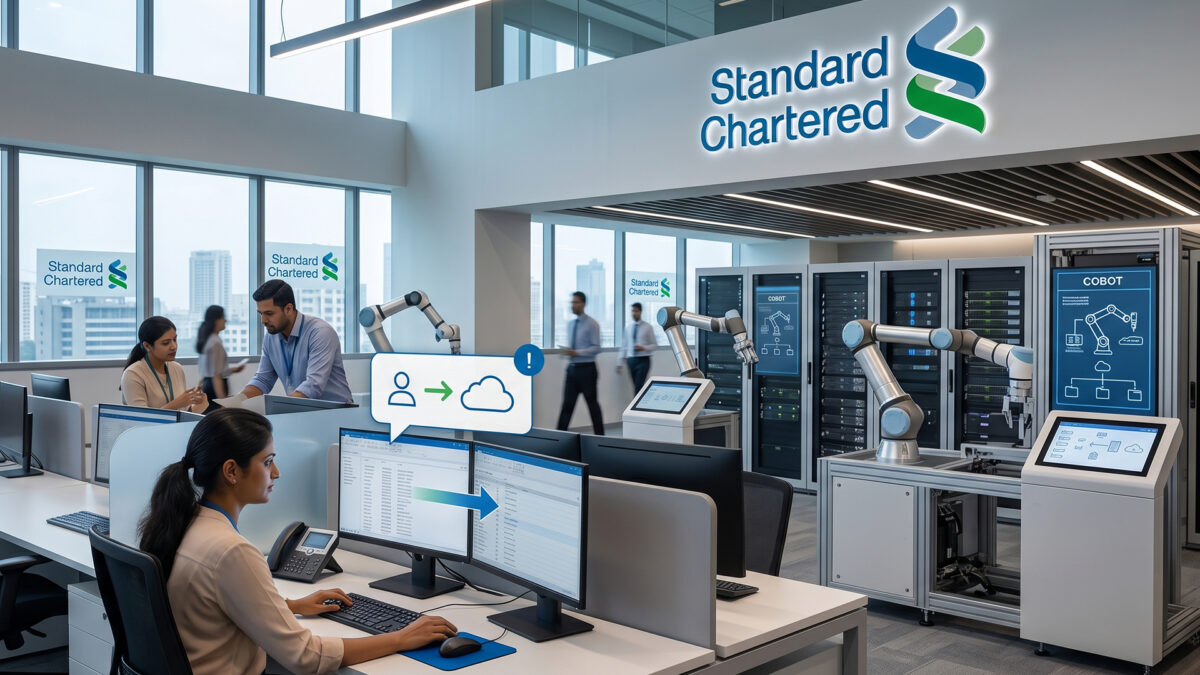
Standard Chartered has announced plans to cut over 7,000 jobs globally over the next four years as it increases the use of artificial intelligence and automation across its operations. The London-based bank said most cuts will impact back-office roles, including compliance, risk, and administrative functions.

The restructuring is aimed at improving efficiency and long-term profitability rather than just reducing costs. The bank said AI will take over several routine tasks, while some employees may be redeployed or retrained. The move reflects a wider trend in global banking as firms adopt technology to streamline operations.

Categories
Technology

Copilot key on Windows can now be remapped

Microsoft is updating Windows 11 to give users more control over the Copilot key, allowing it to be reassigned instead of always opening the AI assistant.

Introduced in 2024, the Copilot key was meant to provide quick access to Microsoft’s AI tool. However, some users complained it replaced useful keyboard functions and changed familiar layouts.

The upcoming update will allow users to remap the key through system settings. It can be switched to functions like Right Ctrl or the Context Menu key, depending on user preference.

The change is part of Microsoft’s effort to refine its AI integration while keeping traditional keyboard usability intact. The feature will be available directly in Windows Settings in a future update.

Also Read: US clears India defence support deal

Categories
Corporate

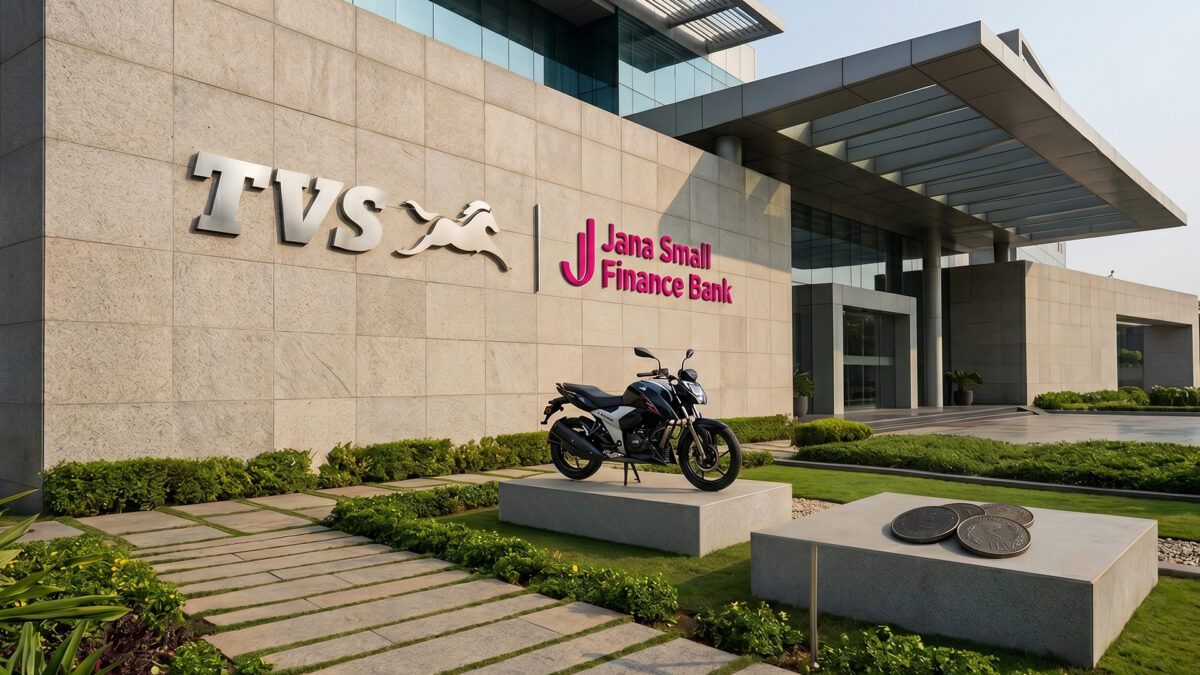
TVS Motor buys 4.9% stake in Jana Bank

TVS Motor Company is set to strengthen its presence in the financial sector with a planned investment in Jana Small Finance Bank. The company will acquire a 4.9% stake in the bank for nearly ₹193 crore, marking an important step in its efforts to broaden its business interests beyond automobiles.

The investment is expected to be made through the purchase of equity shares in Jana Small Finance Bank. Industry observers see the move as part of a larger strategy by the TVS Group to increase its focus on financial services and create long-term growth opportunities.

While TVS is widely known for its two-wheelers and mobility business, the group already has interests in financial services through lending and related operations. The latest investment could help strengthen its position in this segment and open new possibilities for collaboration between mobility and financial services.

Jana Small Finance Bank has steadily built its presence in retail and small business banking over the years. The bank serves a large customer base across the country and focuses on providing banking and financial services to individuals and small businesses. Its expanding reach and growth potential have made it attractive for investors looking at the financial sector.

Investments such as these are becoming more common as companies look beyond their traditional industries for future growth. Financial services, especially banking and lending, continue to attract business groups because of the sector’s long-term potential and increasing demand.

The development also reflects a wider trend where large companies are seeking opportunities to diversify and build stronger business ecosystems. By investing in banking and financial institutions, companies can create connections across different parts of their business operations.

The proposed deal is expected to be completed after meeting necessary conditions and approvals. Market participants will now watch closely to see how the partnership develops and whether it leads to broader business opportunities for both companies in the future.

Also Read: Petrol, diesel up by 90 paise again