Categories
Corporate

BMW Group India sales rise 17% in first half of 2026

BMW Group India recorded its best-ever first-half sales, delivering 9,075 vehicles between January and June 2026, a 17% increase over the same period last year. The strong performance reflects rising demand for premium vehicles and electric cars in the Indian market.

The company sold 8,623 BMW and MINI cars and 452 BMW Motorrad motorcycles, making it the highest first-half sales figure in its history. The growth also helped BMW narrow the gap with rival Mercedes-Benz in India’s competitive luxury car segment.

Electric vehicles played a major role in the company’s success. BMW reported a 78% jump in EV deliveries, highlighting the growing acceptance of premium electric mobility among Indian buyers. Popular electric models such as the BMW iX1, i4 and iX continued to attract strong demand, supported by expanding charging infrastructure and increasing consumer interest in sustainable transportation.

BMW said sports utility vehicles (SUVs) remained its biggest growth driver, accounting for a significant share of overall sales. Models including the X1, X3, X5 and X7 continued to perform well, while premium sedans also maintained steady demand.

According to the company, the strong results were driven by a combination of new product launches, customer confidence and a broader shift towards premium mobility. BMW also credited its growing digital sales initiatives and improved after-sales services for helping strengthen customer engagement.

The company remains optimistic about the rest of the year, expecting demand for luxury vehicles to stay healthy despite global economic uncertainties.

Also Read: Apple sues OpenAI over alleged trade secrets theft
Categories
Leaders

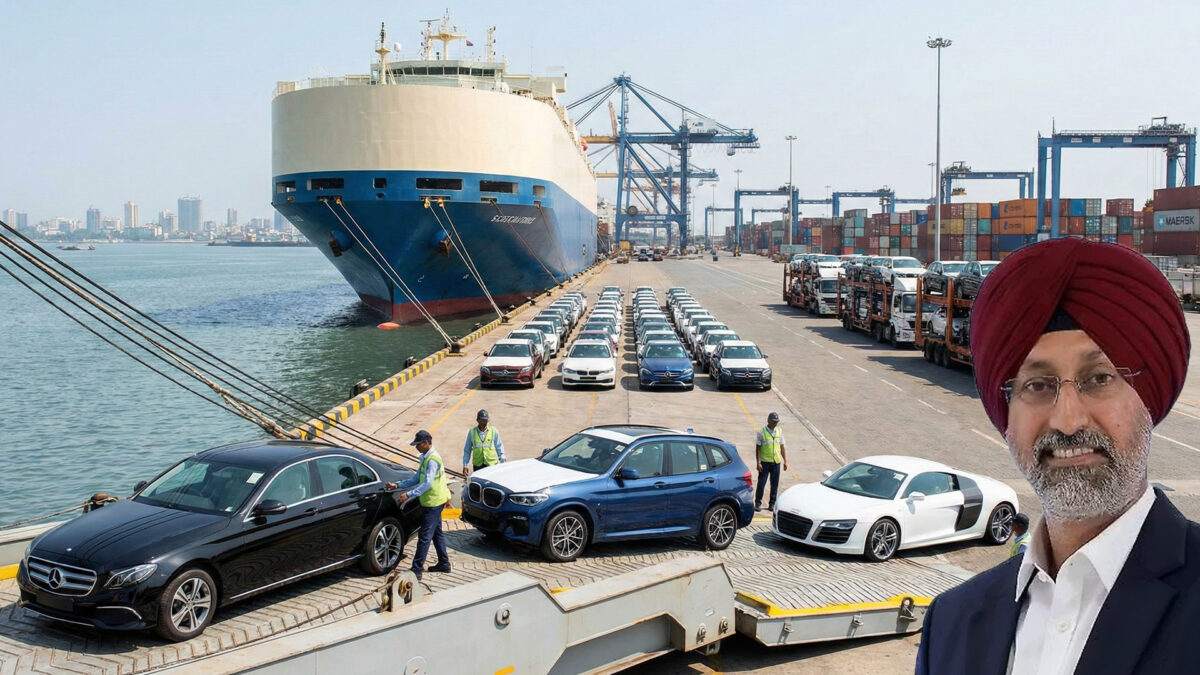
FTA to lift luxury cars, says BMW CEO

BMW Group India CEO Hardeep Singh Brar has said the proposed India–European Union Free Trade Agreement (FTA) could help grow India’s small luxury car market by making imported premium vehicles more accessible. He noted that lower import duties would allow global automakers to introduce a wider range of models and gradually expand the segment, which currently accounts for barely one per cent of India’s total passenger vehicle sales.

According to Brar, reduced tariffs on completely built units (CBUs) could help brands test new products and respond better to evolving consumer preferences. However, he cautioned that growth would be steady rather than sudden, as India remains a highly price-sensitive market.

The comments come as India and the EU move closer to finalising a long-pending trade pact that is expected to sharply cut import duties on European cars. At present, imported vehicles attract customs duties ranging from 70 per cent to over 100 per cent, significantly pushing up prices and limiting volumes. Under the FTA, tariffs are likely to be reduced in phases, with duties potentially dropping to as low as 10 per cent for a fixed annual quota of imported vehicles.

Industry experts say the proposed changes could benefit European brands such as BMW, Mercedes-Benz, Audi and Volkswagen, which have struggled to scale up sales in India due to high costs. Lower duties could make some luxury models more competitively priced and broaden customer choice, particularly in the premium end of the market.

However, analysts also warn that the impact of the FTA may be limited largely to the luxury segment. Mass-market cars are mostly manufactured locally and remain extremely price sensitive. Even with tariff cuts, imported vehicles may still face challenges such as high logistics costs, regulatory compliance requirements and currency volatility.

The agreement is expected to include safeguards like import quotas to prevent a sudden surge of foreign vehicles and protect domestic manufacturers. This balance is seen as critical, given India’s strong focus on local manufacturing and employment generation.

Beyond pricing, auto industry leaders believe the India-EU FTA could encourage deeper collaboration in areas such as advanced automotive technology, electric mobility and safety standards. While the deal may not immediately transform the market, it is widely viewed as a long-term opportunity to strengthen India’s integration with global auto supply chains.

Also Read: Adani shares jump 6% after legal clarity