Categories
Corporate

Sensex gains over 230 points, Nifty holds above 23,700 level

Indian equity markets ended higher on Friday, with benchmark indices recovering in the second half of trade. The Sensex rose 232 points, while the Nifty 50 closed above the 23,700 mark, supported by buying in banking and select large-cap stocks.

Market sentiment remained mixed through the session as investors tracked global cues, including movements in crude oil prices and ongoing geopolitical tensions involving the US and Iran. Concerns over potential disruptions in the Strait of Hormuz kept investors cautious, though domestic buying helped support the recovery.

Among major gainers, Reliance Industries and ICICI Bank led the upward move, contributing significantly to index gains. Banking stocks remained firm overall, helping offset weakness in other sectors.

On the losing side, ITC and Infosys were among the key laggards, with IT stocks showing some pressure during the session. Select FMCG and IT counters dragged the market intermittently, limiting broader upside.

Broader markets also saw selective buying, though volatility remained present across sectors. Investors continued to focus on stock-specific action and quarterly earnings cues for direction.

Also Read: Dalmia Bharat buys JAL cement assets for ₹2,850 cr

Categories
Technology

Google introduces Gemini for science

Google has introduced Gemini for Science, a new artificial intelligence initiative aimed at helping scientists and researchers handle complex research work more efficiently. The company said the tools are designed to support researchers in analysing information, identifying patterns and assisting with scientific discoveries across different areas of study.

Research today often involves handling huge amounts of data, studies and technical information. Google said Gemini for Science is intended to reduce the time spent on repetitive and data-heavy tasks so researchers can focus more on experiments and innovation.

The AI system can assist in reviewing scientific papers, organising large datasets and helping researchers identify possible connections and insights that might otherwise take much longer to find. The technology is expected to support work in areas such as healthcare, biology, chemistry and other scientific fields.

Google said the goal is not to replace scientists but to create a tool that works alongside them, helping improve productivity and speed up the research process. Experts believe AI-powered research tools could become increasingly important as scientific work becomes more data-driven.

The launch reflects the growing role of artificial intelligence beyond consumer technology, with companies increasingly building specialised AI tools for research and industry applications.

Also Read: Nvidia profit rises despite China export challenges

Categories
Corporate

Nvidia profit rises despite China export challenges

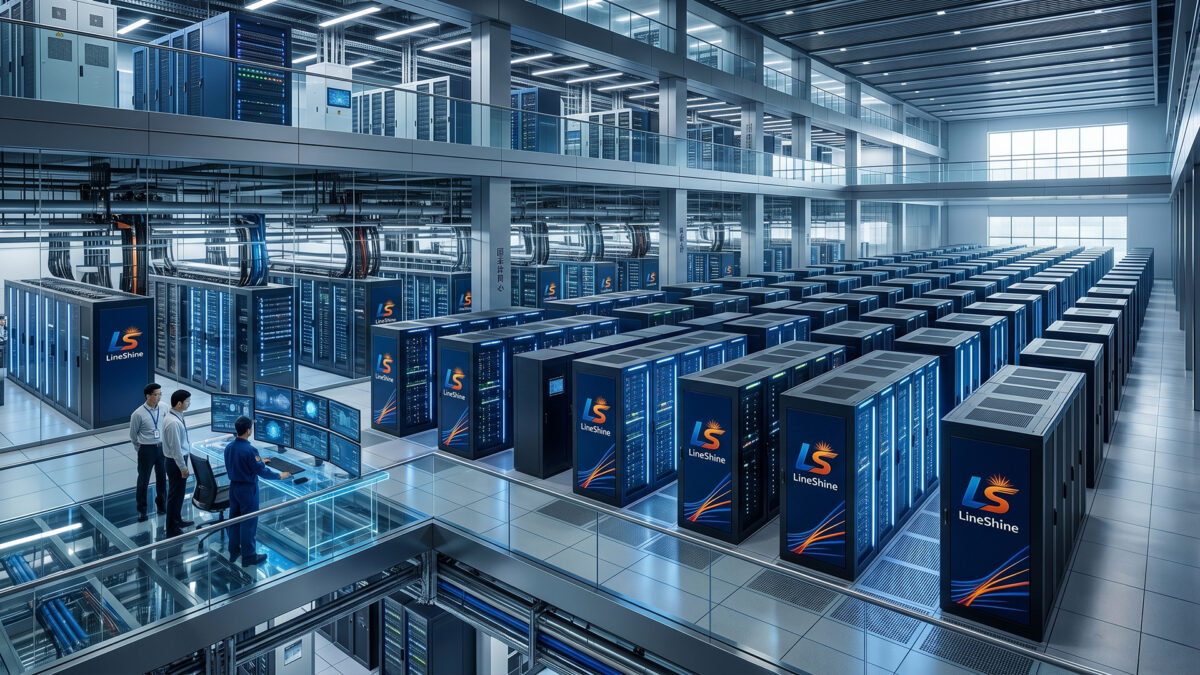
NVIDIA reported strong quarterly earnings, showing continued growth in demand for artificial intelligence technologies despite challenges linked to export restrictions and global market conditions. The company’s results once again highlighted its dominant position in the rapidly expanding AI industry.

The company reported revenue of $44.1 billion for the quarter, marking a sharp rise from the previous year as demand for AI chips continued to remain strong. However, the company also said export restrictions on advanced chips to China had affected business operations and led to a significant financial impact.

NVIDIA said it faced an estimated $4.5 billion charge during the quarter related to restrictions on sales of its H20 AI chips to China. The company had earlier indicated that tighter US rules on advanced semiconductor exports could affect sales in one of its important international markets.

Despite these challenges, strong demand from technology companies investing in artificial intelligence infrastructure helped support overall growth. The company’s data-centre business remained a major contributor to revenue, driven by continued spending on AI systems, cloud services and high-performance computing.

 Companies across sectors are increasingly investing in AI tools and infrastructure, creating sustained demand for advanced chips.

Also Read: LIC Q4 profit up 23%, announces ₹10 dividend

Categories
Corporate

LIC Q4 profit up 23%, announces ₹10 dividend

LIC reported a strong set of results for the January-March quarter, with its net profit rising 23% year-on-year to ₹23,467 crore. The company also announced a dividend of ₹10 per share for shareholders following its quarterly performance.

The rise in profit reflects steady business growth and improved financial performance during the quarter. As India’s largest life insurer, LIC continues to remain a major player in the insurance sector, with its earnings closely watched by investors and the market.

The company said its overall business remained stable during the quarter, supported by growth in premium collections and improvements across operations. Strong quarterly earnings are often seen as an indication of business strength and future growth potential.

The dividend announcement also drew attention from shareholders, as dividends provide investors with returns in addition to gains from stock prices. The ₹10 per share payout is expected to benefit shareholders while reflecting the company’s confidence in its financial position.

LIC has been focusing on strengthening profitability, expanding its customer base and improving business performance in a competitive market environment. The insurer has also been working towards enhancing products and services to meet changing customer needs.

Also Read: Finance commission chief says rupee can cross ₹100

Categories
Beyond

Finance commission chief says rupee can cross ₹100

The Indian rupee remained under focus on Friday, trading at around 96.28 against the US dollar, as global developments and currency market movements continued to influence investor sentiment.

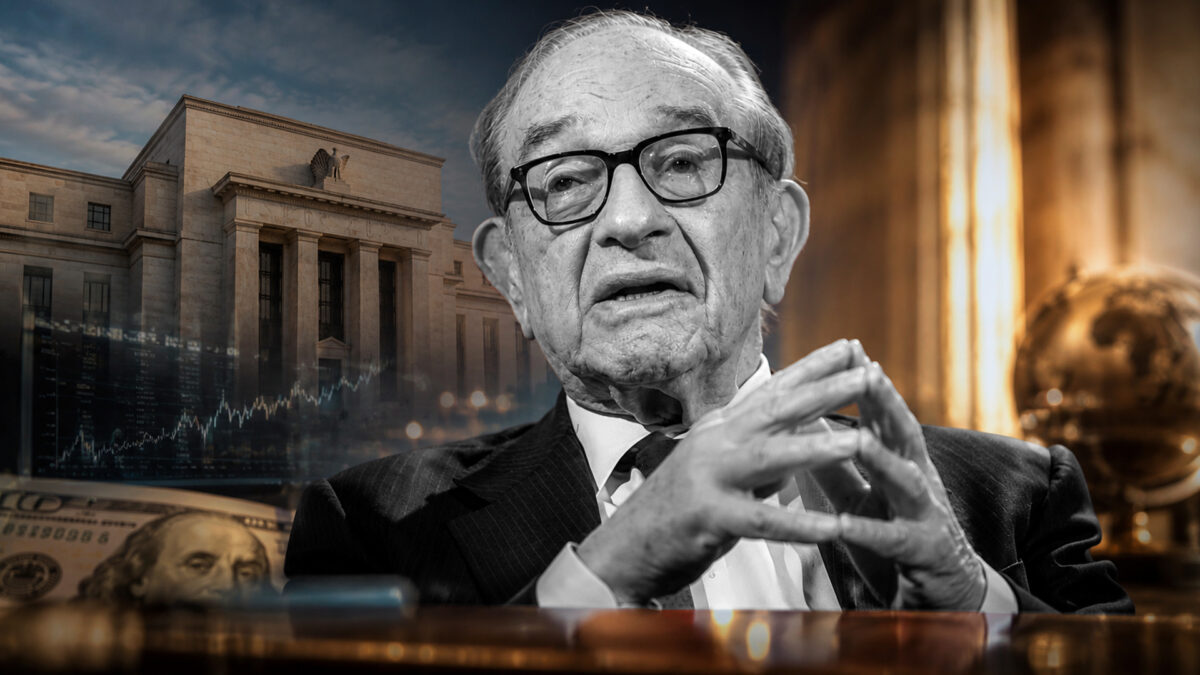
During these developments, comments by finance commission chief-Arvind Panagariya have sparked discussion over India’s approach to managing the currency. Panagariya said the Reserve Bank of India should not become overly concerned if the rupee moves beyond the ₹100-per-dollar mark, stressing that exchange rates should adjust according to market realities.

While the rupee witnessed some recovery during recent sessions, concerns over oil prices, global uncertainty and foreign investment flows continue to keep markets cautious.

According to him, levels such as ₹100 against the dollar often carry psychological importance, but they should not be viewed as strict barriers. He noted that several factors including inflation, trade activity, global capital flows and international market conditions play a role in determining currency values.

Economists pointed out that fluctuations in the rupee are common and often reflect broader global developments. While movements in the exchange rate can influence import costs and investor sentiment, they do not by themselves determine the overall health of the economy.

Experts expect the rupee’s direction in the coming weeks to depend on oil prices, global economic trends and foreign investment activity.

Also Read: Tata Communications gets new MD, CEO

Categories
Corporate

Sensex gains over 300 points, Nifty crosses 23,750

Indian benchmark indices opened on a positive note on Friday, with the Sensex rising over 300 points in early trade and the Nifty moving above the 23,700 mark, supported by strong buying in banking and financial stocks. Improved global cues and easing concerns over crude oil prices boosted investor sentiment, although traders remained cautious amid continuing geopolitical developments and volatility in international energy markets.

As trading progressed, the market extended gains with buying activity strengthening across major sectors. The Sensex gained more than 500 points during intraday trade, while the Nifty crossed the 23,750 level. Analysts said investors responded positively to stable domestic indicators and encouraging global market signals.

Banking and financial stocks emerged as the key drivers of the rally. Major lenders including HDFC Bank, ICICI Bank and State Bank of India witnessed strong buying support, helping sustain market momentum. Investors remained optimistic about the sector due to expectations of continued economic growth and strong institutional participation.

Several other sectors also witnessed selective buying as traders reacted to corporate earnings and broader economic indicators. However, gains remained limited in some segments because of concerns surrounding international oil prices and uncertainty in global markets.

Crude oil continued to remain under close watch during the session. Prices witnessed fluctuations as markets assessed developments linked to US-Iran discussions and concerns over the Strait of Hormuz, one of the world’s most important oil transport routes. Any disruption in the region could significantly affect global supply and influence oil-importing countries such as India.

Also Read: SpaceX nears IPO with trillion-dollar valuation target

Categories
Corporate

SpaceX nears IPO with trillion-dollar valuation target

SpaceX, led by Elon Musk, is moving closer to a major initial public offering (IPO) that could value the company between $1.5 trillion and $1.75 trillion.

Reports say the listing could happen as early as June and may raise tens of billions of dollars, making it one of the biggest IPOs in history.

The company, best known for rockets and its Starlink satellite internet service, is now expanding into artificial intelligence alongside its space business. SpaceX is working on combining AI systems with its satellite and space technologies to support future growth.

A large part of its expected future earnings is linked to Starlink and new AI-driven services. Investors are watching closely as the company prepares for its market debut.

While SpaceX has seen strong revenue growth, it has also recorded losses due to heavy spending on rockets, satellites, and research projects.

Analysts say the IPO could attract huge investor interest because it brings together space, internet infrastructure, and AI in one company.

Even after going public, Elon Musk is expected to keep strong control over SpaceX’s decisions.

The listing is seen as a major moment for the tech and space industry, with potential to reshape how investors value companies working across AI and space technology.

Also Read: RBI unveils $5 bn swap auction to support rupee

Categories
Beyond

RBI unveils $5 bn swap auction to support rupee

The Reserve Bank of India (RBI) has announced a $5 billion dollar-rupee swap auction to inject liquidity into the banking system and help stabilise the rupee, which has been under pressure in recent weeks.

The auction is scheduled for May 26 and will be conducted for a three-year period. Under the arrangement, banks will sell US dollars to the RBI in exchange for rupees and later buy them back after the swap period ends. This helps increase rupee liquidity in the financial system.

The move comes at a time when the Indian currency has been facing pressure due to rising global uncertainty, higher crude oil prices, and foreign investor outflows. Market volatility and geopolitical tensions have also added to concerns around the rupee’s stability.

Analysts say the RBI’s latest step is aimed at ensuring enough liquidity remains available in the banking system while also calming currency markets. The central bank has been actively managing rupee volatility in recent months through interventions in the foreign exchange market.

Such interventions often absorb rupee liquidity from the system, making additional support necessary. Economists believe the swap auction will help balance liquidity conditions without directly changing interest rates.

The announcement was viewed positively by financial markets, with bond yields easing slightly after the news. Experts also say the measure could help reduce pressure in the currency forward market and improve overall investor confidence.

The RBI has used similar swap auctions in the past during periods of market stress or liquidity tightening. These tools allow the central bank to manage short-term financial pressures while maintaining stability in currency and debt markets.

Also Read: Bolt CEO defends sacking entire HR team

Categories
Leaders

Tech industry mourns tech veteran Soma Somasegar

The global technology industry is mourning the death of Soma Somasegar, the Indian-origin former Microsoft executive and venture capitalist, who died unexpectedly at the age of 59.

Widely known as “Soma” in Silicon Valley, he spent nearly 27 years at Microsoft and became one of the company’s most respected technology leaders. Over the years, he played a major role in shaping Microsoft’s developer tools and software ecosystem, working on products that were widely used by programmers and businesses around the world.

Born in Puducherry, Somasegar was known not only for his technical leadership but also for mentoring young engineers, startup founders, and developers. Colleagues and industry leaders described him as approachable, humble, and always willing to guide others.

During his time at Microsoft, he led the company’s Developer Division and worked closely on technologies such as Visual Studio and the .NET platform. He was also involved in expanding Microsoft’s engineering and research presence globally, including in India.

After leaving Microsoft in 2015, Somasegar joined Madrona Venture Group as a managing director, where he focused on investing in startups working in artificial intelligence, cloud computing, and enterprise software.

Tributes poured in from across the tech world following news of his death. Satya Nadella and several other technology leaders remembered him as a thoughtful mentor and influential leader who helped shape careers and businesses.

Many startup founders also shared personal stories about how Somasegar supported them during the early stages of their companies. Friends said one of his biggest strengths was helping people quietly without seeking recognition.

Also Read: Australia unemployment rises to highest level

Categories
Corporate

Lenskart profit dips in Q4 despite 46% revenue jump

Lenskart has reported a decline in its fourth-quarter profit even as the eyewear retailer posted strong revenue growth, highlighting a mixed performance in the latest earnings update.

The company’s net profit slipped in the quarter, even though revenue rose sharply by around 46% year-on-year, driven by strong demand across its online and offline stores. The revenue growth was supported by increased customer traffic, expansion of retail outlets, and steady performance in key domestic and international markets.

Despite the drop in profit, investor sentiment remained relatively positive. Lenskart shares were in focus in the market, with some analysts pointing to the company’s strong long-term growth outlook and expanding store network as key positives.

The company has been aggressively scaling its physical presence while continuing to strengthen its online platform. This omnichannel strategy has helped it reach more customers and improve brand visibility, especially in urban and semi-urban markets.

However, higher operating expenses linked to expansion, marketing costs, and investments in new stores weighed on profitability during the quarter. Analysts said such spending is common for fast-growing consumer companies that prioritise long-term market share over short-term profits.

The company’s performance also reflects broader trends in the retail sector, where several consumer brands are reporting strong sales but facing pressure on margins due to expansion costs and competitive pricing.

Market experts noted that while the profit decline may raise short-term concerns, the strong revenue growth suggests underlying demand for eyewear products remains healthy. They added that investor focus is likely shifting toward future scalability rather than immediate earnings pressure.

Also Read: Bolt CEO defends sacking entire HR team