Categories
Corporate

SpaceX nears IPO with trillion-dollar valuation target

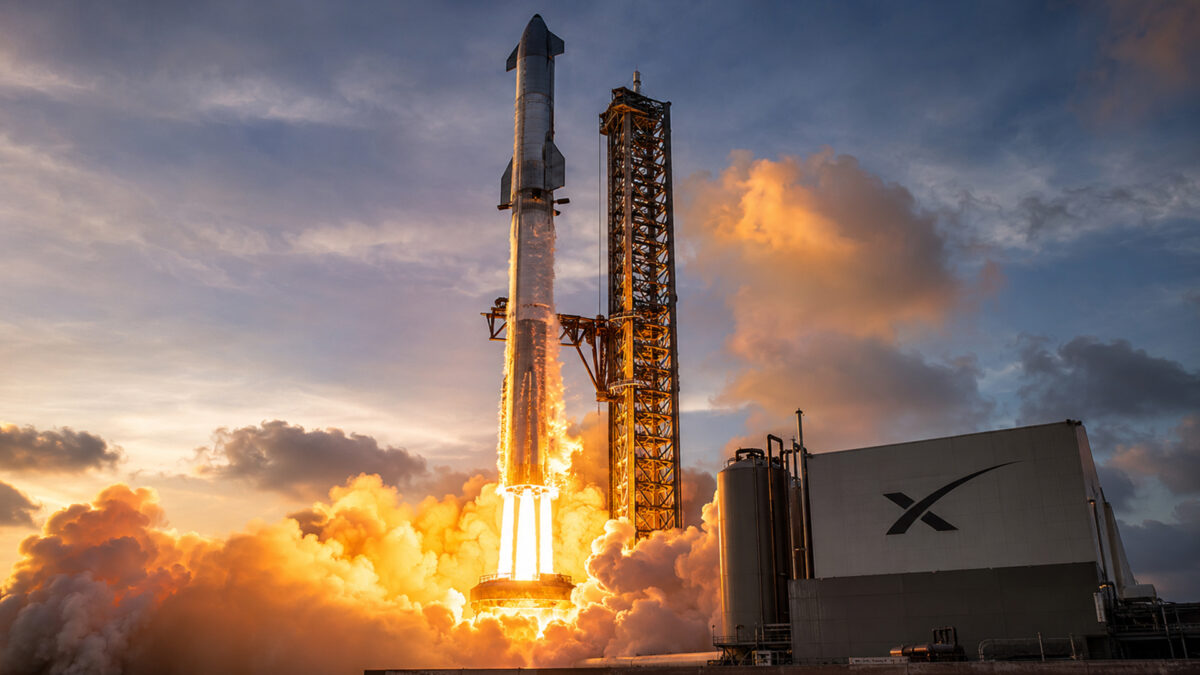
SpaceX, led by Elon Musk, is moving closer to a major initial public offering (IPO) that could value the company between $1.5 trillion and $1.75 trillion.

Reports say the listing could happen as early as June and may raise tens of billions of dollars, making it one of the biggest IPOs in history.

The company, best known for rockets and its Starlink satellite internet service, is now expanding into artificial intelligence alongside its space business. SpaceX is working on combining AI systems with its satellite and space technologies to support future growth.

A large part of its expected future earnings is linked to Starlink and new AI-driven services. Investors are watching closely as the company prepares for its market debut.

While SpaceX has seen strong revenue growth, it has also recorded losses due to heavy spending on rockets, satellites, and research projects.

Analysts say the IPO could attract huge investor interest because it brings together space, internet infrastructure, and AI in one company.

Even after going public, Elon Musk is expected to keep strong control over SpaceX’s decisions.

The listing is seen as a major moment for the tech and space industry, with potential to reshape how investors value companies working across AI and space technology.

Also Read: RBI unveils $5 bn swap auction to support rupee

Categories
Corporate

Musk links SpaceX IPO to Grok subscriptions

Elon Musk is making headlines with an unusual request ahead of SpaceX’s planned IPO. Reports suggest that major banks hoping to take part in the stock offering must first subscribe to Grok, the artificial intelligence platform created by Musk’s company xAI.

This move is unusual because banks normally don’t have to use a company’s product to participate in an IPO. By tying Grok subscriptions to IPO involvement, Musk appears to be promoting his AI platform while also involving financial institutions in his broader business ecosystem.

Grok is a chatbot designed to compete with other AI systems, and Musk has promoted it as fast, innovative, and capable of “thinking outside the box.” While it’s still a new platform, Musk seems keen to expand its reach, especially among banks that will play a key role in SpaceX’s listing.

The SpaceX IPO is expected to be one of the biggest in years, potentially valuing the company at over $100 billion. Being a lead banker or adviser on the deal comes with significant fees and prestige, which makes banks willing to consider Musk’s unusual condition.

Some bankers see subscribing to Grok as a minor cost compared with the potential gains from the IPO. Others are concerned about how the requirement might look, questioning whether it is standard practice in the industry.

SpaceX has not commented on the request publicly, and Musk has stayed quiet about the details. However, his push for Grok is consistent with his ongoing efforts to grow the AI platform and make it more visible in the tech and finance sectors.

If banks agree, Grok’s user base and reputation could grow significantly. But if they resist, it could create delays or complications for SpaceX’s IPO process.

Also Read: iPhone 17 Pro Max joins Artemis II mission

Categories
Corporate

SpaceX moves toward historic IPO

SpaceX has taken a major step toward going public by filing confidentially for an initial public offering (IPO), according to reports. The move could pave the way for one of the biggest stock market listings ever, highlighting the company’s rapid growth and global influence.

The Elon Musk-led company submitted draft documents to US regulators through a confidential process. This allows firms to prepare for an IPO and undergo regulatory review without immediately disclosing detailed financial information. A public listing could happen later this year, depending on market conditions.

Estimates suggest SpaceX could be valued at as much as $1.5 trillion or more, which would make it the most valuable company ever to go public. The IPO is expected to raise tens of billions of dollars, attracting strong interest from investors worldwide.

SpaceX has become a dominant force in the space industry, known for its reusable rockets and frequent satellite launches. Its Starlink satellite internet service has also seen rapid expansion, becoming a major source of revenue and helping connect remote regions across the globe.

The company’s growth strategy now extends beyond space technology. Its reported ties with Musk’s artificial intelligence venture have further increased its appeal, positioning it at the intersection of two high-growth sectors, space and AI.

The planned IPO comes at a time when several major technology firms are exploring public listings. However, SpaceX is expected to stand out due to its scale, innovation, and strong government and commercial partnerships.

Also Read: ChatGPT now available on Apple CarPlay

Categories
Corporate

SpaceX puts Moon first, Mars to wait now

Elon Musk has once again reshaped the future of space travel, saying SpaceX will now focus on building a “self-growing city” on the Moon before sending humans to Mars. The decision marks a pause to Musk’s long-held dream of colonising the Red Planet.

In simple terms, Musk believes the Moon is the smarter place to start. It is closer to Earth, easier to reach, and allows SpaceX to move faster. A trip to the Moon takes just two days, and rockets can be launched every few weeks. Mars, on the other hand, is far away and only reachable during narrow windows that open once every 26 months. Each journey to Mars takes about six months, making mistakes costly and progress slow.

Musk says this difference matters. Being close to Earth means SpaceX can test new technology, fix problems quickly, and improve life-support systems through trial and error. That learning speed, he believes, could help build a sustainable lunar city within the next decade — a place that slowly grows as more people, machines and supplies arrive.

The idea of a “self-growing city” is not science fiction, Musk insists. He imagines small beginnings, basic shelters, power systems and supply chains, that expand over time. With frequent missions, the Moon could become a permanent home for humans, not just a research stop.

Importantly, Musk has made it clear that Mars is still the ultimate goal. He says serious work on a Martian city could begin in five to seven years. But first, SpaceX wants to reduce risks by learning how humans can live off Earth for long periods, starting closer to home.

The shift also fits well with global space plans. SpaceX is a key partner in NASA’s Artemis programme, which aims to return astronauts to the Moon later this decade. Starship, SpaceX’s next-generation rocket, is expected to carry people and cargo for these missions.

By learning to live there on the Moon , Musk believes humanity will be better prepared for the much harder journey to Mars. In his vision, the future of human life beyond Earth will begin not on a distant planet, but on the Moon just above us.

Also Read: Adani Energy wins Japanese funding for 6,000 MW link

Categories
Leaders

Elon Musk’s SpaceX buys xAI in $1.25 trillion merger

Elon Musk has brought his two biggest futuristic bets closer together. His space exploration company SpaceX has acquired his artificial intelligence firm xAI in a deal that values the combined private entity at around $1.25 trillion, according to reports.

The merger brings xAI, the company behind the AI chatbot Grok, fully under SpaceX, creating a single organisation that blends space technology, satellite networks and advanced artificial intelligence. While SpaceX is estimated to be worth about $1 trillion, xAI’s valuation is pegged at roughly $250 billion.

Musk said the deal is aimed at solving one of the biggest challenges facing AI today: infrastructure. Modern AI systems rely on massive data centres that consume huge amounts of electricity and water for cooling. Musk has argued that this model is unsustainable in the long run.

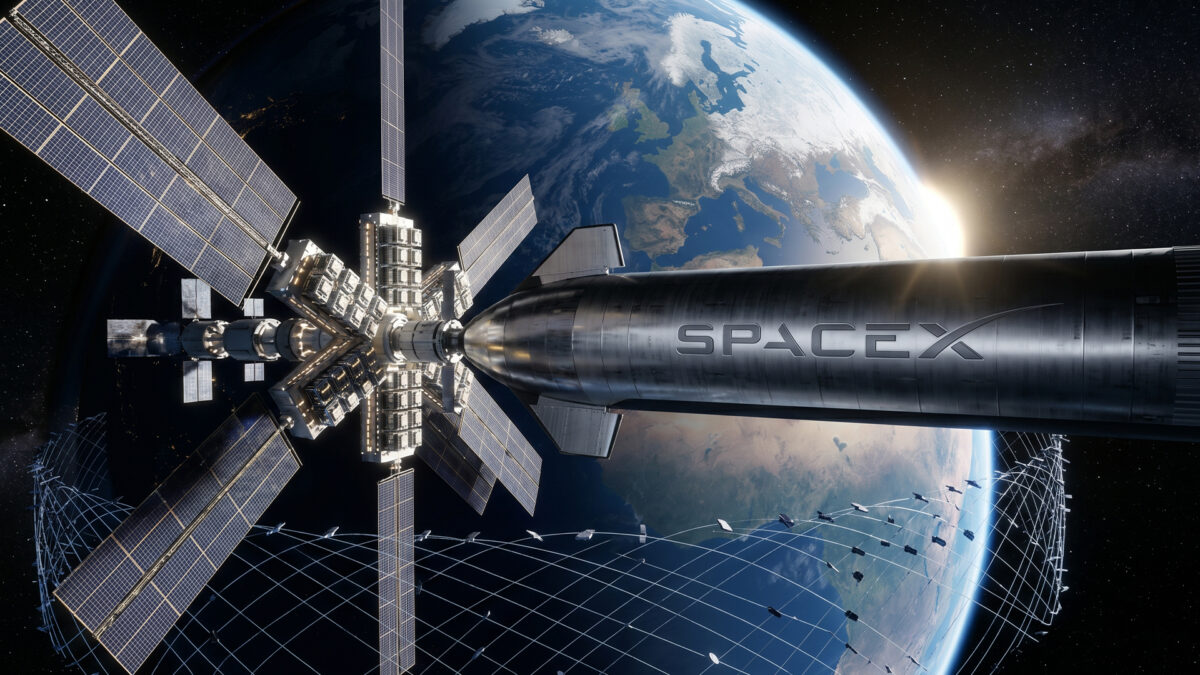
His solution is ambitious, move AI data centres into space.

By placing large-scale computing infrastructure in orbit, Musk believes AI systems could run on near-constant solar energy, reduce strain on Earth’s power grids and avoid many land-based environmental constraints. Space-based data centres could also operate at scale without competing with cities and industries for electricity and water.

As part of this broader vision, SpaceX has reportedly applied to US regulators for permission to launch up to one million additional satellites in the coming years. These satellites could form a vast network capable of supporting AI processing, data transfer and global connectivity from space.

The merger also strengthens the link between xAI and Musk’s social media platform X, which already uses AI tools such as Grok for content analysis and real-time information. Integrating these systems with SpaceX’s satellite and launch capabilities could give Musk an edge in building a global AI-powered communications ecosystem.

The deal comes at a time when SpaceX is preparing for a potential initial public offering (IPO), expected later in 2026. Analysts say combining AI and space infrastructure under one roof could significantly boost investor interest, while also positioning the company as a competitor to major cloud and AI firms.

Also Read: Snowflake, OpenAI seal $200 million AI deal

Categories
Corporate

SpaceX eyes June 2026 IPO at trillion-dollar valuation

Elon Musk’s aerospace venture SpaceX is reportedly planning to go public in June 2026, with a potential valuation of $1.5 trillion. The company could raise up to $50 billion, making it one of the largest initial public offerings in history. If realized, the listing would surpass nearly all previous market debuts, including Saudi Aramco’s $29 billion IPO in 2019.

The proposed timeline coincides with Musk’s 55th birthday on June 28 and a rare alignment of planets, adding a symbolic touch to the potential market debut. While SpaceX has traditionally stayed private, recent growth in its Starlink satellite broadband network and other space-based technologies has fueled investor interest. Secondary market transactions have valued the company at roughly $800 billion, reflecting robust demand from private investors.

Industry observers note that the IPO could highlight the financial potential of the commercial space sector. SpaceX’s Starlink service has rapidly expanded, providing internet connectivity across remote regions, while broader commercial and government interest in satellite and space services continues to grow.

To support the IPO, reports suggest that four major Wall Street banks, Bank of America, JPMorgan Chase, Goldman Sachs, and Morgan Stanley, may be engaged as lead underwriters. Preparations appear to be well underway, although the final timing will depend on market conditions and regulatory approvals.

A successful listing would not only be a landmark event for SpaceX but also for the global financial markets, demonstrating strong investor appetite for the rapidly expanding space industry. Although the company has not officially confirmed the IPO, speculation alone has stirred excitement among analysts, investors, and media, highlighting the growing intersection of space exploration and investment opportunities.

With Starlink subscribers climbing and commercial interest rising, SpaceX’s public offering could set a new precedent for tech-driven space ventures, while solidifying Musk’s vision of turning space innovation into a mainstream economic force.

Also Read: Google launches AI Tools for JEE prep in India

Categories
Corporate

SpaceX hits $800 billion valuation ahead of 2026 IPO

SpaceX, the private aerospace company founded and led by Elon Musk, has taken a significant step toward becoming a publicly traded company. A recent insider share sale has valued SpaceX at around $800 billion, highlighting strong investor confidence as the company prepares for an initial public offering (IPO) expected in 2026.

The share sale allows existing and new investors to purchase SpaceX stock at $421 per share, a price that reflects the company’s rapid growth and ambitious plans. Analysts suggest that the IPO could raise more than $25 billion, potentially pushing SpaceX’s valuation even higher, depending on market conditions. If the company executes its plans successfully, it could become one of the largest IPOs in history.

SpaceX’s soaring valuation is largely supported by its Starlink satellite internet business, which has been expanding quickly. Starlink currently provides internet services in multiple countries and is now planning direct-to-mobile connectivity, which could open a major new revenue stream. In addition, the company continues to make progress on its Starship rocket program, designed for ambitious missions to the moon, Mars, and potentially beyond. These innovations are key drivers behind the company’s strong market interest.

Despite the excitement, SpaceX executives have emphasized that the timing and final valuation of the IPO remain uncertain. Factors such as global market conditions, regulatory approvals, and the company’s operational milestones could influence the final launch. The insider sale, however, demonstrates a clear commitment to preparing the company for public investment.

Elon Musk’s leadership and vision have been central to SpaceX’s growth, from reusable rockets to global satellite internet. Going public would not only provide a new capital influx but also mark a historic moment in financial markets. For investors, the IPO represents a rare chance to participate in a company that is shaping the future of space travel and connectivity.

With its record valuation, technological innovations, and ambitious expansion plans, SpaceX is positioning itself to become a dominant force in both aerospace and the broader tech sector, attracting attention from investors and industry watchers worldwide.

Also Read: Elon Musk confirms SpaceX IPO in 2026

Categories
Technology

Elon Musk confirms SpaceX IPO in 2026

Elon Musk has confirmed that reports about SpaceX planning an initial public offering (IPO) in 2026 are accurate, signaling a major step for one of the world’s most valuable private companies. The billionaire entrepreneur’s statement has intensified investor interest, as SpaceX could become one of the largest IPOs in history.

Media reports suggest that SpaceX could be valued at $1 trillion or more, reflecting the rapid growth of its commercial and space ventures. The IPO is expected to raise tens of billions of dollars, which would provide capital for ambitious projects, including SpaceX’s ongoing Mars exploration plans and expansion of its Starlink satellite broadband network.

SpaceX has been at the forefront of commercial spaceflight for years, launching satellites, servicing the International Space Station, and pioneering reusable rockets. Its Starship program, designed for deep space missions, including potential trips to Mars, represents both an opportunity and a financial risk. Analysts note that while the company has strong revenue streams from satellite services and government contracts, space exploration remains a high-cost venture, and investors will need to weigh these risks before the IPO.

Industry experts say that a public listing could provide SpaceX with more financial flexibility to scale its operations while also offering early investors and employees a way to realize gains from their equity. However, some caution that the IPO could be affected by market conditions, government regulations, and the inherent uncertainties of large-scale space missions.

Musk’s confirmation has fueled speculation about the timing and structure of the IPO, with some reports suggesting that shares could be offered in phases, starting with SpaceX’s Starlink division, followed by the broader company. If successful, the IPO would not only be historic in size but also highlight the growing commercialization of space and investor appetite for high-growth technology ventures.

For now, the market is closely watching, as SpaceX prepares to take its next major step from a private aerospace pioneer to a publicly listed company with global attention.

Also Read: boAt financial gaps raise concerns before IPO