Categories
Corporate

CG Power wins ₹900 cr US Data Centre order

CG Power and Industrial Solutions Ltd has won a major overseas contract worth around ₹900 crore from US-based Tallgrass Integrated Logistics Solutions LLC. This is the biggest single order in the company’s history and marks its formal entry into the global data centre infrastructure segment.

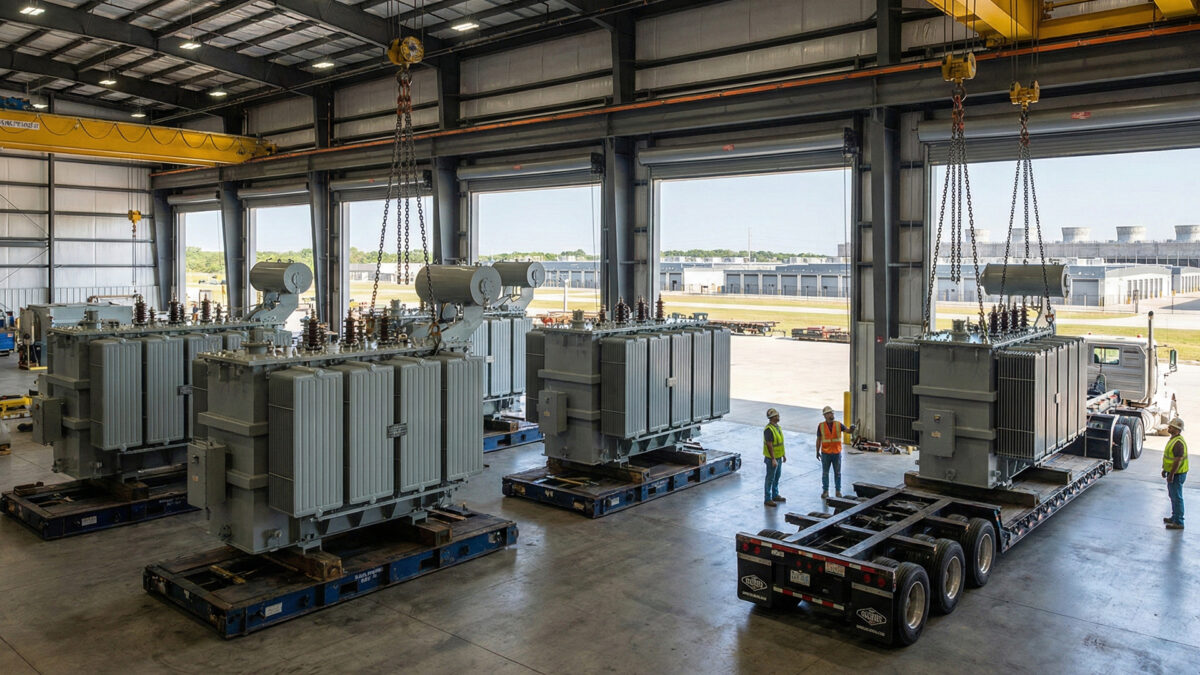
As part of the agreement, CG Power will supply high-capacity power transformers for a large data centre project in the United States. These transformers play a crucial role in ensuring uninterrupted power supply, which is essential for data centres that support digital services such as cloud computing, artificial intelligence and large-scale data storage.

The transformers will be designed, manufactured and tested at CG Power’s facilities in India. The company said deliveries will take place over a period of 12 to 20 months, with shipments made from Mumbai under standard international trade terms. The contract is a direct export order, underlining CG Power’s increasing focus on international markets.

Company management described the order as a strategic breakthrough, stating that it provides a strong platform to enter the fast-growing global data centre sector. With rising digitalisation, demand for data centres is increasing worldwide, leading to higher need for reliable and advanced power infrastructure.

CG Power said the order demonstrates its engineering strength and ability to meet strict global quality and performance standards. It also highlights the company’s capability to deliver mission-critical equipment for projects where power reliability is vital.

The announcement was positively received by the market, with CG Power’s shares seeing an uptick following the news. Entry into the global data centre space is expected to open new growth opportunities and strengthen the company’s export pipeline in the coming years.

Industry experts believe this move could help CG Power diversify its business beyond its traditional domestic and industrial segments.

Also Read: Bharat Coking Coal stock drops 7% after strong market debut

Categories
1 Minute-Read

Bharat Coking Coal stock drops 7% after strong market debut

Shares of Bharat Coking Coal Ltd (BCCL) fell about 7% after a strong stock market debut, where the stock listed at a 97% premium over its IPO price.

The sharp fall came as investors booked profits following the big opening-day gains. The company’s IPO received strong demand, helping the stock open at high levels. Market experts say such a fall is common after a sharp listing rally.

They advise short-term investors to consider booking profits, while long-term investors may hold the stock based on the company’s business prospects and role in the coal sector.

Categories
Corporate

Tata Motors pushes for budget relief for entry-level EVs

Tata Motors has appealed to the Indian government to provide financial incentives for entry‑level electric vehicles (EVs) in the upcoming Union Budget 2026, citing rising costs that are making affordable EVs less competitive compared to petrol cars. The company’s Managing Director and CEO, Shailesh Chandra, highlighted that while recent reforms such as GST changes and lower interest rates have revived passenger car sales, entry‑level EVs continue to face cost pressures that could slow adoption.

Chandra explained that the recent reduction in GST for petrol cars has narrowed the price gap between conventional vehicles and electric models, putting entry‑level EVs at a disadvantage. He urged the government to consider targeted incentives to make these cars more affordable for the mass market.

In addition to entry‑level vehicles, Tata Motors is also seeking support for fleet EVs under the PM E‑DRIVE scheme. Currently, fleet electric cars—which make up around 7% of passenger vehicle sales but contribute one-third of total passenger kilometres travelled, are not covered under the scheme. Tata Motors argues that including fleet EVs would not only encourage adoption but also have a larger environmental impact, reducing emissions and dependence on imported fuel.

The company also flagged the impact of rising commodity prices and foreign exchange fluctuations, which have squeezed profit margins by an estimated 2%, largely absorbed by the company so far. Chandra indicated that Tata Motors may need to adjust vehicle prices in the coming months to manage costs, a trend reflected in recent price hikes by other automakers.

By seeking these measures, Tata Motors aims to ensure that electric vehicles remain competitive with petrol cars, particularly for price-sensitive buyers and fleet operators.

Also Read: Gold at ₹1,43,770, Silver slips below ₹2.95 lakh

Categories
Corporate

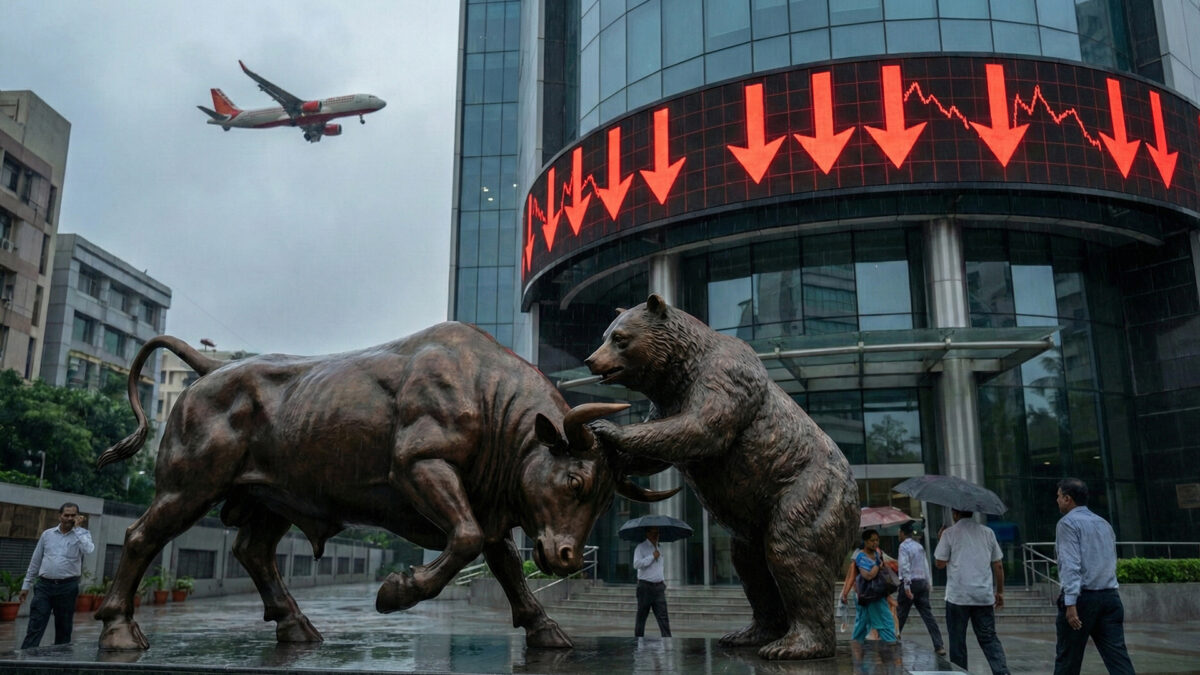
Sensex slumps 500+ points, Nifty slips below 25,550

Markets opened on a weak note on Monday, as global trade concerns and mixed corporate earnings weighed on investor sentiment. The BSE Sensex fell over 500 points in early trade, while the Nifty 50 slipped below the 25,550 mark, tracking negative global cues.

Markets turned cautious after renewed fears of trade tensions following comments from US President Donald Trump on possible tariff hikes. This led to selling pressure across global equity markets and prompted investors to reduce exposure to risk-heavy assets.

On the sectoral front, banking, energy and real estate stocks were among the biggest losers. Heavyweights such as Reliance Industries and ICICI Bank declined 2–3 percent, dragging the benchmark indices lower. ICICI Bank shares slipped after reporting a weaker-than-expected quarterly performance, while Reliance faced selling pressure despite stable earnings, as investors booked profits.

Other major losers included stocks from the PSU banking and metal space, as concerns over global growth and foreign fund outflows persisted. Foreign Institutional Investors (FIIs) remained net sellers, adding to market weakness, while Domestic Institutional Investors (DIIs) offered limited support.

However, losses were partially capped by gains in IT and pharmaceutical stocks. Shares of leading IT companies moved higher as the rupee weakened slightly against the US dollar, improving export earnings outlook. Select pharma stocks also gained on expectations of steady demand and defensive buying.

In individual stock action, Bharat Coking Coal Ltd (BCCL) made a strong debut on the stock exchanges, listing at a premium to its issue price. The positive listing reflected healthy investor demand for quality public sector offerings, even amid broader market volatility.

In the broader market, mid-cap and small-cap indices also traded lower, indicating cautious investor mood across segments. Market experts said volatility may remain elevated in the near term due to global economic uncertainties, earnings announcements and geopolitical developments.

Also Read: India’s first $10bn green ammonia venture in Andhra

Categories
Beyond

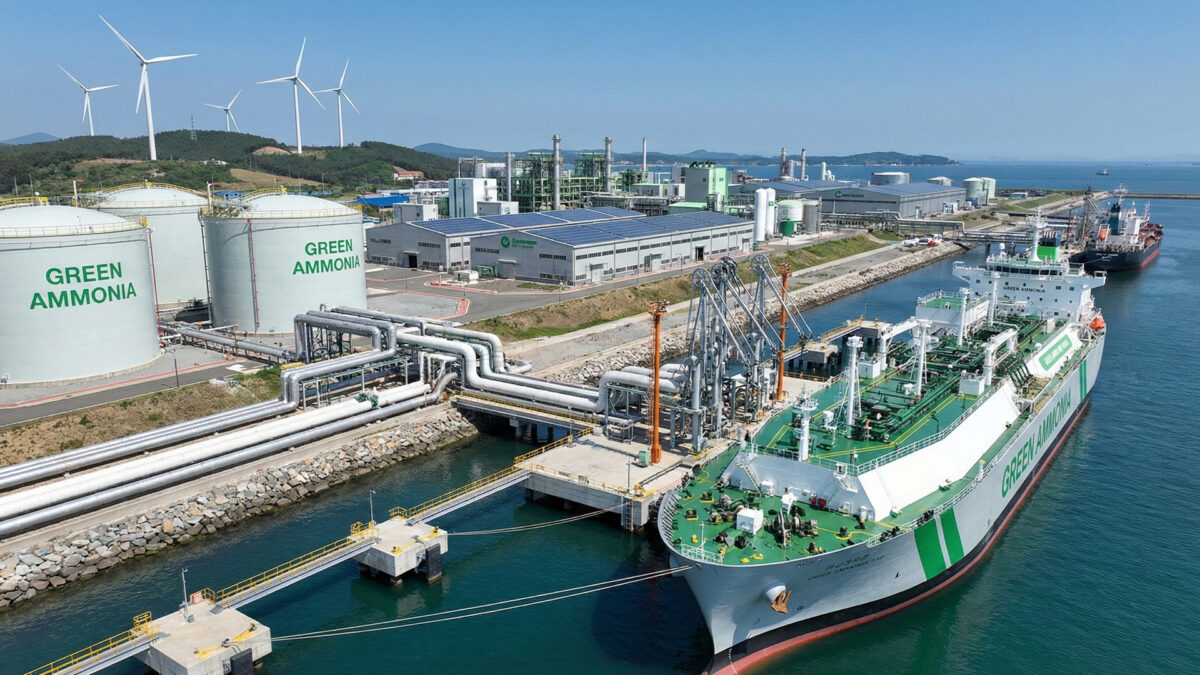
India’s first $10bn green ammonia venture in Andhra

Andhra Pradesh has launched India’s first green ammonia project, marking a significant investment in the country’s clean energy and industrial landscape. The $10‑billion facility, developed by AM Green, is set up near Kakinada Port on a brownfield site formerly used for ammonia‑urea production. Chief Minister N. Chandrababu Naidu and Deputy CM Pawan Kalyan inaugurated the project, emphasizing its potential to drive economic growth and sustainable industrial development.

At full capacity, the complex will produce 1.5 million tonnes of green ammonia annually, making it the largest facility of its kind in the world. Commissioning is planned in phases: 0.5 million tonnes per year by 2027, scaling to 1 million tonnes in 2028, and reaching full output by 2030.

The facility integrates large-scale renewable energy infrastructure, including 7.5 GW of solar and wind power, 1,950 MW of electrolyser capacity for green hydrogen, and 2 GW of continuous renewable energy supported by pumped hydro storage. These capabilities will make the project not only a clean energy milestone but also a strategic hub for industrial hydrogen-based exports.

The venture is expected to generate up to 8,000 jobs during construction, with additional long-term employment in sectors such as renewable energy operations, logistics, port management, and storage. AM Green has already secured supply agreements with Germany’s Uniper and is exploring partnerships with companies in Japan and Singapore, signaling strong international interest.

The project aligns with Andhra Pradesh’s Integrated Clean Energy Policy, 2024, reinforcing the state’s position as a leader in renewable energy and clean fuel exports. Analysts note that this initiative could significantly boost India’s presence in the global green ammonia market, a sector increasingly critical for shipping, power generation, and as a carrier of green hydrogen.

Also Read: US-Taiwan strike $250 billion trade deal

Categories
Beyond

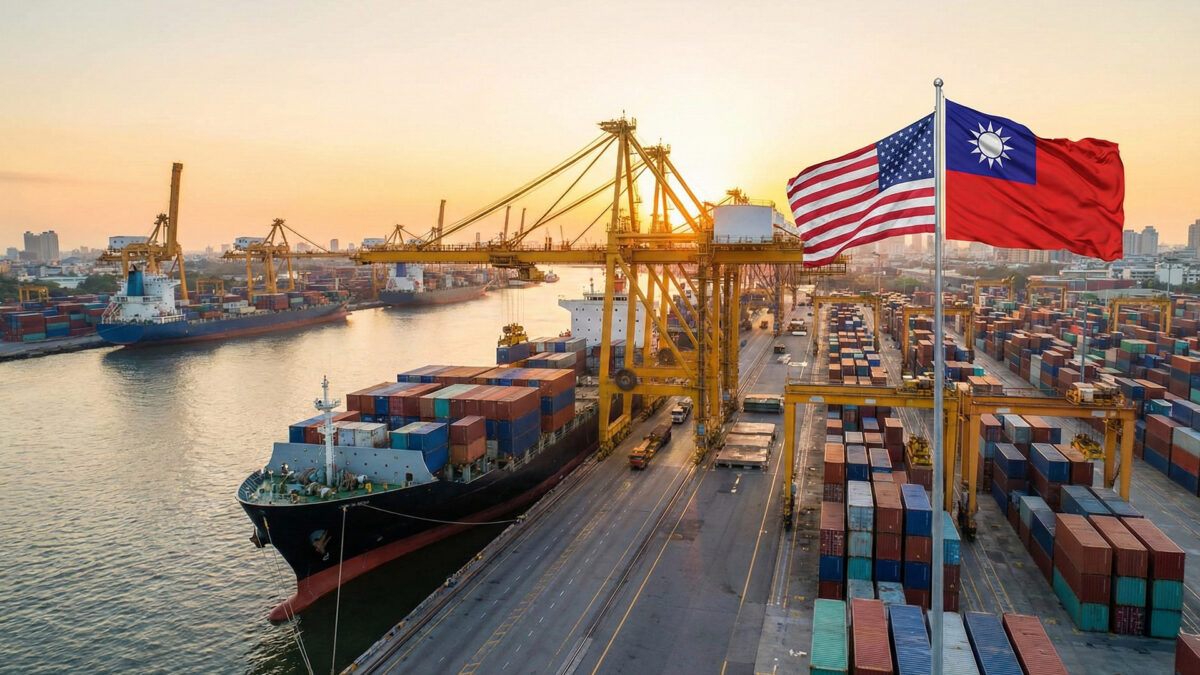
US-Taiwan strike $250 billion trade deal

The United States and Taiwan have reached a landmark trade agreement worth $250 billion, aiming to strengthen economic ties and boost high-tech investment. The deal reduces tariffs on Taiwanese goods entering the US and secures substantial commitments from Taiwanese companies to invest in American industries, especially semiconductors, artificial intelligence, and energy.

Under the agreement, the US tariff on most Taiwanese imports will drop from 20% to 15%, bringing Taiwan’s trade treatment closer to that of other major Asia-Pacific partners, including Japan and South Korea. Certain goods, such as generic medicines and aircraft parts, will be fully exempt from tariffs. These measures are designed to encourage the expansion of Taiwanese production in the US while making imports more affordable for American consumers.

A major focus of the pact is strengthening domestic semiconductor manufacturing. The US Commerce Department described the deal as a strategic move to “reshore” advanced chip production and create high-tech industrial zones in the country. Taiwanese firms investing in US production facilities will benefit from favorable tariff treatment and support for establishing cutting-edge technology hubs.

The agreement is particularly significant for Taiwan Semiconductor Manufacturing Company (TSMC), which plans to expand its US operations, including new facilities in Arizona. This expansion aligns with Taiwan’s broader commitment to invest in American industries, supporting jobs and innovation in critical technology sectors.

While the pact has been welcomed in Taipei and Washington, China has criticized the agreement, reiterating its opposition to moves that it sees as undermining the “one-China” principle. Beijing has called on the US to adhere to its stance on Taiwan.

The deal still needs approval from Taiwan’s legislature and comes amid legal discussions in the US regarding presidential authority over tariffs. Analysts say that, once implemented, the agreement could reshape the global semiconductor supply chain, strengthen U.S.-Taiwan economic relations, and attract billions in investment, benefiting both countries’ technology and energy sectors.

Also Read: Grasim appoints Sachin Sahay as Birla Opus CEO

Categories
Corporate

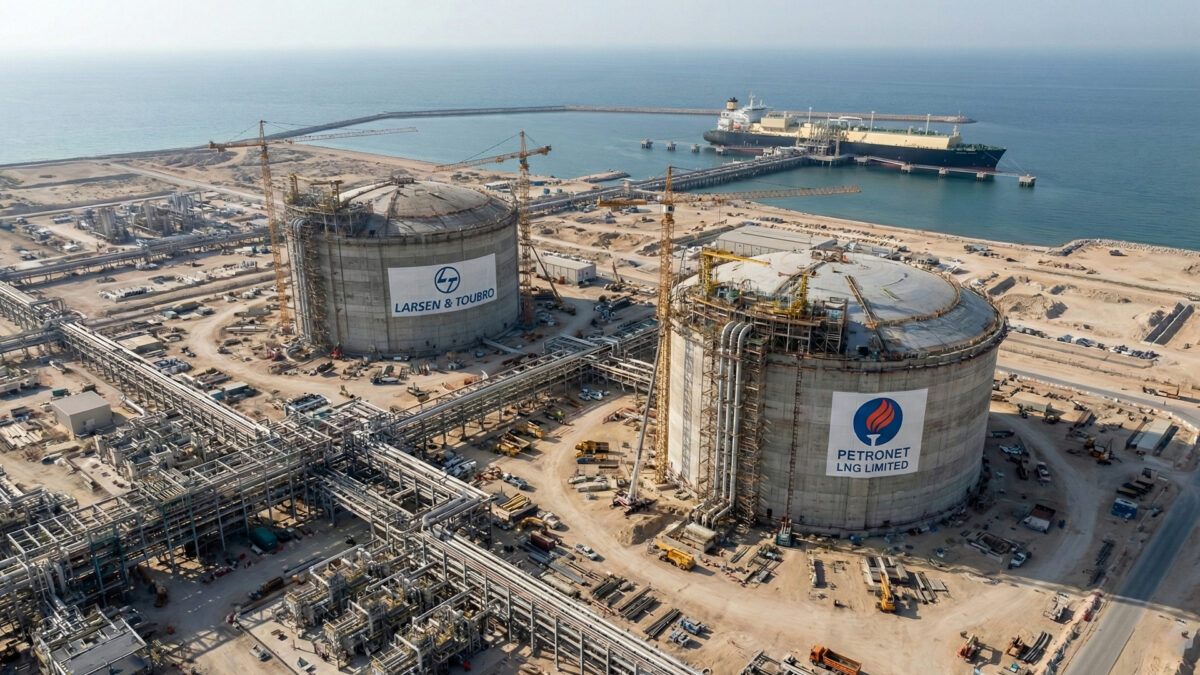
L&T wins major petronet LNG project

Engineering and construction major Larsen & Toubro (L&T) has secured a large order from Petronet LNG for a key petrochemical project in Gujarat, strengthening its position in India’s energy infrastructure space. The contract has been awarded to L&T’s Hydrocarbon Onshore business and falls under the company’s “large” order category, which typically implies a value ranging between ₹2,500 crore and ₹5,000 crore.

Petronet LNG is a joint venture promoted by four state-run energy majors — ONGC, Indian Oil Corporation, GAIL (India) and Bharat Petroleum Corporation. The company has commissioned L&T to execute the project at its Dahej Petrochemical Complex on a lump sum turnkey basis, covering engineering, procurement, construction and commissioning.

As part of the project scope, L&T will build advanced cryogenic storage infrastructure to support downstream petrochemical operations. This includes a 170,000 cubic metre LNG/ethane double-wall storage tank and a 140,000 cubic metre propane double-wall storage tank. In addition, the company will develop associated facilities for handling, storage and dispatch of ethane and propane, which are essential feedstocks for petrochemical manufacturing.

The Dahej facility is being developed as India’s first integrated petrochemical complex to leverage “cold energy utilisation” from an LNG terminal. This innovative approach is expected to improve energy efficiency by using the cold energy released during LNG regasification in downstream petrochemical processes. The project will support the production of polypropylene through propane dehydrogenation (PDH) units, helping reduce India’s dependence on imported polymers.

L&T said the order reflects its strong capabilities in executing complex hydrocarbon projects that require high levels of technical expertise, safety compliance and timely delivery. The company has a long track record in building large-scale oil, gas and petrochemical infrastructure in India and overseas.

The contract win is also aligned with India’s broader push to expand domestic petrochemical capacity and strengthen value addition within the country. Market participants view the order as a positive development for L&T, reinforcing its robust order book and steady flow of large domestic projects.

Also Read:  Grasim appoints Sachin Sahay as Birla Opus CEO

Categories
Leaders

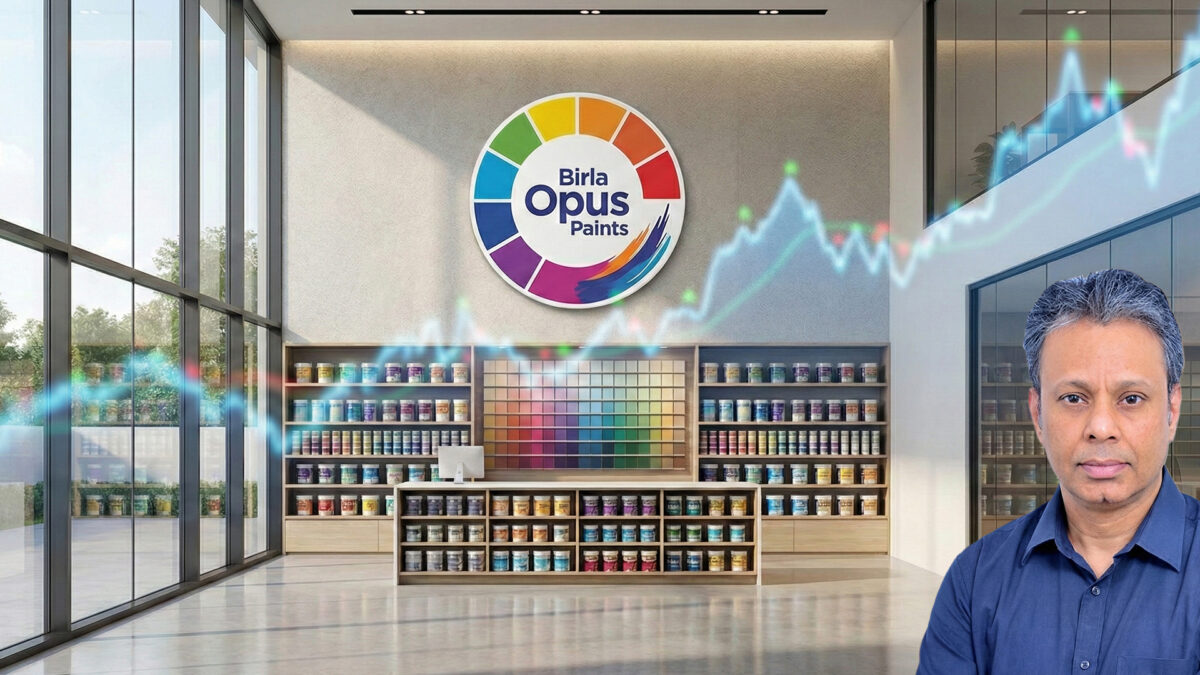
Grasim appoints Sachin Sahay as Birla Opus CEO

Grasim Industries has named Sachin Sahay as the new CEO of its decorative paints business, Birla Opus Paints, effective February 16, 2026. The appointment comes at a critical juncture as the company looks to strengthen its presence in India’s fiercely competitive paints market.

Sahay, a seasoned professional with over 30 years of experience, joins Grasim from ITC Ltd, where he led sales and marketing initiatives, expanded distribution networks, and drove strategic growth in the fast-moving consumer goods sector. His expertise is expected to help Birla Opus scale operations, enhance brand reach, and compete with established players like Asian Paints.

He takes over from Rakshit Hargave, who recently left the company to join Britannia Industries as CEO. Since its launch in February 2024, Birla Opus Paints has invested heavily in manufacturing capacity and aggressive market strategies to capture share from rivals, quickly establishing itself as a challenger in the decorative paints segment.

The market responded positively to the news, with Grasim shares rising modestly, signaling investor confidence in the new leadership. Analysts say Sahay’s appointment could be pivotal in shaping the company’s next phase of growth, particularly as it seeks to expand distribution in urban and rural markets and consolidate its brand identity.

Industry watchers will be closely monitoring how Sahay’s experience and strategic vision influence Birla Opus’s growth trajectory in an increasingly crowded and competitive paints industry.

Also Read: Nvidia’s H200 chip blocked in China

Categories
Corporate

Nvidia’s H200 chip blocked in China

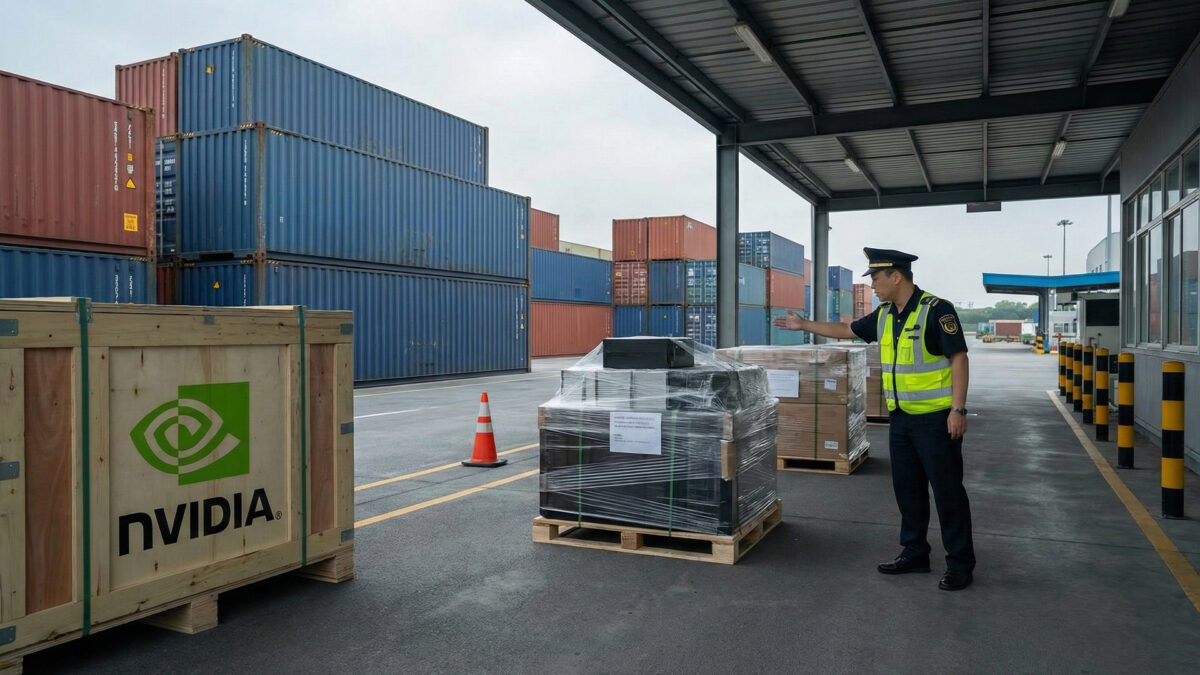
Nvidia, led by CEO Jensen Huang, has run into an unexpected hurdle in China, as customs authorities have blocked shipments of the company’s advanced H200 artificial intelligence (AI) chip. The sudden move has forced suppliers to pause production, creating uncertainty for Chinese tech companies eager to use the processor.

The H200 chip, one of Nvidia’s most powerful AI products, had been cleared for export by the US government, and Huang’s team was preparing to start shipments as early as March. Nvidia had also ramped up component production to meet strong demand from Chinese clients.

However, Chinese customs recently informed logistics agents that the H200 would not be allowed into the country. Officials did not give a reason, leaving the company and its partners uncertain whether the block is temporary or part of a broader policy.

Many components made for the H200 are highly specialised and cannot easily be repurposed, prompting suppliers to halt production to avoid building unsellable inventory. Chinese authorities have also reportedly advised local tech firms to avoid buying the chips unless essential, further dampening demand.

Neither Nvidia nor Chinese officials have publicly commented on the blockage. For Huang and his team, the future of H200 shipments to China remains uncertain as the global AI chip trade faces growing complexity.

Also Read: Reliance Industries Q3 revenue up 10% on digital, O2C strength

Categories
Corporate

Reliance Industries Q3 revenue up 10% on digital, O2C strength

Reliance Industries Ltd (RIL) delivered a steady financial performance in the third quarter of FY26, reporting a 10 per cent rise in consolidated revenue compared to the same period last year.

The growth was largely driven by strong momentum in its digital services, oil-to-chemicals (O2C) and retail businesses, helping the company navigate challenges in its oil and gas exploration segment.

For the October–December quarter, RIL posted consolidated revenue of nearly ₹2.9 lakh crore. Net profit rose marginally by about 1.6 per cent year-on-year to around ₹22,300 crore, while EBITDA increased by about 6 per cent, reflecting stable operating performance across key verticals.

The digital services arm, led by Jio Platforms, remained a major growth engine. Jio recorded healthy increases in revenue and operating profit, supported by strong subscriber additions, rising data consumption and continued expansion of its 5G and home broadband services. The company benefited from higher average revenue per user and growing adoption of digital offerings.

The oil-to-chemicals business also reported a solid quarter. Revenue and earnings improved on the back of better refining margins, higher fuel demand and efficient operations across refineries and petrochemical plants. Despite a challenging global environment, the segment delivered stable performance and contributed meaningfully to overall earnings.

Reliance Retail continued to expand its footprint and recorded over 8 per cent growth in revenue during the quarter. However, profitability in the retail business remained under pressure due to higher operating costs, competitive pricing and the impact of regulatory changes affecting margins.

In contrast, the oil and gas exploration and production segment faced headwinds. Lower production from mature fields and softer price realisations weighed on the segment’s performance, partially offsetting gains from other businesses.

Commenting on the results, Chairman and Managing Director Mukesh Ambani said the company’s diversified business model helped deliver consistent performance despite global uncertainties. He highlighted the continued strength of consumer-facing and downstream businesses as key pillars of growth.

Also Read: Zerodha CEO slams market closure on BMC poll day