Categories
Corporate

Tata Consumer Q3 profit jumps 38% to ₹385 cr

Tata Consumer Products Limited (TCPL), the Tata Group’s flagship consumer goods company, reported a strong third-quarter performance for December 2025, with net profit rising 38% year-on-year to ₹385 crore from ₹279 crore in the same period last year.

Revenue from operations grew about 15% to ₹5,112 crore, compared with ₹4,444 crore a year ago, reflecting healthy consumer demand across beverages and foods segments. The company said volume-led growth in key product categories drove the topline expansion.

The beverages portfolio, which includes tea, coffee, and ready-to-drink (RTD) beverages, performed particularly well. Coffee sales surged around 40%, while RTD products saw a 26% increase, marking the second consecutive quarter of double-digit growth. Tata Consumer’s tea segment also maintained steady growth across both domestic and international markets.

The foods business, including Tata Sampann staples like salt and pulses, also showed robust growth. New product launches and continued innovation in the portfolio helped sustain demand, with key categories recording double-digit expansion.

On the cost front, expenses rose moderately, but operating margins improved, supported by better efficiency and scale advantages. Earnings before interest, tax, depreciation, and amortization (EBITDA) saw a healthy increase, reflecting strong operational performance.

International operations contributed positively as well. Markets such as the U.S. and Canada showed strong growth in coffee, helping branded revenues outside India.

While the quarterly results highlight resilient demand and effective execution of growth strategies, some investors remained cautious, leading to mixed market reactions after the earnings announcement.

Also Read: Asian Paints Q3 profit ₹1,060 cr, shares drop 7%

Categories
Beyond

Rupee rises 11 paise to ₹91.57 against dollar

Indian rupee showed a positive sign as it rose by 11 paise to ₹91.57 per US dollar in early trade on Wednesday. This came as the US dollar weakened slightly and optimism grew after India and the EU agreed on a new trade deal. The rupee opened around ₹91.60 and recovered a little to ₹91.57. Stock markets also reacted positively in early trade.

However, the rupee’s overall trend remains weak and unstable. In recent days, it has hit record lows near ₹91–₹92 per dollar because of global uncertainties and foreign investors pulling out money from India.

Trade tensions with the United States are adding pressure. Threats of tariffs have made investors cautious, leading them to prefer the US dollar over emerging market currencies like the rupee.

Foreign investment flows also play a big role. Continuous selling by foreign investors increases demand for dollars, which weakens the rupee. Analysts warn that unless more foreign money comes in or global conditions improve, the rupee may continue to struggle.

High demand for dollars for imports like oil and capital goods is another factor keeping the rupee under pressure. A slight weakening of the US dollar gives only short-term relief.

Investors are now watching key factors, such as global interest rates, foreign investments, and trade talks with the US, to see where the rupee will go next. The Reserve Bank of India is expected to step in if the currency becomes too volatile.

Also Read: Gold falls to ₹1,61,940, Silver rises to ₹3,70,100

Categories
Beyond

Gold falls to ₹1,61,940, Silver rises to ₹3,70,100

Gold prices in India saw a slight dip on Wednesday, reflecting short-term profit booking after recent gains. The price of 24‑carat gold fell by ₹10 to ₹1,61,940 per 10 grams, while 22‑carat gold also dropped by ₹10, trading at ₹1,48,440 per 10 grams.

City-wise, Mumbai and Kolkata recorded 24‑carat gold at ₹1,61,940, while Chennai’s rate was marginally higher. For 22‑carat gold, Mumbai, Kolkata, Bengaluru, and Hyderabad matched the national benchmark, with Chennai and Delhi slightly above it.

Silver bucked the trend, rising by ₹100 to trade at ₹3,70,100 per kilogram in Delhi, Kolkata, and Mumbai, with other cities recording slightly higher prices. Analysts say silver’s gains are driven by sustained industrial demand and strong investor interest, even as gold consolidates.

On the international front, US gold prices eased slightly after hitting recent peaks, reflecting a phase of profit-taking and market consolidation. Analysts note that minor fluctuations in bullion prices are influenced by global economic conditions, currency movements, and safe-haven demand amid geopolitical uncertainties.

Also Read: Sensex up 300+ points, Nifty crosses 25,250

Categories
Corporate

Sensex up 300+ points, Nifty crosses 25,250

Today as the markets opened, BSE Sensex rose over 300 points, while the Nifty 50 moved above the 25,250 level, reflecting improved investor sentiment.

Buying interest was seen mainly in banking, energy, and metal stocks, which helped lift the indices. Heavyweights such as Axis Bank and Reliance Industries supported the uptrend, while metal stocks gained on expectations of stable global demand. The broader market also showed strength, with select mid-cap and small-cap stocks trading in the green.

Among individual stocks, Vodafone Idea was in focus as investors reacted to developments around its financial performance and business outlook. Vedanta and related stocks also saw active trading following updates linked to stake sale plans. Energy stocks such as ONGC gained amid firm crude oil prices.

However, the rally was capped by weakness in parts of the FMCG and auto sectors, where some stocks witnessed profit-booking after recent gains. Asian Paints, Tata Consumer Products, Maruti Suzuki, Eicher Motors, and Bajaj Auto traded lower, weighing slightly on the benchmarks.

Market participants remain cautious ahead of global cues, including movements in overseas markets and commodity prices. Analysts said near-term direction will depend on global trends, corporate earnings updates, and stock-specific news, while overall sentiment continues to remain positive.

Also Read: Ajit Pawar killed in plane crash

Categories
1 Minute-Read

Ajit Pawar killed in plane crash

Maharashtra Deputy Chief Minister Ajit Pawar died today morning, after a chartered aircraft carrying him crashed while attempting to land at Baramati airport in Pune district, officials said.

The plane, which had taken off from Mumbai, reportedly ran into trouble during its final approach and crash-landed near the runway, bursting into flames on impact.

Five people were on board the aircraft, including Ajit Pawar, two pilots and two other staff members. All occupants were killed, authorities confirmed. Emergency services rushed to the spot, but there were no survivors. The DGCA has launched an investigation to determine the cause of the crash.

Categories
Beyond

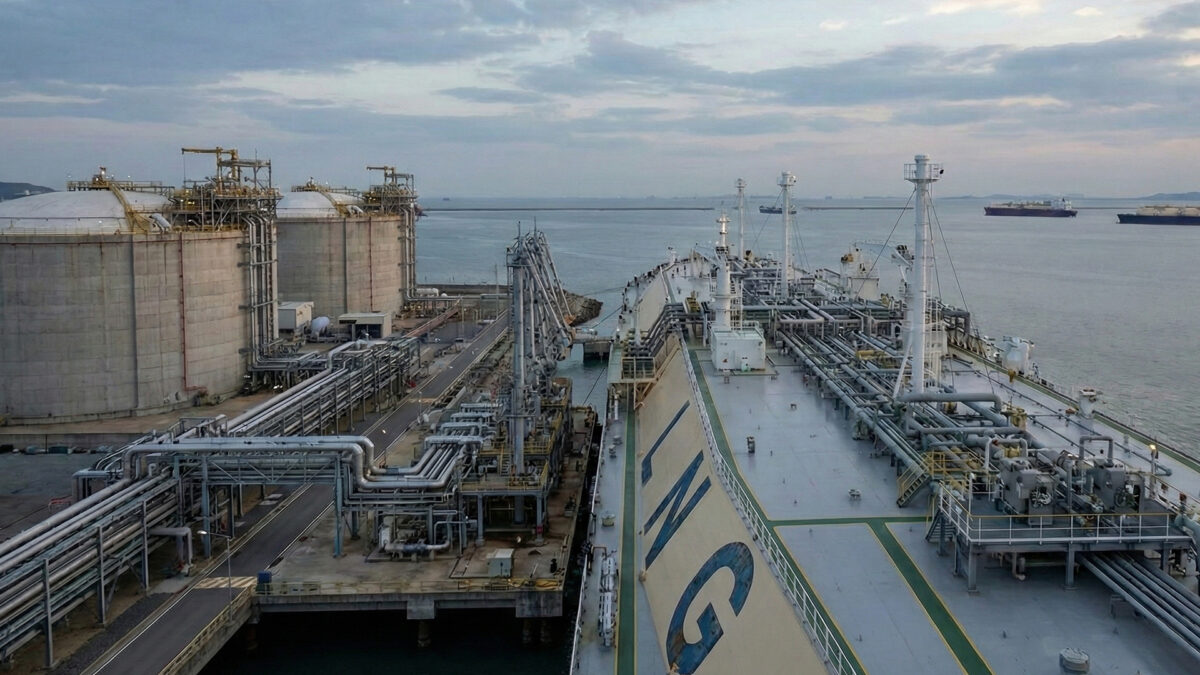
India LNG buyers put long-term deals on hold

India’s liquefied natural gas (LNG) importers are deliberately slowing down long-term purchase agreements as they anticipate a sharp rise in global gas supply over the next few years. Key buyers, including state-run companies such as GAIL India and Bharat Petroleum, believe that waiting could help them secure better prices and more flexible contract terms once new LNG projects come online worldwide.

According to industry observers, global LNG supply is expected to expand significantly toward the end of this decade, driven by large projects in the United States, Qatar, and other major gas-producing regions. This surge could increase global capacity by nearly 50% by around 2030, potentially easing prices that have remained volatile since the energy shock triggered by the Russia-Ukraine conflict.

Indian buyers have been in discussions with LNG suppliers for more than a year but have avoided finalising long-term commitments. Instead, they are focusing on short-term and spot market purchases while keeping future options open. Many importers are reportedly looking at contracts that would begin closer to 2028, when the expected supply wave is likely to peak.

The cautious approach also reflects India’s struggle to raise the share of natural gas in its overall energy mix. Despite a government target of increasing gas usage to 15% by 2030, consumption has remained largely flat since 2020. High LNG prices have made gas less attractive compared to coal and other fuels, particularly for power generation and industrial use.

If LNG prices ease as expected, demand could pick up across city gas distribution networks, refineries, and petrochemical plants, helping India gradually expand gas usage. Until then, importers appear content to wait, betting that patience will strengthen their negotiating position in a rapidly changing global gas market.

In the near term, Indian companies are relatively comfortable, having secured enough LNG through contracts signed in 2024 and 2025 to meet immediate demand. This has reduced the urgency to lock in fresh long-term supply at current price levels.

Also Read: India-EU FTA sealed after 20 years

Categories
Leaders

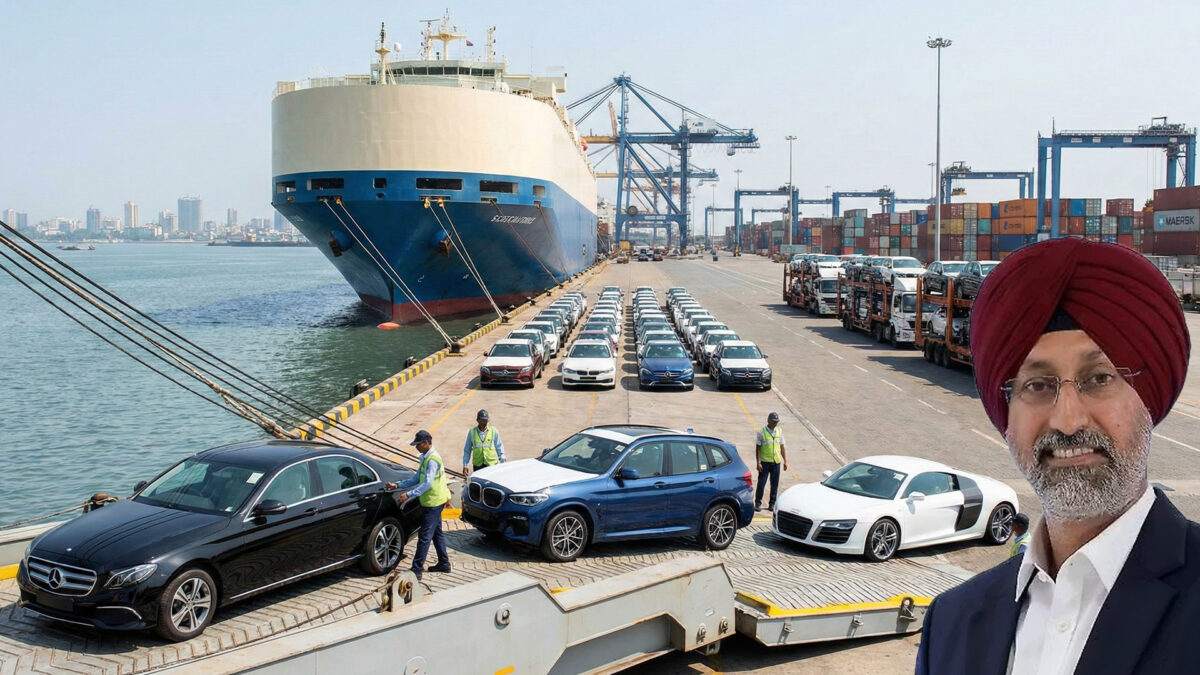
FTA to lift luxury cars, says BMW CEO

BMW Group India CEO Hardeep Singh Brar has said the proposed India–European Union Free Trade Agreement (FTA) could help grow India’s small luxury car market by making imported premium vehicles more accessible. He noted that lower import duties would allow global automakers to introduce a wider range of models and gradually expand the segment, which currently accounts for barely one per cent of India’s total passenger vehicle sales.

According to Brar, reduced tariffs on completely built units (CBUs) could help brands test new products and respond better to evolving consumer preferences. However, he cautioned that growth would be steady rather than sudden, as India remains a highly price-sensitive market.

The comments come as India and the EU move closer to finalising a long-pending trade pact that is expected to sharply cut import duties on European cars. At present, imported vehicles attract customs duties ranging from 70 per cent to over 100 per cent, significantly pushing up prices and limiting volumes. Under the FTA, tariffs are likely to be reduced in phases, with duties potentially dropping to as low as 10 per cent for a fixed annual quota of imported vehicles.

Industry experts say the proposed changes could benefit European brands such as BMW, Mercedes-Benz, Audi and Volkswagen, which have struggled to scale up sales in India due to high costs. Lower duties could make some luxury models more competitively priced and broaden customer choice, particularly in the premium end of the market.

However, analysts also warn that the impact of the FTA may be limited largely to the luxury segment. Mass-market cars are mostly manufactured locally and remain extremely price sensitive. Even with tariff cuts, imported vehicles may still face challenges such as high logistics costs, regulatory compliance requirements and currency volatility.

The agreement is expected to include safeguards like import quotas to prevent a sudden surge of foreign vehicles and protect domestic manufacturers. This balance is seen as critical, given India’s strong focus on local manufacturing and employment generation.

Beyond pricing, auto industry leaders believe the India-EU FTA could encourage deeper collaboration in areas such as advanced automotive technology, electric mobility and safety standards. While the deal may not immediately transform the market, it is widely viewed as a long-term opportunity to strengthen India’s integration with global auto supply chains.

Also Read: Adani shares jump 6% after legal clarity

Categories
1 Minute-Read

Nvidia backs CoreWeave with $2bn investment

Nvidia is investing $2 billion in CoreWeave, buying around 23 million shares and becoming its second-largest shareholder. The funding comes with an expanded partnership to accelerate AI-focused data centre development.

CoreWeave, once a crypto miner, now provides high-performance computing to tech firms using Nvidia chips. The investment will help CoreWeave secure land, power, and infrastructure to build over 5 gigawatts of AI compute capacity by 2030, meeting growing demand for AI services.

The announcement lifted CoreWeave shares, while Nvidia stock showed mixed reactions.

Categories
Corporate

Sensex climbs 320 points, Nifty tops 25,150

Markets rebounded strongly on Tuesday, 27 January 2026, the BSE Sensex ended over 320 points higher, while the Nifty 50 climbed above 25,150, boosted by upbeat domestic earnings and positive global cues. Investors drew confidence from the landmark India–European Union free trade agreement (FTA), expected to enhance exports across sectors like pharmaceuticals, textiles, and chemicals.

Gainers led the rally, with Axis Bank surging nearly 5%, supported by renewed buying interest in banking stocks. Tata Consumer Products impressed with a 38% year-on-year jump in quarterly profit and 15% revenue growth, attracting strong investor sentiment. Other financials and select FMCG names also added to the market’s momentum.

In contrast, losers moderated the overall gains. Asian Paints fell after reporting a slowdown in quarterly profits, raising caution among investors. Telecom stocks, particularly Vodafone Idea, remained under pressure despite a mixed earnings season. Some defensive and cyclical sectors saw muted participation as traders focused on high-growth and export-sensitive companies.

Global markets also influenced trading. Wall Street posted gains following expectations of steady corporate earnings and a cautious U.S. Federal Reserve stance on interest rates. Asian equities traded mixed, reflecting ongoing macro uncertainties and trade-related concerns.

Commodity markets reflected selective strength. Copper and zinc futures edged higher on improved demand expectations, though broader investor sentiment remained cautious ahead of major domestic earnings announcements.

Market participants said the coming sessions will likely remain sensitive to corporate results from BSE-listed companies and any new developments in international trade and monetary policies. Analysts believe sustained gains will depend on continued investor optimism around the India-EU FTA and domestic economic stability.

Also Read: Sensex slides over 250 points, Nifty breaches 25,000

Categories
Beyond

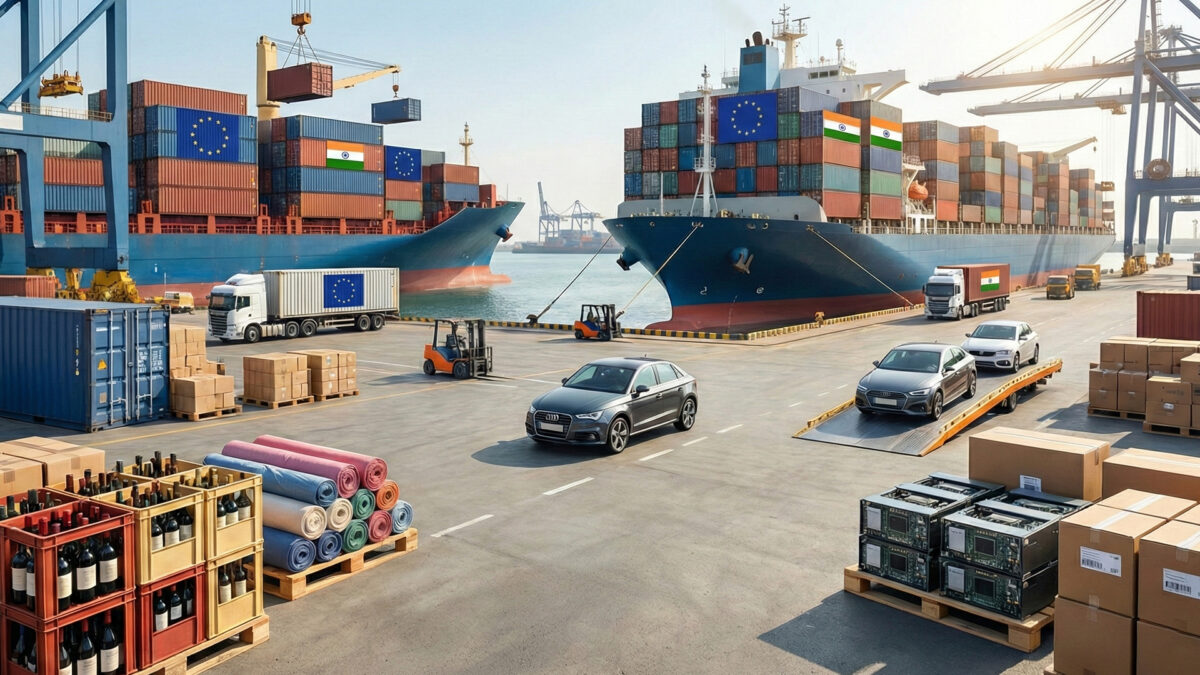
India-EU FTA sealed after 20 years

India and the European Union have finally signed a Free Trade Agreement (FTA) on January 27, 2026, ending nearly 20 years of negotiations. The agreement was announced at the India-EU Summit in New Delhi by Prime Minister Narendra Modi and European Commission President Ursula von der Leyen, and is being seen as a major step forward in strengthening ties between the two sides.

The deal brings together two huge markets, India and the EU together account for about 2 billion people, nearly a quarter of the world’s economy, and around one-third of global trade. At a time when global trade is facing uncertainty and higher tariffs in many countries, the agreement is expected to create new opportunities for businesses and workers on both sides.

Under the FTA, import duties will be removed or sharply reduced on about 96–97% of goods traded between India and the EU over the coming years. This is expected to help Indian exporters, especially in sectors such as textiles, leather, gems and jewellery, chemicals, engineering goods, and marine products, by making it easier and cheaper to sell their products in Europe.

European companies will also benefit. The EU is expected to save around €4 billion every year as tariffs come down. One of the most talked-about decisions is India’s agreement to cut car import duties from as high as 110% to about 10%, in phases and within a fixed annual limit. Taxes on wines and spirits from Europe will also be reduced gradually.

At the same time, both sides have been careful to protect sensitive areas. Dairy products, cereals, and small cars have been kept out of full tariff cuts to protect local producers, especially in India.

Beyond goods, the agreement opens the door to closer cooperation in services, investment, supply chains, standards, and regulations. It also allows room for future discussions on professional mobility and people-to-people exchanges, which could benefit students, professionals, and businesses.

The agreement now needs to go through legal checks and approvals in India and the EU. Once cleared, it is expected to take effect in late 2026 or early 2027, setting the stage for closer economic cooperation and stronger trade ties between India and the European Union.

Also Read: China’s Anta Sports invests in Puma for $1.8 bn