Categories
Technology

Over a billion Android phones at risk

More than one billion Android smartphones worldwide are now vulnerable to hacking, data theft and malware attacks after Google stopped providing security updates for older versions of its operating system. The warning highlights a growing digital safety concern for millions of everyday users who continue to rely on ageing devices for banking, communication and work.

Google’s latest data shows that over 40 per cent of Android phones are running on Android 12 or older. These versions no longer receive regular security patches, which means newly discovered flaws are left unaddressed. Cybercriminals often target such weaknesses to install spyware, steal passwords or gain unauthorised access to personal data.

The problem is not limited to very old or low-cost phones. Several popular models that were considered premium just a few years ago have also reached the end of their software support cycle. Once updates stop, even a well-functioning phone becomes increasingly unsafe to use, especially for financial transactions or storing sensitive information.

While Google continues to offer Play Protect, a built-in malware scanning service, experts say this is not enough. Play Protect can detect harmful apps, but it cannot fix deep system-level vulnerabilities that hackers exploit. Without core security updates, phones remain exposed to more advanced and sophisticated attacks.

The issue is worsened by Android’s fragmented ecosystem. Software updates depend heavily on phone manufacturers and mobile carriers, leading to delays or early discontinuation of support. As a result, many devices that are still in daily use are left behind as newer Android versions roll out.

Google and cybersecurity experts are urging users to check their Android version and update their phones if possible. For devices that cannot be upgraded beyond Android 12, the safest option may be to switch to a newer model that guarantees regular security updates for several years.

Also Read: SpaceX puts Moon first, Mars to wait now
Categories
1 Minute-Read

N Chandrasekaran leads TCS’ AI shift

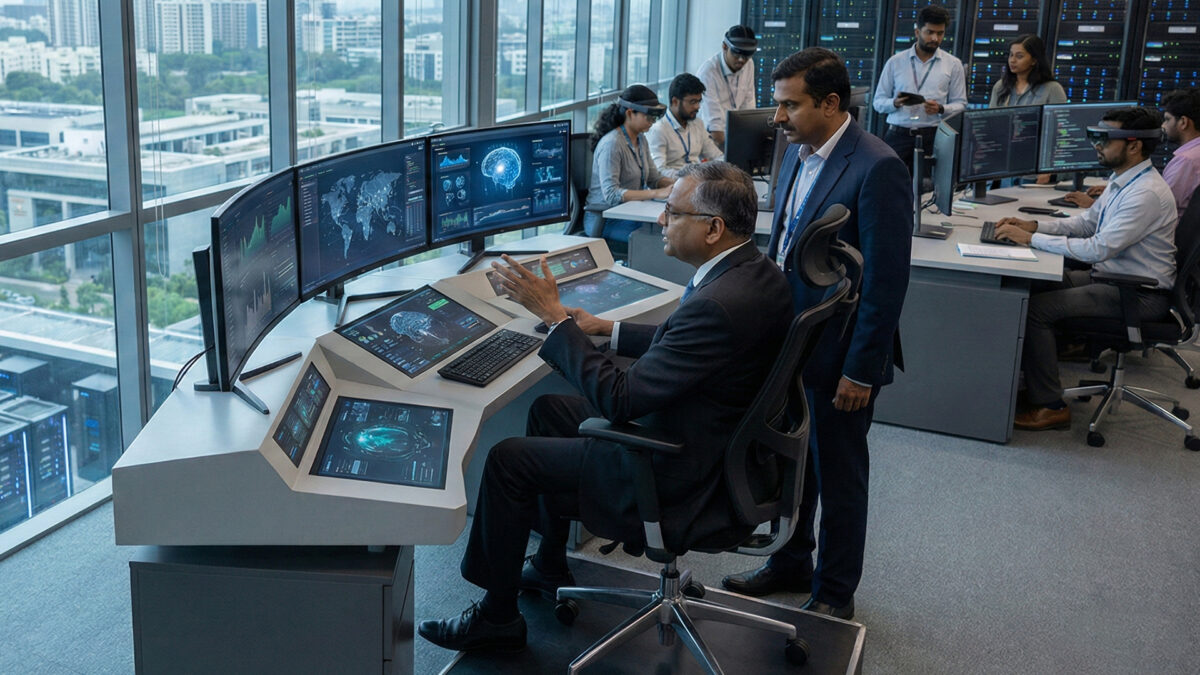
Tata Sons chairman N. Chandrasekaran has stepped into a more active leadership role at Tata Consultancy Services (TCS) to drive its transition towards artificial intelligence.

Addressing employees in Dubai, he stressed that AI is reshaping the global technology landscape and warned that traditional IT service models face disruption. Chandrasekaran urged TCS to rethink its operating model, embed AI across all offerings, and focus strongly on reskilling talent.

He also highlighted the need for agility, innovation, and selective acquisitions to stay competitive. The push aims to position TCS as a leader in AI-driven digital transformation worldwide.


Categories
Corporate

SpaceX puts Moon first, Mars to wait now
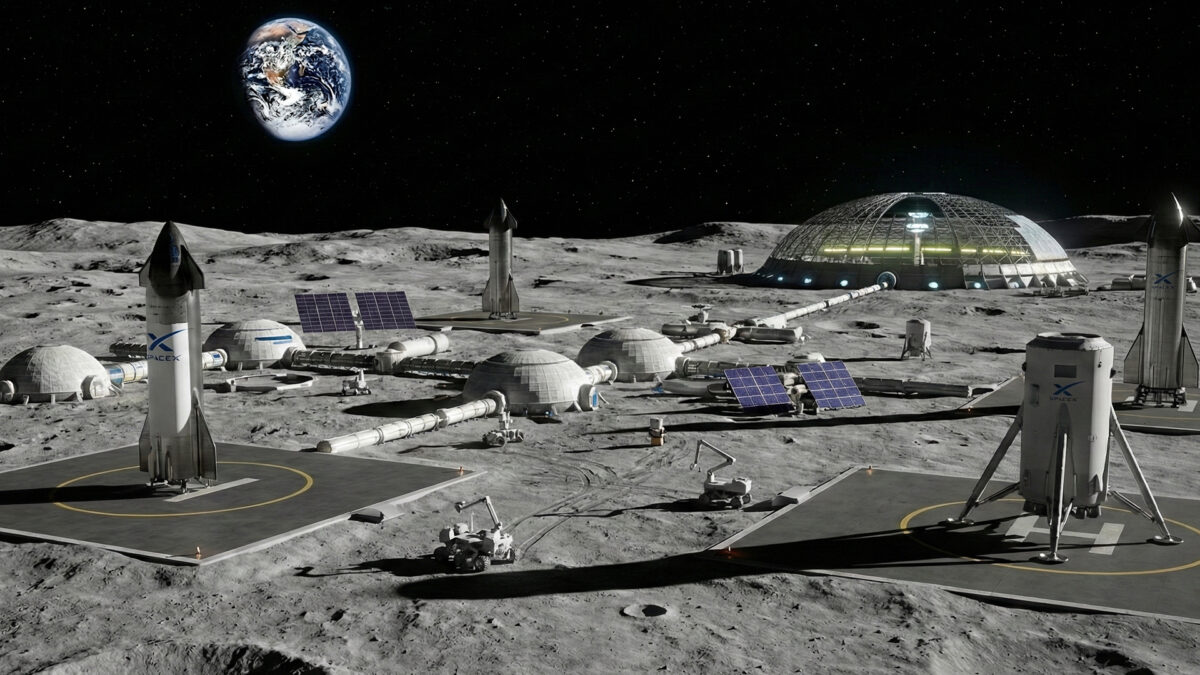
Elon Musk has once again reshaped the future of space travel, saying SpaceX will now focus on building a “self-growing city” on the Moon before sending humans to Mars. The decision marks a pause to Musk’s long-held dream of colonising the Red Planet.

In simple terms, Musk believes the Moon is the smarter place to start. It is closer to Earth, easier to reach, and allows SpaceX to move faster. A trip to the Moon takes just two days, and rockets can be launched every few weeks. Mars, on the other hand, is far away and only reachable during narrow windows that open once every 26 months. Each journey to Mars takes about six months, making mistakes costly and progress slow.

Musk says this difference matters. Being close to Earth means SpaceX can test new technology, fix problems quickly, and improve life-support systems through trial and error. That learning speed, he believes, could help build a sustainable lunar city within the next decade — a place that slowly grows as more people, machines and supplies arrive.

The idea of a “self-growing city” is not science fiction, Musk insists. He imagines small beginnings, basic shelters, power systems and supply chains, that expand over time. With frequent missions, the Moon could become a permanent home for humans, not just a research stop.

Importantly, Musk has made it clear that Mars is still the ultimate goal. He says serious work on a Martian city could begin in five to seven years. But first, SpaceX wants to reduce risks by learning how humans can live off Earth for long periods, starting closer to home.

The shift also fits well with global space plans. SpaceX is a key partner in NASA’s Artemis programme, which aims to return astronauts to the Moon later this decade. Starship, SpaceX’s next-generation rocket, is expected to carry people and cargo for these missions.

By learning to live there on the Moon , Musk believes humanity will be better prepared for the much harder journey to Mars. In his vision, the future of human life beyond Earth will begin not on a distant planet, but on the Moon just above us.

Also Read: Adani Energy wins Japanese funding for 6,000 MW link

Categories
Corporate

Sensex up 300 points, Nifty near 25,800

Equity benchmarks opened firmly on Monday as buying interest in heavyweight banking stocks lifted market sentiment. The BSE Sensex rose over 300 points, while the NSE Nifty 50 hovered near the 25,800 level in early trade, supported by positive global cues and steady domestic flows.

The rally was led by State Bank of India (SBI), which advanced sharply after reporting strong quarterly earnings and outlining a healthy growth outlook. The stock’s rise spilled over to the broader PSU banking space, with several public sector lenders posting solid gains. Other frontline financial stocks also traded higher, reflecting renewed confidence in the sector.
Outside banking, select infrastructure and metal stocks moved up on expectations of steady demand and supportive macro conditions, adding to the upward momentum in the indices.

On the flip side, IT stocks remained under pressure, as investors stayed cautious amid concerns over global demand and booked profits after recent gains. The auto sector also saw selling, with most major auto names trading lower as valuations prompted profit-taking. In addition, select pharma stocks slipped, contributing to the mixed tone in the broader market.

Overall market breadth was balanced, with advances in financials offset by weakness in IT, auto and pharma counters. The India VIX declined, indicating easing volatility, while the rupee traded marginally stronger against the US dollar.

Market participants said sentiment remains positive in the near term, but the Nifty’s move towards the 26,000 level will be closely watched, with global cues and ongoing corporate earnings likely to guide further direction.

Also Read: Mahindra to invest ₹15,000 cr in Maharashtra plant

Categories
Corporate

Dow Jones tops 50,000, hits historic milestone

The Dow Jones Industrial Average (DJIA) soared past 50,000 points for the first time on Friday, marking a historic achievement for the US stock market. The index closed at 50,115.67, up 1,206.95 points, or roughly 2.5%, reflecting strong gains across multiple sectors.

This milestone comes after a volatile week in which technology stocks faced heavy selling pressure, prompting some investors to shift their focus to broader market sectors. Analysts say the Dow’s diverse composition, covering industrials, finance, and consumer goods, helped it outperform tech-heavy indices like the Nasdaq.

Among the top contributors, Caterpillar stood out, surging over 7% after posting strong earnings, while Goldman Sachs and Nvidia also rose sharply. Caterpillar’s stock has gained about 27% so far this year, building on last year’s impressive 50% rise.

Investor sentiment has been boosted by expectations that the Federal Reserve may consider future interest rate cuts without disrupting economic growth. Economists note that the market’s broad-based rally signals renewed confidence in the economy, beyond just high-profile tech stocks.

Even as some analysts caution that volatility may continue, Friday’s surge reflects a wider participation in equities, with companies tied to industrial and consumer activity leading the gains. President Donald Trump celebrated the milestone, attributing it to pro-growth policies and a strong economic outlook.

While the Dow hit the historic mark, other major indices posted more modest gains. The S&P 500 and Nasdaq rose, but they remain closely tied to tech sector performance, which continues to experience ups and downs.

Breaking 50,000 points is more than a symbolic achievement. It highlights the resilience of US markets and the confidence of investors across sectors. Analysts say sustained gains will depend on corporate earnings, Fed policy, and global economic conditions, but Friday’s rally provides a boost to market morale and investor optimism.

Also Read: Alphabet breaks $400 bn revenue barrier in 2025

Categories
Corporate

Tata Steel Q3 profit soars to ₹2,700 cr on Dutch boost

Tata Steel reported a huge increase in its net profit for the third quarter (October–December 2025), reaching around ₹2,690–₹2,730 crore, up more than nine times from roughly ₹300 crore a year ago.

The company’s revenue grew about 6% year-on-year, reaching nearly ₹57,000 crore, helped by strong sales in India and higher steel deliveries. Domestic deliveries crossed 6 million tonnes, marking a record for the company.

A major reason for the profit surge was the turnaround at Tata Steel’s Netherlands unit, which moved from a loss last year to a healthy profit. However, the UK business continued to face challenges due to weak demand.

Tata Steel’s EBITDA rose nearly 39%, reaching over ₹8,300 crore, thanks to cost-cutting measures and better efficiency. The company saved around ₹3,000 crore in the quarter and ₹8,600 crore in the first nine months of the year.

Despite tough global steel markets, including competition from China and trade uncertainties, Tata Steel maintained strong performance. The company also reduced its net debt to about ₹81,834 crore, strengthening its financial position.

In India, while steel prices were slightly lower, higher production and deliveries kept profits steady. Overall, the results reflect robust domestic demand, improved margins, and operational efficiency across key units.

Also Read: AI stethoscopes boost early health screening

Categories
Beyond

Reliance returns to Venezuelan oil, buys 2 mn barrels

Reliance Industries has bought 2 million barrels of crude oil from Venezuela, marking its first purchase from the country since mid‑2025. The deal is for delivery in April, and the crude was purchased through trading firm Vitol at a discount compared to global oil prices.

This move shows Reliance is taking advantage of cheaper Venezuelan oil, which is a heavy, sour grade that fits well with its large Jamnagar refinery in Gujarat. The refinery is equipped to process these kinds of crude, helping the company make better profits when refining it. Sources say the oil was bought at roughly $6–7 per barrel lower than Brent crude.

The purchase comes as the United States has eased sanctions on Venezuela, allowing some trading firms to handle its oil. This has made it easier for companies like Reliance to buy Venezuelan crude without running into legal or financial hurdles.

While the US has encouraged India to reduce purchases of Russian crude, India continues to make decisions based on price and energy needs, rather than politics. Officials say India will keep looking for reliable oil sources to meet its growing demand.

Analysts see this as a smart business move by Reliance. With global oil supplies changing due to geopolitical tensions and US‑Venezuela agreements, buying discounted Venezuelan crude can give Indian refiners an economic advantage.

The deal also highlights India’s strategy of diversifying its oil sources to secure steady supplies at competitive prices. By resuming trade with Venezuela, Reliance joins other Indian refiners in exploring alternative crude options while keeping costs under control.

Also Read: Bitcoin slumps to $60,000 as crypto market shakes

Categories
Beyond

Bitcoin slumps to $60,000 as crypto market shakes

Bitcoin plunged sharply this week, falling to around $60,000, marking its lowest level in over a year and highlighting one of the steepest declines in the cryptocurrency’s history. The world’s largest digital asset has now lost more than 50% of its value from its record high of approximately $126,000 in October 2025.

The sudden drop sent shockwaves through the broader crypto market, with Ethereum and other major tokens also seeing steep declines, collectively erasing trillions of dollars in market value since late 2025. The sell-off accelerated Thursday and Friday as Bitcoin broke through several key technical levels. It first slipped below $70,000, then fell under $65,000, and eventually traded around $60,000 before briefly rebounding.

The sudden movement reflects growing investor caution, as many have retreated from risky assets, including cryptocurrencies and technology stocks, amid mounting market volatility. Institutional withdrawals from Bitcoin exchange-traded funds and the forced liquidation of large long positions have further intensified the decline, contributing to a sense of panic among traders.

This downturn comes after months of strong gains, fueled in part by regulatory optimism and increased institutional interest. However, recent developments, including heightened market uncertainty and investor nervousness, have undermined that momentum. Analysts warn that this slump could signal the start of a prolonged bear market, though some note that extreme volatility is a hallmark of cryptocurrency trading, and temporary rebounds remain possible.

Also Read: AI tools set to transform software jobs

Categories
Corporate

Sensex ends 266 points lower, Nifty near 25,700

Markets ended the day on a weak note, with the Sensex falling 266 points to 86,120 and the Nifty 50 closing near 25,700. Investors remained cautious amid volatility in domestic indices and weak global cues from the US and Asian markets.

Among individual stocks, HDFC, Infosys, and Reliance Industries led the gainers, showing resilience despite broader market weakness. On the other hand, Tata Steel, Titan, and Bharti Airtel dragged the indices lower, reflecting selective profit-taking in cyclical and high-beta stocks. Sectoral indices mirrored this mixed trend, with IT and financials outperforming while metals and consumer durables lagged.

Foreign institutional investors (FIIs) continued as net sellers, while domestic institutional investors maintained selective buying, indicating cautious optimism in certain pockets of the market. Analysts noted that short-term volatility could persist as traders await clearer cues from domestic and global developments.

On the global front, markets in the US and Asia recorded sharp declines, particularly in technology and risk-sensitive sectors, which added pressure on Indian benchmarks. This comes as investors remain attentive to inflation trends, interest rate expectations, and geopolitical developments.

Corporate earnings updates also influenced sentiment. Nykaa reported a strong quarterly profit, while Bharti Airtel’s pre-exceptional profits rose, although net profits fell due to one-off expenses. Such results highlight selective sectoral strength even as the broader market remains under pressure.

With the Reserve Bank of India’s policy signals looming, market participants are advised to monitor key support and resistance levels before taking fresh positions.

Also Read: Tim Cook talks succession, denies retirement plans

Categories
1 Minute-Read

Adani Mangal Seva completes one year

The Adani family, including Jeet Adani and Diva Shah, marked the first anniversary of Adani Mangal Seva in Ahmedabad.

Launched before their wedding, the initiative provides 500 differently-abled brides annually with ₹10 lakh fixed deposits, ensuring financial stability and independence.

Run by the Adani Foundation in partnership with SBI, the programme will continue for at least five years, empowering women aged 25–40 with dignity and long-term support.