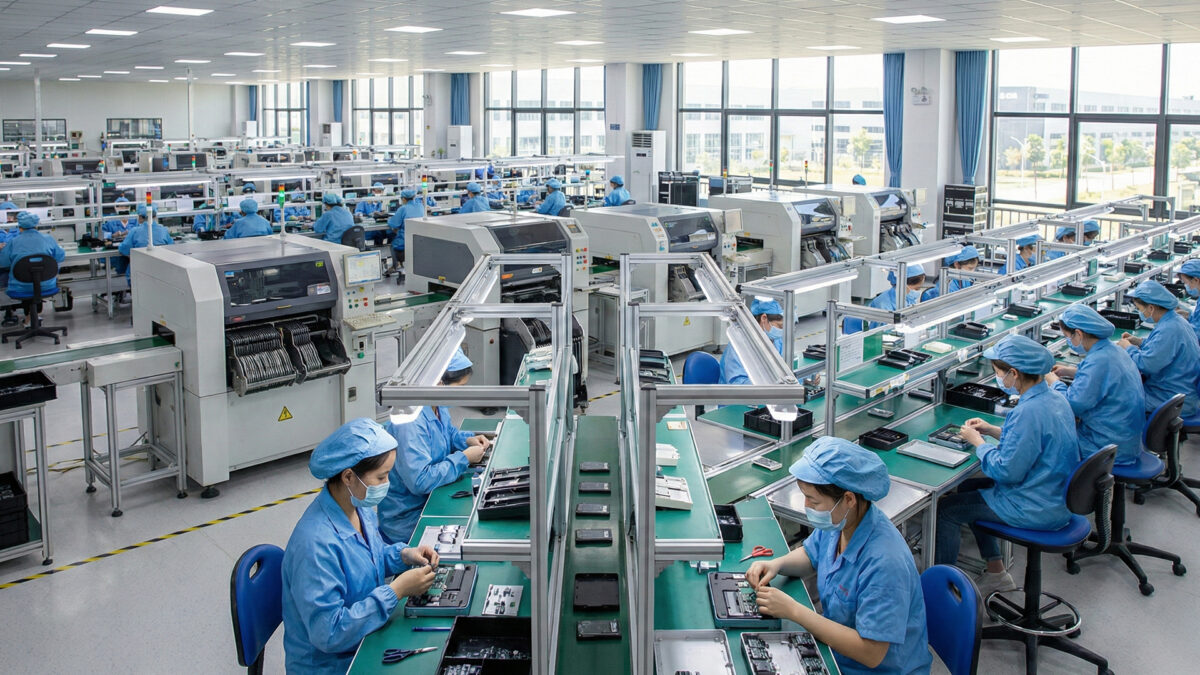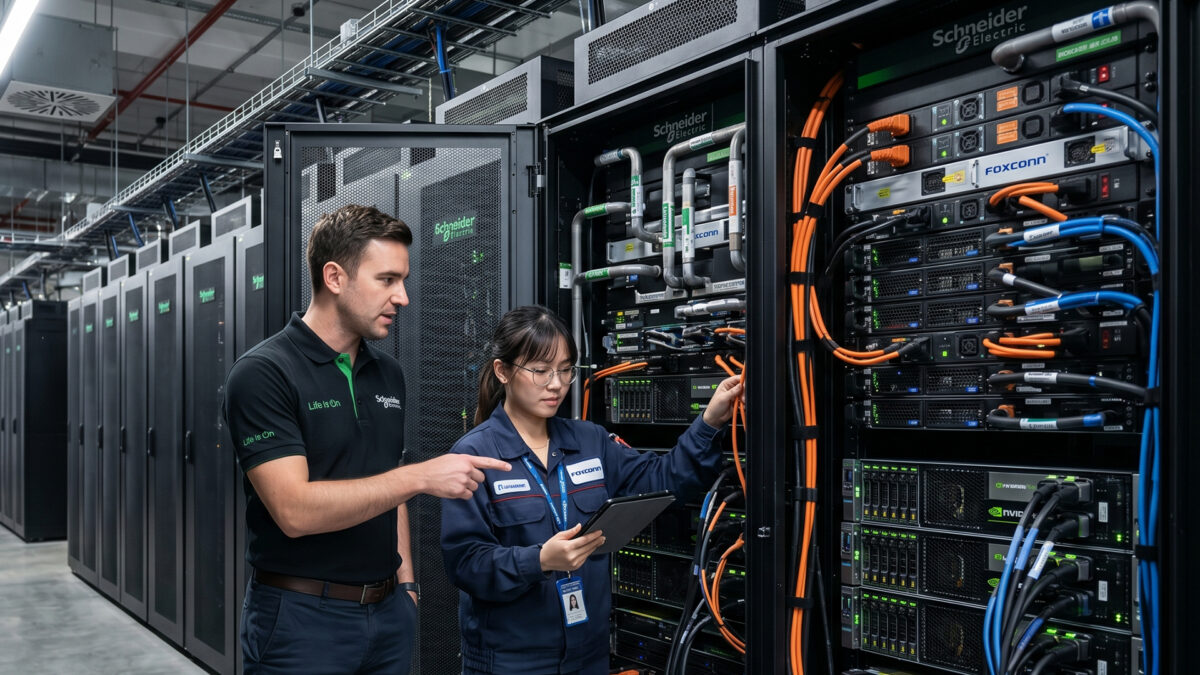
Schneider Electric and Foxconn have announced a strategic partnership to develop next-generation infrastructure for artificial intelligence (AI) data centres, reflecting the growing demand for computing power in the age of generative AI.
The collaboration brings together Schneider Electric’s expertise in energy management and digital infrastructure with Foxconn’s manufacturing capabilities. The two companies aim to create advanced solutions that can support the increasing power, cooling and operational requirements of AI-driven data centres.
The partnership comes at a time when technology companies around the world are investing heavily in AI infrastructure. The rapid adoption of generative AI applications has led to a surge in demand for high-performance computing systems, placing unprecedented pressure on data centre operators to expand capacity while improving efficiency.
Under the collaboration, the companies will focus on developing integrated solutions for AI data centres, including power distribution, cooling systems, automation technologies and other critical infrastructure components. The goal is to help operators build facilities that are more energy-efficient, scalable and capable of supporting advanced AI workloads.
For businesses and consumers, the growth of AI data centres may not always be visible, but these facilities form the backbone of many digital services used every day, from AI chatbots and cloud computing platforms to online search and data analytics tools.
The partnership also reflects a broader trend of collaboration across the technology sector as companies seek to address the infrastructure challenges posed by AI. With demand for computing resources expected to grow rapidly over the coming years, investments in reliable and sustainable data centre technologies are becoming increasingly important.
Executives from both companies said the alliance is intended to accelerate innovation and support the development of future-ready digital infrastructure. By combining their respective strengths, Schneider Electric and Foxconn aim to help customers deploy AI data centres more efficiently and at scale.
As AI adoption continues to expand across industries, partnerships such as this are expected to play a crucial role in shaping the next generation of global digital infrastructure.
Also Read: ISRO, DAE join hands to build 200-day Moon lander