Categories
Beyond

June GST collections rises by 13.9%

India’s gross Goods and Services Tax (GST) collections rose to ₹1.94 lakh crore in June, registering a 13.9 per cent year-on-year growth, reflecting robust domestic demand, higher imports and continued improvement in tax compliance.

The increase was largely driven by healthy economic activity across sectors. GST revenue from domestic transactions recorded strong growth, indicating sustained consumer spending and business momentum. Meanwhile, GST collected on imports stood at ₹60,038 crore, highlighting the steady pace of overseas trade and its contribution to government revenues.

After adjusting for refunds, net GST collections also posted a healthy increase, underlining the resilience of the Indian economy despite an uncertain global environment. The latest figures suggest that consumption and business activity remained strong through June, providing another positive signal for economic growth.

The latest numbers are also expected to provide the government with greater fiscal room to continue investing in infrastructure, public services and development projects while maintaining fiscal discipline.

Economists said the consistent rise in GST collections reflects the expanding formal economy, better compliance by taxpayers and the growing use of digital systems such as e-invoicing and online tax filing. These reforms have improved transparency and helped strengthen revenue collections over the past few years.

Also Read: Gold at ₹1,44,850, Silver hits ₹2,24,930 today

Categories
Corporate

Sensex rises 444 Points, Nifty crosses 24,000

Markets ended higher on Wednesday, with the Sensex rising 444 points and the Nifty closing above the 24,000 mark, supported by strong buying in banking and auto stocks despite mixed global cues.

The BSE Sensex settled at a higher level after a volatile session, while the Nifty 50 managed to reclaim and hold above 24,000, reflecting steady investor confidence in select heavyweights. Market sentiment was largely driven by sector-specific movements, with banking and automobile shares leading the gains.

Among the top gainers, Kotak Mahindra Bank and Tata Motors stood out, attracting strong buying interest through the session. Financial stocks saw renewed momentum on expectations of stable credit growth, while auto stocks gained on optimism around demand and healthy sales trends.

Other supporting stocks included select IT and pharma counters, which helped lift the broader indices. Positive movement in these sectors helped offset weakness in metals and select energy stocks.

On the losing side, metal stocks remained under pressure, tracking weak global cues and concerns over demand outlook. Profit booking was also seen in some commodity-linked counters, which capped broader market gains during intraday trade.

Broader markets showed mixed performance, with mid-cap and small-cap indices moving in a narrow range as investors awaited further global and domestic triggers. Analysts said caution persisted due to volatility in crude oil prices and ongoing geopolitical uncertainties.

Global factors, including movements in US markets and oil price fluctuations, continued to influence investor sentiment. However, domestic fundamentals such as steady corporate earnings and sustained institutional inflows provided underlying support to the market.

Also Read: Shankh Mitra second in global CEO pay

Categories
Leaders

Shankh Mitra second in global CEO pay

Indian-origin business leader Shankh Mitra has been ranked as the world’s second highest-paid chief executive officer (CEO) in 2025, placing him just behind Tesla CEO Elon Musk, who continues to lead global executive compensation charts.

According to the latest global CEO pay rankings, Musk remains at the top due to his performance-linked compensation structure tied to Tesla’s long-term valuation and stock performance. Mitra, meanwhile, has secured the second position, reflecting strong financial results and shareholder returns delivered under his leadership.

Mitra serves as the Chief Executive Officer of Welltower Inc., a major healthcare real estate investment trust. His total compensation package includes salary, bonuses, stock awards and long-term incentive payouts, which together form one of the highest executive earnings globally.

The rankings highlight how CEO compensation is increasingly driven by performance metrics such as revenue growth, profitability and market capitalisation. In Mitra’s case, Welltower’s strong performance in healthcare infrastructure and senior housing investments has significantly contributed to his high pay package.

Industry analysts note that while Tesla CEO Elon Musk continues to dominate global compensation lists, most of his earnings are linked to long-term stock-based incentive plans rather than fixed salary. His position reflects both company performance and market valuation milestones achieved over time.

Mitra’s inclusion in the top ranks has drawn attention in India and among the global business community, as it adds to the growing list of Indian-origin leaders holding influential positions in multinational corporations. Over the years, executives of Indian origin have increasingly risen to senior roles across sectors such as technology, finance, healthcare and manufacturing.

Corporate governance experts say such large compensation packages are typically structured to align executive interests with shareholders, rewarding sustained growth and long-term value creation rather than short-term performance.

Welltower has benefited from rising global demand for healthcare infrastructure, particularly driven by ageing populations and increasing investment in senior care facilities. This growth has played a key role in boosting investor confidence and executive rewards.

With Elon Musk at the top and Shankh Mitra in second place, the latest rankings underscore the widening gap in global executive pay while also highlighting the rising influence of Indian-origin leadership in major international corporations.

Also Read: Kotak to expand with Deutsche acquisition

Categories
Corporate

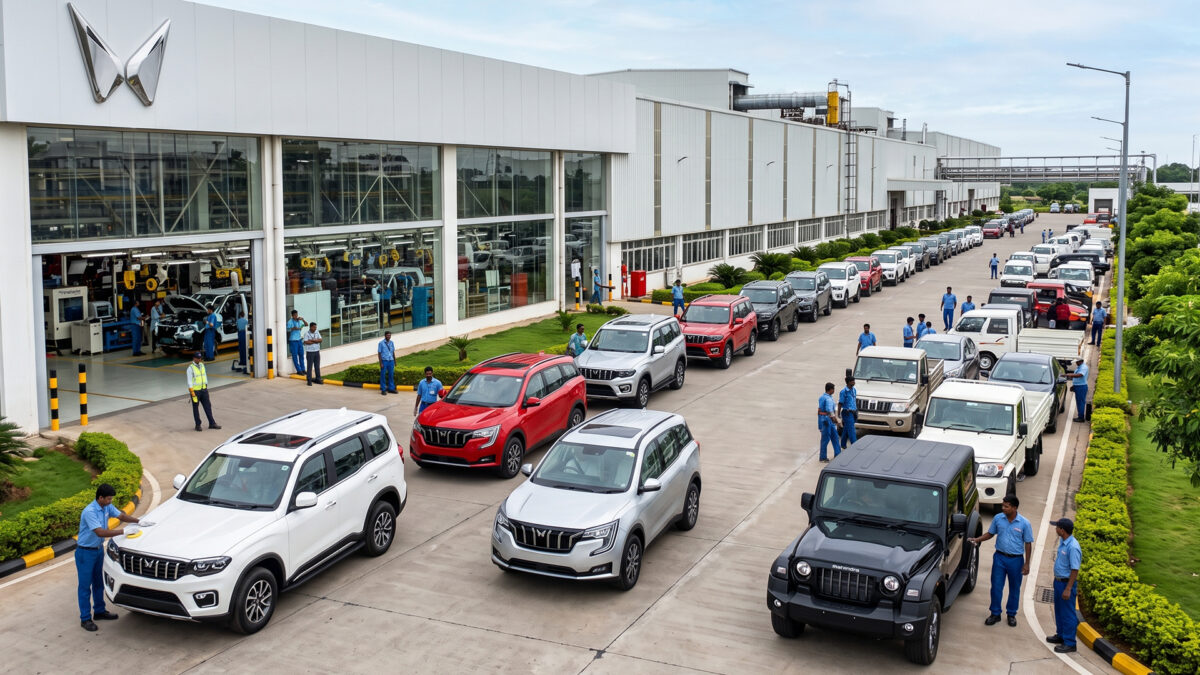
Mahindra and Mahindra June sales surge 37%

Mahindra & Mahindra posted a strong sales performance in June, reporting its highest-ever SUV sales for the month as customer demand for utility vehicles continued to remain robust.

The company sold 60,393 SUVs in the domestic market during June, a 28 per cent increase over the same month last year. It also recorded total vehicle sales of 1,06,680 units, including exports, marking a 37 per cent year-on-year growth.

Mahindra attributed the impressive performance to sustained demand across its SUV portfolio, supported by new product launches, improved production capacity and efficient deliveries. Popular models such as the Scorpio, XUV700, Thar, Bolero and XUV 3XO continued to attract strong customer interest, helping the company achieve another monthly milestone.

The automaker said its Utility Vehicles segment remained the key growth driver, reflecting the increasing preference among Indian buyers for SUVs across urban and rural markets. The company has steadily expanded its presence in the segment by introducing feature-rich models catering to different price categories.

Commercial vehicle sales also contributed to the overall growth, while exports added to the company’s strong monthly performance. Mahindra said the sustained demand reflects growing consumer confidence despite challenging market conditions.

Company officials expressed satisfaction over the record June numbers, stating that the strong response from customers has been supported by improved supply chains and higher manufacturing capacity. The company said it remains focused on meeting demand while maintaining product quality and reducing waiting periods for customers.

Also Read: Shell sees Global LNG demand jump 65%

Categories
Beyond

NCLAT shields Jet Airways staff benefits

Former Jet Airways employees secured a major legal victory on Tuesday after the National Company Law Appellate Tribunal (NCLAT) dismissed an appeal by the State Bank of India (SBI) and upheld their right to receive provident fund (PF), gratuity and pension dues in full.

The tribunal ruled that retirement benefits such as provident fund, gratuity and pension cannot be treated as part of the airline’s assets available for distribution among creditors during insolvency or liquidation proceedings. These statutory dues belong to employees and must be paid in full, the tribunal observed.

SBI had challenged an earlier order directing payment of these benefits, arguing that such claims should be considered within the insolvency resolution process. However, the NCLAT rejected the plea, reaffirming that employee welfare benefits are protected under the Insolvency and Bankruptcy Code (IBC).

The verdict comes as a major relief for thousands of former Jet Airways employees who have been waiting for years to receive their retirement benefits after the airline suspended operations in 2019 and entered insolvency proceedings. Many have faced financial hardship while awaiting the outcome of the prolonged legal process.

Employee representatives welcomed the ruling, saying it restores hope to workers who have endured years of uncertainty. For many former employees, provident fund and gratuity are essential savings meant to provide financial security after retirement or during difficult times.

The tribunal also reaffirmed that statutory retirement benefits cannot be diverted to repay financial creditors. Legal experts believe the judgment could serve as an important precedent for similar insolvency cases involving employee claims in the future.

Also Read: WhatsApp brings username feature

Categories
Technology

Google launches Gemini Omni, Nano Banana

Google has expanded its artificial intelligence portfolio with the launch of Gemini Omni and Nano Banana 2 Lite, two new AI models designed to make conversations more natural and image creation significantly faster.

The company says Gemini Omni is built to handle voice, video and visual inputs in real time, allowing users to interact with AI more smoothly. The model can understand multiple forms of information simultaneously, enabling quicker and more human-like responses during conversations.

The second launch, Nano Banana 2 Lite, is a lightweight AI model focused on rapid image generation. Google says it can create and edit images from simple text prompts within seconds while using fewer computing resources. The model is intended for developers, businesses and creators looking for fast, high-quality visual content without the need for powerful hardware.

By introducing the new models, Google aims to make AI more accessible across a wide range of applications. From digital assistants and creative tools to educational platforms and business software, the technology is expected to improve productivity and user experience.

Google’s latest offerings place equal emphasis on performance and ease of use, ensuring that AI tools can run efficiently while delivering advanced capabilities.

Developers will be able to integrate both models into applications through Google’s AI ecosystem, opening new possibilities for conversational assistants, image editing, content creation and customer support.

Also Read: Rs 183.50 cut in commercial LPG prices

Categories
Beyond

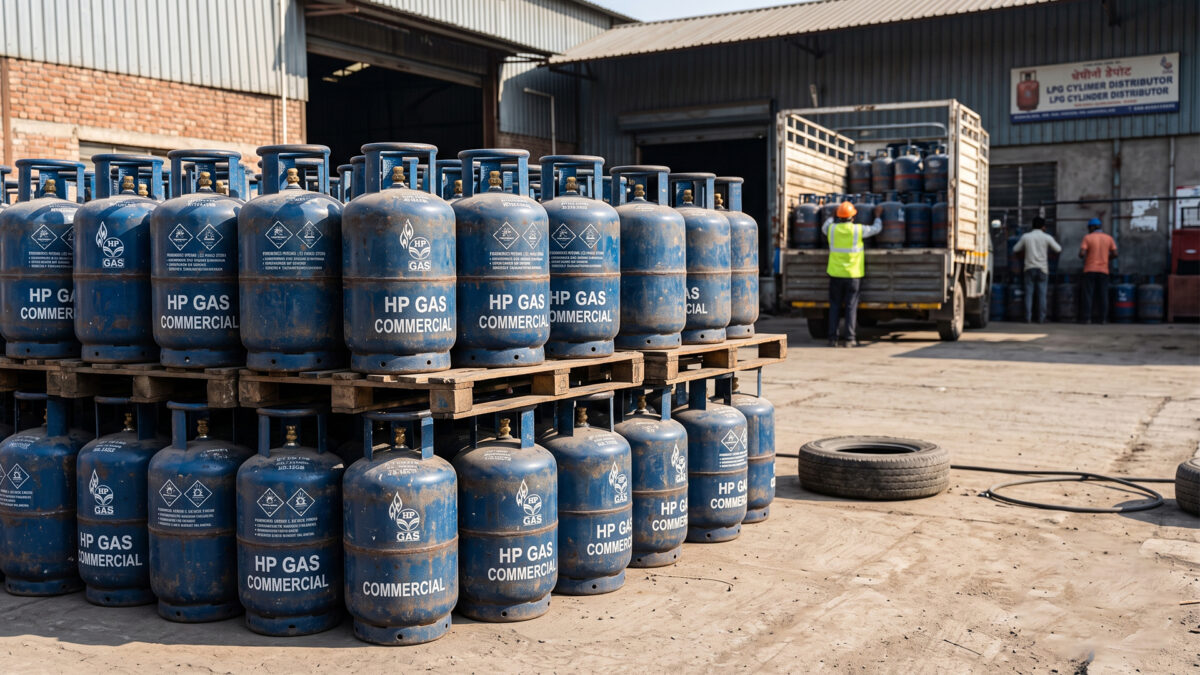
Rs 183.50 cut in commercial LPG prices

Restaurants, hotels and small businesses across the country received a welcome boost on Tuesday after oil marketing companies reduced the price of 19-kg commercial LPG cylinders by Rs 183.50. The revised rates came into effect from July 1, marking the first reduction in commercial LPG prices this year.

The price cut is expected to provide much-needed relief to businesses that depend on LPG for daily operations. From neighbourhood eateries and tea stalls to large restaurants and catering services, many commercial establishments have been grappling with higher fuel costs over the past few months. The latest reduction is likely to ease operational expenses and improve profit margins, especially for businesses already facing rising food and labour costs.

Following the revision, the price of a 19-kg commercial LPG cylinder in Delhi has come down to Rs 2,930 from Rs 3,113.50. Similar reductions have also been implemented in other major cities, bringing relief to thousands of commercial users across the country.

Restaurant owners and food vendors welcomed the move, saying lower cooking fuel costs would help reduce the financial burden on businesses. However, many pointed out that stable fuel prices over a longer period would be more beneficial than one-time reductions, allowing them to plan their expenses with greater certainty.

While businesses have reason to cheer, households did not receive any relief. Oil marketing companies have kept the prices of 14.2-kg domestic LPG cylinders unchanged in the latest monthly revision. As a result, families will continue paying the existing rates for cooking gas, despite expectations that domestic cylinder prices could also be revised.

The reduction in commercial LPG prices comes amid easing global energy prices after geopolitical tensions in West Asia showed signs of cooling. Commercial LPG rates had increased several times in recent months due to fluctuations in international fuel prices and supply concerns.

Also Read: Gold slips to ₹1.41 lakh, Silver near ₹2.24 lakh

Categories
Corporate

Blue Cloud sheds 8% after BSNL partnership

Blue Cloud Softech Solutions has been selected by BSNL to provide 5G Fixed Wireless Access (FWA), Internet Leased Line (ILL) and captive private network services for businesses across India.

As part of the partnership, Blue Cloud will build, operate and maintain the network infrastructure needed to deliver these services, while BSNL will offer them under its own brand. The companies will share the revenue generated from the services.

The collaboration is expected to help businesses adopt secure, high-speed connectivity for factories, offices, campuses and other enterprise applications. Private 5G networks are increasingly being used by companies to improve automation, data security and operational efficiency.

Blue Cloud said the empanelment is an important milestone that strengthens its presence in India’s fast-growing enterprise telecom market. The company expects the partnership to open up new opportunities as businesses increasingly adopt next-generation digital connectivity.

Despite the announcement, Blue Cloud Softech’s shares fell nearly 8% during Tuesday’s trade. Market experts attributed the decline to profit booking after recent gains rather than any concerns about the agreement.

The partnership also supports BSNL’s plans to expand its enterprise services portfolio as it rolls out next-generation telecom solutions across the country. Both companies expect the collaboration to help meet the growing demand for reliable and high-speed business connectivity.

Blue Cloud Softech Solutions has been selected by BSNL to provide 5G Fixed Wireless Access (FWA), Internet Leased Line (ILL) and captive private network services for businesses across India.

As part of the partnership, Blue Cloud will build, operate and maintain the network infrastructure needed to deliver these services, while BSNL will offer them under its own brand. The companies will share the revenue generated from the services.

The collaboration is expected to help businesses adopt secure, high-speed connectivity for factories, offices, campuses and other enterprise applications. Private 5G networks are increasingly being used by companies to improve automation, data security and operational efficiency.

Blue Cloud said the empanelment is an important milestone that strengthens its presence in India’s fast-growing enterprise telecom market. The company expects the partnership to open up new opportunities as businesses increasingly adopt next-generation digital connectivity.

Despite the announcement, Blue Cloud Softech’s shares fell nearly 8% during Tuesday’s trade. Market experts attributed the decline to profit booking after recent gains rather than any concerns about the agreement.

The partnership also supports BSNL’s plans to expand its enterprise services portfolio as it rolls out next-generation telecom solutions across the country. Both companies expect the collaboration to help meet the growing demand for reliable and high-speed business connectivity.

Also Read: OYO parent files ₹6,650 cr IPO papers with Sebi

Categories
Corporate

OYO parent files ₹6,650 cr IPO papers with Sebi

OYO’s parent company, Oravel Stays Limited, through its holding entity Prism, has filed updated draft papers with the Securities and Exchange Board of India (Sebi) for an initial public offering (IPO) worth ₹6,650 crore.

Founded by Ritesh Agarwal, OYO has expanded its presence across hotels, holiday homes and managed accommodations in India and several international markets. In recent years, the company has focused on improving profitability, streamlining operations and expanding premium offerings.

Unlike its earlier proposal, the IPO will consist entirely of a fresh issue of shares, with no offer-for-sale component. This means the entire amount raised will go to the company instead of existing shareholders.

The proposed public issue comes after OYO withdrew its earlier IPO plans and has now returned to the market with revised documents. The company plans to use the proceeds to strengthen its business, repay debt, support expansion and meet general corporate requirements.

Also Read: Ford rehires 350 engineers after AI quality checks falter

Categories
1 Minute-Read

Ford rehires 350 engineers after AI quality checks falter

Ford has rehired around 350 experienced engineers after finding that artificial intelligence could not match human expertise in vehicle quality inspections.

The company had introduced AI to improve efficiency in manufacturing, but the technology reportedly struggled to identify certain defects and quality issues that seasoned engineers could detect. The move reflects Ford’s decision to combine AI with human expertise rather than rely solely on automation.

Industry experts say the development highlights AI’s limitations in tasks requiring judgment, experience and attention to detail, reinforcing the continued role of skilled professionals in advanced manufacturing.