Categories
Technology

Snapchat introduces smarter family safety tools

Snapchat has expanded its Family Center with new tools designed to help parents keep tabs on their teens’ app use, without ever seeing private messages. The updates aim to give families a clearer understanding of digital habits while promoting open conversations about online safety.

Originally launched in 2022, Family Center was Snapchat’s first effort to give caregivers insight into how their children navigate the platform. Now, the platform is adding deeper insights and smarter features to make those insights more useful.

One of the most notable changes is detailed screen-time tracking. Parents can now see how much time their teen spends on Snapchat each day over the past week, broken down by activities. This includes chatting with friends, sharing Snaps, browsing Spotlight, watching Stories, or exploring Snap Map. The idea is not to police teens but to provide context for healthy discussions around screen time.

The second major addition is the friend connection context. In the past, Family Center simply showed a teen’s friends and recent additions. Now, it provides “trust signals” for new connections, for instance, whether the friend shares mutual contacts, appears in the teen’s address book, or is part of the same community. This helps parents feel more informed about who their teen is interacting with, without reading private messages.

Snapchat has also added educational resources, including short videos and guides, to help families navigate the new features and understand online safety better.

Importantly, Snapchat emphasizes that privacy remains central. Parents can see patterns, usage trends, and connection context, but the content of messages stays private. Existing Family Center tools, like content controls, location sharing, and reporting suspicious accounts, continue to be available, making this update a more complete safety hub for families.

Snapchat says the aim is to balance safety with trust, allowing parents to guide teens while respecting their autonomy online.
Categories
1 Minute-Read

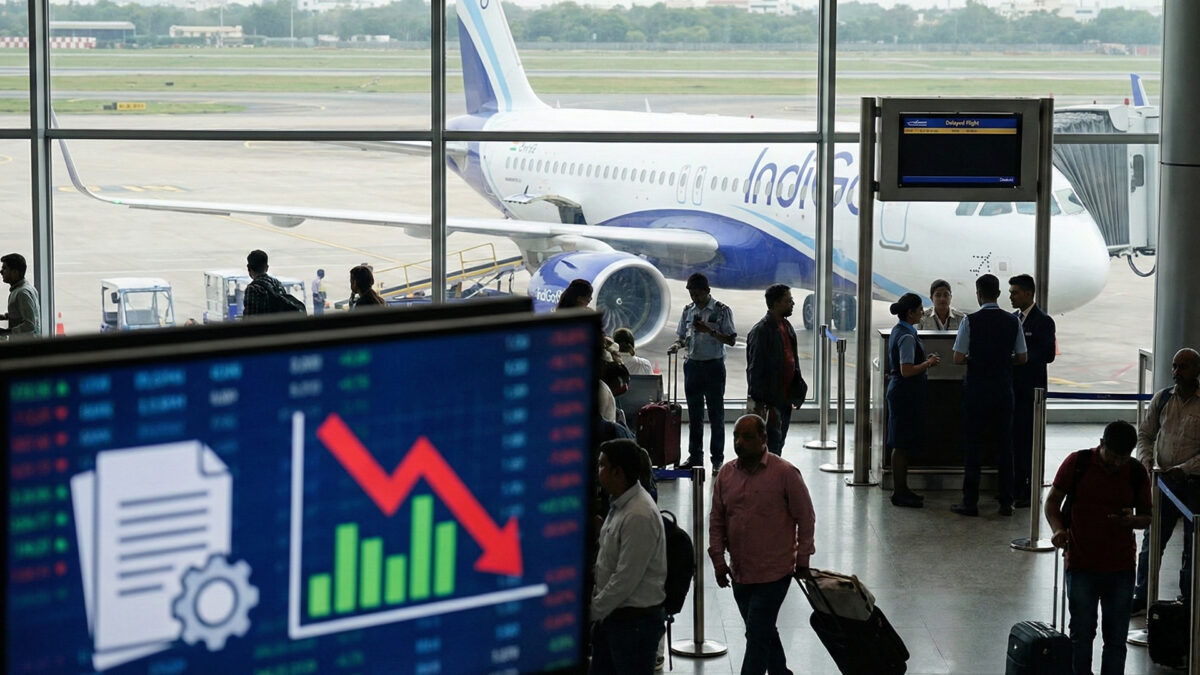
IndiGo shares fall 4% on weak Q3 earnings

IndiGo’s stock dipped 4% after reporting a 77.5% year-on-year decline in Q3FY26 consolidated profit, mainly due to one-off expenses linked to labour law compliance and operational disruptions.

Revenue increased by over 6%, driven by steady passenger traffic; however, margins were under pressure. Analysts note that while near-term results are weak, demand recovery and the airline’s dominant market position could support long-term growth.

Brokers continue to recommend holding or buying, citing strong fundamentals despite the short-term profit hit and ongoing cost challenges.

Categories
Corporate

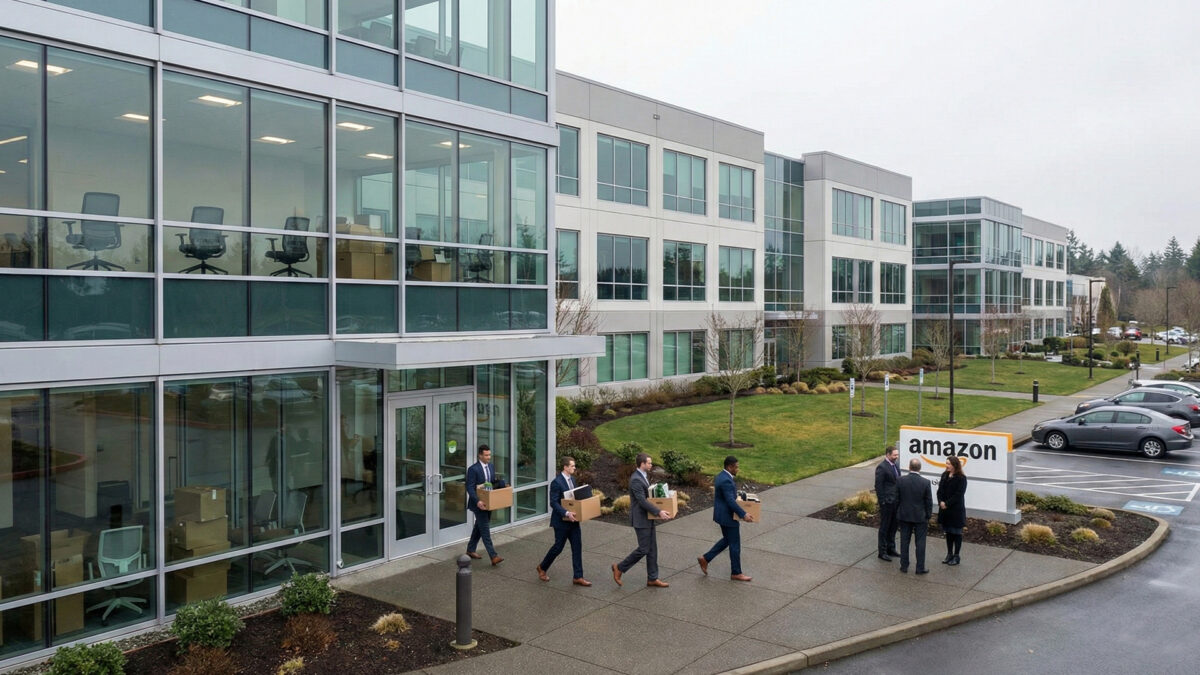
Amazon plans 30,000 corporate job cuts

Amazon is preparing to announce another major round of corporate job cuts next week, a move that will take its total planned layoffs to nearly 30,000 roles, according to people familiar with the matter. The decision marks one of the largest workforce reductions in the company’s history and underscores the scale of restructuring underway at the global tech giant.

The upcoming layoffs are expected to affect thousands of employees across corporate functions, following an earlier round of cuts in October last year when Amazon eliminated around 14,000 white-collar jobs. Sources said the second phase could begin as early as next week, with employees being informed in stages.

Teams likely to be impacted include Amazon Web Services (AWS), retail and e-commerce operations, Prime Video, and human resources-related functions, though the company has not officially confirmed the details. Amazon declined to comment on the timing or scale of the cuts.

CEO Andy Jassy has been steadily reshaping Amazon’s corporate structure since taking over, with a clear focus on reducing layers of management, speeding up decision-making, and improving efficiency. In internal communications and public comments, Jassy has said the goal is to create smaller, more accountable teams rather than a sprawling corporate bureaucracy.

While artificial intelligence and automation have played a role in changing how work is done at Amazon, the company has stressed that the layoffs are not solely about replacing people with technology. Instead, the restructuring is aimed at simplifying operations after years of rapid expansion during the pandemic-driven boom in online shopping and cloud services.

If completed as planned, the reduction of nearly 30,000 corporate roles would amount to roughly 10% of Amazon’s corporate workforce. However, it represents only a small share of its total global headcount of about 1.58 million employees, most of whom work in warehouses, logistics, and delivery operations.

In previous layoffs, Amazon allowed affected employees a transition period during which they remained on payroll while exploring internal job opportunities or preparing to exit the company. That grace period for employees impacted in October is nearing its end, adding to the anxiety around the next announcement.

Also Read: Wipro CEO sees AI boosting IT demand

Categories
Beyond

Silver up 200%, gold regains appeal

Silver prices have surged nearly 200 percent over the past 12 months, far outperforming gold, but rising volatility is now prompting investors to shift attention back to the yellow metal. Analysts note that silver’s rapid rally, driven by strong industrial demand and tight supply, has made prices more unstable.

As market uncertainty increased at the start of 2026, global silver ETFs saw outflows, while gold continued to attract steady investments due to its reputation as a safer hedge. The gold-to-silver price ratio has also fallen sharply, indicating that silver may be overextended compared to gold.

Last week, both silver and gold ETFs witnessed a sharp fall on Thursday but rebounded strongly the following day. Several silver ETFs jumped 10–12 percent, while gold ETFs also gained as bullion prices recovered.

So far this month, silver prices have risen about 28 percent on the MCX, while gold has gained nearly 14 percent, even as equity markets remain under pressure.

Also Read: Sensex sees volatile moves, Nifty stays close to 25,300

Categories
Corporate

Sensex sees volatile moves, Nifty stays close to 25,300

Markets witnessed a choppy trading session on Friday, with benchmark indices swinging between gains and losses before settling largely flat. The BSE Sensex moved in a narrow range amid mixed cues, while the Nifty 50 managed to stay close to the 25,300 mark, supported by selective buying in metal and energy stocks.

Investor sentiment remained cautious due to continued foreign institutional investor (FII) outflows, even as global markets showed mild stability. Market participants preferred stock-specific positions ahead of key earnings announcements and broader macro cues.

On the gainers’ side, metal stocks led the rally, supported by firm global commodity prices. Shares of JSW Steel, Tata Steel and Hindalco advanced during the session. Select PSU stocks and oil & gas counters, including BPCL and ONGC, also saw buying interest. Defensive stocks in the pharma and FMCG space traded marginally higher, offering limited support to the indices.

However, gains were capped by weakness in banking and IT stocks. Private sector banks, including IndusInd Bank and Bandhan Bank, remained under pressure on concerns over margins and asset quality. IT majors slipped amid muted global tech sentiment and cautious outlook commentary. Aviation stocks, led by InterGlobe Aviation (IndiGo), declined after recent profit concerns and rising operational costs weighed on sentiment.

Mid-cap and small-cap stocks traded mixed, reflecting selective risk appetite. Overall market breadth remained slightly negative, indicating lack of broad-based buying.

Going ahead, analysts expect markets to remain range-bound in the near term, with movements driven by earnings results, global market trends, currency movement and expectations around the Union Budget.

Also Read: Sensex rises 398 points, Nifty crosses 25,300

Categories
Beyond

India weighs joining Trump’s Gaza peace board

India is evaluating an invitation to participate in a US-backed international board aimed at overseeing Gaza’s reconstruction and post-conflict economic stabilization. The proposed Gaza Board of Peace is designed to coordinate funding, infrastructure rebuilding, and governance reforms, creating a platform for global and regional investors to engage in reconstruction projects.

The initiative, proposed by former US President Donald Trump, has already secured commitments from Israel, the United Arab Emirates, and several other Arab and Islamic countries, signaling potential for broad international collaboration. The board is expected to facilitate financial mobilization, infrastructure development, and humanitarian aid delivery, presenting opportunities for private and public sector partnerships in the region.

Indian authorities are reviewing the strategic and economic implications of joining the board. Participation could allow India to contribute to rebuilding efforts while gaining influence in regional development projects and strengthening diplomatic ties with Middle Eastern partners. Officials have noted that alignment with India’s long-standing position on West Asia and humanitarian diplomacy will be key factors in the final decision.

The board is expected to complement, or potentially run alongside, existing United Nations-led reconstruction and economic development frameworks, raising questions about coordination and governance. International observers suggest that effective implementation could unlock billions in aid and investment for Gaza, creating avenues for companies and development agencies to engage in infrastructure, energy, and logistics projects.

New Delhi’s decision will weigh geopolitical considerations alongside economic opportunities, balancing its global diplomatic stance with the potential to participate in a high-profile reconstruction and investment initiative.

Also Read: AI may replace engineers soon, says Anthropic CEO

Categories
Leaders

AI may replace engineers soon, says Anthropic CEO

At the World Economic Forum in Davos, Dario Amodei, CEO of AI firm Anthropic, warned that artificial intelligence could soon take over many tasks currently performed by software engineers. He said some engineers at his company no longer write code manually, instead relying on AI models to generate and refine it.

Amodei suggested that as AI systems improve, they could handle most coding tasks, including planning, debugging, and deployment, possibly within the next six to twelve months. However, he noted that certain areas, like hardware production and AI training infrastructure, still require human intervention.

His comments have sparked debate online, especially regarding H‑1B visa workers. Some observers suggested that if AI can automate coding, traditional tech roles, particularly for foreign workers, could be at risk. Others stressed that AI is not yet capable of fully replacing engineers, especially for complex problems and legacy systems that demand human insight.

 Amodei’s forecast highlights the fast pace of AI development and its potential to reshape the global workforce, prompting discussions among businesses, engineers, and policymakers about how to adapt to this new era.

Also Read: Andhra to start ArcelorMittal Nippon plant after Feb 15

Categories
Corporate

Andhra to start ArcelorMittal Nippon plant after Feb 15

Andhra Pradesh Chief Minister N. Chandrababu Naidu has announced that the foundation stone for the proposed ArcelorMittal Nippon Steel plant in Anakapalli district will be laid after February 15, 2026. The announcement came during his participation at the World Economic Forum (WEF) in Davos, Switzerland, where he met with ArcelorMittal executives, including Lakshmi N. Mittal, to discuss the project and its progress.

The steel plant is expected to be a major industrial investment, with an estimated outlay of around ₹60,000 crore. It is seen as a key initiative to boost industrial growth, local employment, and infrastructure development in Andhra Pradesh. The project is anticipated to bring significant opportunities for ancillary industries and increase the state’s contribution to the steel sector.

Naidu emphasized that all land acquisition, clearances, and statutory approvals must be completed by February 15 to allow the groundwork to begin without delays. He also assured that the Andhra Pradesh government will extend full support to ensure the plant’s construction and eventual production start smoothly.

The CM’s meetings in Davos highlighted Andhra Pradesh’s ambition to attract global investments beyond the steel sector. He engaged with international business leaders to explore opportunities in tourism, hospitality, and artificial intelligence training for youth, positioning the state as a favorable destination for both industrial and knowledge-based investments.

Officials said the ArcelorMittal Nippon Steel plant is expected to have a multiplier effect on the local economy, providing direct and indirect employment to thousands of people and supporting regional infrastructure projects. The plant’s development aligns with the state government’s strategy to promote large-scale industrialization while fostering innovation and skill development among the youth.

With the foundation stone ceremony scheduled soon, Andhra Pradesh is signaling its commitment to creating a business-friendly environment, completing clearances on time, and collaborating with international investors to accelerate industrial growth. The project is widely regarded as a transformative initiative for the state’s economy and a significant step in attracting global manufacturing investments.

Also Read: CLSA raises Reliance target to ₹1,800, flags Jio upside

Categories
1 Minute-Read

CLSA raises Reliance target to ₹1,800, flags Jio upside

Brokerage firm CLSA has increased its 12-month price target for Reliance Industries Limited (RIL) to ₹1,800 from ₹1,650, maintaining an Outperform rating on the stock.

The upgrade is largely driven by optimism around Jio Platforms, which CLSA expects to deliver strong subscriber growth, improved monetisation and rising free cash flows. The brokerage estimates Jio’s valuation could touch $190 billion by FY28, with a possible IPO acting as a major trigger.

While CLSA has moderated expectations for RIL’s retail and new energy businesses due to slower momentum, it believes the group’s long-term value remains intact, supported by telecom-led growth and steady earnings across core segments.

Categories
Corporate

Inspira Global to take charge of Burger King India

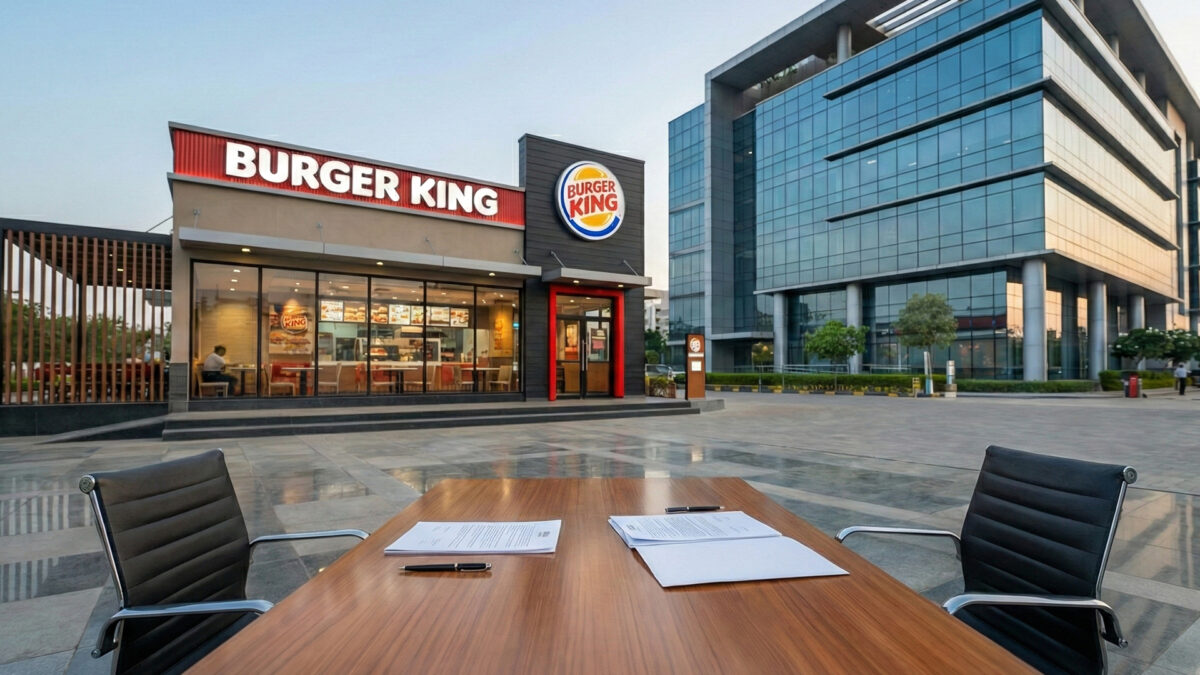
Inspira Global is set to become the new promoter of Restaurant Brands Asia Ltd. (RBA), the company that operates Burger King outlets in India and Burger King and Popeyes restaurants in Indonesia. The deal comes as private equity firm Everstone Capital exits after more than a decade of backing the business.

Under the agreement announced on 21 January 2026, Inspira will acquire the entire 11.26 percent stake held by QSR Asia Pte. Ltd., Everstone’s investment vehicle, for about ₹460 crore, or ₹70 per share. This price is roughly 10 percent higher than the recent market close.

Beyond this stake purchase, Inspira plans to infuse fresh capital into RBA. This includes a preferential allotment of shares worth around ₹900 crore and warrants of approximately ₹600 crore. The combined transaction may lead to a mandatory open offer to RBA’s public shareholders under SEBI rules, potentially increasing Inspira’s holding and solidifying its control.

The acquisition will be carried out through Lenexis Foodworks Pvt. Ltd., Inspira’s food and beverage arm, which already operates over 250 Chinese Wok outlets across more than 45 cities in India. Existing management at RBA and its brand operations are expected to continue post-acquisition, ensuring business continuity.

Inspira Global describes the deal as a long‑term growth opportunity. With new capital and strategic support, RBA aims to strengthen its footprint in India’s fast‑evolving quick‑service restaurant sector.

Everstone’s exit marks the end of an era that began with launching India’s first Burger King outlet. The transaction highlights ongoing consolidation in the country’s fast-food market as companies reposition to meet rising consumer demand and competitive pressures.

Also Read: Ubisoft restructures, cancels six games