Categories
1 Minute-Read

HDFC Bank redeploys staff as technology boosts productivity

HDFC Bank is redeploying employees from backend operations to customer-facing roles as technology and automation improve operational efficiency.

Managing Director and CEO Sashidhar Jagdishan said the bank is not cutting jobs despite increased use of digital tools. Instead, staff whose routine tasks have been automated are being trained for roles involving customer service, relationship management and business development.

He said technology is helping employees become more productive, while human interaction remains crucial for delivering quality banking services. The move reflects the bank’s focus on reskilling its workforce and enhancing customer experience through a balanced use of technology and people.

Categories
Beyond

China suspends Helium exports temporarily

China has temporarily suspended helium exports, a move that could tighten global supplies of the critical industrial gas and raise concerns across sectors ranging from healthcare to semiconductor manufacturing.

The export restriction comes as geopolitical tensions in the Middle East, particularly between the United States and Iran, continue to threaten global supply chains. Industry experts fear that any disruption to helium production and transportation could worsen an already strained market.

Helium is a non-renewable gas used in a wide range of industries. It plays a vital role in MRI scanners, semiconductor manufacturing, fibre-optic production, scientific research, aerospace applications and space launches. Even small disruptions in supply can affect hospitals, technology companies and research institutions worldwide.

China has not announced how long the export suspension will remain in place. However, reports suggest the decision is intended to safeguard domestic supplies amid growing uncertainty over global helium availability. The country is a significant consumer of helium and has increasingly sought to strengthen its strategic reserves.

The latest move comes at a time when the global helium market is already under pressure due to production outages, rising demand and supply bottlenecks. Analysts say the renewed tensions involving Iran have heightened concerns because Qatar, one of the world’s largest helium exporters, relies on shipping routes through the Gulf region. Any disruption to these routes could further reduce supplies.

Market experts warn that prolonged export restrictions could push helium prices higher and create fresh challenges for industries that depend on uninterrupted supplies. Manufacturers of computer chips and medical equipment are expected to closely monitor the situation, while hospitals may also face increased procurement costs if shortages persist.

Also Read: Xbox Chief Asha Sharma to lead US jobs taskforce

Categories
Technology

Anthropic brings Reflect dashboard for Claude users

Artificial intelligence company Anthropic has introduced Reflect, a new dashboard designed to help users better understand how they interact with its AI assistant, Claude. The feature gives people a clearer picture of their usage patterns, encouraging them to use AI more thoughtfully rather than simply spending more time with it.

Reflect provides users with insights such as how often they chat with Claude, the types of tasks they rely on the AI for and changes in their usage over time. Instead of focusing on screen time alone, the dashboard is intended to help users recognise whether they are using AI productively for learning, work, creativity or problem-solving.

Anthropic says the goal is to promote healthy AI habits by giving users greater transparency over their interactions. As AI tools become an increasingly important part of everyday life, the company believes people should have better visibility into how these technologies fit into their daily routines.

The launch comes at a time when AI companies are introducing new features to improve user experience while addressing concerns about excessive dependence on artificial intelligence. Reflect is designed to encourage self-awareness rather than maximise engagement, making it different from traditional digital platforms that often focus on increasing user activity.

The announcement has also attracted attention after Elon Musk publicly praised Anthropic’s approach to AI development. Musk described the company positively while reports also indicated that SpaceX is expanding its computing partnership with Anthropic to support AI-related workloads. The development highlights growing collaboration between major technology firms as demand for advanced AI computing infrastructure continues to rise.

Also Read: E20 petrol may cut mileage by up to 5%

Categories
Beyond

E20 petrol may cut mileage by up to 5%

The Centre has admitted that vehicles using E20 petrol could see their fuel efficiency drop by 3% to 5% compared with regular petrol. However, it says the cleaner fuel offers long-term benefits by reducing pollution and cutting India’s dependence on imported crude oil.

According to the Ministry of Petroleum and Natural Gas, ethanol contains less energy than petrol, which explains the slight reduction in mileage. While motorists may need a little more fuel to cover the same distance, the government believes the impact will be limited for most users.

E20 fuel, a blend of 20% ethanol and 80% petrol, is a key part of India’s strategy to promote cleaner transport. Officials say it produces lower emissions, helping improve air quality and reduce the country’s carbon footprint.

The government also highlighted the economic benefits of ethanol blending. Higher ethanol production creates demand for crops such as sugarcane and maize, providing additional income opportunities for farmers while reducing India’s fuel import bill.

Motorists will continue to have the option of using lower ethanol blends depending on their vehicle’s compatibility. The Centre has advised owners of older vehicles to follow manufacturers’ recommendations before switching to E20 fuel.

Despite concerns over mileage, the government says the environmental and economic gains outweigh the small loss in fuel efficiency. It plans to continue expanding ethanol blending as part of India’s clean energy transition while ensuring consumers have suitable fuel choices.

Also Read: Gold at ₹1,44,330, silver at ₹2,40,100 today

Categories
Beyond

World Bank backs PM Surya Ghar with $890 mn

The World Bank Group has approved $890 million (around ₹7,400 crore) to support India’s PM Surya Ghar: Muft Bijli Yojana, giving a major boost to the country’s efforts to expand rooftop solar power and accelerate the transition to clean energy.

The funding package is expected to help millions of households install rooftop solar systems while strengthening the infrastructure needed to support distributed renewable energy across the country. It will also improve access to affordable electricity, reduce dependence on conventional power sources and contribute to India’s climate goals.

Launched by the Centre earlier this year, the PM Surya Ghar scheme aims to provide rooftop solar installations to one crore households, enabling families to generate their own electricity and lower their monthly power bills. Eligible households receive financial assistance to install solar panels, with many expected to benefit from free or significantly reduced electricity consumption.

According to the World Bank, the programme has the potential to transform India’s residential energy sector by encouraging clean power generation at the household level. The initiative is also expected to create large-scale employment opportunities in manufacturing, installation, maintenance and other solar-related services.

Apart from supporting rooftop installations, the funding will help strengthen power distribution systems, improve grid integration and enhance the capacity of financial institutions involved in financing rooftop solar projects. These measures are expected to make the programme more efficient and ensure faster adoption across urban and rural areas.

Officials said the investment reflects growing international confidence in India’s renewable energy ambitions. The country has set ambitious targets to expand non-fossil fuel energy capacity and achieve net-zero emissions by 2070, with rooftop solar expected to play a key role in meeting future electricity demand sustainably.

The World Bank also highlighted the programme’s broader social benefits, noting that wider adoption of rooftop solar can reduce household energy costs, improve energy security and lower carbon emissions. Increased participation by women-led households, small businesses and local entrepreneurs is also expected to generate inclusive economic growth.

Also Read: Meta lets Instagram users block AI photo access

Categories
Corporate

Sensex gains 820 points, Nifty settles above 24,200

Equity markets opened on a positive note on Friday, where the BSE Sensex climbed over 200 points during the opening session, while the NSE Nifty 50 comfortably traded above the 26,000 mark. Buying interest was seen across several sectors, with financial, IT and auto stocks leading the gains, although profit booking in select heavyweight shares limited the overall upside.

Market participants said improving domestic sentiment and steady corporate earnings expectations helped support equities. Investors also tracked global developments, including movements in US markets, commodity prices and expectations around interest rates, which continue to influence trading sentiment.

Among the major gainers were leading banking and financial stocks, while select technology companies also attracted buying amid hopes of stable demand in overseas markets. Auto shares advanced on expectations of healthy sales and improving consumer demand.

Foreign institutional investor (FII) activity and domestic institutional buying remained in focus as traders assessed fund flows. Analysts said sustained domestic inflows continue to provide support to Indian equities, even as global investors remain cautious because of geopolitical developments and uncertainty over the US Federal Reserve’s policy outlook.

Meanwhile, the Indian rupee strengthened modestly against the US dollar in early trade, offering additional support to market sentiment. Investors also kept a close watch on crude oil prices, as any sharp movement could influence inflation and corporate earnings.

Market experts expect volatility to remain elevated in the coming sessions, with investors awaiting fresh corporate earnings, macroeconomic data and global cues for further direction. Stock-specific action is likely to continue as companies begin announcing their quarterly financial results.

Also Read: Government clears Dixon-Vivo smartphone venture

Categories
Corporate

BSNL launches satellite phone priced at ₹1.34 lakh

Bharat Sanchar Nigam Limited (BSNL) has introduced a new satellite phone priced at ₹1.34 lakh, offering communication services in areas where conventional mobile networks are unavailable. The launch is aimed at improving connectivity in remote, border and disaster-prone regions, though the device is not yet available for general public use without government approval.

Unlike regular smartphones that rely on cellular towers, the satellite phone connects directly to satellites, enabling users to make calls even in locations with little or no network coverage. This makes it particularly useful for emergency response teams, defence personnel, maritime users, mountaineers and organisations operating in isolated areas.

However, satellite phones are subject to strict regulations in India because of national security considerations. Individuals and organisations must obtain prior approval from the government before purchasing or using the device. Unauthorised possession or operation of satellite phones can attract legal action under existing telecom rules.

The newly launched handset is expected to support voice communication in difficult terrains where terrestrial telecom infrastructure is limited or unavailable. BSNL believes the service will strengthen communication during natural disasters and emergencies, when traditional mobile networks may become unavailable.

The launch is part of BSNL’s broader efforts to expand its communication services beyond conventional mobile and broadband networks. The state-run telecom operator has also been focusing on improving 4G services and expanding digital connectivity across rural and underserved regions.

Industry experts say satellite communication is becoming increasingly important as governments and telecom companies work to improve connectivity in remote areas. While the technology remains more expensive than conventional mobile services, it offers a reliable alternative for users operating in challenging environments.

The ₹1.34 lakh price tag reflects the specialised technology involved in satellite communication. Besides the cost of the handset, users may also need to pay service charges depending on the selected communication plan.

Also Read: Apollo Micro buys 41% Premier explosives stake

Categories
Corporate

Apollo Micro buys 41% Premier explosives stake

Apollo Micro Systems has announced plans to acquire a 41.3% stake in Premier Explosives Ltd for ₹1,550 crore, marking one of the biggest deals in India’s defence manufacturing sector. The acquisition is expected to strengthen Apollo Micro’s presence in defence, aerospace and high-technology manufacturing.

The company will purchase the stake from Premier Explosives’ existing promoters and other shareholders, subject to regulatory approvals and customary conditions. Following the transaction, Apollo Micro Systems will become the largest shareholder in Premier Explosives and will also make an open offer to acquire additional shares in accordance with market regulations.

Premier Explosives is a well-established manufacturer of explosives, propellants and defence-related products, supplying both the Indian armed forces and organisations involved in the country’s space programme. The company also serves mining and infrastructure sectors, making it a strategic addition to Apollo Micro’s expanding portfolio.

Apollo Micro Systems said the acquisition aligns with its long-term strategy of building integrated capabilities across defence electronics, aerospace systems and advanced manufacturing. The company expects the partnership to create operational synergies, broaden its product offerings and strengthen its participation in India’s growing defence ecosystem.

The announcement was well received by investors, with Apollo Micro Systems’ shares rising around 5% in early trade. Market participants viewed the deal as a significant step towards expanding the company’s scale and positioning it to benefit from rising government spending on defence and indigenous manufacturing.

Industry analysts believe the acquisition will help Apollo Micro diversify its capabilities while supporting India’s push for self-reliance in defence production under the ‘Make in India’ initiative. The combination of defence electronics expertise with explosives and propulsion technologies could open new opportunities in missile systems, ammunition and space applications.

The companies are expected to work closely to explore technology sharing and strengthen manufacturing capabilities after the transaction is completed. Analysts also see potential for increased collaboration on future defence projects and exports.

Also Read: Fed chief Warsh names members for reform panels

Categories
Corporate

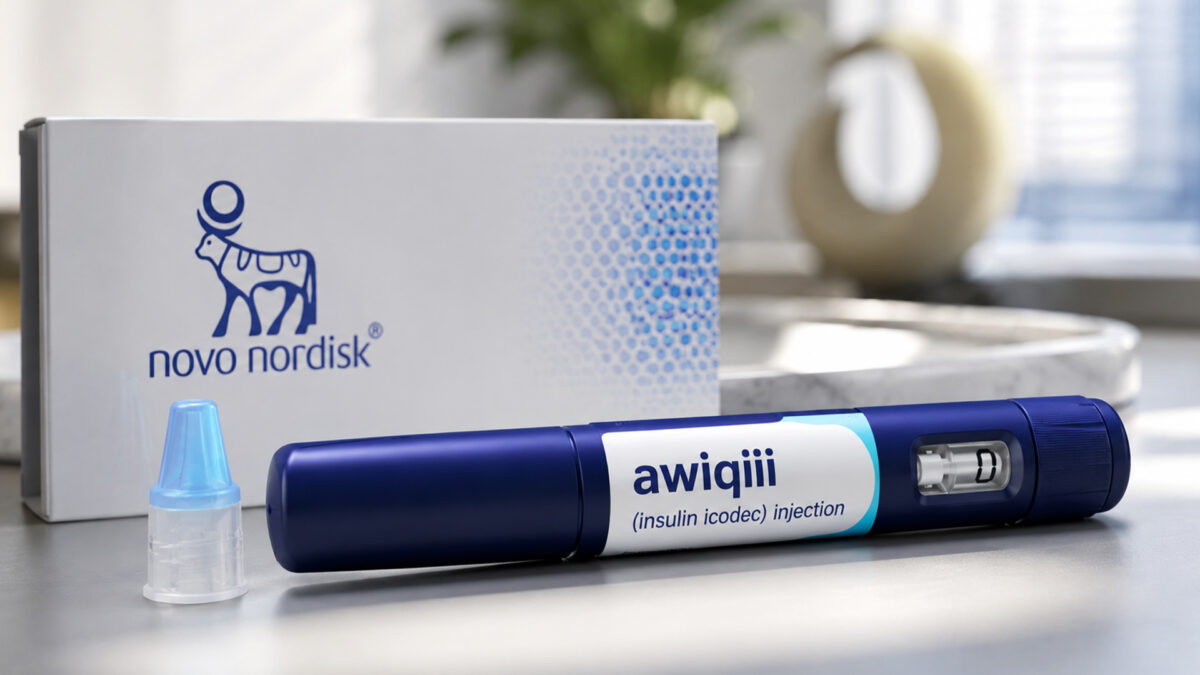
Novo Nordisk launches once-weekly insulin Awiqli in India

Novo Nordisk has launched Awiqli, the world’s first once-weekly basal insulin, in India, offering a new treatment option for people living with diabetes. The launch comes as the country continues to witness a steady rise in diabetes cases, increasing the need for innovative and patient-friendly therapies.

Awiqli is designed to help adults with diabetes manage their blood sugar levels with just one injection a week, compared with the daily injections required for conventional basal insulin. The company believes the reduced injection frequency could improve treatment adherence and make diabetes management easier for many patients.

India is home to one of the world’s largest diabetic populations, with millions of people requiring long-term insulin therapy. Healthcare experts say the burden of diabetes continues to grow because of lifestyle changes, ageing, urbanisation and genetic factors, making effective and convenient treatment options increasingly important.

Novo Nordisk said the once-weekly insulin has undergone extensive clinical evaluation and demonstrated blood sugar control comparable to daily basal insulin, while maintaining a well-established safety profile. The therapy is intended for adults with both type 1 and type 2 diabetes, as prescribed by healthcare professionals.

Medical experts believe reducing the number of injections may encourage more patients to remain consistent with their treatment, a key factor in controlling diabetes and preventing long-term complications such as heart disease, kidney damage and vision loss.

The launch also reflects Novo Nordisk’s continued focus on expanding its diabetes care portfolio in India, one of its fastest-growing markets. The company has been investing in advanced therapies as demand for better diabetes management solutions continues to increase.

Doctors have welcomed the introduction of the once-weekly insulin, saying it offers greater flexibility for patients who struggle with daily injections. However, they emphasised that treatment decisions should always be made in consultation with healthcare professionals, based on individual medical needs.

Also Read: Dr Reddy’s delays semaglutide supplies over quality issue

Categories
Beyond

RBI starts three surveys ahead of policy

The Reserve Bank of India (RBI) has launched three important surveys to gather feedback from households, businesses and professional forecasters, as it prepares for its upcoming monetary policy decisions.

The surveys are designed to help the central bank understand inflation expectations, business conditions and the broader economic outlook. The findings will provide valuable inputs to the Monetary Policy Committee (MPC) while deciding the future course of interest rates.

One of the surveys focuses on Inflation Expectations of Households, covering nearly 6,000 urban households across 19 major cities. Participants are being asked about their expectations for price changes over the next three months and one year. The survey captures perceptions on the prices of food, housing, fuel, transport and other essential items that directly affect household budgets.

The RBI has also begun its Industrial Outlook Survey, which collects responses from manufacturing companies on production, order books, capacity utilisation, employment and overall business confidence. The survey helps the central bank assess how industries expect business conditions to evolve in the coming months.

The third exercise is the Survey of Professional Forecasters, involving economists, research institutions and market experts. They provide projections on key economic indicators such as GDP growth, inflation, interest rates, exchange rates and other macroeconomic variables.

The RBI clarified that the survey results reflect the views of respondents and should not be treated as the central bank’s official assessment or policy stance.

The latest round of surveys comes at a time when inflation has moderated and the RBI continues to closely monitor domestic demand, global uncertainties and changing financial conditions. Policymakers are expected to use the findings alongside economic data while assessing risks to growth and inflation.

By collecting regular feedback from consumers, businesses and experts, the RBI aims to gain a clearer picture of the economy beyond official statistics.

Also Read: SBI sells 1.42% stake for ₹1,655 cr ahead IPO