Categories
Leaders

US to raise global tariff to 15%, says Scott Bessent

The United States plans to increase a global tariff on imports to 15% starting this week, as the government looks for ways to maintain its trade policy while dealing with legal challenges.

US Treasury Secretary Scott Bessent said the higher tariff will be introduced as a temporary step after a court decision blocked parts of the tariff programme earlier introduced by former president Donald Trump.

Earlier, the US had imposed a 10% tariff on imports from many countries after the court ruling created uncertainty around the previous tariff structure. The new 15% rate will replace that temporary level while the government works on restoring its earlier trade measures.

Bessent said the administration is using a trade law that allows the US president to impose tariffs of up to 15% for a limited period without full congressional approval. This provision can be used for up to 150 days. According to him, the government expects the higher tariff to remain in place for about five months.

During this period, the administration will work on bringing back the earlier tariff system through other legal mechanisms. Bessent said the goal is to ensure that the US can continue applying trade pressure where needed while also complying with legal requirements.

The tariff move is part of broader efforts by the US to reshape global trade relations and encourage domestic manufacturing. Tariffs are often used by governments to make imported goods more expensive, which can help protect local industries.

Bessent indicated that the administration expects the tariff situation to stabilise later this year once the earlier trade measures are reinstated through the proper legal process.

For now, the temporary 15% tariff is expected to remain in place while the government works to restore its broader trade policy framework.

Also Read: China raises defence budget to $275 bn
Categories
Leaders

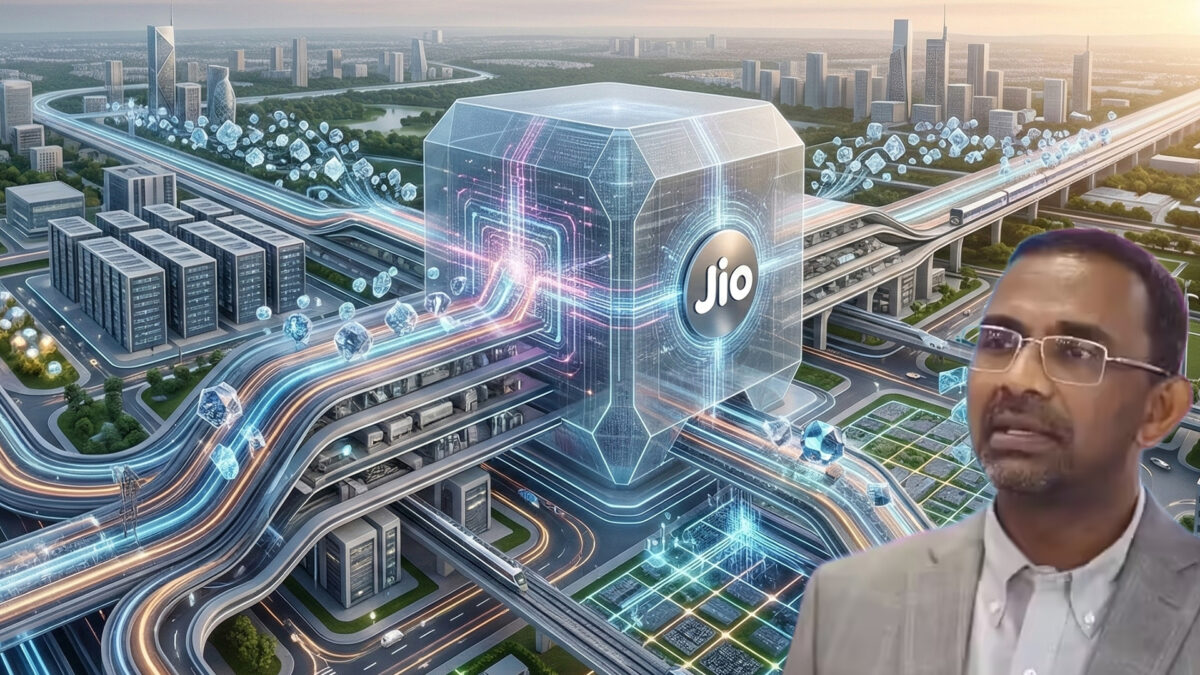
Jio Platforms CEO bets on AI tokens for telecom’s future

Jio Platforms is positioning itself for a new phase in the telecom industry, where artificial intelligence rather than basic connectivity will drive growth. Speaking at Mobile World Congress 2026 in Barcelona, Group CEO Mathew Oommen said the technology landscape is undergoing a major transformation as AI becomes central to digital services.

Oommen said the telecom industry is moving beyond simply connecting people and devices. Instead, networks will increasingly function as intelligent digital infrastructure capable of powering AI applications across sectors. According to him, this shift represents a structural change in how technology platforms operate and generate value.

To prepare for this transition, Jio is working on what it describes as an “Intelligence Grid.” The idea is to combine connectivity, computing power and artificial intelligence into a single ecosystem that can support large-scale AI services. This infrastructure, the company believes, will help businesses, developers and consumers access AI capabilities more easily.

A key concept in Jio’s strategy is the use of “AI tokens.” These tokens represent the units used by AI systems to process data and generate responses. Oommen explained that in the emerging AI economy, tokens could function much like voice minutes and mobile data once did in telecom, as a way to measure and price usage.

Jio plans to make AI tokens significantly cheaper, following a strategy similar to the one it used when it disrupted India’s telecom market by drastically lowering the cost of mobile data. By reducing the cost of AI computing, the company hopes to accelerate adoption of AI technologies across industries.

Also Read: Intel reconsiders strategy for 18A chip technology

Categories
Leaders

Sam Altman revises Pentagon AI deal after backlash

OpenAI CEO Sam Altman has moved to calm growing concerns over the company’s deal with the US Department of Defense, saying the agreement will be revised to clearly prevent the misuse of its artificial intelligence tools.

The original partnership sparked criticism from privacy advocates and some users, who feared that OpenAI’s technology could be used for domestic surveillance or to track American citizens using personal data. The backlash intensified online, with critics questioning whether AI companies should be working so closely with military and intelligence agencies.

Responding to the concerns, Altman admitted that the initial announcement of the deal was not handled well. He said the communication around the agreement was “rushed” and lacked clarity, which led to confusion about how the technology could be used.

To address this, OpenAI is updating the contract to explicitly ban the use of its AI systems for domestic spying. The revised terms will make clear that the tools cannot be used to monitor US citizens or analyse commercially collected personal data for surveillance purposes. Additional safeguards are also being added to ensure intelligence agencies cannot access or use the models without proper approvals.

Altman stressed that OpenAI remains committed to protecting civil liberties while also supporting national security efforts. He said the company wants to strike a balance between helping governments with responsible AI solutions and ensuring strong privacy protections are in place.

The controversy highlights the growing debate around the role of artificial intelligence in defence and security. As AI becomes more powerful and widely used, tech companies are facing tougher questions about ethics, transparency and accountability.

While the amended deal is expected to reassure some critics, discussions around AI’s role in military operations are likely to continue.

Also Read: Oil tops $83, European gas jumps over 40%

Categories
Leaders

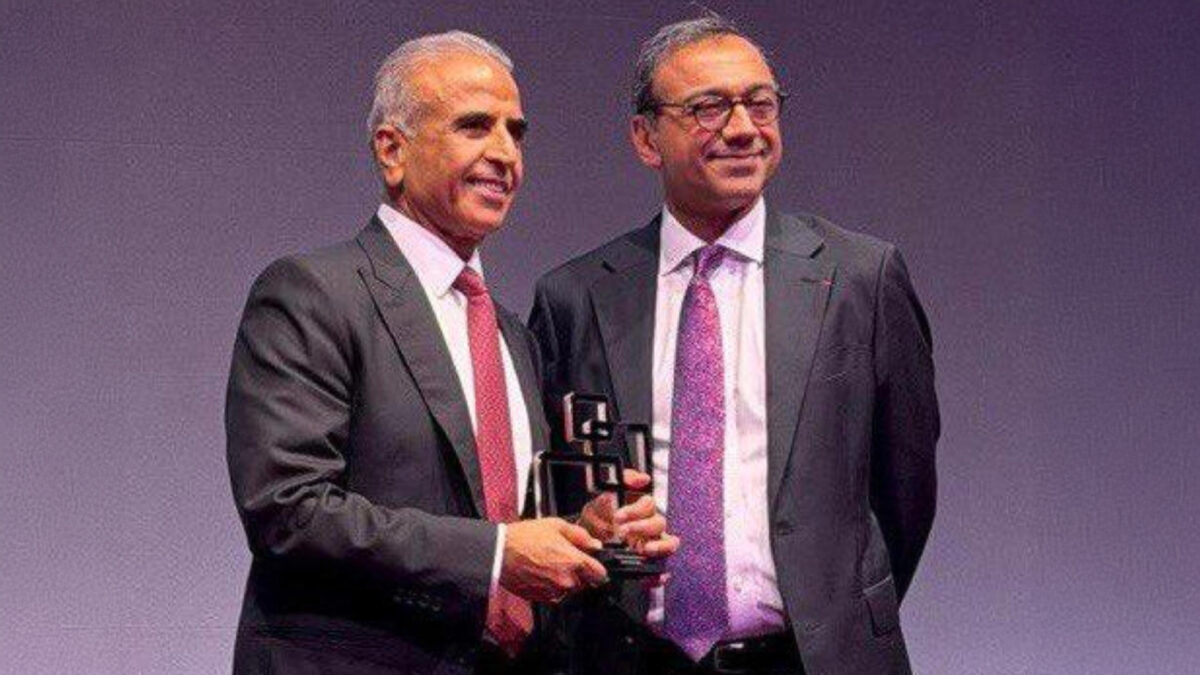
Sunil Bharti Mittal wins GSMA lifetime award

Telecom leader Sunil Bharti Mittal has been awarded the Lifetime Achievement Award by the GSMA for his outstanding contribution to the telecommunications industry. The award was presented at the Mobile World Congress and recognises his role in transforming mobile connectivity both in India and globally.

Mittal, founder and chairman of Bharti Enterprises, has been a key figure in India’s telecom revolution. Through Bharti Airtel, he expanded mobile services across the country, making phones and internet affordable for millions. Under his leadership, Airtel also grew into a major global telecom player.

Speaking at the ceremony, Mittal highlighted the importance of innovation, investment in networks, and collaboration between governments and the industry. He said mobile technology has transformed daily life, improving communication, education, business and financial inclusion, especially in remote areas.

The GSMA Lifetime Achievement Award is a top honour in the telecom sector, given to leaders who have made a lasting impact. Industry experts praised Mittal for his vision, noting how he helped expand networks, set industry standards, and promote innovation that benefits millions of people.

The award celebrates Mittal’s role not just in India, but also his influence on international telecom policies and connectivity projects. It also underlines how strong leadership in telecom can create opportunities, drive economic growth, and improve quality of life.

Also Read: Tata Trusts stand firm on Chandrasekaran’s leadership

Categories
Leaders

Tata Trusts stand firm on Chandrasekaran’s leadership

The Tata Trusts have reiterated their support for Natarajan Chandrasekaran as chairman of Tata Sons, saying their earlier resolution backing his third term remains unchanged.

The clarification comes after reports that Noel Tata raised concerns about certain business issues and the group’s future structure. The Trusts, which hold a majority stake in Tata Sons, said there has been no review of their decision.

The move signals continuity in leadership as the conglomerate navigates strategic and structural challenges.

Categories
Leaders

PM Modi urges peace, flags economic risks in Gulf

Prime Minister Narendra Modi held a telephone call with Benjamin Netanyahu on Monday, urging an “early cessation of hostilities” and emphasising that the safety of civilians must be a priority as tensions soar in West Asia following US–Israel strikes on Iran.

In his message on social media platform X, Modi said he had conveyed India’s concerns over the ongoing violence and called for de‑escalation to protect non‑combatants caught in the crossfire. He reiterated that India wants hostilities to end quickly and urged all sides to prioritise peace and civilian security.

The call comes amid growing concerns over trade and energy flows. India imports a significant portion of its crude oil and LPG from West Asia, and instability in the region, especially near strategic chokepoints like the Strait of Hormuz, could affect fuel costs, shipping schedules, and supply chains.

PM Modi also spoke with Sheikh Mohamed bin Zayed Al Nahyan, President of the United Arab Emirates, condemning recent attacks on the UAE and expressing India’s solidarity, while thanking UAE leadership for looking after the large Indian expatriate community.

Although direct trade with Iran has declined due to sanctions, India continues to export agricultural products, machinery, and pharmaceuticals, while importing dry fruits, chemicals, and glassware. Analysts warn that escalating conflict could disrupt these trade flows, affecting businesses and exporters dependent on Gulf markets.

India’s government is closely monitoring the economic fallout, including potential delays at ports, shipping disruptions, and volatility in energy prices. The PM’s outreach reflects India’s dual focus: advocating for peace to protect civilians and ensuring continuity of critical trade and energy interests.

PM Modi’s calls to regional leaders signal proactive diplomacy, combining humanitarian concerns with strategic economic foresight as businesses watch the Gulf situation for its impact on energy, logistics, and trade stability.

Also Read: GST collections rise to ₹1.83 lakh cr in February

Categories
Leaders

Fino Payments Bank CEO arrested in GST case

Fino Payments Bank Managing Director and CEO Rishi Gupta has been arrested by tax authorities under provisions of the Goods and Services Tax (GST) law, the company confirmed in an exchange filing.

Gupta was taken into custody by officials from the Directorate General of GST Intelligence in Hyderabad as part of an ongoing investigation. The case relates to alleged violations under the GST Act, though the bank clarified that the matter is linked to certain business partners and not to the bank’s own GST filings.

In its statement, Fino Payments Bank said it is cooperating fully with investigators and is providing all required documents and information. The bank also sought to reassure customers and investors that its daily operations continue as usual and that there has been no disruption to services.

Following the arrest, the board of directors moved quickly to ensure continuity in leadership. Chief Financial Officer Ketan Merchant has been appointed interim head of the organisation until further decisions are taken regarding the CEO’s position.

Under the GST law, certain violations, including alleged irregularities in invoicing or tax reporting, can attract criminal proceedings if authorities believe there was intent to evade taxes. However, detailed allegations in this specific case have not yet been made public.

The arrest of a sitting CEO of a listed financial institution has drawn attention across the banking and corporate sectors. Industry observers note that regulatory scrutiny around tax compliance has increased in recent years, particularly in cases involving partnerships and third-party transactions.

Fino Payments Bank, which focuses on serving underbanked and rural customers through digital and assisted banking services, said it will keep regulators informed of any significant developments. For now, the company maintains that business remains steady as the legal process unfolds.

Also Read: Human skills will survive AI wave, states Sridhar Vembu

Categories
Leaders

Human skills will survive AI wave, states Sridhar Vembu

Sridhar Vembu, co-founder of Zoho, has weighed in on the growing debate around artificial intelligence and jobs, arguing that not all careers are at risk from automation.

In a recent public post, Vembu said the real concern about AI should not just be job displacement, but how people define their sense of worth. According to him, individuals who tie their identity solely to economic productivity may feel more threatened by technological change.

Rather than focusing on technical or high-paying roles, Vembu highlighted professions built around human connection and intrinsic motivation. He said caregiving,  including looking after children and the elderly,  is unlikely to be replaced by AI because it depends on empathy and emotional understanding. Teaching, he added, also requires mentorship and human engagement that machines cannot fully replicate.

Vembu also pointed to work rooted in tradition and community life. Small-scale farmers who cultivate land out of passion, forest conservation workers committed to environmental protection, and local priests who serve religious communities were among the examples he cited. Classical musicians and artists who continue practicing their craft regardless of commercial success were also included in his list of resilient professions.

His comments sparked discussion online. Some critics argued that even passion-driven fields require financial support and cannot exist entirely outside economic systems. Others agreed with his broader point that AI may struggle to replace roles grounded in care, culture and lived experience.

Vembu suggested that as AI increases productivity, societies may need to rethink how wealth and time are distributed. Instead of measuring success only by output, he said, greater value could be placed on activities that strengthen families, communities and cultural traditions.

Also Read: WPP to operate as unified company, says CEO Cindy Rose

Categories
Leaders

Narayana Murthy urges youth to master AI

Narayana Murthy, co-founder of Infosys, has cautioned young Indians against fearing artificial intelligence and instead encouraged them to learn and use it effectively.

Speaking about the rapid growth of AI tools, Murthy said the technology is transforming the workplace across industries. However, he stressed that AI should be seen as an opportunity rather than a threat. According to him, those who understand how to use AI wisely will improve their productivity and remain valuable in the job market.

Murthy pointed out that while automation may change certain routine tasks, it will not replace human intelligence, creativity or critical thinking. He said individuals who combine strong thinking skills with knowledge of AI tools will have an advantage. “A smarter mind using AI will produce better results,” he suggested, highlighting the importance of both intelligence and effort.

The veteran industry leader also underlined the need for continuous learning. He said young professionals must stay curious, disciplined and willing to upgrade their skills as technology evolves. Simply relying on existing qualifications may not be enough in a fast-changing environment shaped by AI.

Murthy compared the current AI shift to earlier technological revolutions such as the arrival of computers and the internet. While those developments initially raised concerns about job losses, they eventually created new industries and employment opportunities. He believes AI will follow a similar path.

His remarks come at a time when many students and young professionals are anxious about automation reducing job opportunities, especially in sectors like information technology and services. Murthy’s message is clear: instead of resisting change, young Indians should prepare themselves to work alongside AI.

Also Read: Historic East India brand in London shuts again

Categories
Leaders

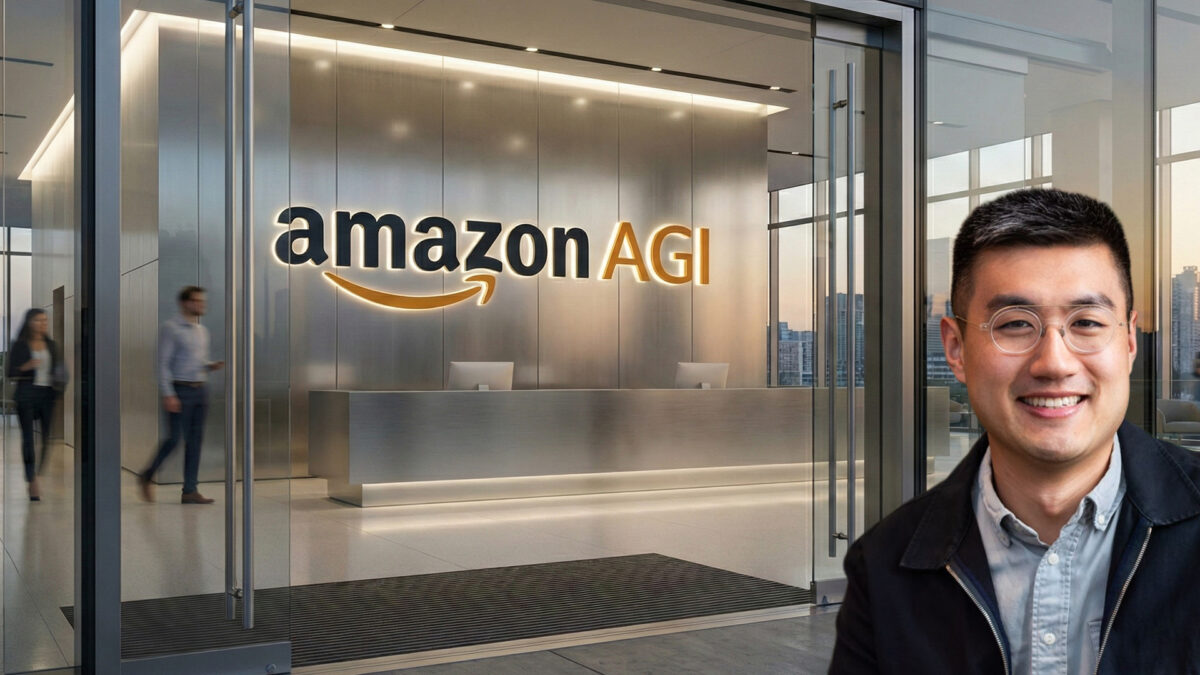
Amazon AGI Chief David Luan resigns

David Luan, who heads Amazon’s Artificial General Intelligence (AGI) lab, has announced that he will leave the company. Luan shared the update publicly, saying he plans to step away by the end of the week to focus on new opportunities in artificial intelligence research.

Luan joined Amazon in June 2024 after the company acquired his startup, Adept AI Labs. The deal brought him and several members of his team into Amazon, where they became part of a newly created AGI division based in San Francisco. The lab was set up to work on advanced AI systems, including agent-based technologies that can perform tasks with minimal human input.

During his time at Amazon, Luan played a key role in building and launching Nova Act, an AI agent designed to complete tasks autonomously in a web browser. The technology was integrated into services such as Alexa’s upgraded experiences and positioned as a competitor to similar tools developed by other major AI players.

In his farewell note, Luan thanked Amazon’s leadership, including CEO Andy Jassy, and highlighted the progress made in scaling AI models and developing new research capabilities. He suggested that rapid advancements in artificial intelligence influenced his decision to pursue fresh challenges in the field.

Following his departure, oversight of the AGI team will move under Peter DeSantis, a senior executive within Amazon Web Services (AWS). The leadership change comes as Amazon continues to streamline and strengthen its AI operations amid intense global competition.

Also Read: Suzlon appoints Ajay Kapur as Group CEO