Categories
Beyond

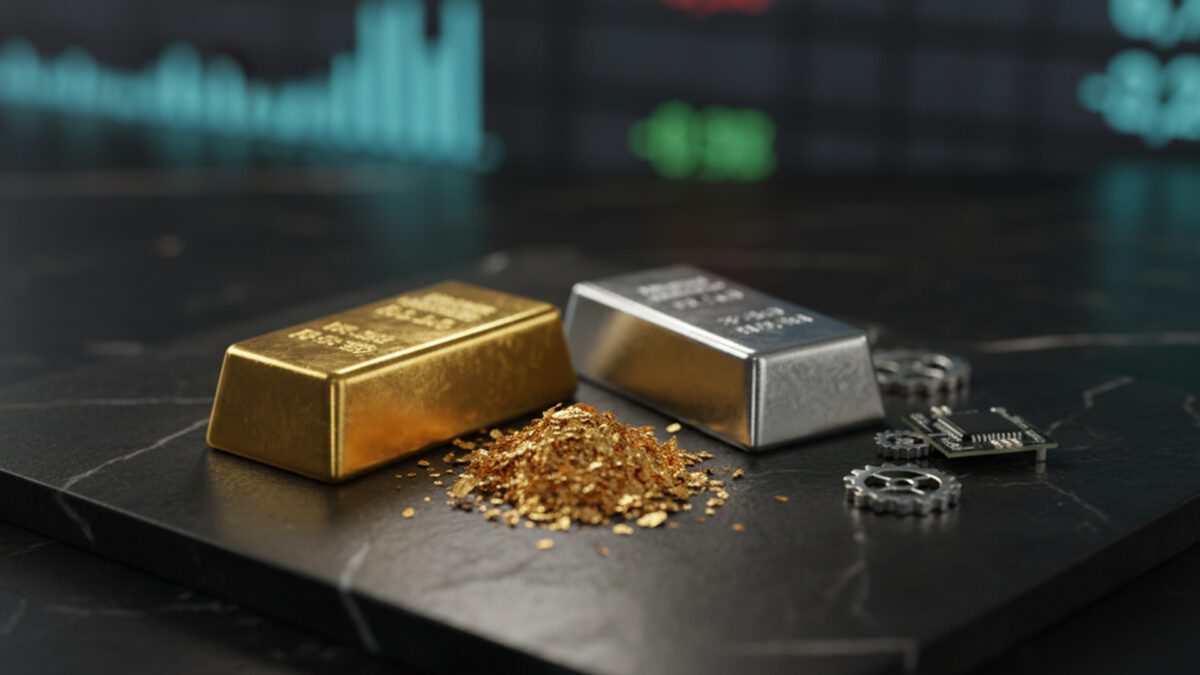
Gold ₹1,21,521, Silver ₹1,52,600 slip on strong dollar

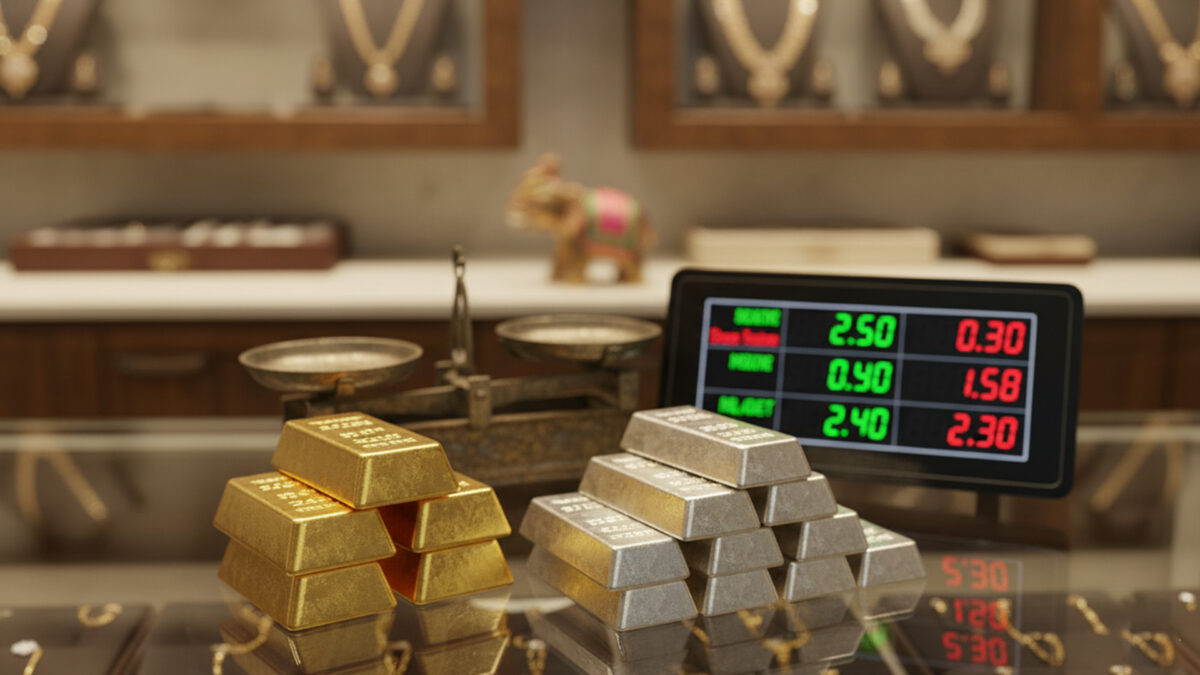
Gold and silver prices in India fell on Tuesday. December gold futures dropped 1.14% to ₹1,21,521 per 10 g, while silver futures slipped 1.75% to ₹1,52,600 per kg.

The decline comes as the US dollar strengthened, making gold costlier for investors using other currencies. Expectations of a Federal Reserve interest rate cut in December have also diminished, reducing demand for safe-haven assets.

Analysts say gold has support around ₹1,21,780–1,22,350 per 10 g and resistance near ₹1,23,750–1,24,500 per 10 g. Silver support is at ₹1,52,100–1,53,850 per kg with resistance around ₹1,56,540–1,57,280 per kg.

Despite the dip, domestic demand remains steady, especially ahead of the wedding season, according to Aksha Kamboj, VP of the India Bullion & Jewellers Association. She suggests buyers could consider gradually entering the market during this price correction.

Investors are advised to monitor global developments closely, as gold and silver prices may continue to fluctuate in the short term.

Also Read: Sensex slides over 200 pts, Nifty below 25,950

Categories
Beyond

Government imposes import rules on certain platinum jewellery

The Indian government has tightened rules on importing certain platinum jewellery items. Starting immediately, specific types of platinum jewellery, especially unstudded pieces, are now “restricted” and require an import licence from the Directorate General of Foreign Trade (DGFT). These measures will stay in place until 30 April 2026.

The move comes after concerns that some traders were exploiting duty-free import provisions. The India Bullion & Jewellers Association (IBJA) noted that certain jewellery pieces imported under free-trade agreements with countries like Thailand contained high gold content, but were classified as platinum, allowing importers to avoid customs duties.

Officials also pointed out that some imported jewellery was being melted down and sold domestically, bypassing the 6–6.4% duty applicable on platinum. By imposing licensing requirements, the government aims to close loopholes, prevent revenue loss, and support local jewellery makers.

Industry experts say the curbs will increase paperwork for importers but could benefit domestic manufacturers by reducing cheap overseas competition. The restrictions follow similar measures taken earlier for silver jewellery and platinum alloys with lower purity, aimed at preventing misuse of free-trade agreements and controlling non-essential precious metal imports.

Overall, the government’s new rules are designed to balance trade, protect domestic businesses, and ensure that platinum imports are used appropriately in the jewellery sector.

Also Read: Centre clears 17 electronics component projects worth ₹7,200 cr

Categories
Beyond

Trump’s tariff move boosts Indian tea, spices

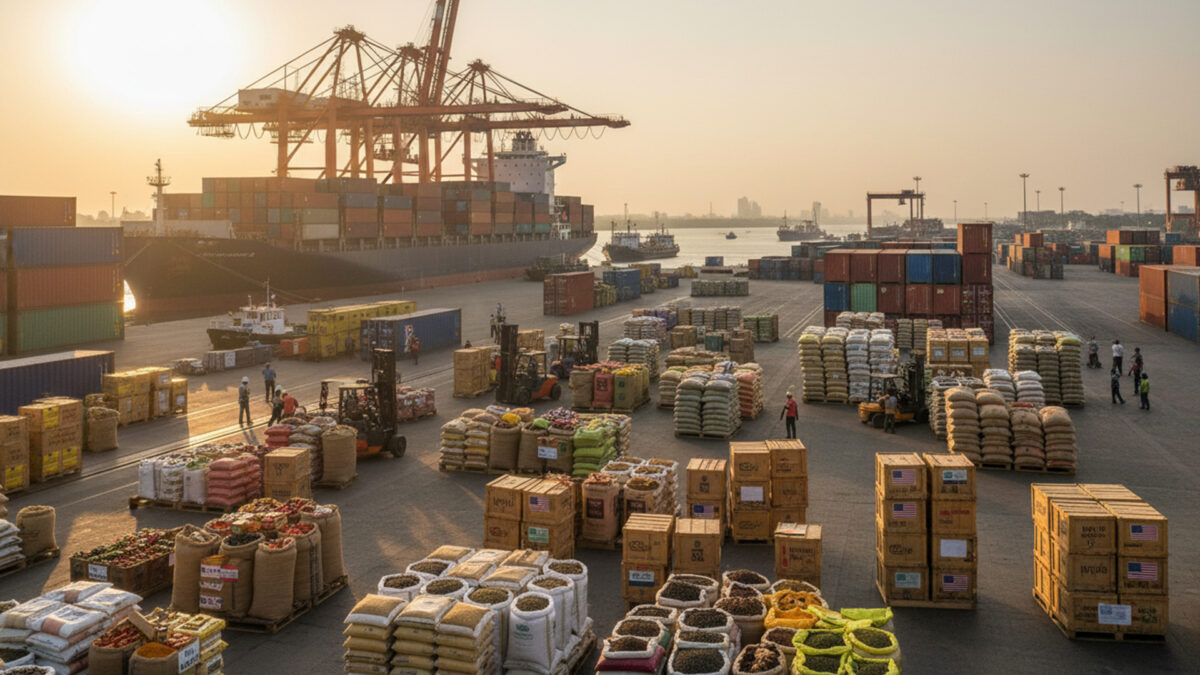
US President Donald Trump announced a reduction in import duties on nearly 200 agricultural and food products, including Indian spices, tea, and processed foods.

Indian exporters of tea, coffee, spices and cashew nuts faced steeper losses after the Trump administration raised duties on several Indian products to as much as 50%, alongside a separate 25% penalty that took effect in late August on India’s purchases of Russian oil.

While, India’s European and Vietnamese competitors faced tariffs in the 15–20% range.

The updated tariff list covers several products in which India is a major global supplier, including black pepper, cloves, cumin, cardamom, turmeric, ginger, premium teas, mango-based products and selected nuts such as cashew.

In 2024, India sent over half a billion dollars’ worth of spices to the US, while coffee exports to the American market approached $83 million.

However, some of India’s farm-related exports such as shrimp and basmati rice, have not been granted relief. High duties also remain in place on Indian jewellery, garments and gems while broader trade disagreements continue.

Officials involved in trade and agricultural policy described the tariff cuts as a constructive signal for ongoing US–India negotiations. They also hope the move will help offset the pressure faced by exporters since this year’s tariff hikes, which contributed to a nearly 12% year-on-year drop in India’s September shipments to the US, down to $5.43 billion.

Farm goods that are valued at about $5.7 billion out of India’s $87 billion in total exports to the US in 2024 were among the most affected.

Also Read: India signs first LPG deal with US

Categories
Beyond

India signs first LPG deal with US

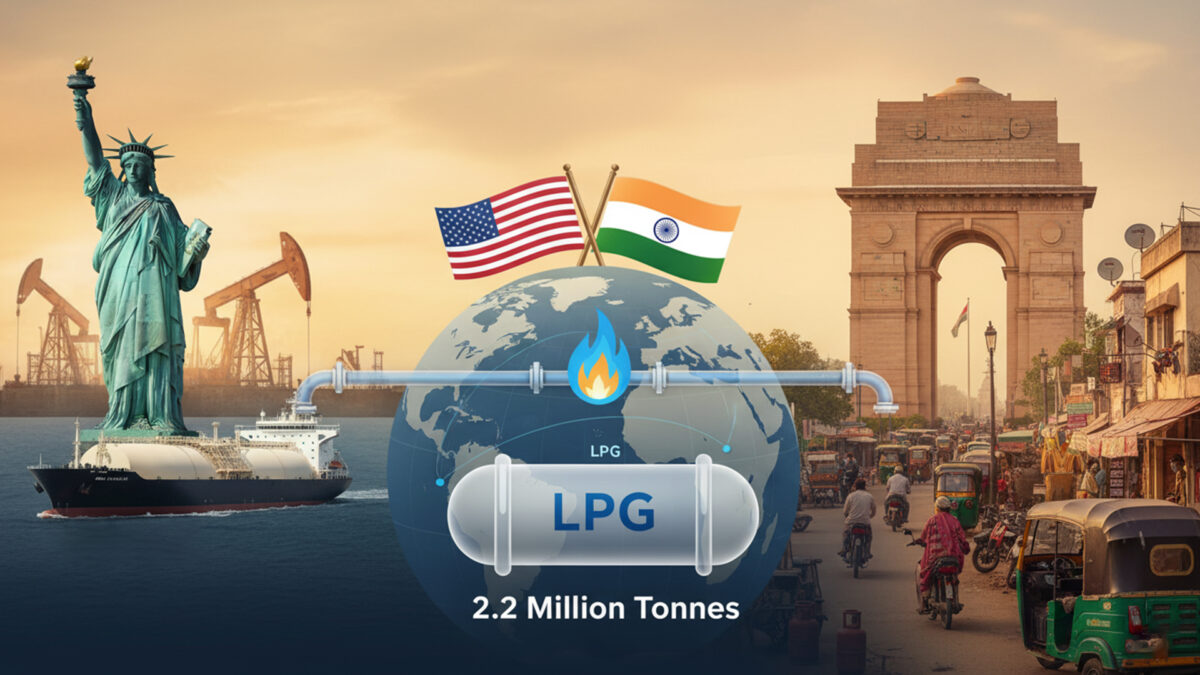
India has signed its first-ever structured deal to import liquefied petroleum gas (LPG) from the United States, marking a major step in diversifying the country’s energy supply. The one-year agreement will see state-owned oil companies bring in 2.2 million tonnes of LPG from the U.S. Gulf Coast during the 2026 contract year, which accounts for nearly 10% of India’s total annual LPG imports.

Union Petroleum Minister Hardeep Singh Puri described the deal as “historic,” emphasizing that it ensures a secure and affordable supply of LPG for Indian households. The agreement was negotiated after Indian Oil Corporation (IOC), Bharat Petroleum (BPCL), and Hindustan Petroleum (HPCL) delegations met with US producers to finalize terms.

The contract will use the Mont Belvieu price benchmark, a standard reference point in the global LPG market, helping India manage costs effectively. Analysts say this move also reduces India’s dependence on traditional suppliers from the Middle East, enhancing energy security.

India’s domestic LPG demand is growing rapidly, partly due to the Pradhan Mantri Ujjwala Yojana, which provides subsidized gas connections to low-income families. Even with global LPG prices surging by more than 60% last year, Ujjwala beneficiaries continued to pay much lower rates per cylinder, while the government absorbed the difference to shield households from price shocks.

This deal could also strengthen long-term energy cooperation between India and the U.S., and pave the way for more structured agreements in the future. By securing a significant portion of its LPG needs from a reliable source, India aims to stabilize supply and prices amid global market fluctuations, ensuring continued access to clean cooking fuel for millions of families.

Also Read: External Affairs minister meets Qatar leaders

Categories
Beyond

Gold down ₹10, silver slips ₹100, 24‑carat at ₹1,25,070

Domestic precious-metal prices edged lower on Monday, with ten grams of 24‑carat gold trading at ₹1,25,070, down ₹10. Silver also fell ₹100, with one kilogram priced at ₹1,68,900.

Ten grams of 22‑carat gold was valued at ₹1,14,640 in most major cities, while Chennai saw a slightly higher rate of ₹1,15,490. In Delhi, 24‑carat gold stood at ₹1,25,220.

Globally, spot gold rose about 0.3% to US $4,091.89 per ounce, while silver gained 0.8% to US $50.94 per ounce, as investors awaited key US economic data that could influence interest-rate decisions.

The modest decline in India reflects cautious trading ahead of macroeconomic updates, even as global trends continue to support safe-haven demand for precious metals.

Also Read: Sensex climbs 200 pts, Nifty tops 25,950

Categories
Beyond

India’s data privacy law takes effect

India’s long-awaited data privacy law, the Digital Personal Data Protection Act, 2023 (DPDP), has finally come into force. The government notified the Rules on 14 November 2025, more than two years after the Act was passed. This move gives citizens greater control over their personal digital data.

Under the law, companies and organisations that handle personal data must follow rules on consent, transparency, and data security. The implementation will happen in phases to allow businesses time to adjust.

A key feature is the creation of a four-member Data Protection Board of India. This board will oversee compliance, handle complaints, and resolve issues related to personal data.

Phased deadlines for companies: Within 12 months, businesses must appoint consent managers and start obtaining clear permission from users before collecting personal data. Within 18 months, they must set up systems for consent notices, reporting data breaches, and appointing data protection officers.

The law also provides extra protection for minors. Platforms must get verifiable parental consent before processing data of children under 18. Targeted advertising or tracking children’s online activity is restricted.

For cross-border data, personal information can be stored outside India under certain safeguards. Transfers may be restricted to some countries, and stricter rules will apply to companies handling large amounts of sensitive data, called “significant data fiduciaries.”

For citizens, the law allows them to access, correct, update, or erase their personal data. Companies must clearly explain how the data is collected and used.

For businesses, compliance will require updating policies, training staff, and setting up governance systems. While phased deadlines give clarity, some experts have raised concerns over broad exemptions granted to government agencies.

The notification of the Rules finally puts India on track with global digital privacy standards.

Also Read: India, Canada partner on critical minerals, green energy

Categories
Beyond

Trump drops tariffs to ease food prices

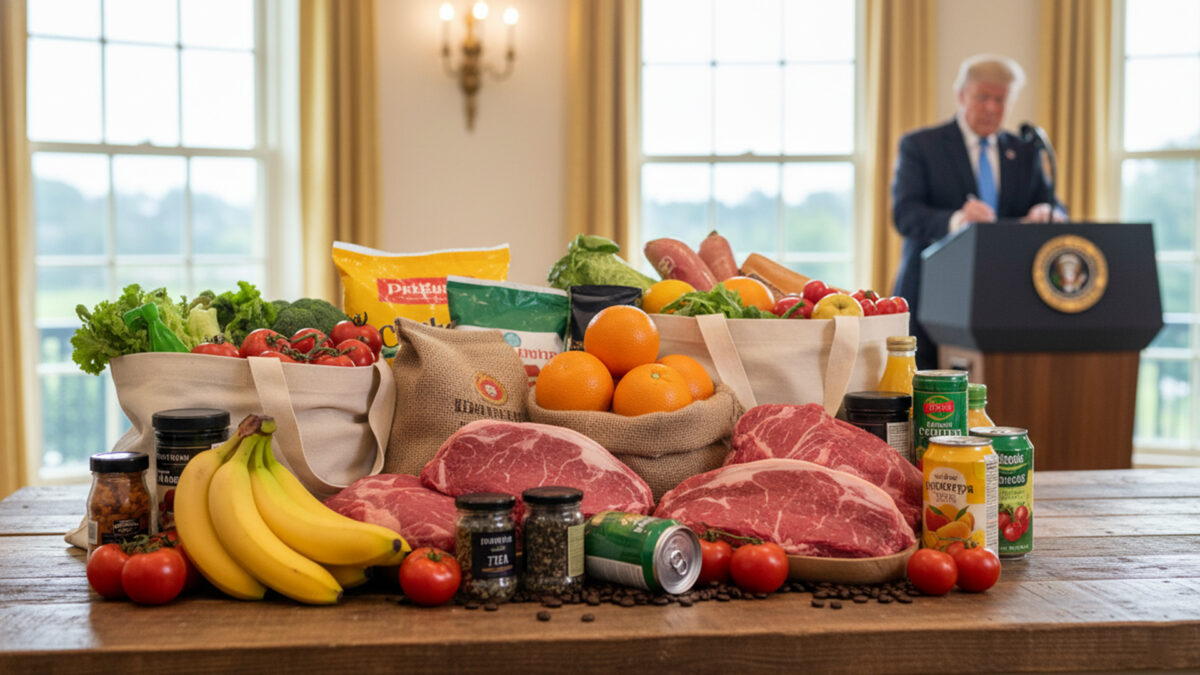
President Donald Trump has decided to remove tariffs on a range of imported goods, including beef, coffee, bananas, oranges, tomatoes, cocoa, tea, fruit juices and certain fertilisers. The goal is to help cut food prices for families who have been hit hard by rising grocery costs.

Many of these items are not produced widely in the United States, especially tropical fruits and coffee. Earlier, they carried tariffs of 10% to 50%, which increased their market prices. With the removal of these duties, officials expect imported foods to become cheaper.

Some tariffs will remain in place. For instance, tomatoes imported from Mexico will still face a 17% duty. But overall, the government believes the new policy will ease the financial burden on shoppers.

The move comes at a time when Americans have been voicing strong concerns about inflation and the high cost of daily essentials. Recent voting patterns also showed that economic worries remain a top priority for many households.

By cutting these tariffs, the administration hopes to reduce pressure on consumers, improve public confidence, and show that it is taking action to address rising living expenses.

Also Read: Trump adds 50,000 federal workers

Categories
Beyond

Gold dips ₹10, Silver gains ₹100 in major cities

Gold prices in India edged lower in early trade on Saturday. Ten grams of 24-carat gold fell by ₹10 to ₹1,27,030, according to GoodReturns. Silver moved in the opposite direction, rising ₹100 to ₹1,73,200 per kg.

Prices of 22-carat gold also slipped ₹10, with ten grams priced at ₹1,16,440.

Across major metros, 24-carat gold was selling at ₹1,27,030 per 10 grams in Mumbai and Kolkata, while Chennai priced it higher at ₹1,28,060. In Delhi, the same quantity stood at ₹1,27,180.

For 22-carat gold, ten grams cost ₹1,16,440 in Mumbai, Kolkata, Bengaluru, and Hyderabad, and ₹1,17,390 in Chennai. In Delhi, the price stood at ₹1,16,590.

Silver prices were steady across key cities, with one kilogram selling at ₹1,73,200 in Delhi, Mumbai, and Kolkata. Chennai continued to trade higher at ₹1,79,900 per kg.

Categories
Beyond

Trump adds 50,000 federal workers

The Trump administration has added 50,000 new federal employees, with the bulk of positions going to immigration and national security roles. Immigration and Customs Enforcement (ICE) received the largest share of these new hires.

Meanwhile, other federal agencies, including the IRS and the Department of Health and Human Services, are seeing hiring freezes and layoffs. Overall, the administration plans to cut about 300,000 civilian federal jobs, part of a broader effort to shift priorities toward enforcement and border security.

This hiring push reflects the administration’s focus on strengthening immigration enforcement while reducing workforce size in other domestic areas, signaling a significant realignment of federal staffing priorities.

Also Read: Prem Watsa announces next-gen leadership at Fairfax

Categories
Beyond

Gold dips ₹12,785/g, Silver rises ₹1,73,100/kg

Gold and silver prices showed mixed movement in India on Friday. Gold slipped slightly, with 24-carat gold trading at around ₹12,785 per gram, down about ₹80 from the previous day. The 22-carat variant also fell a little to roughly ₹11,720 per gram.

Silver, however, moved higher. Prices rose by ₹100 to about ₹1,73,100 per kilogram, continuing its stronger trend seen over recent sessions.

A slightly weaker US dollar in global markets helped limit gold’s downside and added some support to silver. Traders believe that domestic demand, currency movements, and festival-season buying will influence price trends in the coming days.

Market participants say the small decline in gold is due to continued uncertainty over global interest-rate decisions. Higher interest rates usually reduce the appeal of gold, which does not offer any yield. Silver, on the other hand, is getting support from both investor demand and industrial use, helping it hold a firmer tone.

Overall, the precious-metals market remains steady, with silver showing more strength than gold for now. If global cues stay stable, prices are expected to move in a narrow range with mild day-to-day changes.

Also Read: Sensex sheds 300, Nifty below 25,800, muted opening