Categories
Beyond

Telangana Global Summit sees ₹2.5 lakh cr investments

The first day of the Telangana Rising Global Summit saw investment commitments of around ₹2.43–2.5 lakh crore, drawing global investors, industry leaders, and policymakers to explore opportunities across deep technology, renewable energy, aerospace, infrastructure, and urban development.

A standout announcement came from Trump Media & Technology Group, which pledged ₹1 lakh crore (about US $10 billion) for the development of Bharat Future City, a net-zero smart urban hub in South Hyderabad. The project highlights the summit’s focus on sustainable urbanization and advanced infrastructure.

Other major commitments included ₹1.04 lakh crore in deep tech and infrastructure led by Brookfield–Axis Ventures, ₹39,700 crore in renewable energy, including ₹31,500 crore from Evren‑Axis Energy for solar and wind projects, and ₹8,000 crore from MEIL Group for solar, pumped storage, and EV-linked infrastructure. GMR Group pledged ₹15,000 crore for aviation, cargo, and logistics as part of the ₹19,350 crore investment in aerospace, defence, and logistics, while advanced manufacturing and core industries attracted ₹13,500 crore focused on electronics, specialized components, and hydrogen technologies.

Over 35 Memorandums of Understanding (MoUs) were signed, reflecting strong interest in Telangana’s industrial and urban growth. Officials said the investments align with Vision 2047, aimed at transforming the state into a major economic and innovation hub with balanced growth across urban, peri-urban, and rural areas, while promoting employment, sustainable development, and technology adoption.

Industry experts noted that the summit highlights Telangana’s rising profile as a preferred destination for global investment, particularly in green energy, high-tech industries, and urban infrastructure. The announced projects are expected to boost industrial output, create jobs, and advance sustainable urban development.

Also Read: Paramount’s $108 billion bid sparks WBD takeover battle

Categories
Beyond

Rupee slips, hovers around ₹90 against US dollar

The Indian rupee remained under pressure on Tuesday, opening at ₹90.15 per US dollar before recovering slightly to around ₹89.99 in early trade. The local currency has been struggling to hold gains as multiple factors continue to weigh on investor sentiment.

A major reason for the rupee’s weakness is the strong demand for dollars from importers. India’s heavy import requirements, particularly in oil and machinery, keep pushing up the demand for foreign currency. At the same time, foreign investors are pulling funds out of Indian equities, creating additional pressure on the rupee. Uncertainty surrounding India–US trade negotiations has also made investors cautious, further affecting the currency’s performance.

Rising crude oil prices are another factor contributing to the rupee’s decline. Higher oil prices increase India’s import bill, adding stress to the currency. Analysts say that unless global crude prices stabilize, the rupee may continue to face downward pressure in the near term.

The weak rupee has also impacted the stock markets. At the opening, the BSE Sensex fell over 600 points (about 0.7%), while the NSE Nifty 50 declined nearly 0.9%, reflecting investor concerns over currency volatility and its effect on corporate earnings.

Market participants are closely watching developments in global trade, crude oil prices, and foreign capital flows for clues on the rupee’s direction. Experts advise businesses and investors to stay alert and adopt hedging strategies where possible, given the current volatility in the currency market.

With multiple domestic and global factors influencing the rupee, the currency is expected to remain volatile in the coming days. Investors will keep a close eye on government policies, trade developments, and international market trends to gauge the rupee’s movement.

Also Read: Gold rises to ₹1,30,430, Silver falls to ₹1,88,900

Categories
Beyond

Gold rises to ₹1,30,430, Silver falls to ₹1,88,900

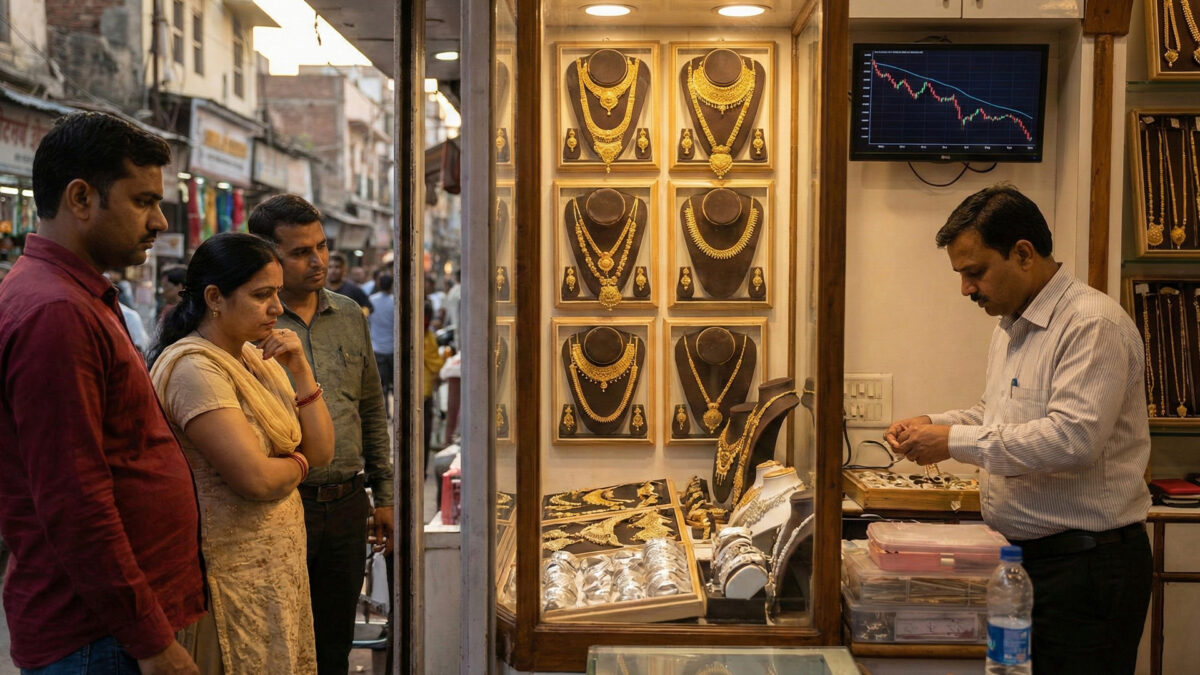
On Tuesday, December 9, 2025, gold prices in India saw a modest rise, while silver experienced a small decline. Ten grams of 24-carat gold increased by ₹10, trading at ₹1,30,430. The 22-carat variant also rose by ₹10, reaching ₹1,19,560 per 10 grams. City-wise rates showed minor variations: in Delhi, 24-carat gold was priced at ₹1,30,580, while in Chennai it stood at ₹1,31,340. Similarly, 22-carat gold in Delhi was ₹1,19,710, and in Chennai ₹1,20,390. Other major cities like Mumbai, Kolkata, Bengaluru, and Hyderabad recorded 22-carat gold at ₹1,19,560.

In contrast, silver prices fell slightly. One kilogram of silver traded at ₹1,88,900 in Delhi, Mumbai, and Kolkata, while Chennai reported a higher rate of ₹1,97,900.

Globally, US gold prices also edged higher, reflecting cautious sentiment among investors. Spot gold increased by 0.1% to $4,194.83 per ounce, while US gold futures for December delivery rose 0.2% to $4,223.60 per ounce. Meanwhile, silver slipped 0.1% to $58.05 per ounce. Other precious metals saw gains, with platinum up 0.4% to $1,649.46 and palladium rising 0.6% to $1,473.32.

The movements in precious metal prices are often influenced by global economic conditions, currency fluctuations, and investor sentiment. In particular, traders are closely watching the US Federal Reserve’s upcoming policy meeting, where cautious signals on interest rates and monetary easing may affect gold and silver markets.

Overall, the early Tuesday session showed stability in gold with minor gains, while silver experienced a slight correction, reflecting a mixed but steady start for precious metals in India and abroad.

Also Read: Sensex falls 500 points, Nifty below 26,000

Categories
Beyond

UIDAI to end Aadhaar photocopies, digital checks mandatory

The Unique Identification Authority of India (UIDAI) is set to bring a major change in Aadhaar verification to strengthen privacy and security. Under the new rule, organisations such as hotels, event planners, shops, and other entities will no longer be allowed to collect or store physical photocopies of Aadhaar cards.

Any entity that wishes to carry out Aadhaar-based verification must first register with UIDAI. Only registered organisations will be authorised to access Aadhaar verification services. Once registered, they will verify identities digitally, either by scanning the Aadhaar QR code or using the upcoming Aadhaar mobile application. For locations with limited internet access, UIDAI will provide software tools (APIs) to enable offline verification.

The move is part of UIDAI’s push to enhance data security and prevent misuse. Physical copies of Aadhaar cards are vulnerable to being lost, misused, or stored insecurely. By shifting to a fully digital system, UIDAI aims to make Aadhaar verification more secure, reliable, and efficient.

The new rule also aligns with India’s digital data protection framework, including the Digital Personal Data Protection Act, and is expected to reduce errors and delays associated with paper-based verification.

For individuals, the change means they will no longer need to submit photocopies of their Aadhaar cards. Showing the QR code on the card or via the e-Aadhaar app will be sufficient for verification.

The regulation has been approved but is yet to be implemented. UIDAI is expected to notify the final date soon. Once in effect, the initiative will mark a significant step towards a paperless, secure, and digital-first Aadhaar verification system, benefiting both individuals and organisations by simplifying the process and safeguarding privacy.

Also Read: Eternal sees ₹1,535 cr block deal shake stock

Categories
Beyond

DGCA gives IndiGo final 24‑hour response deadline

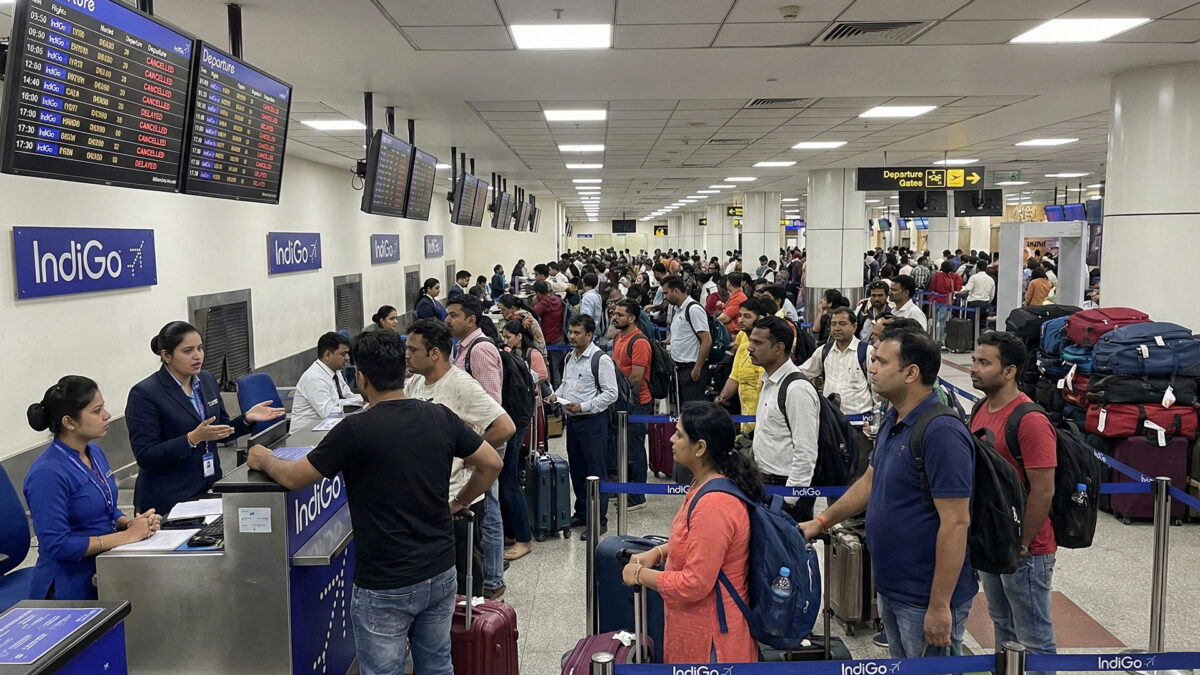
The Directorate General of Civil Aviation (DGCA) has given IndiGo a final 24‑hour extension to respond to a show-cause notice issued on 6 December, amid widespread flight cancellations and operational disruptions across the country. The airline is now required to submit its detailed response by 6 pm on Monday, failing which the regulator may proceed ex parte, relying solely on the available records to take further action.

The notice follows scrutiny over IndiGo’s handling of its flight operations after the implementation of the revised Flight Duty Time Limitations (FDTL) norms. The DGCA highlighted significant lapses in planning, oversight, and resource management, which contributed to widespread cancellations and delays. In addition, the regulator flagged shortcomings in passenger support, including delays in providing refunds, assistance with rebooking, and updates regarding affected flights, citing violations of passenger-rights regulations.

IndiGo has taken several measures to mitigate the impact on passengers. The airline has automatically refunded cancelled flights and waived rescheduling and cancellation charges for journeys between 5 and 15 December. By Saturday, IndiGo had processed around ₹610 crore in refunds and returned approximately 3,000 lost baggage items, according to company sources. The airline also indicated that its operations are gradually stabilizing, with plans to restore most services, targeting about 1,650 flights per day by 10 December under revised rosters.

The DGCA’s show-cause notice underscores the regulator’s focus on compliance with operational and safety norms, particularly regarding pilot duty hours and adequate resource planning. Industry experts note that this marks a critical moment for IndiGo, which remains India’s largest carrier by market share, to demonstrate robust corrective action and rebuild passenger confidence.

The airline’s management has expressed commitment to fully cooperating with the DGCA and ensuring uninterrupted services. The next 24 hours are expected to be decisive, as the regulator evaluates whether IndiGo’s response addresses operational shortcomings and safeguards passenger interests.

Also Read: Ex-Apple engineer unveils XR chip

Categories
Beyond

Gold at ₹1,30,140; Silver drops to ₹1,89,900

Gold and silver prices edged lower in the Indian market on Monday, reflecting muted global trends and cautious investor sentiment.

The price of 24-carat gold slipped by ₹10 per 10 grams, settling at ₹1,30,140 in major cities such as Mumbai and Kolkata. Meanwhile, 22-carat gold also saw a minor reduction, trading at around ₹1,19,290 per 10 grams. The slight dip in gold prices comes after recent sessions of mixed movement, as the market continues to react to global economic developments.

Silver witnessed a comparatively steeper fall. The price of silver dropped by ₹100 per kilogram, with the metal trading at ₹1,89,900 per kg. Traders noted that silver tends to be more volatile than gold due to its dual role as both an investment asset and an industrial metal, making its prices more sensitive to global demand and manufacturing trends.

Market experts said the decline in precious metal prices is largely influenced by expectations around interest rate policies in the United States. When interest rates are expected to remain high or rise further, non-yielding assets like gold and silver usually see reduced demand. Additionally, movements in the US dollar and global bond yields continue to impact bullion prices worldwide.

Despite the small correction, analysts believe the long-term outlook for gold remains positive due to ongoing geopolitical tensions and economic uncertainty in several parts of the world. Many investors still view gold as a safe-haven asset during periods of instability.

In the coming days, prices of gold and silver are expected to remain volatile as markets react to upcoming global economic data, central bank signals, and fluctuations in currency and crude oil prices.

Also Read: Sensex falls 300+ points, Nifty slips below 26,100

Categories
Beyond

SC to review Trump birthright citizenship order

The US Supreme Court has agreed to hear a major case that could determine the future of birthright citizenship in the country. The decision comes after a series of legal battles over an executive order issued by President Donald Trump in January 2025, which seeks to deny automatic US citizenship to children born in the United States if their parents are undocumented or living in the country on temporary visas.

For more than 125 years, the United States has followed the principle that almost anyone born on American soil becomes a US citizen at birth. This practice is rooted in the 14th Amendment, which states that all persons born in the country and “subject to the jurisdiction” of the United States are citizens. Trump’s order challenges this interpretation, arguing that children of non-citizen parents do not fall under this jurisdiction.

Multiple lawsuits were filed soon after the order was announced, leading to nationwide injunctions from lower courts. Judges consistently ruled that the executive order likely contradicts the Constitution and longstanding legal precedent. One of the key cases, which began as a class-action suit on behalf of families who would be directly affected, eventually made its way to the Supreme Court after the administration appealed these lower-court decisions.

By accepting the case, the Supreme Court will now decide whether the executive branch has the authority to limit birthright citizenship without a constitutional amendment or congressional action. The hearing is expected to take place in the spring of 2026, with a final ruling anticipated by early summer.

The stakes are extremely high. If the Supreme Court upholds the order, hundreds of thousands of children born each year could lose the automatic right to citizenship, marking a dramatic shift in US immigration and nationality law. It would also redefine how the 14th Amendment is applied in modern America. On the other hand, if the Court strikes down the order, the traditional interpretation of birthright citizenship will remain firmly intact.

Until the ruling is delivered, the executive order remains blocked and unenforceable across the United States. The upcoming decision is expected to become one of the most consequential immigration rulings in decades, with long-term implications for families, legal status, and national identity.

Also Read: Zepto becomes public company, plans IPO by June 2026

Categories
Beyond

Russia begins fuel supply to Kudankulam plant, TN

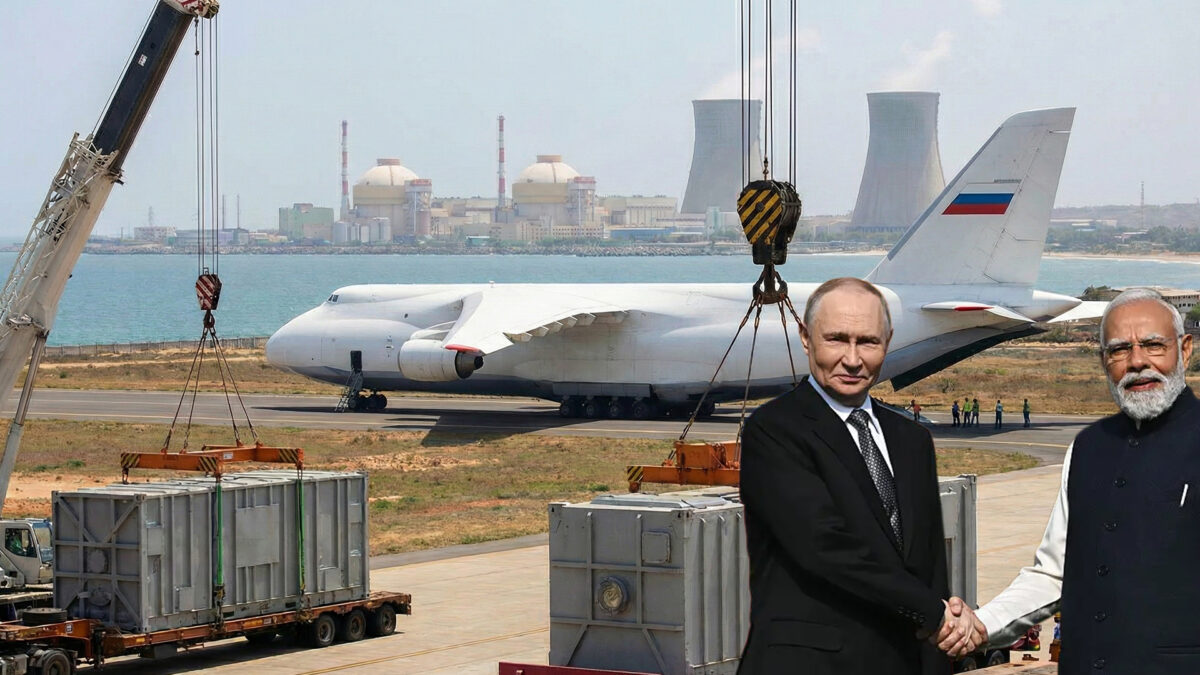
Russia has delivered the first batch of nuclear fuel for the third reactor of the Kudankulam Nuclear Power Plant in Tamil Nadu, marking an important milestone in India’s largest civil nuclear project. The fuel assemblies, manufactured by Rosatom’s Novosibirsk Chemical Concentrates Plant, were flown in as part of a long-term agreement signed in 2024.

This delivery begins the initial fuel-loading process for Unit-3. Rosatom said seven flights will be used to ship the full core load and reserve fuel required for both Unit-3 and Unit-4. The supply deal covers the entire operational life of the reactors, ensuring steady fuel availability once they become active.

The development came as Russian President Vladimir Putin visited India and reaffirmed Russia’s commitment to expanding the Kudankulam project. Putin described the plant as a flagship of India–Russia cooperation and said Moscow would work closely with New Delhi to bring all six reactors to full capacity.

Currently, Units 1 and 2 are operational, while Units 3 through 6 are under construction. Once all units are completed, Kudankulam will generate 6,000 MW of electricity, making it India’s most powerful nuclear station.

Putin also highlighted potential future collaborations, including small modular reactors, floating nuclear plants, and peaceful applications of nuclear technology in areas such as healthcare and agriculture. He assured that Russia would continue to supply nuclear fuel reliably to support India’s growing energy requirements.

The fuel delivery is expected to accelerate progress at the site, strengthening the southern power grid and contributing to India’s clean-energy and energy security goals.

Also Read: IndiGo’s operational crisis enters Day 5, over 1000 flights affected

Categories
Beyond

RBI lowers repo rate to 5.25% for economic growth

The Reserve Bank of India (RBI) today, cut its key policy rate, the repo rate, by 25 basis points, bringing it down from 5.50% to 5.25%. The decision was unanimously approved by the six-member Monetary Policy Committee (MPC), which retained the overall monetary stance at “neutral.”

The move comes amid a robust economic backdrop. India’s GDP expanded by 8.2% in the second quarter, marking the fastest growth in six quarters. At the same time, consumer-price index (CPI) inflation remained near historic lows, dropping to 0.25% in October. The combination of strong growth and low inflation gave the central bank room to ease monetary policy and support further economic expansion.

In addition to the rate cut, the RBI announced fresh liquidity measures to ensure smooth credit flow. These include open-market operations worth ₹1 lakh crore in December and foreign exchange swap operations of up to $5 billion. Officials said these measures are aimed at easing funding conditions for banks and businesses, and promoting better transmission of lower interest rates across the economy.

The rate cut is expected to benefit borrowers across sectors, including homebuyers, auto buyers, and small businesses, by lowering borrowing costs. Financial stocks led market gains on the announcement, while real estate and auto sectors also reacted positively.

Analysts suggest that the RBI may be preparing for a broader easing cycle if inflation remains muted and economic growth continues at its current pace. Investors and markets will closely watch upcoming data on inflation, currency stability, and liquidity conditions to gauge the central bank’s next steps.

Overall, the RBI’s action signals a proactive approach to sustaining India’s economic momentum while maintaining price stability, reinforcing confidence in the financial system.

Also Read: Adani’s Dighi port to export 2 lakh cars annually with Motherson

Categories
Beyond

Gold prices stay flat across major Indian cities

Gold and silver prices in India saw minor corrections on December 5, 2025, with slight fluctuations across major cities. According to market sources, 24‑karat gold is trading at ₹12,965 per gram, while 22‑karat gold stands at ₹11,884 per gram. The 18‑karat variant is priced at ₹9,723 per gram.

City‑wise rates show some variations. In Chennai, 24K gold is ₹13,112 per gram, 22K is ₹12,019, and 18K comes to ₹10,024 per gram. Delhi sees 24K at ₹12,980 per gram, 22K at ₹11,899, and 18K at ₹9,738 per gram. Mumbai, Bengaluru, Kolkata, and Hyderabad report similar rates, reflecting a largely stable gold market.

Silver prices, however, experienced a modest dip. The national rate for silver is ₹190.90 per gram (₹1,90,900 per kilogram). In major cities, 10 grams of silver cost between ₹1,909 and ₹1,999, while 100 grams range from ₹19,090 to ₹19,990. One kilogram is priced at ₹1,90,900–₹1,99,900 depending on the city.

Analysts attribute the minor drop in silver prices to global market trends and the weakening rupee. The Indian rupee recently crossed the ₹90 mark against the US dollar, influenced by rising crude prices, foreign fund outflows, and uncertainties surrounding trade agreements. These factors have contributed to a cautious sentiment among investors and a dip in silver demand.

Despite these slight corrections, gold continues to attract Indian investors, prized for its long‑term value and as a hedge against inflation. While prices remain relatively flat, market watchers suggest investors keep an eye on global cues, currency movements, and geopolitical developments that may influence the bullion market in the near term.

Overall, Friday’s session saw stable gold and a marginal decline in silver, reflecting a cautious market amid mixed domestic and international signals.

Also Read: Sensex 85,187, Nifty 26,021 open flat ahead of RBI policy