Categories
Beyond

Canada rejects China deal after 100% tariff threat

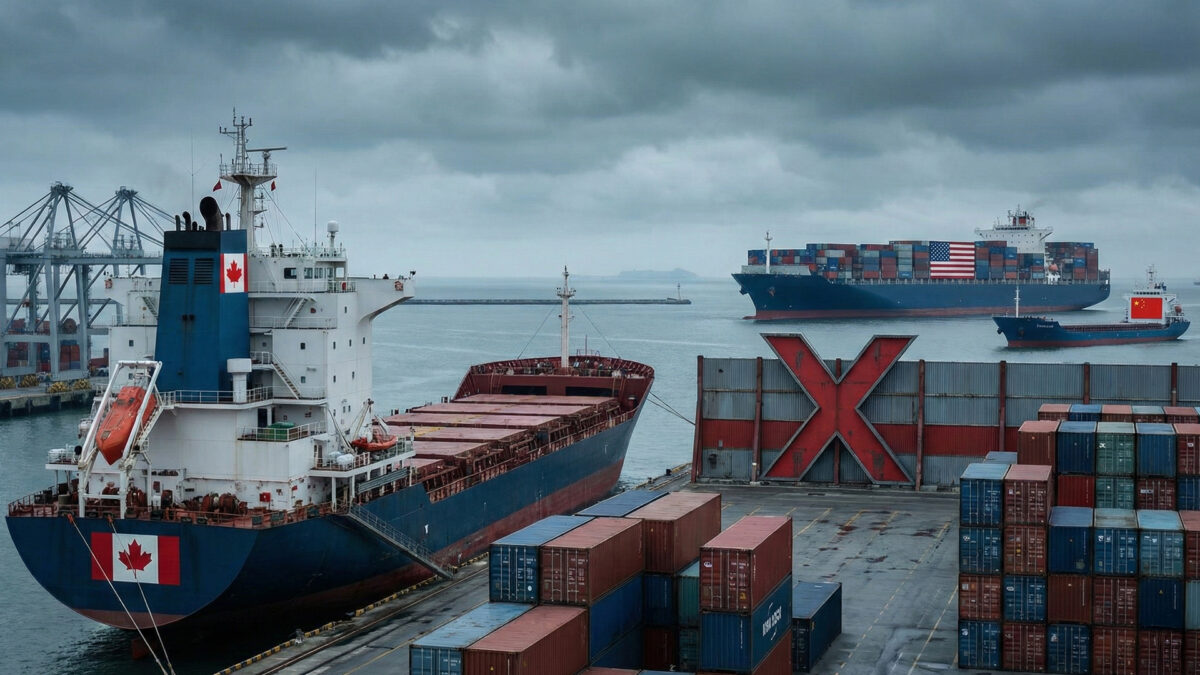
Canada has ruled out any free trade agreement with China, after US President Donald Trump threatened to impose 100 per cent tariffs on Canadian goods if Ottawa went ahead. Prime Minister Mark Carney clarified that Canada remains committed to its North American trade agreements and has no intention of pursuing a broad pact with Beijing.

Speaking on Sunday, January 25, Carney emphasised that Canada’s limited engagement with China has focused only on resolving specific tariff disputes, not on negotiating a full-fledged trade deal. “We respect our commitments under the USMCA. We are not planning any free trade agreements with China or other non-market economies,” he said.

The remarks follow a week of tense exchanges between Washington and Ottawa. Trump’s warnings came after reports that Canada was exploring closer trade ties with China, prompting fears in the US that Chinese goods could gain easier access to North American markets through Canada.

Recent agreements with China have been narrow and targeted. Canada reduced tariffs on a small number of Chinese electric vehicles, while Beijing agreed to ease duties on some Canadian exports, including canola and seafood. These measures, Carney stressed, are far from a comprehensive trade deal.

The US threat has added strain to Canada-US trade relations, but Carney’s firm stance sends a clear message: Ottawa seeks to balance global economic ties while honouring obligations to its North American partners. Analysts say the move highlights Canada’s careful approach to diplomacy, ensuring it can engage with global markets without triggering conflicts with the US.

Also Read: India to cut EU car import duties
Categories
Beyond

India to cut EU car import duties
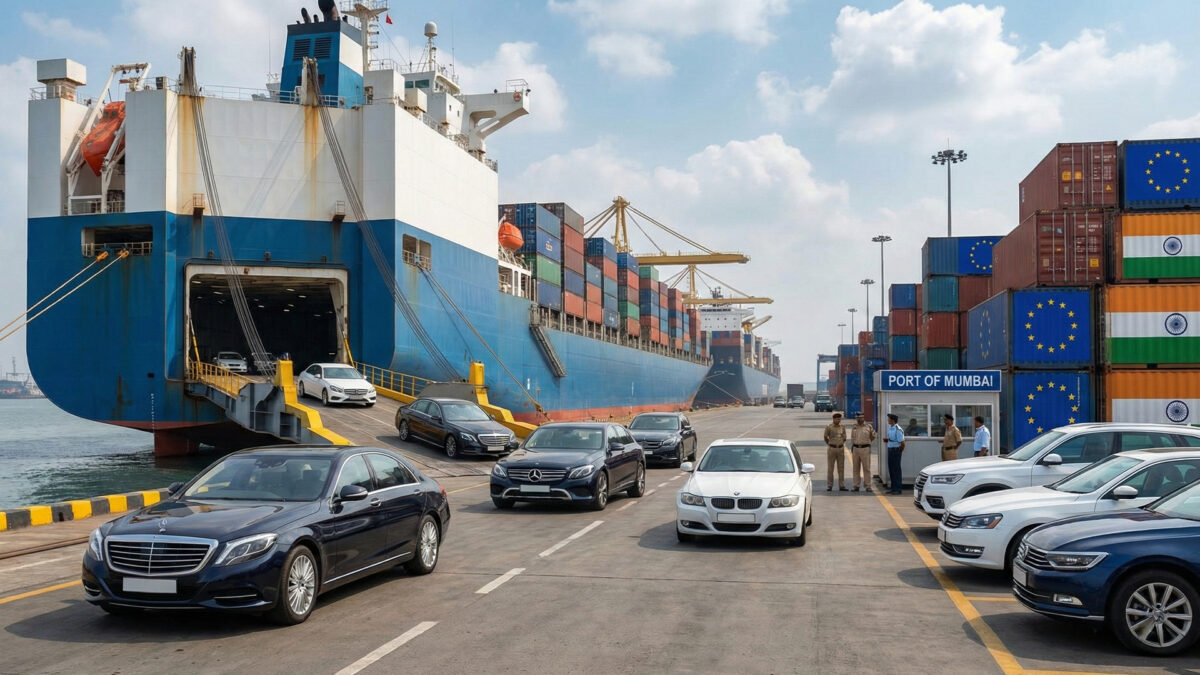
India is likely to sharply reduce import duties on cars coming from the European Union as part of a comprehensive free trade agreement that is close to being finalised, sources said. The proposed move would bring down tariffs from the current levels of up to 110 per cent to around 40 per cent, marking a significant shift in India’s long-standing protectionist policy for the automobile sector.

The tariff cut is expected to play a crucial role in concluding the India-EU free trade agreement, negotiations for which have been ongoing for nearly 20 years. Officials familiar with the discussions indicate that both sides are keen to seal the deal, with an announcement possible during an upcoming India-EU summit.

Initially, the lower tariffs are likely to apply to a limited number of imported cars, particularly higher-priced models. Over time, duties could be reduced further through a phased approach. European auto majors such as BMW, Mercedes-Benz and Volkswagen are expected to benefit, as high import taxes have so far restricted their sales volumes in the Indian market.

India’s government has traditionally used steep import duties to protect domestic carmakers and encourage manufacturing within the country. To balance domestic interests, the proposed agreement is expected to include safeguards, including delayed tariff cuts for electric vehicles, allowing Indian EV manufacturers time to strengthen their production base.

India is one of the world’s fastest-growing car markets, but imported vehicles make up only a small share due to high costs. A reduction in tariffs could make premium European cars more accessible to Indian consumers while increasing competition in the sector.

Also Read: Qure.ai wins $8 million grant from Gates foundation

Categories
Beyond

India-EU trade mega deal inches closer

India and the European Union are close to concluding a comprehensive free trade agreement (FTA), marking a major milestone in bilateral economic relations after years of negotiations. The deal is expected to be announced around the upcoming India-EU Summit on January 27, 2026, subject to formal approvals on both sides, including ratification by the European Parliament.

The proposed pact is among the most ambitious trade agreements pursued by India, covering goods, services, investment, and regulatory cooperation. Bilateral trade between India and the EU stood at an estimated $136–$190 billion in 2024–25, and the agreement is expected to provide a significant boost by lowering tariffs and easing market access for businesses on both sides.

India has taken a cautious approach during the talks, drawing clear red lines around sensitive sectors such as agriculture and dairy to protect domestic producers and rural livelihoods. It has also sought gradual tariff reductions in manufacturing to prevent sudden pressure on local industries, while aiming to attract European investment and strengthen India’s role in global supply chains.

The EU has pushed for wider access for its industrial goods, including automobiles and auto components, as well as greater opportunities in services. Climate-related trade measures have emerged as a key area of negotiation, particularly the EU’s Carbon Border Adjustment Mechanism (CBAM) and sustainability standards linked to its Green Deal. India has raised concerns that these measures could function as non-tariff barriers for energy-intensive exports, while the EU maintains they are essential to ensure fair competition and meet climate goals.

If finalised, the agreement is expected to improve export prospects for Indian sectors such as textiles, apparel, leather, engineering goods, and services, while offering European firms a larger and more predictable market in India. The deal also carries strategic weight, coming at a time when global trade is increasingly fragmented and economies are looking to diversify partnerships.

Also Read: Infosys to recruit 20,000 freshers in FY27

Categories
Beyond

US natural gas trading hits all-time high

US natural gas markets grabbed global attention after trading activity hit a historic high at the CME Group. On a single day, more than 2.57 million natural gas contracts were traded, setting a new record and crossing the previous peak seen in 2018. This surge shows how sharply investor interest has risen as weather and supply concerns shake energy markets.

The main reason behind this jump is severe winter weather across large parts of the United States. Extremely low temperatures have increased the demand for natural gas, which is widely used for heating homes, offices, and industries. As people consume more gas to stay warm, prices tend to rise, and traders rush in to manage risks or take advantage of price movements.

Cold weather has also affected supply. In some oil- and gas-producing regions, freezing conditions disrupted production, reducing the amount of gas available in the market. This imbalance between rising demand and tight supply has made prices more volatile, prompting heavy trading in futures and options.

Natural gas prices climbed sharply over two consecutive days, posting gains of over 20 percent at one point. Many traders who had earlier bet on prices falling were forced to buy back contracts to limit losses, adding further momentum to the rally. As a result, short-term price swings became larger than usual.

Data from energy trackers showed that gas output in the Lower 48 US states dipped in January, while overall demand, including exports, rose strongly. The US remains a major exporter of liquefied natural gas (LNG), and global buyers continue to rely on American supplies, adding pressure to the market.

The impact was not limited to the US Gas prices in Europe also moved higher, as low storage levels and ongoing geopolitical tensions kept energy markets nervous. Any disruption or rise in US prices often influences global gas rates.

For investors, experts say caution is important. While high volatility can offer trading opportunities, it also increases risk. Keeping an eye on weather forecasts, storage data, and production trends will be key to understanding where prices may head next in the short term.

Also Read: Trump sues JPMorgan for $5bn over account closure

Categories
Beyond

Silver up 200%, gold regains appeal

Silver prices have surged nearly 200 percent over the past 12 months, far outperforming gold, but rising volatility is now prompting investors to shift attention back to the yellow metal. Analysts note that silver’s rapid rally, driven by strong industrial demand and tight supply, has made prices more unstable.

As market uncertainty increased at the start of 2026, global silver ETFs saw outflows, while gold continued to attract steady investments due to its reputation as a safer hedge. The gold-to-silver price ratio has also fallen sharply, indicating that silver may be overextended compared to gold.

Last week, both silver and gold ETFs witnessed a sharp fall on Thursday but rebounded strongly the following day. Several silver ETFs jumped 10–12 percent, while gold ETFs also gained as bullion prices recovered.

So far this month, silver prices have risen about 28 percent on the MCX, while gold has gained nearly 14 percent, even as equity markets remain under pressure.

Also Read: Sensex sees volatile moves, Nifty stays close to 25,300

Categories
Beyond

Rupee slides 1% to 91.6 per dollar

The Indian rupee fell sharply to a record low of 91.74 against the US dollar, before recovering slightly to 91.62 on January 22, 2026, highlighting ongoing volatility in the currency market. This marks a roughly 1% decline in a single session, underscoring sustained pressure on India’s external sector.

The fall is driven by strong demand for dollars, elevated crude oil prices, and continued foreign fund outflows from Indian equities. Geopolitical tensions and global trade uncertainties have also added to investor caution, weakening risk appetite for emerging markets like India. While a partial recovery occurred after positive international cues, analysts warn that the rupee remains vulnerable to renewed external shocks.

A depreciating rupee has immediate economic consequences. Importers face higher costs for crude oil, electronic goods, and other essential commodities, which could feed into inflation. Industries relying on imported raw materials will see rising input costs, potentially reducing margins or raising prices for consumers. Dollar-denominated payments, including overseas education, travel, and debt servicing, also become more expensive, squeezing household and corporate budgets.

The Reserve Bank of India may need to consider intervention strategies if the rupee’s slide persists, as prolonged weakness could impact foreign investment inflows, inflation targets, and broader economic growth. Businesses and consumers alike are expected to feel the impact as import costs rise and pricing pressures intensify across sectors.

Despite the slight intra-day recovery, market watchers caution that the rupee could remain under stress due to structural trade deficits and persistent capital outflows. The current scenario reinforces the interconnectedness of global and domestic economic factors, emphasizing the need for prudent fiscal and monetary management.

Also Read: India weighs joining Trump’s Gaza peace board

Categories
Beyond

India weighs joining Trump’s Gaza peace board

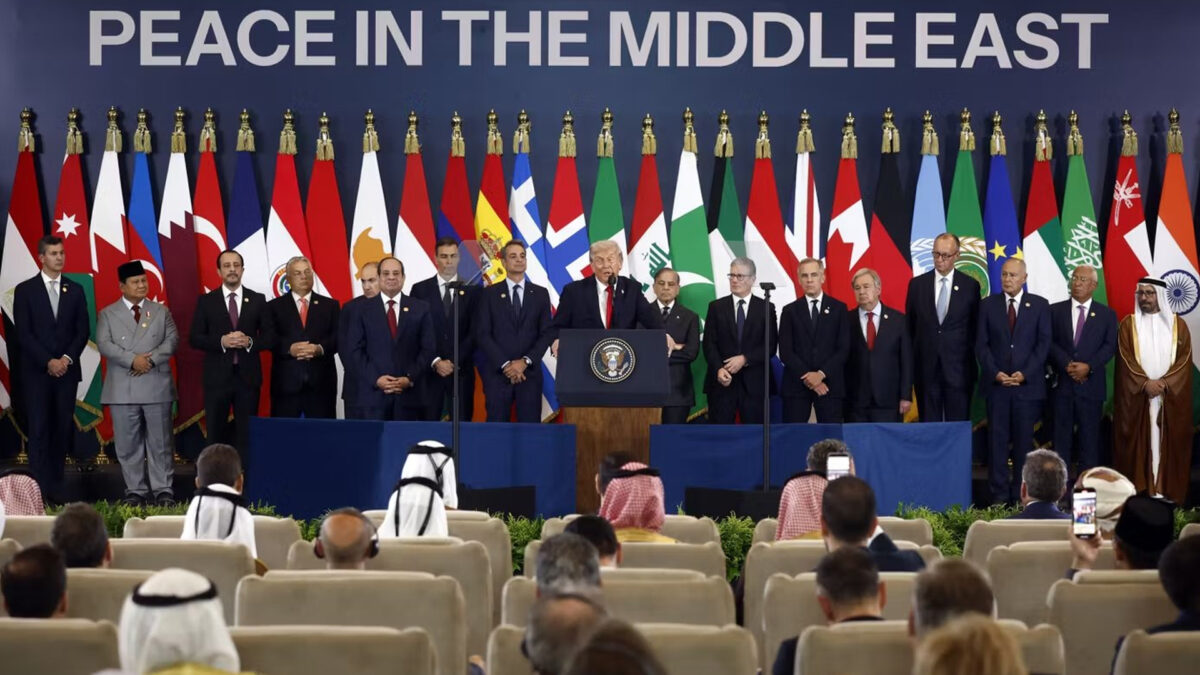
India is evaluating an invitation to participate in a US-backed international board aimed at overseeing Gaza’s reconstruction and post-conflict economic stabilization. The proposed Gaza Board of Peace is designed to coordinate funding, infrastructure rebuilding, and governance reforms, creating a platform for global and regional investors to engage in reconstruction projects.

The initiative, proposed by former US President Donald Trump, has already secured commitments from Israel, the United Arab Emirates, and several other Arab and Islamic countries, signaling potential for broad international collaboration. The board is expected to facilitate financial mobilization, infrastructure development, and humanitarian aid delivery, presenting opportunities for private and public sector partnerships in the region.

Indian authorities are reviewing the strategic and economic implications of joining the board. Participation could allow India to contribute to rebuilding efforts while gaining influence in regional development projects and strengthening diplomatic ties with Middle Eastern partners. Officials have noted that alignment with India’s long-standing position on West Asia and humanitarian diplomacy will be key factors in the final decision.

The board is expected to complement, or potentially run alongside, existing United Nations-led reconstruction and economic development frameworks, raising questions about coordination and governance. International observers suggest that effective implementation could unlock billions in aid and investment for Gaza, creating avenues for companies and development agencies to engage in infrastructure, energy, and logistics projects.

New Delhi’s decision will weigh geopolitical considerations alongside economic opportunities, balancing its global diplomatic stance with the potential to participate in a high-profile reconstruction and investment initiative.

Also Read: AI may replace engineers soon, says Anthropic CEO

Categories
Beyond

Trump ends Europe tariff threat after Arctic deal

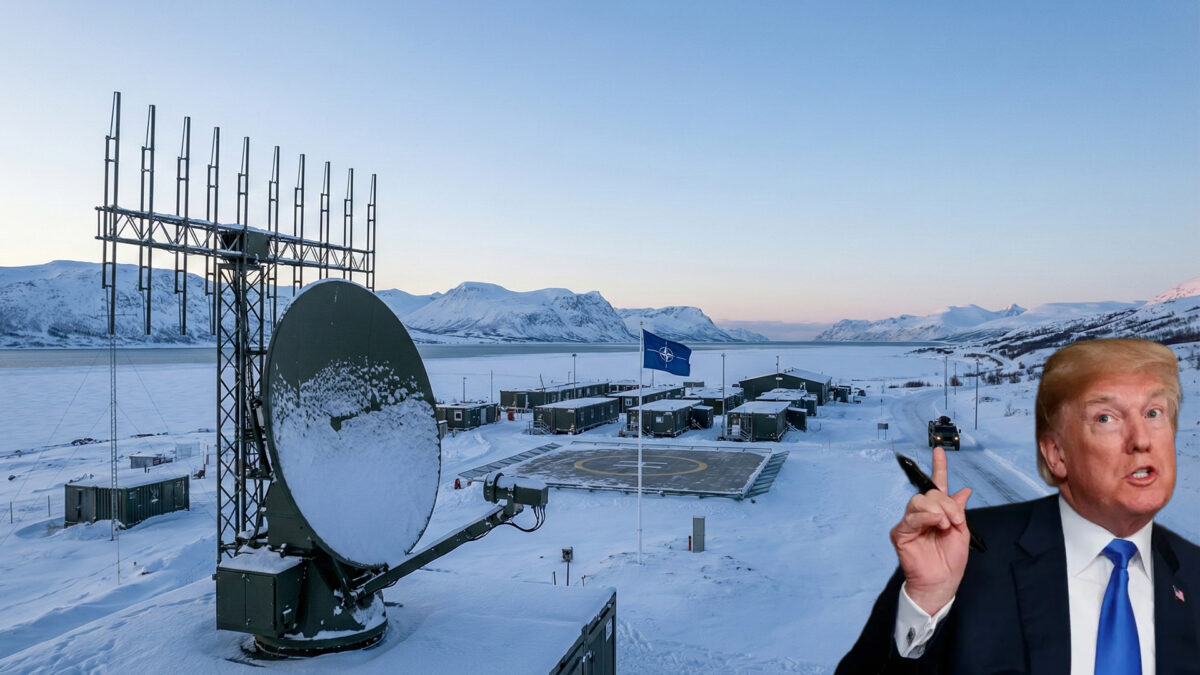
President Donald Trump announced on Wednesday that he is dropping planned tariffs on several European countries, following what he described as reaching a “framework of a future deal” with NATO on Greenland and Arctic security. Trump made the announcement at the World Economic Forum in Davos, Switzerland, where he has been attending discussions with world leaders.

Trump said the framework, agreed with NATO Secretary-General Mark Rutte, establishes a plan for cooperation on Arctic security and makes the previously threatened tariffs unnecessary. He framed the agreement as a major achievement for the US, describing it as a “very productive meeting” that could benefit both the US and its NATO allies.

Earlier, Trump had threatened tariffs on eight European countries to pressure them into accepting US influence over Greenland, a semi-autonomous territory of Denmark. While his earlier comments included unusual suggestions about acquiring Greenland, he emphasized in Davos that the US would not use military force and that the framework is focused on security cooperation, not sovereignty.

The announcement had a positive effect on global markets, with US stock indices rising after news of the tariff cancellation. Analysts said it eased fears of a trade confrontation between the US and European nations.

However, Denmark’s leadership rejected Trump’s interpretation of the agreement. Danish Prime Minister Mette Frederiksen stated that Greenland’s sovereignty is not negotiable and that any cooperation with the US would strictly focus on security in the Arctic. Greenland’s government also reinforced that the island is not for sale, reflecting long-standing European concerns over Trump’s earlier remarks.

Also Read: Coursera cofounder urges India to boost AI skills

Categories
Beyond

Gold trades at ₹1.56 lakh, silver strengthens by ₹100

Gold and silver prices in India posted marginal gains on Thursday, reflecting cautious buying interest amid mixed signals from global markets. According to market data, gold prices increased by ₹10 per 10 grams, while silver prices rose by ₹100 per kilogram in early trade.

In the domestic bullion market, 24-carat gold was priced at ₹1,56,610 per 10 grams. The yellow metal traded at the same level in major cities such as Mumbai and Kolkata. In Delhi, gold was slightly higher at ₹1,56,760 per 10 grams, while Chennai saw prices at ₹1,57,270. The small uptick indicates a stable trend, with prices holding near record-high levels seen in recent weeks.

Prices of 22-carat gold also moved up marginally. The metal was quoted at ₹1,43,560 per 10 grams in Mumbai, Kolkata, Bengaluru and Hyderabad. In Delhi, the 22-carat gold rate stood at ₹1,43,710, while Chennai recorded a slightly higher price of ₹1,44,160 per 10 grams. Jewellers noted that retail demand remains selective, as elevated prices have kept many buyers cautious.

Silver prices, meanwhile, continued to stay firm. The white metal was trading at ₹3,30,100 per kilogram in Delhi, Mumbai and Kolkata, marking a ₹100 increase from the previous session. Chennai continued to quote silver at a premium, with prices at ₹3,45,100 per kilogram, reflecting higher local demand and logistics costs.

Market experts said domestic bullion prices are being influenced by a combination of international trends, currency movements and investor sentiment. Globally, gold and silver prices have shown some softness due to a stronger US dollar and reduced immediate geopolitical concerns. However, ongoing economic uncertainty and expectations around interest rate decisions have helped limit sharp declines.

Silver, in particular, has seen strong interest in recent months, supported by both investment demand and its growing use in industrial applications such as electronics and renewable energy. Gold, traditionally seen as a safe-haven asset, continues to attract investors looking to hedge against inflation and market volatility.

Also Read: Sensex jumps 300 points, Nifty reclaims 25,250

Categories
Beyond

India exports first guided Pinaka rockets abroad

India has taken a significant step in expanding its defence exports with the flagging off of the first batch of guided Pinaka rockets from Nagpur, Maharashtra, by Defence Minister Rajnath Singh. The export marks a major milestone for India’s defence manufacturing sector, highlighting the country’s growing footprint in the global defence market.

The shipment is part of a Rs 2,000 crore contract signed in September 2022 with Armenia, which will receive four batteries of the Pinaka multi-barrel rocket launcher system, along with ammunition and support equipment. This is the first international sale of the guided variant, which offers improved accuracy and extended strike range, positioning India as a competitive player in advanced missile systems.

Developed by the Defence Research and Development Organisation (DRDO) and produced in collaboration with Solar Defence & Aerospace Limited (SDAL), the Pinaka system incorporates advanced navigation and guidance technology, enhancing battlefield precision. Analysts note that the system’s performance has drawn interest from multiple global markets, reflecting growing confidence in India’s defence manufacturing capabilities.

Earlier deliveries of unguided and extended-range variants to Armenia were completed by late 2024. The current guided variant export strengthens India’s strategic partnership with Armenia and demonstrates the country’s ability to deliver high-technology systems internationally.

Rajnath Singh emphasised at the flag-off event that India is transitioning from a defence importer to a reliable global exporter, leveraging domestic manufacturing and innovation. The event also highlights increasing private sector participation, a key government focus under the Atmanirbhar Bharat initiative to boost defence exports and self-reliance.

The launch of guided Pinaka rockets underlines India’s emerging role as a strategic defence supplier, supporting both its economic and geopolitical objectives while boosting investor confidence in the country’s defence manufacturing sector.

Also Read: S4Capital chief praises India at WEF 2026, Davos