Categories
Corporate

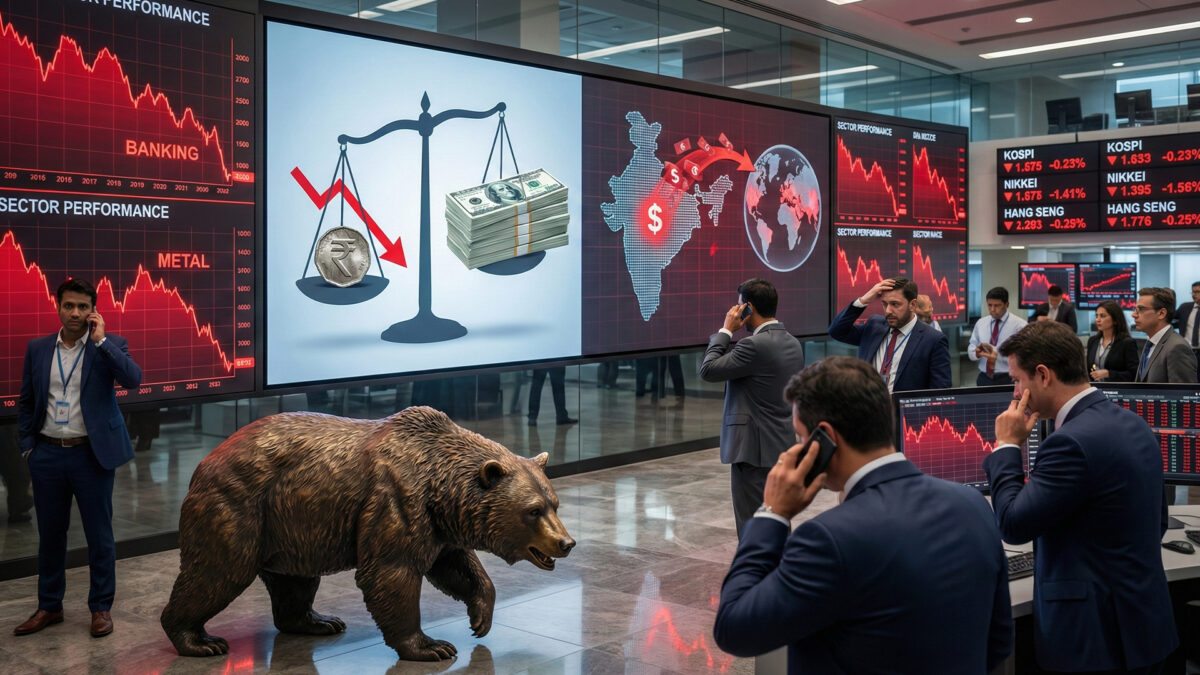
Sensex slips 376 points, Nifty below 26,200

Equity markets ended lower with the Sensex fell 376 points, while the Nifty closed below the 26,200 level, as selling pressure emerged in heavyweight stocks despite positive global cues.

Markets opened on a firm note, supported by higher GIFT Nifty, gains in Asian markets, and a strong overnight close on Wall Street. However, profit-booking at higher levels and weak domestic sentiment dragged indices into negative territory by the afternoon.

On the sectoral front, pharma and select banking stocks outperformed. Apollo Hospitals, Sun Pharma, ICICI Bank, HDFC Life, and Tata Consumer Products were among the key gainers, helping limit the overall downside.

In contrast, heavy selling was seen in frontline stocks such as Reliance Industries, ITC, Kotak Mahindra Bank, and InterGlobe Aviation, which emerged as major drags on the benchmarks. Sectors including capital goods, infrastructure, oil and gas, and media declined 1–2 percent.

The broader market also remained under pressure, with midcap and smallcap indices closing lower, indicating widespread selling.

Market experts said cautious investor sentiment and profit-taking outweighed supportive global cues. Investors are expected to track global developments, upcoming economic data, and earnings for further direction in the near term.

Also Read: Nvidia launches Alpamayo AI to boost self-driving cars

Categories
Corporate

AMD unveils new AI, PC chips at CES, Las Vegas

Advanced Micro Devices (AMD) has announced a new range of chips for artificial intelligence, data centres and personal computers at the Consumer Electronics Show (CES) 2026 in Las Vegas, outlining an aggressive roadmap to strengthen its position in the fast-growing AI market.

At the centre of the announcement was the MI455 AI accelerator, part of AMD’s Instinct GPU portfolio, designed for large-scale data-centre and high-performance computing workloads. The chip will be deployed in advanced AI computing racks and is already being supplied to key customers, including OpenAI. AMD also introduced the MI440X, a version aimed at enterprise clients that want to run AI workloads within their own data centres rather than relying on cloud-scale infrastructure.

AMD chief executive Lisa Su also previewed the upcoming MI500 series, expected to launch in 2027. According to the company, these future accelerators are being designed to deliver up to 1,000-fold performance gains over earlier generations, highlighting AMD’s long-term push to compete more strongly in AI hardware.

For personal computers, AMD expanded its AI-focused offerings with the launch of the Ryzen AI 400 Series processors. These chips include built-in neural processing units (NPUs) that allow laptops and desktops to run AI tasks locally, such as real-time translation, image generation and productivity tools. The processors support Microsoft’s Copilot+ PC platform and will be used across consumer and commercial devices.

The company also showcased Ryzen AI Max+ chips for thin-and-light systems, aimed at users who need strong graphics performance alongside on-device AI capabilities. In addition, AMD announced the Ryzen AI Halo mini-PC platform, targeted at developers working on AI models and applications, offering high memory capacity and local AI compute power.

In the gaming segment, AMD unveiled the Ryzen 7 9850X3D processor, built on its Zen 5 architecture with enhanced cache technology to deliver improved gaming performance.

With partners expected to begin shipping systems based on the new chips in 2026, AMD’s CES announcements underline its strategy to expand across AI infrastructure, enterprise computing and next-generation PCs, even as competition in the semiconductor industry continues to intensify.

Also Read: HDFC AMC launches ₹2500 crore credit fund

Categories
1 Minute-Read

Copper hits $13,000 after Chile mine strike

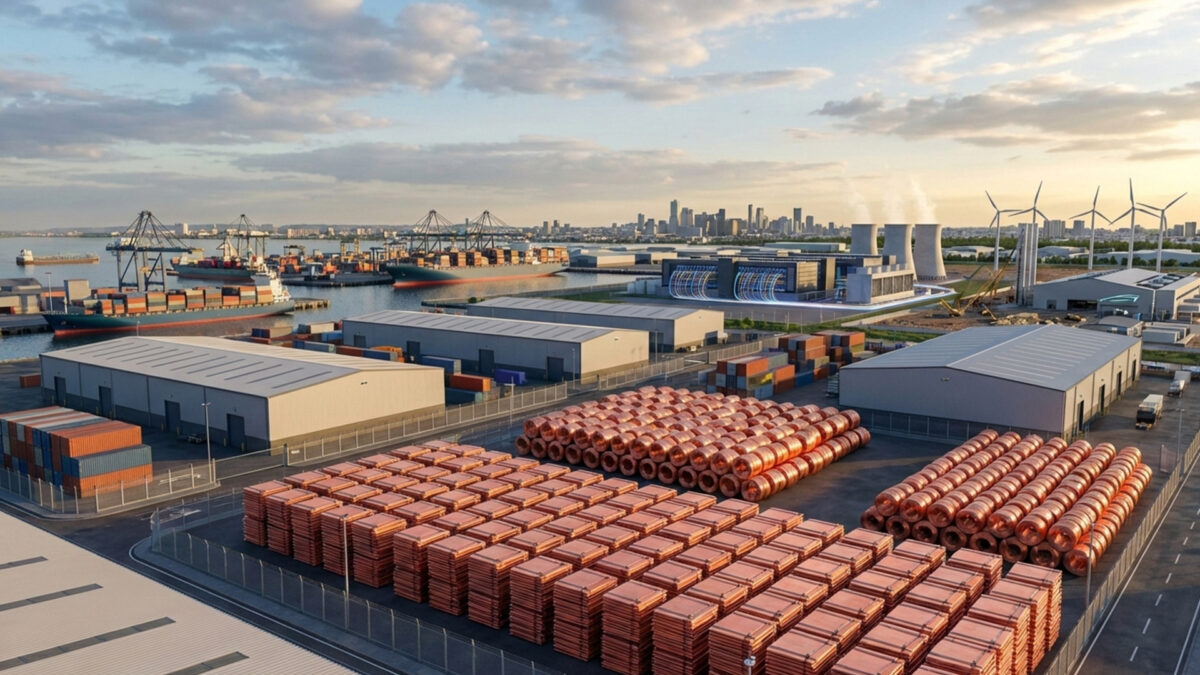
Global copper prices jumped to a record level of around $13,000 per ton following a strike at a major copper mine in Chile, the world’s top copper producer.

The work stoppage disrupted supply at a time when global inventories are already low, intensifying concerns over availability. Strong demand from construction, renewable energy, electric vehicles and power infrastructure has further supported prices.

Market analysts say fears of prolonged supply shortages are driving the rally, with any delay in mine operations likely to keep prices elevated.

The surge highlights growing pressure on industrial metal markets worldwide.

Categories
Corporate

Novo Nordisk introduces cheaper Wegovy pill In US

Novo Nordisk has introduced the first oral version of its weight‑loss drug Wegovy in the United States, starting January 5, 2026, offering patients a convenient alternative to injectable treatments. The launch comes at a time of rising demand for obesity therapies and is priced significantly lower than existing injectables, triggering a price war in the U.S. market.

The oral pill is available in 1.5 mg and 4 mg doses at $149 per month, with insurance coverage potentially reducing out-of-pocket costs to $25 monthly. Higher doses, including 9 mg and 25 mg, are priced at $299 per month, while the 4 mg dose will increase to $199 in April. This pricing undercuts both Novo Nordisk’s own injectable Wegovy, which can cost over $1,000 per month, and rival products from Eli Lilly, including the injectable Zepbound and the oral candidate orforglipron, expected at roughly $346 per month.

Clinical trials indicate that patients taking the oral Wegovy experienced an average 17% reduction in body weight over 64 weeks, similar to results achieved with injectables. Novo Nordisk hopes the oral form will appeal to patients reluctant to use injections while expanding its share of the growing U.S. obesity treatment market.

The launch boosted Novo Nordisk’s shares, reflecting investor confidence that the lower-cost pill could strengthen the company’s market position. Analysts expect the new option to prompt further price competition and improve patient access, potentially reshaping the landscape of obesity drug pricing in the United States.

With this launch, Novo Nordisk is set to redefine the U.S. weight-loss drug market, offering a more convenient and affordable option to patients and intensifying competition in a sector increasingly focused on accessibility, effectiveness, and affordability.

Regulatory reviews in other countries, including the United Kingdom, are underway, and the pill may become available internationally later in 2026. Experts note that the oral Wegovy could accelerate the adoption of GLP-1 treatments, making effective obesity therapies more widely accessible while encouraging innovation among pharmaceutical competitors.

Also Read: Trump team to meet oil firms on Venezuela plans

Categories
Beyond

Trump team to meet oil firms on Venezuela plans

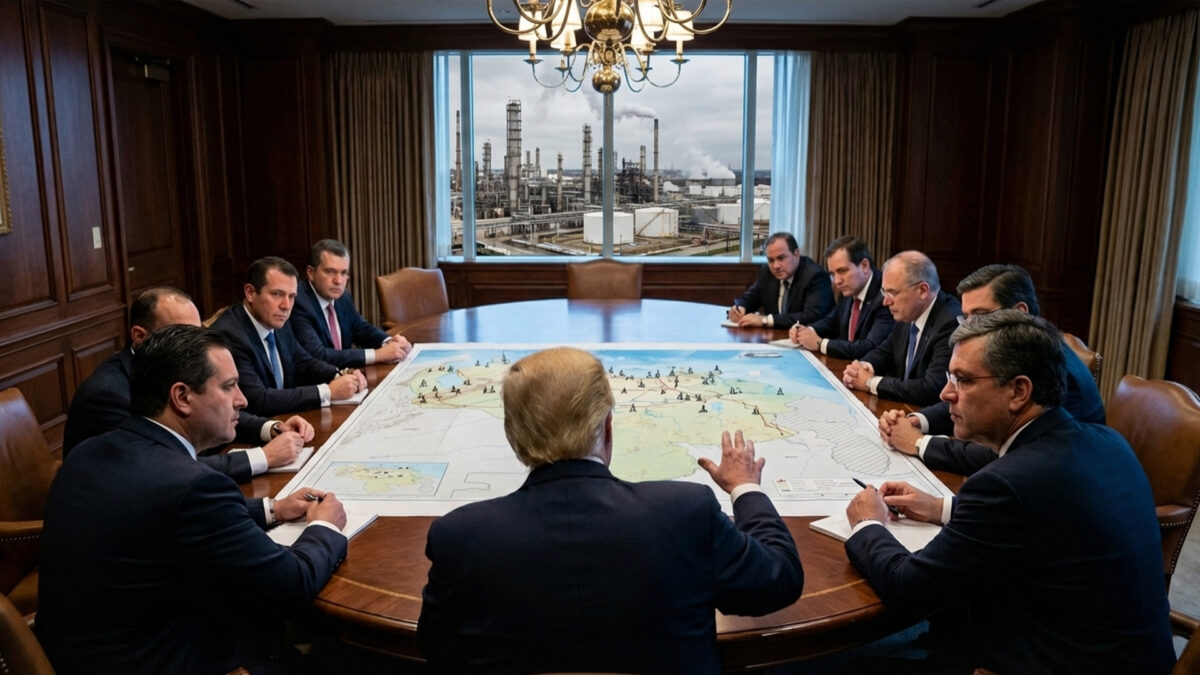
The Trump administration is holding meetings with leading US oil companies to discuss re‑entry into Venezuela’s oil sector following the capture of President Nicolás Maduro Officials aim to explore how American energy firms could help revive and expand Venezuelan crude production, which has declined sharply over the past two decades.

Executives from Exxon Mobil, Chevron and ConocoPhillips say they have not yet been approached, contradicting President Trump’s earlier claim that consultations were already complete The upcoming talks are seen as the first serious discussions between the administration and industry regarding Venezuela.

Venezuela has some of the world’s largest proven oil reserves and its heavy crude matches US refinery requirements However infrastructure is degraded and legal and political uncertainties make investment risky Chevron is currently the only US oil major operating under a special licence while Exxon and Conoco pursue restitution claims.

Analysts warn that even if US firms return, boosting production will take years and require massive investment The administration is reportedly aiming to fast-track discussions and provide incentives to encourage participation.

It is unclear which executives will attend or whether companies will negotiate collectively or individually Antitrust concerns may limit joint discussions Market observers say the move could eventually increase Venezuelan output but immediate impact on global oil prices is likely limited.

The meetings reflect a strategic push by the Trump administration to align US energy interests with foreign policy objectives leveraging private investment to stabilize and expand Venezuela’s oil sector Analysts say progress will depend on legal clarity, infrastructure repair and political stability.

Also Read: Rupee gains 18 paise to 90.12 as dollar eases

Categories
Beyond

Rupee gains 18 paise to 90.12 as dollar eases

The Indian rupee advanced in early trade on Tuesday, strengthening by 18 paise to 90.12 against the US dollar, reversing part of its recent losses. The recovery came after four consecutive sessions of decline, during which the currency had weakened amid strong dollar demand and cautious global sentiment.

The rupee had closed the previous session near 90.30, weighed down by sustained pressure from importer dollar buying, foreign fund outflows, and elevated crude oil prices. On Tuesday, however, the local unit opened on a firmer footing as some of the dollar demand eased at higher levels, leading to short-covering by market participants.

Support also came from marginal weakness in the US dollar. The dollar index was trading slightly lower in the 103–104 range in early Asian trade, providing relief to emerging market currencies, including the rupee. Exporter selling of dollars further aided the rupee’s recovery during the morning session.

Crude oil prices remained a key overhang. Brent crude was trading close to $78–80 per barrel, a level that continues to pose risks for India’s external balances, given the country’s heavy dependence on oil imports. Elevated oil prices typically exert pressure on the rupee by increasing the import bill and widening the current account deficit.

Market participants noted that recent foreign institutional investor (FII) outflows from domestic equities had contributed to the rupee’s weakness over the past week. Volatility in equity markets and uncertainty over global growth and interest rate trajectories have kept foreign investors cautious.

Despite the day’s gains, analysts said the rupee’s outlook remains guarded. Movements in the dollar, trends in crude oil prices, and expectations around US monetary policy are expected to remain the key drivers of currency markets in the near term. Any sharp strengthening of the dollar or spike in oil prices could limit further appreciation in the rupee.

The Reserve Bank of India (RBI) is expected to continue closely monitoring currency movements. While the central bank has been intervening periodically to manage excessive volatility, it has largely allowed the rupee to move in line with broader market dynamics.

Going ahead, dealers expect the rupee to trade within a range of 90.00 to 90.40 in the near term, with gains capped by external pressures and support coming from intermittent dollar selling and possible RBI intervention.

Also Read: Gold inches up ₹1.38 lakh, Silver trades at ₹2.48 lakh

Categories
Beyond

Gold inches up ₹1.38 lakh, Silver trades at ₹2.48 lakh

Gold and silver prices moved up slightly in early trade on Tuesday, reflecting steady demand for precious metals amid global uncertainty.

According to market data, the price of 24-carat gold increased by ₹10 to ₹1,38,230 per 10 grams. Prices were largely similar across major cities. In Mumbai and Kolkata, gold traded at ₹1,38,230, while Delhi saw slightly higher levels at around ₹1,38,380. In Chennai, prices were higher than other metros at about ₹1,39,210 per 10 grams.

The price of 22-carat gold also rose by ₹10. Ten grams of 22-carat gold were priced at around ₹1,26,710 in most cities, while Chennai again recorded marginally higher rates.

Silver prices showed a bigger jump in absolute terms. The price of silver increased by ₹100, taking the rate to ₹2,48,100 per kilogram in Delhi, Mumbai and Kolkata. In Chennai, silver continued to trade at a premium, with prices touching nearly ₹2,66,100 per kilogram.

Market experts say the rise in gold and silver prices is linked to ongoing global tensions and economic uncertainty. Investors often turn to precious metals like gold and silver during uncertain times, as they are seen as safe investment options. Recent international developments and concerns over geopolitical risks have kept demand for these metals strong.

Globally, gold prices have been firm, supported by safe-haven buying and expectations around interest rates in major economies. These global trends are reflected in domestic bullion prices in India as well.

Despite the small daily increase, gold and silver prices remain near high levels. Over the past year, both metals have given strong returns, attracting interest from investors as well as those looking to protect their savings from market volatility.

For jewellery buyers, the elevated prices mean higher costs, while investors are advised to keep an eye on global cues and currency movements, as precious metal prices tend to react quickly to international developments.

Also Read: Sensex slips 100+ points, Nifty dips below 26,250

Categories
Corporate

Sensex slips 100+ points, Nifty dips below 26,250

The equity markets opened on a weak note on Tuesday, with benchmark indices slipping into the red amid selling pressure in banking, IT, and select heavyweight stocks. The BSE Sensex fell by over 200 points in early trade, while the NSE Nifty 50 slipped below the 26,250 mark, reflecting cautious investor sentiment.

Markets had a mixed start despite positive signals from GIFT Nifty, but gains were short-lived as profit booking emerged soon after the opening bell. Heavyweight stocks such as HDFC Bank and Reliance Industries were among the top drags on the indices. HDFC Bank shares declined sharply for the second straight session, weighing heavily on the banking pack. Investors remained cautious despite the bank reporting steady advances growth, as concerns persisted around deposit mobilisation and margin outlook.

Other banking and financial stocks also traded lower, pulling the Bank Nifty into negative territory. IT stocks saw mild selling as traders adopted a wait-and-watch approach ahead of upcoming quarterly earnings announcements. Capital goods and auto stocks also faced pressure, adding to the overall weakness in the broader market.

On the sectoral front, most NSE indices were trading in the red. FMCG and metal stocks showed limited movement, while pharma shares were mixed. Torrent Pharma shares were in focus, while IndusInd Bank also witnessed volatility during the session.

Some pockets of strength were visible, with select private lenders and non-banking finance companies managing modest gains on the back of stock-specific triggers and positive business updates. However, these gains were insufficient to offset losses in index heavyweights.

Global cues were mixed, with Asian markets trading cautiously amid ongoing geopolitical concerns and uncertainty around global interest rate trajectories. Investors also remained alert to developments in the US markets and movements in commodity prices, which continued to show volatility.

In the currency market, the Indian rupee traded with a slight positive bias against the US dollar in early trade, offering limited support to sentiment. However, this did little to lift equity markets as domestic factors dominated trading.

Also Read: India opens first AI clinic in Greater Noida

Categories
Corporate

Sensex falls over 320 points, Nifty closes below 26,300

The BSE Sensex fell 322 points to close at 85,440, while the Nifty 50 slipped below the 26,300 mark to end at 26,250. Markets closed lower after a volatile session, as early gains fizzled out due to profit-booking in heavyweight stocks.

Markets opened on a firm note, tracking positive cues from Asian peers and strong indications from GIFT Nifty. The Nifty even touched a fresh intraday high of around 26,370 in early trade. However, selling pressure soon emerged in banking and IT stocks, pulling the benchmarks into the red by afternoon.

HDFC Bank, Infosys, HCL Technologies, Wipro and ONGC were among the top losers, weighing heavily on the indices. Weakness in large private banks and continued caution in IT stocks amid global uncertainty dented investor sentiment.

On the other hand, selective buying supported a few pockets of the market. Nestle India, Bharat Electronics, Eicher Motors, Asian Paints and Tata Steel ended the session higher, offering limited support to the broader market.

Sectorally, IT, oil & gas and telecom indices underperformed, while realty, consumer durables, metals and FMCG stocks showed relative resilience. Mid-cap and small-cap stocks also saw mild selling, reflecting a cautious undertone.

Also Read: Sensex up 50 pts, Nifty holds above 26,350 in early trade

Categories
Corporate

ONGC may get $500 million from Venezuela

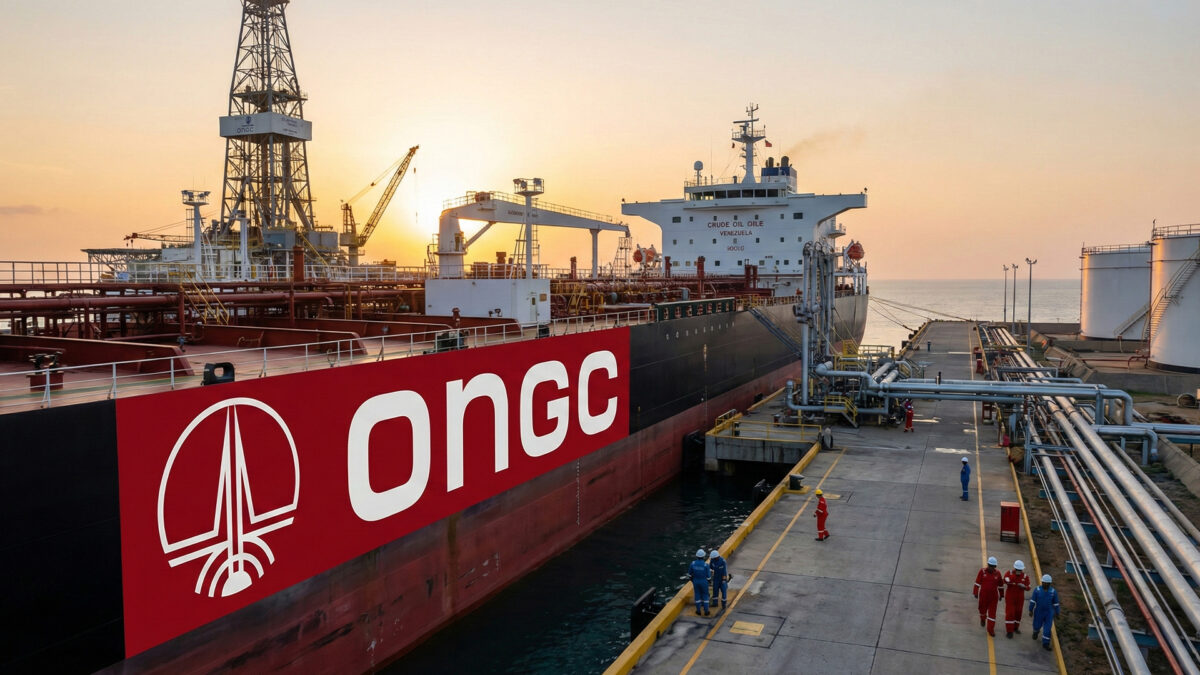
State-run Oil and Natural Gas Corporation (ONGC) could receive around $500 million (about ₹4,100 crore) in long-pending dividends from its investments in Venezuela if the United States eases sanctions on Venezuelan oil, according to market analysts.

The unpaid amount is linked to ONGC’s overseas arm, ONGC Videsh Ltd (OVL), which holds a 40 per cent stake in the San Cristobal oil project in Venezuela. Although the oilfield has generated profits in the past, US sanctions imposed on Venezuela prevented the transfer of dividends to foreign partners, including ONGC.

Brokerage firm Jefferies said that a possible U.S.-led restructuring of Venezuela’s oil sector, along with changes in sanctions policy, could allow these blocked funds to be released. If this happens, ONGC would be able to recover the long-stuck dividends, improving its cash position.

Apart from San Cristobal, ONGC Videsh also owns an 11 per cent stake in the Carabobo oil block in Venezuela. This project has remained largely stalled due to funding issues, sanctions, and operational challenges. Any easing of restrictions could revive investment activity in this asset as well.

Analysts say the potential dividend recovery is not yet factored into ONGC’s stock price, making it an upside trigger for investors. However, they caution that the outcome depends heavily on geopolitical developments and US policy decisions, which remain uncertain.

ONGC has maintained strong financial performance in recent quarters, supported by steady crude oil production and stable energy prices. The possible recovery of Venezuelan dues would add further strength to its balance sheet.

While Venezuela’s oil output is currently limited, even a partial easing of sanctions could benefit global energy companies with legacy investments in the country. For ONGC, unlocking these funds would mark a significant recovery of long-delayed overseas earnings.

Also Read: Bharat Coking Coal IPO price set at ₹21–₹23