Categories
Beyond

Rupee slides 1% to 91.6 per dollar

The Indian rupee fell sharply to a record low of 91.74 against the US dollar, before recovering slightly to 91.62 on January 22, 2026, highlighting ongoing volatility in the currency market. This marks a roughly 1% decline in a single session, underscoring sustained pressure on India’s external sector.

The fall is driven by strong demand for dollars, elevated crude oil prices, and continued foreign fund outflows from Indian equities. Geopolitical tensions and global trade uncertainties have also added to investor caution, weakening risk appetite for emerging markets like India. While a partial recovery occurred after positive international cues, analysts warn that the rupee remains vulnerable to renewed external shocks.

A depreciating rupee has immediate economic consequences. Importers face higher costs for crude oil, electronic goods, and other essential commodities, which could feed into inflation. Industries relying on imported raw materials will see rising input costs, potentially reducing margins or raising prices for consumers. Dollar-denominated payments, including overseas education, travel, and debt servicing, also become more expensive, squeezing household and corporate budgets.

The Reserve Bank of India may need to consider intervention strategies if the rupee’s slide persists, as prolonged weakness could impact foreign investment inflows, inflation targets, and broader economic growth. Businesses and consumers alike are expected to feel the impact as import costs rise and pricing pressures intensify across sectors.

Despite the slight intra-day recovery, market watchers caution that the rupee could remain under stress due to structural trade deficits and persistent capital outflows. The current scenario reinforces the interconnectedness of global and domestic economic factors, emphasizing the need for prudent fiscal and monetary management.
Also Read: India weighs joining Trump’s Gaza peace board

Categories
1 Minute-Read

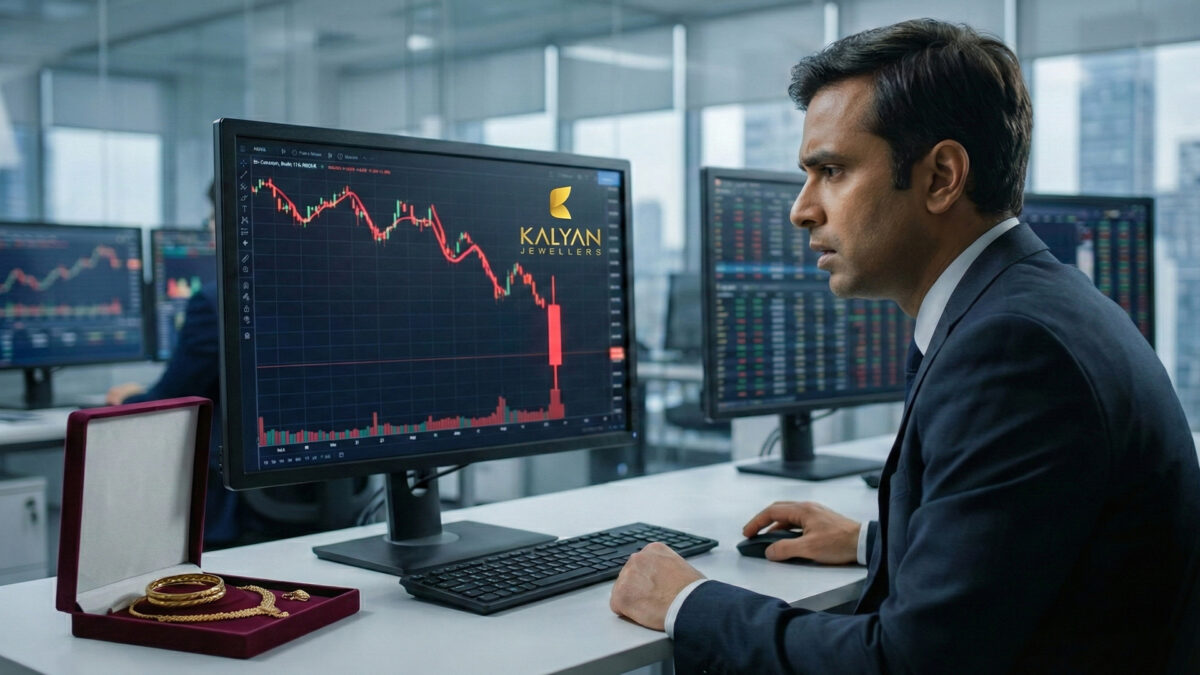
Kalyan Jewellers shares fall 25%

Kalyan Jewellers’ shares have plunged around 25% over the past nine trading sessions, hitting a 52-week low of about ₹390 on January 21 after a nearly 14% fall.

The sharp decline comes amid heavy selling pressure and market weakness, with no major change in the company’s fundamentals. Fluctuating gold prices are also adding to investor caution.

Analysts say the upcoming December quarter results, due on February 6, will be closely watched. While short-term trading looks weak, brokers see potential for long-term recovery if market conditions stabilize.

Categories
Corporate

Sensex jumps 300 points, Nifty reclaims 25,250

Indian equity markets staged a strong rebound on Thursday, where BSE Sensex advanced more than 300 points, while the Nifty 50 moved above the 25,250 level, offering relief to investors after recent volatility.

The recovery was driven by improved global sentiment following signs of easing geopolitical tensions and a pullback in trade-related concerns. Asian markets traded higher, tracking overnight gains on Wall Street, which helped lift risk appetite across emerging markets, including India.

On the domestic front, buying interest was seen across sectors, supported by selective corporate earnings and stock-specific triggers. Eternal emerged as one of the top gainers, rising sharply after reporting strong quarterly results. Mahindra & Mahindra and Adani Ports also traded higher, gaining around 2 per cent each on firm demand and positive sector outlook. Energy and aviation stocks, including Waaree Energies and InterGlobe Aviation (IndiGo), also attracted investor interest.

However, gains were capped by weakness in select banking and consumer stocks. ICICI Bank slipped amid profit-booking after recent gains, while retail-focused stock Trent also traded lower. Other defensive names saw mixed movement as investors remained cautious despite the broader rebound.

Market participants described the session as a relief rally following sharp losses earlier in the week, noting that investors continued to remain selective. Analysts said the sustainability of the rebound would depend on continued stability in global markets, progress on corporate earnings and upcoming macroeconomic cues.

Also Read: Deepinder Goyal steps down as Eternal CEO

Categories
Leaders

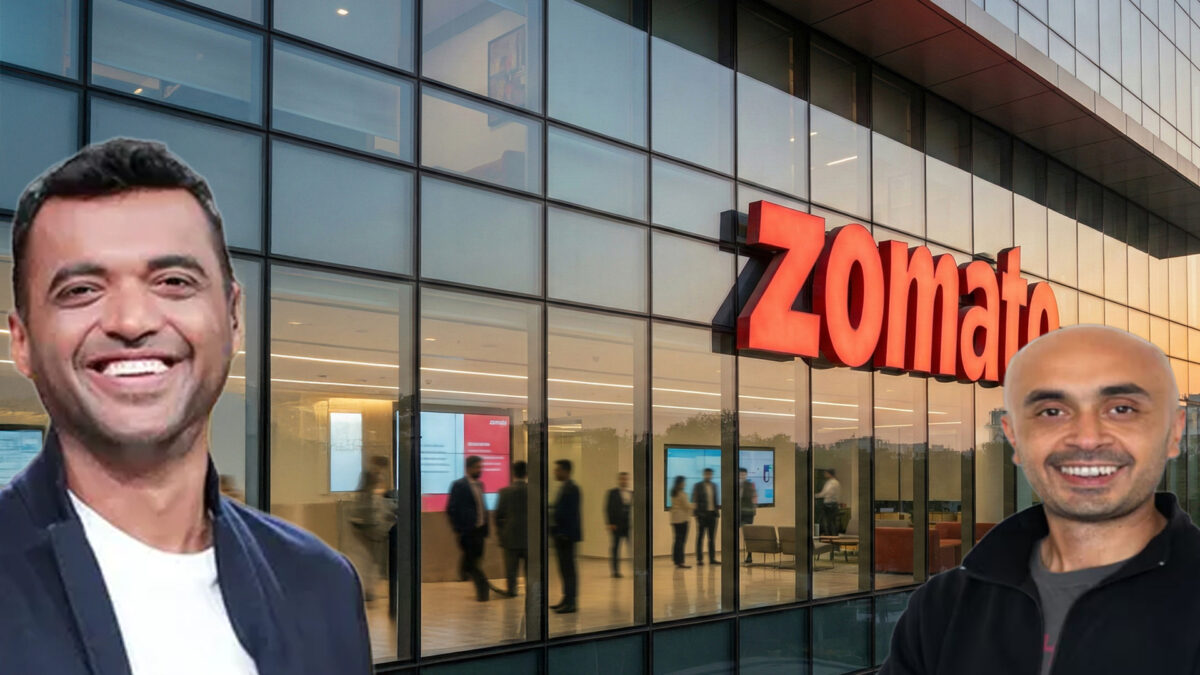
Deepinder Goyal steps down as Eternal CEO

Deepinder Goyal, founder and Chief Executive Officer of Eternal Limited, has announced his decision to step down as CEO with effect from February 1, 2026. The company’s board has approved the appointment of Albinder Dhindsa, currently CEO of quick-commerce platform Blinkit, as his successor.

Goyal will continue to remain associated with Eternal in a strategic capacity and is set to take on the role of Vice Chairman and Director, subject to shareholder approval. In this role, he will focus on long-term vision, governance and new initiatives, while moving away from daily operational responsibilities.

In his communication to stakeholders, Goyal said the decision was driven by his desire to explore new ideas and undertake higher-risk experimentation that is difficult to pursue while running a large, listed company. He added that separating operational leadership from strategic oversight would help Eternal maintain sharper execution as it scales its businesses.

Eternal is the parent company of Zomato and Blinkit and has been expanding its footprint across food delivery and quick commerce. The leadership change comes at a time when the company has reported strong financial performance, with steady growth in revenues and profitability in recent quarters, supported by improved efficiencies and rising demand across its platforms.

Albinder Dhindsa’s elevation is seen as a move towards leadership continuity. Since joining the group, Dhindsa has played a key role in building Blinkit into a major quick-commerce player following its acquisition. As Group CEO, he will oversee day-to-day operations, execution of business strategies, and coordination across Eternal’s various verticals.

Also Read: Adani Group unveils $66 billion Maharashtra plan at WEF

Categories
Corporate

Adani Group unveils $66 billion Maharashtra plan at WEF

The Adani Group has announced a USD 66 billion investment pipeline for Maharashtra, underscoring its long-term bet on India’s infrastructure-led growth and energy transition. The plan was presented at the 56th World Economic Forum (WEF) annual meeting in Davos, positioning the conglomerate as a strategic partner in the state’s next phase of economic expansion.

The proposed investments, to be deployed over the next seven to ten years, span aviation, urban infrastructure, clean energy, digital platforms and advanced manufacturing. The Group said the portfolio reflects a shift from standalone asset creation to building integrated, future-ready ecosystems aligned with national priorities such as manufacturing self-reliance, sustainability and ease of doing business.

Urban transformation projects form a significant part of the plan. A flagship initiative is the redevelopment of Dharavi, one of India’s most complex urban renewal exercises. The project aims to convert Asia’s largest informal settlement into a planned, economically productive urban district, with modern housing, infrastructure and commercial activity.

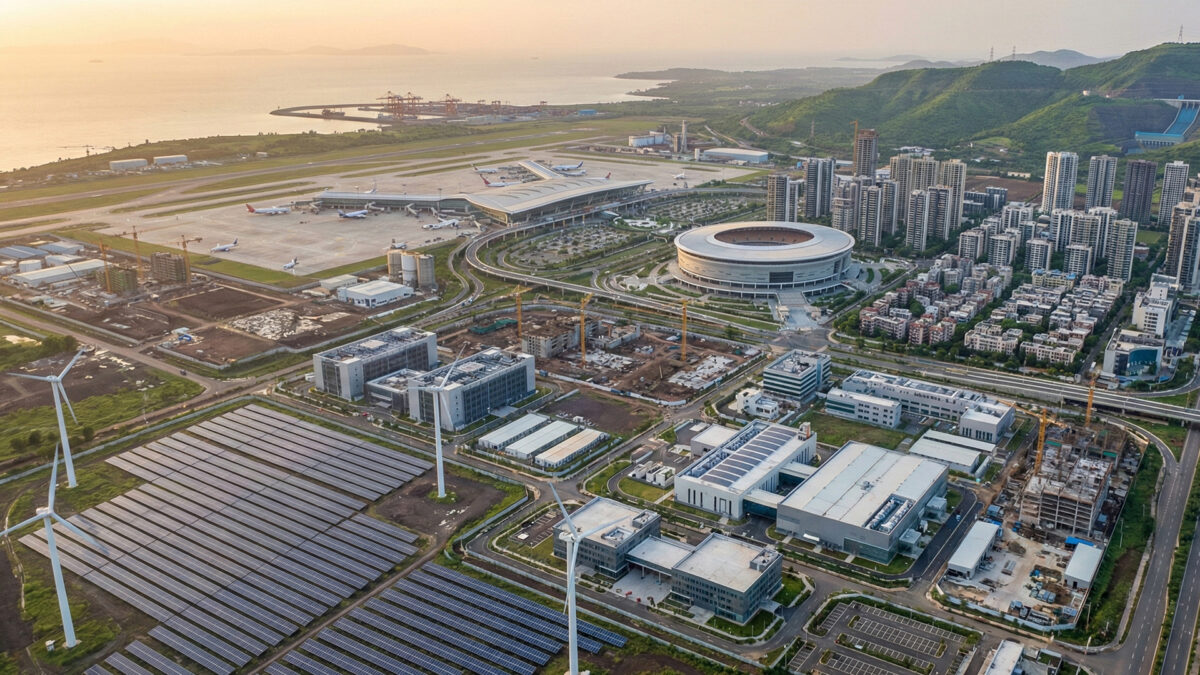
Another key growth driver is Navi Mumbai, anchored by the Navi Mumbai International Airport (NMIA). One of India’s largest greenfield airport projects, NMIA commenced operations on December 25 and is expected to significantly expand aviation capacity in the Mumbai metropolitan region. The airport is also seen as a catalyst for allied sectors such as logistics, hospitality, real estate and commercial development.

Beyond transport and urban infrastructure, the investment roadmap includes green, integrated data centre parks with a combined capacity of 3,000 MW, an integrated arena district near the airport, coal gasification facilities, and pumped-storage hydropower projects totalling 8,700 MW. The Group has also proposed semiconductor and display fabrication units, in line with the government’s evolving framework to attract private investment into high-tech manufacturing.

Maharashtra Chief Minister Devendra Fadnavis said the state welcomes all investors who contribute to job creation and economic growth. Pranav Adani, Director of Adani Enterprises, highlighted the scale and sectoral diversity of the planned investments, noting the Group’s increasing focus on scale, integration and sustainability.

Also Read: Amazon launches new Echo Show 11, Echo Show 8

Categories
Corporate

Sensex drops 271 points, Nifty slips below 25,200

Indian equity markets closed in the red on Wednesday as cautious investor sentiment and sustained selling pressure weighed on benchmark indices. The BSE Sensex declined by 271 points, while the NSE Nifty50 slipped below the 25,200 level, reflecting weak momentum across large parts of the market.

Trading was volatile throughout the session. The benchmarks opened sharply lower, with the Sensex plunging over 1,000 points at one stage and the Nifty briefly falling below the 25,000 mark. Some recovery was seen later in the day as bargain hunting emerged at lower levels, helping indices pare losses, but the rebound lacked strength and markets eventually ended lower.

Despite the overall weakness, a few stocks managed to buck the trend. Eternal Ltd, InterGlobe Aviation, and UltraTech Cement were among the top gainers, supported by stock-specific buying and defensive interest. Power Grid Corporation and HDFC Life Insurance also closed higher, offering limited support to the benchmarks amid widespread selling.

On the flip side, heavyweights dragged the indices down. ICICI Bank emerged as a key loser, reflecting pressure in banking stocks. Trent Ltd and Bharat Electronics Ltd also declined, contributing to losses in the consumer and defence segments. Broader selling was visible across financials, industrials, and select technology stocks, keeping market sentiment subdued.

Global cues remained weak, adding to domestic concerns. Persistent foreign institutional investor (FII) outflows continued to weigh on equities, while a weaker rupee against the US dollar further dampened sentiment. Asian markets also traded lower, reinforcing the cautious tone on Dalal Street.

Sectorally, most indices ended in negative territory, with banking and capital goods underperforming. Defensive and infrastructure-linked stocks showed relative resilience, but this was not enough to offset broader losses. Mid-cap and small-cap stocks also faced pressure, underlining risk aversion among investors.

Market experts said volatility is likely to continue in the near term amid global uncertainties and ongoing earnings-related developments. Investors are advised to remain cautious, focus on fundamentally strong stocks, and avoid aggressive positions until clearer signals emerge.

Also Read: India exports first guided Pinaka rockets abroad

Categories
Corporate

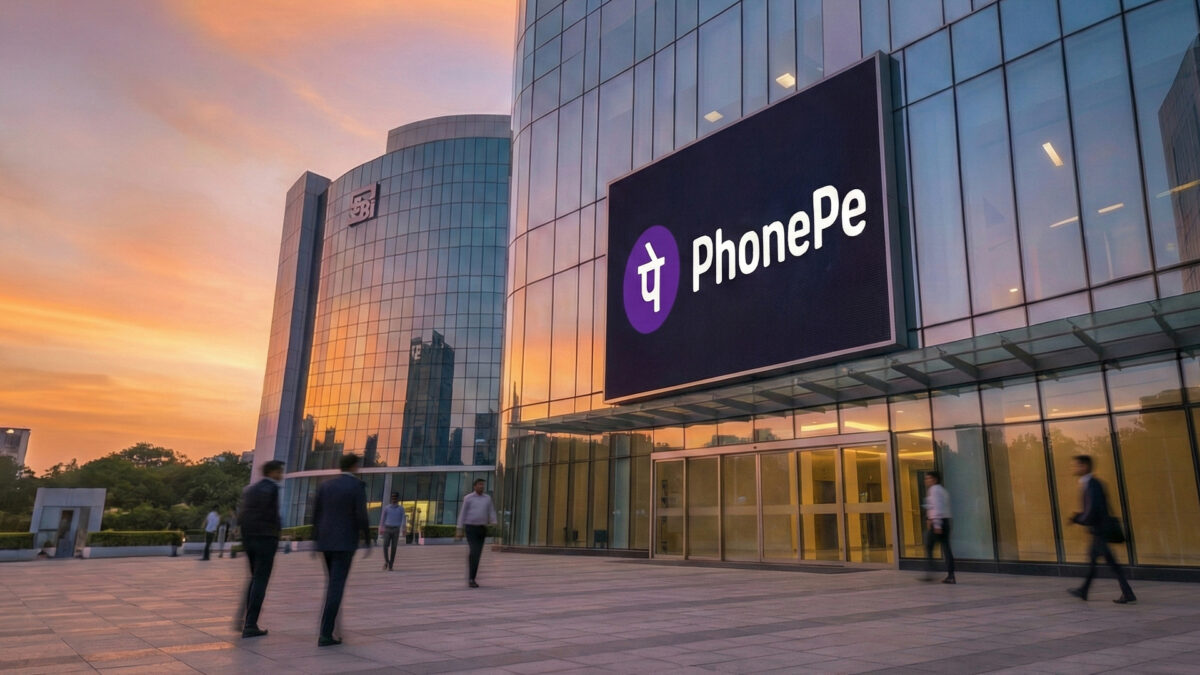
SEBI clears PhonePe IPO plan

Digital payments major PhonePe has taken a key step towards going public after receiving approval from the Securities and Exchange Board of India (SEBI) for its proposed initial public offering (IPO). The regulatory clearance clears the way for the Walmart-backed company to file an updated Draft Red Herring Prospectus (DRHP) in the coming weeks.

PhonePe had earlier submitted its IPO papers to SEBI through the confidential filing route, which allows companies to fine-tune their plans away from public scrutiny. With SEBI’s go-ahead now in place, the company is preparing to move to the next stage of the listing process.

According to people familiar with the matter, PhonePe’s IPO is expected to be structured largely as an Offer For Sale (OFS). This means existing shareholders, including its parent company Walmart and other early investors, are likely to sell part of their holdings. The proceeds from the issue would primarily go to these shareholders rather than into the company’s balance sheet.

Market estimates suggest the IPO could raise around ₹12,000 crore, potentially valuing PhonePe at close to $15 billion, higher than its previous private funding valuation. The final size and timing of the issue, however, will depend on market conditions and investor appetite.

The SEBI approval comes at a time when investor interest in profitable and large-scale digital businesses is gradually returning. A successful PhonePe listing could become one of the biggest fintech IPOs in India and may encourage other consumer internet companies to tap the public markets.

Founded in 2015, PhonePe has grown into one of India’s most widely used digital payments platforms. It is a market leader in UPI transactions, accounting for a large share of daily digital payments across the country. Beyond payments, the company has expanded into insurance distribution, mutual funds, lending, and wealth management, positioning itself as a broad financial services platform.

While no official listing date has been announced, industry watchers expect PhonePe to target a market debut later this year, subject to regulatory filings and stable market conditions.

Also Read: JioHotstar introduces monthly plans from Rs. 79

Categories
Beyond

India-EU on the verge of a game-changing deal

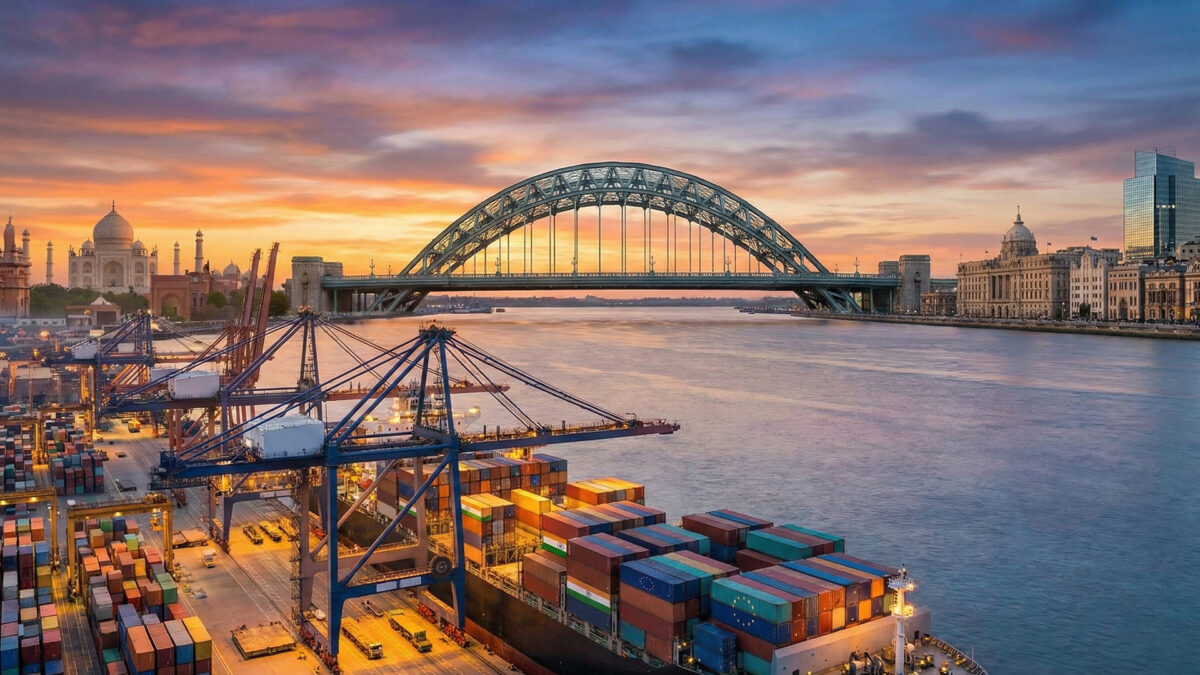
Negotiations between India and the European Union are moving steadily toward a landmark free trade agreement. Ursula von der Leyen, European Commission President, described the prospective pact as historic, with wide-reaching benefits for businesses, workers, and consumers in both regions.

The agreement would connect nearly 2 billion people and cover about a quarter of the world’s GDP. It is expected to make it easier for Indian companies to enter European markets while giving European businesses greater access to India’s growing economy. Key areas include clean technologies, digital services, healthcare, and sustainable manufacturing.

Von der Leyen is expected to visit New Delhi later this month to finalise talks ahead of the India-EU summit, where progress toward signing the deal is likely to be formally announced. Leaders emphasised that political momentum is strong, although challenges such as tariffs, regulatory differences, and sensitive sectors remain to be resolved.

The India-EU trade talks, which began in 2007 and were revived in 2022, aim to deepen economic cooperation and remove barriers in goods, services, and investment. Observers say a successful agreement would be a major boost for Indian exporters and European investors alike, strengthening the long-term partnership between the two regions.

Also Read: China’s economy grows 5% in 2025

Categories
Corporate

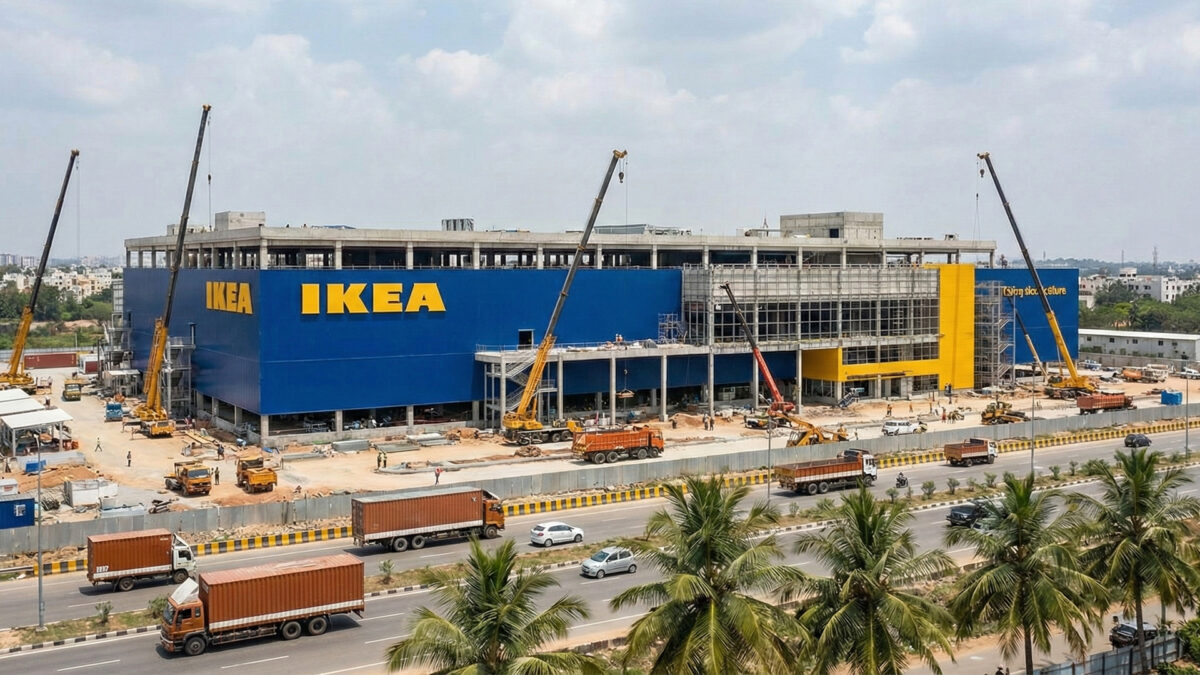
IKEA to invest $2.2 billion more in India

Swedish home furnishings major IKEA has announced plans to more than double its investment in India, committing around $2.2 billion (₹20,000 crore) over the next five years as it sharpens its focus on one of its fastest-growing markets.

The company, which entered India in 2018 with its first store in Hyderabad, currently operates six stores across cities such as Mumbai, Bengaluru and Hyderabad. As part of its expansion strategy, IKEA plans to open up to 30 stores in the country in the coming years, significantly increasing its physical retail presence.

IKEA India CEO Patrik Antoni said India is expected to become a key growth driver for the group globally. While India still contributes a small share to IKEA’s overall revenues, rising urbanisation, a growing middle class and increasing demand for affordable home solutions make the market attractive in the long term.

Alongside store expansion, IKEA is placing strong emphasis on e-commerce. In a first for the company globally, IKEA plans to launch online sales in some Indian cities before opening physical stores. This approach will allow the brand to reach customers in cities where it does not yet have stores, including places like Chennai and Coimbatore.

IKEA’s India sales grew by about 6 per cent in the year ended August 2025, touching nearly ₹1,861 crore. The company aims to quadruple its India revenues as investments in stores, logistics and digital platforms begin to show results.

The new investment will also support IKEA’s sourcing operations. India is already an important supplier for the group, and IKEA plans to increase its exports from India to around €800 million in the coming years. This move will strengthen India’s role as a global manufacturing and sourcing hub for the company.

IKEA’s expansion plans reflect a broader trend of multinational companies deepening their presence in India by combining physical retail, digital platforms and local manufacturing. For IKEA, the renewed investment underlines its long-term confidence in the Indian consumer and the country’s growth story.

Also Read: Adani Power’s Vidarbha takeover gets final nod

Categories
1 Minute-Read

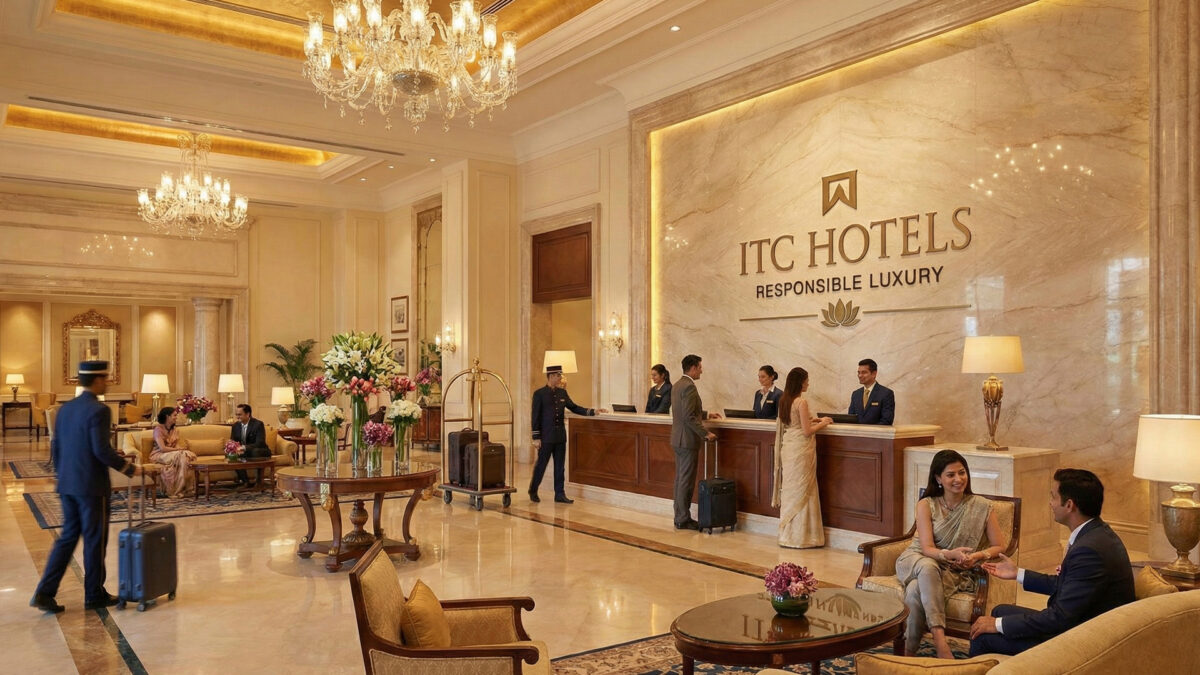
ITC Hotels Q3 profit rises 9.4%

ITC Hotels reported a 9.4 percent rise in consolidated net profit to ₹235 crore for the third quarter ended December, compared with ₹215 crore a year ago.

Revenue from operations grew sharply by 21 percent to about ₹1,230 crore, driven by higher room occupancy, better average room rates and strong demand from weddings, conferences and corporate travel.

The company also saw improved performance in its food and beverage segment. Operating margins expanded due to better cost control and higher scale. The results reflect continued recovery and steady growth in India’s hospitality sector following ITC Hotels’ recent demerger.