Categories
Corporate

Eternal sees ₹1,535 cr block deal shake stock

Eternal Ltd, the parent company of Zomato and Blinkit, grabbed market attention on Monday as a large block deal worth ₹1,535 crore was executed. Around 5.3 crore shares changed hands at ₹290.4 per share, representing roughly 0.54% of the company’s total equity. The deal marked one of the biggest secondary-market transactions for Eternal in recent months.

Following the block sale, Eternal’s stock initially surged to an intraday high of ₹297.35, showing positive momentum. However, it later retreated to close near ₹285.75, reflecting a drop of about 4% from the day’s peak. This swing highlighted the market’s cautious sentiment amid heavy institutional selling.

This latest transaction is part of a broader trend of large institutional share movements in Eternal over the past year. In mid-November, nearly 90 lakh shares were sold in a block deal, and in June, another 61 lakh shares were traded. Such repeated activity underscores investors’ attention on the company’s stock despite its high-profile operations in food delivery and quick commerce.

On the financial front, Eternal reported mixed results for the second quarter of FY26. Revenue jumped 183% year-on-year to ₹13,590 crore, driven mainly by Blinkit’s expansion. Yet, net profit fell sharply by 63% to ₹65 crore compared with ₹176 crore in the same quarter last year. The company attributed the decline partly to recent acquisitions and the ongoing investment push into its quick-commerce business.

Eternal also issued a cautious outlook for its food-delivery segment. The company noted that growth in Zomato could slow due to weakening discretionary spending, rising competition from quick-commerce rivals, and unpredictable weather patterns.

Meanwhile, Eternal has been actively supporting Blinkit, injecting ₹2,600 crore in 2025 alone to fund expansion, cover operating losses, and maintain working capital.

With substantial block sales, a notable drop in profitability, and uncertain near-term growth prospects despite strong revenue growth, Eternal remains under close investor scrutiny. The company’s stock movements and institutional activity are likely to continue attracting attention in the coming months.

Also Read: Wakefit IPO opens at ₹185–195, raising ₹1,289 crore

Categories
Corporate

Vodafone Idea seeks fresh AGR review to slash dues

Vodafone Idea (Vi) has formally submitted a proposal to the Department of Telecommunications (DoT) requesting a fresh recalculation of its Adjusted Gross Revenue (AGR) dues. The telecom operator claims that previous assessments included arithmetic errors and duplicate entries, which significantly inflated its liability. Alongside the recalculation request, Vi has sought a one-time waiver of penalties and interest linked to these dues.

The company believes that rectifying these discrepancies could reduce its outstanding AGR payments by nearly half, easing its financial burden and improving liquidity. Vodafone Idea estimates that its current pending liability could be lowered by approximately ₹45,000–50,000 crore if the recalculation is accepted.

The proposal is not only aimed at financial relief but also at enabling strategic growth initiatives. Vi plans to raise around ₹25,000 crore from banks and financial institutions to support its planned capital expenditure of ₹50,000–55,000 crore for rolling out 5G services across India. This capital infusion would strengthen the company’s network infrastructure and enhance service offerings in the competitive telecom market.

Industry experts note that if the government approves the proposal, it could transform Vodafone Idea’s operational outlook. By reducing cash-flow pressure and freeing up capital, the company would be better positioned to invest in technology upgrades, expand 5G coverage, and maintain market competitiveness. Additionally, the restructuring of dues could open possibilities for government equity dilution, further supporting corporate flexibility and investor confidence.

Vodafone Idea has been navigating significant financial challenges since the Supreme Court’s ruling on AGR dues, which has affected several Indian telecom operators. The current proposal reflects the company’s proactive approach to regulatory engagement and its commitment to sustainable growth. Stakeholders, including investors, customers, and regulators, are closely monitoring the development, which has the potential to reshape Vi’s financial stability and accelerate its transition into the 5G era.

Also Read: Adani Green champions nature-positive growth in renewable energy

Categories
Corporate

Adani Green champions nature-positive growth in renewable energy

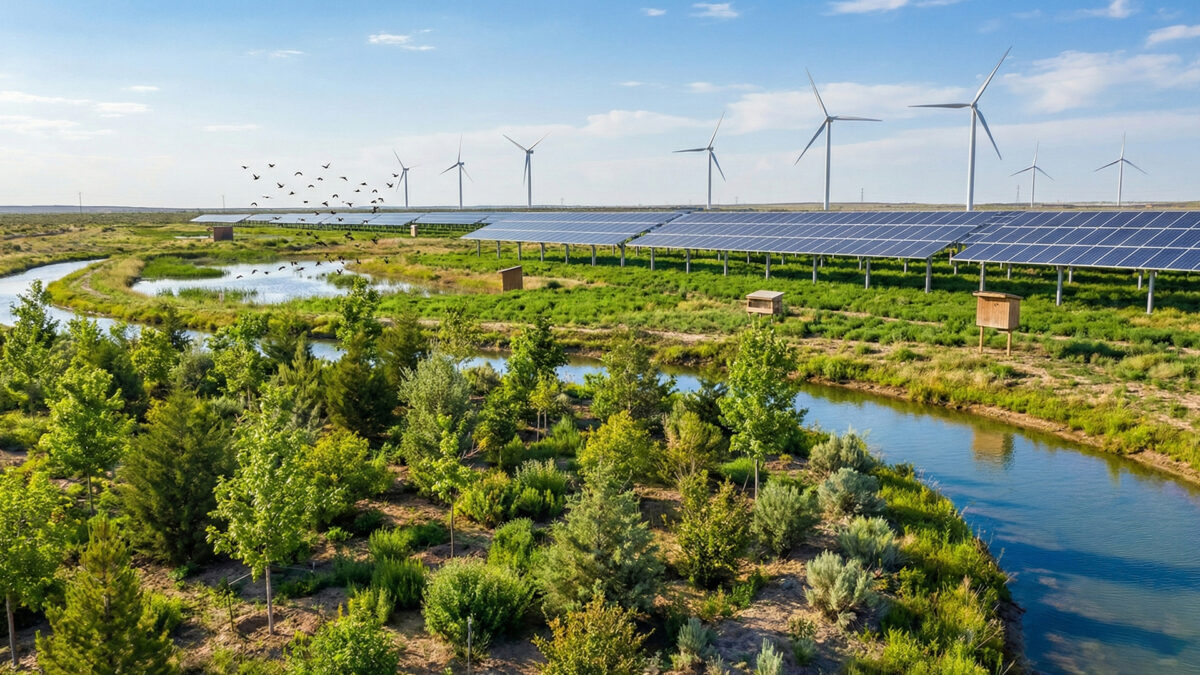
Adani Green Energy Ltd (AGEL), India’s largest renewable-energy producer, is taking a bold step to ensure its growth is in harmony with nature. The company has formally adopted the Taskforce on Nature-related Financial Disclosures (TNFD) framework, a global standard that helps businesses identify, manage, and reduce their impact on ecosystems and biodiversity.

Starting this year, AGEL has been assessing all its operational sites to understand how its projects interact with forests, water bodies, and local wildlife. The goal is not just to reduce environmental risks, but to actively create opportunities to support nature. CEO Ashish Khanna emphasised, “Nature is central to our growth story,” highlighting the company’s commitment to sustainable development.

AGEL has pledged to achieve “No Net Loss of Biodiversity” by 2030. This ambitious target includes planting 27.86 million trees across its solar and wind energy projects. Currently, the company operates more than 16.5 GW of renewable capacity in 12 states and aims to scale this to 50 GW by 2030, contributing significantly to India’s clean-energy transition.

Beyond energy generation, AGEL has already implemented sustainable practices across its projects, including being water-positive, single-use plastic-free, and zero waste-to-landfill. By integrating the TNFD framework, the company moves beyond standard ESG compliance, adopting a science-backed approach to measure and manage its ecological footprint.

This initiative sends a strong message to the renewable-energy sector: infrastructure growth and environmental stewardship can go hand in hand. By embedding nature-positive principles into its expansion plans, AGEL is setting a new benchmark for responsible clean-energy development in India and globally.

As India ramps up its renewable-energy ambitions, AGEL’s approach shows that development doesn’t have to come at the cost of nature. Instead, with thoughtful planning and commitment, it is possible to power the future while protecting the planet we rely on.

Also Read: DGCA gives IndiGo final 24‑hour response deadline

Categories
Corporate

Sensex falls 300+ points, Nifty slips below 26,100

Indian stock markets opened lower on December 8 as investors traded cautiously due to mixed global signals. The BSE Sensex fell by more than 300 points in early trade, while the Nifty 50 slipped below the 26,100 level.

Market sentiment was affected by weakness in the rupee and uncertainty ahead of key global interest rate decisions, especially from the US Federal Reserve. Foreign investors were also seen as cautious, with some money moving out of emerging markets.

Aviation stock InterGlobe Aviation, the parent company of IndiGo, saw a sharp fall in its share price after concerns over regulatory issues and recent flight operation disruptions. Heavyweight stocks like Bajaj Finance, Bajaj Finserv and Bharat Electronics also dragged the market.

Mid-cap and small-cap stocks showed weakness, while real estate shares remained under pressure. Analysts said investors are avoiding big bets until there is more clarity on global economic trends.

Experts believe market movements will remain volatile in the near term, depending on global cues, foreign fund flows and domestic liquidity conditions.

Also Read: SC to review Trump birthright citizenship order

Categories
Leaders

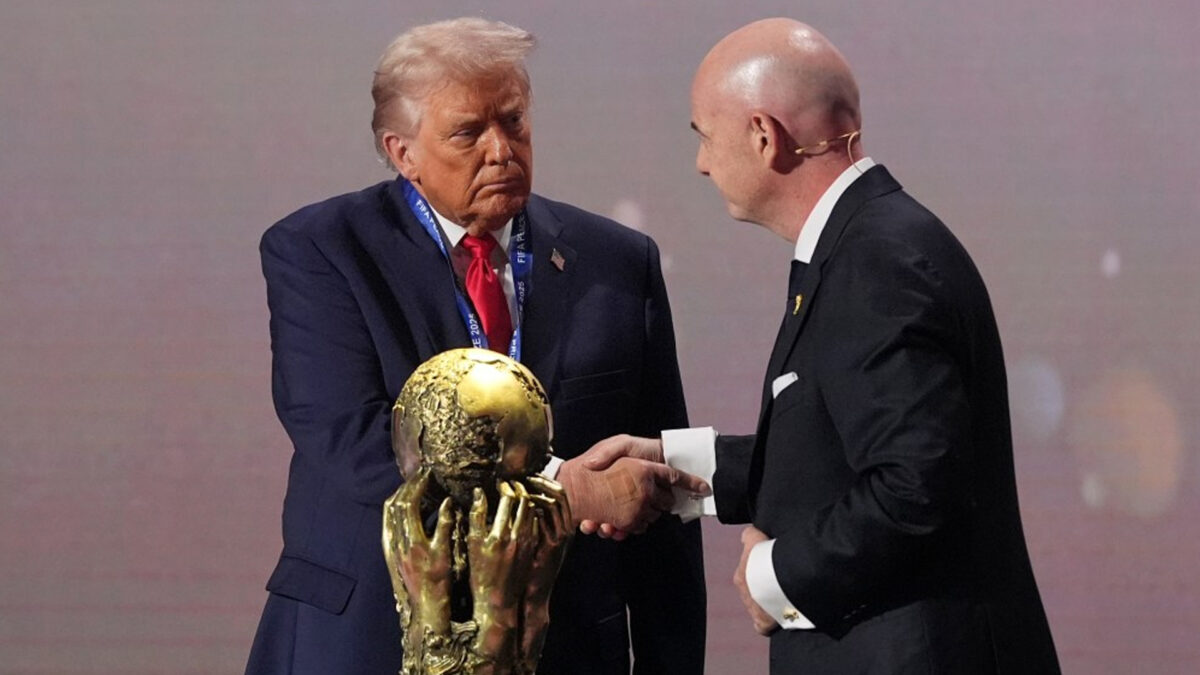
Trump receives FIFA Peace Prize for global leadership

FIFA made a decisive and attention-grabbing statement at the 2026 World Cup draw by awarding its first-ever Peace Prize to US President Donald Trump. The ceremony, held in Washington, D.C., underscored FIFA’s ambition to extend its influence into conversations about leadership, diplomacy and global cooperation.

Gianni Infantino, FIFA President, announced that the award was designed to honour leaders who have demonstrated “extraordinary actions for peace.” By choosing Trump for its inaugural recognition, FIFA showcased its willingness to engage with global governance, a notable departure from its traditionally sport-centric mandate.

Trump accepted the prize with conviction, asserting that leadership in uncertain times requires courage, clarity and an unwavering commitment to stability. He linked the award to the collaborative spirit behind the 2026 World Cup, co-hosted by the US., Canada and Mexico, calling the tournament an example of how strategic partnerships can bridge divides and build trust across borders.

However, the honour has sparked a wide spectrum of responses. Critics have questioned the transparency of the process, while rights groups noted that several conflicts Trump referenced as achievements remain unresolved. Yet supporters interpret FIFA’s decision as a recognition of influence, the ability to shape global narratives, encourage dialogue and use one’s platform to shift conversations toward peace.

The award reflects a strategic repositioning of FIFA as a global institution capable of addressing more than sport. By elevating leadership that transcends national boundaries, FIFA signals its belief that sport can be leveraged as a diplomatic tool, one that reaches millions and fosters unity.

In choosing Trump, FIFA has amplified its message: leadership today requires engagement with complex global realities, and international platforms must recognise those who attempt to navigate them. The Peace Prize serves as both a symbol and a call for leaders worldwide to use their influence for stability and collaboration.

Also Read: Netflix to buy Warner Bros Discovery for $72 billion

Categories
Corporate

Zepto becomes public company, plans IPO by June 2026

Bengaluru-based quick-commerce startup Zepto has officially converted from a private to a public limited company, taking a major step toward launching its initial public offering (IPO). Shareholders approved the move during an extraordinary meeting on November 21. Following the approval, the company’s legal name has changed from “Zepto Private Limited” to “Zepto Limited.”

The company also updated its legal documents, including its Memorandum and Articles of Association, to comply with public company regulations. These changes allow Zepto to file its draft IPO papers with market regulators, likely in the near future.

Founded in July 2021, Zepto has grown rapidly and is now valued at around USD 7 billion. It has raised about USD 1.8 billion (approximately ₹16,000 crore) from investors so far. Despite being a relatively young startup, Zepto operates over 900 “dark stores” across India and has managed gross sales worth about USD 3 billion (around ₹26,000 crore).

However, the company has faced high operating costs and has spent between ₹1,000–1,100 crore in cash. Company insiders say that while cash burn has been significant, it is now decreasing as operations become more efficient. Order volumes are reportedly increasing by 20–25% each quarter, and the company aims for over 100% growth year-on-year.

With the conversion to a public company, Zepto is now set to take the next big step in its growth journey. The startup plans to submit its draft IPO documents to regulators this month, with an aim to go public and list its shares on the stock market by June 2026.

The move signals Zepto’s intention to tap public markets to raise funds for expansion, strengthen operations, and solidify its position in the rapidly growing quick-commerce sector. Analysts see this as a significant development, as Zepto is among the first unicorns in India’s fast-paced quick-delivery segment to take steps toward becoming a listed company.

By going public, Zepto hopes to attract more investors, scale operations, and compete effectively with other players in the sector, while giving early investors and founders a path to unlock the value of their stakes.

Also Read: HUL’s record date for demerger Dec 5, shares drop 7%

Categories
Corporate

Global outage hits internet as Cloudflare goes down

A major internet disruption occurred on December 5, 2025, after Cloudflare suffered yet another outage, briefly knocking several popular websites and apps offline across the globe. The downtime lasted around half an hour but caused widespread inconvenience as platforms relying on Cloudflare’s network stopped loading or showed error messages.

Users reported issues with a wide range of services, including finance apps like Zerodha and Groww, productivity tools such as Zoom and Canva, and even Downdetector, the portal used to track outages. Many websites experienced loading failures, login errors, and complete service interruptions.

Cloudflare later confirmed that the outage was triggered by a faulty configuration change in its Web Application Firewall. The update was rolled out to address a recently disclosed security flaw involving React Server Components. The company clarified that the failure was technical in nature and not the result of a cyberattack.

This marks Cloudflare’s second major incident in recent weeks, raising concerns about the global dependence on a few internet infrastructure providers. Even a brief disruption at one such company can create a ripple effect across industries, impacting millions of users and businesses at the same time.

Cloudflare has restored services and apologised for the inconvenience while assuring users that the vulnerability update will be handled more carefully going forward.

Also Read: Russia begins fuel supply to Kudankulam plant, Tamil Nadu

Categories
Beyond

Russia begins fuel supply to Kudankulam plant, TN

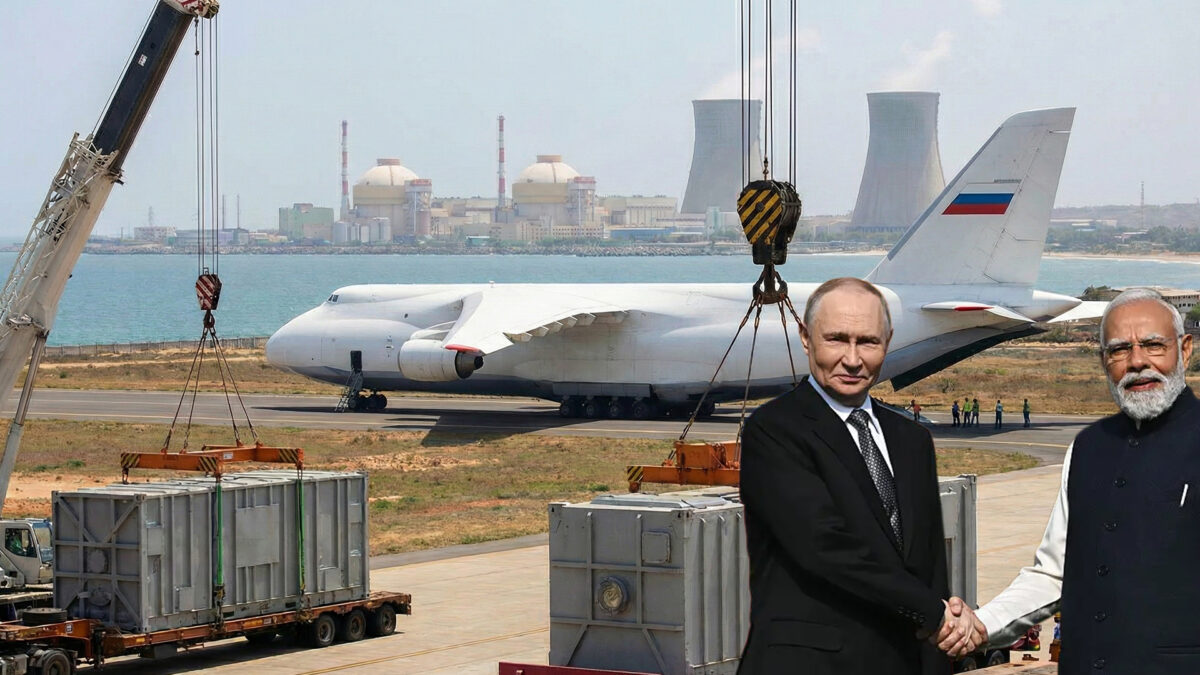
Russia has delivered the first batch of nuclear fuel for the third reactor of the Kudankulam Nuclear Power Plant in Tamil Nadu, marking an important milestone in India’s largest civil nuclear project. The fuel assemblies, manufactured by Rosatom’s Novosibirsk Chemical Concentrates Plant, were flown in as part of a long-term agreement signed in 2024.

This delivery begins the initial fuel-loading process for Unit-3. Rosatom said seven flights will be used to ship the full core load and reserve fuel required for both Unit-3 and Unit-4. The supply deal covers the entire operational life of the reactors, ensuring steady fuel availability once they become active.

The development came as Russian President Vladimir Putin visited India and reaffirmed Russia’s commitment to expanding the Kudankulam project. Putin described the plant as a flagship of India–Russia cooperation and said Moscow would work closely with New Delhi to bring all six reactors to full capacity.

Currently, Units 1 and 2 are operational, while Units 3 through 6 are under construction. Once all units are completed, Kudankulam will generate 6,000 MW of electricity, making it India’s most powerful nuclear station.

Putin also highlighted potential future collaborations, including small modular reactors, floating nuclear plants, and peaceful applications of nuclear technology in areas such as healthcare and agriculture. He assured that Russia would continue to supply nuclear fuel reliably to support India’s growing energy requirements.

The fuel delivery is expected to accelerate progress at the site, strengthening the southern power grid and contributing to India’s clean-energy and energy security goals.

Also Read: IndiGo’s operational crisis enters Day 5, over 1000 flights affected

Categories
Leaders

Modi-Putin strengthen ties on fuel, trade, security

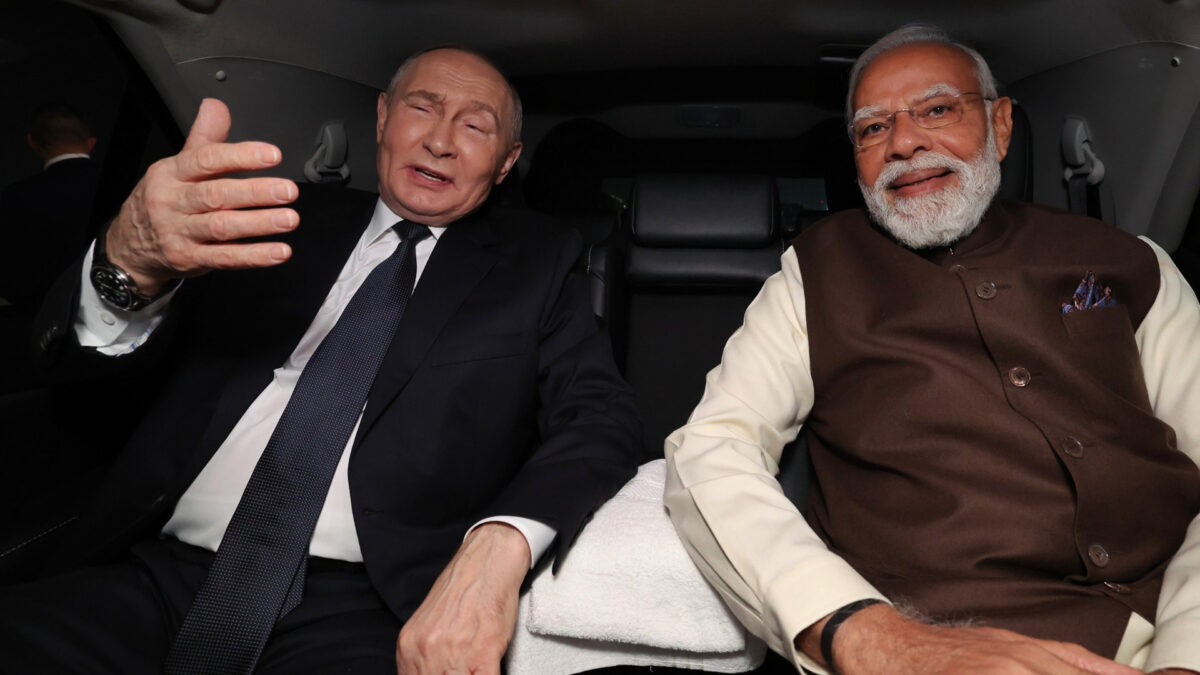
Russian President Vladimir Putin touched down in New Delhi on a high-profile two-day visit, signaling a renewed chapter in India-Russia relations. The summit, eagerly watched across the globe, focused on energy security, trade expansion, defence collaboration, and joint efforts against terrorism.

At Hyderabad House, Prime Minister Narendra Modi and President Putin highlighted their shared commitment to global peace and security. Modi said India and Russia “walk together in the fight against terrorism,” recalling Moscow’s support during past attacks in Jammu & Kashmir. Putin called India a “full ally,” pledging continued backing for India’s counter-terrorism efforts.

Energy was a key priority. Putin assured uninterrupted shipments of oil, gas, and coal, reinforcing India’s energy security. Both leaders also agreed to collaborate on civil nuclear and clean energy projects, marking a step toward sustainable energy partnerships.

The summit unveiled a Vision 2030 roadmap to boost bilateral trade, aiming to increase it from $64–69 billion to $100 billion by 2030. The plan covers multiple sectors, including manufacturing, technology, agriculture, shipping, and critical minerals, with talks on a free-trade agreement with the Eurasian Economic Union also underway.

Defence and technology partnerships were strengthened, with plans for joint research, co-production of platforms, and collaboration in space, AI, and high-tech manufacturing. These steps support India’s self-reliance while keeping strategic ties strong.

The visit also sends a clear global message: India continues to maintain strategic autonomy, balancing its relationship with Russia alongside ties with the West. For India, it ensures stable energy supplies, stronger trade, and enhanced defence capabilities. For Russia, it reaffirms India as a reliable partner, securing influence and energy interests in Asia.

The summit highlighted a relationship that is more than transactional, rooted in trust, shared goals, and decades of cooperation.

Also Read: Meesho IPO oversubscribed 79×, grey market shows 45% gains

Categories
Corporate

Meesho IPO oversubscribed 79×, grey market shows 45% gains

India’s popular social commerce platform Meesho has captured the attention of investors with an extraordinary response to its initial public offering (IPO). The three-day issue, which ran from 3 to 5 December, has been oversubscribed nearly 79 times, reflecting strong market confidence in the company. The IPO included a fresh issue of ₹4,250 crore and an offer-for-sale (OFS) of around ₹1,171 crore, totaling ₹5,421 crore, priced in a band of ₹105–₹111 per share.

Subscription data shows that demand built rapidly: the IPO was subscribed 2.35 times on Day 1, surged to 6–8 times on Day 2, and closed at nearly 79 times overall on the final day. By category, Qualified Institutional Buyers (QIBs) subscribed roughly 120 times, retail investors around 18 times, and non-institutional investors about 38 times.

Ahead of the listing, Meesho shares are trading at a grey market premium of nearly 45%, with unlisted shares changing hands at approximately ₹160.5. This points to potential listing gains of 40–45% over the IPO’s upper price band. The shares are expected to list on 10 December 2025.

At the upper price band of ₹111, Meesho’s post-IPO market valuation stands at roughly ₹50,096 crore. The company plans to use the funds raised to strengthen its cloud infrastructure, expand technology and AI capabilities, ramp up marketing, and support overall business growth.

Analysts highlight Meesho’s strong presence in Tier-2 and Tier-3 cities and its asset-light business model as key strengths driving investor confidence. However, the company remains unprofitable, despite generating positive free cash flow in FY25, and operates in a highly competitive e-commerce market where maintaining customer trust and logistics efficiency is crucial.

Also Read: Exato Technologies shares soar 90% on BSE SME debut