Categories
Corporate

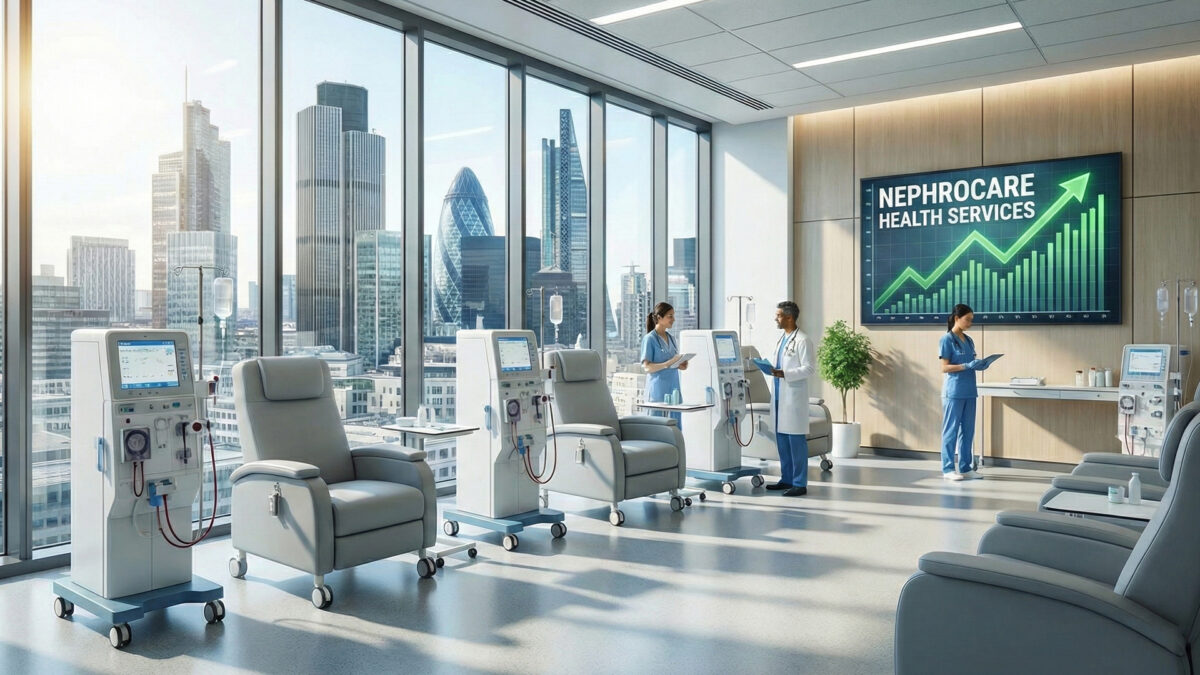
Nephrocare Health shares list at 7% premium over IPO price

Shares of Nephrocare Health Services Ltd. made a positive start on the stock market on Tuesday. The stock listed at around 7 percent above its IPO price, signalling steady investor confidence.

On the NSE, Nephrocare shares opened near ₹490, while on the BSE they listed at about ₹491.70. The IPO price was fixed at ₹460 per share. The listing was in line with market expectations and supported by stable overall market conditions.

The company’s ₹871-crore IPO saw strong interest from investors. The issue was subscribed more than 14 times. Institutional investors led the demand, showing confidence in the company’s long-term prospects. Participation from non-institutional investors was also healthy. Retail demand remained moderate.

Nephrocare Health Services is a leading provider of dialysis care in India. It operates under the NephroPlus brand. The company runs one of the largest organised dialysis networks in the country, with over 500 centres across India and a presence in select international markets. Its centres operate both within hospitals and as standalone units.

The IPO included a fresh issue of shares and an offer for sale by existing shareholders. Funds raised from the fresh issue will be used mainly to reduce debt, improve the balance sheet, and support the expansion of dialysis centres. A portion will also be used for general corporate needs.

Market experts said the steady listing reflects cautious optimism around healthcare service companies. Such businesses offer predictable demand and long-term growth potential. However, future performance will depend on execution, cost control, and the pace of expansion.

For investors who received shares, the listing delivered immediate gains. Going forward, the stock’s movement will be shaped by earnings growth, expansion plans, and broader market sentiment.Also Read: KSH International IPO subscribed 21% on day 2

Categories
1 Minute-Read

India gains edge as exports beat US tariffs

India’s exports to the United States rose over 22% in November, defying steep US tariffs imposed by the Trump administration.

Total exports reached their highest November level in a decade, easing fears of a tariff-driven slump. The rise gives India leverage in ongoing trade talks, reducing pressure to make immediate concessions.

Analysts say the resilient performance signals India’s economy can withstand trade tensions, potentially supporting calls to lower reciprocal duties.

This export growth strengthens New Delhi’s negotiating position with Washington amid stalled discussions on tariffs and trade barriers.

Categories
Corporate

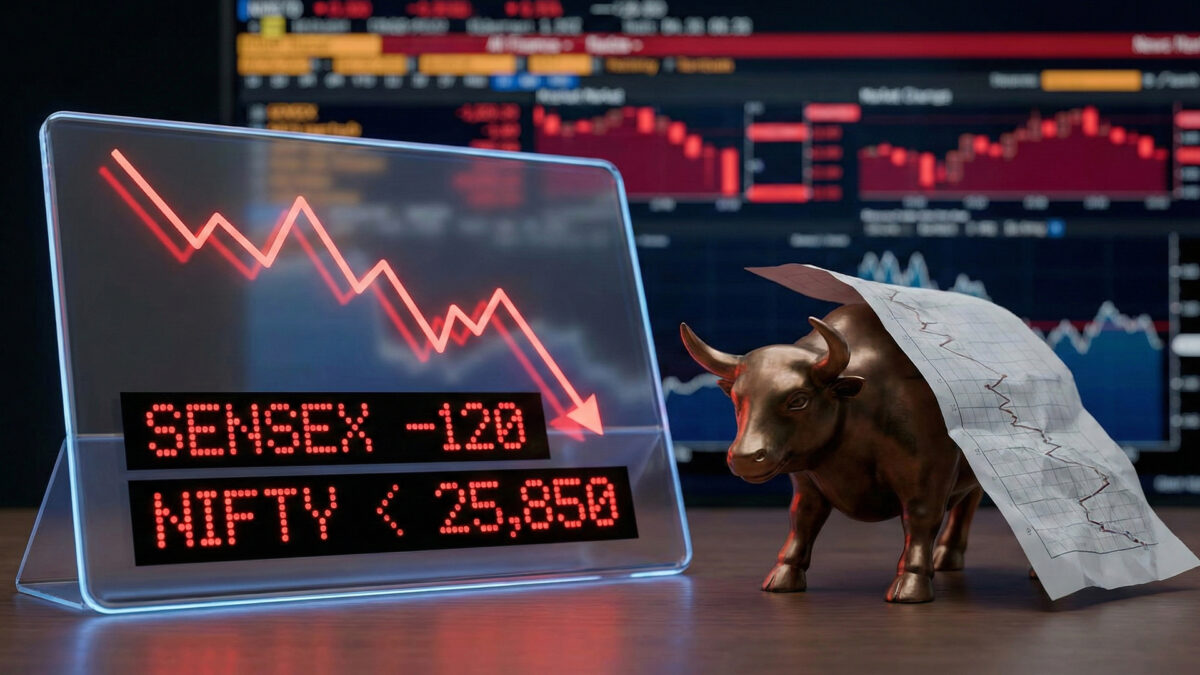
Sensex falls 120 points, Nifty slips below 25,850

The market ended lower on Wednesday, with both major indices closing in the red amid cautious investor sentiment. The BSE Sensex fell 120 points to close at 84,559, while the NSE Nifty 50 slipped below 25,850, settling at 25,818.

Leading the losses were key banking stocks, with HDFC Bank and ICICI Bank dragging the market down. Other prominent losers included Trent, Adani Ports, and Bajaj Finserv, which fell between 1% and 2% during the session. These declines outweighed gains in some segments, keeping the benchmarks under pressure.

On the positive side, public sector banks performed well, with the PSU Bank index rising around 1.2%. This was a rare bright spot amid a broad selloff. However, other sectors such as media, private banks, real estate, consumer durables, FMCG, and healthcare ended lower, reflecting a cautious mood among investors.

The weakness also extended to broader market indices. Mid-cap stocks fell approximately 0.5%, while small-cap stocks lost around 0.7%, indicating that the market pressure was not limited to the largest companies alone.

Market analysts attributed the decline to subdued global cues and ongoing concerns in the domestic financial sector. With major banking counters under pressure, investors appeared cautious, and buying momentum remained muted throughout the trading day.

Overall, the market showed a defensive tone, with losses concentrated in financial and consumer sectors, while select public sector banks provided limited support. Investors are expected to monitor upcoming earnings reports and global developments closely for market direction.

Also Read: Sensex slips 100 points, Nifty below 25,850

Categories
Technology

World’s smallest robots sense, think and move

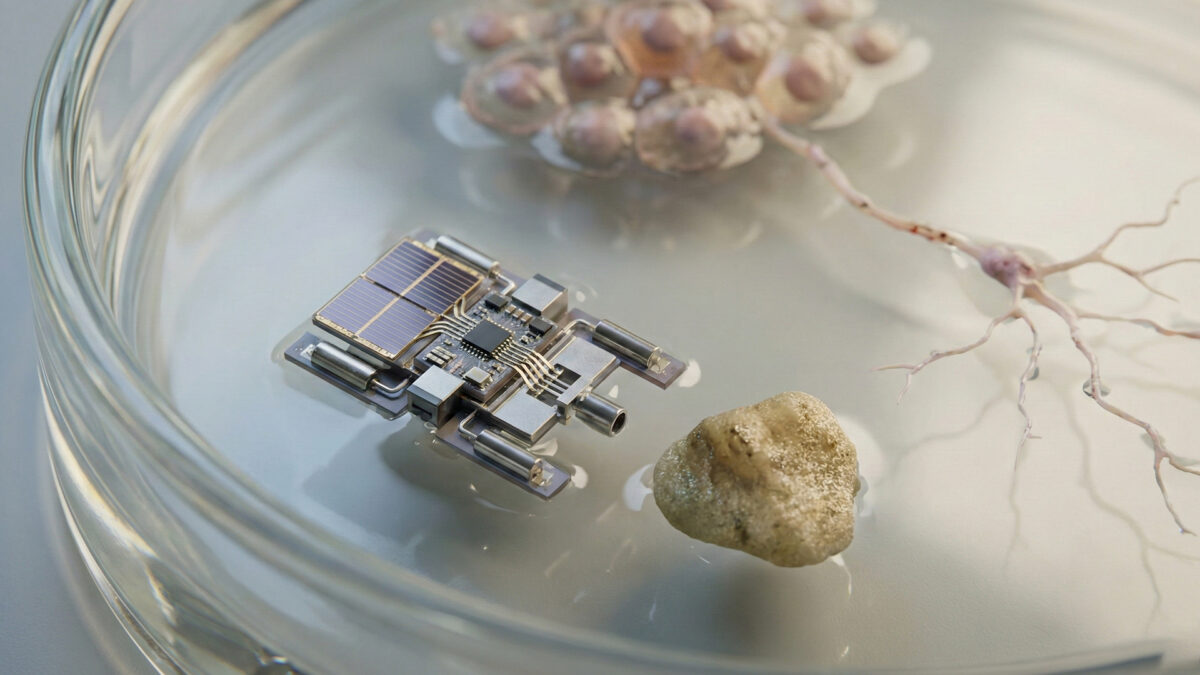
Scientists in the United States have unveiled what could be called the world’s tiniest autonomous robots, machines so small that they are invisible to the naked eye, yet capable of sensing, thinking, and moving on their own. Measuring just 0.2 mm by 0.3 mm by 0.05 mm, each robot is smaller than a grain of salt, but carries a remarkable set of capabilities, including a “micro-brain” computer and sensors that allow it to navigate its environment independently.

Unlike conventional robots that rely on remote controls or wires, these microscopic machines are powered by pulses of light, which not only fuel them but also allow them to process information and make decisions in real time. This means they can adjust their paths, respond to temperature changes, and even perform complex movement patterns without any human intervention.

The robots are designed to swim through liquids, operate for months at a time, and even coordinate as a group, mimicking behaviors seen in nature, like schools of fish. Despite their advanced abilities, these machines are incredibly affordable, costing only about one penny each to produce. This opens up the possibility of large-scale experiments or practical applications without prohibitive costs.

Researchers are already exploring medical applications, such as monitoring the health of individual cells or delivering precise doses of treatment at a microscopic level. Beyond healthcare, these tiny robots could play a role in manufacturing ultra-small devices, where precision and autonomy are crucial.

Experts say this breakthrough solves one of the biggest challenges in robotics: creating machines that are both extremely small and fully autonomous. By integrating sensing, processing, and movement into a microscopic package, scientists have opened the door to a new era of microscale, programmable robots.

With their ability to think, move, heal, and even coordinate with one another, these tiny robots could redefine fields ranging from medicine and research to industrial manufacturing, proving that even the smallest machines can have a huge impact on the world.

Also Read: Apple explores chip assembly in India

Categories
Corporate

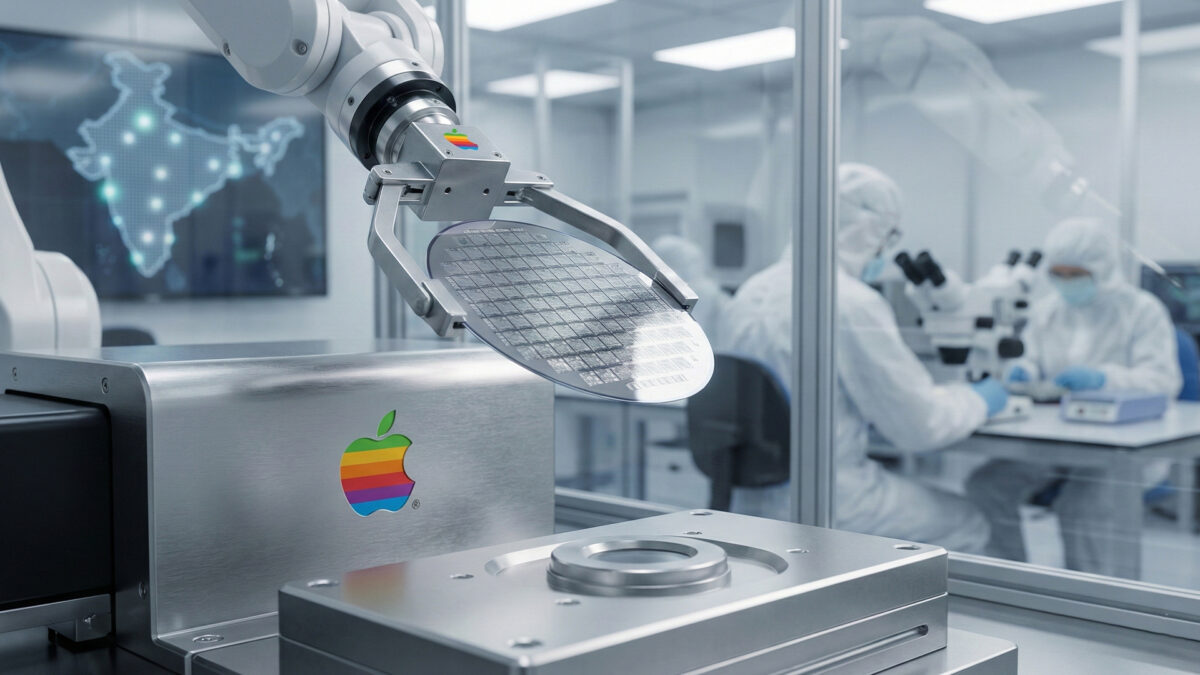
Apple explores chip assembly in India

Apple is taking a closer look at India’s semiconductor ecosystem as it explores the possibility of assembling and packaging select iPhone components locally, marking a potential shift in how deeply the company integrates India into its global supply chain.

According to reports, Apple has initiated early-stage discussions with Indian chipmakers, including CG Semi, a Murugappa Group company that is setting up an outsourced semiconductor assembly and test (OSAT) facility in Sanand, Gujarat. The focus of these talks is on backend chip processes such as assembly, testing and packaging — a critical but less complex stage compared to advanced chip fabrication.

If the plans move forward, this would be the first time Apple brings chip-level work for iPhones into India. Currently, India’s role in Apple’s manufacturing network is largely limited to final device assembly through partners like Foxconn, Tata Electronics and Pegatron. Adding semiconductor packaging would significantly raise India’s value contribution in the iPhone production chain.

Industry sources indicate that the discussions are still exploratory. Any partnership would require Indian suppliers to meet Apple’s strict benchmarks on quality, yield, reliability and scale. Neither Apple nor CG Semi has officially confirmed the talks.

From a technology and supply-chain perspective, the move fits squarely into Apple’s broader diversification strategy. The company has been steadily reducing dependence on China by expanding manufacturing in alternative locations, particularly India and Vietnam. Rising geopolitical risks, trade barriers and supply disruptions have accelerated this shift across the global tech industry.

India, meanwhile, is positioning itself as a semiconductor hub under government-backed incentive schemes aimed at attracting chip assembly, testing and fabrication investments. OSAT facilities are seen as a practical entry point, requiring lower capital and shorter timelines compared to full-scale chip fabs.

Apple’s interest could act as a catalyst for India’s semiconductor ambitions. Securing a global technology leader as a customer would not only validate local capabilities but also encourage further investments in chip design, materials and advanced packaging technologies.

While India is still years away from competing with established semiconductor hubs in Taiwan or South Korea, analysts say incremental steps like chip packaging for iPhones could steadily build expertise and confidence.

For Apple, deeper localisation offers greater supply-chain resilience. For India, it represents a meaningful step up the global technology value chain,  from assembling devices to handling core components that power them.

Also Read: US Tech Force set to boost AI and digital services

Categories
1 Minute-Read

NPS exit rules eased, subscribers can withdraw up to 80%

The Pension Fund Regulatory and Development Authority (PFRDA) has updated the National Pension System (NPS) rules for non-government subscribers.

Retirees can now withdraw up to 80% of their corpus as a lump sum at retirement, while only 20% must be used to buy an annuity. Those with savings of Rs 8 lakh or less can withdraw 100% without annuity, and mid-range savers can take partial lump sums.

A new Systematic Unit Redemption (SUR) option allows gradual withdrawals, and subscribers can defer annuity purchase up to age 85. The changes give retirees more flexibility and easier access to funds.

Categories
Leaders

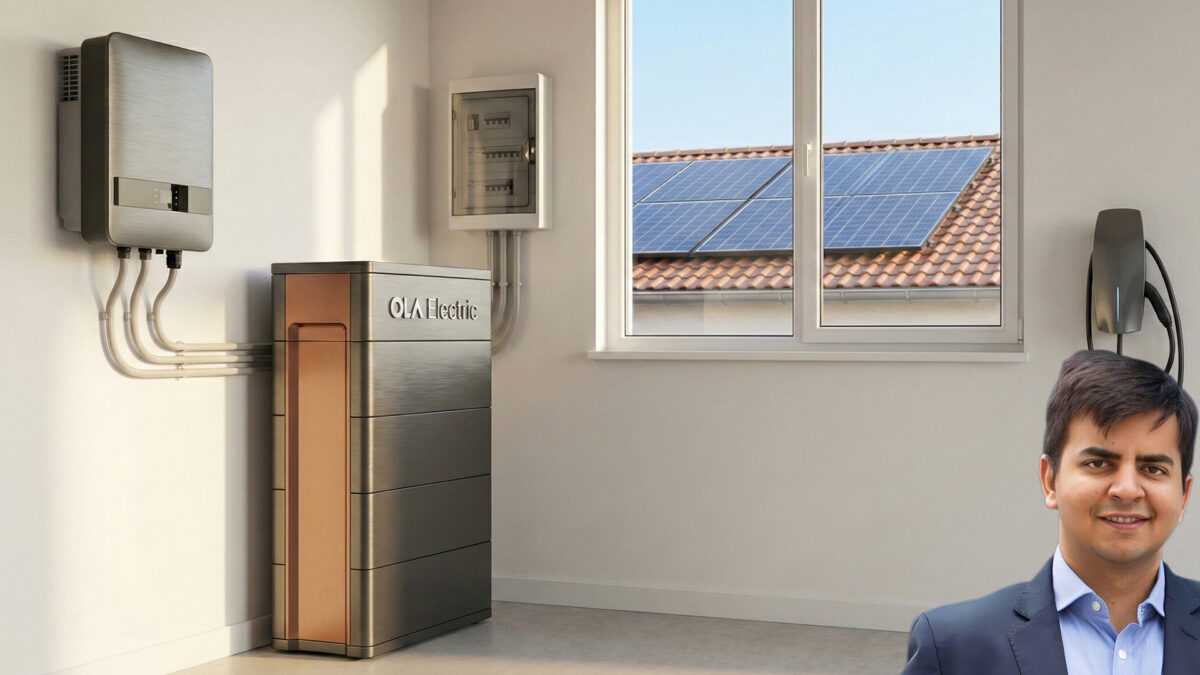
CEO Bhavish Aggarwal sells 2.6 crore Ola Electric shares

Bhavish Aggarwal, co‑founder and CEO of Ola Electric, has sold part of his personal shareholding to fully repay a ₹260 crore promoter-level loan and release pledged shares, according to company filings and exchange data. This one-time bulk sale was aimed at strengthening promoter finances and boosting investor confidence.

On December 16, 2025, Aggarwal sold around 2.6 crore equity shares of Ola Electric at an average price of ₹34.99 per share, raising roughly ₹92 crore. Prior to the sale, he held about 30.02 percent of the company. After the transaction, his stake has reduced slightly, but promoter control remains intact.

Ola Electric clarified that the sale was a personal stake monetisation and does not dilute the promoter’s long-term commitment to the company. Once the ₹260 crore loan is repaid, all previously pledged shares, around 3.93 percent of the company, will be released, removing a key source of market risk and volatility.

The company emphasized that this step aligns with Aggarwal’s objective of operating without leverage at the promoter level. Post-sale, the promoter group’s total holding in Ola Electric is expected to remain around 34 percent, maintaining a strong controlling interest compared to other new-age listed firms.

The bulk sale comes amid a challenging period for Ola Electric, which recently saw a decline in electric two-wheeler sales. In November 2025, the company slipped to fourth place in India’s electric two-wheeler market, with registrations falling compared with the previous month.

The market reacted to the transaction with heightened attention, as investors assessed its implications for share stability and long-term company governance. Analysts note that reducing promoter pledges is generally seen positively, signaling a lower financial risk at the promoter level and improved confidence for shareholders.

By repaying the ₹260 crore debt and removing pledged shares, Aggarwal aims to demonstrate financial prudence and reinforce Ola Electric’s commitment to sustainable growth, while keeping control firmly with the promoter group.

Also Read: KSH International IPO subscribed 21% on day 2
Categories
Corporate

Vedanta shares jump 4% to ₹405 after NCLT approves demerger

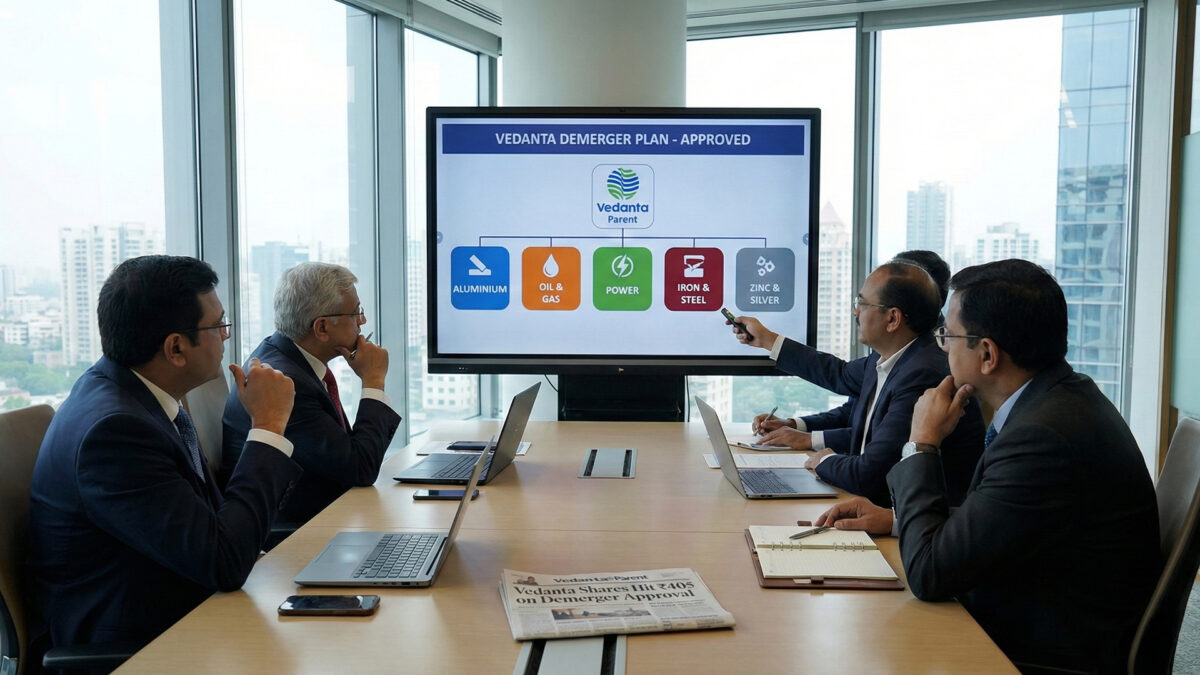
Vedanta Ltd has received approval from the National Company Law Tribunal (NCLT) for its long-awaited demerger plan, marking a significant milestone in the company’s corporate restructuring. The Mumbai bench of NCLT sanctioned the scheme under company law, paving the way for Vedanta to split its diversified operations into sector-focused entities.

As per the approved plan, Vedanta will separate its operations into distinct businesses covering aluminium, oil & gas, power, and iron & steel. The parent company will retain its core metals like zinc and silver and act as an incubator for new ventures. The move is expected to help each unit focus on its specific operations and improve overall efficiency and shareholder value.

The demerger proposal had faced scrutiny, including queries from the Ministry of Petroleum and Natural Gas over asset disclosures and financial risks. However, the tribunal concluded that the scheme meets all legal and regulatory requirements, giving the green light to the corporate split.

Following the approval, Vedanta shares surged 4% to ₹405, reaching a 52-week high. Market analysts say the stock rally reflects positive investor sentiment, as the demerger is seen as a step toward unlocking value and improving transparency in the company’s diversified business portfolio.

The company is now set to implement the demerger over the coming months, subject to further regulatory and procedural approvals. Industry experts believe the move will make Vedanta’s operations more agile and competitive, while providing clearer visibility for investors.

Also Read: Rupee slips to ₹91 per dollar, stabilises after RBI action

Categories
Beyond

Rupee slips to ₹91 per dollar, stabilises after RBI action

The Indian rupee faced another bout of volatility on Wednesday, opening at a record low of ₹91.07 per US dollar before bouncing back later in the session. Early trading pressure pushed the currency to around ₹91.08, reflecting continued foreign fund outflows and repatriation of overseas corporate earnings.

Market watchers say the rupee’s weakness is part of a broader trend affecting emerging market currencies. Investors have been cautious amid global economic uncertainties and lingering concerns over trade negotiations with the United States.

The Reserve Bank of India (RBI) stepped in decisively to curb the slide. State-run banks, acting on the central bank’s guidance, sold dollars in the spot and forward markets, helping the rupee recover some ground. The currency strengthened to around ₹90.25 intraday and eventually settled near ₹90.28.

“The RBI’s timely action reassures the market that extreme volatility won’t persist,” said a currency strategist.Analysts noted that such intervention is part of the RBI’s strategy to prevent a one-sided depreciation, which could increase costs for importers and strain corporate treasuries.

Despite the rebound, traders remain cautious, noting that the rupee is likely to remain sensitive to foreign investment flows, global market moves, and domestic economic developments. With inflation and interest rate expectations in play, analysts expect short-term volatility to continue.

The rupee’s swings underline the delicate balancing act for the central bank: supporting the currency without disrupting economic growth. For businesses and investors, the message is clear, while short-term fluctuations are inevitable, RBI intervention can provide a stabilising influence when markets turn jittery.

Also Read: Gold steady at ₹13,385/gm, Silver nears ₹1.99 lakh/kg

Categories
Beyond

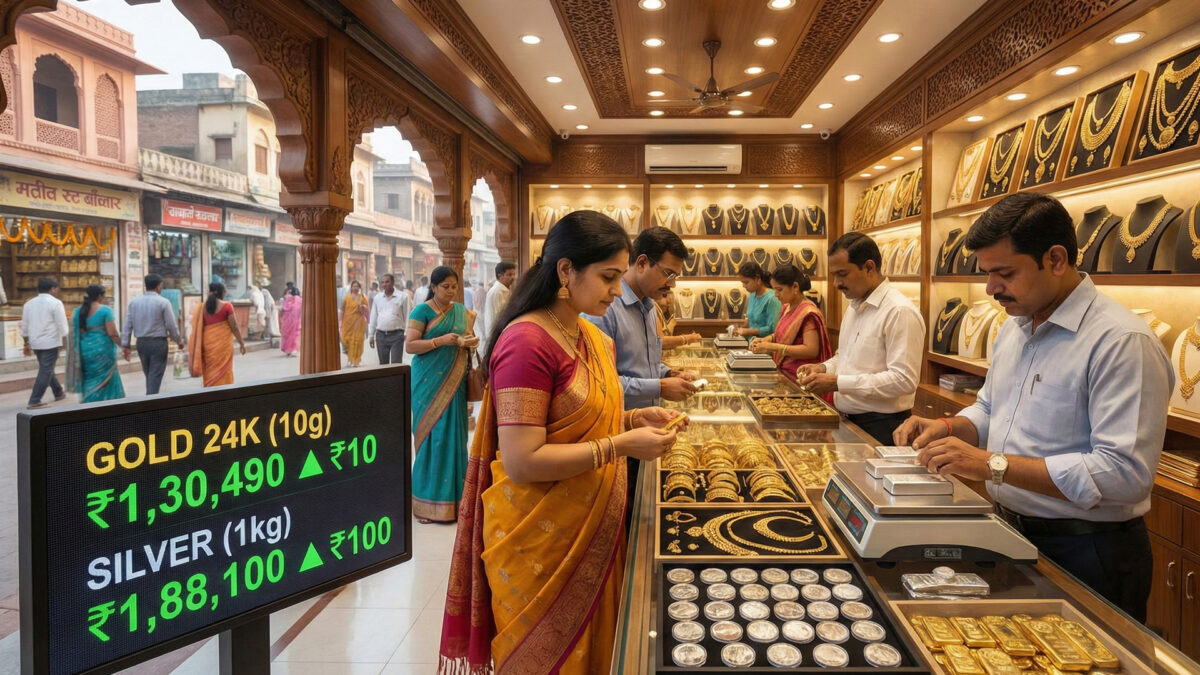
Gold steady at ₹13,385/gm, Silver nears ₹1.99 lakh/kg

Gold and silver prices in India remained mostly stable on Wednesday, with only minor changes seen across major cities.

24-carat gold was priced at around ₹13,385 per gram in Mumbai, slipping by about ₹1 from the previous day. 22-carat gold stood at ₹12,269 per gram, while 18-carat gold was available at around ₹10,038 per gram. For bulk buyers, 10 grams of 24-carat gold cost approximately ₹1,33,850, and 100 grams was priced near ₹13,38,500.

Gold prices were largely similar in cities such as Mumbai, Kolkata, Bengaluru, Hyderabad and Pune. Chennai reported slightly higher rates, while Delhi prices were marginally above those in some other metros.

Silver prices also saw a small decline. Silver was priced at about ₹199 per gram, down nearly 10 paise from the previous session. The price of one kilogram of silver stood at around ₹1,99,000, a fall of roughly ₹100. In cities like Chennai and parts of Kerala, silver traded at slightly higher levels, close to ₹2,109 per 10 grams.

Market experts say gold and silver prices in India continue to be influenced by global bullion trends, movements in the rupee against the US dollar, and international economic cues. Small day-to-day fluctuations are common.

Buyers are advised to note that final jewellery prices may vary due to GST, making charges and local jeweller margins.

Also Read: Sensex slips 100 points, Nifty below 25,850