Categories
Corporate

Sensex gains 302 points, Nifty crosses 25,750

Indian equity markets closed higher on Monday, as the BSE Sensex settled 302 points higher, while the NSE Nifty50 ended above the 25,750 mark, supported by late buying in metal and select consumer stocks.

Markets opened on a weak note and remained under pressure for most of the day. The Sensex had fallen over 700 points during intraday trade, and the Nifty slipped below 25,500, as investors stayed cautious amid mixed global cues and ongoing earnings announcements. However, sentiment improved sharply in the second half, helping benchmarks recover most of their losses by the close.

At the end of the session, the Sensex closed near 83,878, while the Nifty finished around 25,790. The rebound was driven largely by strength in metal stocks, which saw strong buying interest after recent corrections.

Among the top gainers, Coal India surged over 3 percent, emerging as the best-performing Nifty stock. Tata Steel and Asian Paints also gained nearly 3 percent each, supported by buying in commodities and expectations of stable demand. Other metal stocks such as JSW Steel and Hindalco Industries also ended higher, lifting the broader sector.

On the downside, IT and auto stocks faced selling pressure. Infosys slipped over 1 percent, reflecting continued caution around global technology spending. Tata Motors Passenger Vehicles, Bajaj Finance, Bajaj Auto, and Eicher Motors also ended lower, limiting the overall market upside.

Sectorally, metal and select consumer stocks outperformed, while IT, banking, and auto sectors showed mixed trends. Investors continued to assess quarterly earnings, including results from major IT companies, which remained a key focus during the session.

Global cues were mixed, with Asian markets trading unevenly and investors tracking developments related to international trade and macroeconomic data. The Indian rupee remained largely stable against the US dollar, offering little directional cue to equities.

Also Read: TCS Q3 steady as AI, IT spend rise

Categories
Corporate

TCS Q3 steady as AI, IT spend rise

Tata Consultancy Services (TCS), India’s largest IT services exporter, is expected to post a steady performance for the third quarter ended December 2025, with analysts forecasting modest growth in both revenue and profit. The slow growth reflects typical seasonal softness at year-end, cautious IT spending by clients, and global economic uncertainties.

According to estimates from brokerage firms, TCS’s dollar revenue is expected to increase only around 0.3% sequentially to $7.49 billion. In Indian rupee terms, revenue may rise about 1.4% to ₹66,715 crore, while net profit is seen growing roughly 1% to ₹13,035 crore. Operating margins could improve slightly due to favorable currency movements, even as fluctuations in the British pound, euro, and rupee against the dollar add some volatility to reported results.

While headline numbers are likely to be modest, investors are paying closer attention to TCS’s commentary on broader trends, particularly corporate IT spending and artificial intelligence (AI) adoption. With many companies prioritizing AI-led transformation projects, management insights on 2026 IT budgets and the strength of TCS’s order pipeline will be key indicators of future growth.

Peer companies such as HCL Technologies are also expected to show modest sequential revenue growth, supported by gains in their products and platforms segments. Analysts note that execution on AI solutions and gaining more share in existing clients’ IT budgets could become critical growth drivers for Indian IT firms, especially in a cautious spending environment.

Overall, TCS’s Q3 performance may appear steady rather than spectacular. However, the real focus for investors will be on the company’s strategic direction, AI initiatives, and the outlook for client spending, which together could set the tone for growth in the coming quarters.

Also Read: SBI revises ATM charges for savings, salary accounts

Categories
Corporate

SBI revises ATM charges for savings, salary accounts

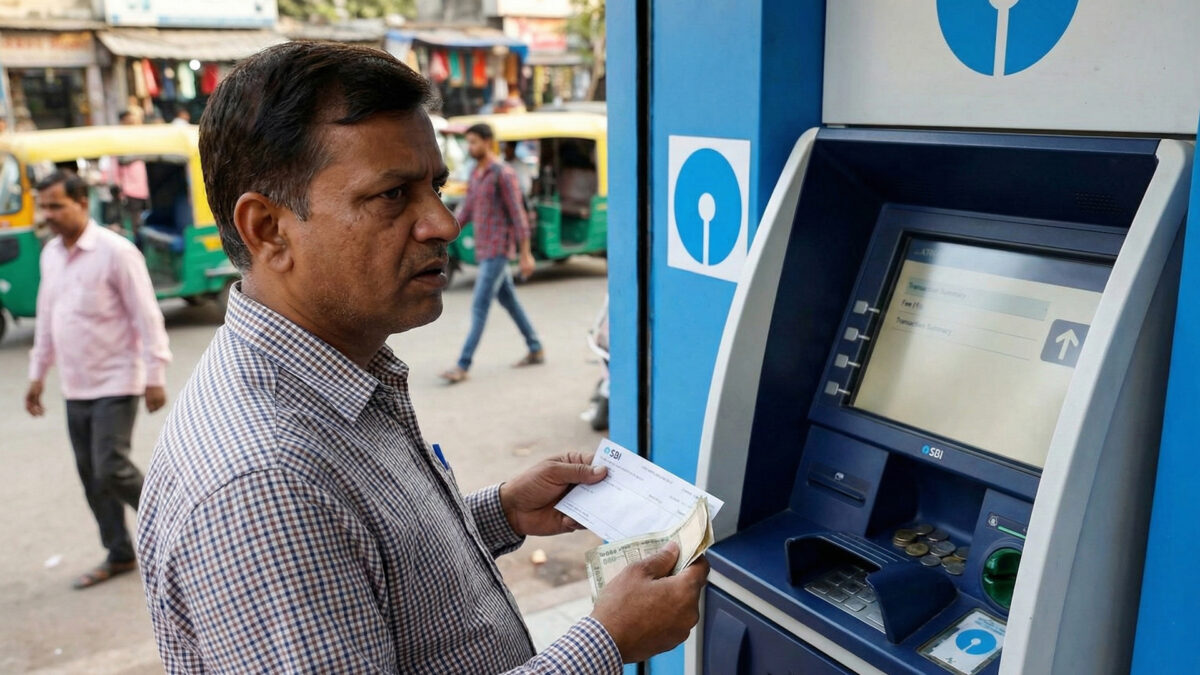
State Bank of India (SBI) has revised its ATM charges, impacting savings and salary account holders. The new fee structure, effective from December 1, 2025, primarily affects withdrawals and transactions at non‑SBI ATMs. The revision comes after an increase in interbank charges, the fees banks pay each other for ATM usage.

For regular savings account holders, the first five financial and non-financial transactions at non‑SBI ATMs remain free. Beyond this, cash withdrawals will attract ₹23 plus GST, up from ₹21, while non-financial transactions, such as balance inquiries or mini statements, will cost ₹11 plus GST, up from ₹10.

Salary account holders, who previously enjoyed unlimited free transactions, will now get 10 free transactions per month at all ATMs. Post-limit transactions will be charged the same rates as above.

Basic Savings Bank Deposit (BSBD) account holders will see no changes in ATM charges. Similarly, SBI debit cardholders using SBI ATMs and cardless cash withdrawals will continue to enjoy free and unlimited transactions.

SBI has advised customers to monitor their ATM usage carefully to avoid unexpected charges. The fee revision reflects rising costs in ATM operations and interbank transactions, aiming to balance service sustainability while encouraging responsible usage.

Also Read: FPIs sell ₹3,963 cr in Indian stocks

Categories
1 Minute-Read

FPIs sell ₹3,963 cr in Indian stocks

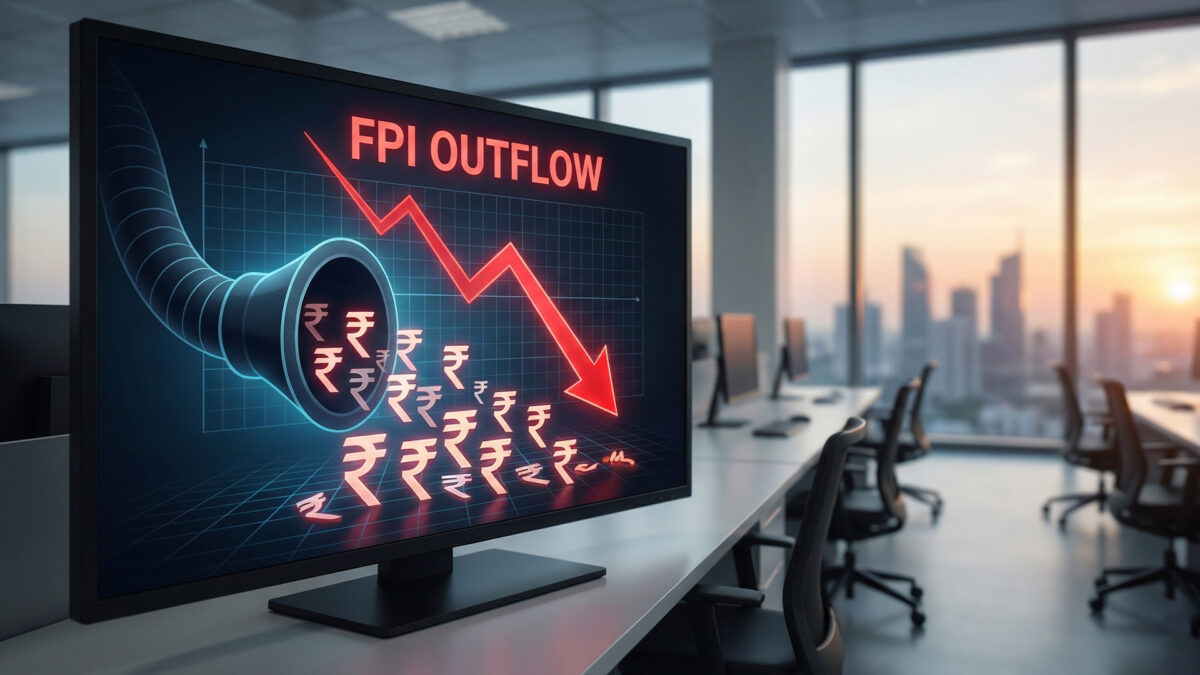
Foreign Portfolio Investors (FPIs) remained net sellers in the Indian equity market, pulling out nearly ₹3,963 crore during the past week.

The continued outflow was driven by growing global trade uncertainties and geopolitical tensions, which have made overseas investors cautious about emerging markets, including India. Data from depositories showed that selling pressure intensified towards the end of the week, weighing on overall market sentiment.

Despite the foreign sell-off, domestic institutional investors provided some support, helping limit sharper declines. Market experts say FPI behaviour is likely to remain volatile in the near term, depending on global economic signals and trade-related developments.

Categories
Beyond

US stock futures dip ahead of inflation data

US stock futures were slightly lower in early trading as investors turned cautious ahead of key economic data and corporate earnings expected this week.

Market attention is focused on the December Consumer Price Index (CPI), an important inflation report that can influence future interest rate decisions by the Federal Reserve. If inflation remains sticky, interest rates could stay higher for longer.

The fourth-quarter earnings season is also set to begin, led by major banks including JPMorgan Chase, Bank of America, Wells Fargo and Citigroup. Their results will offer clues on how companies managed higher interest rates and ongoing economic uncertainty.

Ahead of these events, futures linked to the Dow Jones, S&P 500 and Nasdaq were trading marginally lower, showing a cautious mood rather than sharp selling.

Markets have been volatile in recent weeks as investors scale back expectations of early interest rate cuts, following strong economic data. For now, traders are adopting a wait-and-watch approach, looking for clearer signals from inflation numbers and earnings updates.

Also Read: Adani plans ₹1.5 lakh cr investment in Kutch

Categories
Corporate

Adani plans ₹1.5 lakh cr investment in Kutch

Shares of Adani Ports and Special Economic Zone (APSEZ) drew attention in the stock market after the Adani Group announced a major investment plan for Kutch in Gujarat. The group plans to invest ₹1.5 lakh crore over the next five years, focusing on ports, renewable energy and related infrastructure.

The announcement was made by Karan Adani, Managing Director of Adani Ports, at the Vibrant Gujarat Regional Conference held in Rajkot. He said the investment reflects the group’s long-term confidence in Gujarat and its growing importance in India’s economic development.

A key part of the plan is the expansion of Mundra Port, India’s largest commercial port located in Kutch. According to Adani, the company aims to double the port’s cargo handling capacity over the next 10 years. This expansion is expected to strengthen India’s trade and logistics network and support higher exports and imports.

Another major focus area is renewable energy. The Adani Group plans to fully develop the Khavda renewable energy project, which has a planned capacity of 37 gigawatts (GW). Once completed by 2030, it is expected to be one of the world’s largest renewable energy projects, contributing significantly to India’s clean energy goals.

Karan Adani highlighted that Kutch, which was once considered a remote region, has now become an important hub for ports, power and industrial activity. He said large investments in infrastructure have transformed the region and created new opportunities for businesses and local communities.

The announcement also underlined Gujarat’s strong role in the national economy. The state contributes over 8% to India’s GDP and handles more than 40% of the country’s total port cargo, making it a key driver of growth.

Following the news, Adani Ports shares remained in focus as investors assessed the long-term benefits of the investment plan. Market participants believe the proposed spending could support future growth, improve capacity and strengthen the company’s leadership in the ports and logistics sector.

Also Read: Gold jumps ₹2,000, silver soars ₹10,000 to record highs

Categories
Beyond

US lets India buy Venezuelan oil

The United States has signaled that India can resume buying crude oil from Venezuela, a source that was largely blocked due to US sanctions. US officials said Indian companies may import Venezuelan oil, but all sales and payments will be controlled and monitored by Washington. The detailed rules and approvals are still being finalized.

India was a regular buyer of Venezuelan crude before sanctions halted trade. With Indian refiners reducing Russian oil imports due to US pressure, Venezuelan oil offers a politically acceptable alternative. Reliance Industries, India’s largest refining company, said it would consider importing Venezuelan oil again once US regulatory approval is clear. Other refiners, including Indian Oil Corporation and Hindustan Petroleum, have also expressed interest.

Earlier, Reliance received permits to import about 63,000 barrels per day of Venezuelan oil in early 2025. Imports stopped in May 2025 after tighter sanctions. Venezuelan crude is heavy and requires special processing, so Indian refiners are expected to start gradually once approvals are in place.

Experts say resuming Venezuelan oil imports could help India reduce dependence on Russian crude while staying within US rules. However, all shipments will remain under Washington’s oversight, meaning India cannot freely trade or sell the oil.

The move reflects a significant shift in US policy. By allowing India to buy Venezuelan oil under strict control, Washington maintains strategic oversight while opening an old trade route. For India, this could ease supply challenges, give refiners access to discounted heavy crude, and reduce reliance on other countries.

While promising, the process will take time. Indian refiners will wait for clear regulatory guidance and permits. The actual volumes and timeline for imports will depend on US approvals and Venezuela’s ability to supply the crude under international scrutiny.

Categories
Corporate

IEX stock falls after APTEL defers market coupling case

Shares of Indian Energy Exchange (IEX) declined on Friday as investors reacted to continued uncertainty over proposed reforms in the power trading market. The fall came after the Electricity Appellate Tribunal (APTEL) adjourned the hearing on the market coupling issue to January 19, 2026, extending the wait for regulatory clarity.

The case relates to a challenge filed by IEX against directions issued by the Central Electricity Regulatory Commission (CERC) in July 2025. These directions propose the introduction of market coupling, a mechanism aimed at creating a single, unified price for electricity by pooling bids from all power exchanges. The reform is intended to improve efficiency and transparency in price discovery across the power market.

IEX has opposed the move, arguing that the proposed system could adversely impact competition and undermine its business model. The company has also raised concerns about the process followed by the regulator, stating that it was not given adequate opportunity to present its views before the directive was issued.

During the latest hearing, CERC informed the tribunal that the July communication should be treated as a direction and not a final, binding order. The regulator’s counsel sought additional time to clarify whether the directive could be modified or withdrawn, given the questions raised by the tribunal. Taking note of these submissions, APTEL decided to defer the matter and asked both sides to file further documents before the next hearing.

The tribunal also flagged the need for greater transparency and procedural fairness in regulatory decision-making, indicating that these aspects would be examined in detail when the case resumes.

The postponement led to sharp volatility in IEX shares. The stock moved sharply during the session and slipped as much as nearly 8 per cent at one point, as traders and investors reacted to the absence of a clear timeline on the implementation of market coupling.

Market analysts say the issue is significant for IEX, which currently dominates trading volumes in the day-ahead power market. If market coupling is implemented, price discovery would shift to a centralised mechanism, potentially reducing the influence of individual exchanges and altering competitive dynamics in the sector.

Also Read: BCCL ₹1,071 cr IPO sees strong demand

Categories
Corporate

BCCL ₹1,071 cr IPO sees strong demand

Bharat Coking Coal Ltd (BCCL), a subsidiary of Coal India Ltd, launched its initial public offering (IPO) on January 9, 2026, priced at ₹21–23 per share. The IPO, entirely structured as an offer-for-sale (OFS), aims to raise approximately ₹1,071 crore from investors. It marks one of the first major public offers of 2026 and has attracted considerable attention from retail, institutional, and non-institutional investors.

The subscription process is open until January 13, with allotment expected on January 14. Shares are likely to debut on the BSE and NSE on January 16. Early indications suggest strong demand across all investor categories, reflecting confidence in BCCL’s market position and backing from its parent company, Coal India.

The grey market premium (GMP) for the BCCL IPO is signaling potential listing gains of 40–50%, a robust figure that has further piqued investor interest. Analysts note that BCCL, being a government-backed coal producer with a strong operational track record, presents a relatively low-risk investment option with good growth prospects.

BCCL operates in the coking coal segment, supplying a critical raw material for steel production. The company’s parentage under Coal India Ltd provides additional credibility, attracting both retail and institutional investors looking for stable government-linked opportunities. Market experts believe that the strong grey market activity combined with oversubscription trends indicates a healthy appetite for government-linked IPOs in the current market scenario.

The public offer is also expected to enhance BCCL’s visibility among investors and strengthen its financial profile. Analysts recommend subscribing to the IPO, citing both its strategic importance in India’s coal sector and the potential upside at listing.

 The BCCL IPO is being seen not just as a financial opportunity but also as a barometer of investor sentiment toward government-backed enterprises in the early part of 2026.

Also Read: Zoho founder Vembu faces $1.7bn bond in divorce case

Categories
1 Minute-Read

Nestlé India confirms local formula safe for consumers

Nestlé India has clarified that the infant formula recalled globally is not sold in India. All baby formula brands available domestically are produced locally and comply with Food Safety and Standards Authority of India (FSSAI) regulations.

The company stressed that none of the recalled international batches are distributed in India. The global recall was a precautionary measure due to a quality issue in an ingredient, with no reported illnesses linked to the products.

Nestlé India reassures consumers that its locally made formulas remain safe for use and meet stringent safety standards.