Categories
Beyond

US bans new foreign drone imports

The US Federal Communications Commission (FCC) has barred imports and sales of new foreign‑made drones and critical components, including models from China’s DJI and Autel Robotics, citing national security concerns. The FCC added all foreign drones and related parts to its national security “Covered List,” preventing future models from receiving the authorizations required for sale in the US.

Officials said the move targets potential risks from foreign drones, including unauthorized surveillance and data breaches. The ban follows a 2024 defence review of foreign drone technology, conducted by a White House interagency task force. Certain drones or components could still be cleared if they are deemed safe by the Department of Defense or the Department of Homeland Security.

Drones already approved in the US are not affected. Current owners and agencies can continue using their equipment, and retailers may sell models that received prior authorization.

DJI, a global market leader, expressed disappointment and criticized the decision as lacking transparency. The company said that existing products will continue to operate and reaffirmed its support for a competitive market. Autel and other affected manufacturers have also questioned the security rationale behind the ban.

China condemned the ban, calling it discriminatory and urging US authorities to reverse the decision. The Chinese government described the measure as unfair to foreign businesses.

Industry groups, including the Association for Uncrewed Vehicle Systems International, welcomed the move as a step toward reducing dependence on foreign technology and strengthening domestic drone production. However, US commercial operators warned that the ban could disrupt businesses that rely on advanced foreign drones, highlighting the gap in domestic alternatives.

The FCC said the measure aligns with broader US efforts to safeguard technology and national security ahead of major international events, including the 2026 FIFA World Cup and the 2028 Olympics, when drone use is expected to rise.

The ban marks a significant shift in US drone policy. It signals stricter oversight of foreign technology while promoting domestic innovation in unmanned aerial systems.
Also Read: Reliance tops India’s wealth creation in 2025

Categories
Corporate

BP close to $10 bn sale of Castrol stake

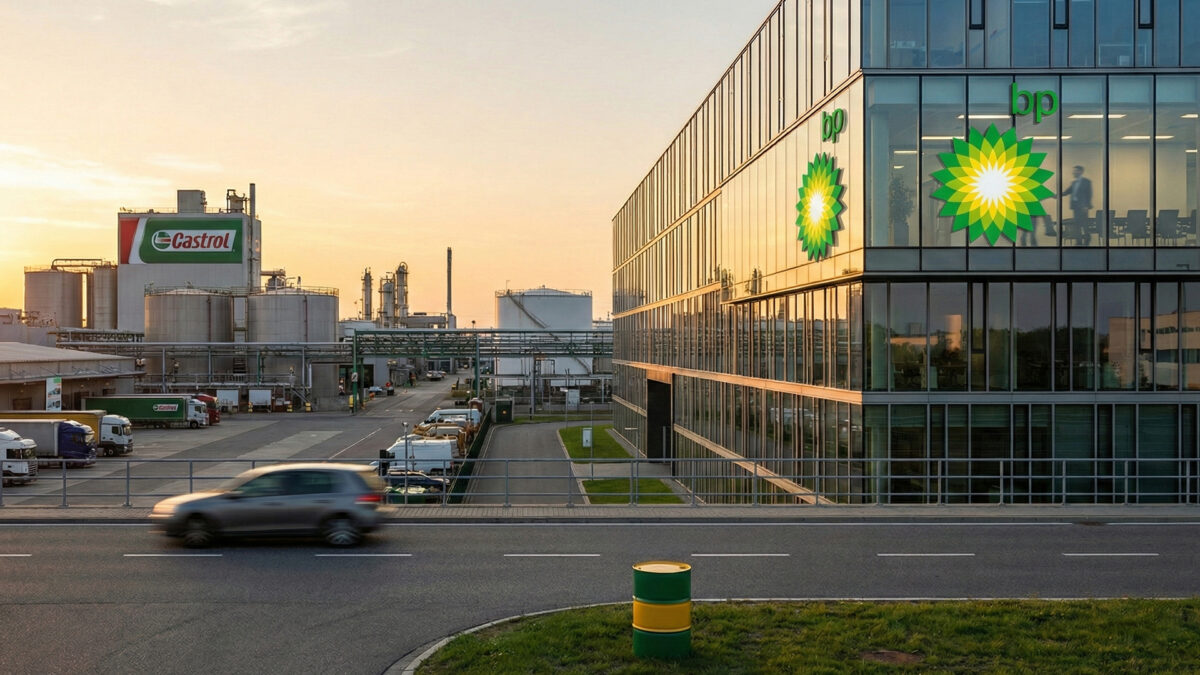
British Petroleum (BP) is nearing an agreement to sell a majority stake in its Castrol lubricants business to US investment firm Stonepeak in a deal valuing Castrol at about $10 billion. The transaction is part of BP’s wider effort to simplify its business and strengthen its balance sheet.

As per the proposed structure, BP will sell around 65 percent of Castrol and retain a 35 percent stake through a joint venture. The sale is expected to generate nearly $6 billion in cash for BP. Stonepeak will take management control, while BP will continue to benefit from Castrol’s performance through its minority holding.

Castrol is one of BP’s most recognisable brands, with a strong presence in automotive and industrial lubricants across global markets. While it is a steady and profitable business, BP has been under investor pressure to focus capital on higher-return areas and reduce debt as it balances oil and gas operations with its energy transition plans.

Reports indicate that a Canadian pension fund may also invest alongside Stonepeak. BP could consider selling its remaining stake in Castrol in the future, depending on market conditions and strategic priorities.

The deal is still subject to final negotiations and regulatory approvals. If completed, it would rank among the largest transactions in the global lubricants sector and is expected to close by the end of 2026. For BP, the move offers financial flexibility, while for Stonepeak, it provides access to a well-established global brand with stable cash flows.

Also Read: Adani Ports completes Australia NQXT deal

Categories
Beyond

US changes H‑1B rules, prioritises top-paid talent

The US government is overhauling the H‑1B visa programme, replacing the decades-old lottery with a wage- and skill-based selection system. The change, effective February 27, 2026, is aimed at prioritising highly skilled and higher-paid foreign workers while reducing reliance on lower-wage hiring.

Under the new model, the annual 65,000 visa cap, and 20,000 for holders of US advanced degrees, remains, but applications will no longer be randomly selected. Employers offering higher salaries and advanced skills will have better odds, while lower-paid positions will face reduced chances of approval.

Officials say the move is designed to protect domestic wages and prevent misuse of the lottery system, which some companies exploited to fill entry-level roles cheaply. The reform comes alongside higher H‑1B filing fees and stricter enforcement in other visa categories.

Business groups have voiced concerns that the changes could limit access to critical foreign talent, particularly in tech, healthcare, and engineering sectors. Advocates, however, argue that prioritising high-skill, high-pay workers aligns with the programme’s original intent and strengthens the US workforce.

The reform represents one of the most significant H‑1B policy shifts in decades, signalling a tighter focus on economic value and workforce protection.

Also Read: OYO Parent Prism clears ₹6,650 cr IPO plan

Categories
Corporate

FDA clears Wegovy pill, Novo Nordisk shares up 10%

The FDA has approved a pill version of the weight‑loss drug Wegovy, offering a simpler alternative to injections and sending shares of Danish pharmaceutical company Novo Nordisk higher. The approval was announced on December 23, 2025.

Novo Nordisk’s stock rose sharply, gaining nearly 10% in Frankfurt trading as investors welcomed the new treatment. US-listed shares also jumped in early trading.

The oral Wegovy contains semaglutide, the same active ingredient as the injectable version. Taken once daily, it provides a convenient option for patients who prefer pills over weekly injections. This makes it the first FDA-approved GLP-1 weight-loss pill.

The company plans to launch the pill in the US early January 2026 at around $149 per month for the starting dose and is pursuing approvals in Europe and other markets. Novo Nordisk says it is well-prepared for supply, avoiding shortages that affected the injectable version’s launch.

Analysts believe the pill could expand access to obesity treatment, especially among adults hesitant about injections. However, competitors like Eli Lilly’s oral drug orforglipron, expected to launch in 2026, could narrow Novo Nordisk’s advantage.

Also Read: Pulitzer winner Carreyrou, 5 authors sue AI giants over copyright

Categories
Corporate

Sensex and Nifty ends flat during cautious trade

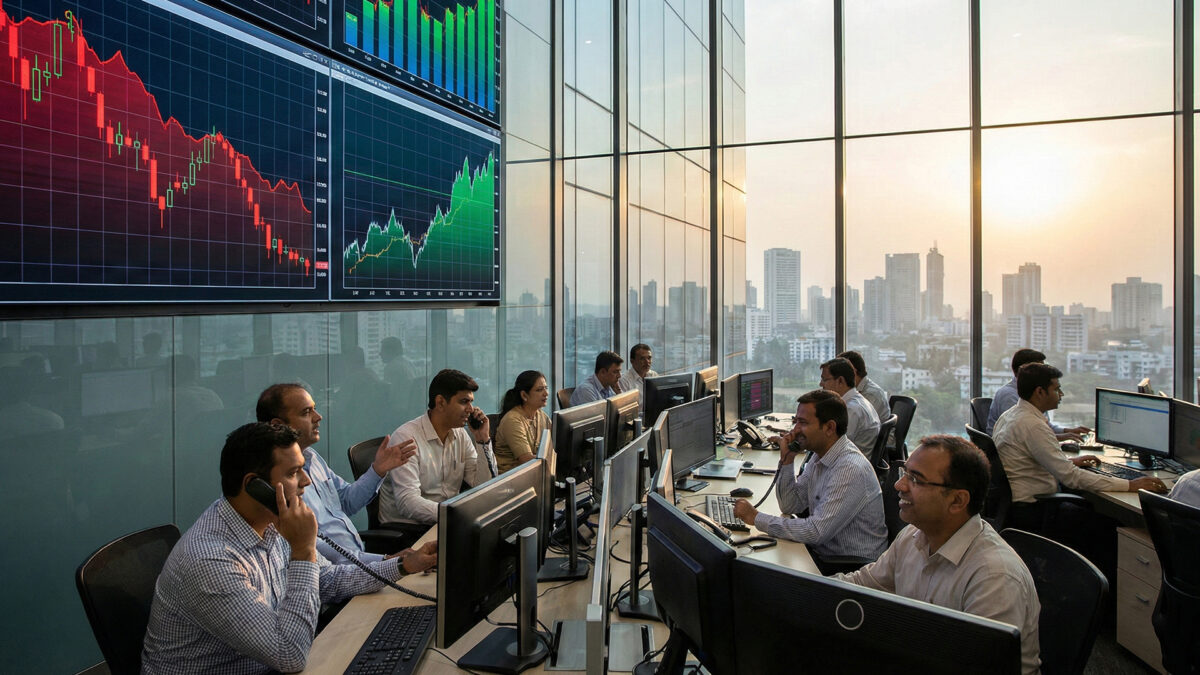
On Tuesday, while supportive global cues offered some early optimism, a lack of strong domestic triggers and selling pressure in IT stocks kept the Sensex and Nifty 50 confined to a narrow range throughout the day.

The BSE Sensex closed marginally lower, while the Nifty 50 settled almost unchanged near the 26,177 mark. Markets opened on a firm note, supported by gains in US and Asian markets, but failed to sustain momentum as investors remained selective in their approach.

IT stocks such as Infosys, TCS and Wipro came under pressure, dragging the benchmarks. On the other hand, buying interest in energy, metal and cement stocks helped limit losses. Stocks like Coal India, Shriram Finance and UltraTech Cement were among the notable gainers of the session.

Broader markets also mirrored the cautious mood. Mid-cap and small-cap stocks traded largely in line with benchmark indices, with no major sector witnessing sharp gains or losses. Trading volumes remained subdued, reflecting low risk appetite during the holiday-shortened week.

On the global front, GIFT Nifty indicated a firm start for Indian markets, tracking overnight gains on Wall Street. US markets closed higher, while major Asian indices also traded in the green, supported by optimism around global economic stability.

Despite positive global cues, analysts said Indian markets lacked strong domestic triggers to drive a decisive move. Mixed foreign investor activity and year-end profit booking further contributed to the sideways trend.

Also Read: Sensex trades sideways, Nifty slips below 26,200

Categories
Leaders

Call of Duty Co-Creator Vince Zampella dies in car crash

Vince Zampella, co-creator of the popular Call of Duty video game franchise, has died in a car crash in California. He was 55.

The accident occurred on Sunday afternoon on the Angeles Crest Highway near Los Angeles, when the Ferrari he was driving lost control, hit a concrete barrier and caught fire. A passenger in the car was also killed. Authorities have launched an investigation to determine the cause of the crash.

Zampella was a highly influential figure in the gaming industry. He co-founded Infinity Ward and later Respawn Entertainment, creating hit titles such as Titanfall, Apex Legends and the Star Wars Jedi series.

Categories
Beyond

Rupee slips 3 paise to 89.65 in early trade

The Indian rupee inched higher on Tuesday, closing at 89.65 against the US dollar, marking a modest gain of 3 paise from the previous session. Market analysts attributed the slight rise to a weaker US dollar, which generally supports emerging market currencies like the rupee.

The rupee had opened slightly stronger at around 89.67 at the interbank foreign exchange market but quickly gave up those gains as buying interest in the dollar picked up. Dealers said the early optimism faded as traders reacted to ongoing selling by foreign institutional investors, which has been a key factor weighing on the currency.

Foreign investors have been pulling money out of Indian markets in recent sessions. This has increased demand for the US dollar, putting downward pressure on the rupee. Adding to this, Indian companies were seen buying dollars to pay for imports and to hedge future foreign currency needs.

Market participants said the overall mood remains cautious. Although the Reserve Bank of India has stepped in at times to limit sharp movements in the currency, the rupee has struggled to hold on to gains. The central bank’s efforts are mainly aimed at reducing volatility rather than defending any specific level.

The rupee has also been affected by a firm US dollar globally. As the greenback remains strong in international markets, most emerging market currencies, including the rupee, have faced selling pressure.

Traders noted that importers continue to actively buy dollars, while exporters are selling cautiously, waiting for more favourable exchange rates. This imbalance in demand and supply has kept the rupee under stress.

Also Read: Oil prices edge up after US intercepts Venezuelan tanker

Categories
Corporate

Foxconn hires 30,000 at women-led iPhone plant in Bengaluru

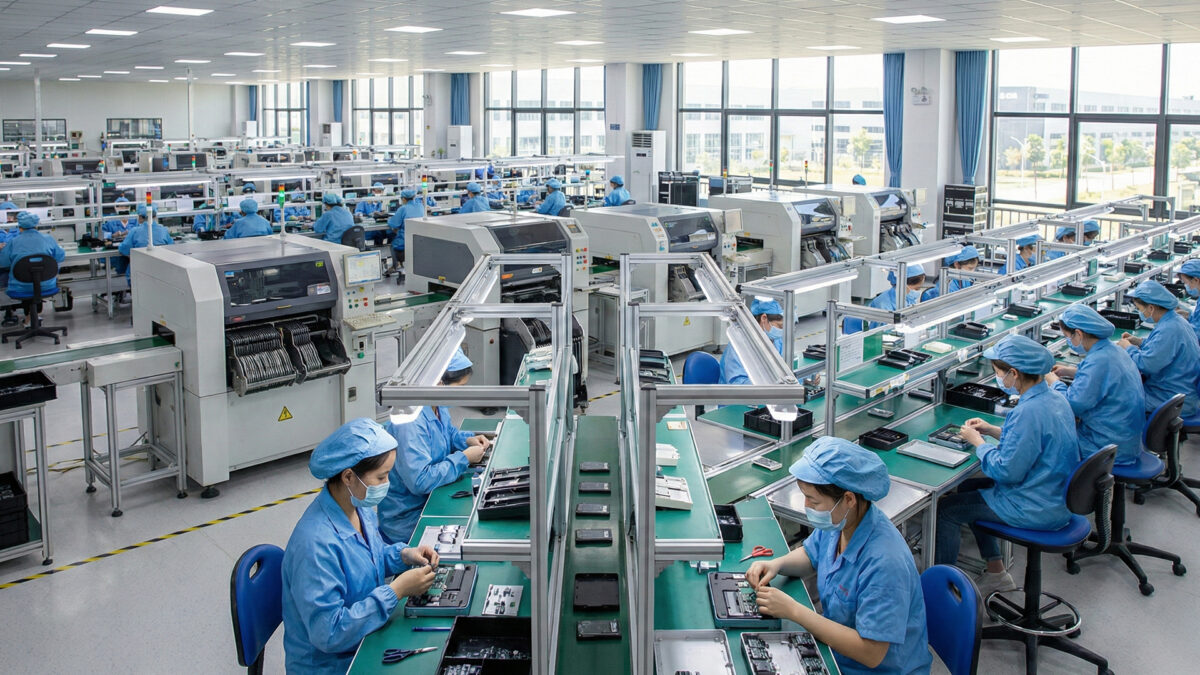
Taiwan-based electronics giant Foxconn has successfully recruited 30,000 employees at its new iPhone assembly plant in Devanahalli, near Bengaluru, achieving the feat in just eight to nine months,  the fastest factory hiring record in India. The development highlights India’s increasing role in global electronics manufacturing and Apple’s plan to reduce reliance on China.

The 300-acre plant is notable for its workforce composition, with around 80% women, mostly aged 19–24 and entering formal employment for the first time. This makes the facility one of the largest single-location women employer hubs in the country.

Trial production began in April–May, initially assembling iPhone 16 models, and the plant now produces the latest iPhone 17 Pro Max devices, with over 80% of phones exported, integrating the unit into Apple’s global supply chain.

To accommodate its staff, Foxconn has built six large dormitories, with plans for more. The company aims to develop the site into a self-contained mini township with residential, medical, educational, and recreational facilities. Employees receive free accommodation, subsidized meals, and an average monthly salary of ₹18,000, considered competitive for blue-collar manufacturing jobs for women.

The ₹20,000 crore investment positions the Devanahalli facility to become India’s largest factory in terms of production capacity and employment. Foxconn expects the workforce could rise to 50,000 once the plant reaches full capacity next year.

This rapid ramp-up aligns with Apple’s strategy to expand manufacturing outside China, supported by India’s production-linked incentive (PLI) scheme. With exports increasing, India is set to become a central hub in Apple’s global manufacturing network, while creating significant employment opportunities for women.

Also Read: ICICI Bank revises credit card charges, benefits from 2026

Categories
Corporate

Swiggy’s Instamart opens first mini-offline store in Gurugram

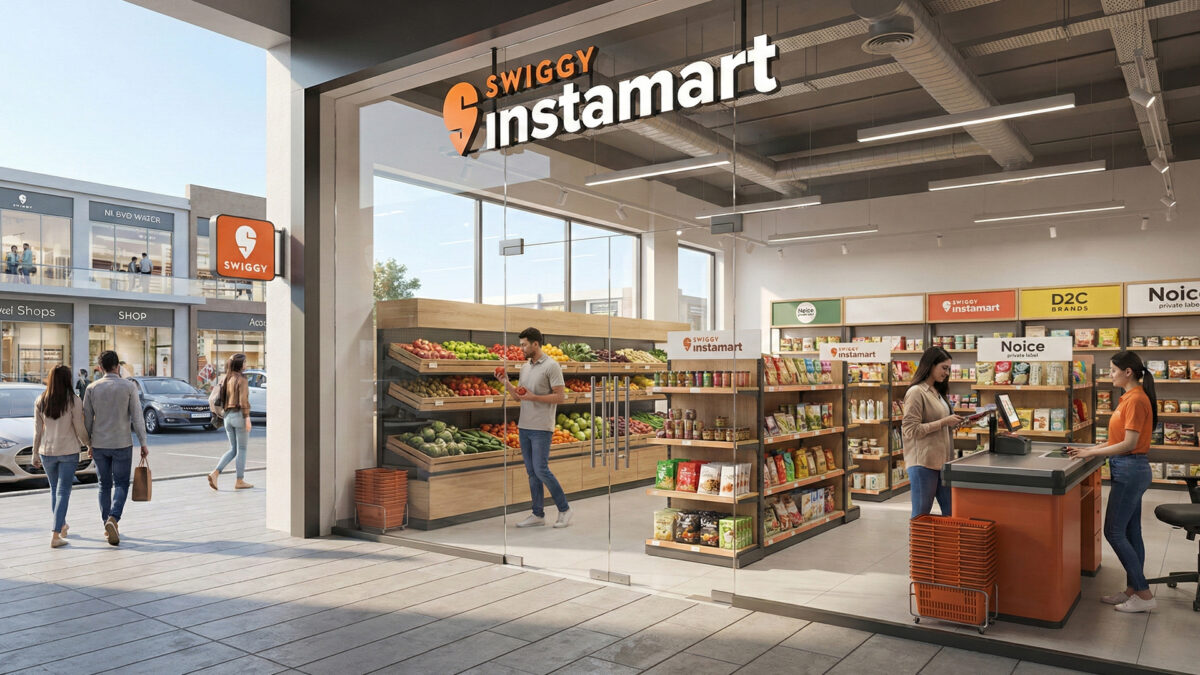
Swiggy’s quick-commerce platform, Instamart, is trying something new. For the first time, it has opened a small offline store in Gurugram, giving customers a chance to browse and pick products in person rather than just ordering through the app. The store is located at M3M 65th Avenue and is about 400 square feet, much smaller than Instamart’s usual dark stores that stock thousands of items.

The offline store carries a limited selection of 100–200 products, focusing on items that people often like to check physically before buying, fresh fruits and vegetables, daily essentials, new product launches, private-label items, and select D2C brands. Customers can see the quality, compare products, and get a feel for them before deciding to purchase.

Unlike traditional retail stores, this outlet is seller-operated under the Instamart brand. This means sellers directly receive the sales proceeds, instead of money going through the app’s usual transaction process. It also helps Swiggy test the concept without heavy operational investment.

The move comes at a time when India’s quick commerce sector is evolving. Companies like Instamart have grown popular for ultra-fast deliveries, but now they are exploring ways to build stronger connections with customers. By opening an offline store, Instamart aims to combine the convenience of online shopping with the trust and experience of physical retail.

For now, this is just a pilot store, and there’s no plan to open many more immediately. Swiggy will see how customers respond before deciding the next steps. If successful, more experience stores could appear, offering a unique way to shop while still enjoying the speed and convenience of quick commerce.

Categories
1 Minute-Read

ICICI Prudential AMC shares gain 2% on Day 2

Shares of ICICI Prudential Asset Management Company (AMC) continued their upward momentum, rising over 2 percent in early trade on the second day after listing.

The stock built on its strong debut, where it had ended nearly 19 percent above its issue price, reflecting robust investor interest. Market experts remain positive on the company’s outlook, pointing to its strong position in equity assets, consistent fund performance and growing presence in PMS and AIF segments.

Brokerages have largely advised investors to buy or hold the stock, citing healthy long-term growth prospects supported by rising equity inflows and steady profitability.