
Categories
Beyond

Maharashtra FDA flags steep hospital prices

A Maharashtra government survey has brought a sharp focus on the prices patients pay for basic medical consumables in hospitals. The survey found huge differences between the prices at which some products were procured and their printed maximum retail prices (MRPs), with markups reaching as high as 2,841% in one case.

The issue has now reached the Centre. The government has sought a report from the National Pharmaceutical Pricing Authority (NPPA) after Maharashtra Food and Drug Administration (FDA) Commissioner Tukaram Mundhe flagged the pricing gaps and called for a review of the existing system. The Department of Pharmaceuticals is expected to examine the NPPA’s analysis before deciding on further action.

One example cited by Mundhe involved an intravenous (IV) infusion set. The product was procured at a trade price of Rs 11.05 but carried a printed MRP of Rs 325. The difference works out to a markup of about 2,841%.

Other hospital consumables also showed wide gaps. A syringe purchased for Rs 6.75 carried an MRP of Rs 57.20, while a catheter procured for Rs 29.41 had an MRP of Rs 310. The survey covered hospitals in the Mumbai Metropolitan Region, Pune and Chhatrapati Sambhajinagar.

Mundhe has argued that the problem is not limited to the price of individual products. Patients admitted to hospitals often have little opportunity to compare the prices of medical supplies used during treatment or question the basis of the charges. Unlike elective purchases, many of these items are used as part of routine medical care, leaving patients with limited choice.

The Maharashtra FDA has therefore recommended a review of the pricing structure and clearer rules on the permissible difference between trade procurement prices and declared MRPs. Mundhe has said the issue needs to be examined at the policy level rather than through arbitrary price-setting.

A key part of the debate is the regulatory treatment of medical devices and consumables. Scheduled medicines are subject to price ceilings under the Drugs (Prices Control) Order, 2013. Many medical devices and hospital consumables, however, do not face the same type of price controls. This has raised questions about how large differences between procurement costs and MRPs should be monitored.

The Maharashtra FDA has made clear that it does not have the authority to regulate hospital bills. Its survey was aimed at highlighting the pricing gap and bringing the matter before the appropriate central authorities. The final decision on any price controls or changes to the regulatory framework rests with the Centre and the NPPA.

The issue has also drawn a response from the healthcare industry. Hospitals and healthcare organisations have argued that procurement prices alone cannot be used to determine the final cost of providing a medical product to a patient. They point to additional expenses such as maintaining emergency stocks, ensuring sterile storage, product traceability, trained staff, infrastructure and the risk of unused products expiring.

Industry representatives have also called for a differentiated approach. They argue that simple, routinely used consumables should be examined differently from sophisticated medical technologies that require specialised infrastructure and clinical support. At the same time, healthcare bodies have acknowledged that unusually high margins on basic consumables warrant scrutiny.

The debate is therefore moving beyond a single hospital or product. It raises broader questions about transparency in hospital billing, medical device pricing and the information available to patients.

The figures highlighted by the Maharashtra FDA have also renewed discussion around trade-margin rationalisation. If a product is purchased by a hospital at a fraction of its printed MRP, regulators need to determine how the difference is created, who benefits from it and what portion, if any, is reflected in the final patient bill.

Mundhe has stopped short of suggesting a fixed percentage for permissible margins, saying that such a decision falls within the remit of the NPPA and policymakers. He has instead called for a transparent framework that takes into account manufacturers, distributors, hospitals and patients.

The Centre’s request for an NPPA report is now the next step. The regulator’s analysis could help determine whether the price gaps identified in Maharashtra point to a wider problem requiring changes in medical device pricing rules.

Any new framework will have to balance affordability with the costs involved in safely supplying medical products. The immediate question, however, remains straightforward: when patients are billed for basic hospital consumables, how much of the price should they reasonably be expected to pay, and how clearly should that cost be explained?

The Maharashtra survey has put that question firmly on the healthcare policy agenda, with patients, hospitals, manufacturers and regulators now waiting for the Centre’s next move.

 

Categories
Beyond

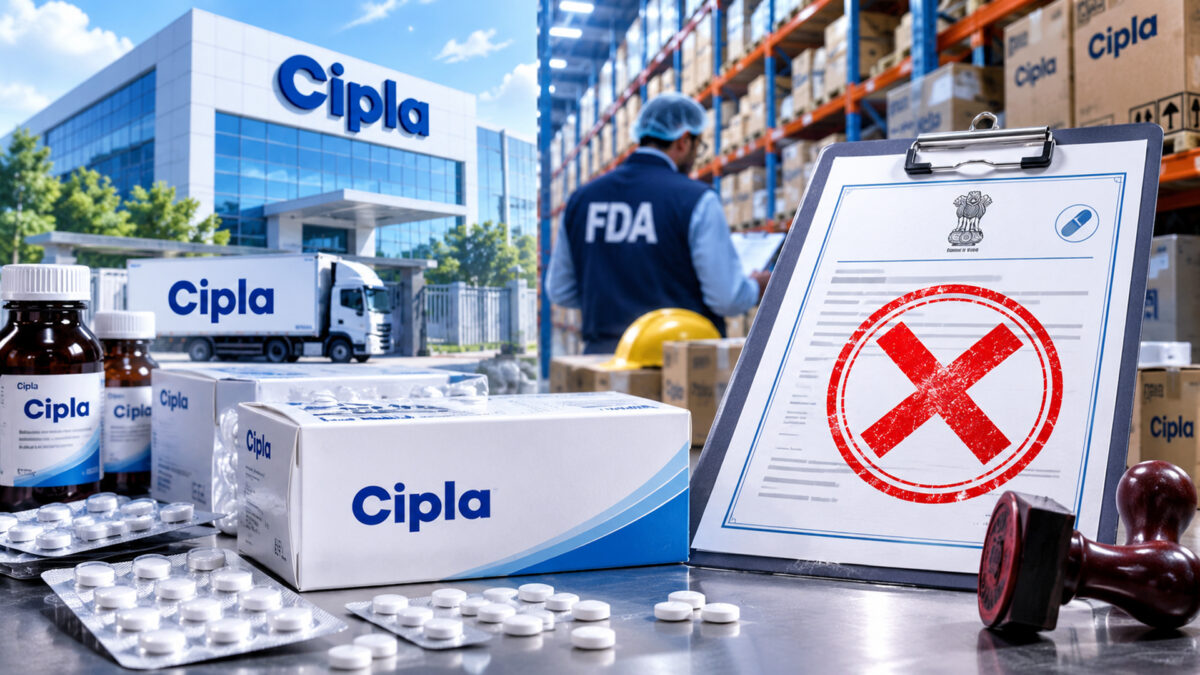
FDA cancels Cipla Pune unit licence

The Maharashtra Food and Drug Administration (FDA) has cancelled the drug sale licences of Cipla Pharma & Life Sciences Ltd’s carrying and forwarding (C&F) facility in Pune, citing multiple regulatory lapses involving the handling and distribution of medicines.

The cancellation took effect on August 27 and relates to the company’s warehouse at Wadki in Pune district. The action followed inspections in which officials found irregularities concerning the packaging of Reactin Plus tablets, storage practices, stock records and compliance with a recall order.

The case came to light during an FDA inspection in June. Officials found that the packaging of Reactin Plus, a Schedule H prescription medicine, carried an unauthorised description referring to it as an “analgesic and antipyretic”. The regulator also objected to promotional material appearing on the packaging, saying it did not comply with provisions of the Drugs and Cosmetics Act, 1940, and the Drugs Rules, 1945.

Reactin Plus is a prescription medicine, meaning its sale and distribution are subject to stricter regulatory requirements. The FDA subsequently seized stock valued at around ₹11.19 lakh and directed that the affected medicine be withdrawn from the market. The regulator later alleged that the recall instructions were not fully followed.

A follow-up inspection brought several additional issues to the regulator’s attention. Officials found discrepancies between physical stock and computerised inventory, as well as differences involving purchase and sales records. The findings raised concerns about whether the facility’s records accurately reflected the movement of medicines through the warehouse.

Storage arrangements were also questioned. According to the FDA, medicines were found stored directly on the floor, while the facility had inadequate arrangements involving pallets and racks. The regulator also flagged shortcomings in records and procedures for dealing with expired medicines.

The concerns were therefore not limited to the labelling of one product. The FDA’s action covered a broader set of issues involving the sale, storage, documentation and recall of medicines at the C&F facility.

After the inspections, the Maharashtra FDA issued a show-cause notice to the licence holder. The company was given an opportunity to explain the findings and the alleged failure to fully comply with the recall directions. After reviewing the response, the regulator proceeded with cancellation of the drug sale licences.

FDA Commissioner Tukaram Mundhe said the department would take a strict approach to violations involving the advertising, sale, storage and distribution of Schedule H medicines. The regulator has emphasised that pharmaceutical companies and distributors are expected to follow prescribed procedures throughout the drug supply chain.

Cipla has challenged the FDA’s decision. Cipla Pharma & Life Sciences said the matter is currently under judicial consideration and therefore declined to comment on the proceedings in detail.

The company also sought to distinguish the regulatory action from any concern over the medicines themselves. Cipla said the FDA order does not allege problems relating to the safety, quality or efficacy of its products and does not involve or indicate a patient safety issue.

This clarification is important because the FDA action concerns the operations of the C&F warehouse and the regulatory compliance issues identified there. It is not, in itself, a declaration that Cipla’s wider product portfolio is unsafe.

The episode nevertheless highlights the importance of compliance at every stage of pharmaceutical distribution. While drug manufacturers face extensive requirements for production and quality control, warehouses and distribution centres must also maintain proper storage conditions, accurate records and effective systems for tracking products.

Recall procedures are particularly important because regulators and companies need to be able to identify affected batches quickly and ensure that they are removed from the market. Any gap between physical inventory and recorded stock can make that process more difficult.

The case also draws attention to the restrictions governing the promotion and labelling of prescription medicines. Claims appearing on drug packaging must comply with regulatory requirements, and companies are expected to ensure that marketing or promotional language does not go beyond approved provisions.

The Maharashtra FDA’s action comes as state drug regulators continue to tighten scrutiny of pharmaceutical operations, including manufacturing, storage and distribution facilities. Such inspections are intended to ensure that medicines moving through the supply chain meet regulatory requirements and that companies maintain proper systems for accountability.

The case for the pharmaceutical industry, serves as a reminder that compliance extends beyond manufacturing. Proper labelling, warehouse conditions, inventory management, documentation and recall execution are all critical components of maintaining a reliable drug supply chain.

The dispute between Cipla and the Maharashtra FDA will therefore be closely watched, particularly for its implications for pharmaceutical compliance and regulatory enforcement. While the company maintains that there is no product safety or patient safety concern, the regulator has made clear that lapses in the distribution and handling of prescription medicines can attract strict action.


Categories
Beyond

Maharashtra FDA checks Mumbai Chinese food stalls

Mumbai’s familiar roadside Chinese food stalls are now coming under the Maharashtra Food and Drug Administration’s (FDA) food safety scanner, as authorities prepare to inspect outlets following complaints about food quality, ingredients and hygiene.

The proposed inspections are part of a wider enforcement drive by the Maharashtra FDA, which has stepped up action against food adulteration, unsafe products, counterfeit goods and illegal gutkha sales across the state.

The move has also drawn attention to a curious change noticed by some Mumbai diners: the bright red colour traditionally associated with dishes such as chicken lollipops and Manchurian preparations appears to be less prominent at some eateries.

However, the FDA has not announced a blanket ban on red food colouring in Chinese food. Instead, the focus is on whether food colours and other ingredients being used by restaurants and street vendors comply with applicable food safety requirements.

Maharashtra FDA Commissioner Tukaram Mundhe said the department had received complaints about Chinese food vendors operating across cities and towns in the state. Officials are expected to examine the food served at these outlets as well as the ingredients used during preparation.

The inspections are likely to cover several aspects of food safety. These include the quality of raw materials, food preparation and handling practices, hygiene at stalls, storage conditions and compliance with licensing and registration requirements.

For customers, the exercise could bring greater scrutiny to an important part of Mumbai’s street-food culture. Chinese food stalls are common across the city, offering inexpensive noodles, fried rice, Manchurian dishes, soups, chicken preparations and other popular items.

The bright red appearance of some dishes has long been associated with Mumbai-style Chinese food. While colour itself does not establish whether food is safe or unsafe, regulators are concerned about whether food additives and ingredients are being used within permitted standards.

Food colours are regulated because excessive or unauthorised use can raise food safety concerns. The FDA’s proposed inspections are therefore expected to look beyond appearance and examine the overall handling and preparation of food.

The latest move follows an intensified Maharashtra FDA campaign under Mundhe. Over the past two months, the department has conducted inspections and enforcement operations involving food adulteration, substandard products, counterfeit goods and illegal gutkha.

The wider campaign has also brought restaurants, institutional canteens and other food establishments under greater scrutiny. Authorities have been examining whether food businesses are maintaining basic hygiene standards and following food safety regulations.

The focus on Chinese food stalls reflects the regulator’s stated intention to respond to consumer complaints rather than limit inspections to a fixed list of food products.

Officials are expected to check whether vendors are sourcing ingredients from legitimate suppliers, storing food safely and maintaining hygienic preparation areas. They may also examine whether establishments have the necessary food licences and registrations.

For small roadside vendors, such inspections could mean greater pressure to improve hygiene and record-keeping. For consumers, however, the inspections could provide greater confidence about the food they buy from popular street-side outlets.

The FDA’s approach also highlights an important distinction between food safety concerns and changing food trends. A dish becoming less red does not necessarily mean that an outlet has stopped using artificial colours, nor does a brightly coloured dish automatically indicate that it is unsafe.

The actual safety of a food product depends on the ingredients used, permitted limits, preparation methods, storage and overall hygiene.

The proposed inspections are therefore expected to provide a more concrete picture of practices at Chinese food stalls across Maharashtra. Samples may also be examined where officials identify concerns about ingredients or food quality.

The action comes as food safety has become a bigger concern for consumers across the state. Recent enforcement measures have targeted adulteration and products that authorities believe may pose risks to public health.

Mundhe has indicated that public complaints will continue to play a role in deciding where the FDA directs its attention. The department has encouraged citizens to report concerns so that complaints can be examined through official channels.

For Mumbai’s food lovers, the immediate takeaway is that the city’s iconic Chinese food culture is not being targeted with a blanket ban. Instead, the regulator is preparing to check whether vendors are following food safety rules.

The inspections could eventually lead to warnings, corrective action or penalties where violations are found. Outlets that meet the required standards, meanwhile, would have little reason to be affected beyond routine regulatory checks.

The FDA’s expanding campaign shows that food safety enforcement in Maharashtra is moving beyond individual adulteration cases towards closer scrutiny of everyday food businesses.

As Chinese food stalls become the latest focus, Mumbai’s favourite roadside dishes may continue to look and taste familiar. But behind the scenes, the ingredients, colours, hygiene practices and storage conditions used to prepare them are now set to receive much closer attention.